Phone:
+86 0319 2296164


Email:
info@lijiresin.cn
When we talk about water treatment, chemical processing, or even pharmaceutical manufacturing, two terms keep popping up quite a bit: anion exchanger and cation exchanger. If you’re new to the field, these sound a tad technical, but trust me — their global relevance is harder to overstate. Both play pivotal roles in purifying water, protecting ecosystems, and shaping industries responsible for the essentials in our lives. From the clean water flowing in your tap (hopefully) to batteries powering your smartphone, understanding these exchangers can reveal a quiet revolution behind the scenes.
Just imagine this: nearly 2 billion people worldwide lack access to safe drinking water. The World Bank reports that the economic impact of inadequate water and sanitation can reach up to 4% of GDP in some countries. That staggering number drives home a key challenge — how to remove harmful ions and contaminants efficiently to provide clean water and maintain industrial quality standards. Industrial wastewater regulations are tightening worldwide (think ISO standards for water quality), and companies need reliable, scalable solutions.
Both anion exchangers (which swap out negatively charged ions) and cation exchangers (which do the same for positively charged ions) are central to tackling this. They are key to effective ion exchange systems, which are at the heart of global water softening, heavy metal removal, and resource recovery. These devices are not just industrial workhorses – they’re frontline soldiers in sustainability and public health campaigns.
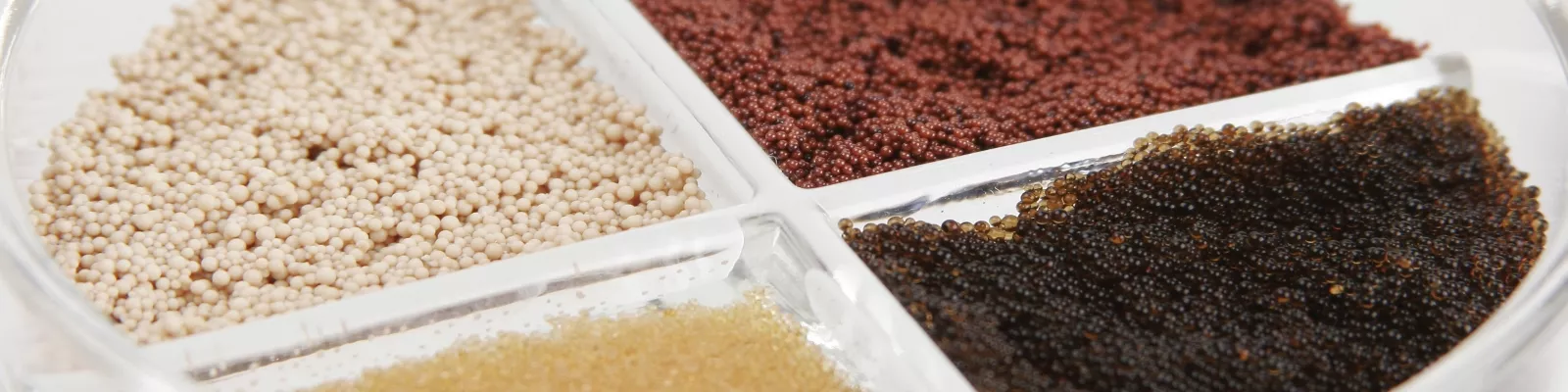
Let's break it down plainly. Anion exchangers are materials designed to attract and hold negatively charged particles (like chloride, nitrate, or sulfate ions) from liquids, releasing other ions like hydroxide in exchange. Cation exchangers, by contrast, swap out positively charged ions (like calcium, magnesium, or sodium). Together, they cleanse and condition water or other fluids by selectively removing unwanted ions and replacing them with something more benign or useful.
In real-world terms, think of them like a highly selective hotel concierge, only allowing specific ions in or out based on a complex but precise ruleset programmed by chemistry and material science. This precise exchange is what powers everything from your home’s water softener to the purification steps in producing medicines.
Good ion exchangers must remain stable over many cycles of usage. Many engineers say the choice of resin or polymer matrix affects lifespan more than anything else. For instance, polystyrene-based exchangers tend to handle harsher conditions better, resisting degradation in acidic or alkaline environments.
How many ions can be swapped before the resin needs refreshing? This "capacity" is critical because low capacity means frequent replacement or regeneration, inflating costs. Typical values range in equivalents per liter, and sometimes you find specialty resins that prioritize speed over sheer capacity.
Not all ions are created equal. Some exchangers target specific ions like heavy metals more aggressively, which plays out hugely in complex industrial wastewater where multiple contaminants jostle for removal.
Sustainability today demands materials that can be regenerated efficiently using cheaper, greener chemicals instead of being discarded. This directly impacts environmental footprint and operating cost.
Whether for a small rural clinic or a sprawling manufacturing plant, exchangers should be configurable in size and shape to meet disparate needs, sometimes even combined with anion exchanger and cation exchanger modules working in tandem.
These exchanges are the unsung heroes everywhere:
In fact, NGOs in regions like Southeast Asia and Sub-Saharan Africa have leveraged compact ion-exchange setups to provide clean water post-flooding events, balancing cost and ease of deployment.
Beyond the obvious benefits — like purer water and meeting regulatory compliance — there are social and environmental payoffs worth highlighting:
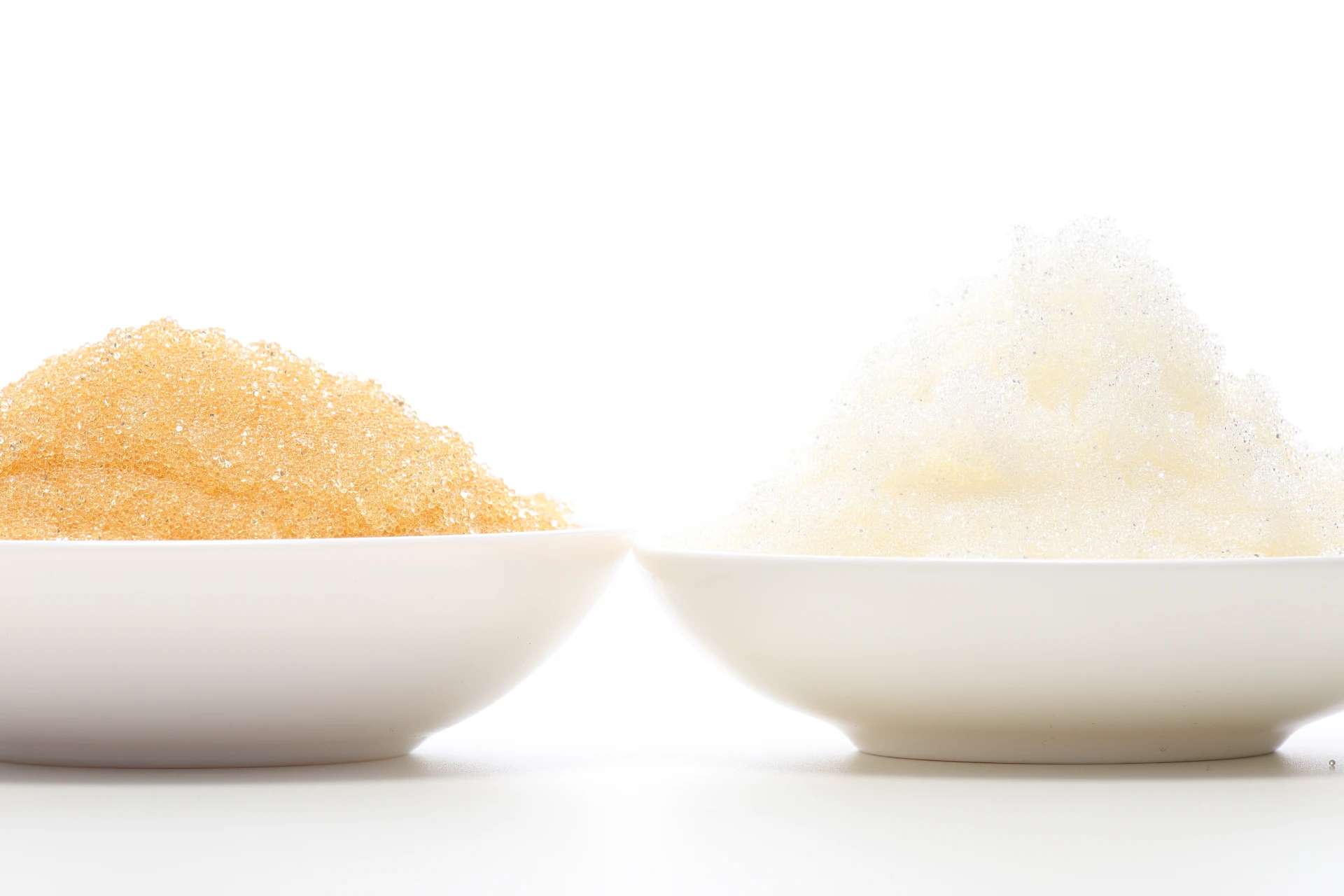
| Feature | Anion Exchanger | Cation Exchanger |
|---|---|---|
| Functional Group | Quaternary ammonium | Sulfonic acid |
| Ion Exchange Capacity (meq/mL) | 1.0 - 1.6 | 1.7 - 2.0 |
| pH Operating Range | 1 - 14 | 0 - 14 |
| Typical Regenerant | NaOH solution | HCl solution |
| Common Applications | Nitrate removal, deionization | Water softening, heavy metal removal |
| Vendor | Product Range | Typical Pricing | Strengths |
|---|---|---|---|
| Lijiresin | Both anion and cation exchangers, custom sizes | Competitive mid-range | High quality, fast turnaround, custom solutions |
| Vendor B | Mostly cation exchangers | Value-focused | Affordable, basic applications |
| Vendor C | Full spectrum, including specialty resins | Premium pricing | Advanced expertise, R&D-driven |
It feels like everything is moving faster these days, and ion exchange technology is no different. A few trends to keep an eye on:
It would be naive to say everything runs perfectly. Issues like resin fouling, limited lifespan under harsh conditions, and regeneration chemical handling still cause headaches. New coatings and cleaning methodologies, plus better regeneration protocols, are changing the game. Experts advise choosing the right resin for the specific wastewater matrix and regularly monitoring performance.
Whether you’re running a municipal water plant, designing new battery tech, or improving access to safe water in vulnerable communities, an anion exchanger and cation exchanger form the backbone of ion control. Their importance goes beyond tech specs — they’re about ensuring health, safety, and progress on a global scale.
Considering all this, it’s more than just a chemical process. It’s a quiet, ongoing commitment to better living standards, environmental stewardship, and innovation. If you want to dive deeper or explore the latest products designed for your needs, visit our website — there’s a perfect ion exchange solution waiting for you.