Phone:
+86 0319 2296164


Email:
info@lijiresin.cn
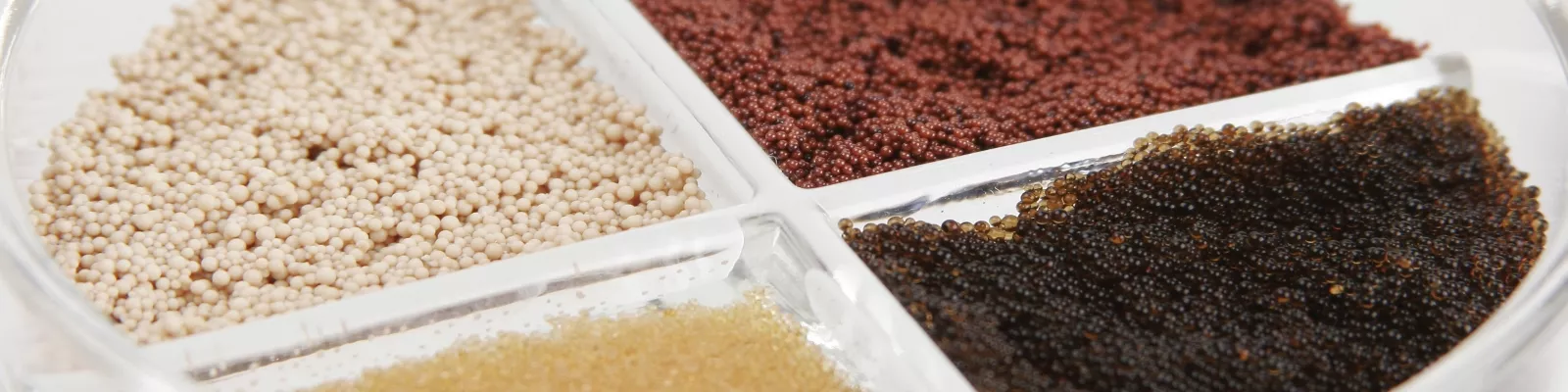
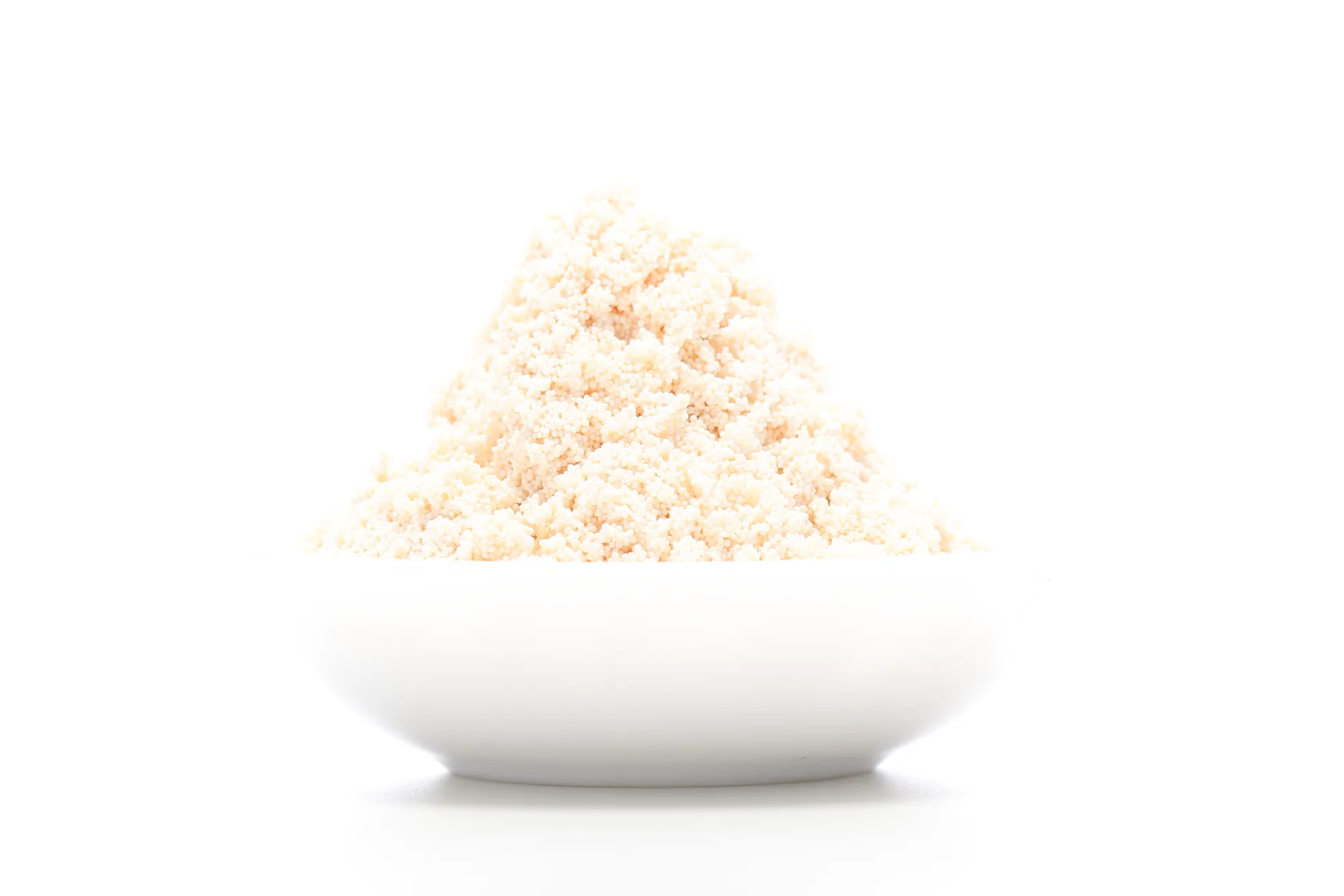
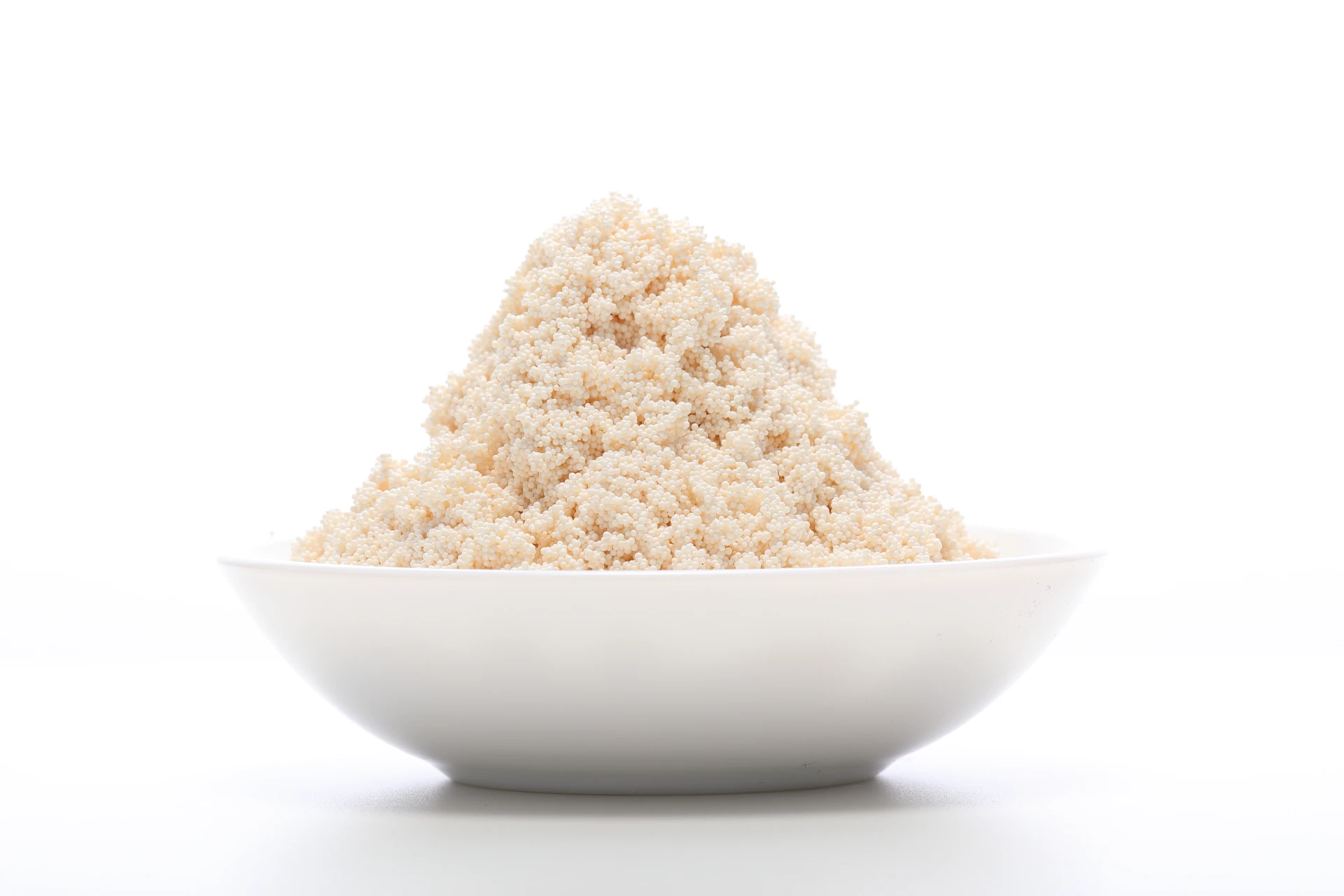
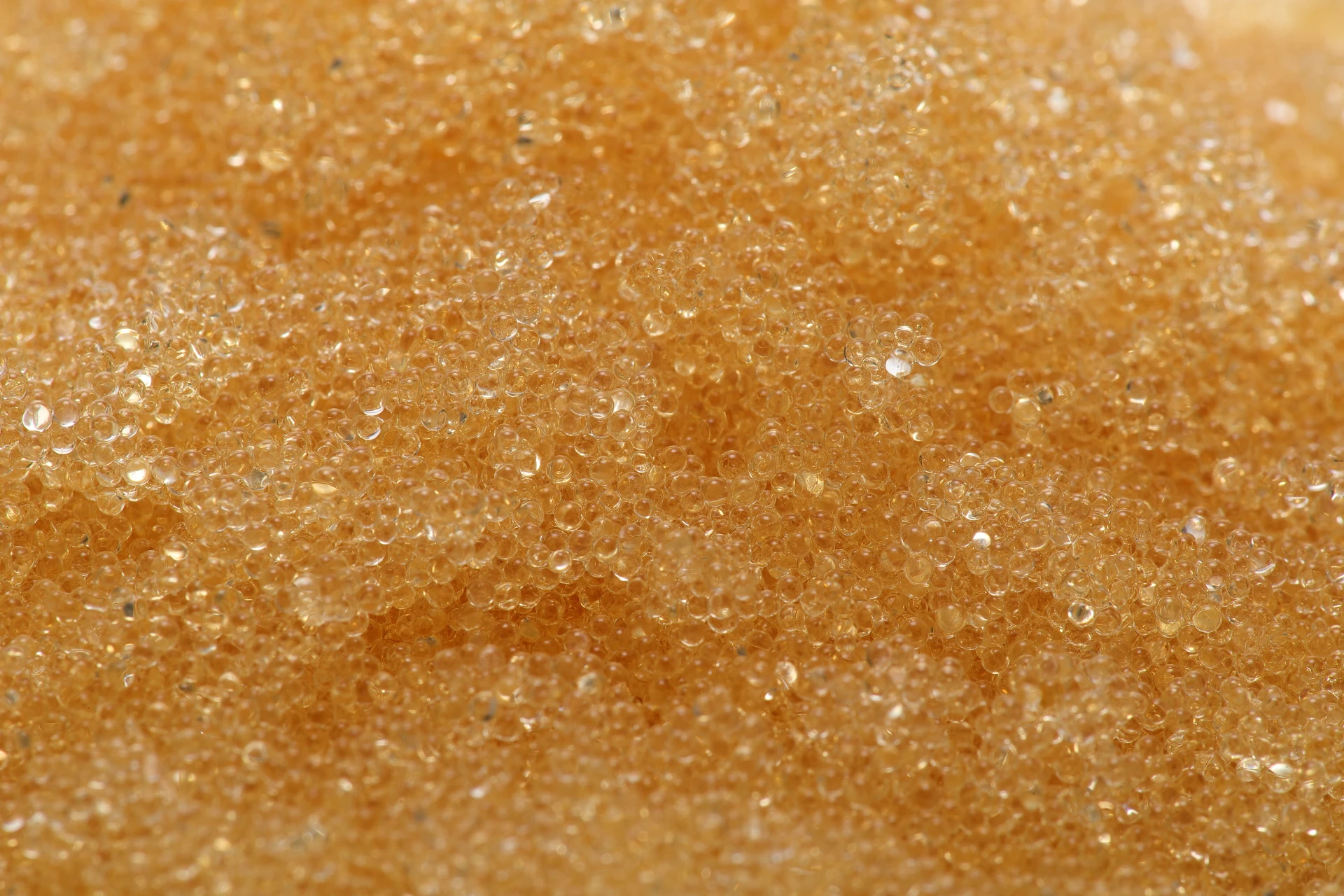
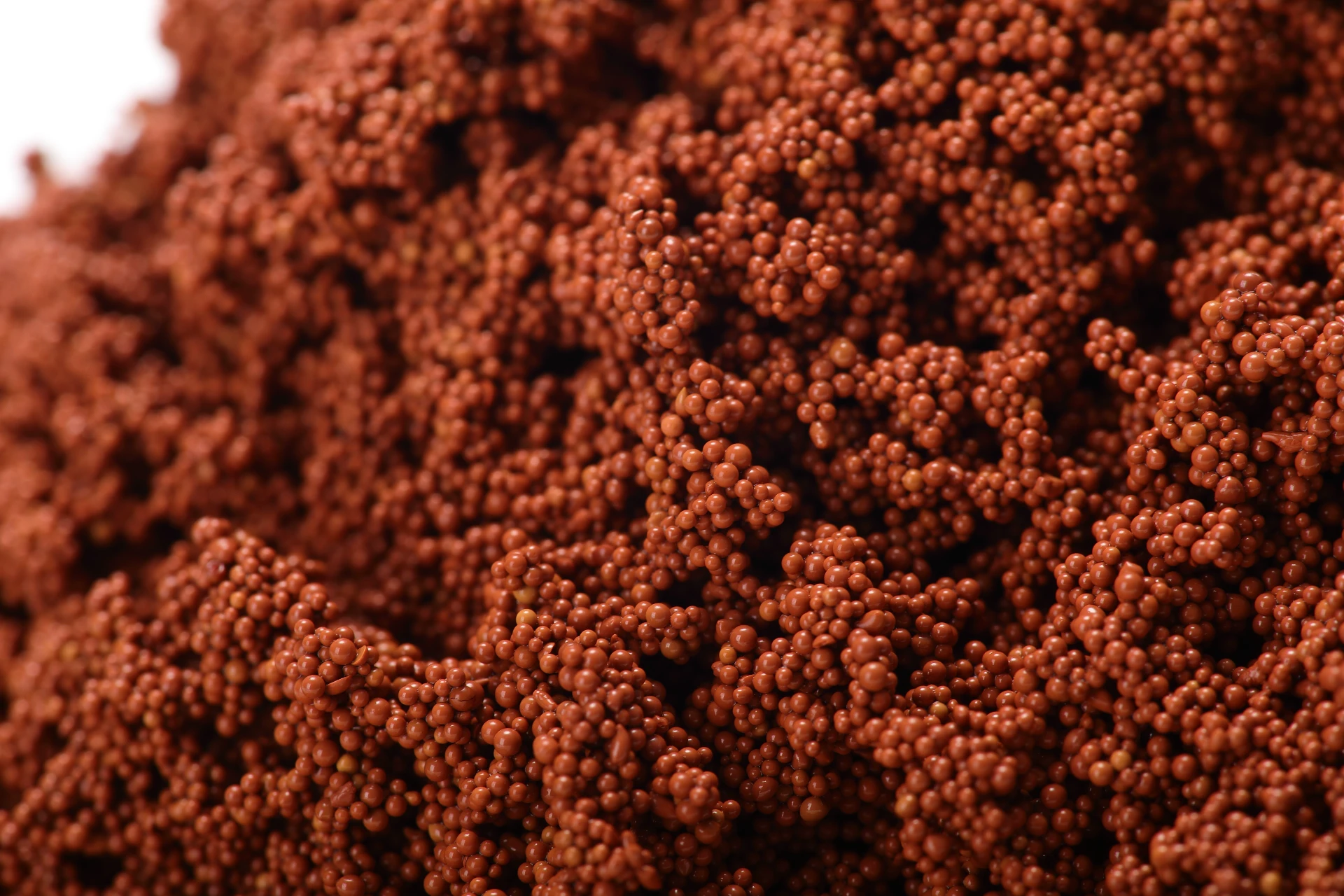
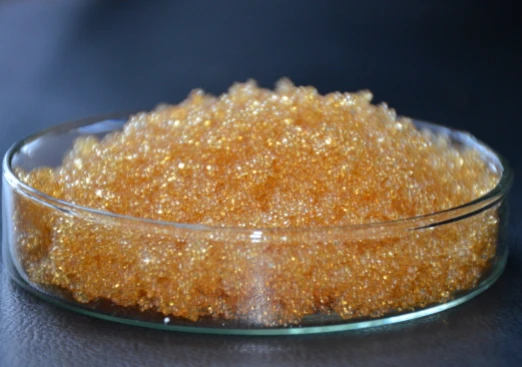
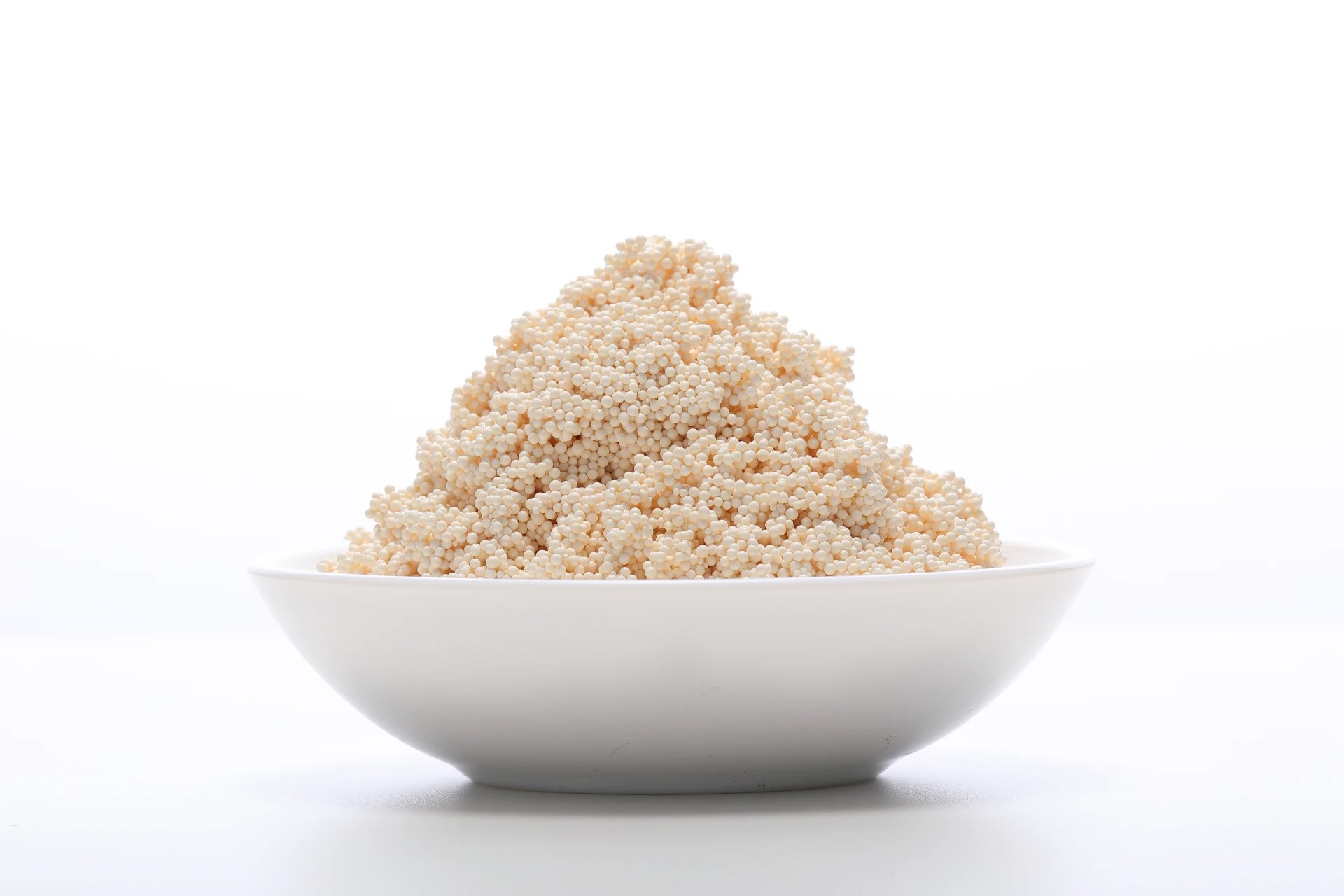
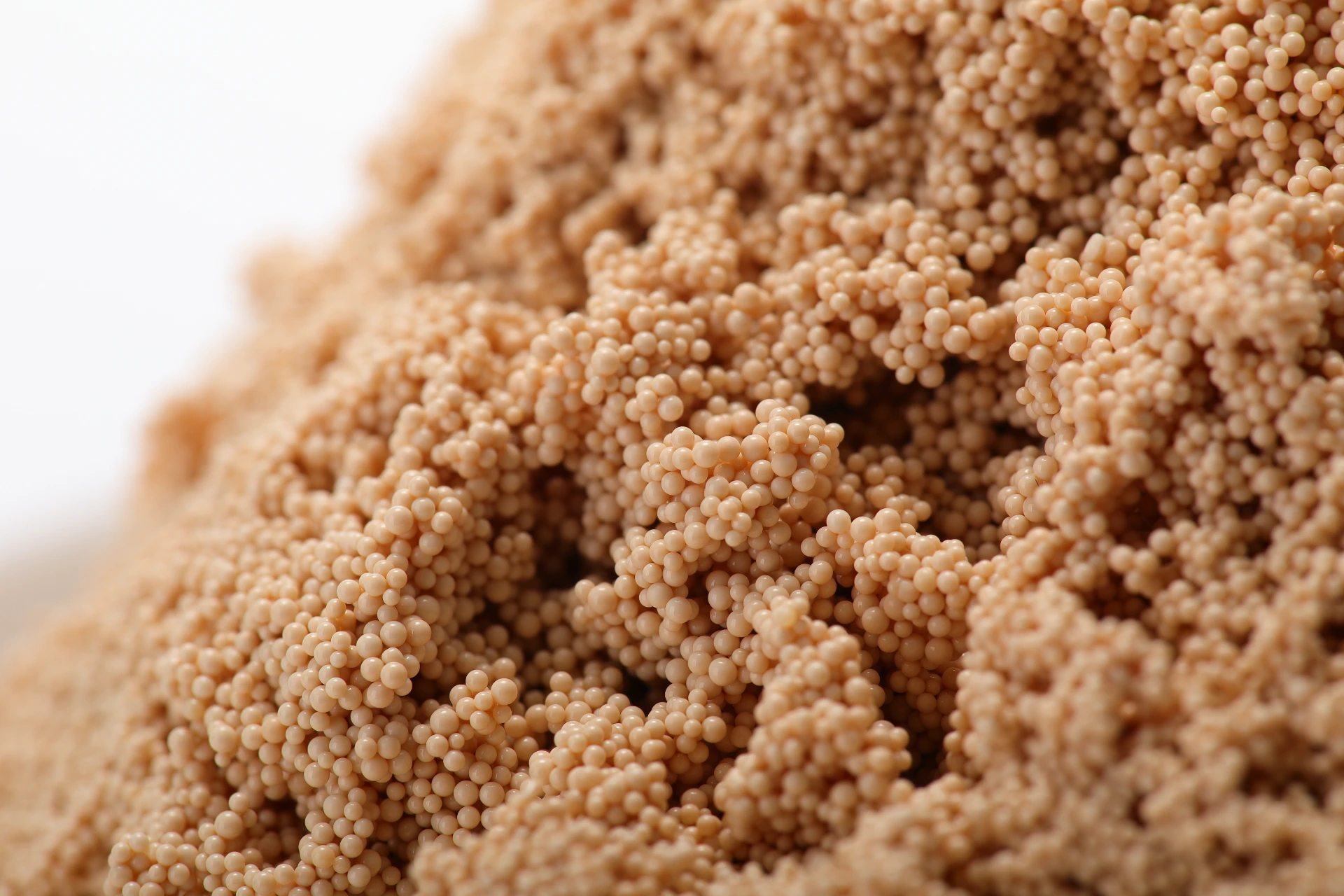
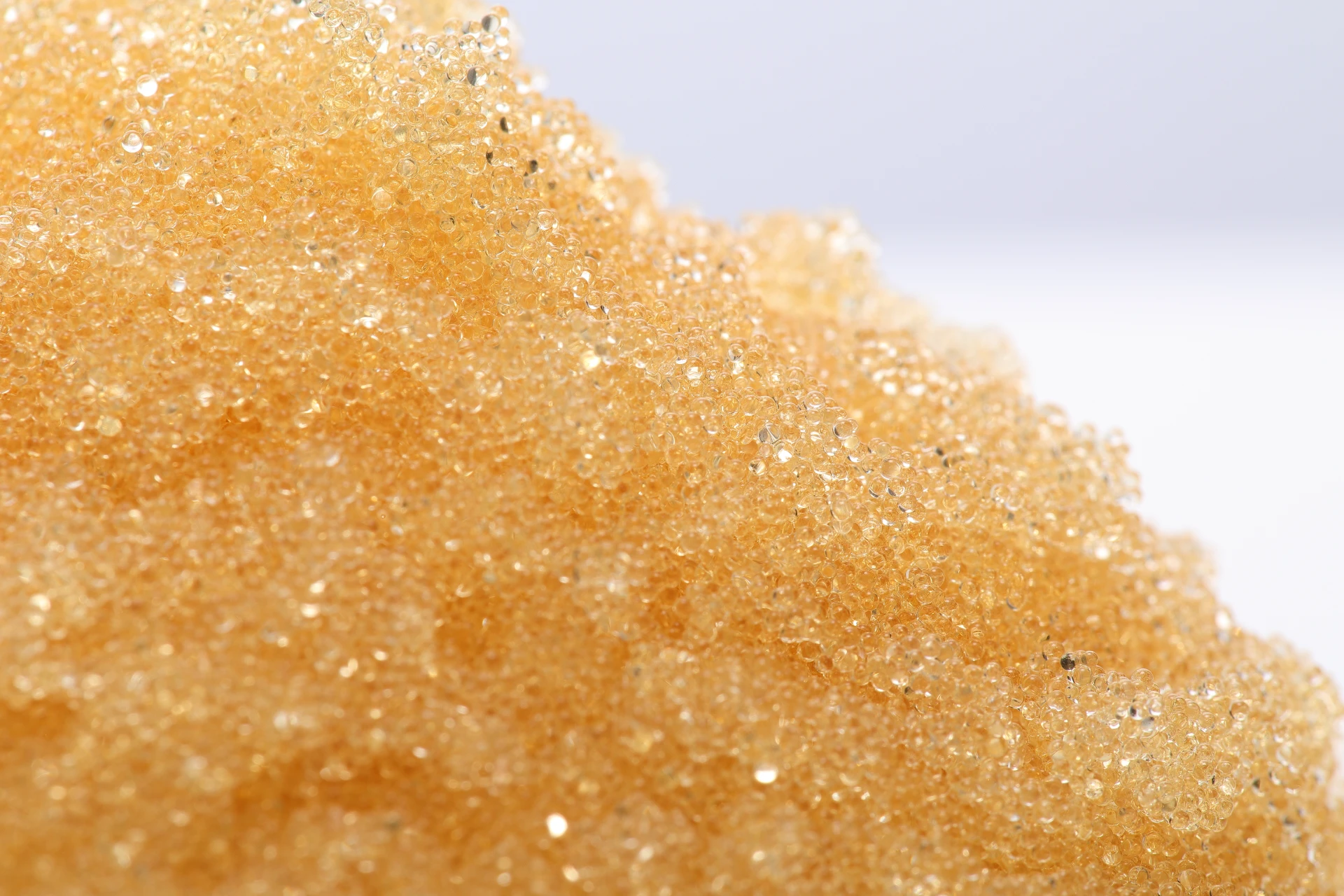
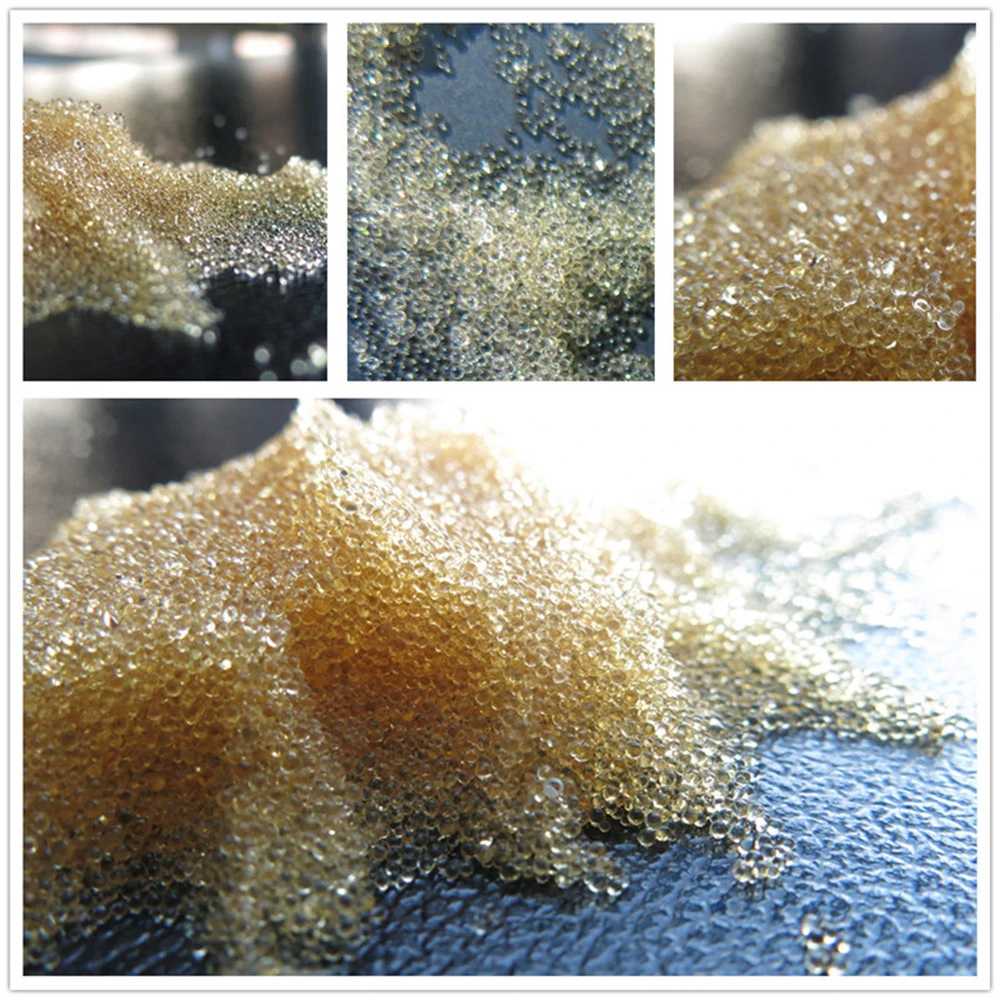
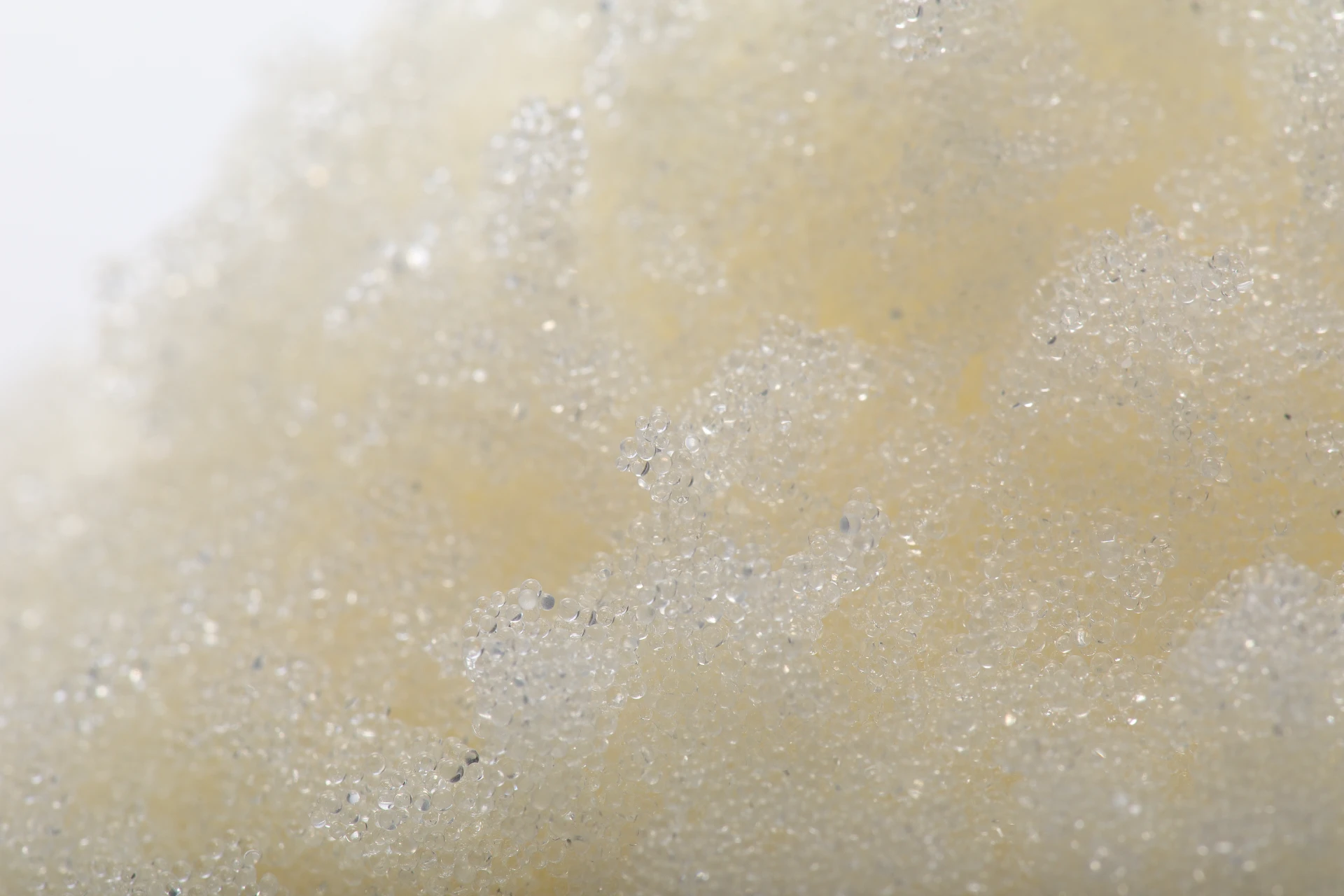
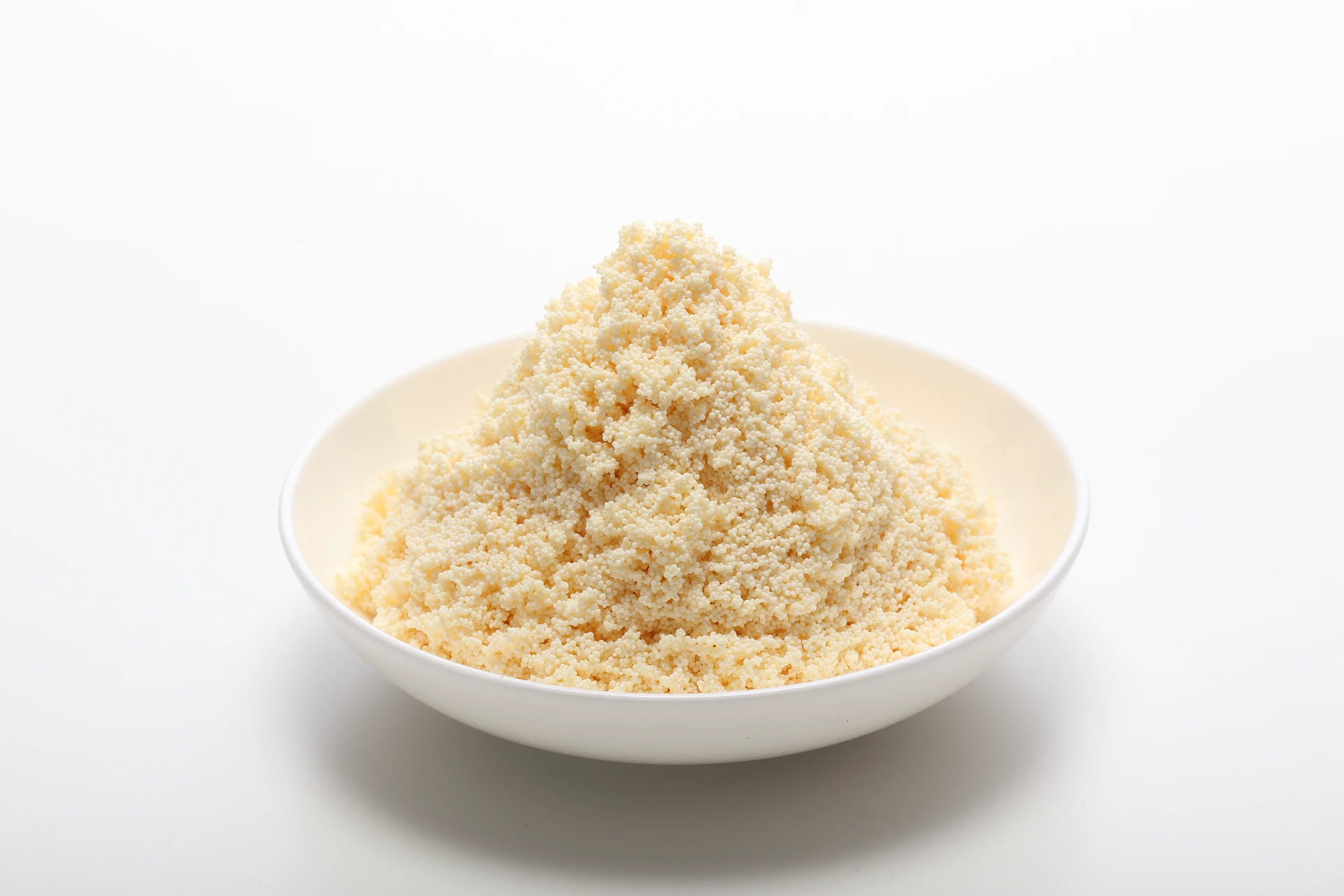
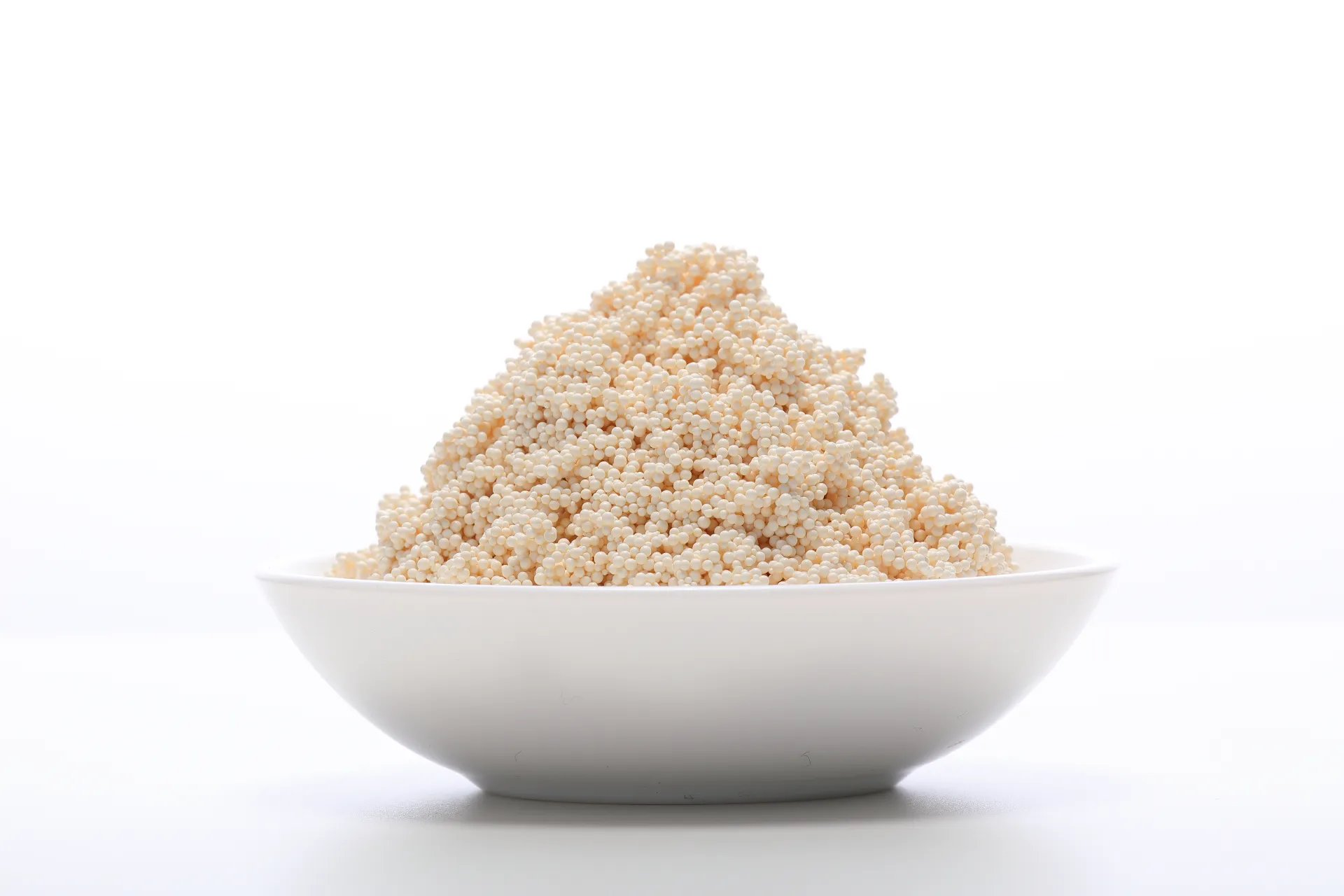
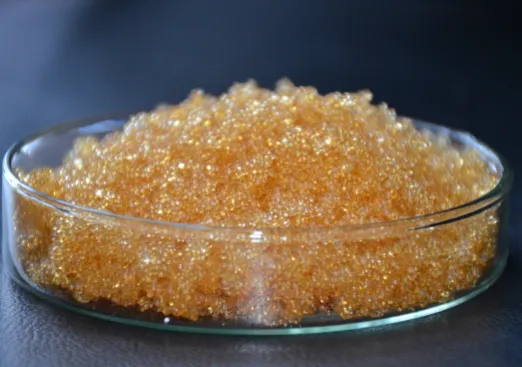
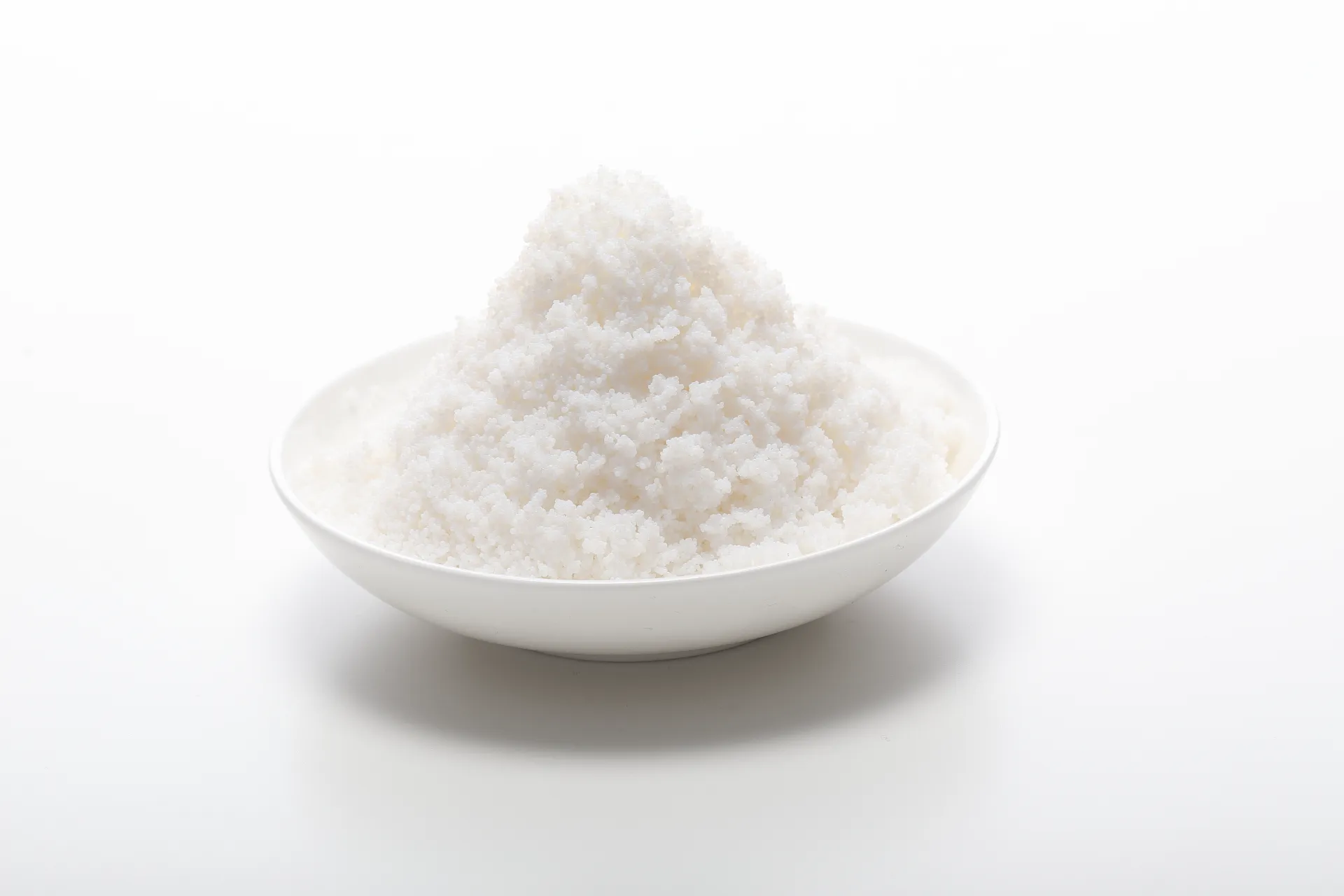
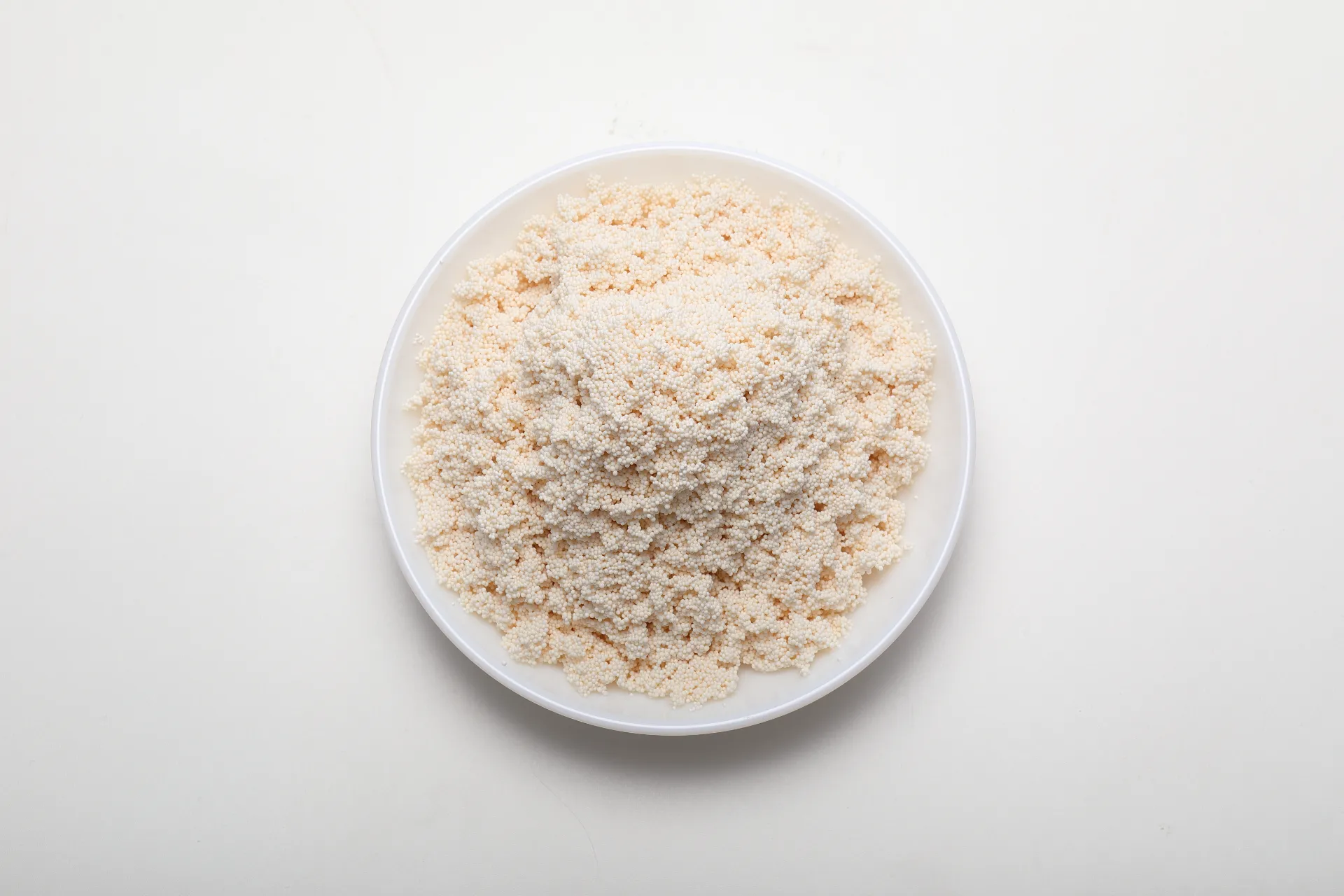
I’ve toured more water plants than coffee roasters (which says a lot), and the D001 SC macroporous strong acid resin keeps popping up. It’s a polystyrene–DVB matrix with sulfonic acid groups, built for high-speed mixed-bed demin lines. Made in Xingtai, Hebei—NO.2 East Jianshe Road, High-Tech Industrial Development South Zone, to be exact—it has that “industrial but refined” feel: uniform pores, high mechanical strength, and fewer surprises shift-to-shift. Many operators tell me it’s less finicky under thermal and osmotic stress, which, frankly, wins hearts.
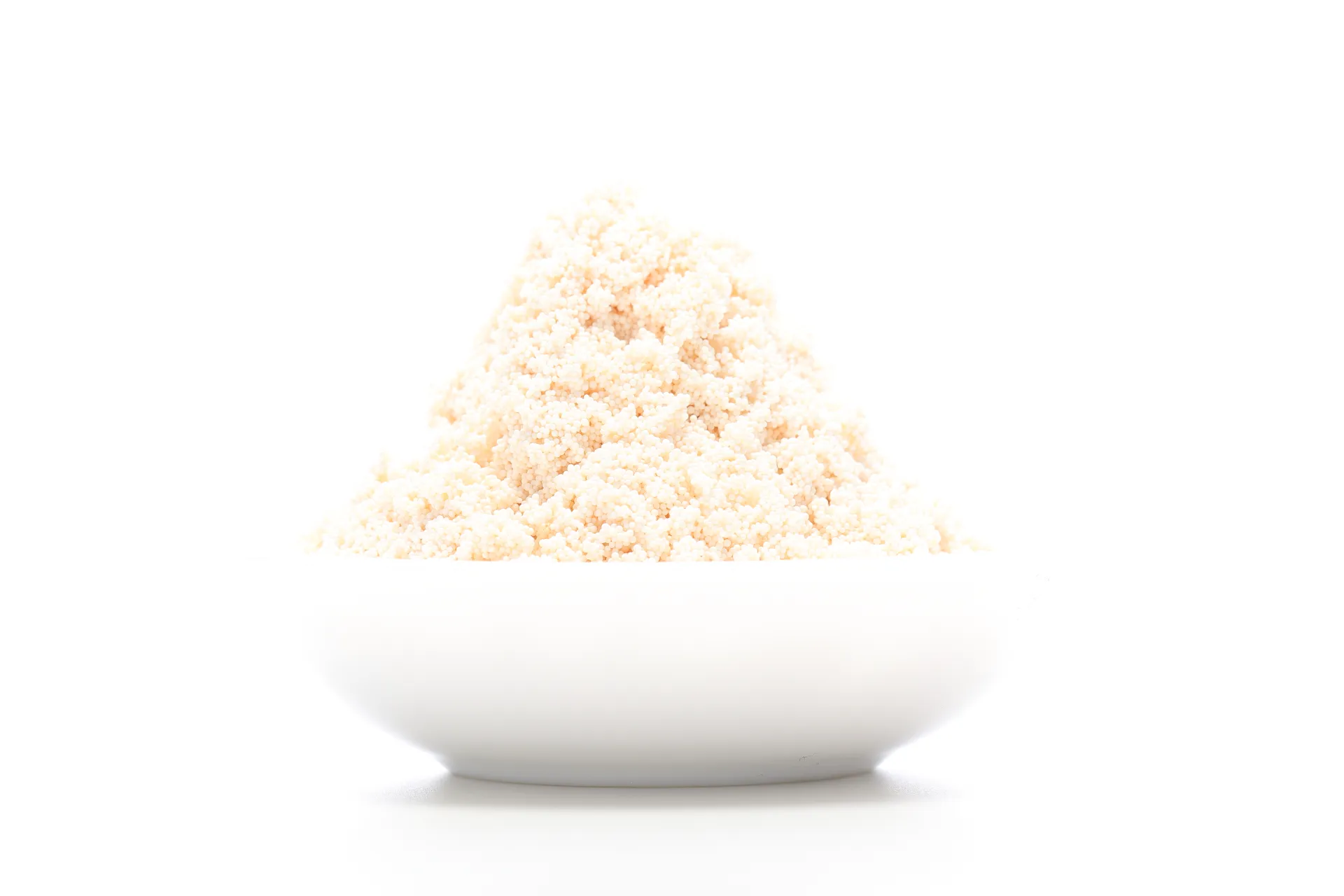
The boom in ultrapure water for batteries, chips, and modern pharma is pushing demand for cation exchange resin grades that handle high flow rates and variable feed. Macroporous, strongly acidic beads are having a moment because they resist fouling and cope with higher TDS hit-and-run events. Sustainability? Shorter rinse volumes and longer service life are becoming buying criteria, not just nice-to-haves.
| Matrix / Functional group | Macroporous polystyrene–DVB / Sulfonic acid (–SO3H) |
| Ionic form (as shipped) | Na+ or H+ (customizable) |
| Total capacity | ≈1.9–2.2 eq/L (wet), real-world may vary with feedwater |
| Moisture content | ≈45–52% |
| Bead size (typ.) | 0.315–1.25 mm; UC ≤1.6 |
| Operating temp / pH | Up to 120°C (H+); pH 0–14 |
| Service life | ≈3–7 years with proper pretreatment and regeneration |
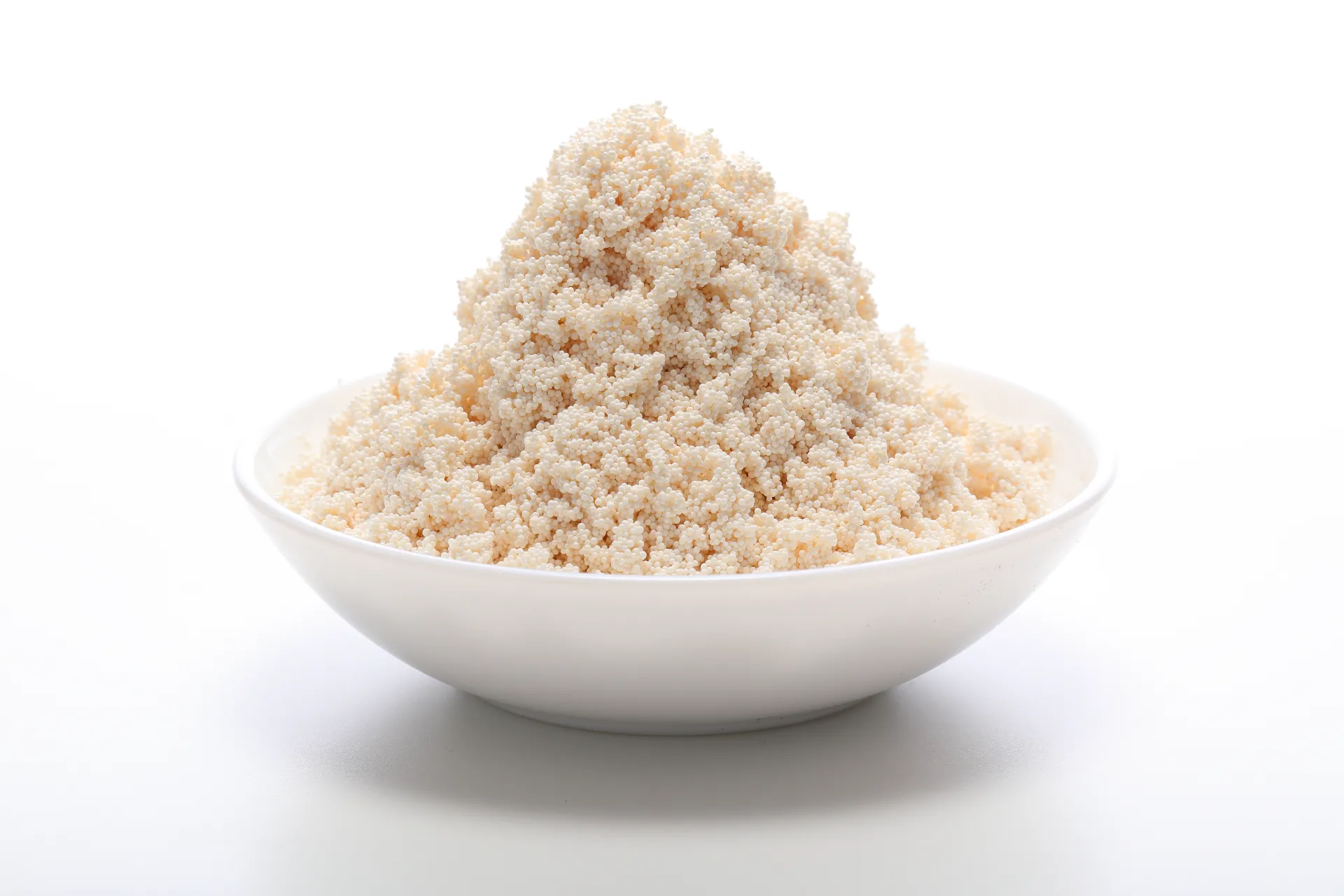
Materials: styrene, divinylbenzene, porogens; post-polymerization sulfonation (sulfuric acid route). Methods: bead polymerization, sulfonation, conversion to Na+/H+, classification, rinse. Testing: capacity (ASTM D2187), moisture, bead integrity/attrition, osmotic/thermal shock, metals leachables (NSF/ANSI 61-style), pressure drop vs. flow curve. In factory audits I’ve seen QC pull samples each batch and simulate 50–100 regen cycles to predict early-life drift. Good sign.
Advantages users report: stable pressure drop, robust beads under air scour, and lower organic fouling than gel-type cation exchange resin in “hairy” surface waters.
| Resin | Capacity (eq/L) | Form | Price/L (≈) | Lead time | Certs |
|---|---|---|---|---|---|
| D001 SC (Lijiresin) | 1.9–2.2 | Na+/H+ | $3.2–$4.1 | 2–4 weeks | ISO 9001; NSF/ANSI 61 on request |
| Lewatit S-type | 1.9–2.1 | H+ | $4.5–$5.4 | 3–6 weeks | NSF/ANSI 61 |
| Purolite C100E-class | ≈2.0 | Na+ | $4.0–$5.0 | 2–5 weeks | NSF/ANSI 61 |
Prices and specs are indicative; real-world use may vary by lot, region, and pretreatment.
Options: particle size grading for low ΔP beds, pre-regenerated H+ for mixed beds, pre-rinsed low-TOC versions, color-coded packaging. Factory address: Xingtai, Hebei (see above). Batch CoAs typically include capacity, moisture, shipping form, metals, and sieve cuts. I always ask for an ASTM D2187 report plus a simulated 20-cycle test—small ask, big peace of mind.
Look for ISO 9001 QMS, NSF/ANSI 61 for potable use when required, and test reports per ASTM D2187. For pharma or microelectronics, ask for extractables/TOC profiles and chlorine tolerance data. To be honest, a short pilot run tells you more than a glossy leaflet ever will.