Phone:
+86 0319 2296164


Email:
info@lijiresin.cn
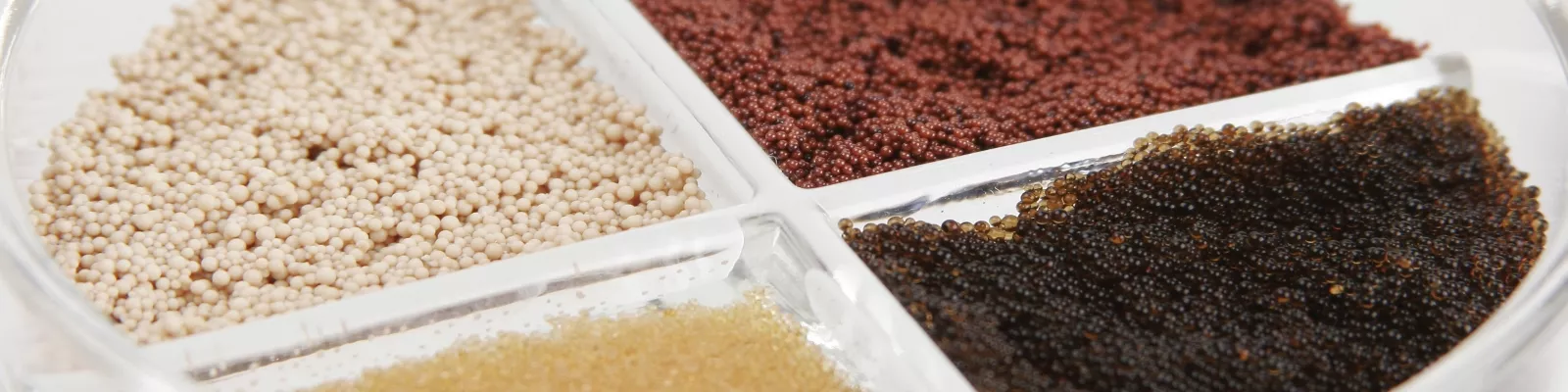
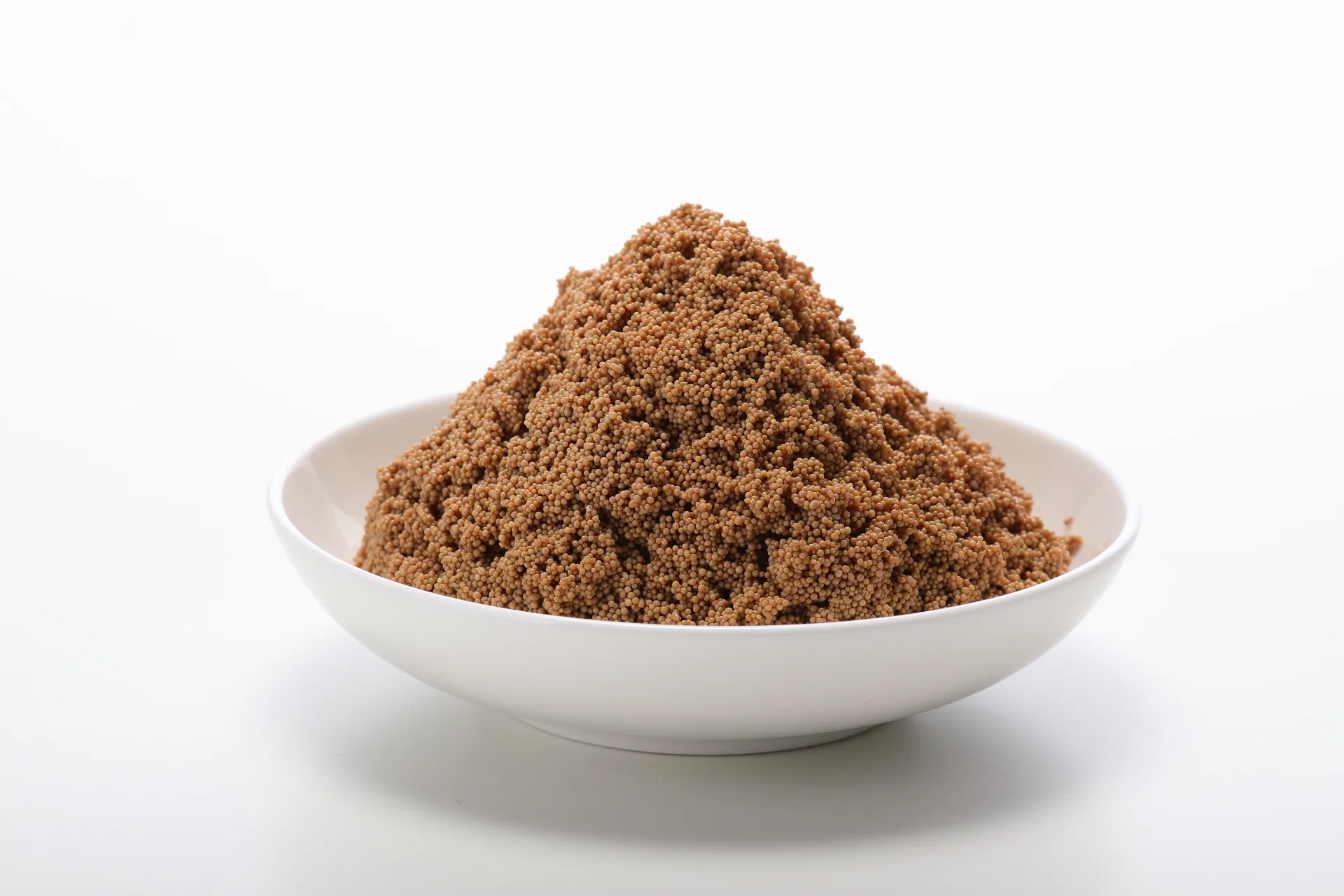
If you’ve ever wondered how industries across the globe purify water, soften hard minerals, or even transform chemicals efficiently, chances are you’re in the realm of ion exchange resins. Of all these, cation exchange resins play a starring role — think of them as traffic cops in a microscopic chemical highway, swapping out unwanted positive ions for friendlier ones. Now, understanding the cation exchange resin price is more than a budgeting exercise; it’s about grasping a small but vital hinge upon which sectors ranging from pharmaceuticals to environmental remediation swing.
Globally, the demand for water purification and industrial processing keeps climbing. According to the World Bank, over 2 billion people face water scarcity, and industries must innovate to use limited resources effectively. Knowing how resin prices fluctuate is key to adopting sustainable solutions without breaking the bank.
Mini takeaway: Tracking cation exchange resin pricing isn’t just a cost concern — it’s linked to global health, industrial efficiency, and long-term environmental goals.
On a worldwide scale, cation exchange resin price impacts everything from municipal water treatment plants in Europe to remote mining operations in Australia’s outback. The International Water Association emphasizes that the cost and availability of these resins influence project feasibility and maintenance budgets. At the same time, geopolitical tensions and trade tariffs add layers of unpredictability to this niche market.
To put it in perspective, the UN’s Sustainable Development Goal 6 focuses on clean water and sanitation — and affordable, effective resin products support filters and softeners that make that happen. So, if resin costs spike because of material shortages, you might see a ripple effect on projects aiming to supply safe drinking water.
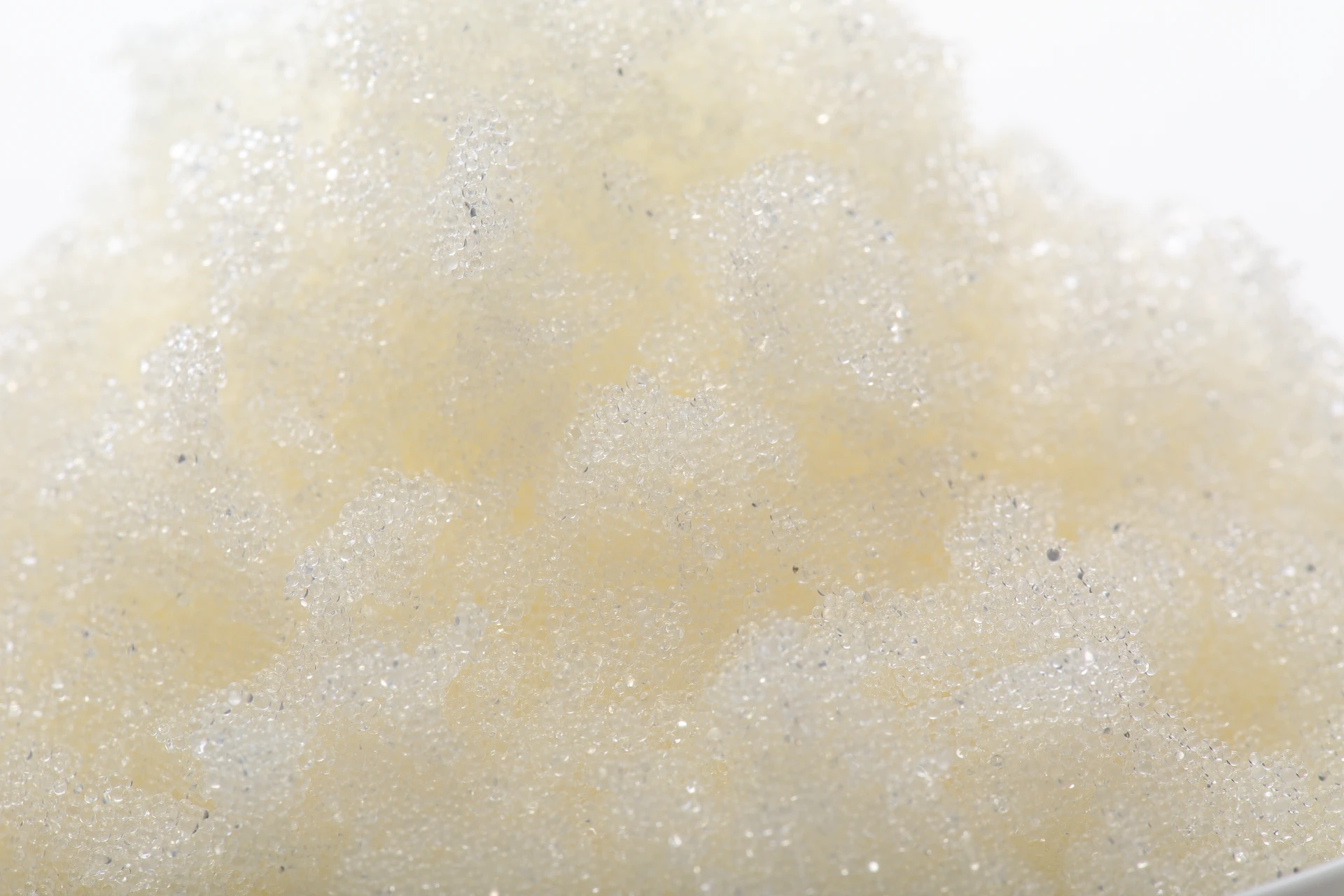
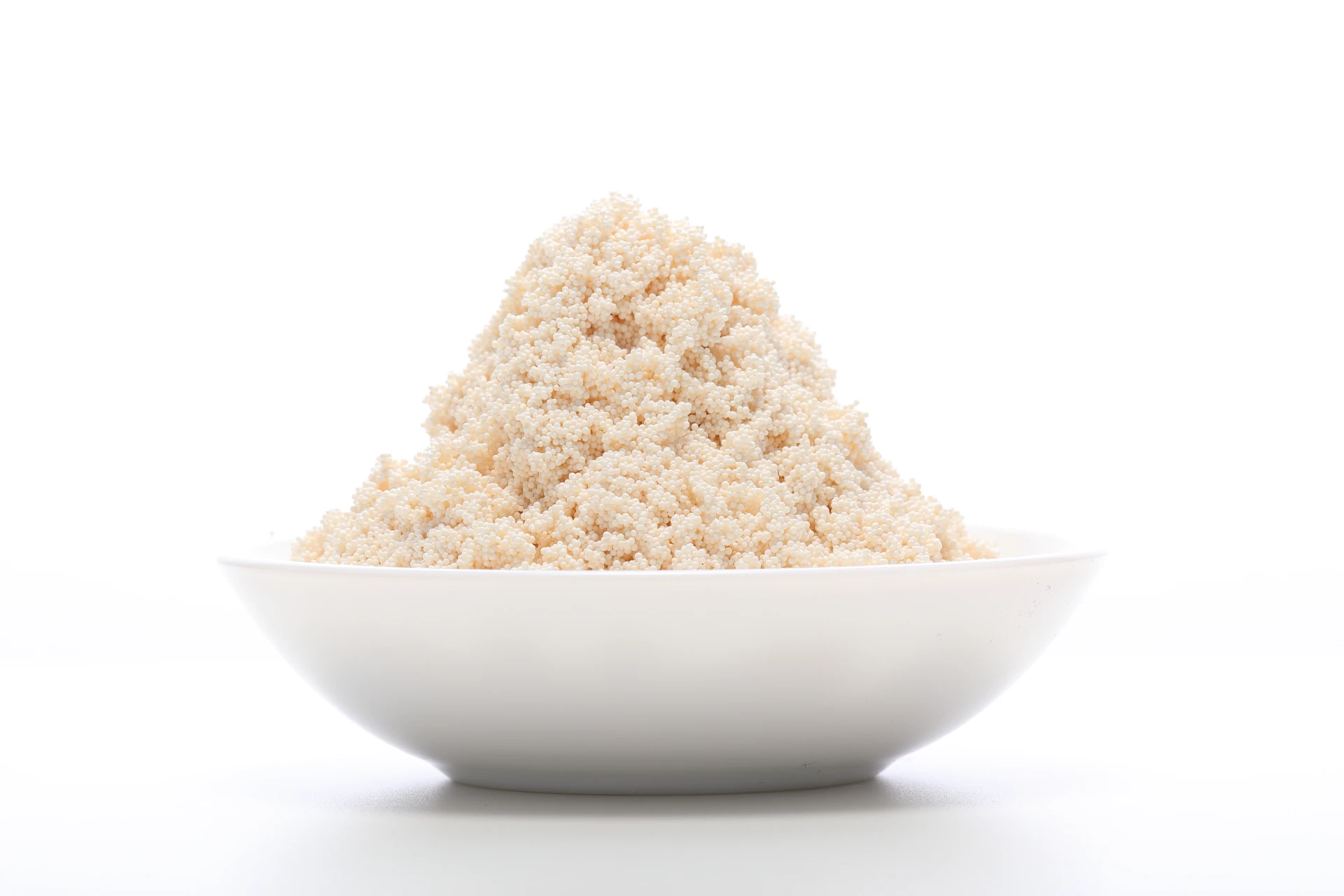
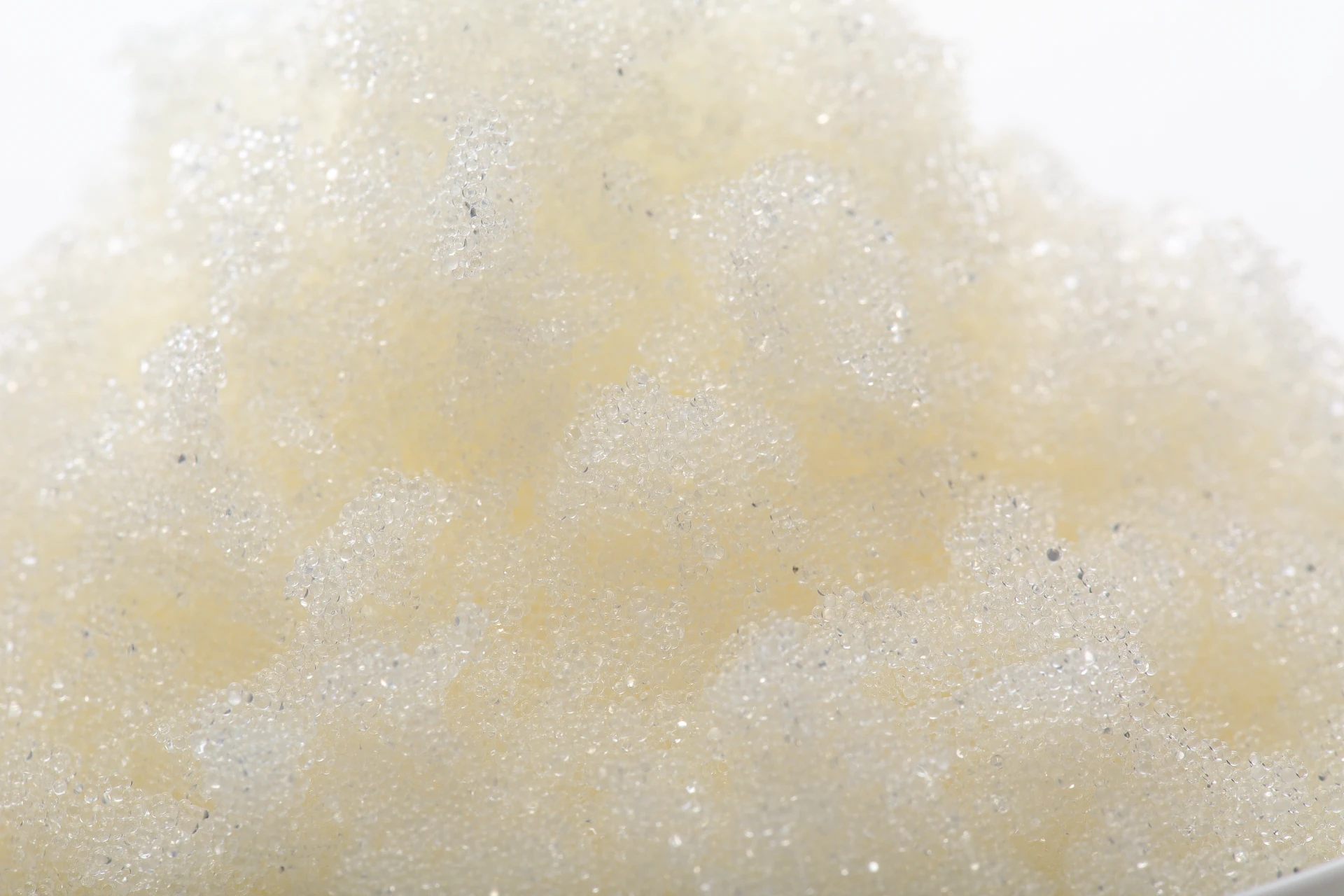
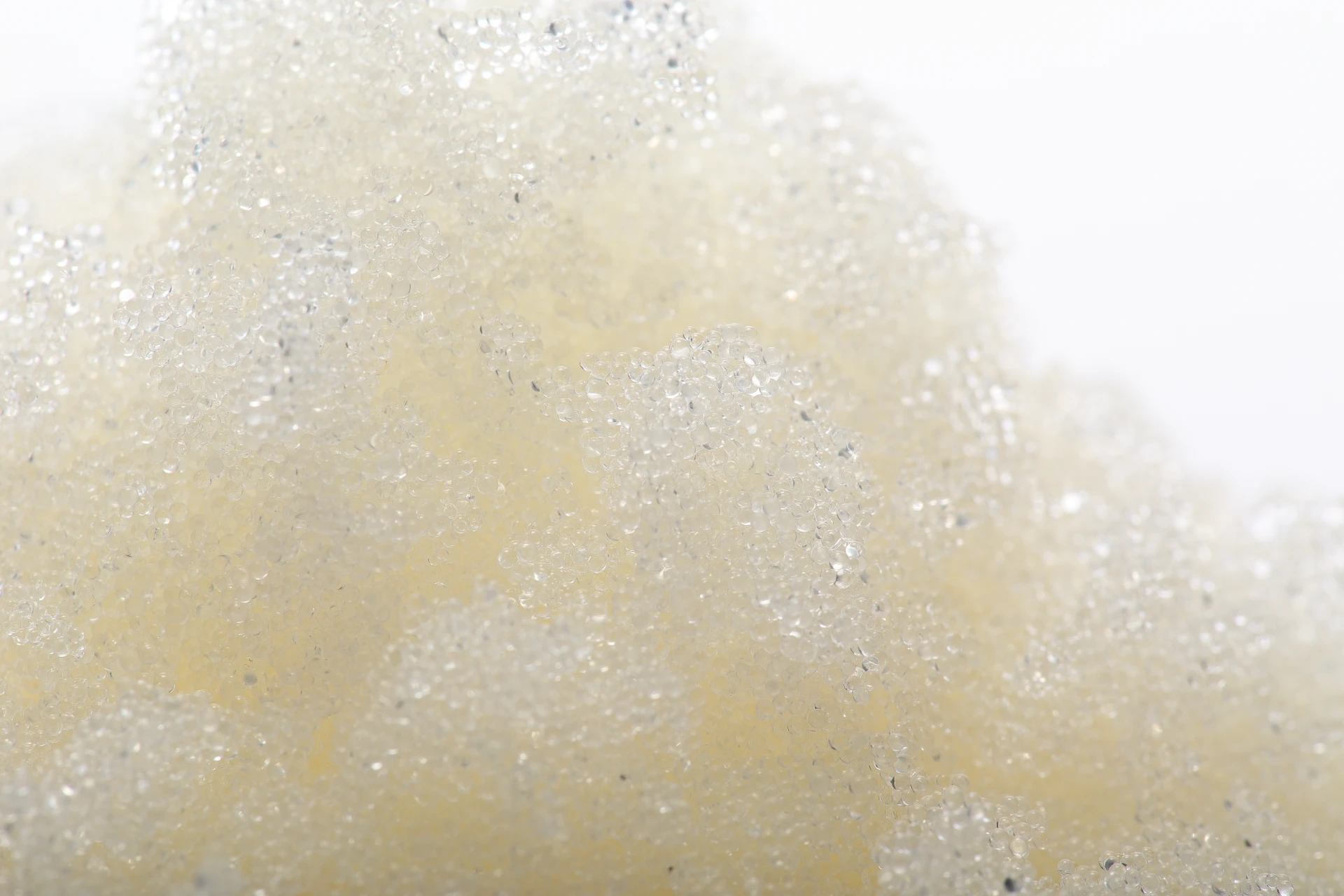
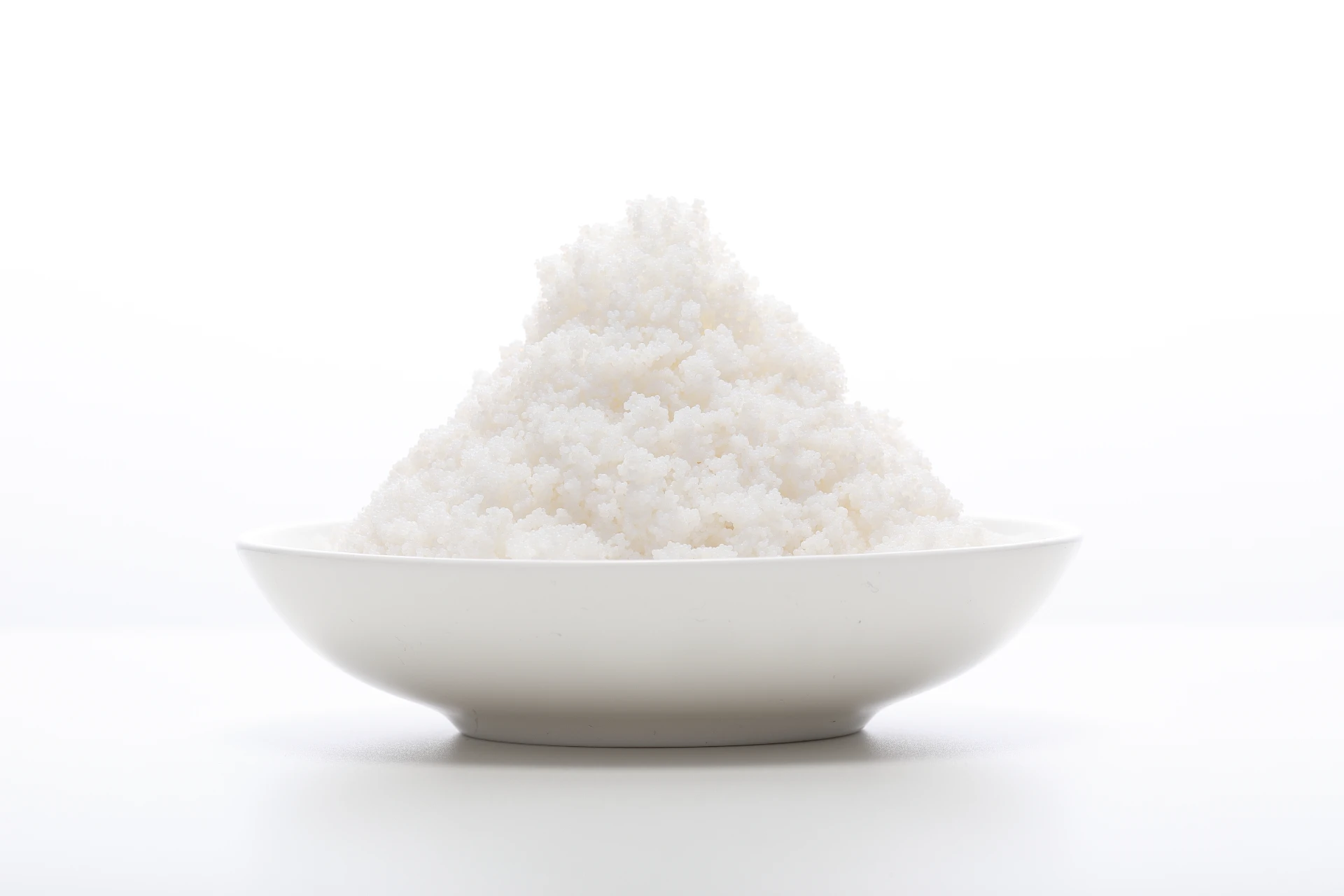
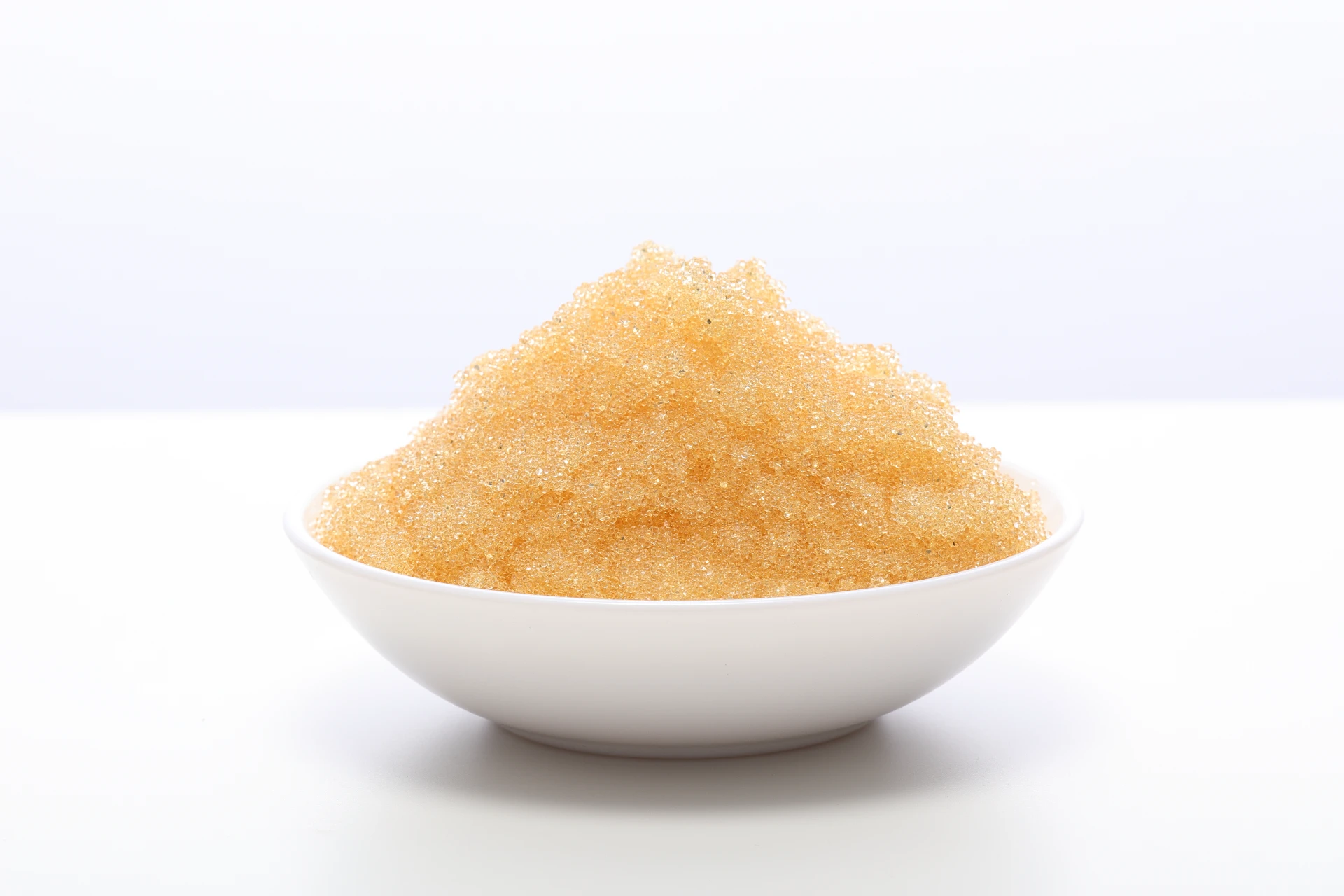
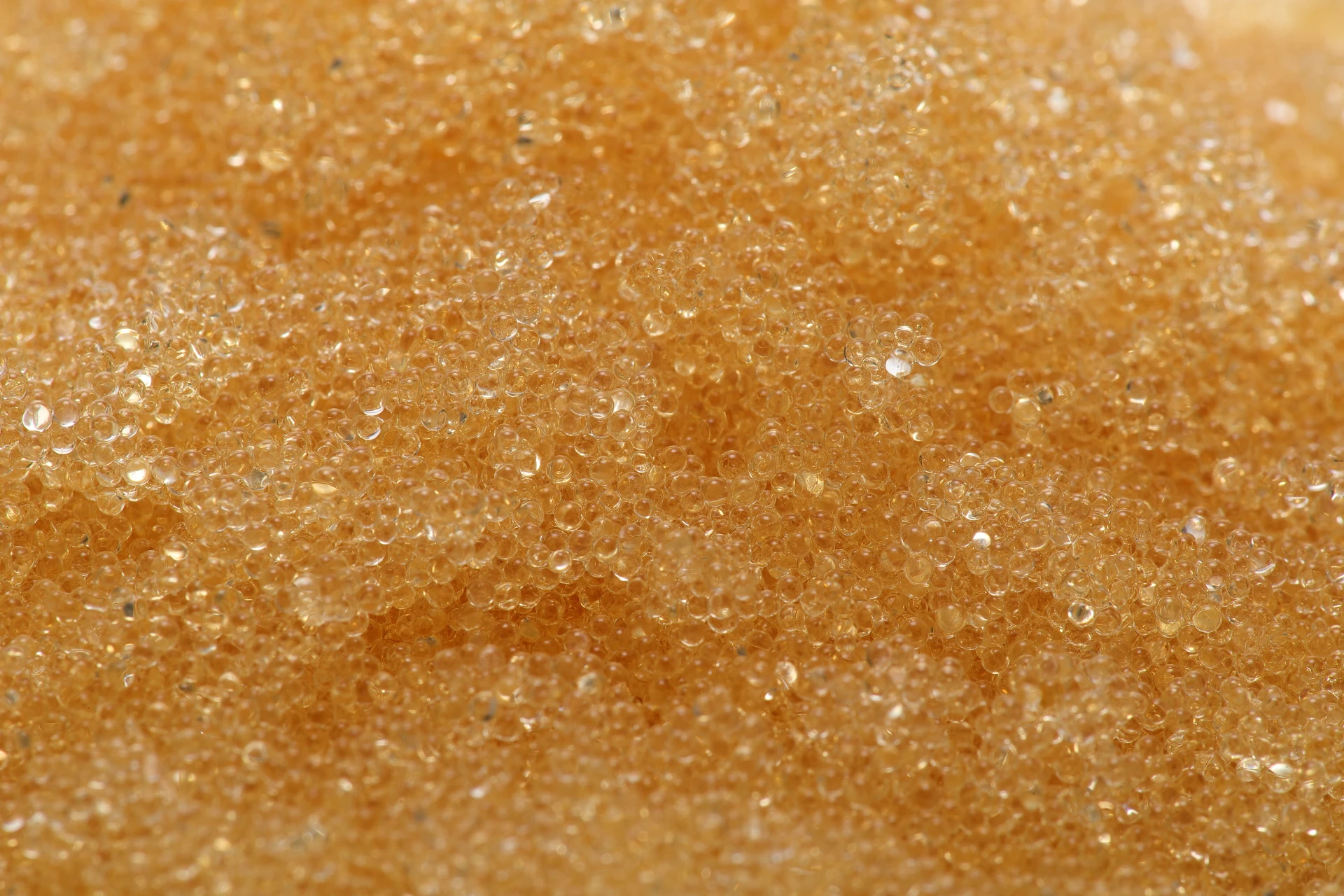
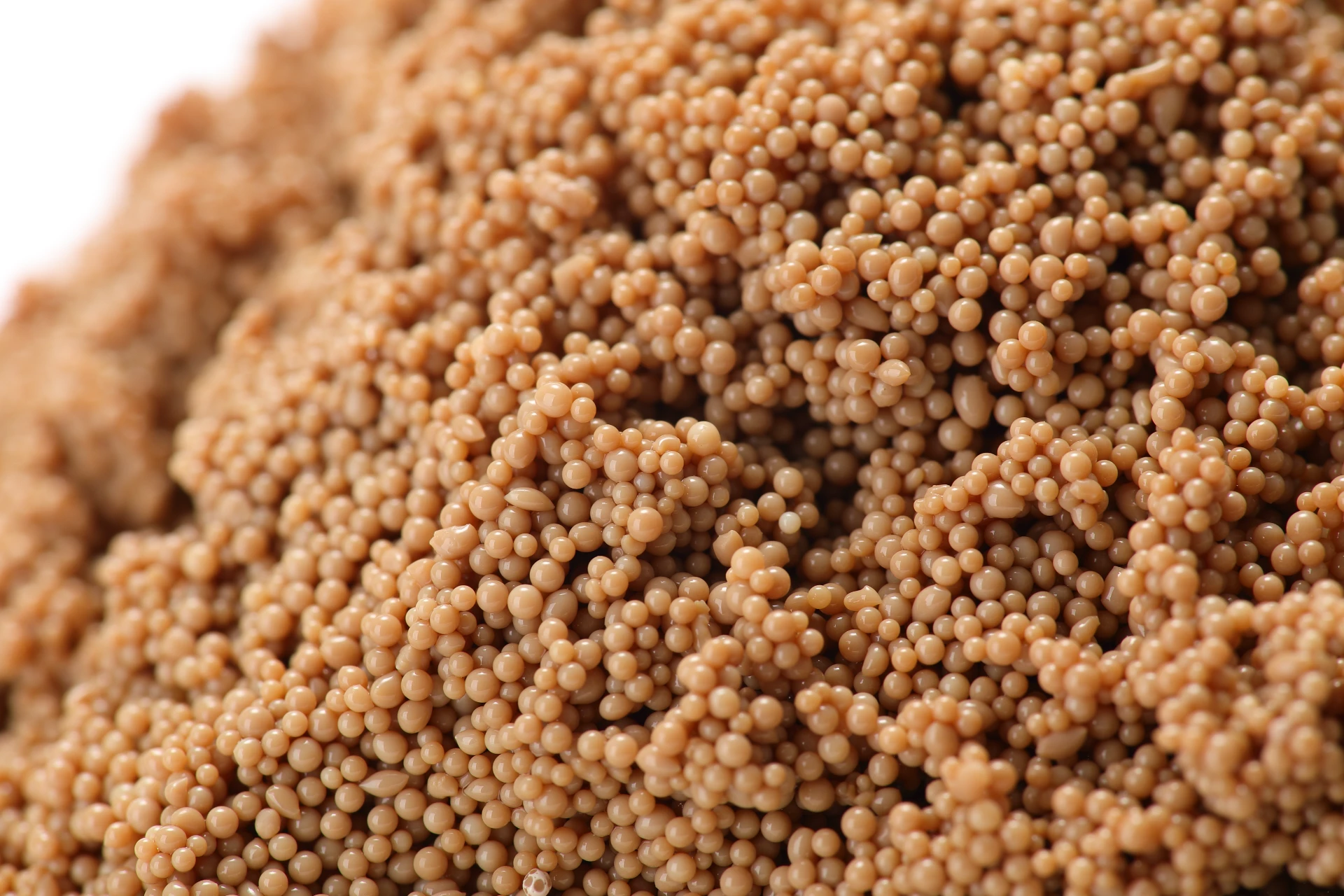
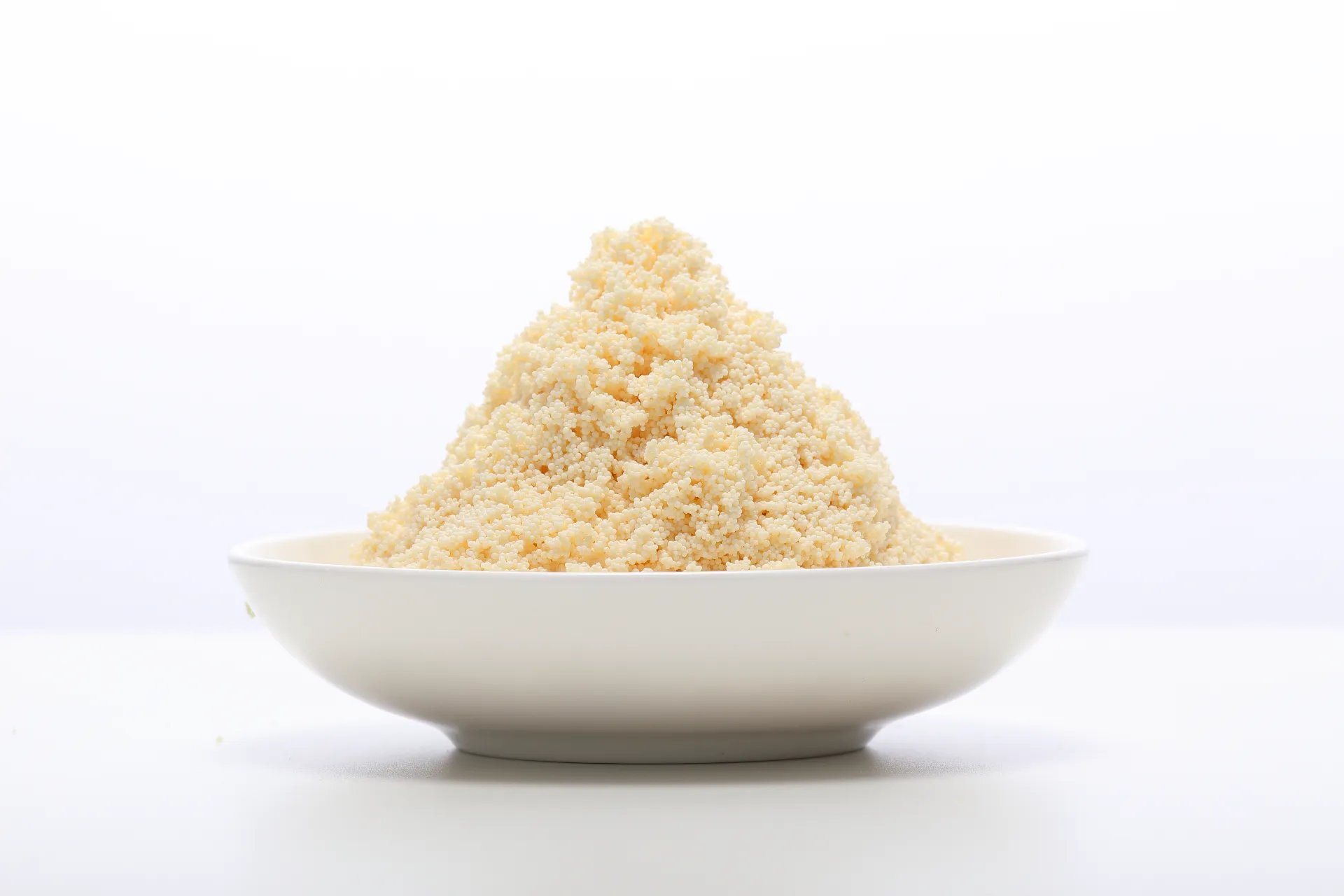
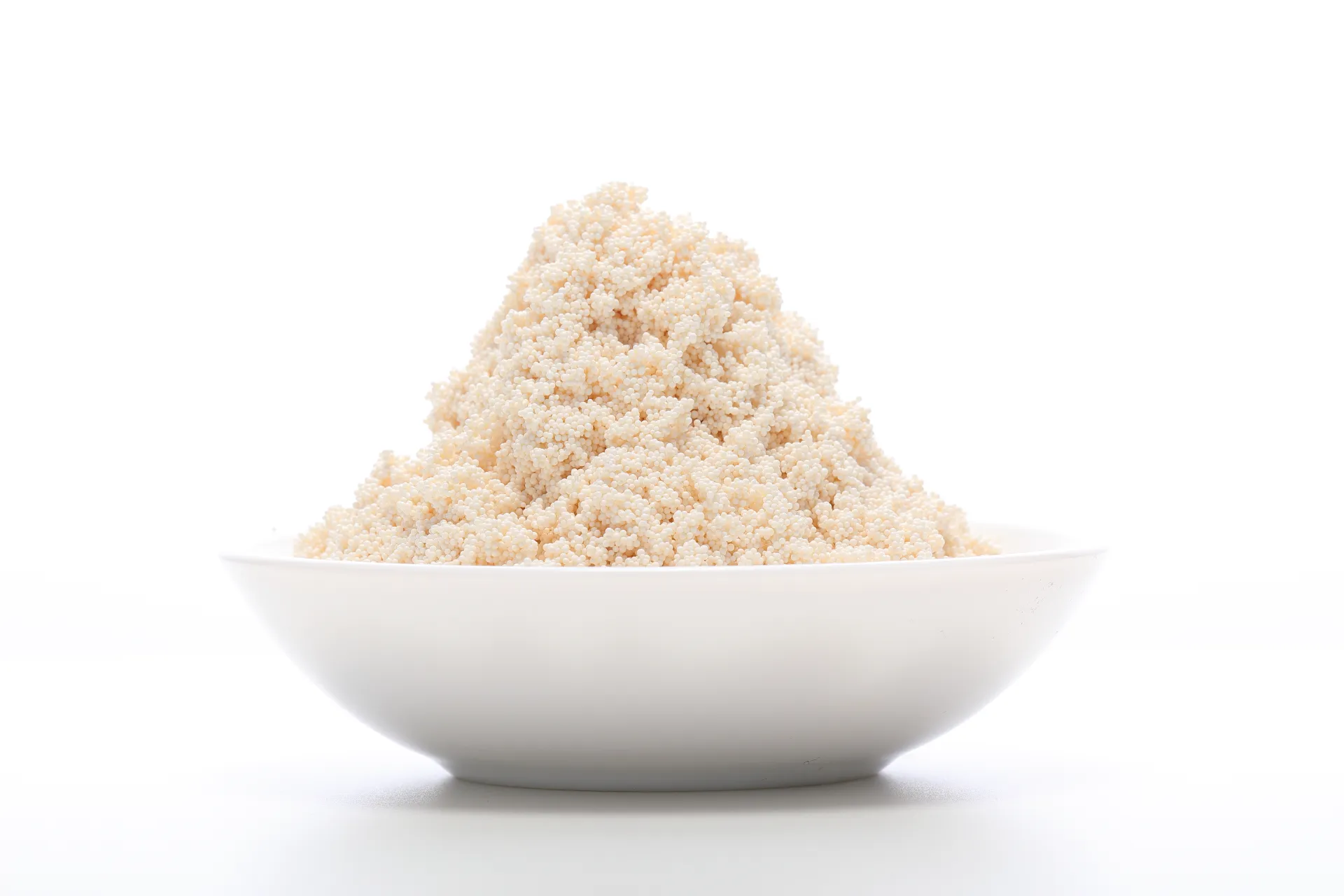
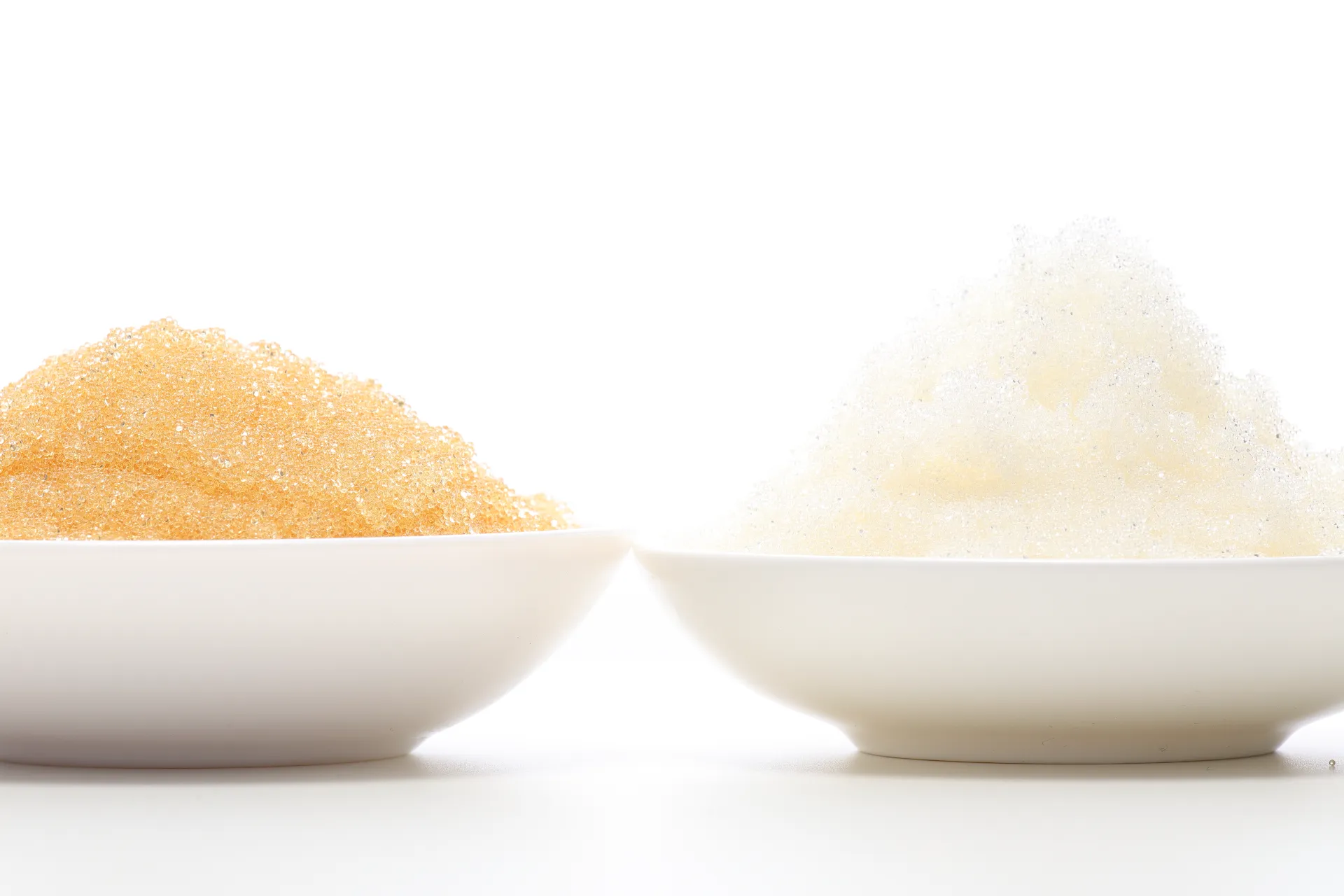
Simply put, the cation exchange resin price is the market cost per unit of these specialized polymers that exchange positively charged ions (cations) such as calcium, magnesium, or heavy metals with others (usually hydrogen or sodium ions). These tiny beads work like ion sponges inside water softeners, chemical reactors, and purification systems.
The link between price and industry runs deep. Resin costs influence the economic viability of water treatment facilities, environmental cleanup initiatives, and even pharmaceutical manufacturing. When resins are affordable, more regions - including underserved areas - can implement advanced purification.
High-quality resins made from cross-linked polystyrene or acrylic matrices offer superior longevity and resistance to chemical degradation. Of course, you'd expect these resins to command a higher price tag, but the extended service life often offsets initial expenses.
This refers to how many ions a resin can swap before it needs regeneration. A resin with a higher capacity tends to be priced steeper, yet it results in less frequent maintenance — which saves money downstream.
Resins that require less brine or chemicals to regenerate can reduce operational costs over time. So pricing often reflects the ease and cost-effectiveness of their regeneration protocols.
Just like any commodity, the broader global supply chain – including raw material availability, manufacturing locations, and logistics – sways the cation exchange resin price. A factory closer to your region may reduce shipping costs but might lack scale economies.
Some resins are chemically modified for niche applications - like selective removal of heavy metals in wastewater. These specialized products command premium pricing due to limited production and higher R&D investments.
When assessing cation exchange resin prices, it’s more than a number — it’s a complex cocktail blending raw materials, performance specs, and even shipping routes.
You’ll find cation exchange resins quietly enabling numerous industries and communities worldwide:
Oddly enough, these modest beads might not be household stars, but their influence on daily water quality and industrial efficiency is profound.
| Specification | Value/Range |
|---|---|
| Matrix Material | Styrene-Divinylbenzene |
| Functional Group | Sulfonic Acid (-SO3H) |
| Particle Size | 300 - 1200 µm |
| Capacity (meq/mL) | 1.8 - 2.2 |
| Operating Temperature | Up to 120°C |
| Typical Cation Exchange Resin Price (per kg) | $20 - $60 |
| Vendor | Price Range (per kg) |
Specialty | Typical Lead Time |
|---|---|---|---|
| Liji Resin Co. | $25 - $50 | Standard and customized resins | 2 weeks |
| Global Chem Solutions | $30 - $60 | High-capacity resins for pharma | 3-4 weeks |
| IonTech Industries | $20 - $45 | Bulk orders, industrial scale | 1 week |
Here’s the kicker: paying a bit more upfront for robust resins can save tens of thousands in system downtime, maintenance, and early replacements. It’s sort of like choosing a reliable car over a cheaper, less dependable model — maintenance costs add up faster than you expect.
Additionally, sustainable resin solutions reduce chemical usage and waste, contributing to greener processes and earning social trust. Industries benefit not just from leaner costs but also from showcasing environmental responsibility.
Emotional factors play a role too: clean water means healthier communities, which translates to peace of mind and dignity for the end users — NGOs and governments appreciate solutions that tick both the wallet and humanitarian boxes.
Advances in bio-based resin materials and digital monitoring promise to shake up the pricing landscape. Imagine smart resins that self-indicate saturation levels or regeneration needs, cutting down labor and chemicals. Plus, greener manufacturing methods could eventually lower baseline cation exchange resin prices without compromising performance.
Automation in resin production, utilizing AI for quality control, and new composite materials incorporating nanoparticles are on the horizon — all poised to redefine value and cost alike.
Yet, it’s not all rosy. Procurement delays, price volatility due to raw material scarcity, and quality inconsistencies can frustrate users. Some regions face logistical nightmares shipping resins under stringent customs rules.
Experts suggest diversifying suppliers, investing in local manufacturing where feasible, and adopting modular resin systems that allow quick swapping to overcome these hurdles. Plus, close partnerships with vendors (like this one) help secure supply and stable prices.
Ultimately, understanding the nuances behind cation exchange resin price is a gateway to smarter, more sustainable choices in water treatment and industrial chemistry. It isn't just about securing a good deal, but about investing in reliable technology that delivers social and environmental dividends over decades.
Curious to learn more details or find the right resin for your needs? Visit our website: https://www.lijiresin.com — where pricing meets performance head-on.