Phone:
+86 0319 2296164


Email:
info@lijiresin.cn
At first blush, sulfonated polystyrene cation exchange resin sounds like a bit of a mouthful — a tongue-twisting term from a chemistry textbook. But in reality, it’s one of those unsung heroes quietly making a huge difference across industries and humanitarian efforts worldwide. From purifying drinking water to facilitating complex industrial processes, understanding its role offers not just a peek into advanced materials science but insight into real global challenges like water scarcity and environmental sustainability.
Globally, over 2 billion people lack access to safely managed drinking water (UN Water, 2023). Industries demand cleaner inputs to stay competitive and environmentally responsible. Here, the unique properties of sulfonated polystyrene cation exchange resins help remove dissolved ions, soften water, and recycle valuable metals — tasks that are both crucial and cost efficient. Through this lens, grasping what this resin is and how it works becomes less an academic exercise and more a pragmatic window into solutions the modern world badly needs.
Water treatment and chemical purification aren’t just niche technical topics: they underpin public health, agricultural productivity, and manufacturing efficacy. The World Bank estimates that an investment of $114 billion annually is needed to meet global water and sanitation goals by 2030. Technologies centered around ion-exchange resins, especially sulfonated polystyrene cation exchange resin, are pivotal in reducing costs while enhancing purification quality.
However, challenges like hardness in source water, toxic heavy metals, and complex effluents call for resilient, regenerable, and efficient materials. That’s exactly where sulfonated polystyrene-based resins step in, addressing ion contamination through selective exchanges, making previously unusable water sources viable, or reducing environmental footprints of industrial discharges. Simply put, these resins are the quietly heroic tools bridging the gap between scarcity and sustainability.
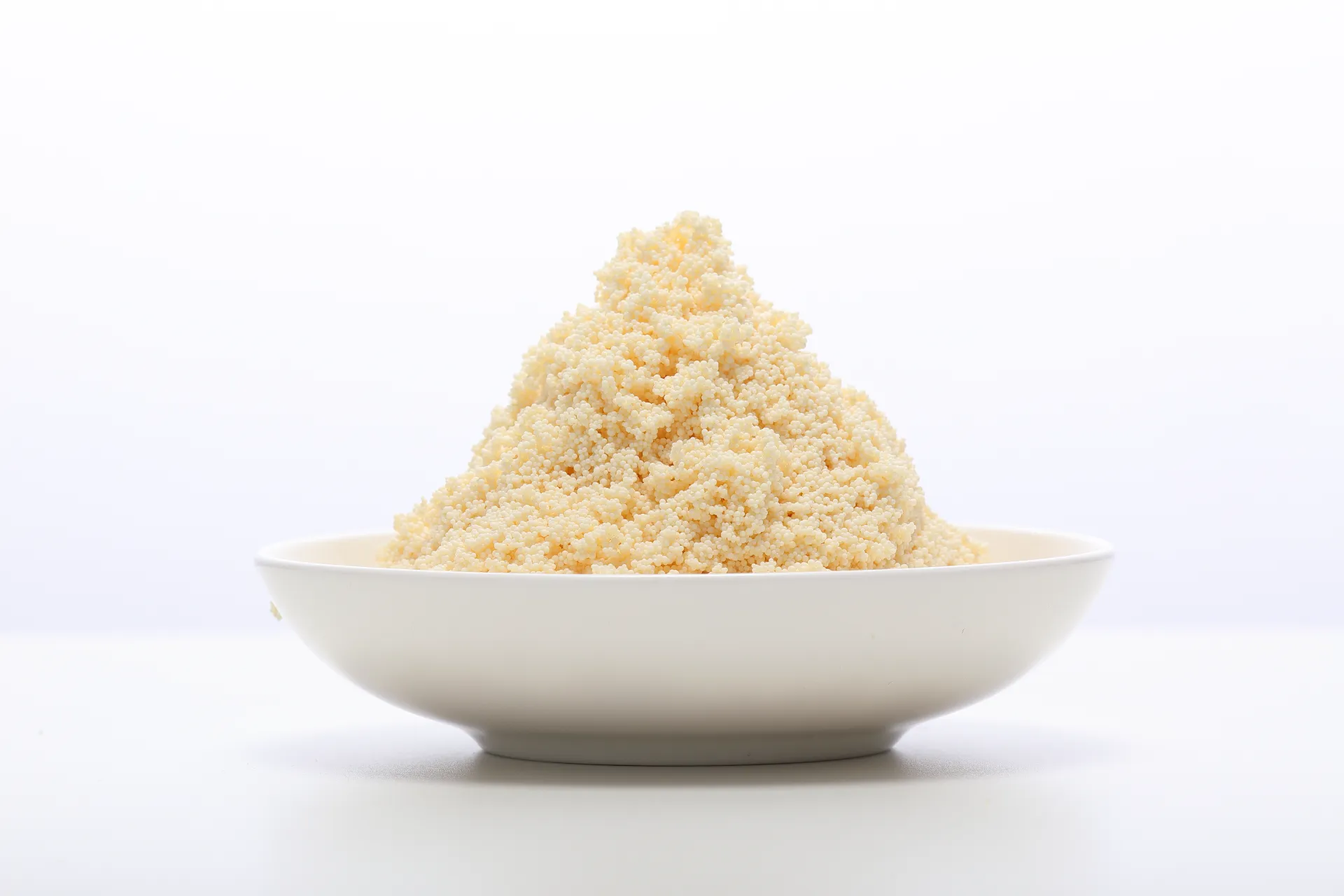
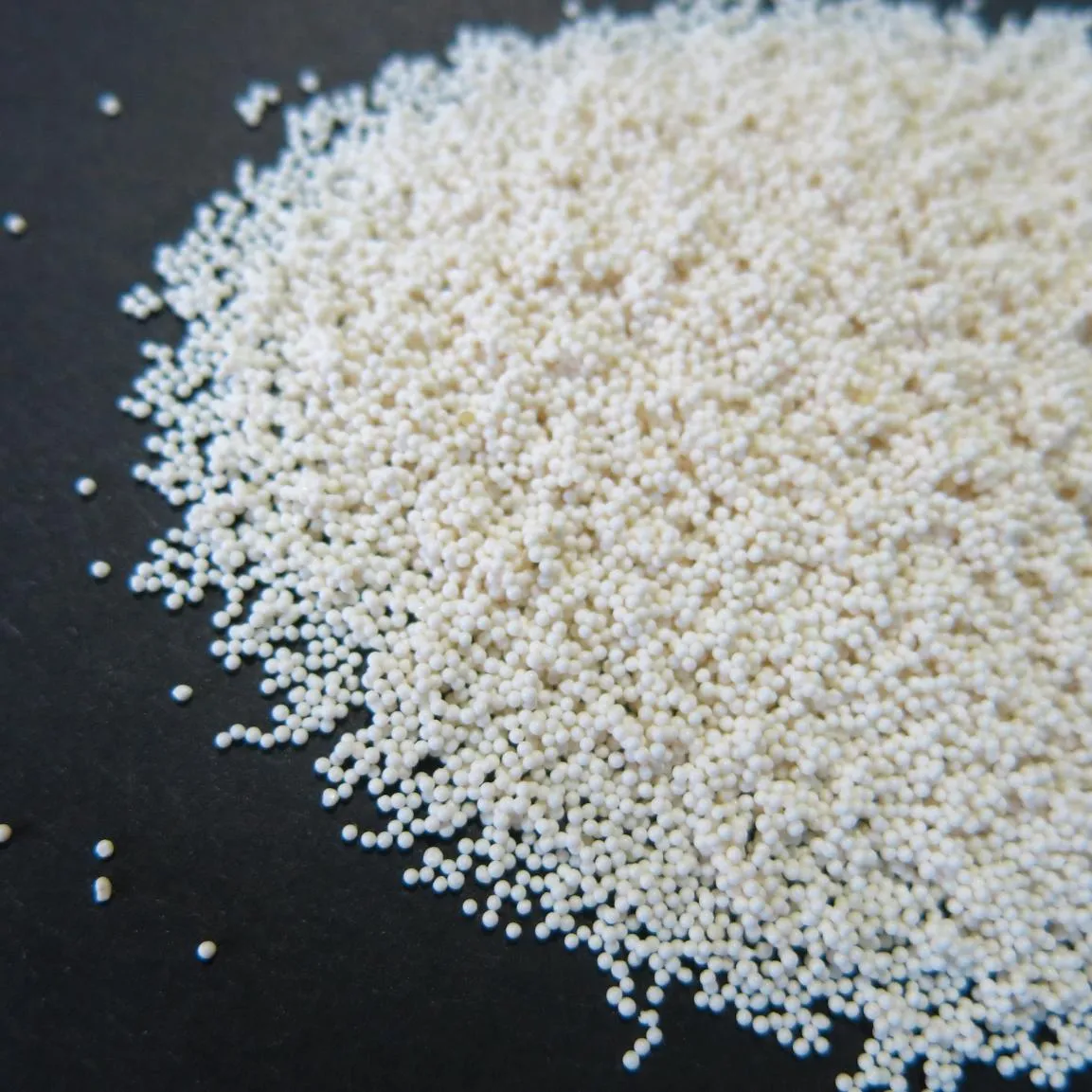
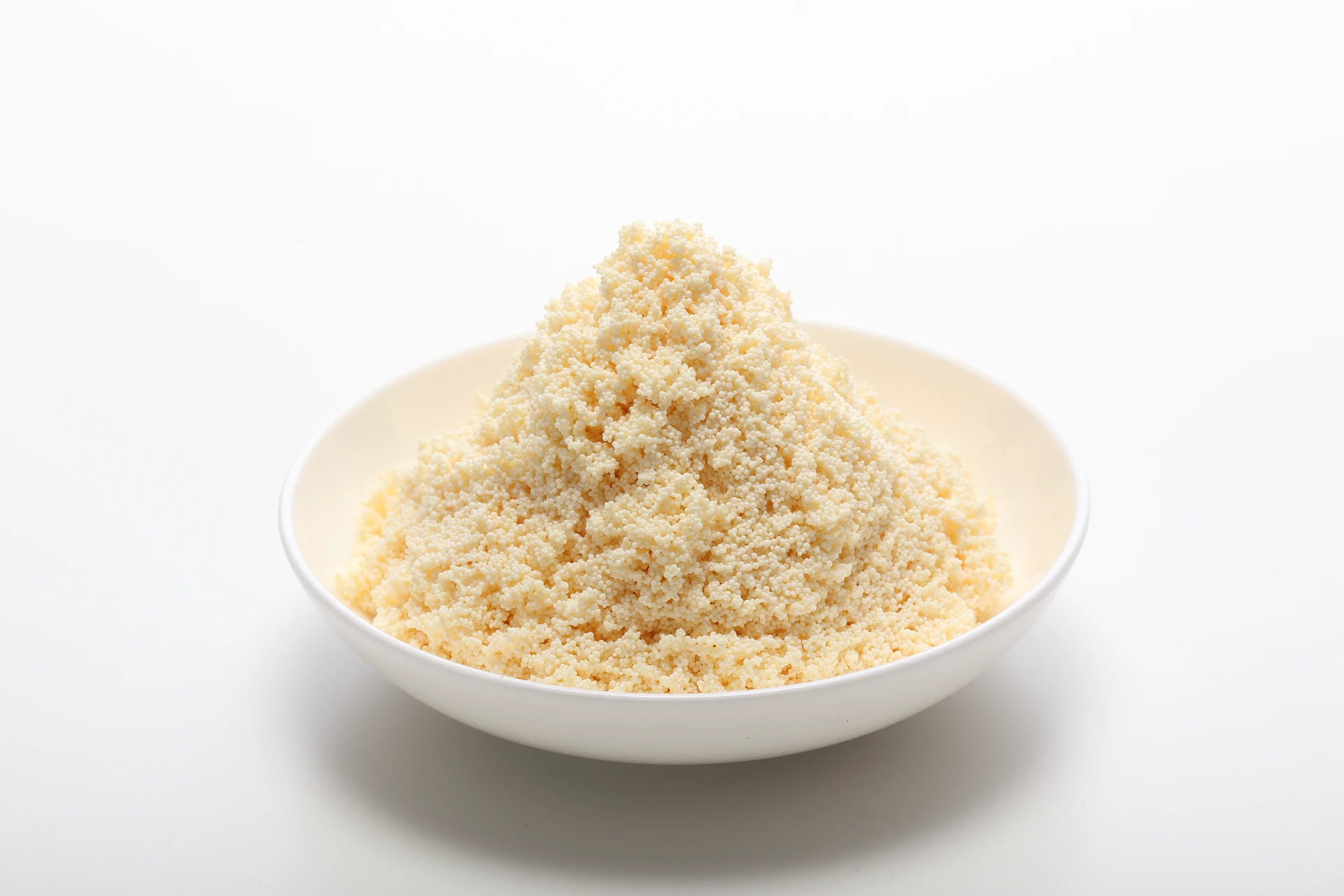
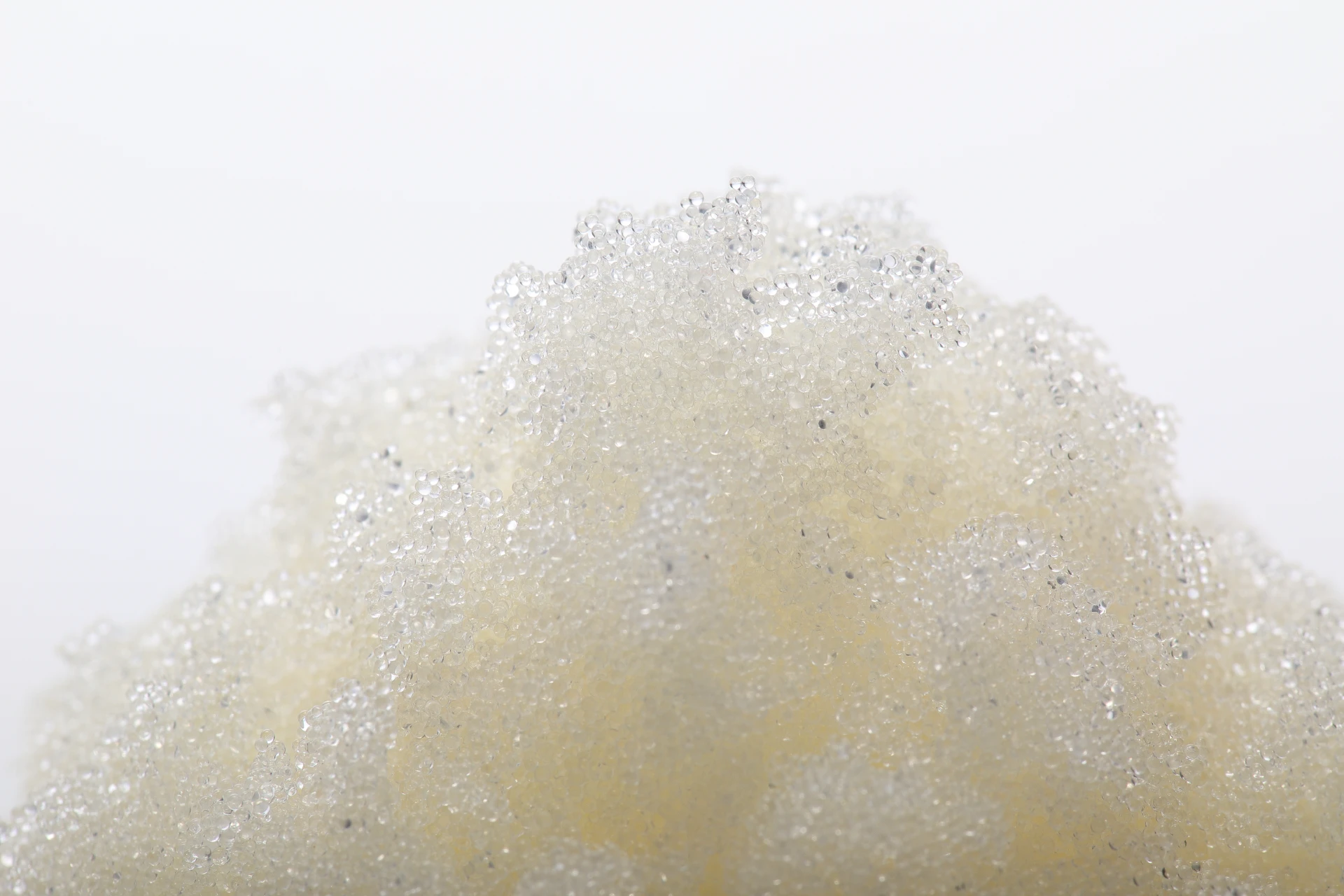
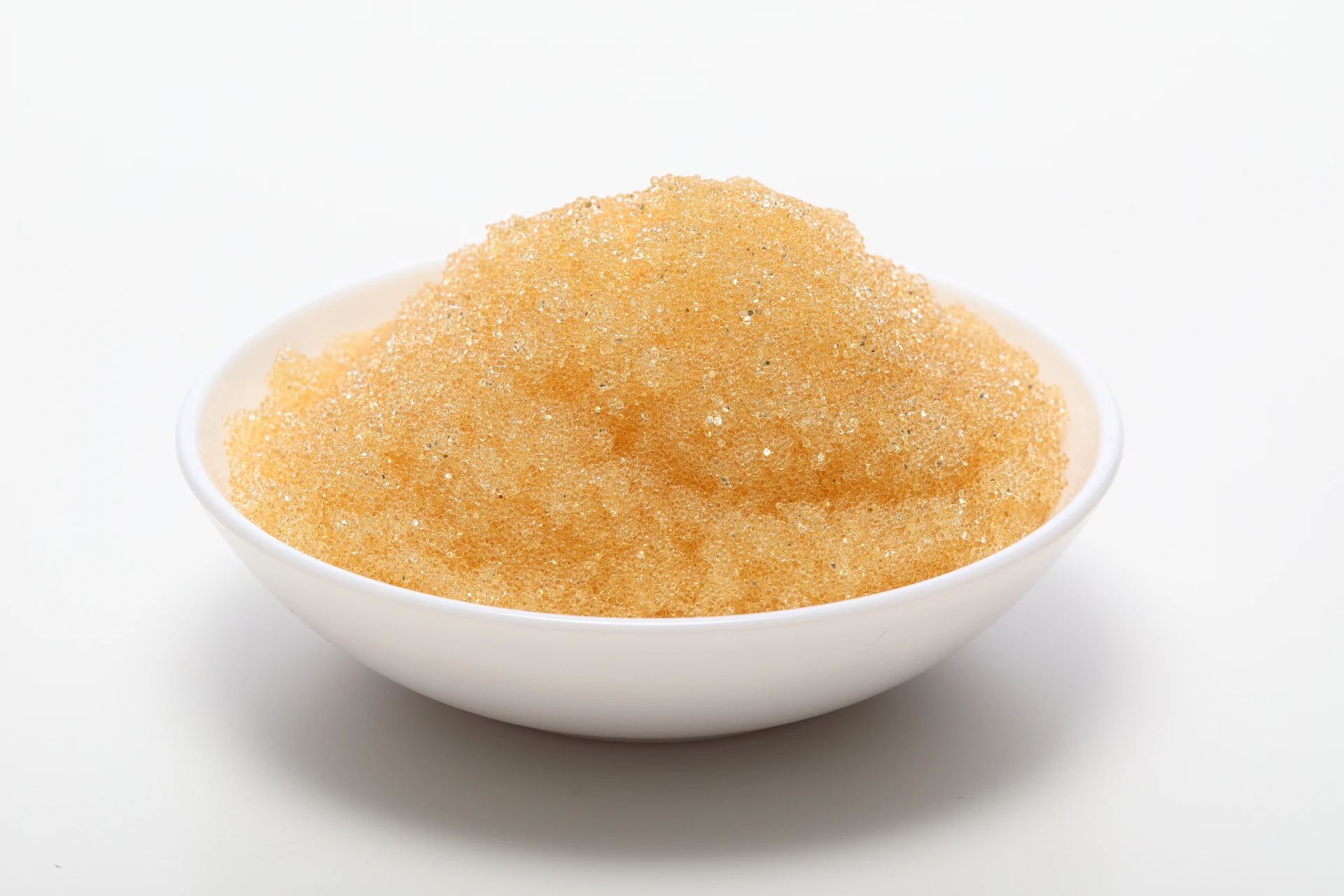
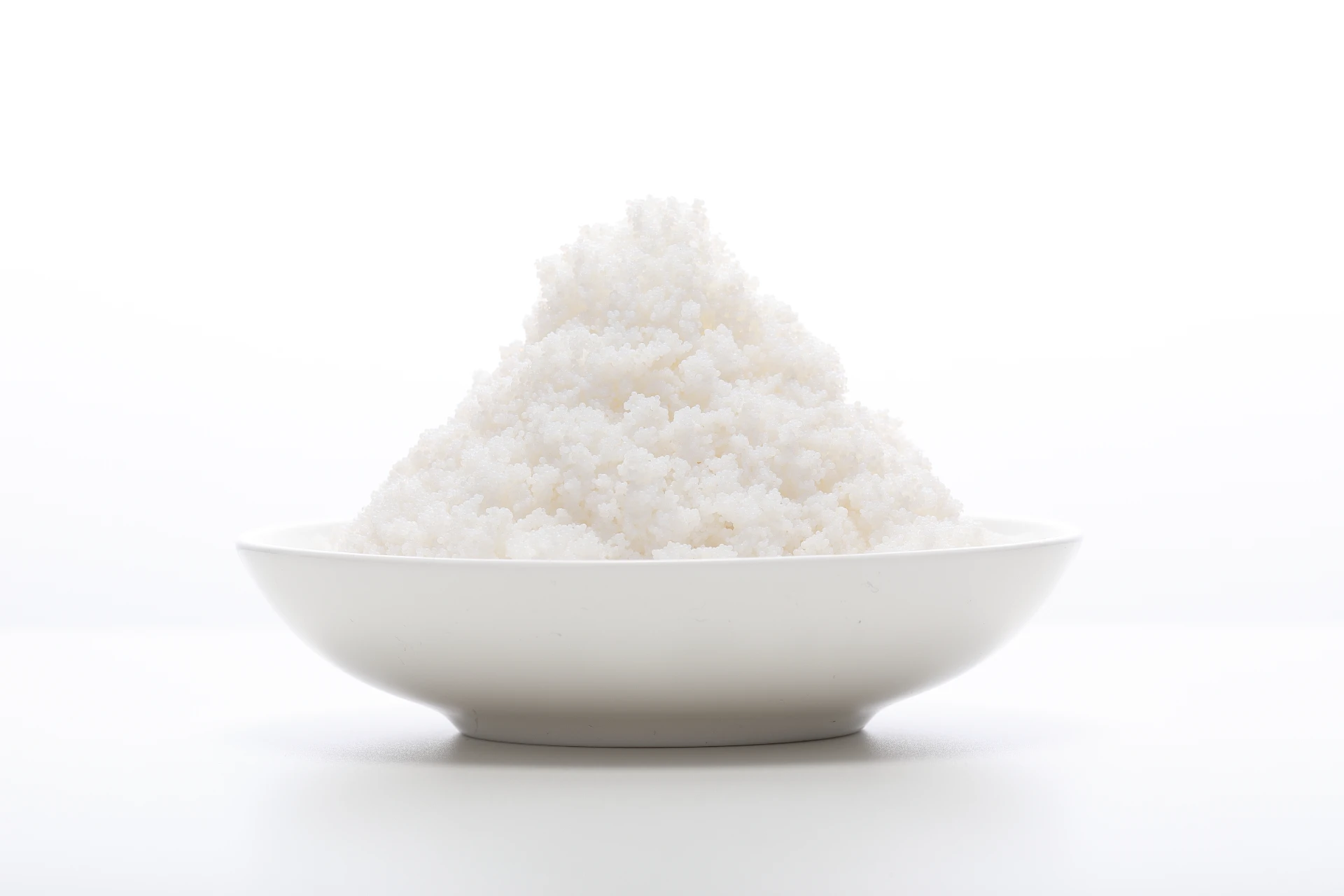
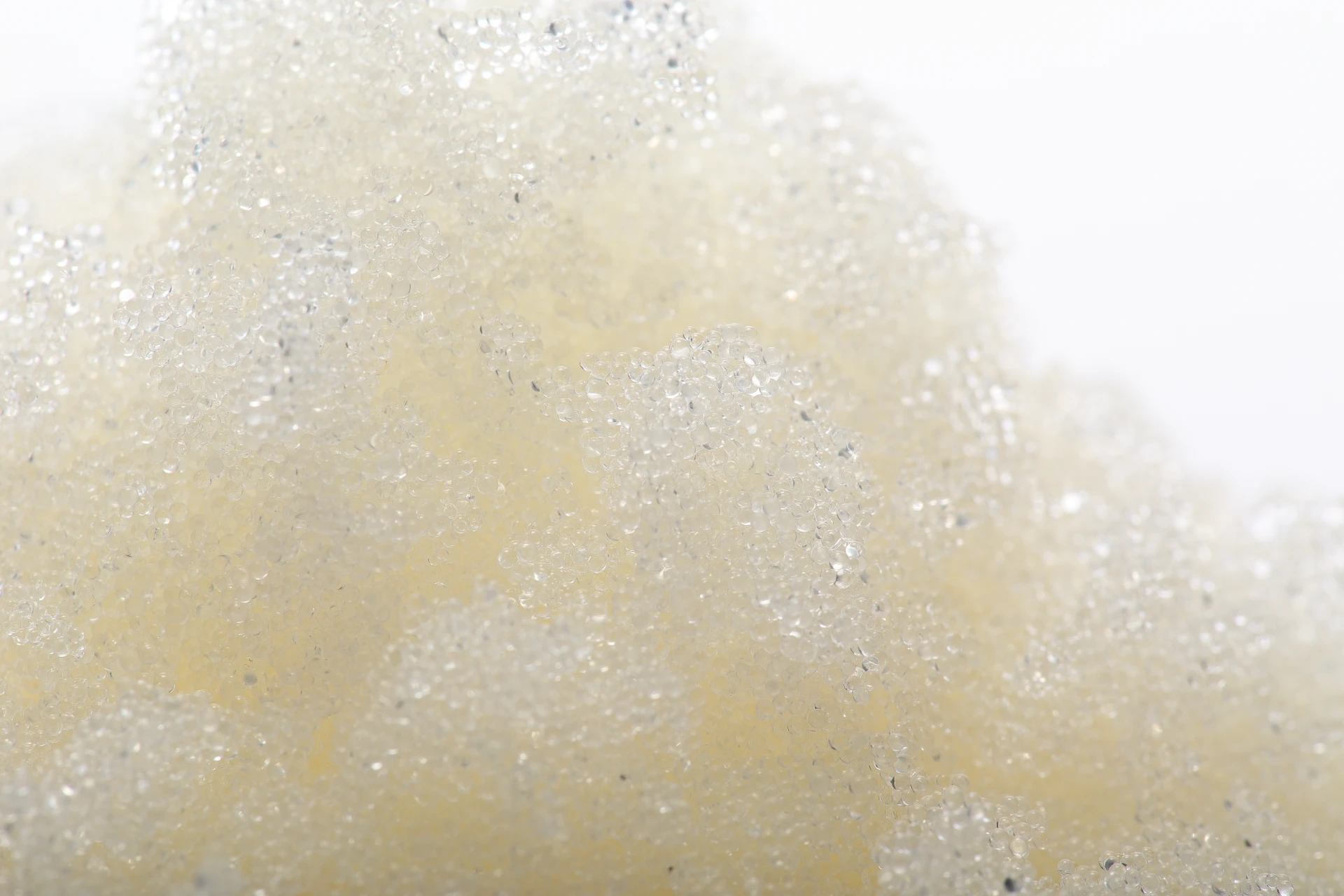
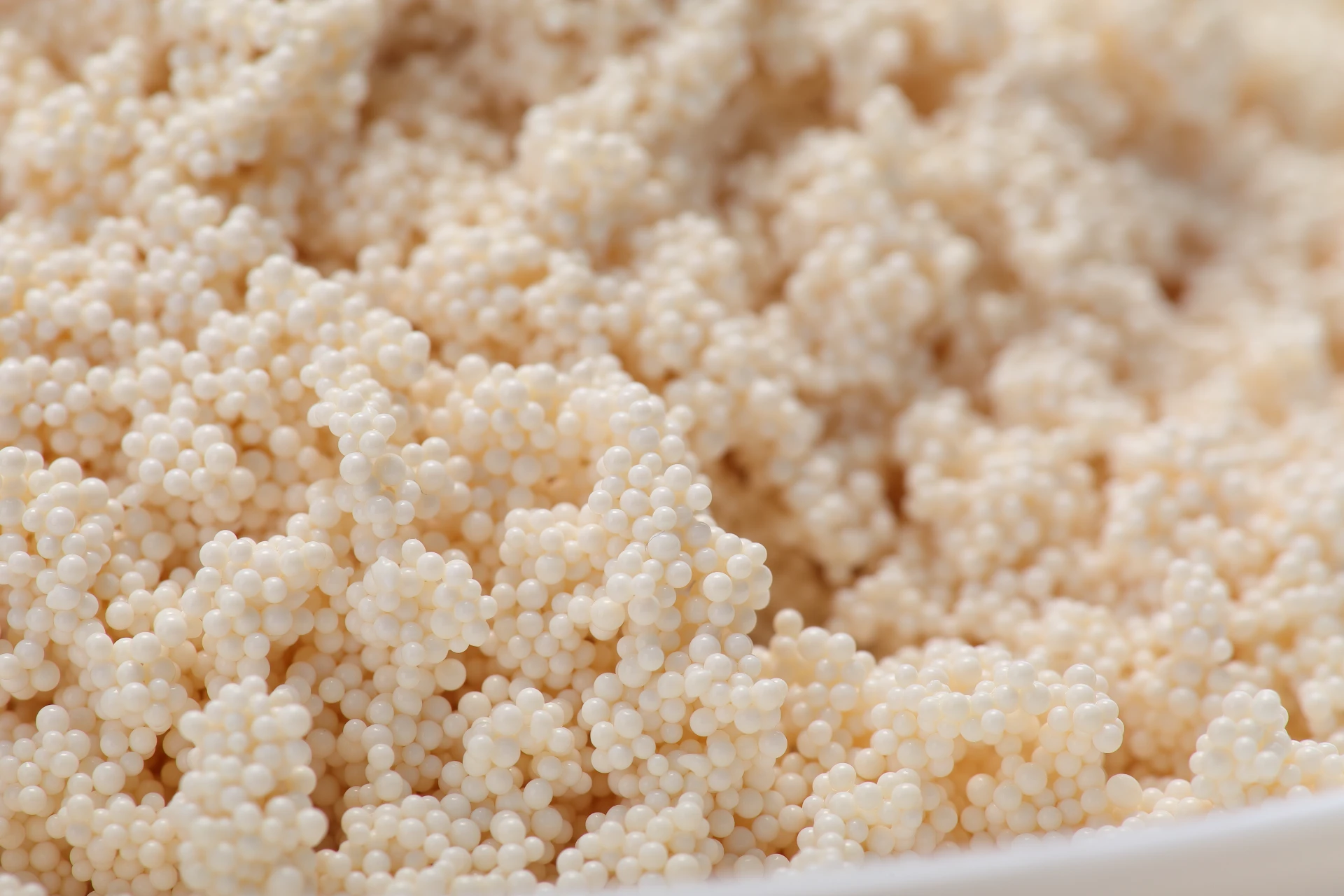
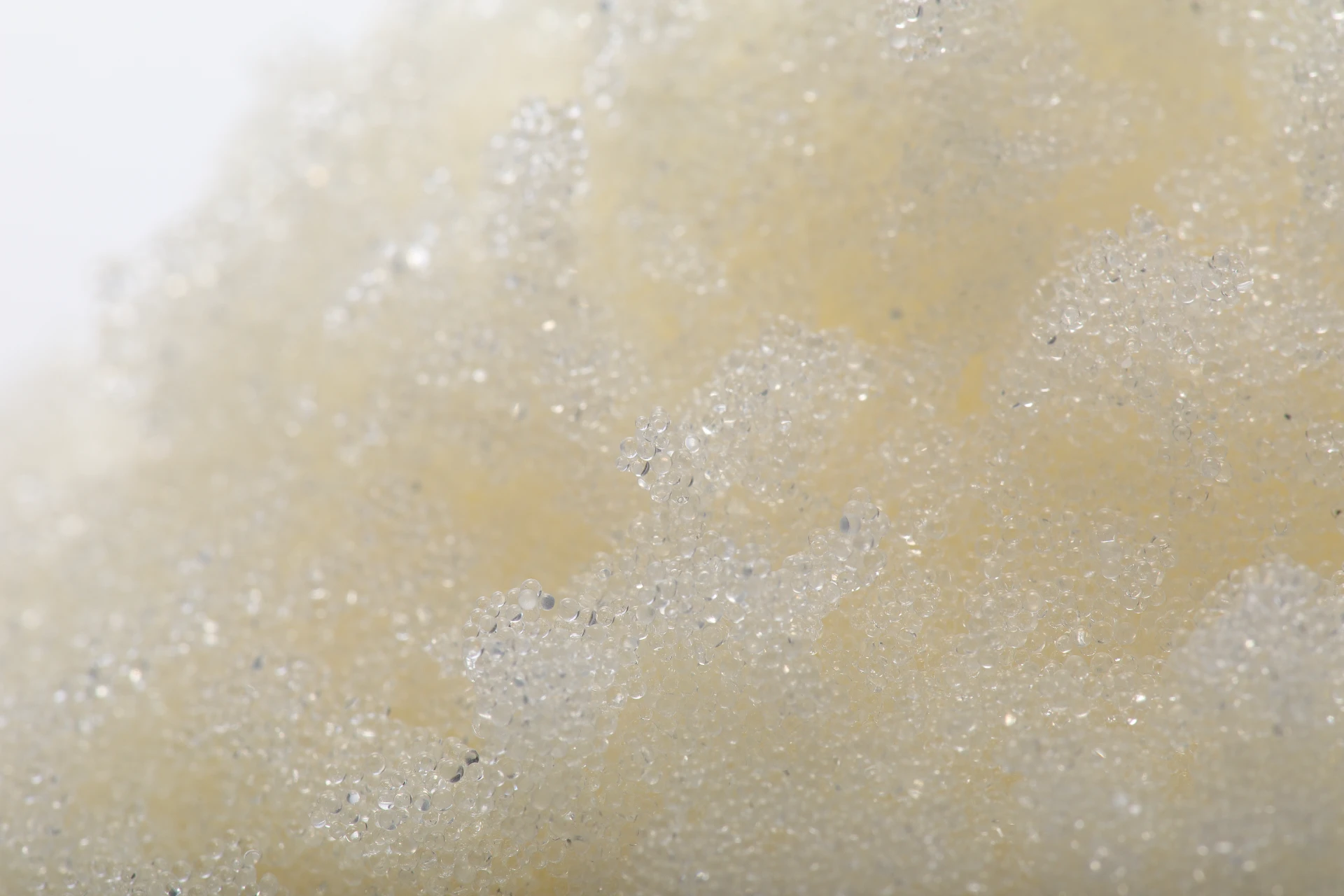
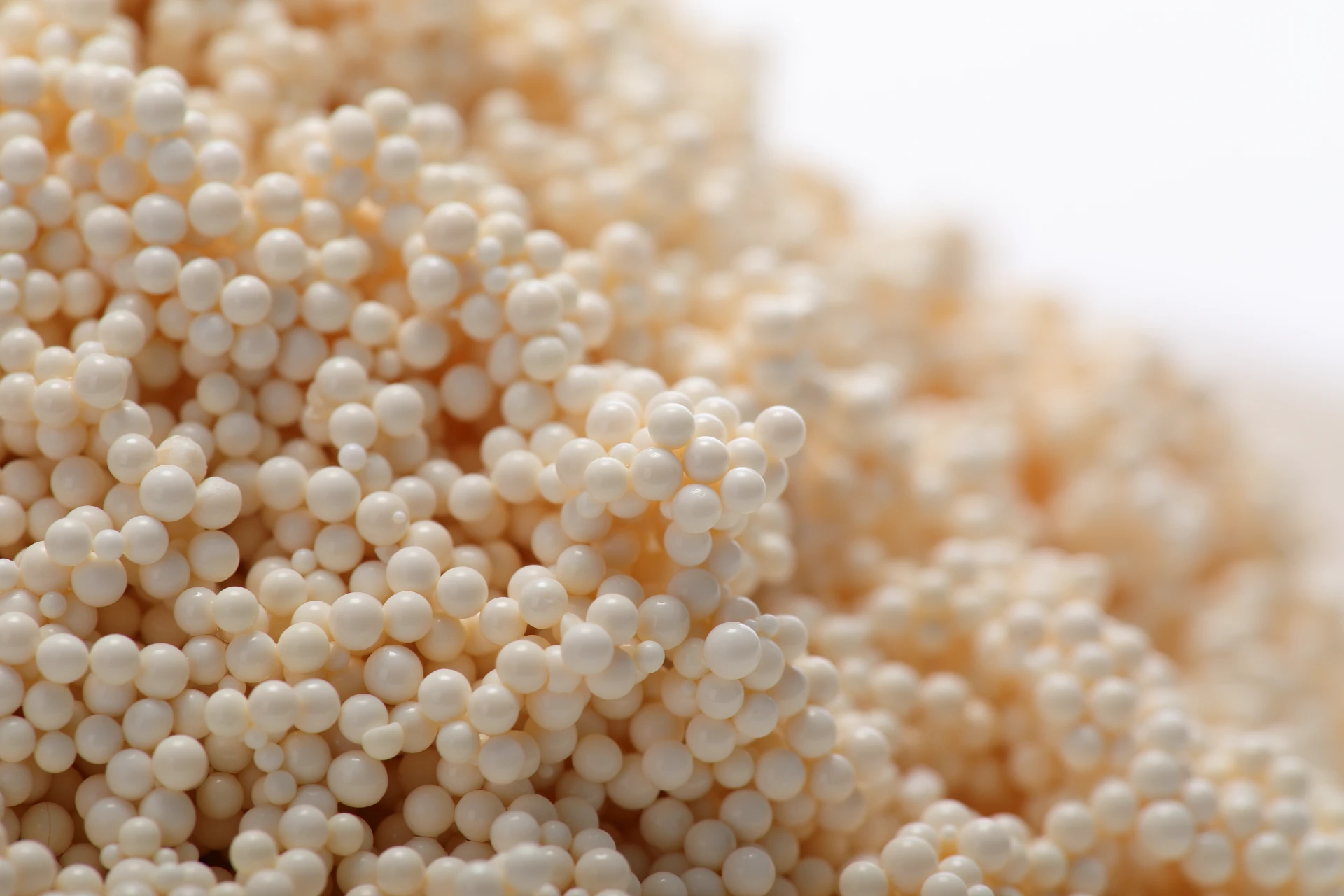
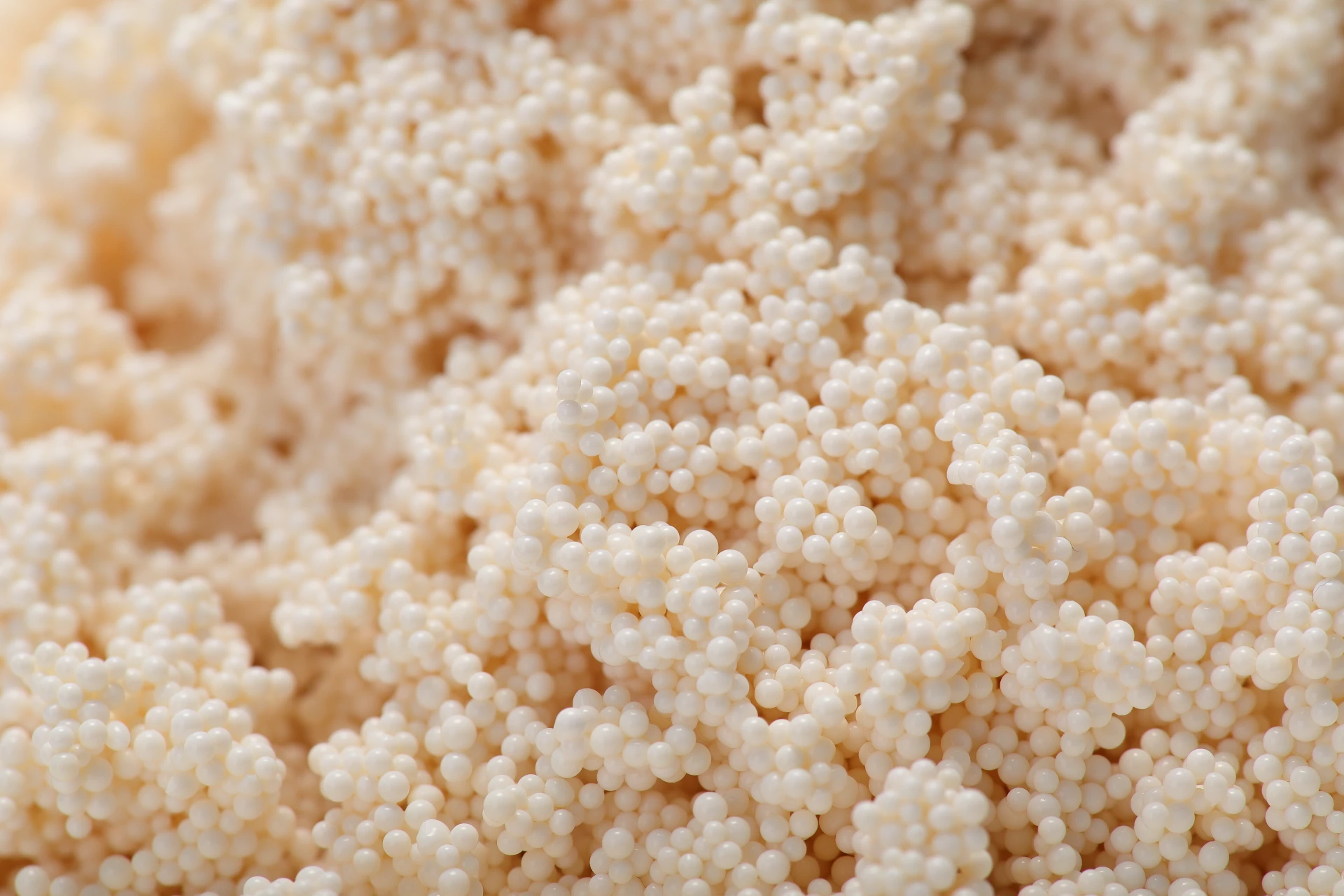
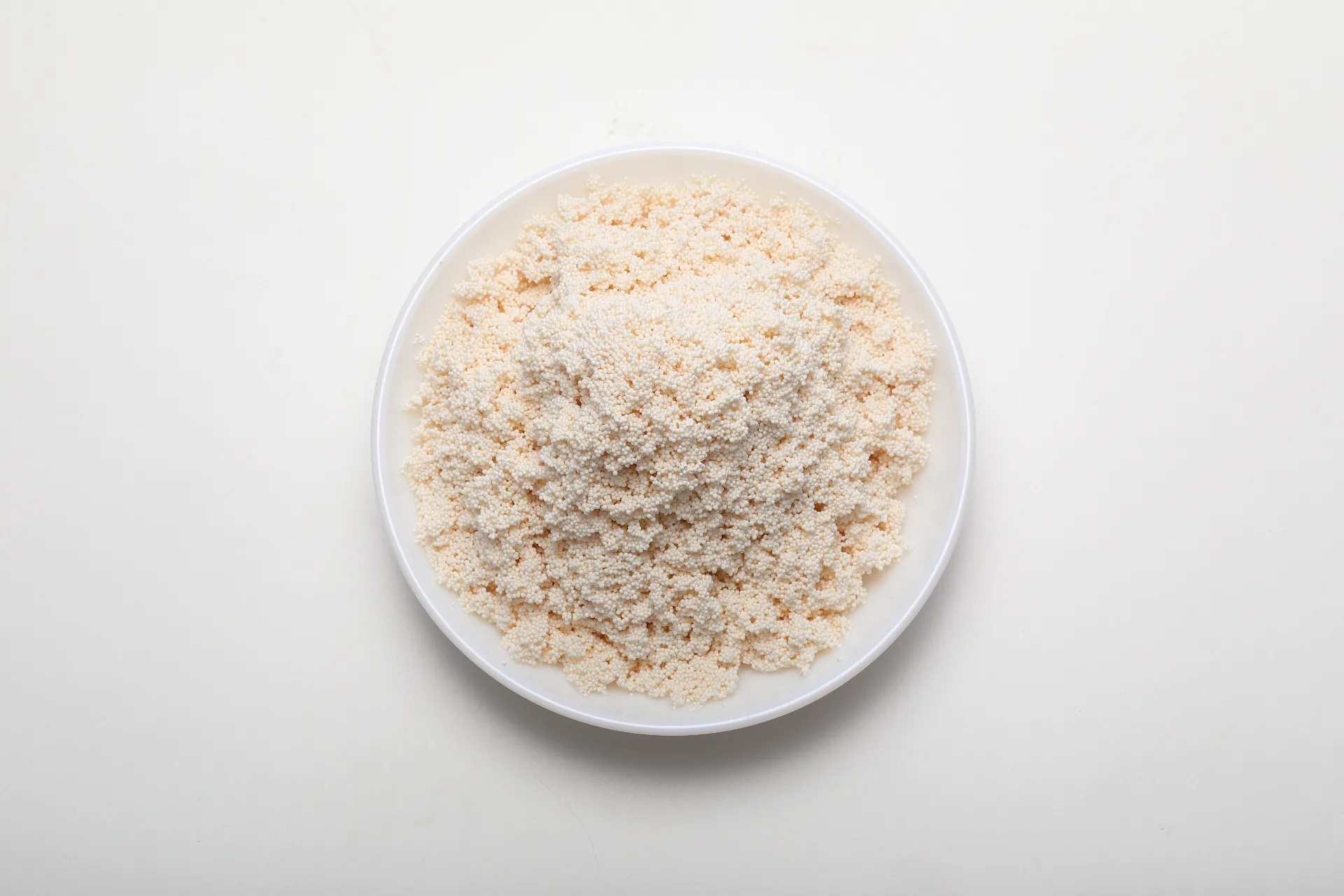
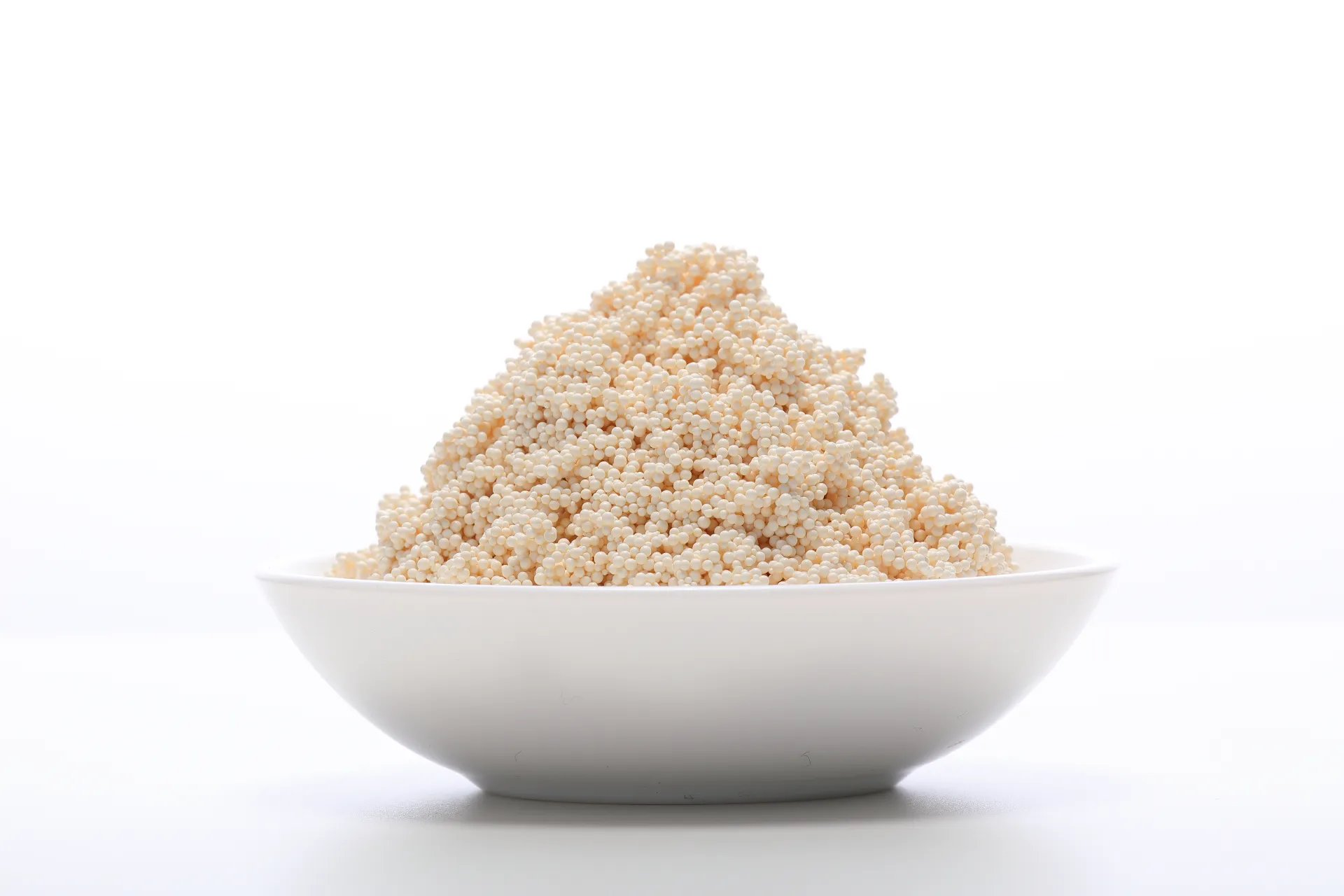
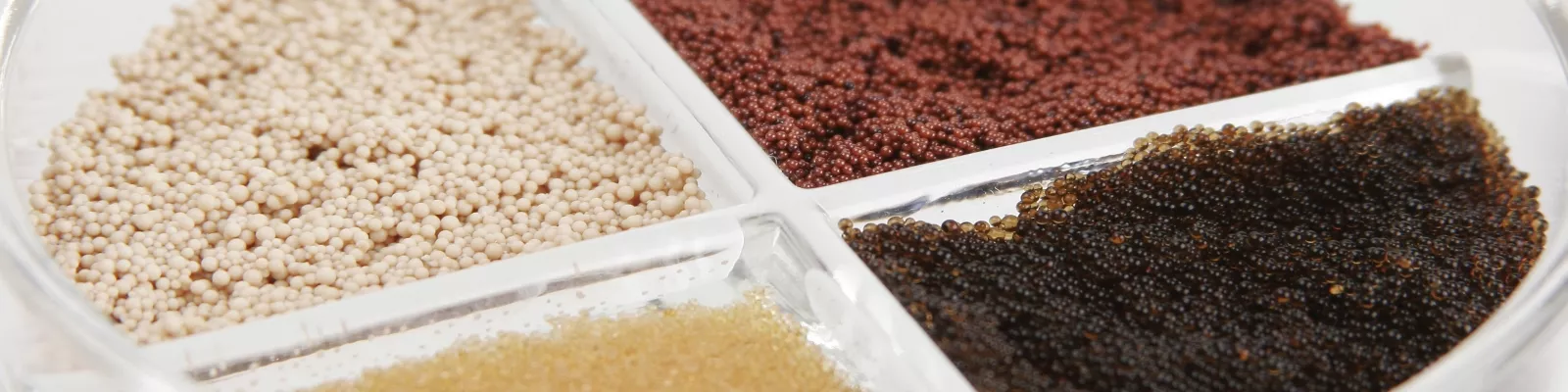
Let’s break it down simply: this resin is a kind of synthetic polymer bead, polystyrene-based, that’s been chemically treated by adding sulfonic acid groups — 'sulfonated' is the key word here. These functional groups attach to positively charged ions, especially metals like calcium, magnesium, and sodium, effectively swapping them with hydrogen or other benign ions. Hence, it’s called a 'cation exchange' resin.
This exchange capability makes it immensely useful in processes like water softening and heavy metal removal. Because it can be regenerated and reused, it’s more than just functional — it’s practical and sustainable.
These polymers exhibit robust chemical and mechanical resistance, tolerating harsh industrial conditions without quick degradation — a must-have when you’re treating large volumes or aggressive contaminants.
Thanks to dense sulfonic groups, these resins offer excellent ion-exchange capacities, making them more efficient than many alternatives at trapping unwanted ions.
Unlike single-use filters, these resins can be regenerated several times by flushing with solutions like salt brine, extending their lifecycle and reducing waste.
Manufacturers can tweak bead sizes, cross-linking degrees, and functional group densities to optimize resins for specific applications — an advantage when industries have wildly different purification goals.
While initial costs may seem higher than other materials, their longevity and performance often translate to overall savings — especially when considering downtime and replacement intervals.
By lowering chemical use for water treatment and enabling metal recovery, these resins contribute to greener processes and circular economy efforts.
So where is this stuff actually making waves?
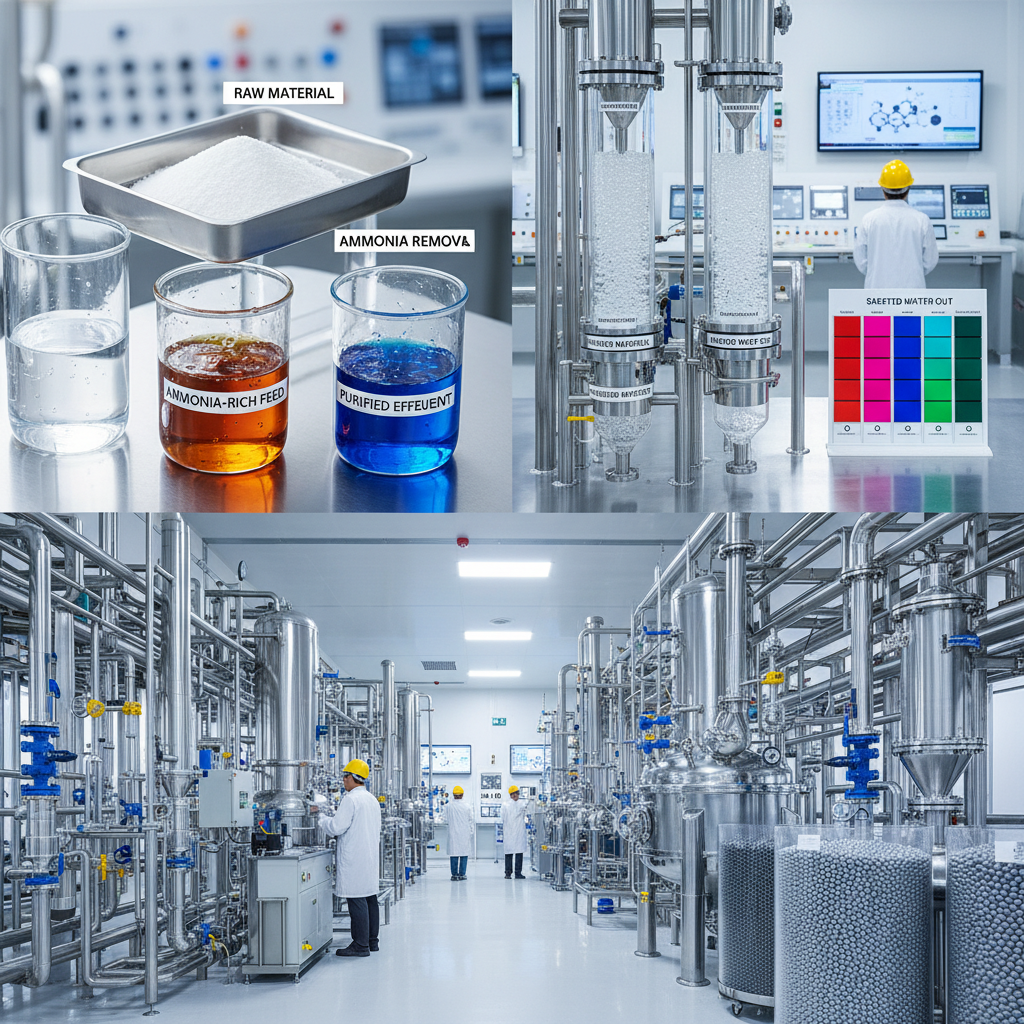
For instance, after the 2010 Haiti earthquake, NGOs deployed units with ion exchange resins to supply emergency clean water — a practical lifesaver in tough conditions.
These resins don’t just live in labs — they’re busy behind the scenes making clean water accessible, safer medicines possible, and industries greener.
| Specification | Typical Value | Notes |
|---|---|---|
| Matrix | Cross-linked Polystyrene | Resin backbone |
| Functional Group | Sulfonic Acid (-SO3H) | Cation exchange site |
| Bead Size | 0.3 - 1.2 mm | Customizable |
| Exchange Capacity | 1.7 to 2.2 eq/L | Typical range |
| Operating Temperature | Up to 100°C | Depends on cross-linking |
| pH Operating Range | 0 - 14 | Very broad |
| Vendor | Resin Type | Typical Exchange Capacity (eq/L) | Bead Size (mm) | Recommended Use Case | Sustainability Focus |
|---|---|---|---|---|---|
| LiJi Resin Co. | Macroporous, Highly Cross-linked | 2.1 | 0.5 - 1.0 | Industrial Water Treatment | Recyclable packaging and low regeneration chemical use |
| ResinTech Global | Gel-Type, Standard Cross-link | 1.9 | 0.4 - 0.7 | Residential Water Softeners | Focus on long resin life and minimal waste disposal |
| IonSwap Solutions | Macroporous, High Capacity | 2.2 | 0.6 - 1.2 | Heavy Metal Recovery | Use of bio-based reagents during regeneration |
Advancements are moving towards even greener materials — think bio-based polymers replacing pure polystyrene or nanostructured resins with faster exchanges and increased selectivity. Digitalization and IoT sensor integration for real-time resin bed monitoring will boost efficiency dramatically. Environmental policies are pushing stricter water reuse initiatives, so expect more automated, customizable solutions from resin producers.
Dealing with fouling and resin degradation remains a headache for operators. However, innovations like improved resin surface modifications and sequential hybrid treatments combining membranes and ion exchange are gaining traction. Also, collaborating with resin vendors to tailor materials for specific contaminants drastically extends resin life.
In a world where water purity, sustainable manufacturing, and resource recovery are more important than ever, sulfonated polystyrene cation exchange resin stands out as a versatile and dependable material. It bridges the gap between complex chemical needs and practical, scalable solutions — whether cleaning water in a giant refinery or restoring potable water access in the aftermath of a disaster. For anyone invested in cleaner, safer, and smarter processes, gaining familiarity with these resins is well worth the effort.
If you’re curious to explore industrial-grade sulfonated polystyrene cation exchange resins or learn about custom solutions, visit our website for the latest innovations and support.
As global challenges mount, materials like these resins don’t just offer solutions — they offer hope. And that’s pretty extraordinary.