Phone:
+86 0319 2296164


Email:
info@lijiresin.cn
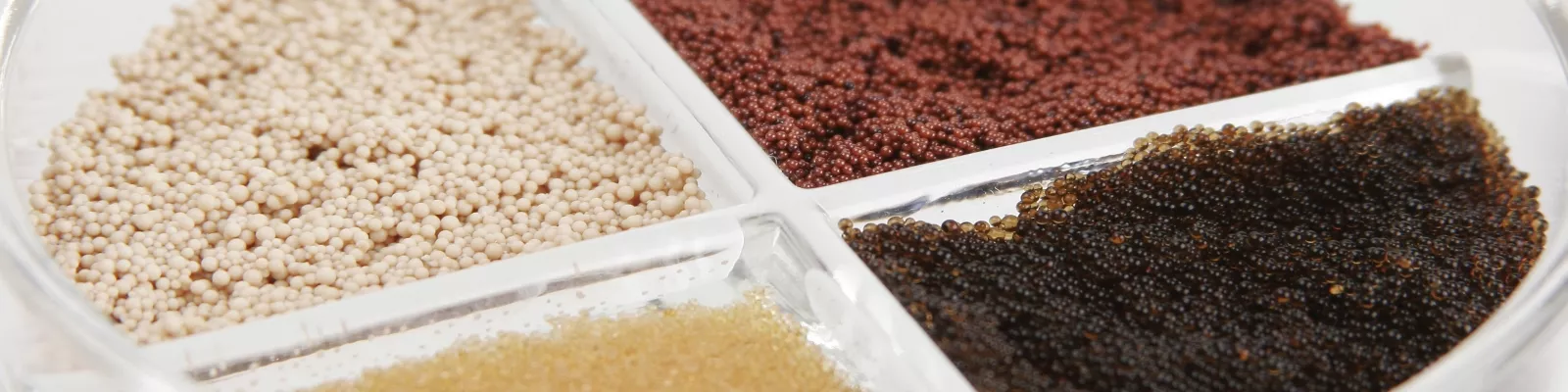
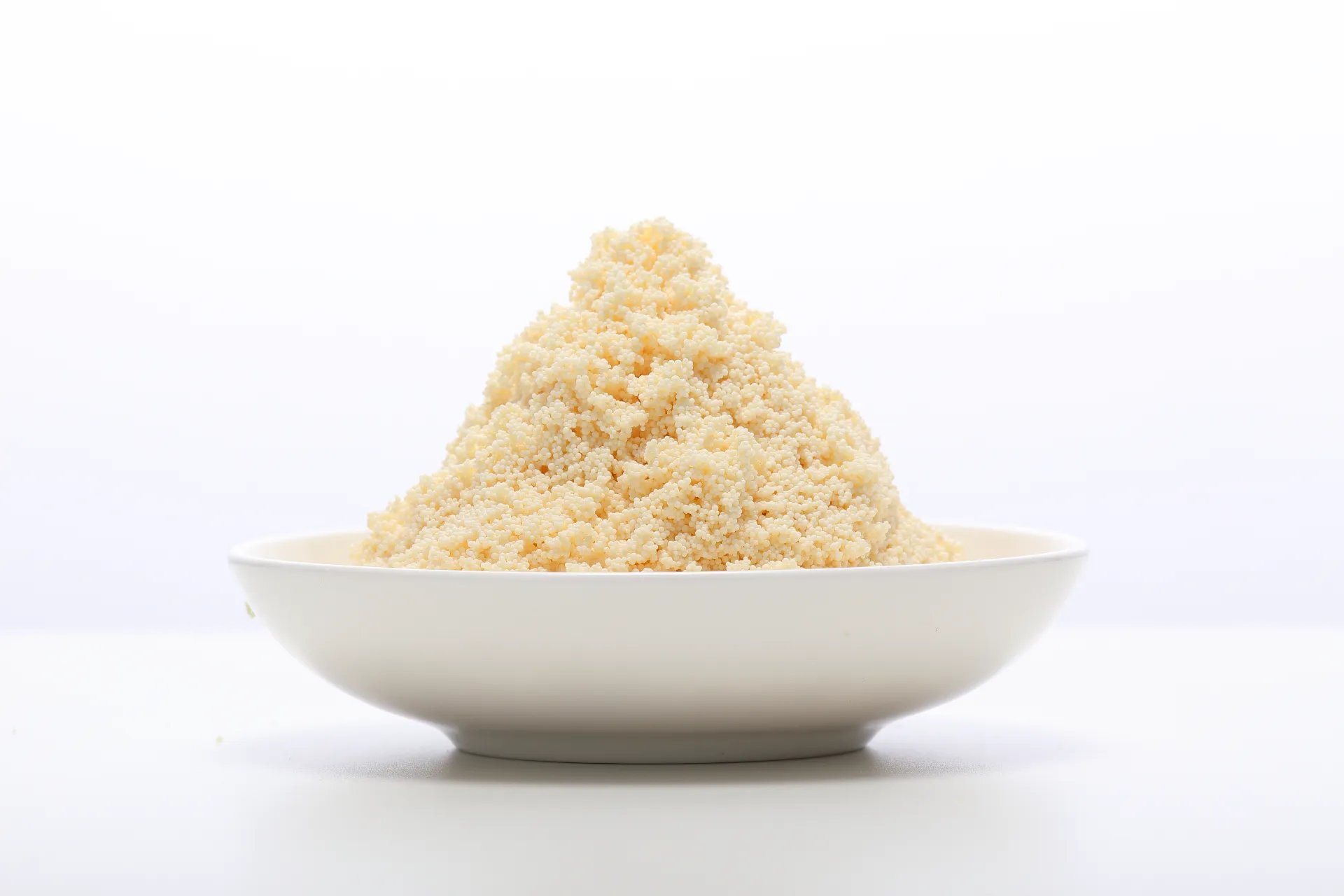
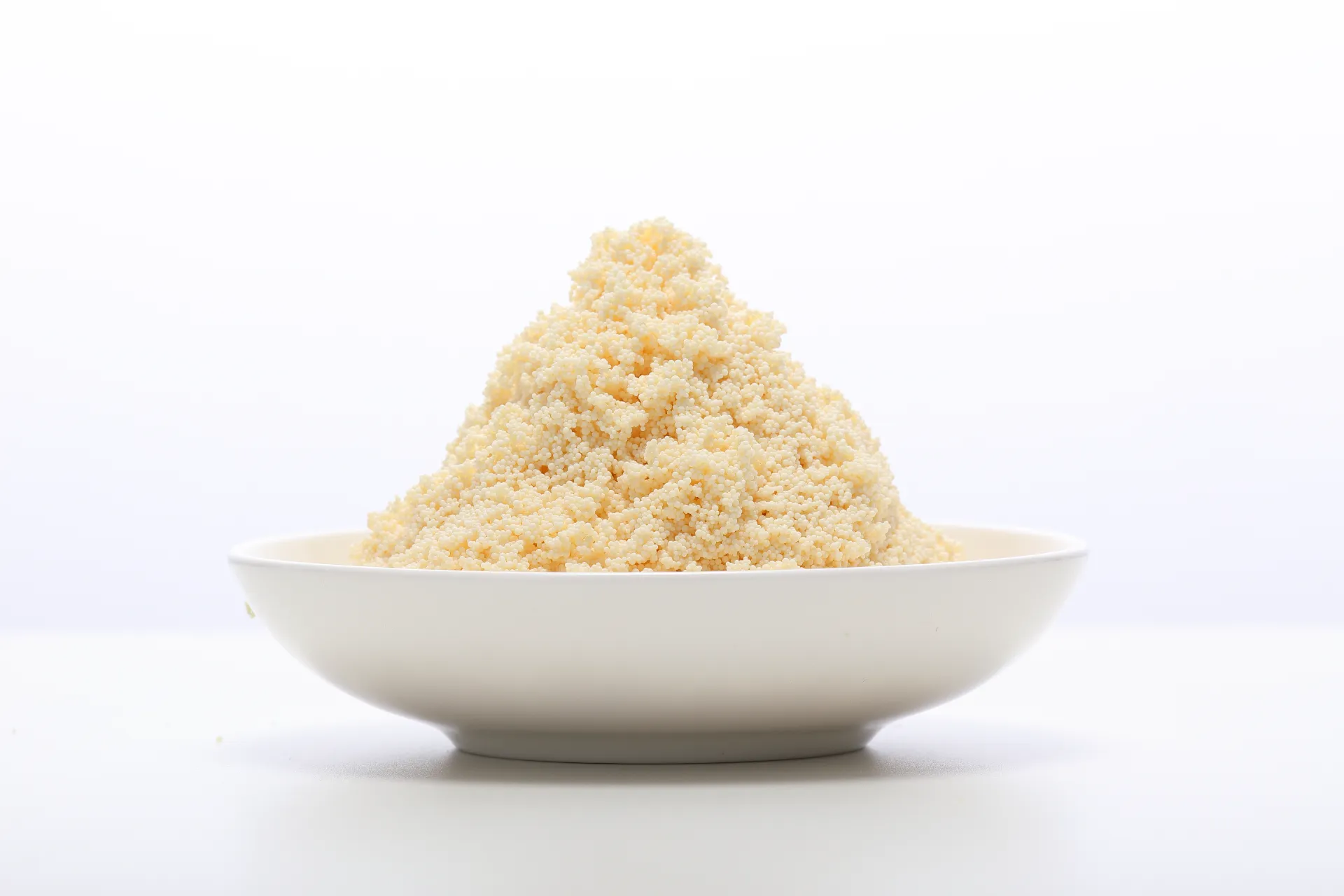
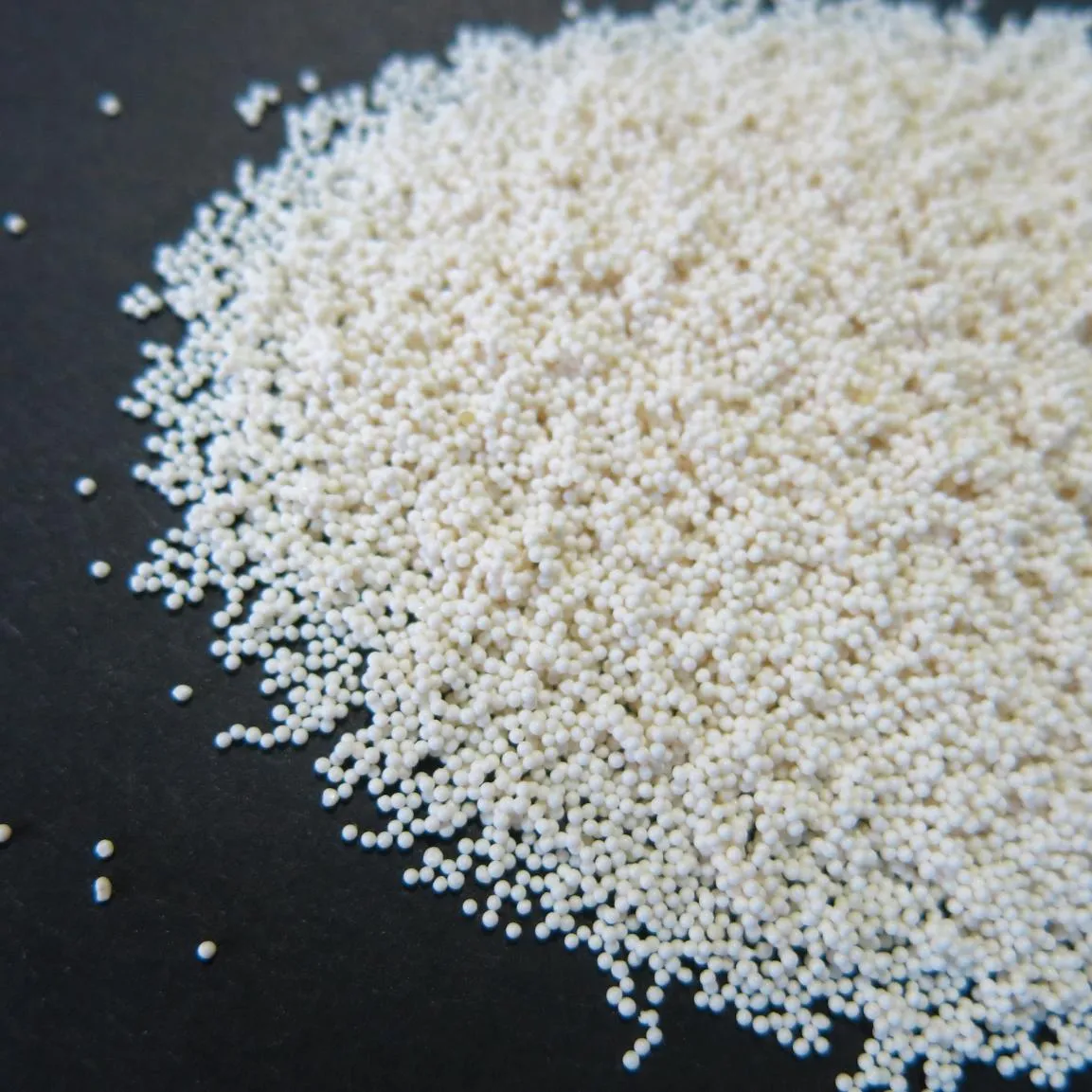
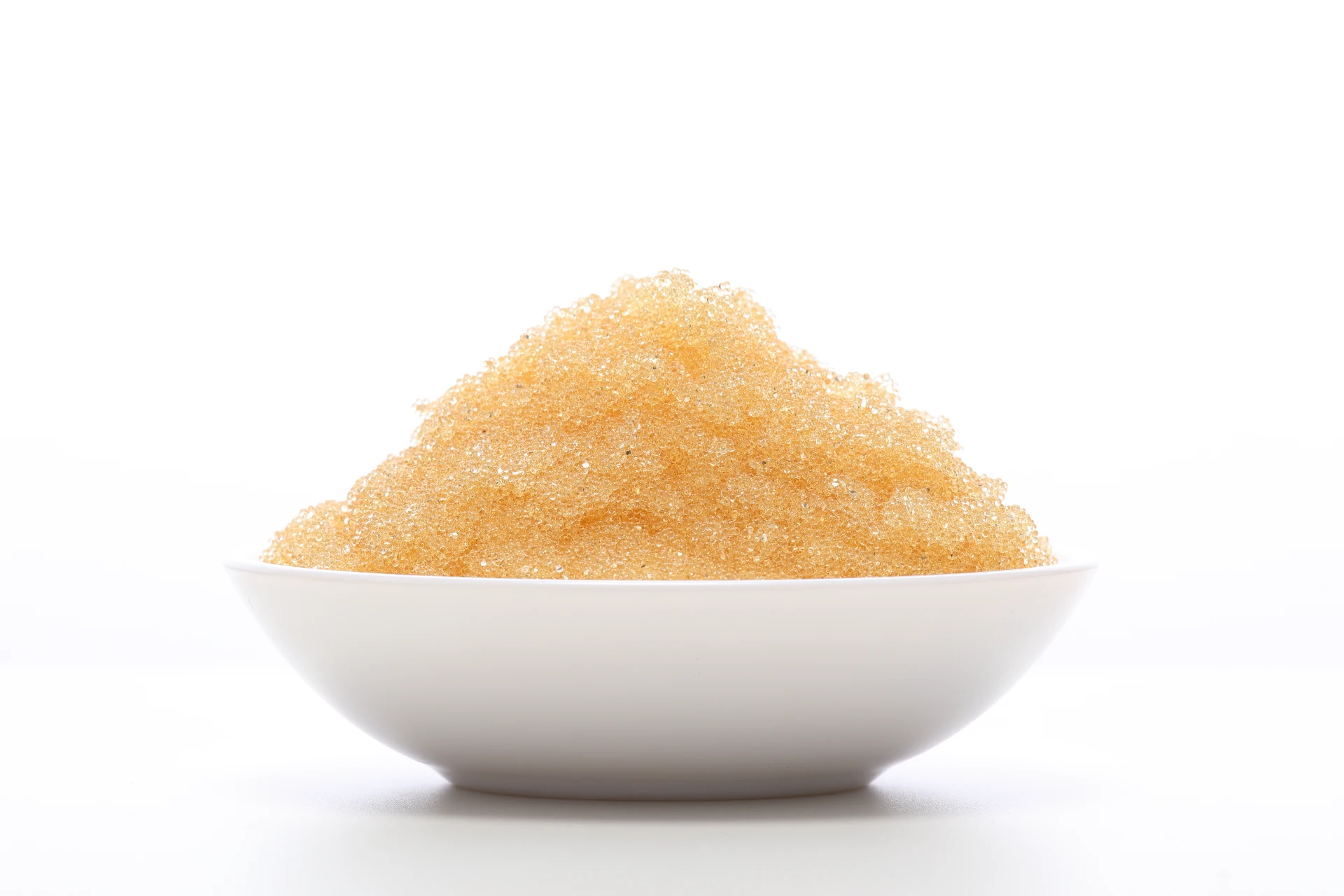
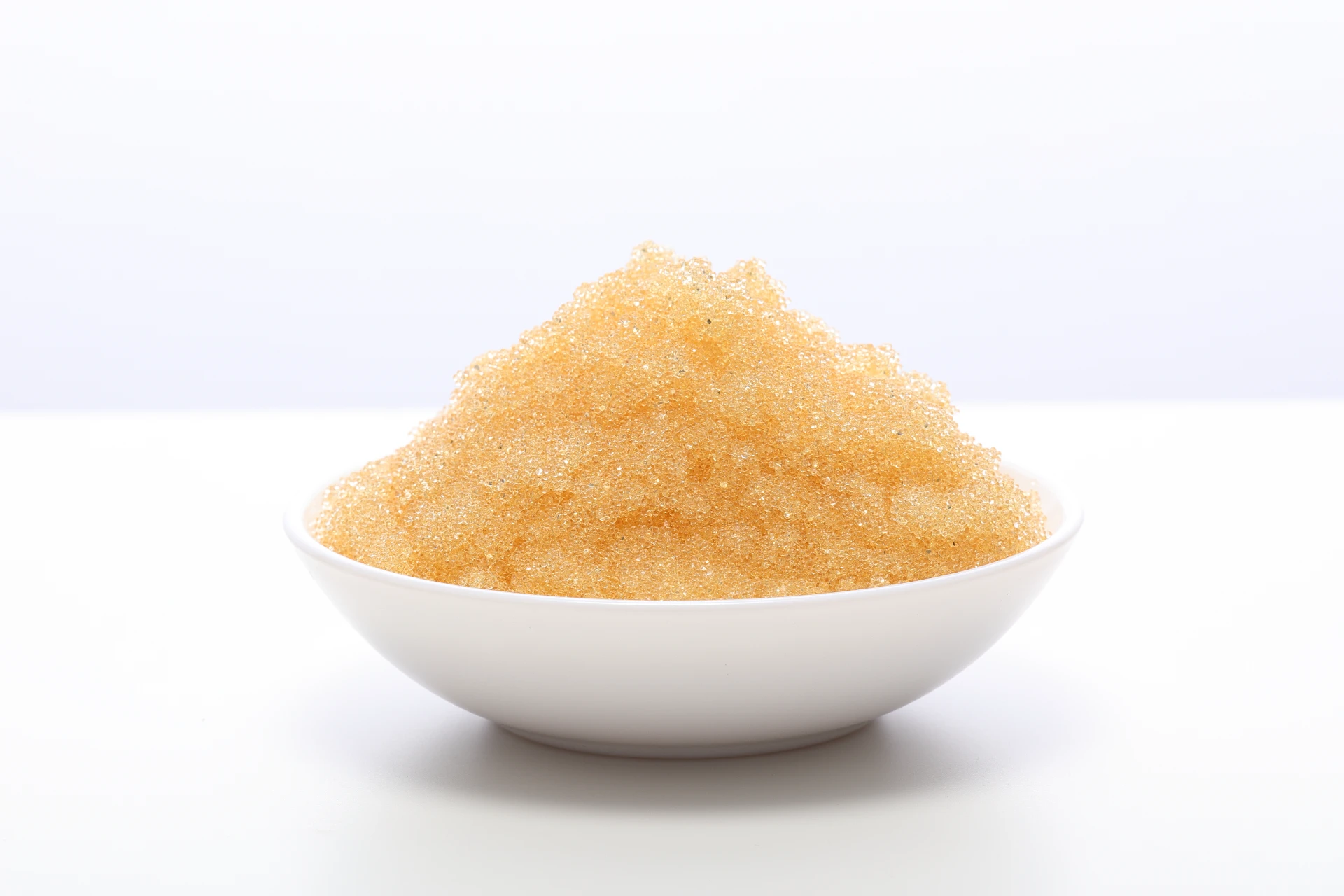
If you’ve run a boiler or bottling line, you already know alkalinity is the silent budget killer. The D113 FC—an acrylic, carboxylic resin from Hebei, China—has been making the rounds in water rooms lately. To be honest, I was skeptical until I saw the acid savings on a retrofit. In fact, many customers say it behaves “calmly” under variable raw water, which is a big compliment in our world.
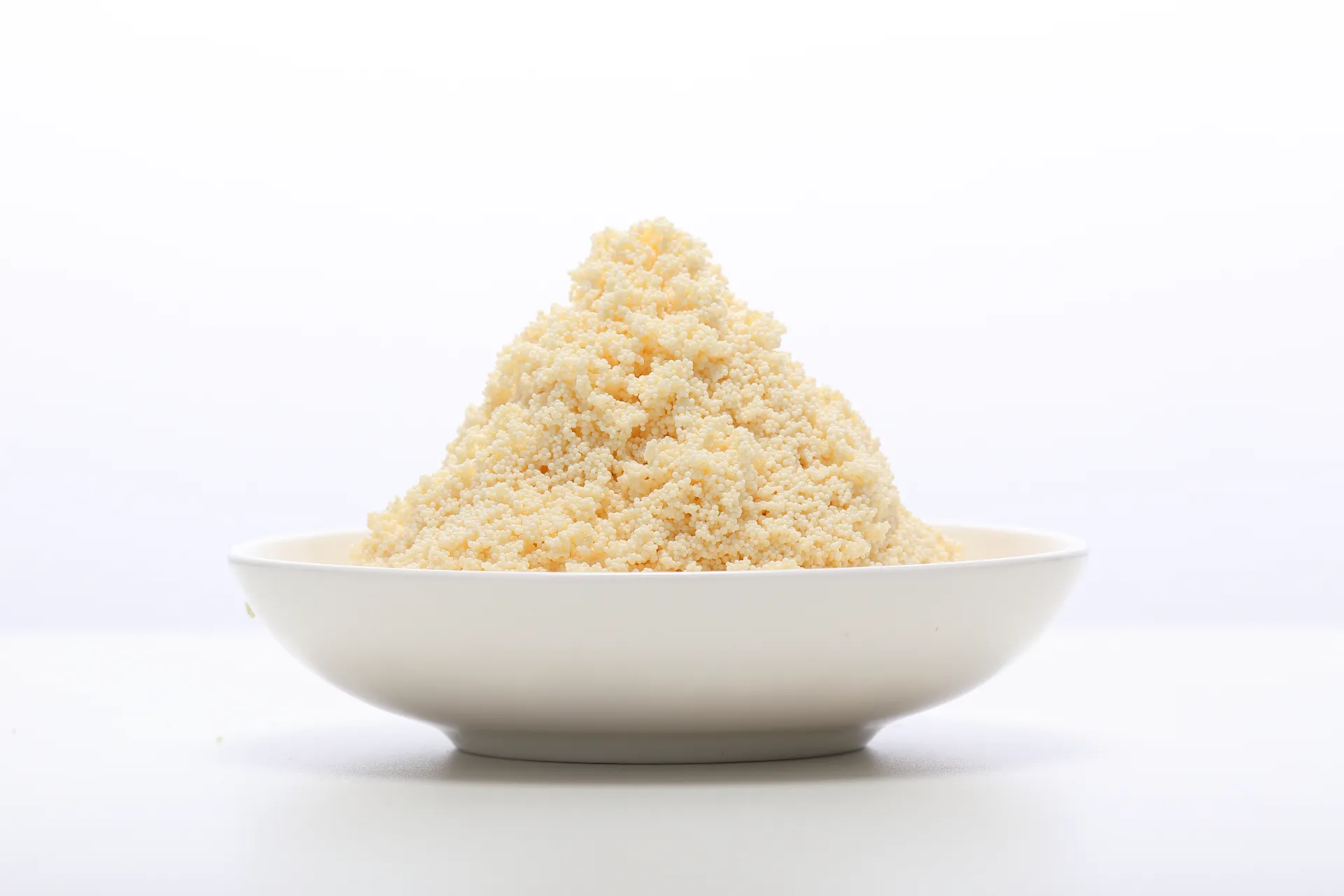
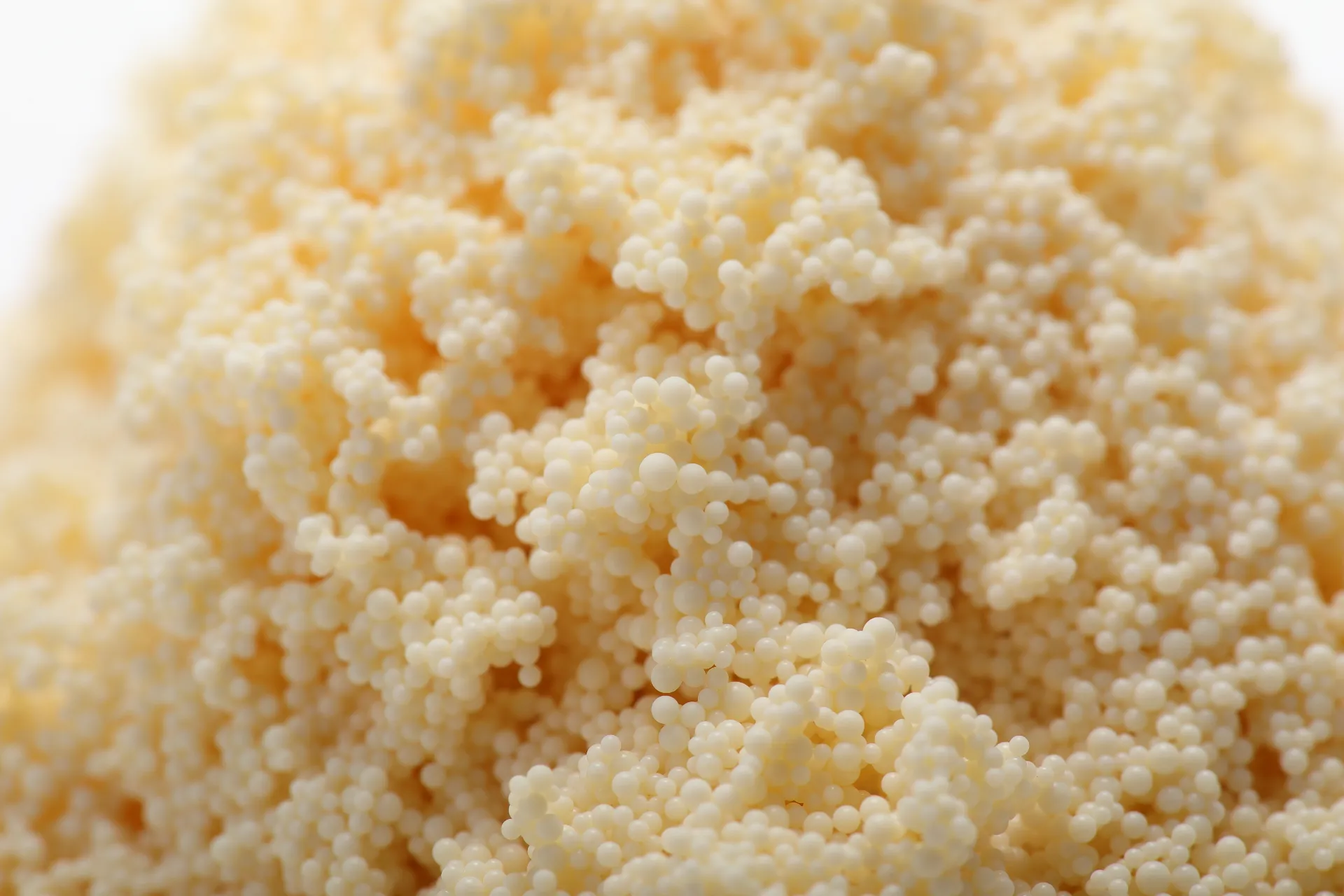
Industrial users are moving back to Weak Acid Cation Exchange Resin beds for decarbonization before RO or softening. Reason? Lower acid consumption, better CO2 removal, and fewer scaling surprises. Also, sustainability audits now trace regenerant use—WAC resin configurations often score well versus strong-acid-only trains.
| Matrix / Functional group | Macroporous acrylic copolymer, carboxylic (-COOH) |
| Ionic form (as shipped) | H+ (typical) |
| Total exchange capacity (H+) | ≈3.6–4.4 eq/L (real-world use may vary) |
| Moisture content | ≈50–60% |
| Particle size / UC | 0.4–1.2 mm, UC ≤1.7 |
| Operating pH | Service 4–9; chemically resistant ≈0–14 |
| Max temp | H+ ≤120°C; Na+ ≤100°C |
| Shipping weight | ≈720 g/L |
Origin: NO.2 East Jianshe Road, High-Tech Industrial Development South Zone, Wei County, Xingtai, Hebei Province, China.
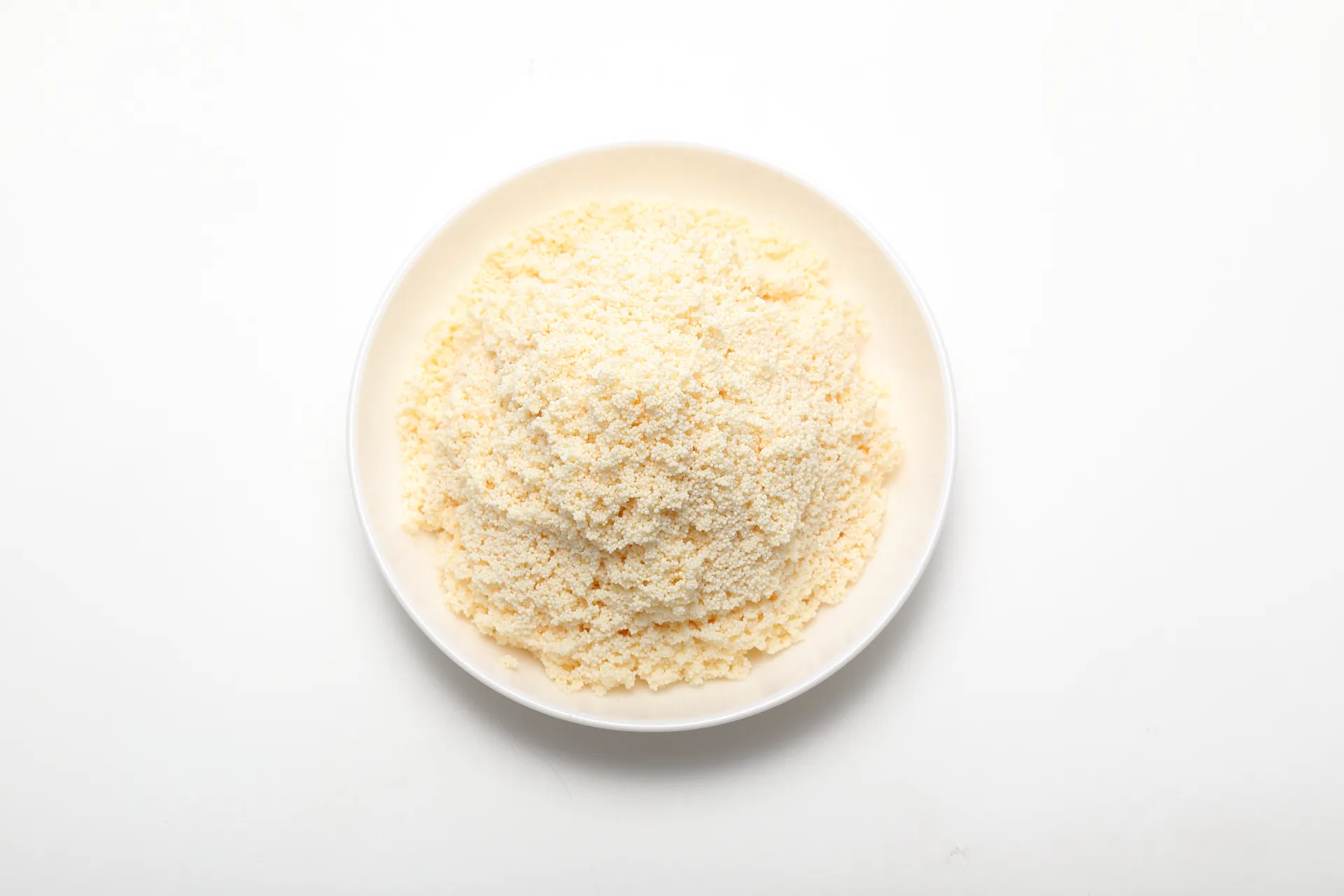
Materials: D113 FC resin, HCl (4–8%) or H2SO4 (1–2%), dechlorinated water. Methods: backwash (10–20% expansion), service at 5–30 BV/h, counter-current regeneration preferred at 1–3 BV/h, slow rinse then fast rinse to conductivity setpoint. Testing standards: capacity and moisture per ASTM D2187; potable applications may require NSF/ANSI/CAN 61 verification; plant QMS under ISO 9001. Service life: ≈5 years (3–7 depending on oxidants, fouling, and silica/iron control). QA tip: monitor differential pressure and UC after each major cleaning cycle.
A beverage plant retrofitted D113 FC ahead of RO. With raw M-alkalinity at 180 mg/L as CaCO3, the WAC bed knocked it to ≈25–40 mg/L. Acid use for RO pH conditioning dropped ~30%, and RO scaling alarms all but disappeared. The operator told me, “surprisingly, it’s been boring”—which in utilities-speak is high praise.
| Vendor/Model | Capacity (eq/L) | Lead time | Certs/Notes | Customization |
|---|---|---|---|---|
| Liji D113 FC (China) | ≈3.6–4.4 | 2–4 weeks (typ.) | ISO 9001 facility; NSF/ANSI 61 testing on request (site-specific) | Particle size, moisture window, packaging |
| Amberlite IRC series (global) | ≈3.7–4.2 | Stock/region-dependent | Datasheet-specific NSF options | Standard gradations |
| Purolite WAC (e.g., C104E) | ≈3.6–4.3 | Typical 2–6 weeks | Global regulatory coverage varies | Selected particle ranges |
Values are indicative; always validate against current technical data sheets and your feedwater analysis.
For Weak Acid Cation Exchange Resin systems, I usually ask for: tighter UC if pressure drop is touchy, counter-current regeneration hardware, and a chlorine scavenger upstream (even a small GAC guard). Factory can tune particle cut and moisture—handy for fast-start projects.
Feedback trends: “predictable regeneration,” “less acid,” and occasionally “needs better backwash control” on high-silt rivers. Certification-wise, look for ISO 9001 manufacturing; request NSF/ANSI/CAN 61 evidence if water touches food-grade lines. Testing per ASTM D2187 keeps everyone honest.
If alkalinity is your bottleneck, a well-sized Weak Acid Cation Exchange Resin bed like D113 FC is a pragmatic, budget-friendly lever. Not flashy—just effective.