Phone:
+86 0319 2296164


Email:
info@lijiresin.cn
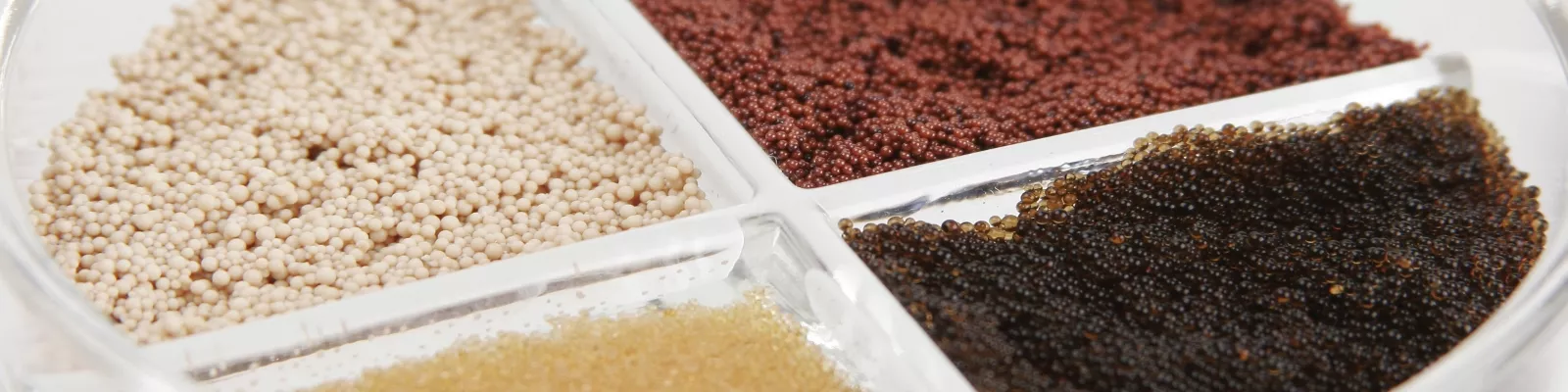
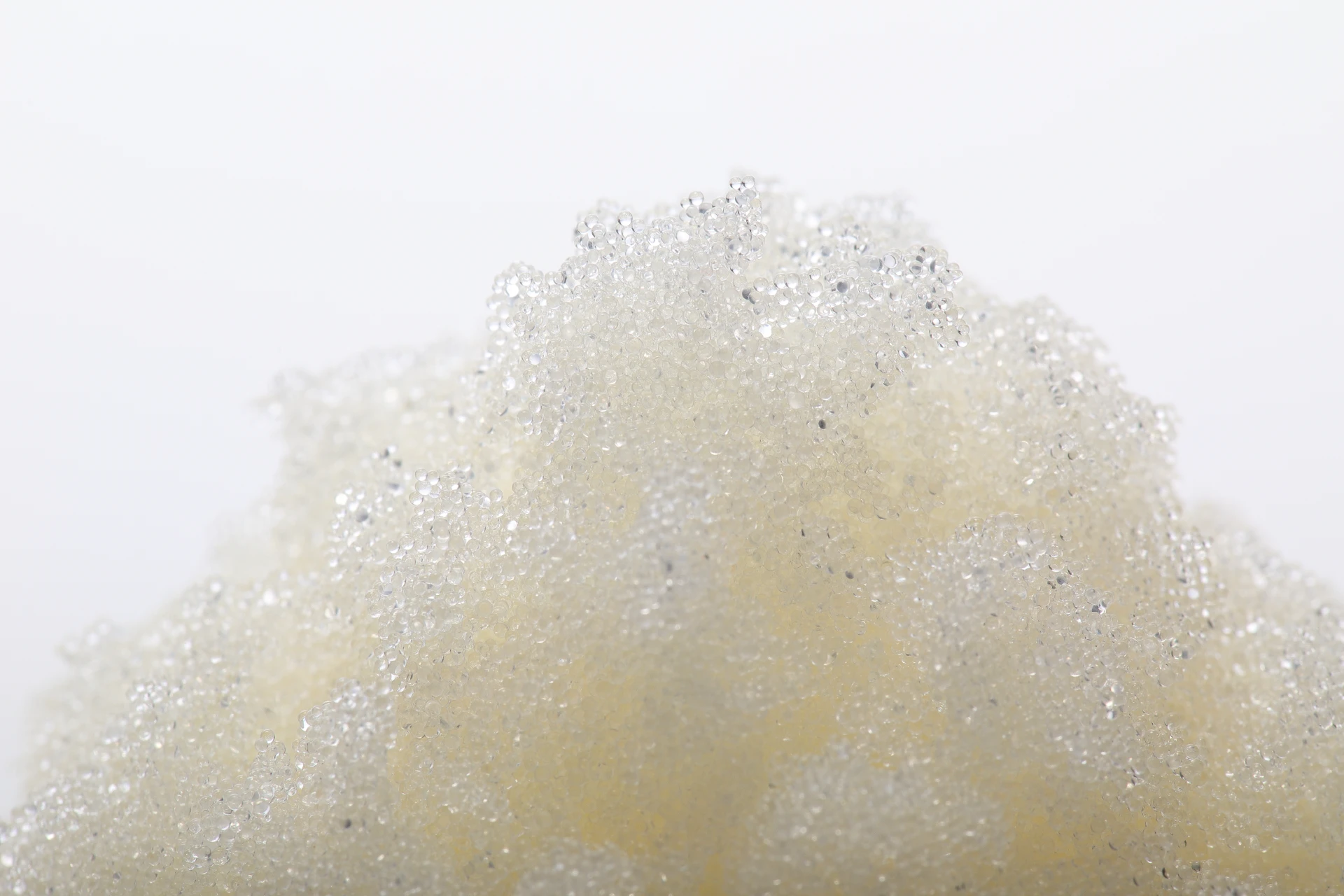
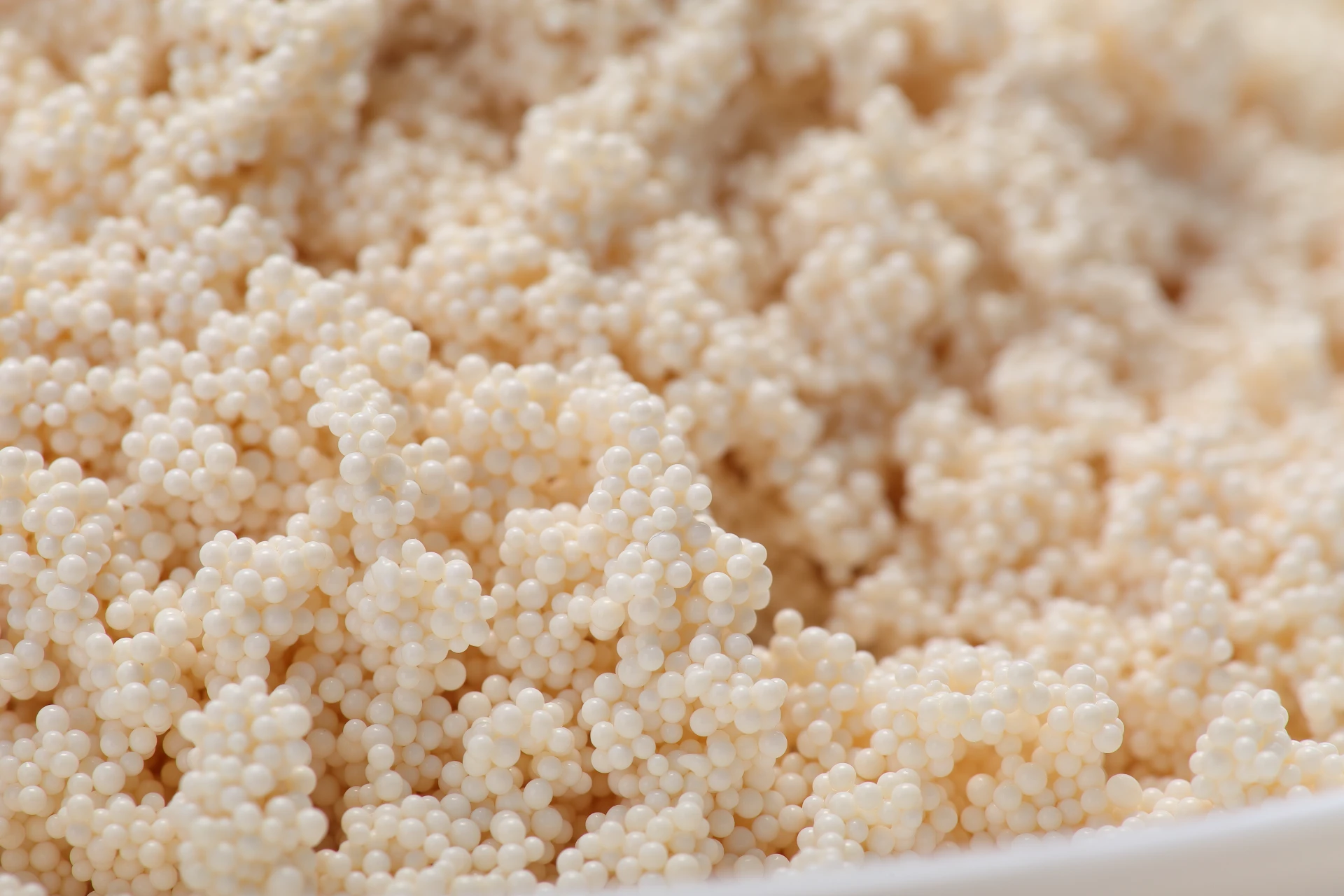
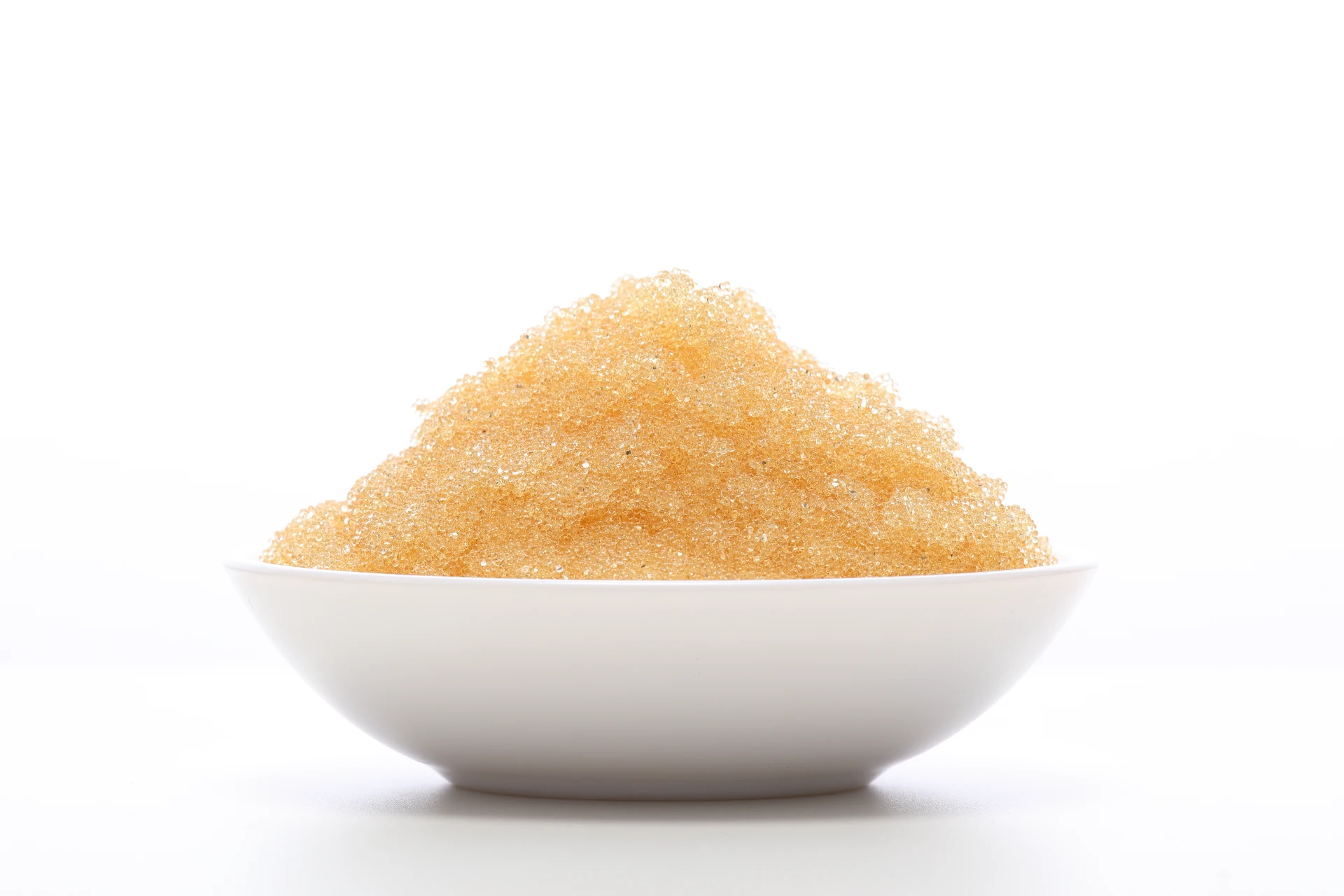
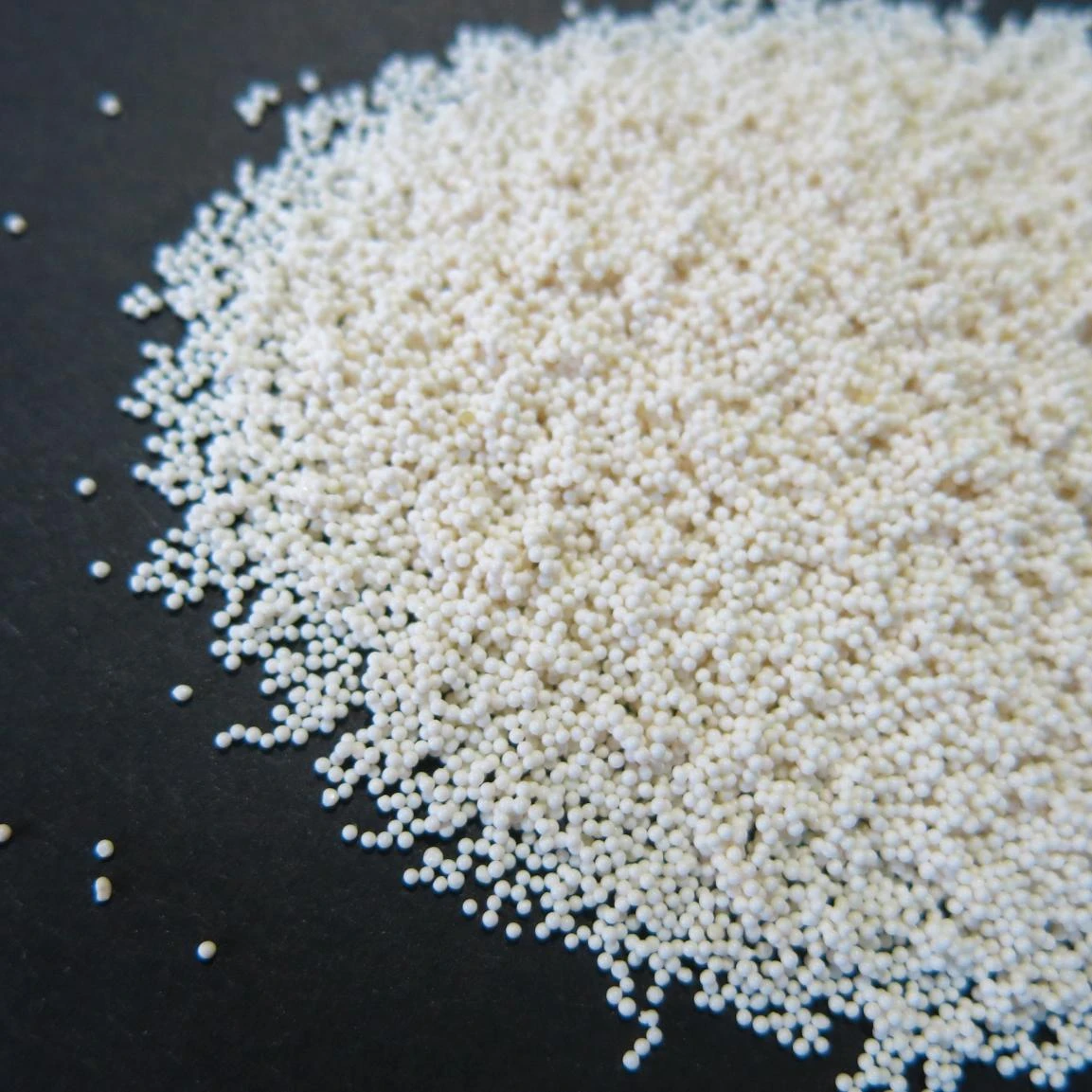
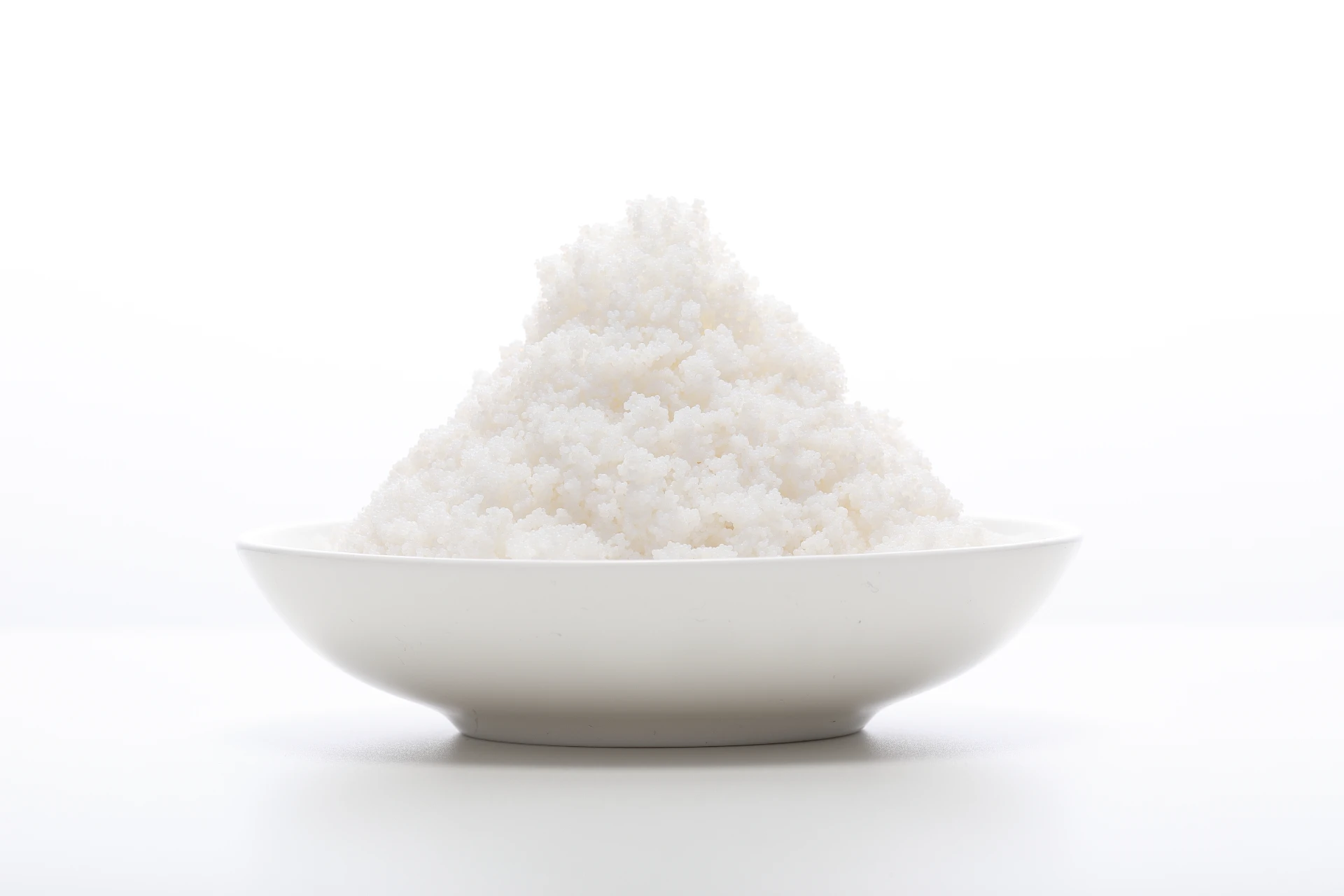
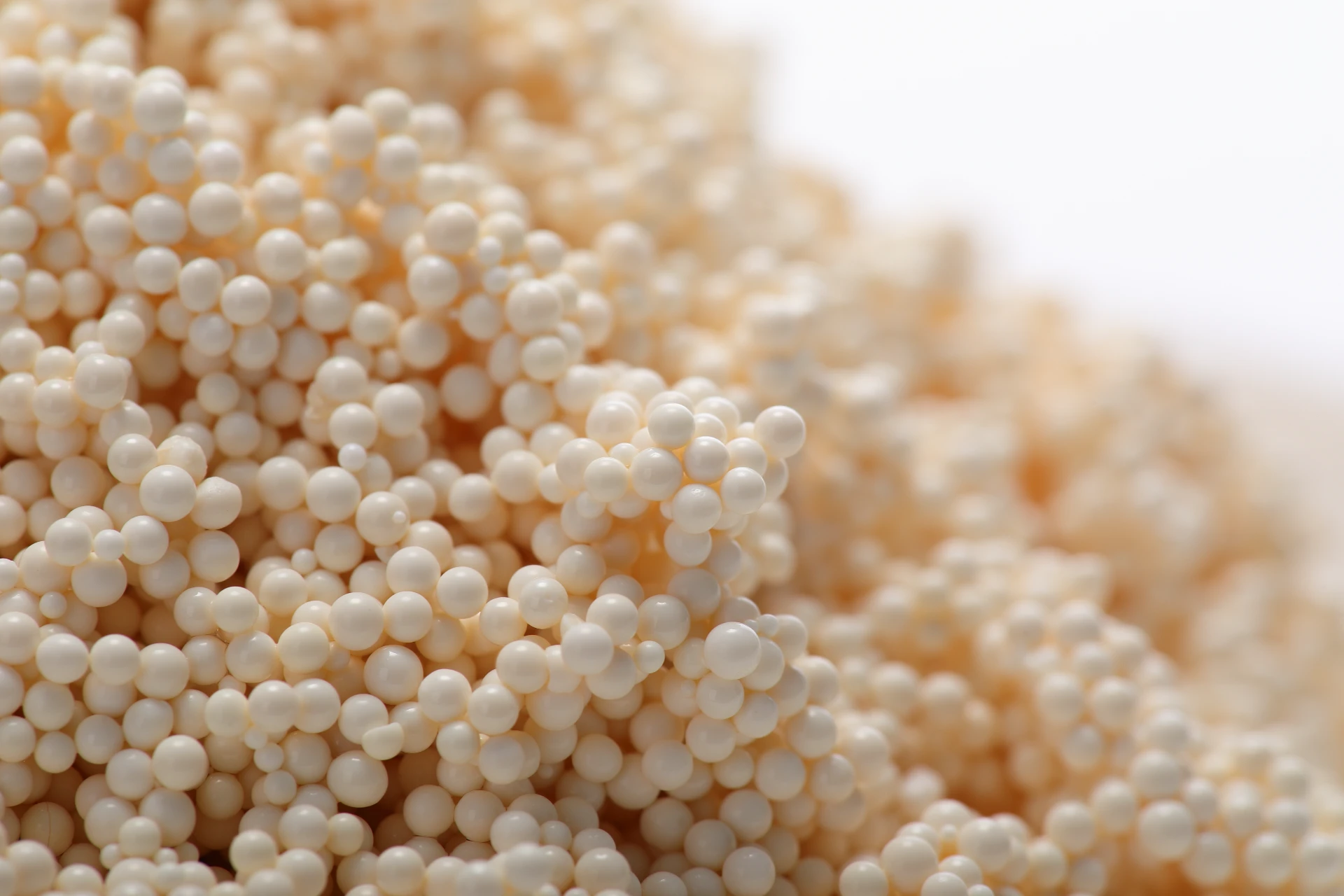
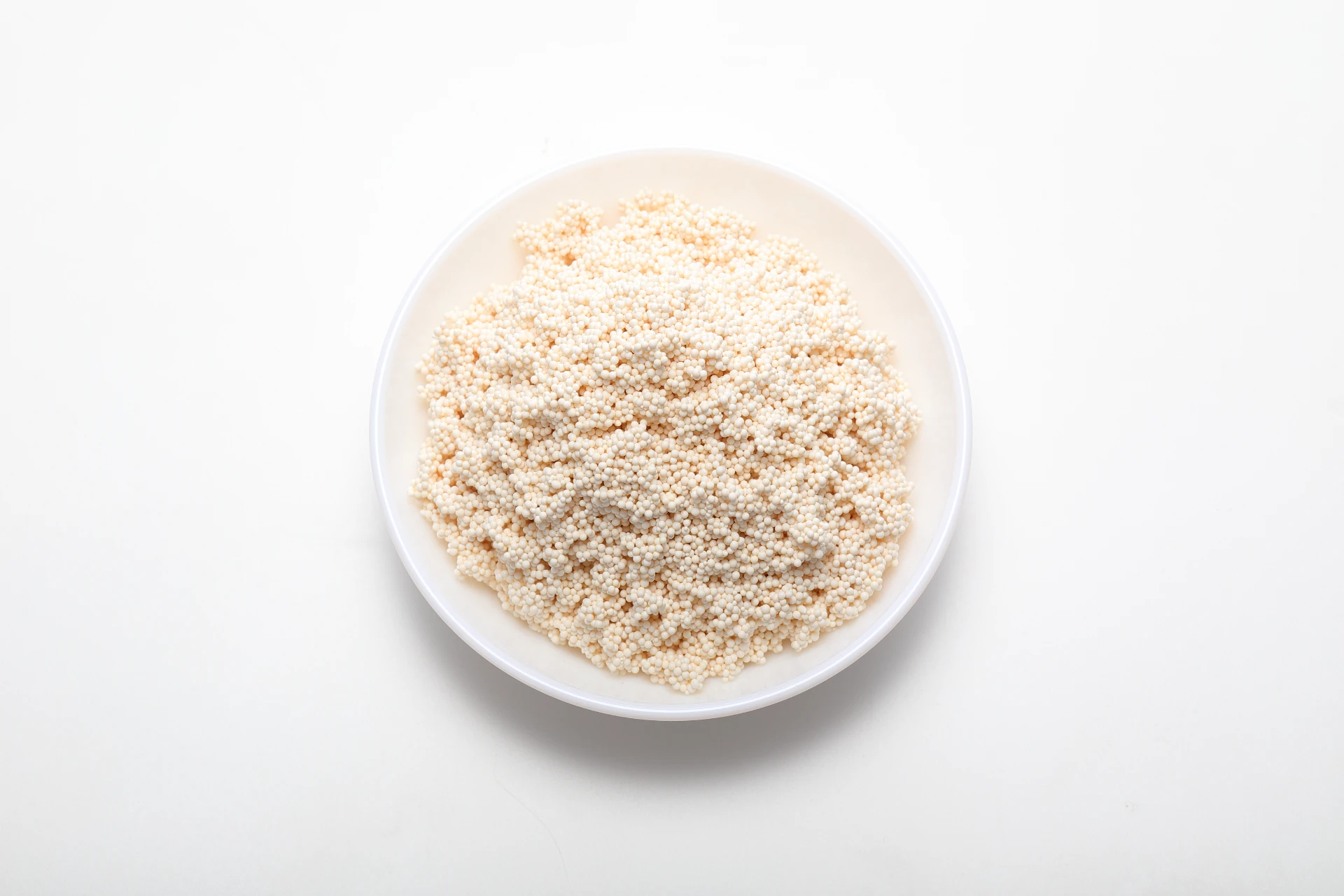
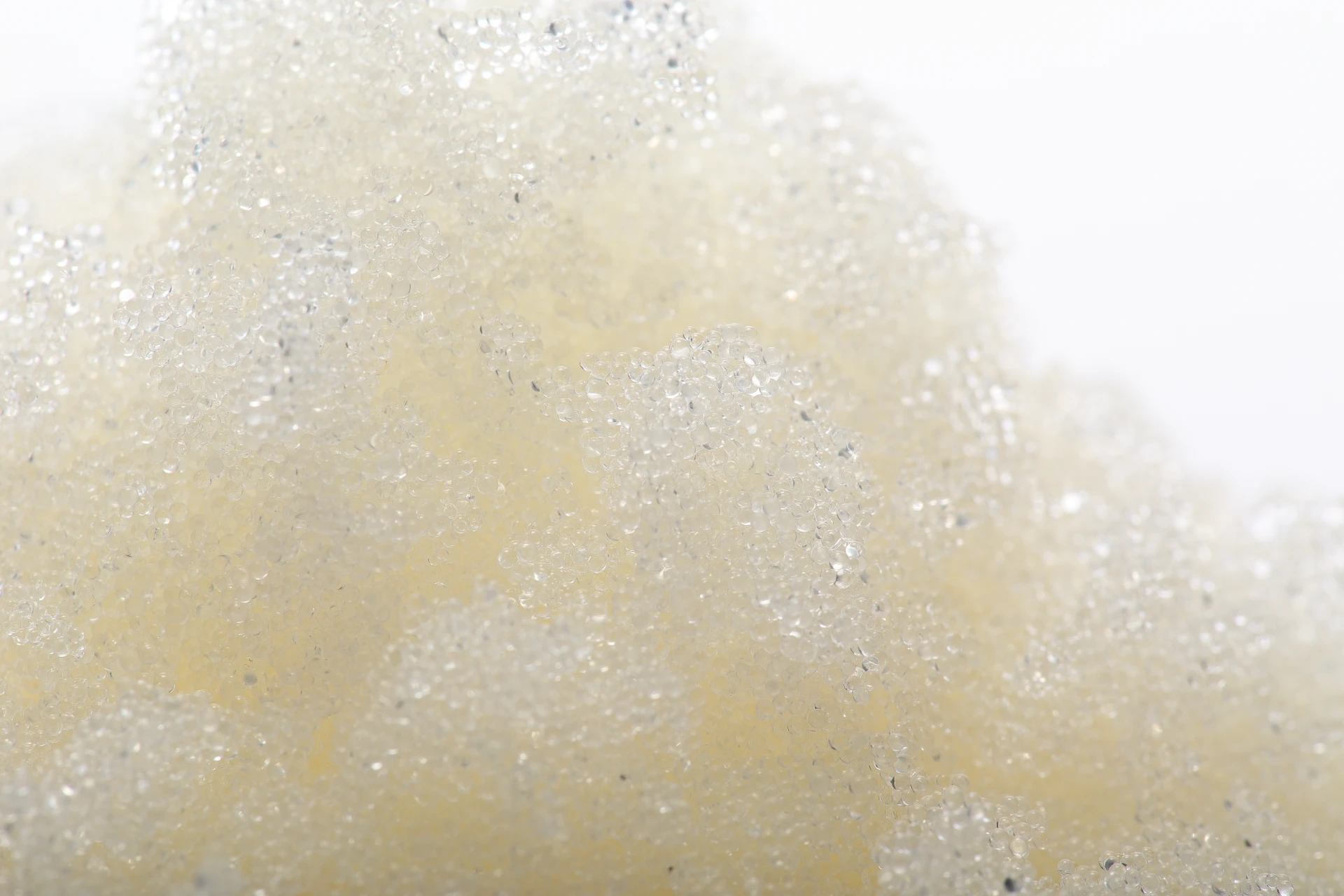
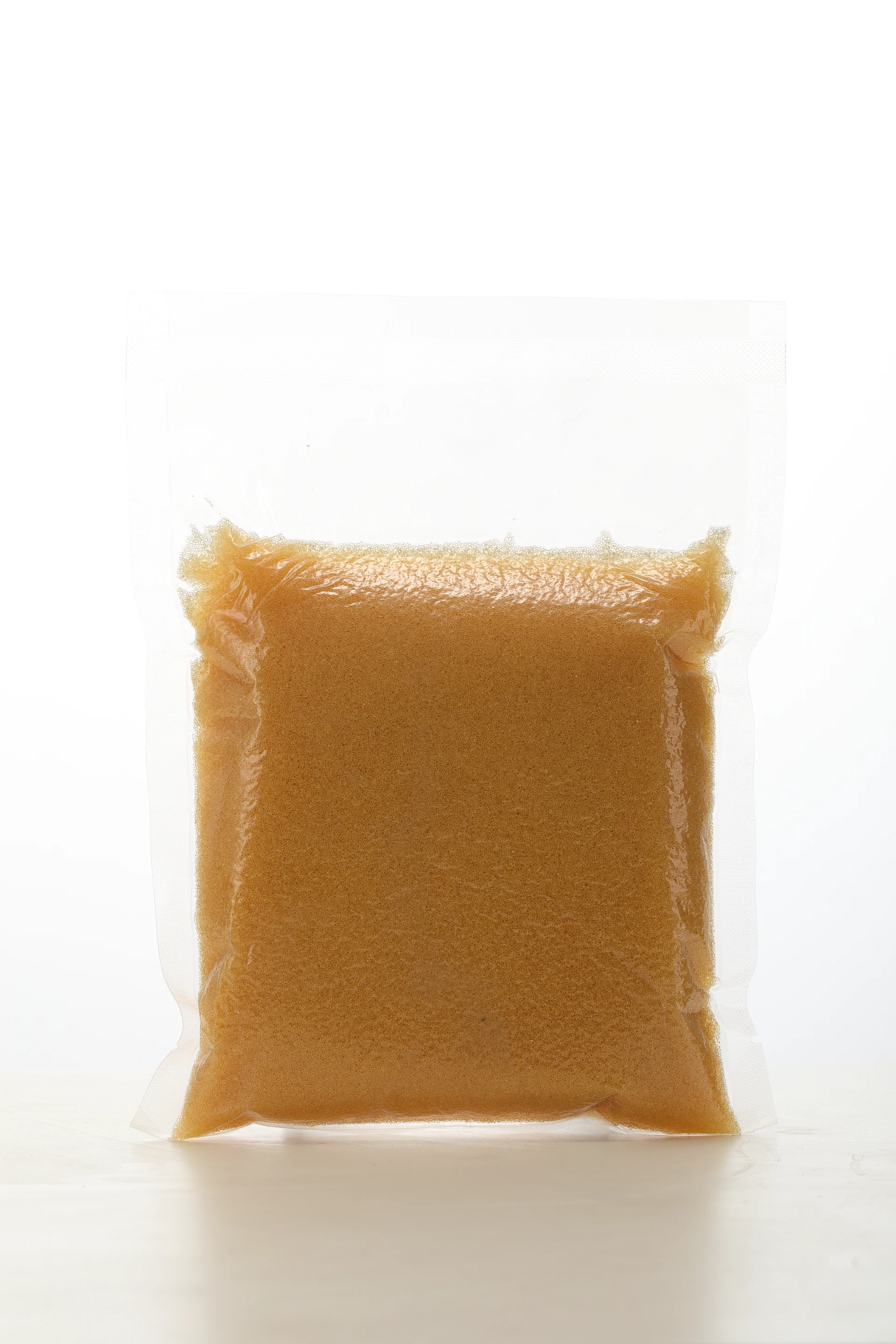
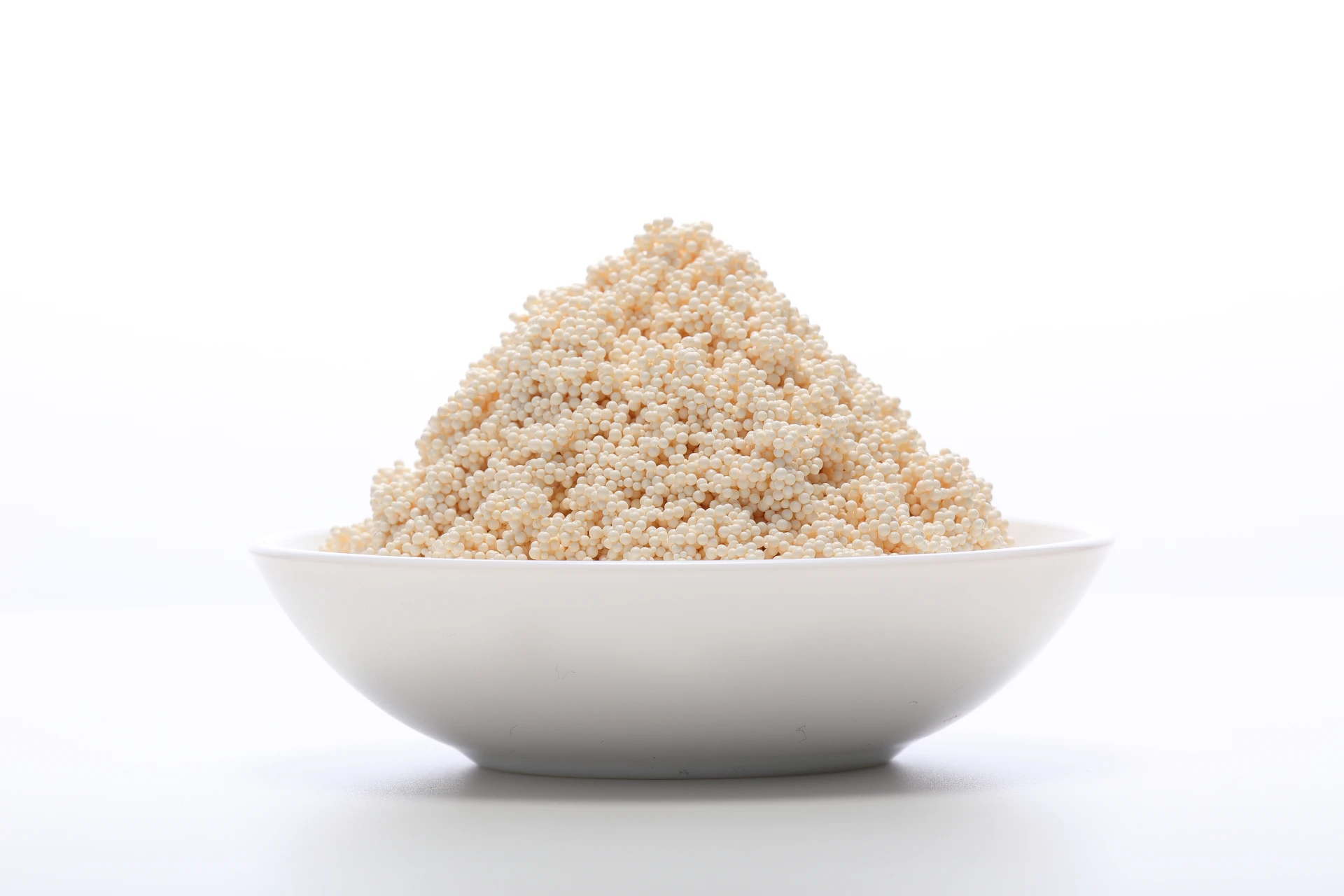
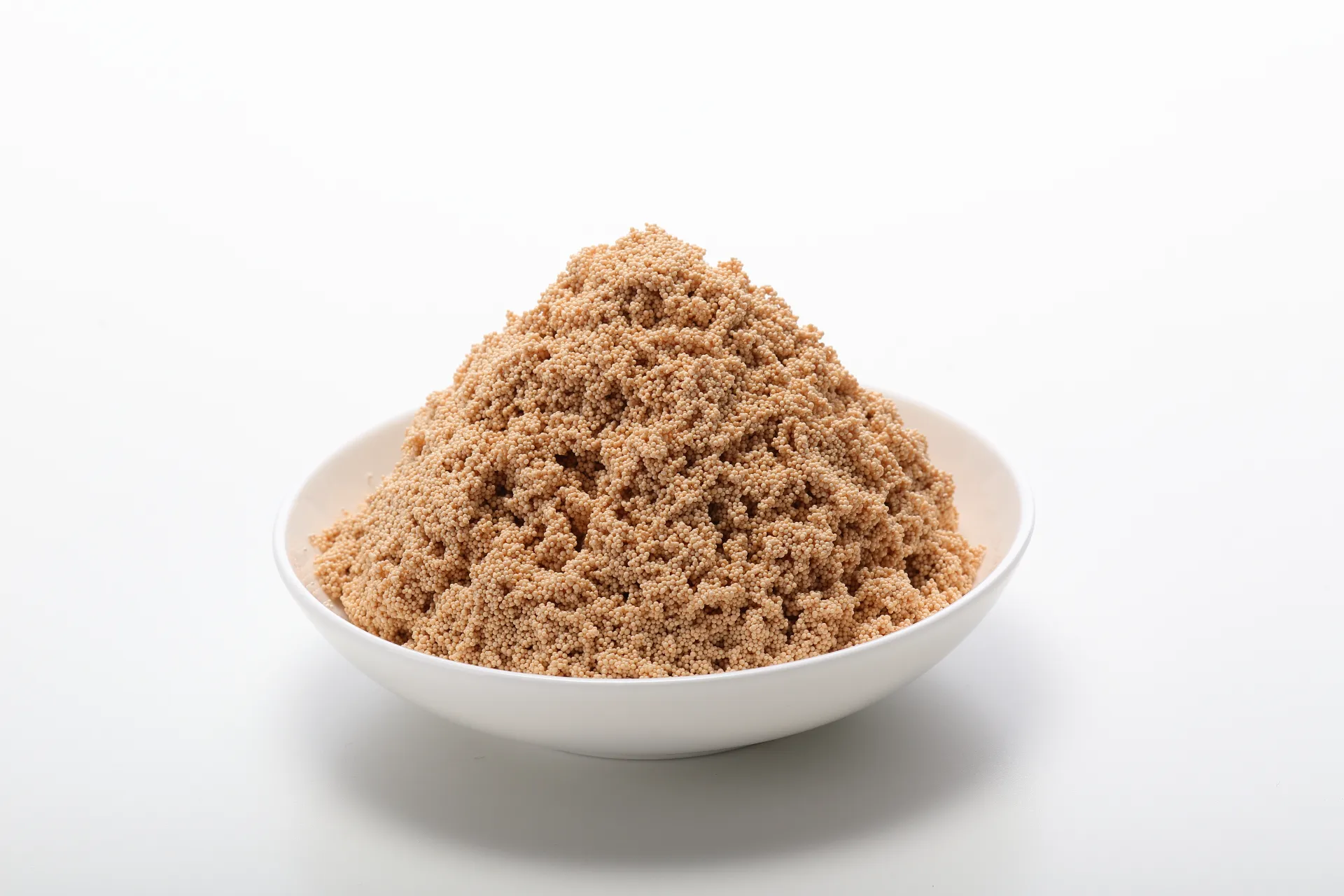
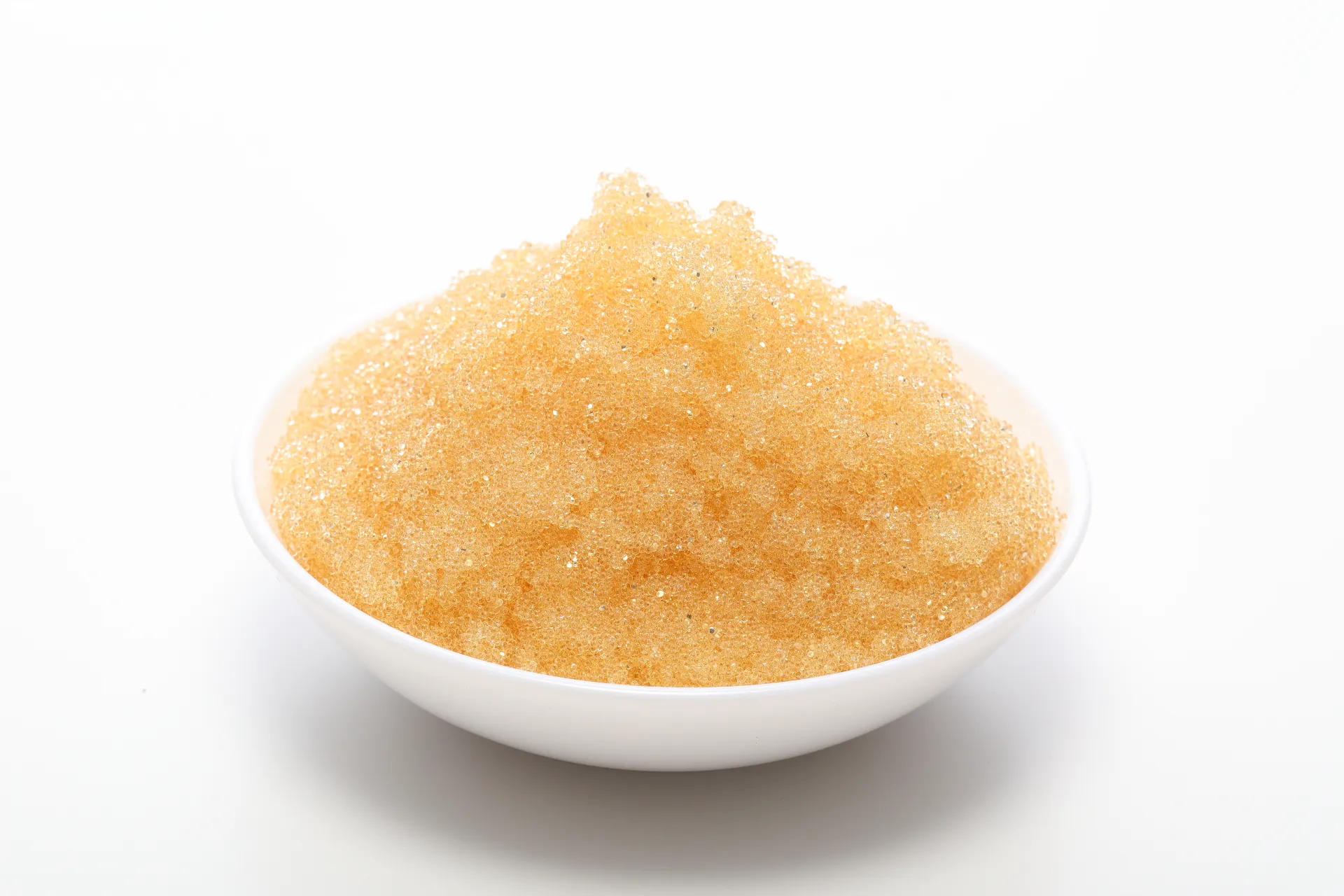
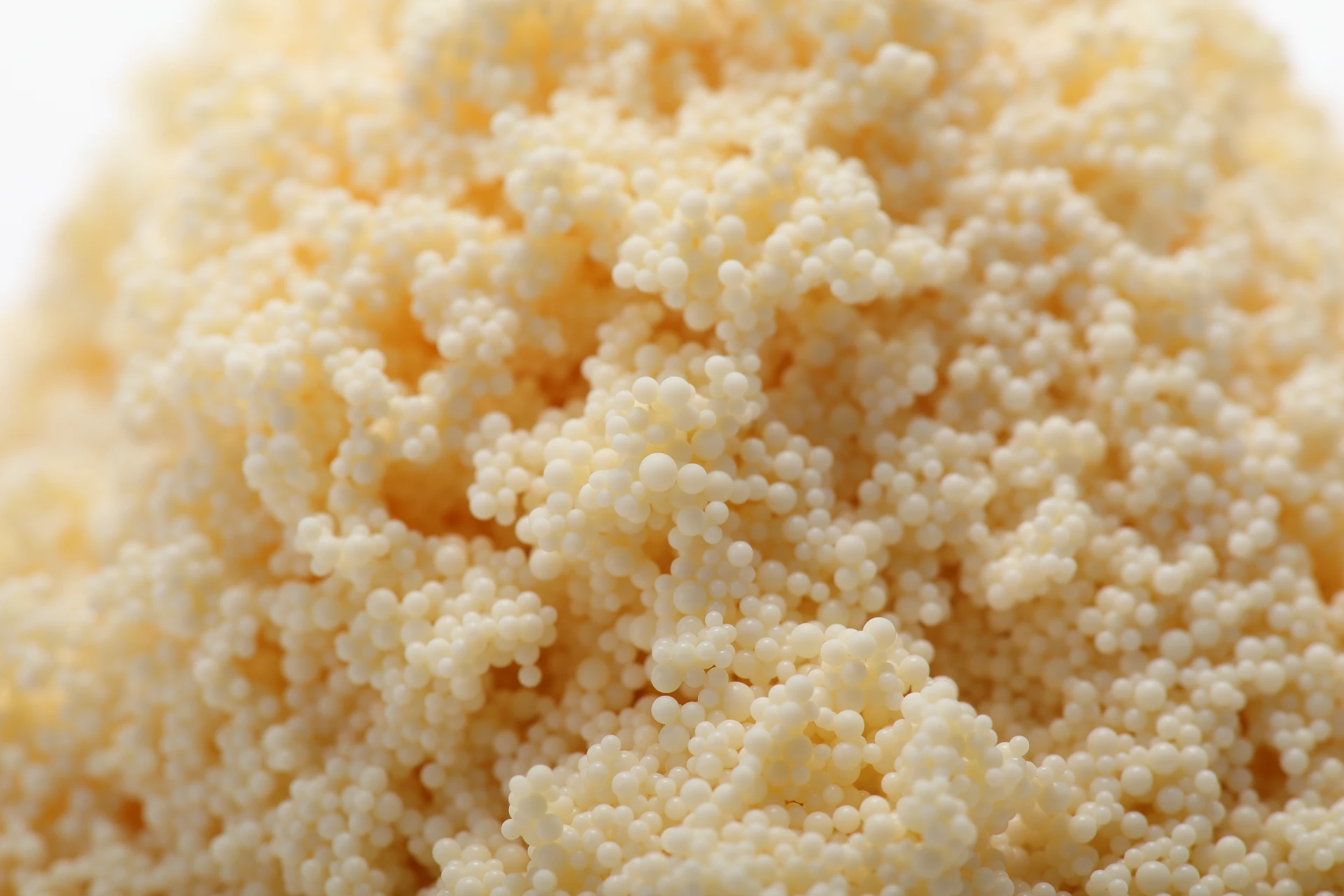
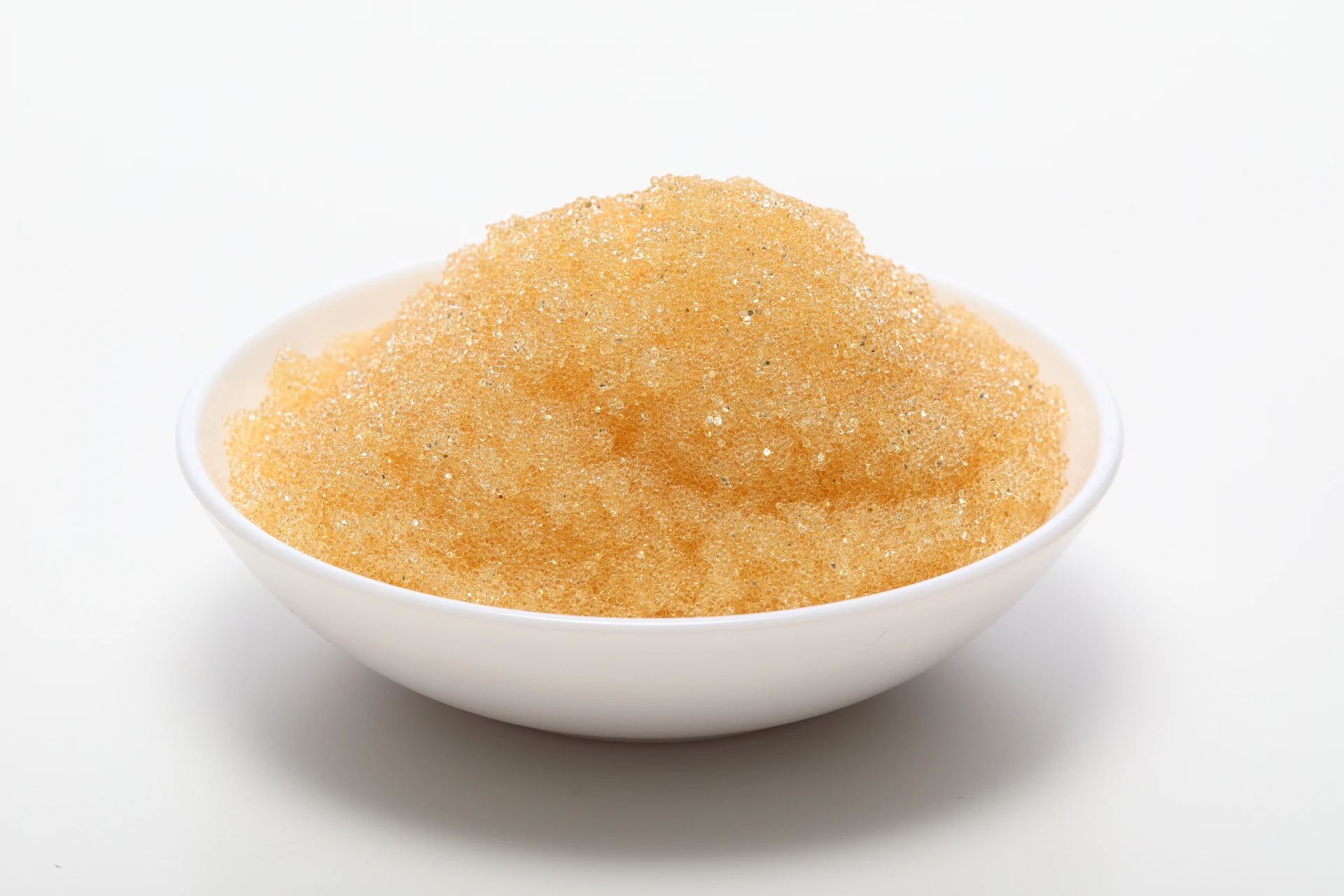
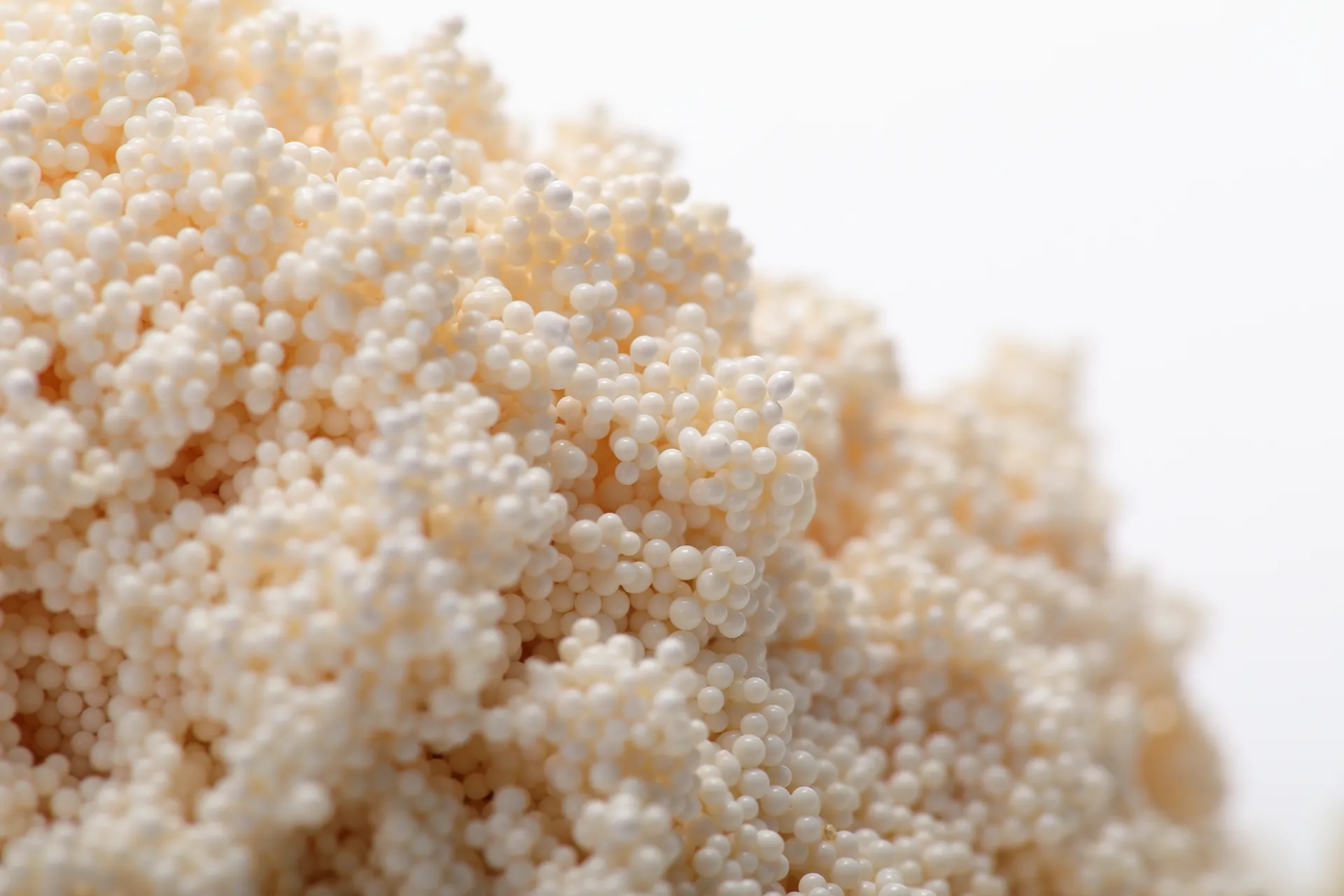
Having spent a good number of years in the industrial equipment sector, I can honestly say that few components are as quietly crucial—and sometimes overlooked—as the ion exchange resin. When it comes to ion exchange resins, Purolite Ion Exchange Resin consistently pops up in conversations, usually accompanied by respectful nods. It feels like the backbone of so many water treatment and purification processes, and frankly, if you’ve ever dealt with boiler water conditioning or deionization, you probably have a sense of just how vital its role is.
What struck me early on is Purolite’s reputation for consistent quality and customization. They don’t just churn out a generic resin; their product line seems thoughtfully designed to match specific industrial needs. I remember one project where we required resin that could handle high fouling conditions, and Purolite had variants tailored exactly for that—kind of a relief, honestly, instead of having to compromise or run multiple trial batches.
| Specification | Details |
|---|---|
| Type | Strong Acid Cation (SAC), Strong Base Anion (SBA), Mixed Bed |
| Matrix | Crosslinked Polystyrene |
| Particle Size | 0.3–1.2 mm (uniform bead size) |
| Operating pH Range | 0–14 (varies by resin type) |
| Capacity | 1.7–2.2 eq/L (typical) |
| Max Operating Temperature | 120°C (depends on specific resin grade) |
The versatility is what makes Purolite stand out. It’s much more than just a “water softener resin” in the household sense. In industrial terms, it maintains boiler efficiency, reduces downtime, and helps meet stringent water quality standards—something I noticed made the operators sleep a bit easier. Companies often underestimate how much the choice of resin impacts operational costs, until that breakthrough happens when they switch.
| Feature | Purolite | Competitor A | Competitor B |
|---|---|---|---|
| Product Range | Extensive (SAC, SBA, Mixed Bed, Specialty Resins) | Moderate | Limited |
| Customization Options | High | Low | Medium |
| Chemical Stability | Excellent | Good | Fair |
| Delivery & Support | Global, with technical support | Regional | Limited |
| Price | Competitive | Lower | Higher |
I like to think of Purolite as a company that understands the nuances of the real world — not just the lab specs. Users often tell me that beyond product specs, what sets them apart is the technical consultation and quick service response. That's gold when you’re on a tight schedule or troubleshooting a sensitive process.
One memorable case was an industrial plant upgrading their cooling tower treatment system. After switching to Purolite’s mixed bed resin, they reported noticeable improvements in water clarity and less frequent resin replacement cycles. Makes me wonder how many other plants are still using older resin types simply out of habit.
But then again, industrial choices often come down to balance—cost, compatibility, availability. Purolite ticks many of those boxes, even if, I suppose, no resin is truly one-size-fits-all. The key is in matching the resin grade to the application and maintaining proper regeneration protocols.
Overall, I’d say if you’re exploring ion exchange solutions and want a supplier that offers depth, reliability, and reasonable flexibility, Purolite’s offerings deserve a look. Their products are proven in multiple sectors, and the company knows this space well—no smoke and mirrors, just solid resin performance.
In the end, it all comes down to ensuring your process runs smoothly—and Purolite resin quietly helps make that happen, day in and day out.
References:
1. Purolite Official Literature
2. Industry Whitepapers on Ion Exchange Resins
3. Personal Interviews with Water Treatment Specialists