Mixed bed resin filters are essential components in numerous industrial and laboratory applications requiring highly purified water. They represent a sophisticated water treatment technology offering superior removal of ionic contaminants compared to single resin systems. The global demand for ultrapure water is increasing due to the expansion of industries like pharmaceuticals, microelectronics, and power generation, driving the need for efficient and reliable mixed bed resin filter solutions. Understanding their principles, applications, and maintenance is crucial for professionals and organizations reliant on water quality.
The significance of mixed bed resin filters extends beyond industrial processes. They play a vital role in environmental protection, enabling the safe discharge of wastewater and the remediation of contaminated water sources. Furthermore, advancements in resin technology are constantly improving filter efficiency, longevity, and sustainability. Proper implementation of mixed bed resin filter systems translates to reduced operational costs, minimized environmental impact, and enhanced product quality.
As water scarcity becomes a more pressing global issue, effective water purification technologies like mixed bed resin filtration are paramount. This article provides a comprehensive overview of these filters, covering their core components, diverse applications, future trends, and addressing common challenges, all contributing to responsible water management and sustainable practices.
Introduction to Mixed Bed Resin Filters
Mixed bed resin filters are sophisticated water purification systems employed when exceptionally high water purity is required. Unlike single resin filters, they utilize a blend of both cation and anion exchange resins intimately mixed, maximizing the removal of virtually all ionic impurities. This process results in water with resistivity levels exceeding 18 megaohms-cm, making it suitable for even the most demanding applications.
The effectiveness of a mixed bed resin filter arises from the continuous interaction between the cation and anion resins. As ions pass through the bed, they are exchanged with corresponding ions on the resin beads, effectively reducing the concentration of dissolved salts, minerals, and other ionic contaminants. Regular monitoring and regeneration are essential to maintain optimal performance.
Defining Mixed Bed Resin Filtration
Mixed bed resin filtration is a water treatment process that leverages ion exchange resins to remove ionic contaminants from water. It differs from traditional filtration methods, which primarily focus on removing particulate matter. The process relies on the principle of exchanging unwanted ions present in the water with harmless ions held by the resin beads.
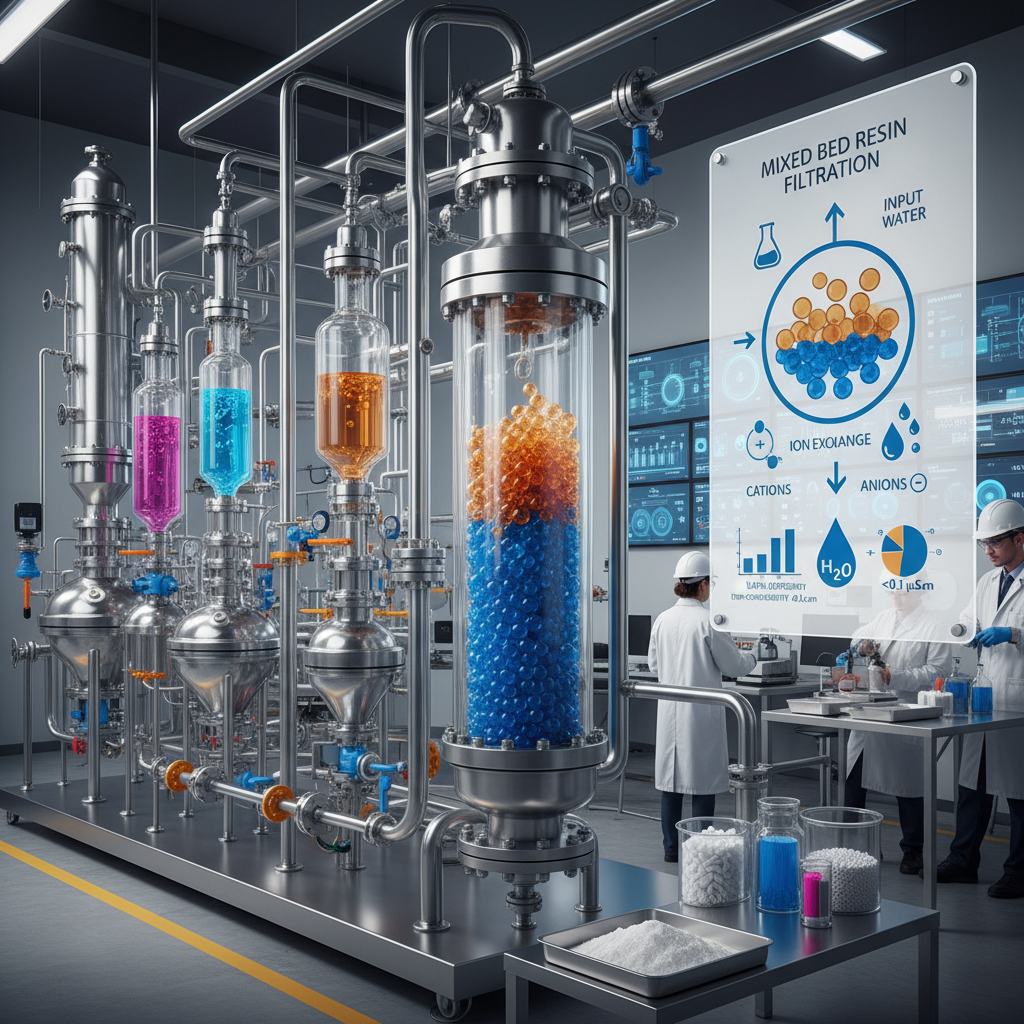
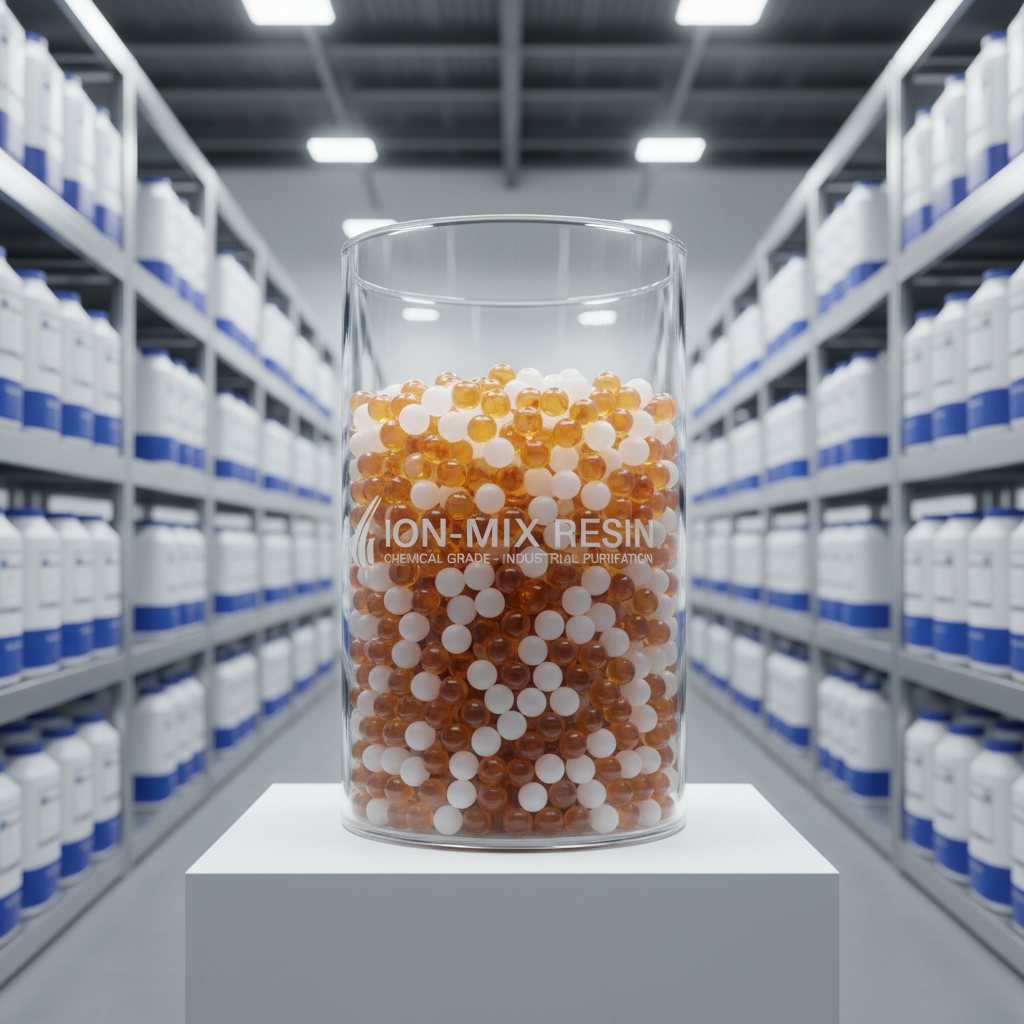
At its core, mixed bed filtration involves passing water through a bed containing both strong acid cation (SAC) and strong base anion (SBA) exchange resins. These resins are carefully mixed to ensure thorough contact and efficient ion exchange. The resulting water is exceptionally pure, making it crucial for industries and applications requiring consistent, high-quality water.
The connection to modern industry and humanitarian needs is profound. Pharmaceutical manufacturing, semiconductor production, and power generation all depend on ultrapure water produced by mixed bed resin filter systems. In emergency relief scenarios, these filters can provide safe drinking water, crucial for public health and survival.
Core Components and Operational Principles
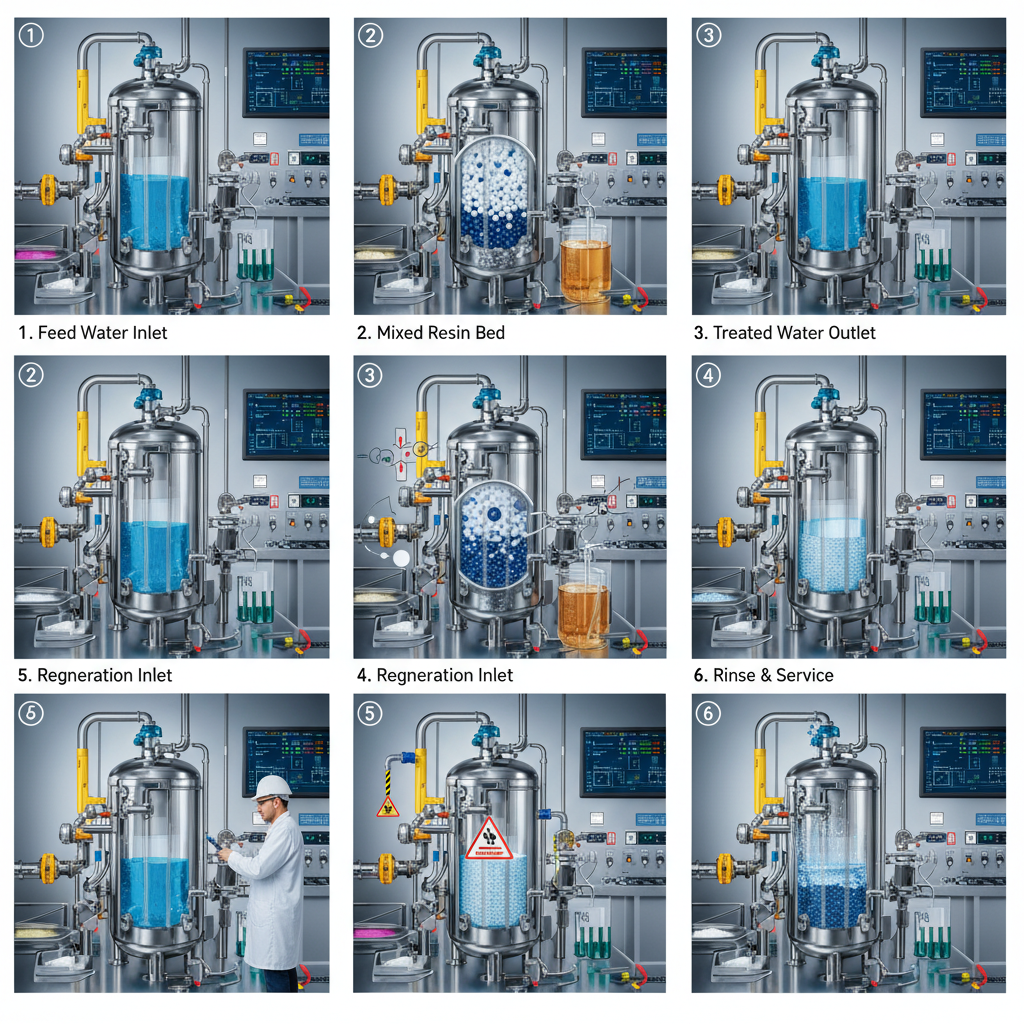
The core of a mixed bed resin filter lies in the two types of ion exchange resins: strong acid cation (SAC) resins and strong base anion (SBA) resins. SAC resins exchange positively charged ions (cations) like calcium, magnesium, and sodium with hydrogen ions (H+). SBA resins, conversely, exchange negatively charged ions (anions) like chloride, sulfate, and nitrate with hydroxide ions (OH-).
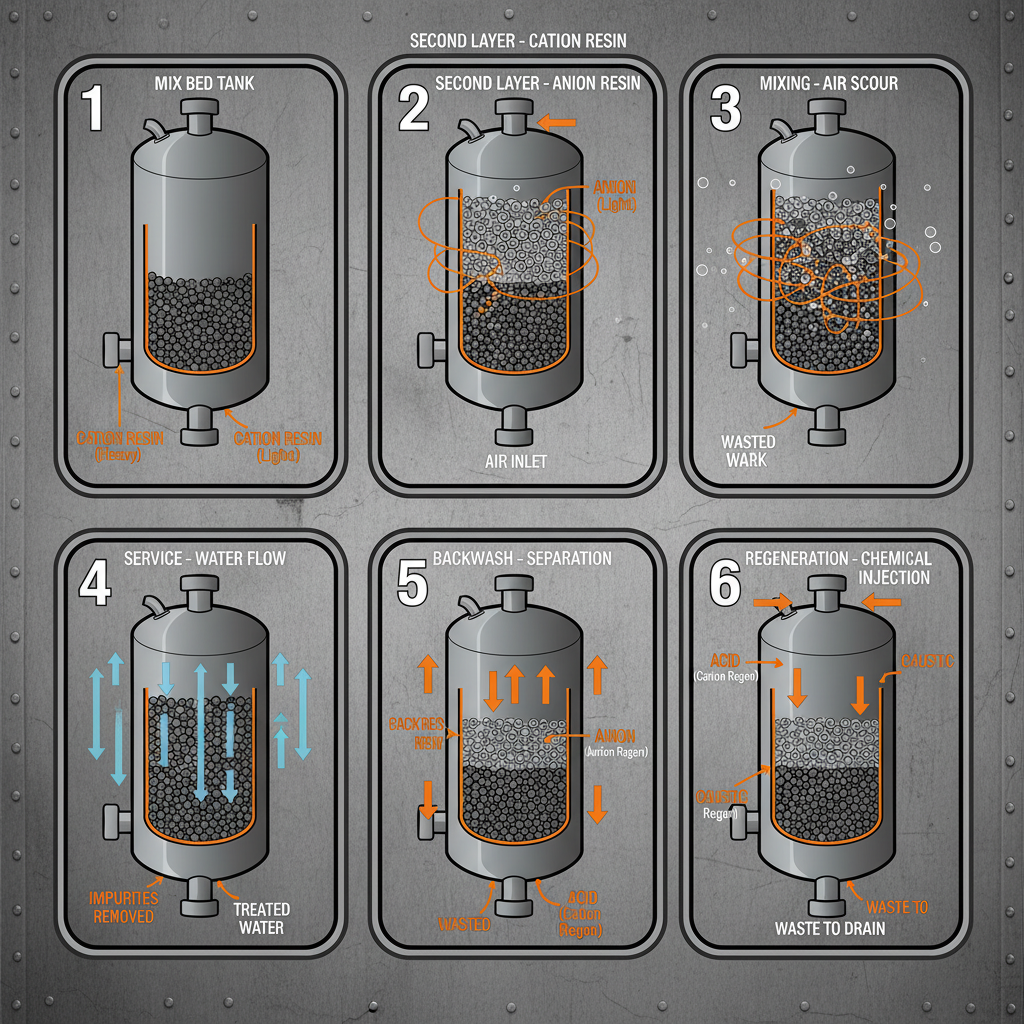
The intimate mixing of SAC and SBA resins is critical. This ensures that as cations are removed by the SAC resin, the released hydrogen ions immediately combine with the hydroxide ions from the SBA resin to form pure water (H2O). This simultaneous exchange maximizes the efficiency and purity of the treated water. The resin bed typically includes a carefully controlled ratio of SAC and SBA resins, often around 1:1 or 2:1.
The operational principle involves passing raw water through the mixed resin bed. The water flows through the tightly packed resins, allowing for sufficient contact time for the ion exchange process to occur. As the resins become saturated with removed ions, they must be regenerated. Regeneration involves backwashing the filter bed and treating it with acidic and caustic solutions to replenish the resins' capacity for ion exchange.
Key Factors Influencing Filter Performance
Several factors significantly influence the performance of mixed bed resin filters. Resin quality is paramount; high-quality resins with consistent particle size and exchange capacity are crucial for optimal results. Water temperature also plays a role, as higher temperatures generally enhance the rate of ion exchange, but may also reduce resin longevity.
Flow rate is another critical parameter. Excessive flow rates can reduce contact time, leading to incomplete ion exchange. Conversely, very low flow rates may increase the risk of channeling, where water bypasses sections of the resin bed. Proper pre-treatment of the feed water is also vital to protect the resins from fouling and premature degradation.
Mixed Bed Resin Filter Performance Metrics
Global Applications and Diverse Use Cases
Mixed bed resin filters are integral to numerous industries worldwide. In the pharmaceutical sector, they are critical for producing water for injection (WFI) and purified water used in drug manufacturing. The electronics industry relies on them for producing ultrapure water for cleaning and rinsing semiconductor wafers.
Power generation facilities utilize mixed bed resin filters in boiler feedwater treatment to prevent scaling and corrosion. Furthermore, in post-disaster relief operations, portable mixed bed resin filters can provide potable water to affected communities. In remote industrial zones lacking access to municipal water supplies, these filters offer a reliable solution for on-site water purification.
Advantages and Long-Term Value Proposition
The advantages of utilizing mixed bed resin filters are substantial. They deliver consistently high water purity, reducing operational costs associated with equipment damage and downtime caused by scale or corrosion. Their relatively low maintenance requirements contribute to long-term cost savings.
From a sustainability perspective, mixed bed resin filters minimize water waste by allowing for efficient water reuse and reducing the need for frequent water replacement. Moreover, they enhance product quality and reliability, fostering trust among customers. Ultimately, investing in mixed bed resin filter systems is an investment in operational efficiency, environmental responsibility, and long-term success.
The reliability and predictability of these systems offer peace of mind, essential in sectors where water quality is a non-negotiable factor.
Future Trends and Innovations in Mixed Bed Resin Filter Technology
The future of mixed bed resin filter technology is focused on several key innovations. Developments in resin materials are leading to higher exchange capacities, improved selectivity, and enhanced resistance to fouling. Smart monitoring systems, utilizing sensors and data analytics, are enabling real-time performance tracking and predictive maintenance.
The integration of automation and digital control systems is streamlining filter operation and reducing manual intervention. Furthermore, research into more sustainable resin regeneration methods is minimizing environmental impact. These advancements align with the growing emphasis on green energy, digital transformation, and sustainable water management practices.
The development of hybrid systems combining mixed bed filtration with other purification technologies, such as membrane filtration, is also gaining traction, promising even greater levels of water purity and efficiency.
Challenges and Solutions
Despite their numerous benefits, mixed bed resin filters face certain challenges. Resin fouling, caused by organic matter, iron, or silica, can reduce filter efficiency and require frequent cleaning or replacement. Maintaining optimal resin mixing is also crucial; inadequate mixing can lead to channeling and reduced performance.
Effective pre-treatment of feed water, including filtration and coagulation, can mitigate fouling. Utilizing advanced resin cleaning protocols and implementing robust mixing systems are essential for maintaining optimal performance. Furthermore, exploring alternative resin materials with enhanced fouling resistance can provide a long-term solution.
The table below summarizes common challenges and proposed solutions for enhancing the long-term viability of mixed bed resin filtration systems.
Summary of Common Challenges and Solutions for Mixed Bed Resin Filters
| Challenge |
Impact on Performance |
Proposed Solution |
Implementation Cost (1-10) |
| Resin Fouling |
Reduced Exchange Capacity, Lower Water Purity |
Enhanced Pre-treatment, Resin Cleaning |
4 |
| Inadequate Resin Mixing |
Channeling, Uneven Ion Exchange |
Optimized Mixer Design, Flow Distribution |
6 |
| Resin Degradation |
Loss of Exchange Capacity, Resin Breakdown |
Controlled Regeneration Cycles, Resin Replacement |
7 |
| High Feed Water TDS |
Rapid Resin Saturation, Increased Regeneration Frequency |
Additional Pre-treatment (e.g., RO) |
8 |
| Inconsistent Water Flow |
Uneven Resin Contact, Fluctuating Purity |
Flow Control Valves, Pressure Regulation |
3 |
| Lack of Monitoring |
Delayed Issue Detection, Suboptimal Performance |
Real-Time Monitoring System, Data Analytics |
5 |
FAQS
Mixed bed resin filters are crucial in industries requiring ultra-pure water, such as pharmaceuticals, semiconductor manufacturing, and power generation. They are also used in laboratory settings for producing reagent-grade water and in water treatment facilities for polishing water after other purification stages. These filters effectively remove virtually all ionic impurities, ensuring water meets stringent quality standards for sensitive applications.
Resin regeneration frequency depends on feed water quality, filter flow rate, and the level of water purity required. Regularly monitoring the effluent resistivity is crucial. Typically, regeneration is needed when the resistivity drops below a specified threshold. Resin replacement is generally recommended every 5-7 years, or sooner if the resin's exchange capacity is significantly diminished, even after regeneration.
Fouling can be caused by various substances, including organic matter, iron, silica, and colloidal particles present in the feed water. These substances can coat the resin beads, reducing their exchange capacity and flow rate. Effective pre-treatment of the feed water, including filtration and coagulation, is essential to minimize fouling. Regular resin cleaning can also help remove accumulated foulants.
Strong base anion (SBA) resins are designed to remove negatively charged ions (anions) like chloride, sulfate, and nitrate by exchanging them with hydroxide ions (OH-). Strong acid cation (SAC) resins, on the other hand, remove positively charged ions (cations) like calcium, magnesium, and sodium by exchanging them with hydrogen ions (H+). Their combined use in a mixed bed filter ensures comprehensive removal of ionic contaminants.
The flow rate significantly impacts filter efficiency. Too high a flow rate reduces the contact time between the water and the resins, resulting in incomplete ion exchange and lower water purity. Too low a flow rate can lead to channeling, where water bypasses sections of the resin bed. Maintaining an optimal flow rate, as recommended by the filter manufacturer, is crucial for maximizing performance.
While mixed bed resin filters can polish water after desalination, they are not typically used as a primary desalination method. Desalination usually employs technologies like reverse osmosis (RO) to remove salt. A mixed bed resin filter can be used after RO to remove any remaining ionic impurities and achieve ultra-pure water quality, making it suitable for specialized applications.
Conclusion
Mixed bed resin filters represent a cornerstone of modern water purification technology. Their ability to consistently deliver ultra-pure water makes them indispensable across a wide spectrum of industries, from pharmaceuticals and electronics to power generation and environmental remediation. Understanding their operational principles, key influencing factors, and emerging innovations is crucial for optimizing performance and ensuring sustainable water management.
Looking ahead, continued advancements in resin materials, smart monitoring systems, and automated control will further enhance the efficiency and reliability of these systems. Investing in mixed bed resin filter technology is not only an investment in water quality but also a commitment to operational efficiency, environmental responsibility, and long-term sustainability.