Phone:
+86 0319 2296164


Email:
info@lijiresin.cn
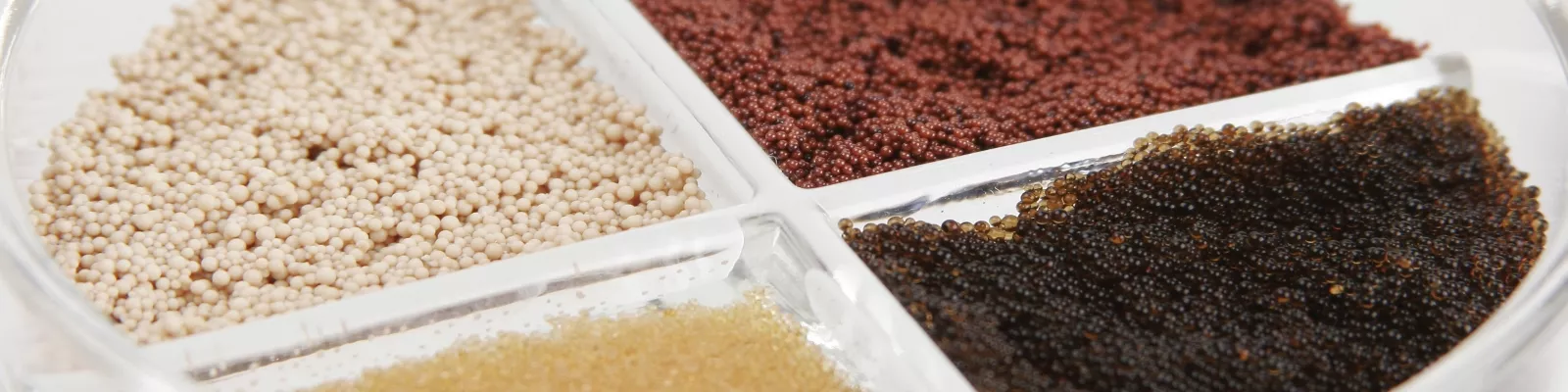
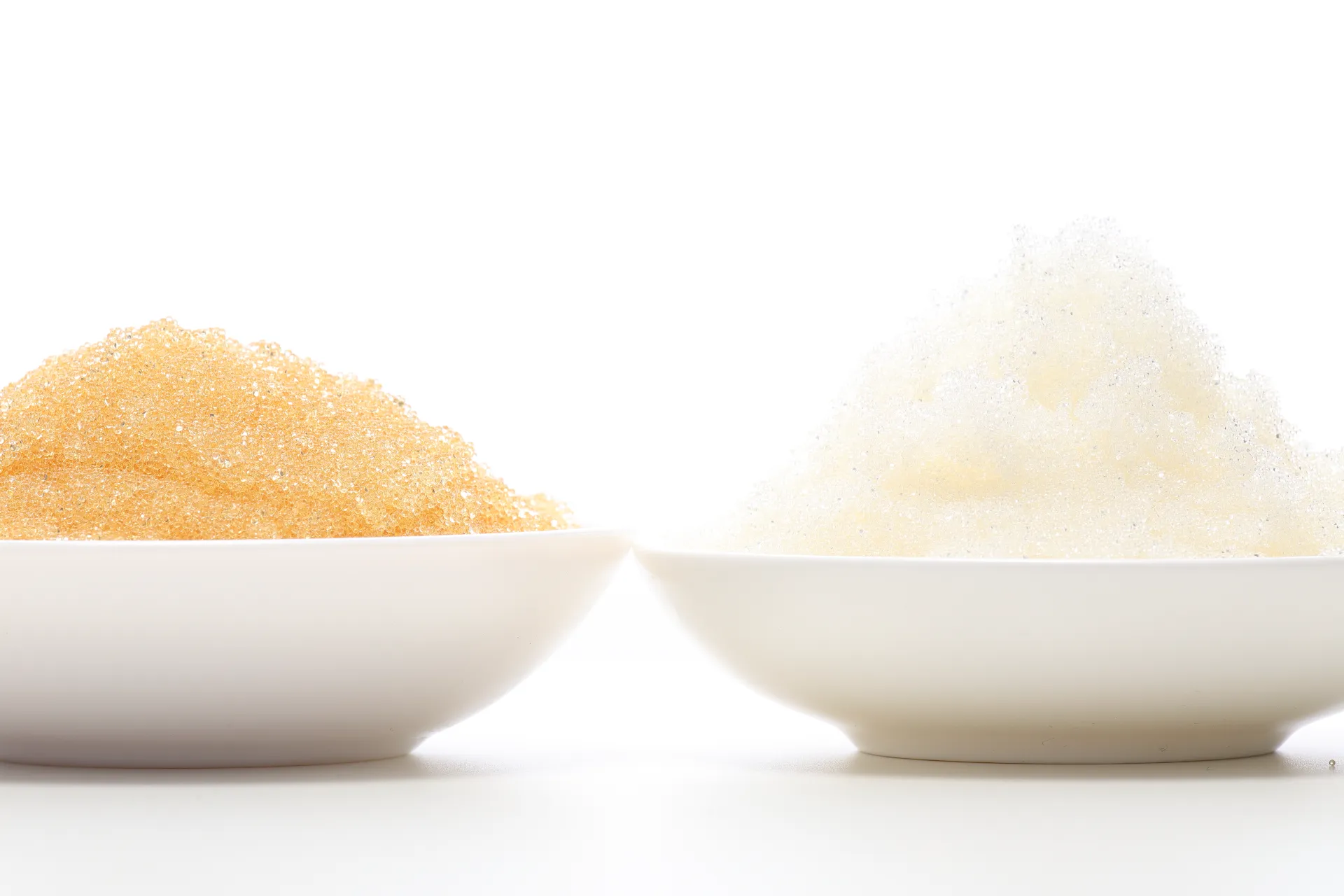
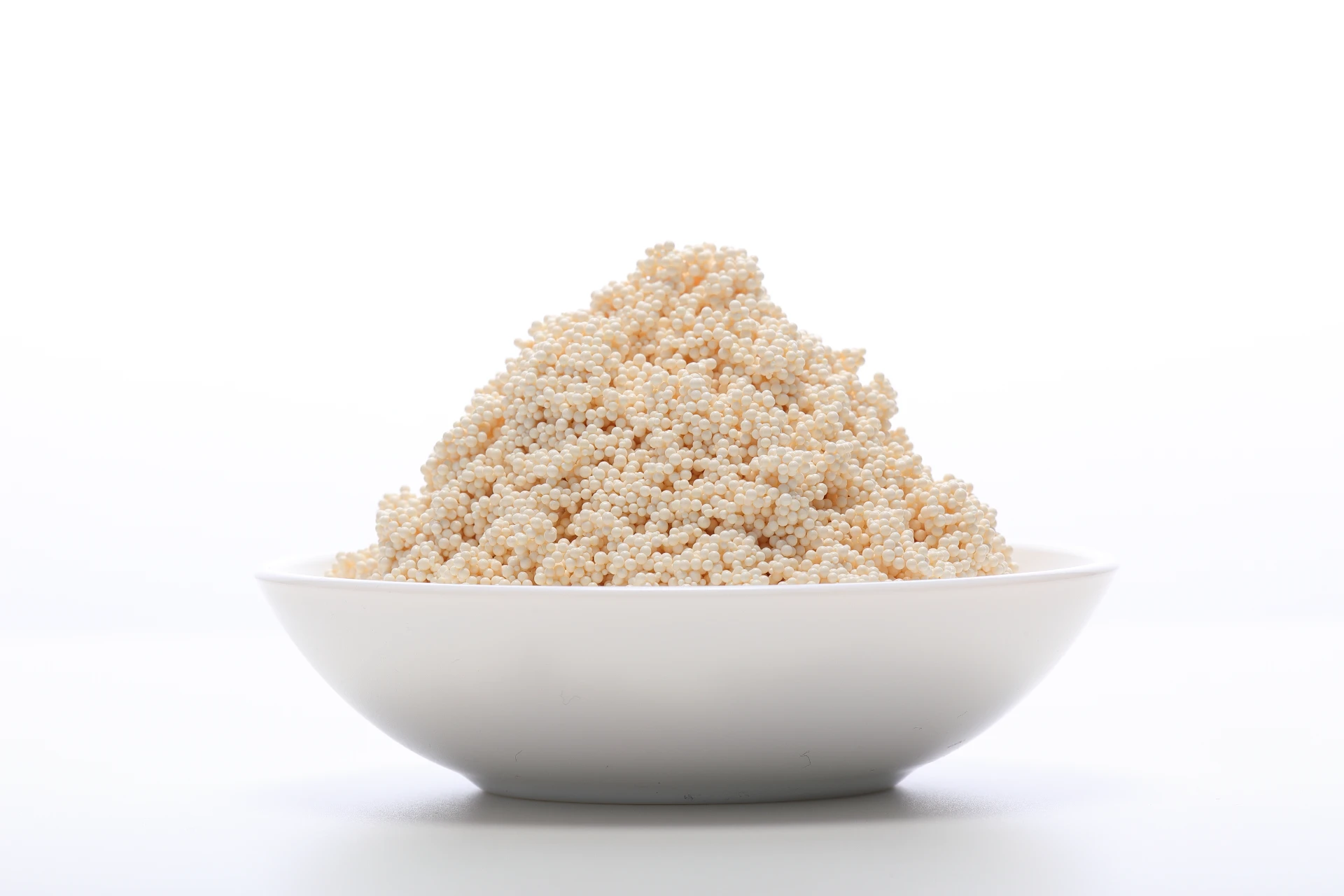
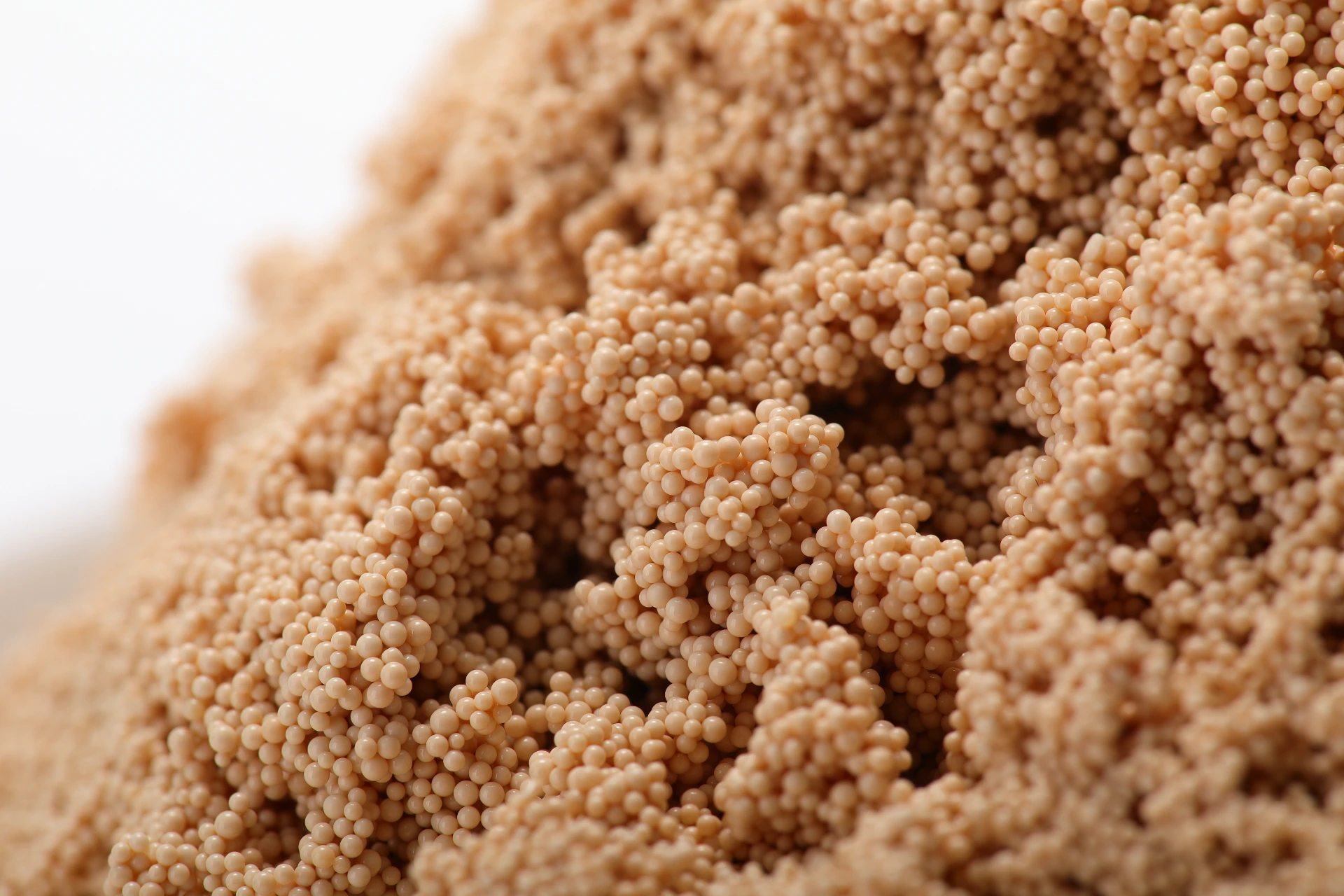
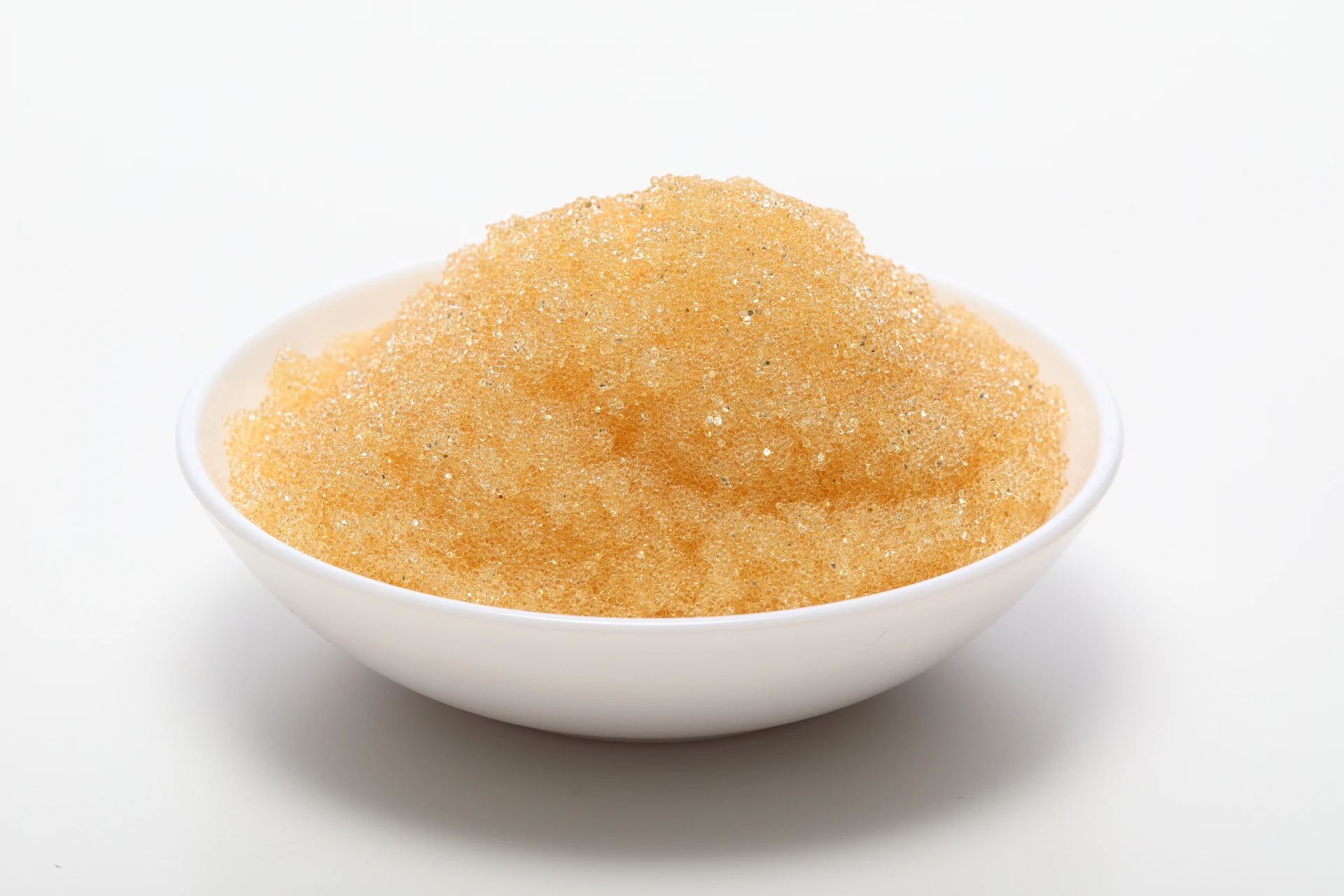
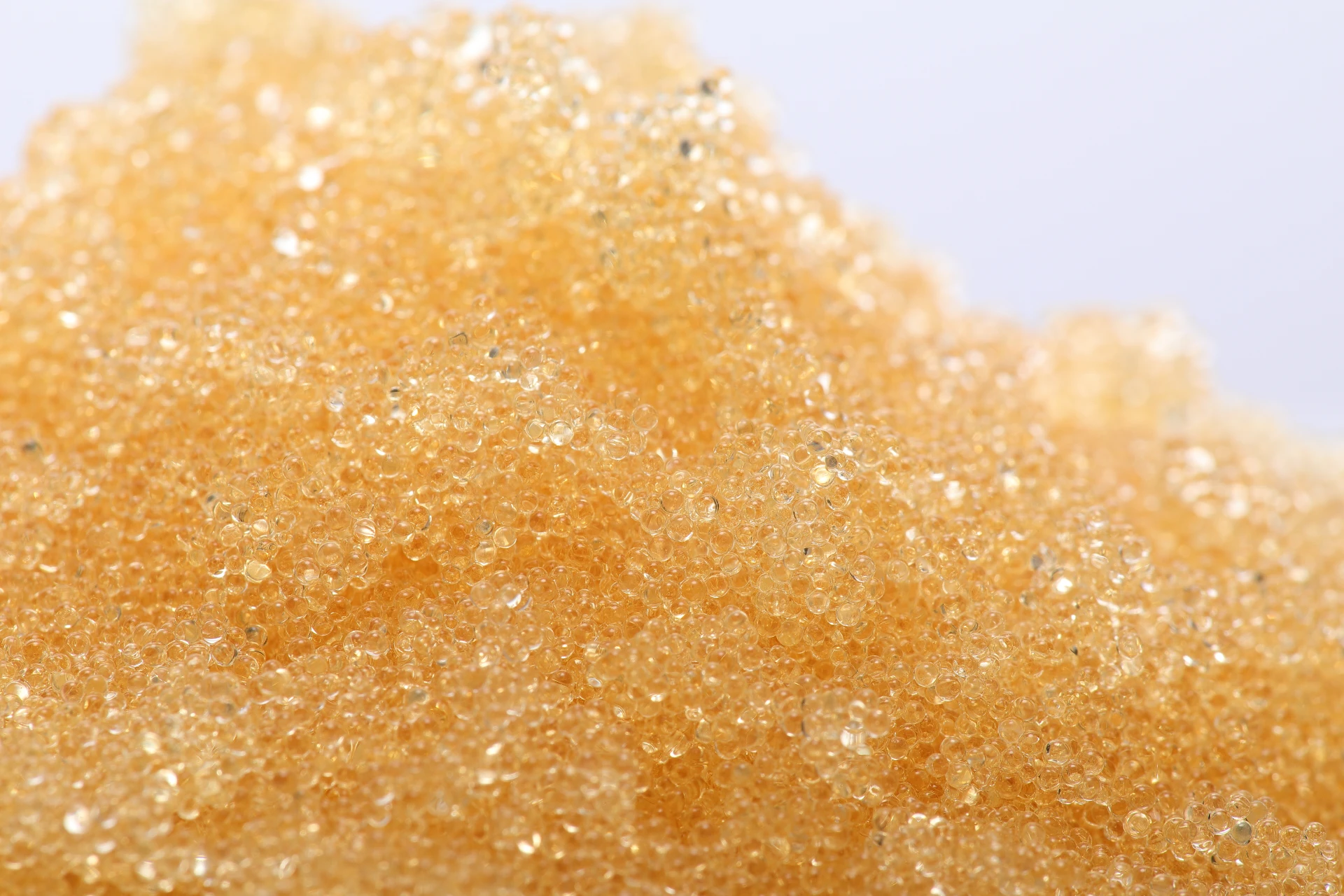
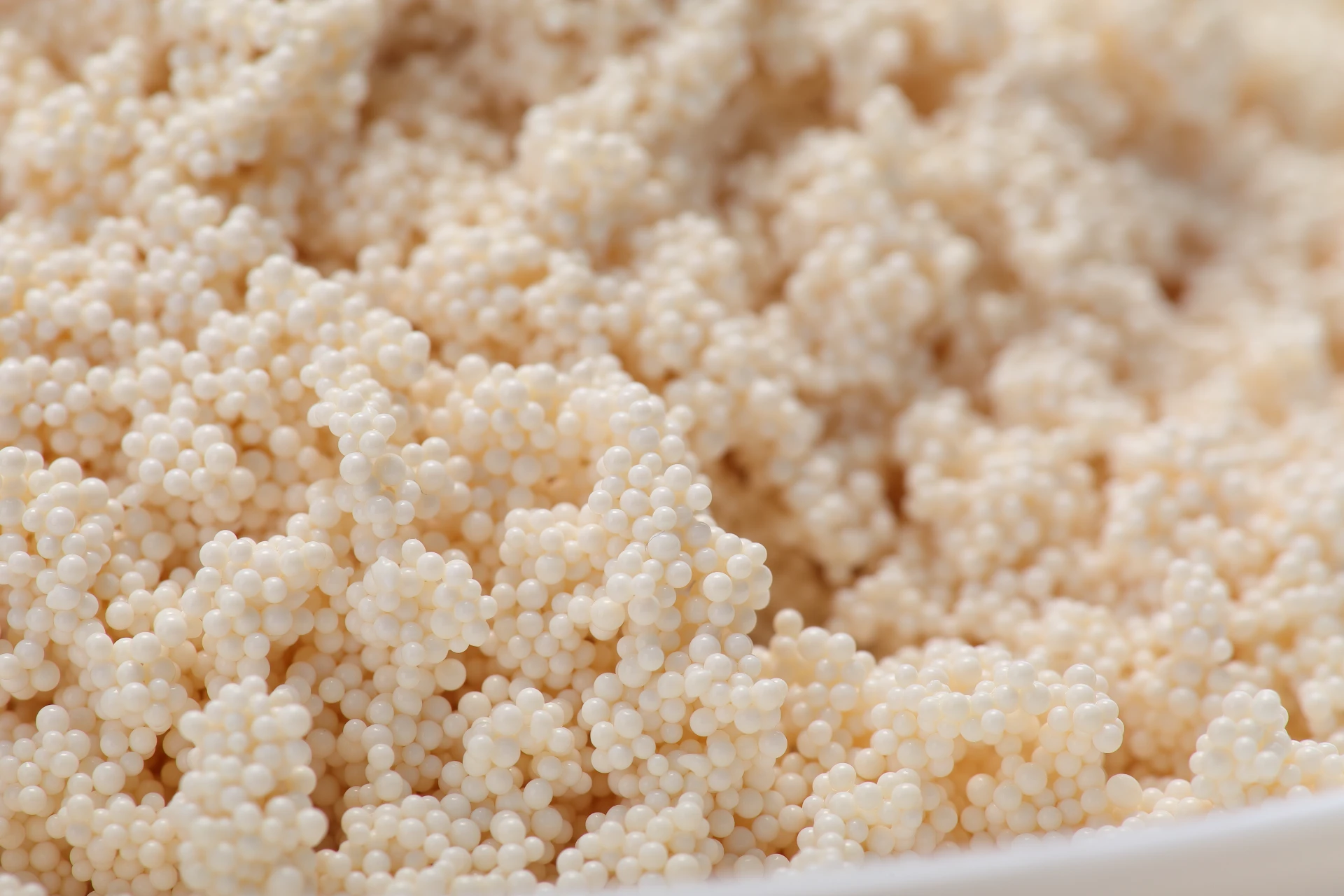
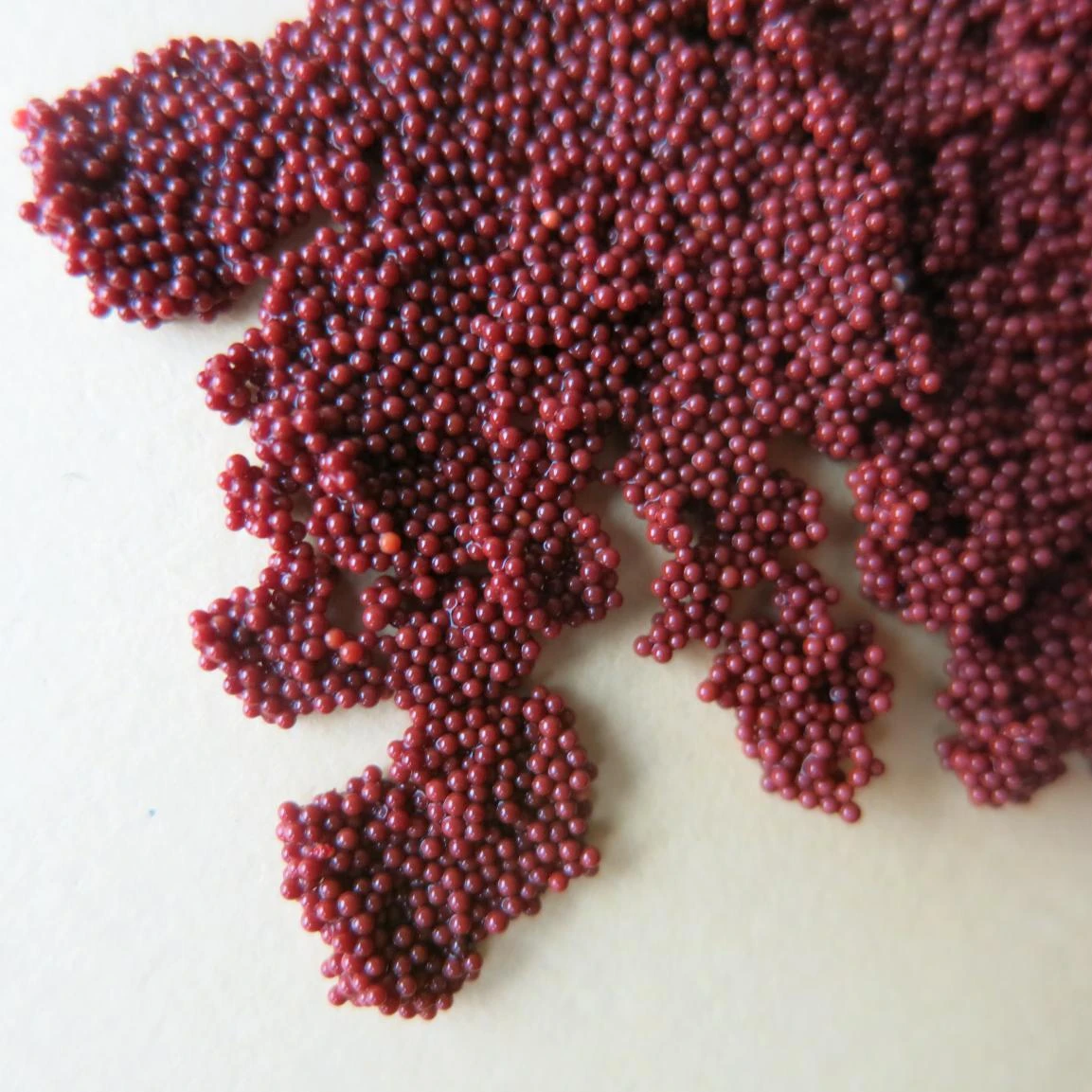
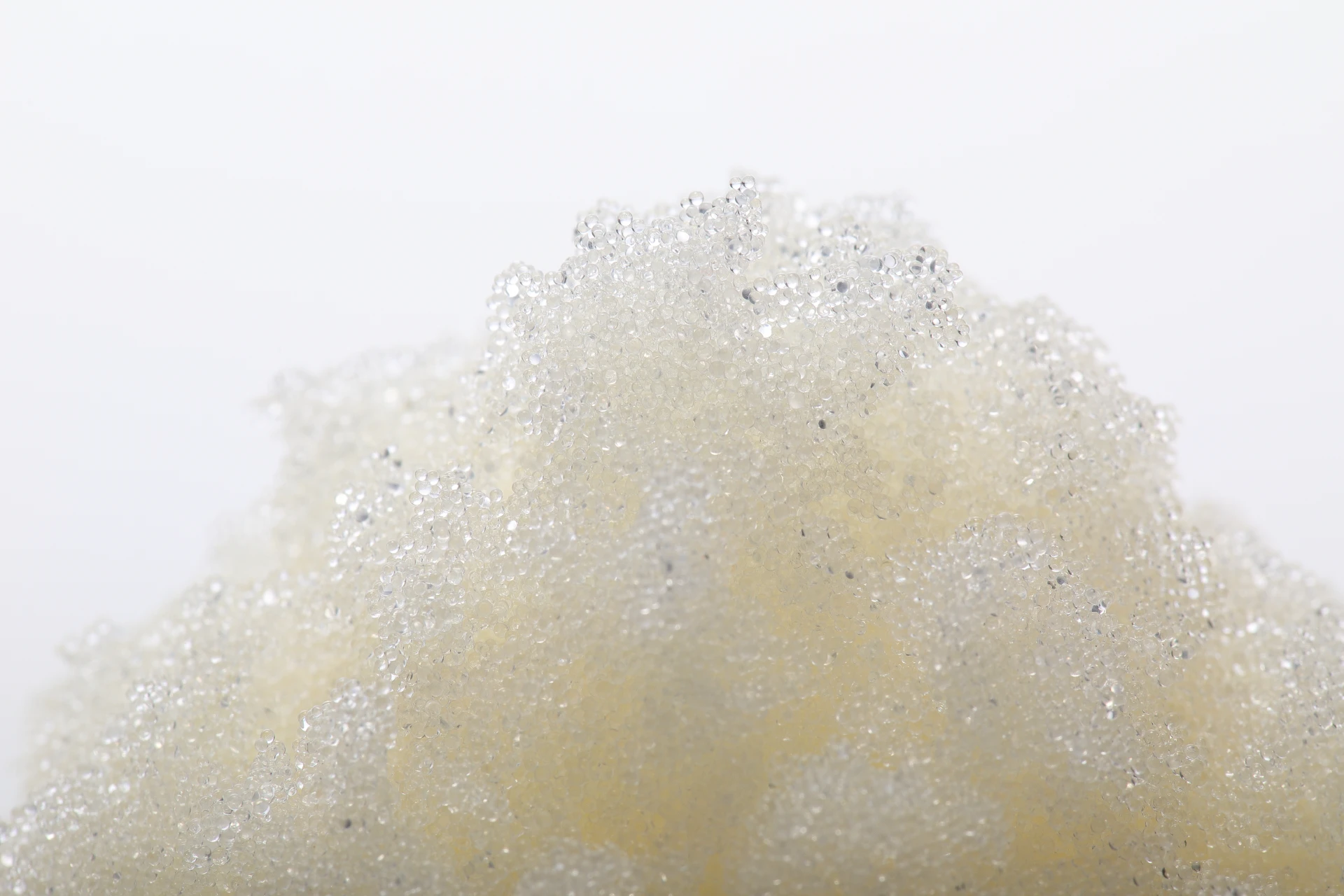
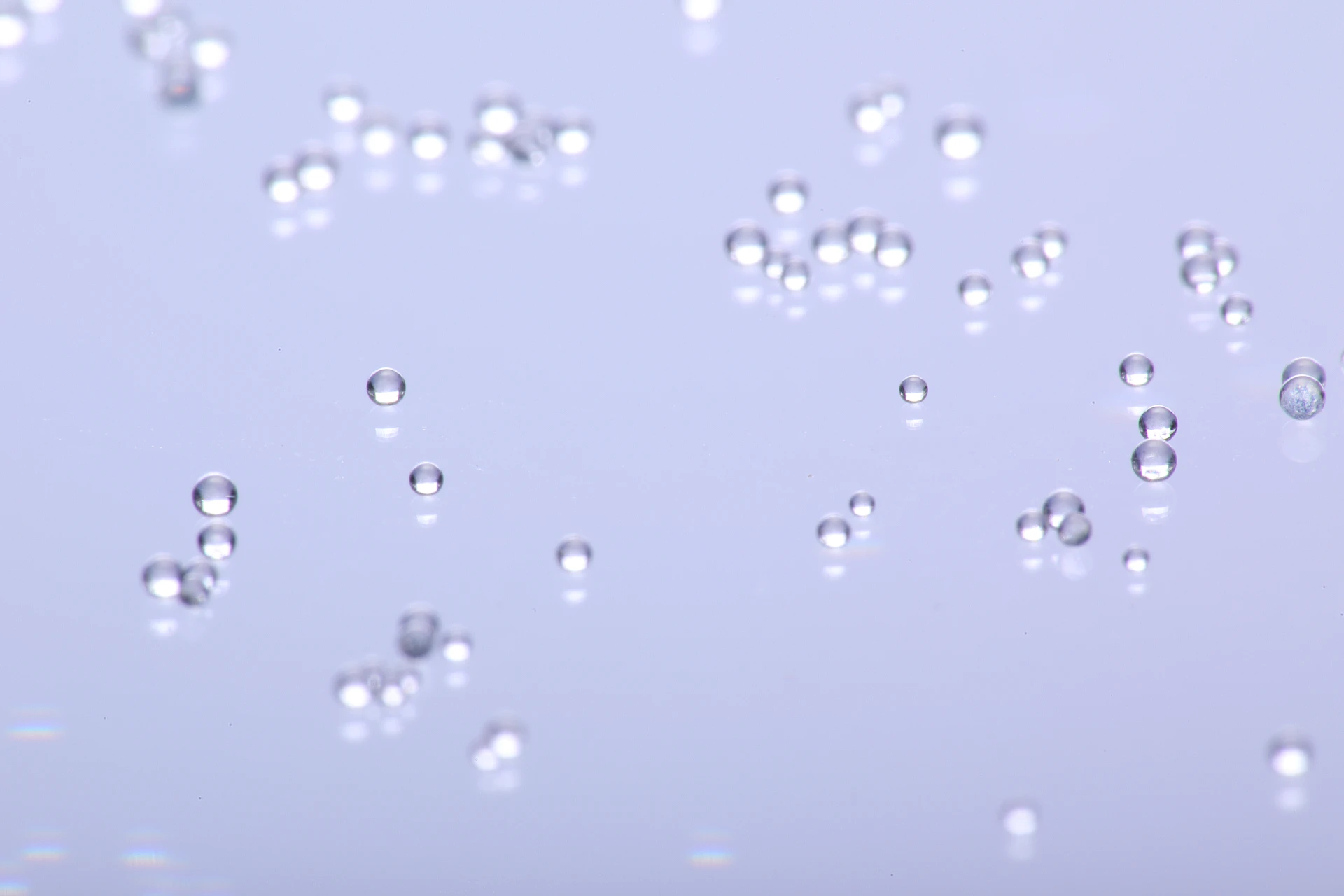
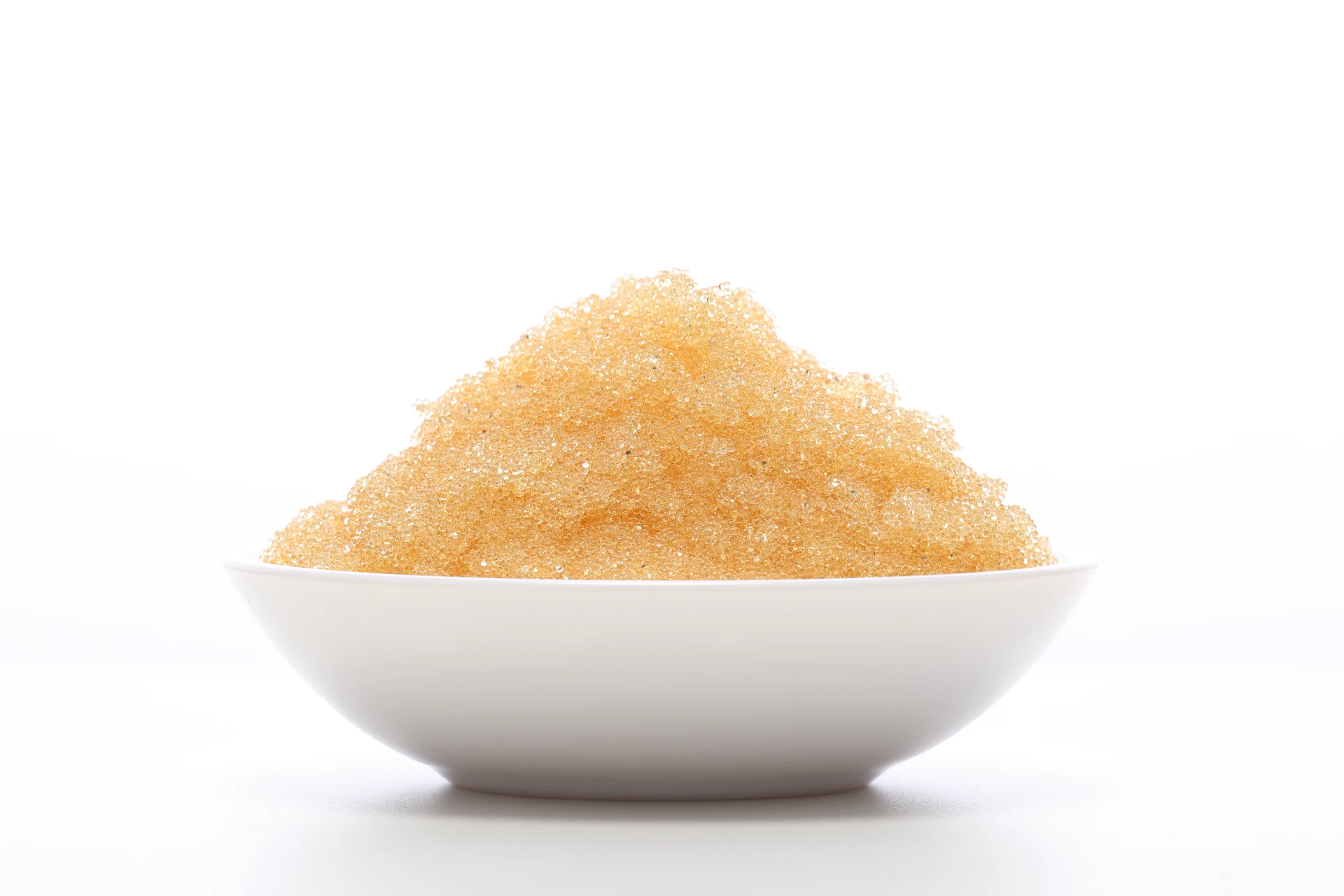
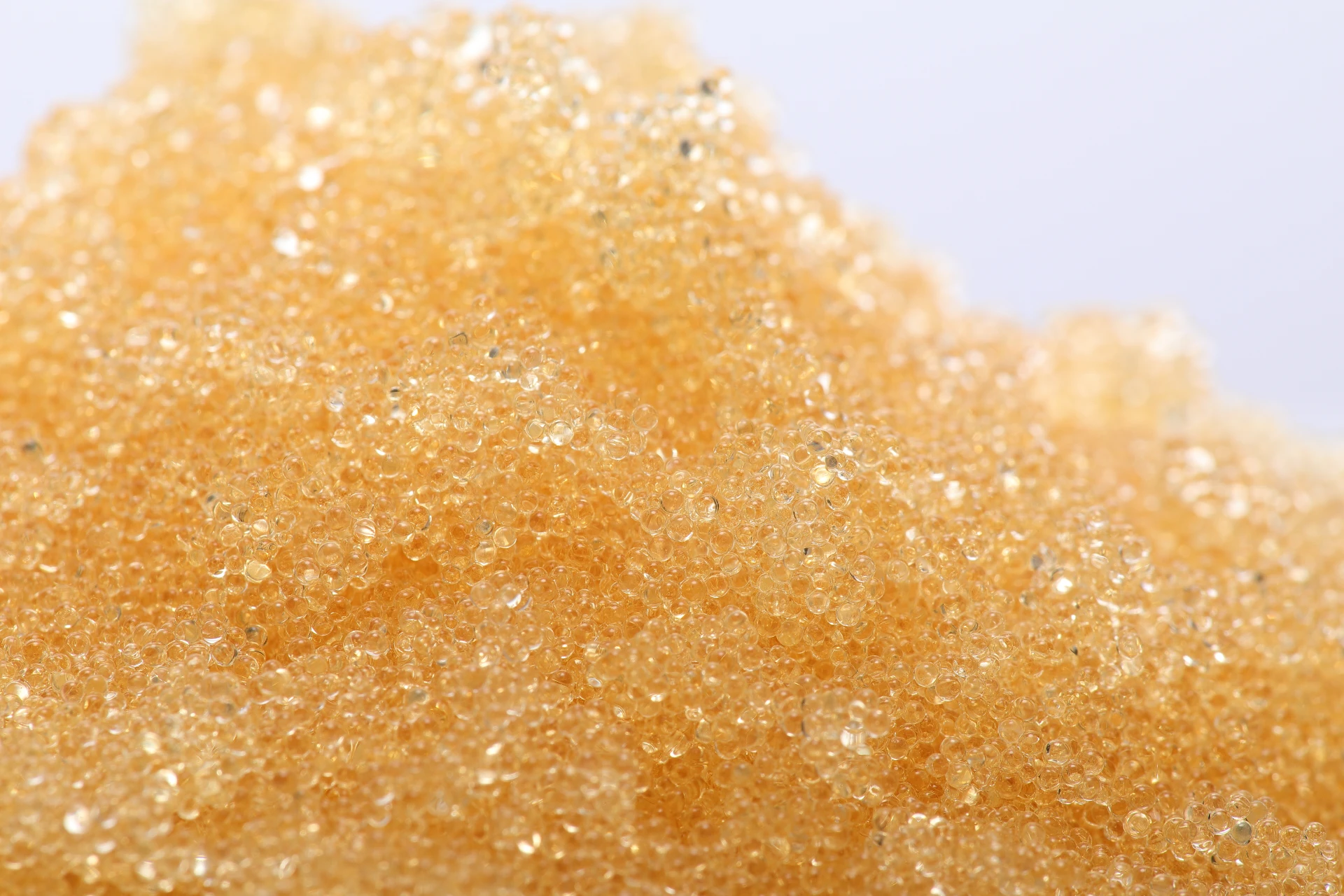
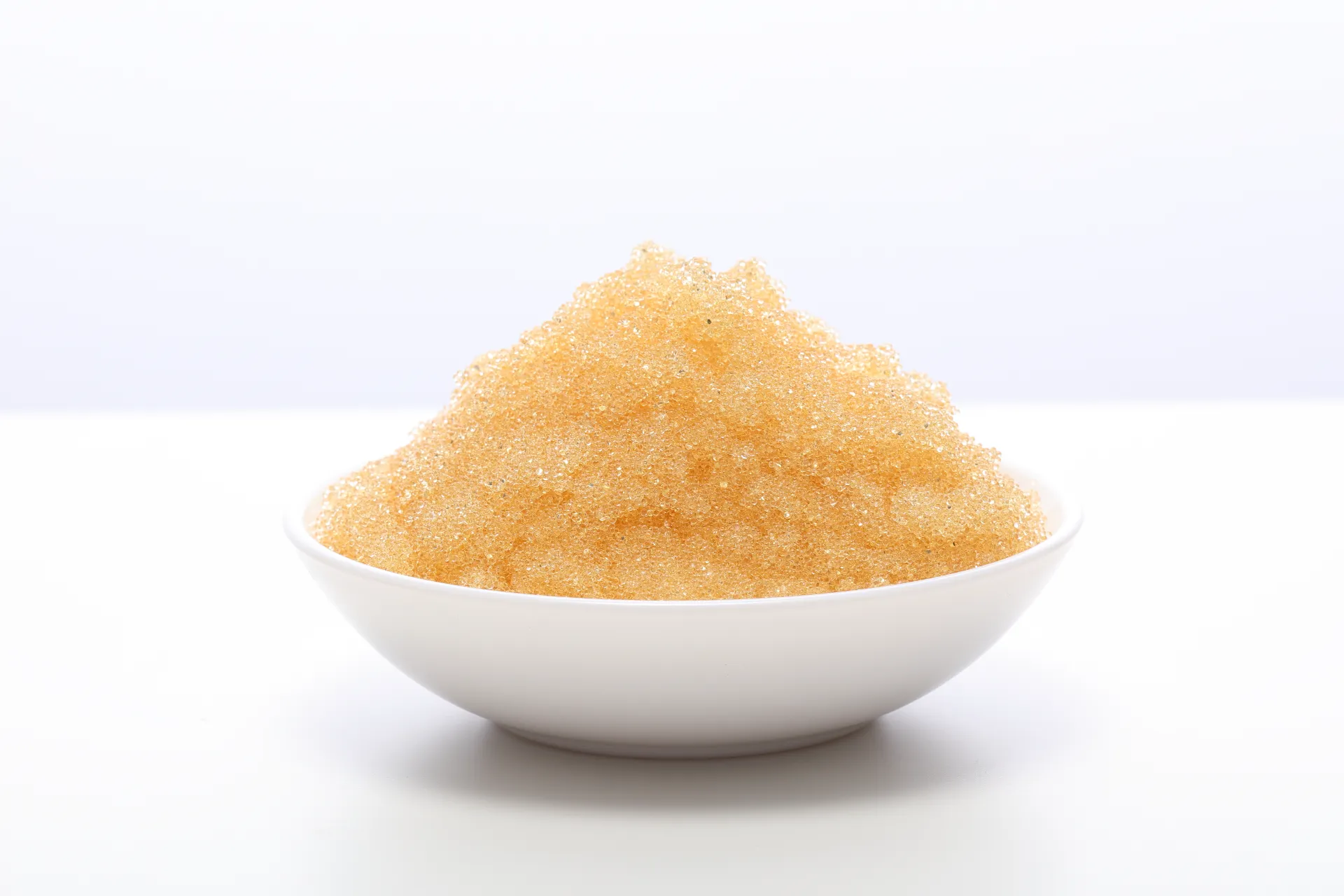
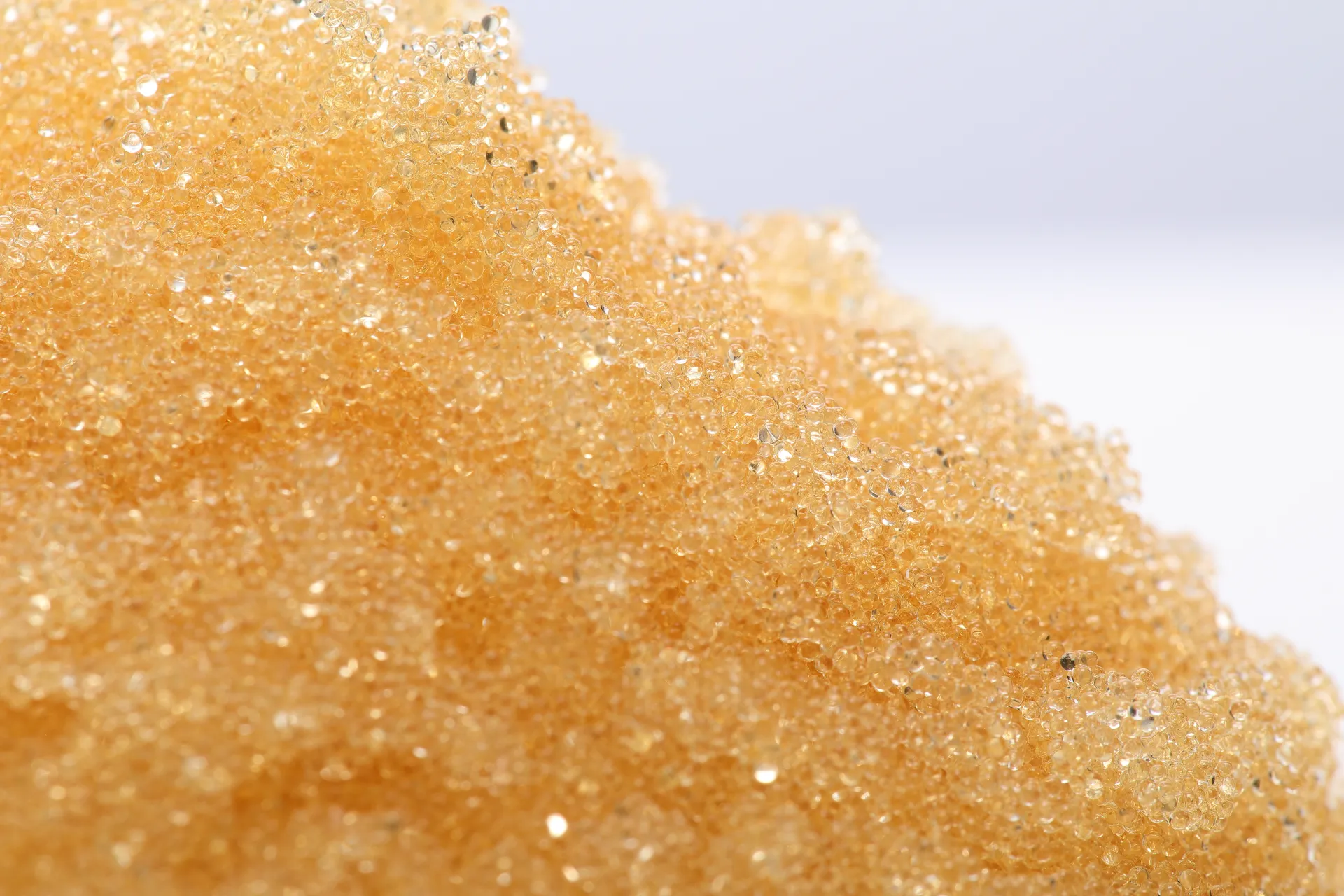
In critical industrial applications requiring ultrapure water, the efficiency and reliability of deionization systems are paramount. Central to achieving exceptional water quality is the deployment of mixed bed di resin bulk. This specialized ion exchange medium, composed of a precise mixture of strong acid cation (SAC) and strong base anion (SBA) resins, is engineered to remove virtually all dissolved solids, ensuring water resistivity levels up to 18.2 MΩ·cm. Its integrated design allows for highly efficient polishing, making it indispensable for processes where even trace impurities can lead to significant operational disruptions or product degradation.
The demand for ultrapure water continues to escalate across various sectors, driven by advancements in sensitive technologies and stringent regulatory requirements. As industries push the boundaries of precision and purity, the role of advanced mixed bed di resin bulk becomes even more critical, ensuring consistent performance and optimal system longevity.
The global market for ion exchange resins, particularly for high-purity water applications, is experiencing robust growth. Projections indicate a compound annual growth rate (CAGR) of approximately 5-7% for the ion exchange resin market from 2023 to 2028, largely fueled by the increasing demand for ultrapure water in electronics, pharmaceuticals, and power generation. Key trends include:
These dynamics underscore the critical role of high-quality mixed bed resin in maintaining operational integrity and advancing technological capabilities across diverse industrial landscapes.
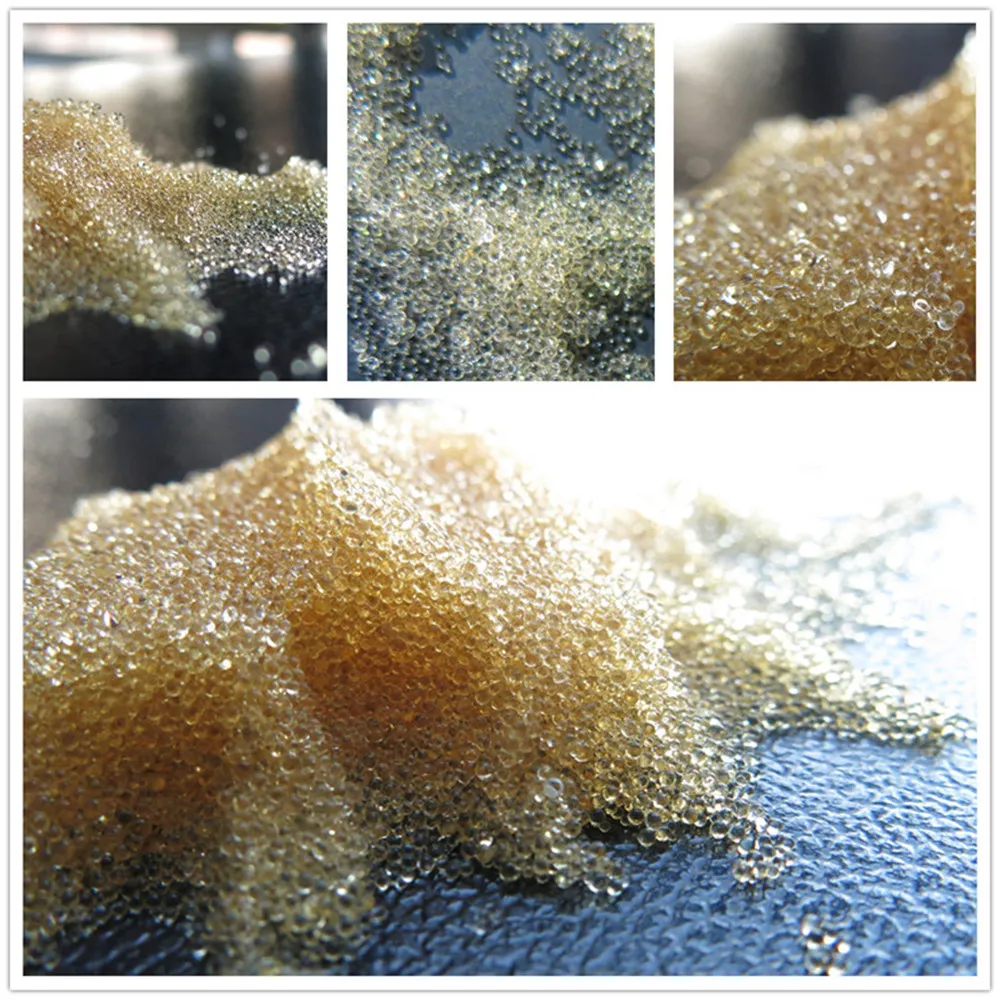
Mixed bed resins like the MX900 are engineered composites, combining strong acid cation (SAC) and strong base anion (SBA) exchange resins in a single vessel. This intimate mixture allows for highly efficient removal of dissolved solids, yielding exceptionally low conductivity and high resistivity water. The SAC resin typically functions in the hydrogen form (H+), while the SBA resin operates in the hydroxide form (OH-). As water passes through the resin bed, cations are exchanged for H+ ions, and anions are exchanged for OH- ions. The H+ and OH- ions then combine to form water (H2O), effectively removing all ionic impurities.
The performance of a mixed bed resin is determined by several critical parameters, including exchange capacity, particle size distribution, operating pH range, and thermal stability. These properties directly influence the resin's efficiency, service life, and regenerability.
| Parameter | Mixed Bed Resin MX900 |
|---|---|
| Matrix | Styrene-Divinylbenzene Copolymer |
| Functional Group (Cation) | Sulfonic Acid |
| Functional Group (Anion) | Quaternary Ammonium Type I |
| Ionic Form (as shipped) | H+/OH- |
| Total Exchange Capacity (min.) | Cation: 1.8 eq/L; Anion: 1.0 eq/L |
| Moisture Retention | Cation: 45-50%; Anion: 55-60% |
| Particle Size Range | 0.315-1.25 mm (≥95%) |
| Uniformity Coefficient | ≤ 1.6 |
| Shipping Weight (approx.) | 700-750 g/L |
| Maximum Operating Temperature | 80°C (176°F) |
| pH Range | 0-14 |
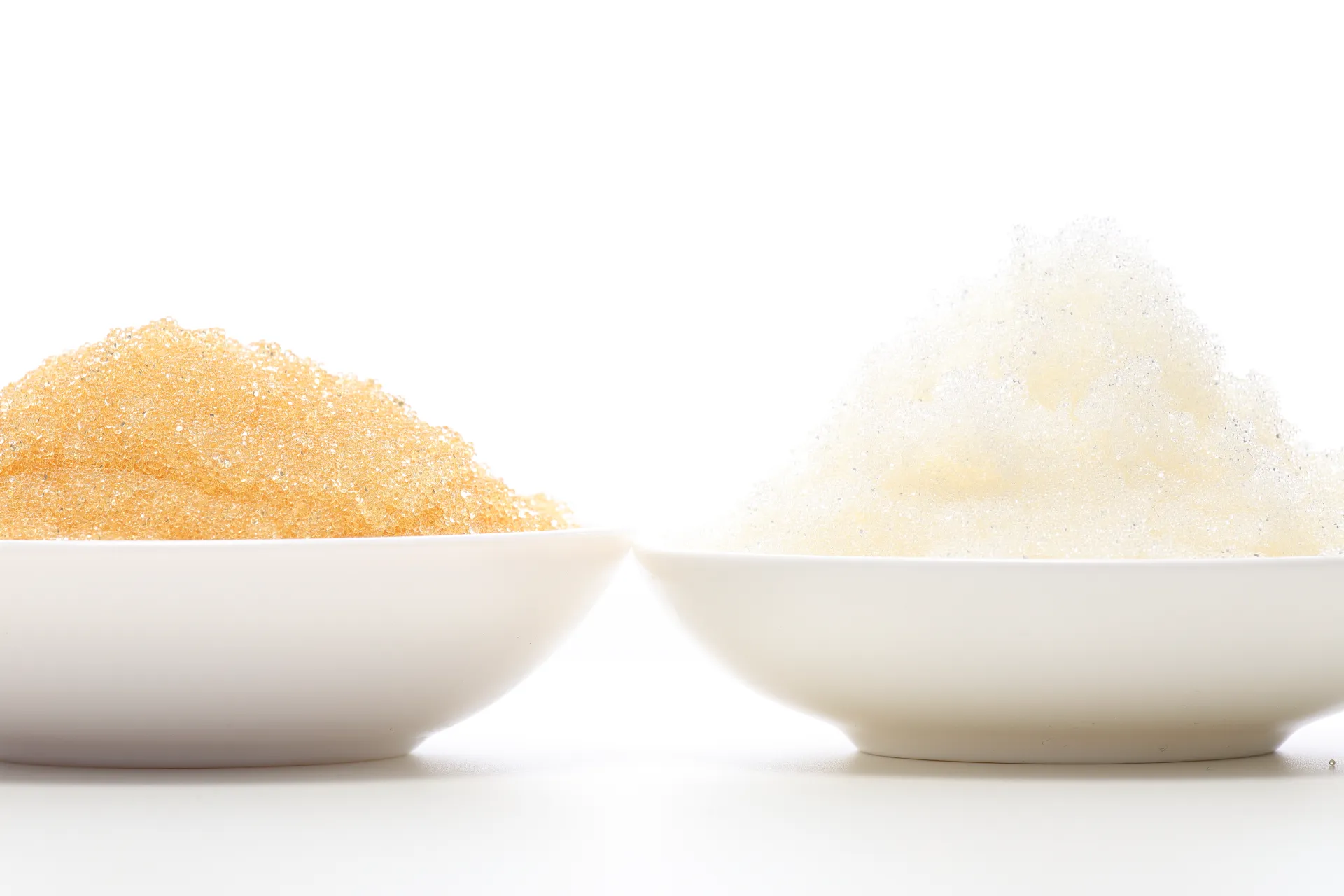
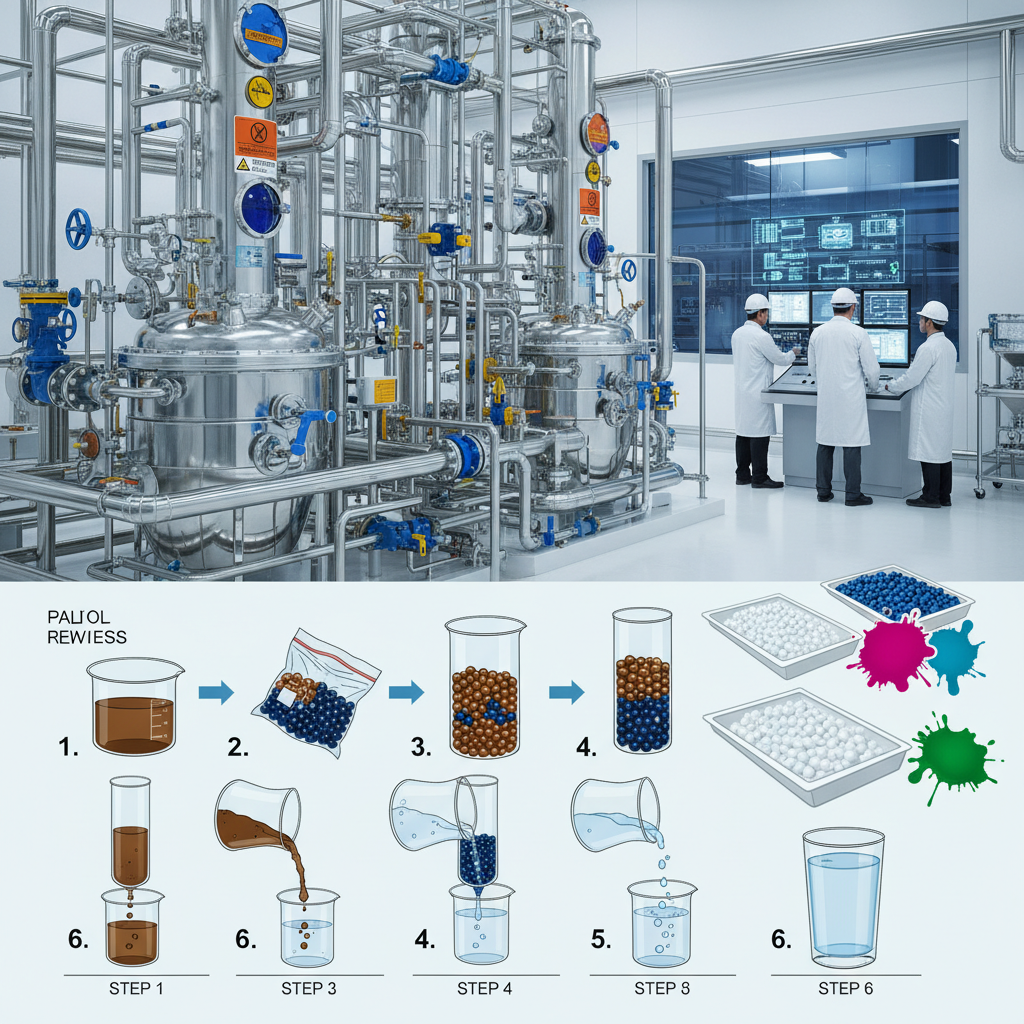
The production of high-performance mixed bed di resin bulk is a sophisticated chemical engineering process, meticulously controlled to ensure optimal ion exchange properties and physical stability. It involves several critical stages:
Step 1: Polymerization & Bead Formation
Step 2: Functionalization (Sulfonation & Amination)
Step 3: Sieving and Grading
Step 4: Washing, Conditioning & Quality Control
Step 5: Mixing & Packaging
This meticulous process guarantees the stability, high capacity, and long service life of the mixed bed di resin bulk, which can typically range from 3 to 10 years depending on the feedwater quality and regeneration frequency.
The unparalleled ability of mixed bed di resin bulk to produce water with extremely low conductivity and high resistivity makes it indispensable across a spectrum of demanding industrial applications.
In these scenarios, the rapid and complete deionization offered by a mixed bed resin system is not just beneficial, but often a mandatory requirement for operational success and product integrity.
The primary advantage of mixed bed resin systems lies in their ability to deliver superior water quality compared to separate bed deionization systems. This is attributed to the continuous series of cation and anion exchange reactions that occur within the intimately mixed resin bed, effectively preventing the formation of weak acids (e.g., carbonic acid) or bases, which could compromise water purity.
| Feature | Mixed Bed DI System | Separate Bed DI System |
|---|---|---|
| Water Quality (Resistivity) | Up to 18.2 MΩ·cm (Ultrapure) | Typically 0.5 - 10 MΩ·cm (High Purity) |
| Effluent pH | Neutral (~7) | Slightly acidic (effluent from cation exchanger) or basic (effluent from anion exchanger) |
| Regeneration Complexity | More complex (backwash, separate, regenerate, remix) | Simpler (regenerate each bed individually) |
| Resin Volume & Footprint | Smaller overall volume, compact | Larger, requires multiple vessels |
| Applications | Ultrapure water, polishing, critical processes | High purity water, primary deionization |
Selecting the right supplier for deionization resin is a strategic decision for B2B stakeholders. The choice extends beyond product cost to encompass resin quality, consistency, technical support, and the vendor's overall reliability. Key criteria for vendor evaluation include:
We offer bespoke solutions, leveraging our deep expertise in ion exchange technology. Our engineering team collaborates closely with clients to analyze feed water characteristics, system requirements, and desired effluent quality. This enables us to design and supply custom deionization resin solutions, optimizing performance and total cost of ownership for even the most challenging applications. From specialized media for specific contaminant removal to pre-engineered systems for rapid deployment, our approach is centered on delivering precise, high-value solutions.
Real-world deployments demonstrate the tangible benefits of utilizing high-quality mixed bed di resin bulk.
Our dedication to quality and customer satisfaction is reflected in our adherence to global standards and comprehensive support infrastructure.
The deployment of high-performance mixed bed di resin bulk is a strategic imperative for any industry reliant on ultrapure water. From semiconductor manufacturing to power generation, the unique ability of these resins to achieve unparalleled water quality safeguards critical processes, extends equipment life, and ensures product integrity. As technological demands continue to intensify, the evolution and precise application of advanced mixed bed resin technologies will remain at the forefront of sustainable and efficient water treatment solutions. Partnering with a knowledgeable and experienced supplier ensures access to not only superior products but also the crucial technical expertise required to optimize system performance and meet the most rigorous industry standards.