Phone:
+86 0319 2296164


Email:
info@lijiresin.cn
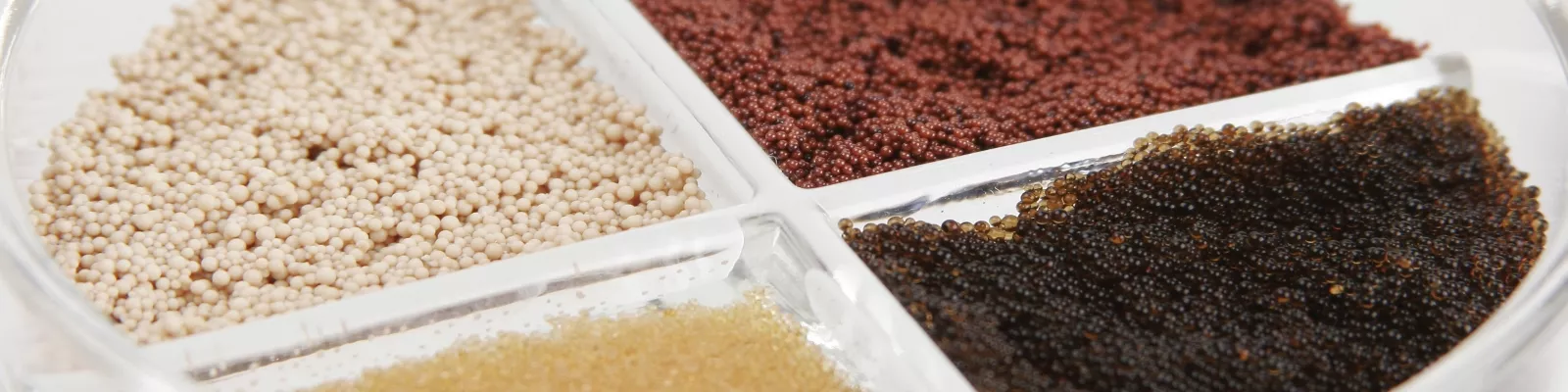
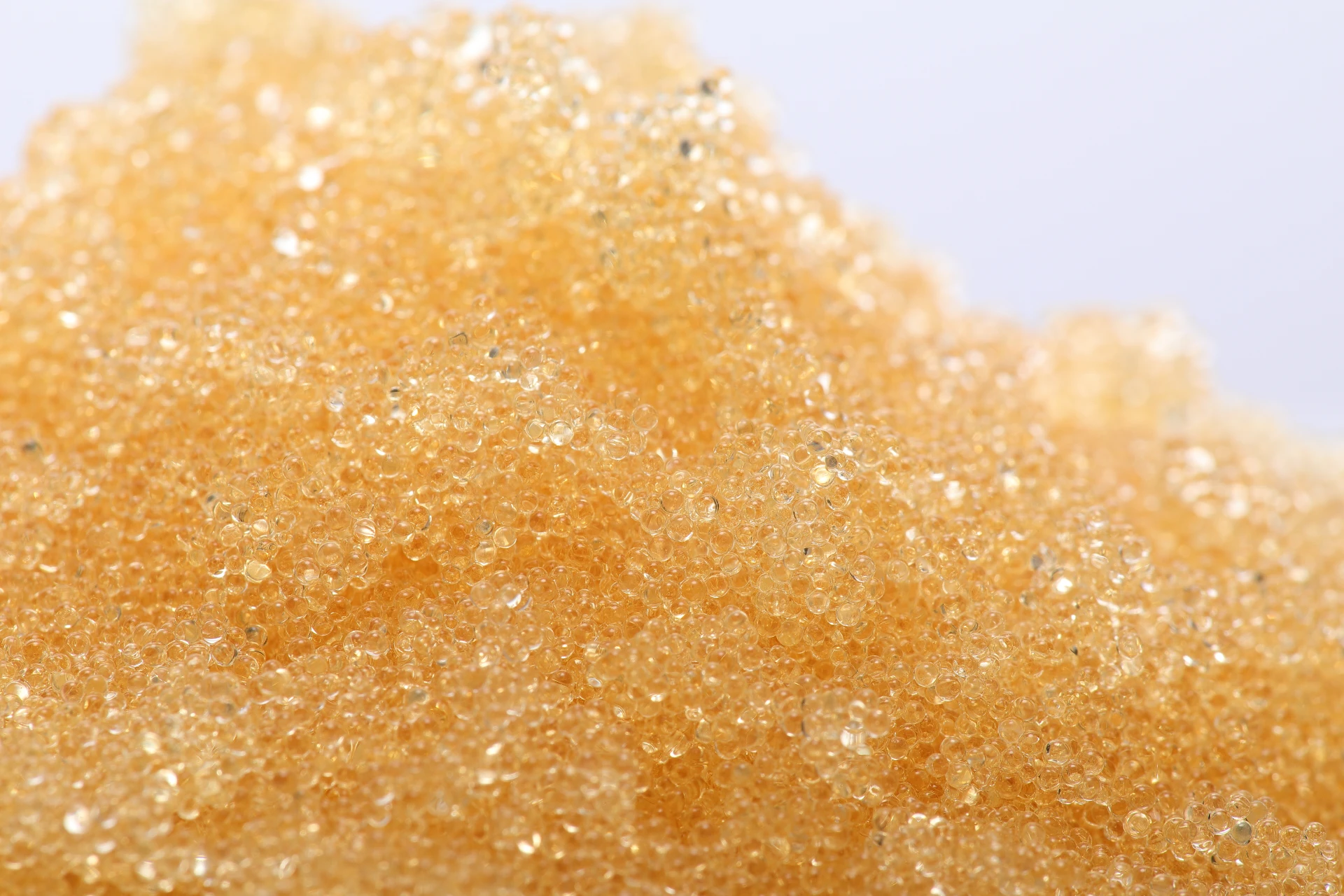
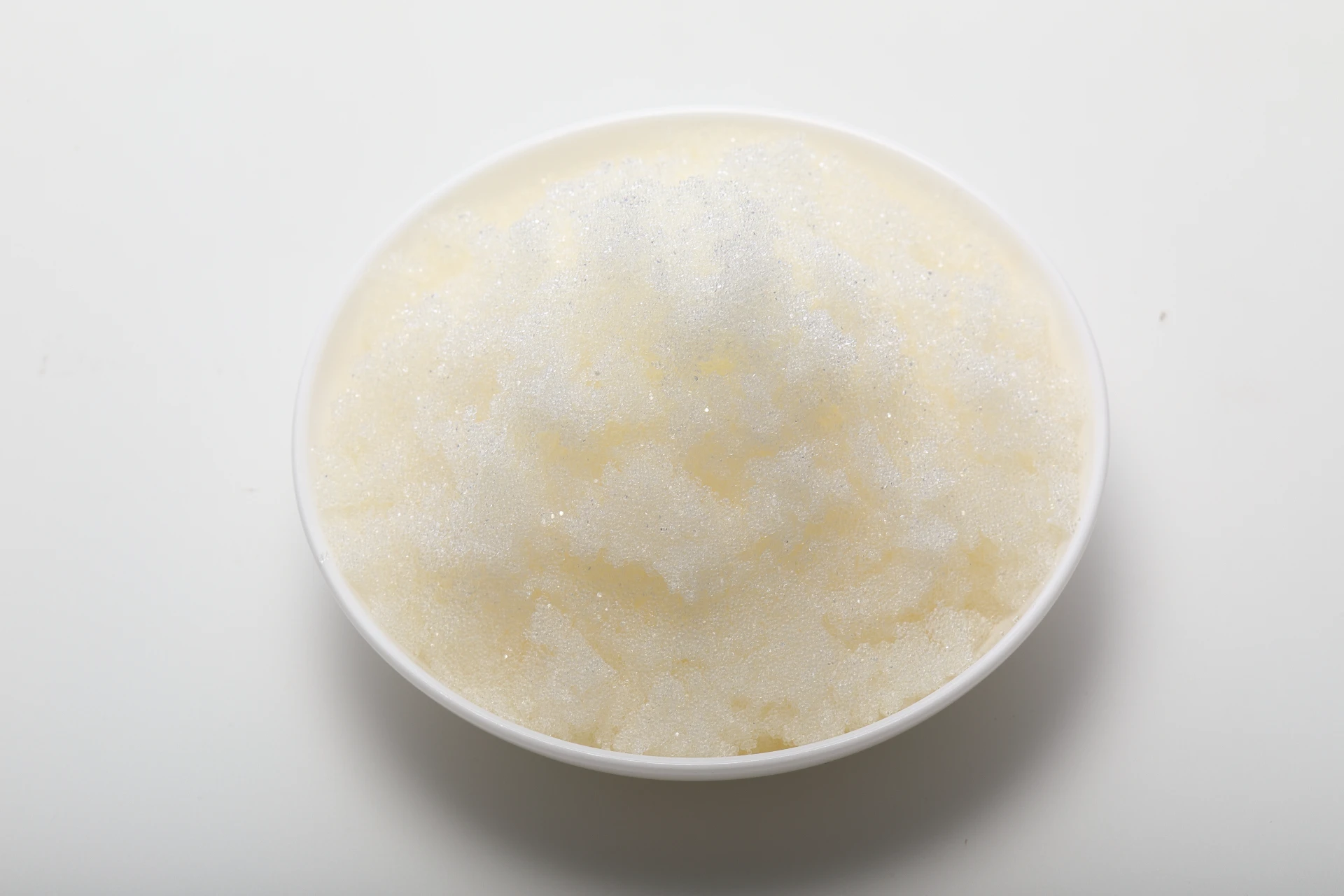
Purolite A400 is a key solution in the industry, specifically within ion exchange and purification applications. This article explores how https://www.lijiresin.com supports professionals with durable, high-performance products, and explains why this product is an ideal choice for businesses in these sectors.
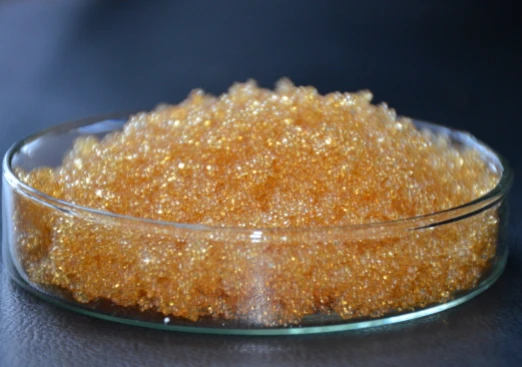
If you're involved in industrial purification or chemical processing, you've likely heard of Purolite A400. It’s a strong base anion exchange resin widely appreciated for its reliability in removing unwanted ions from water and other fluids. At its core, this resin is designed to withstand aggressive environments, making it suitable for a variety of demanding industrial purposes.
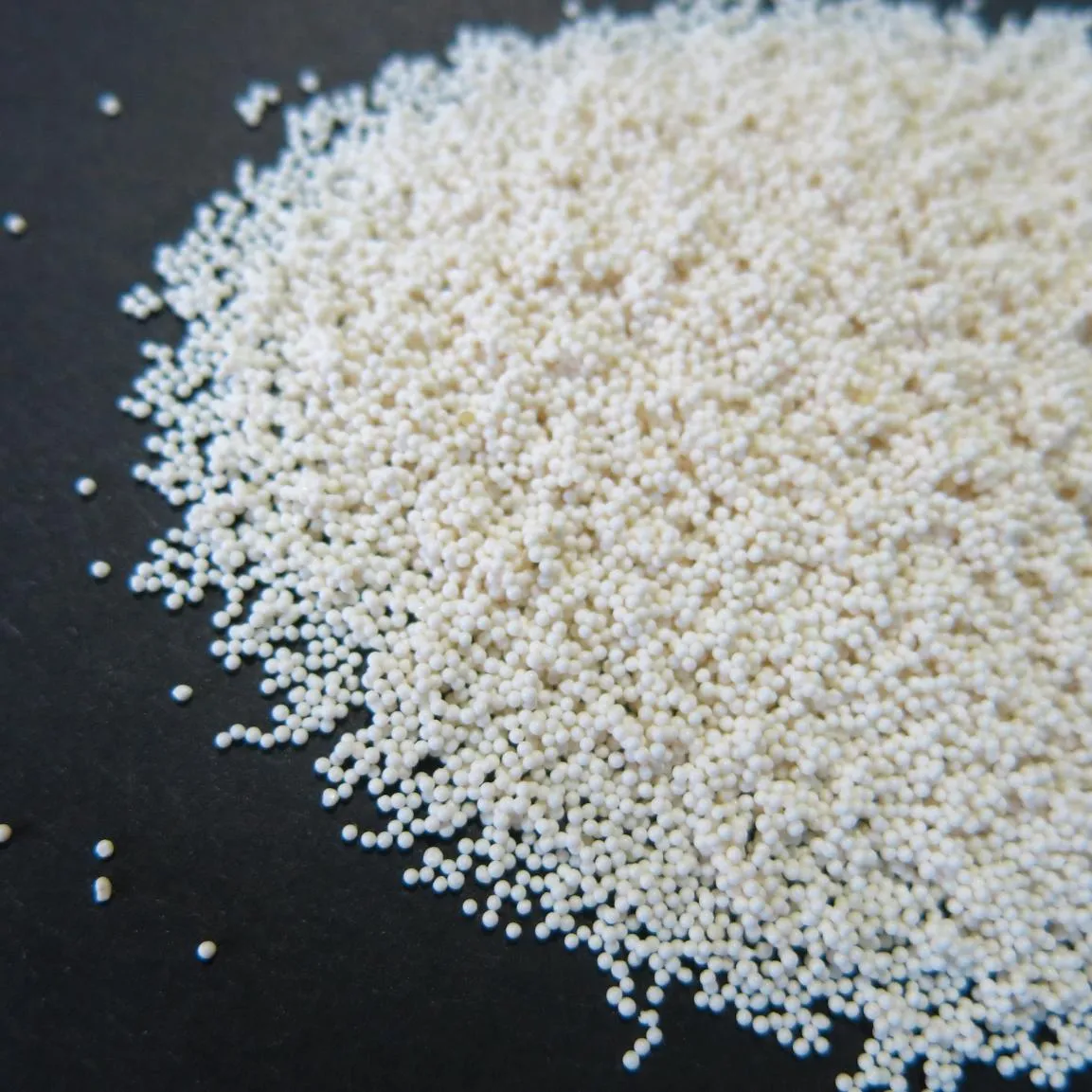
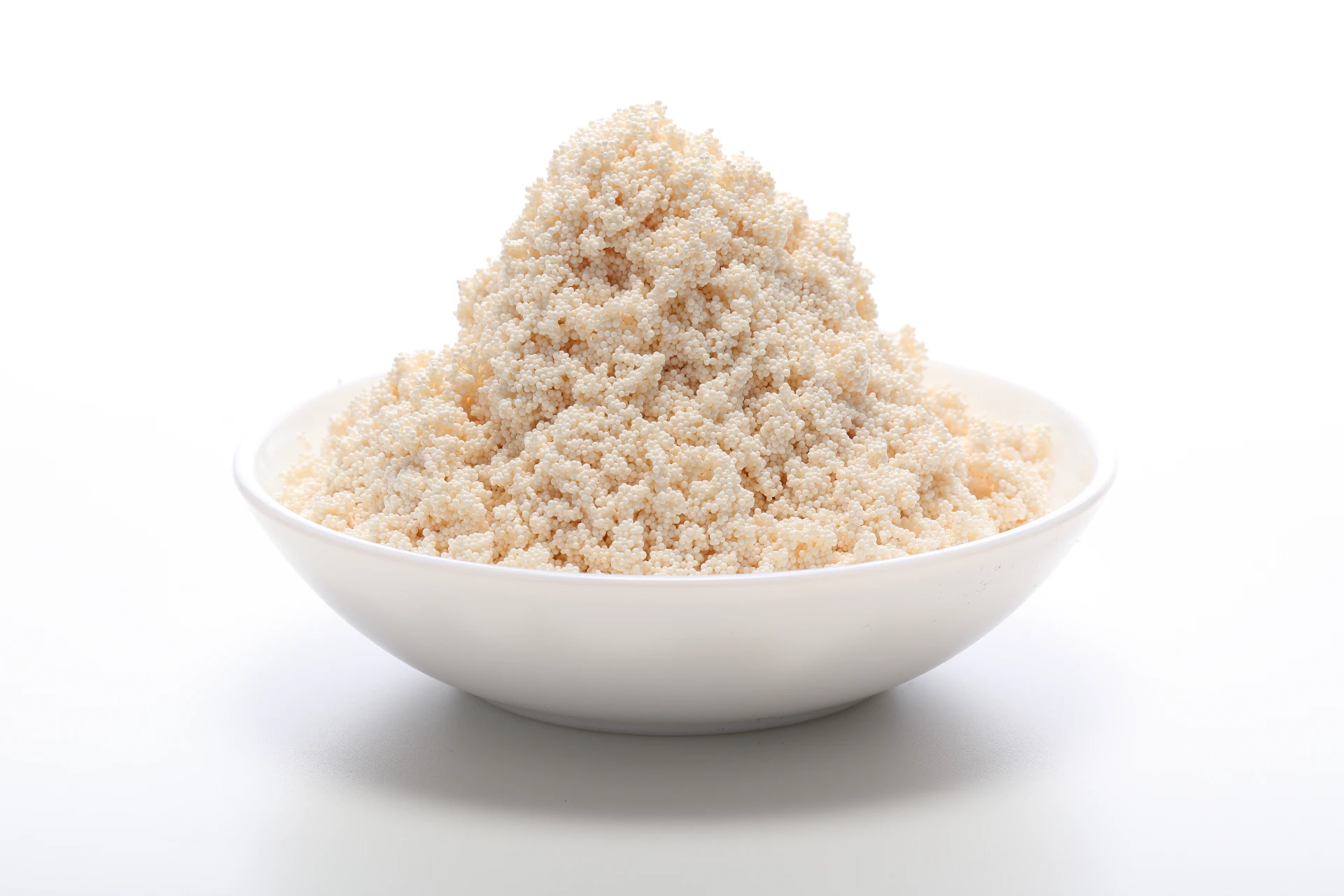
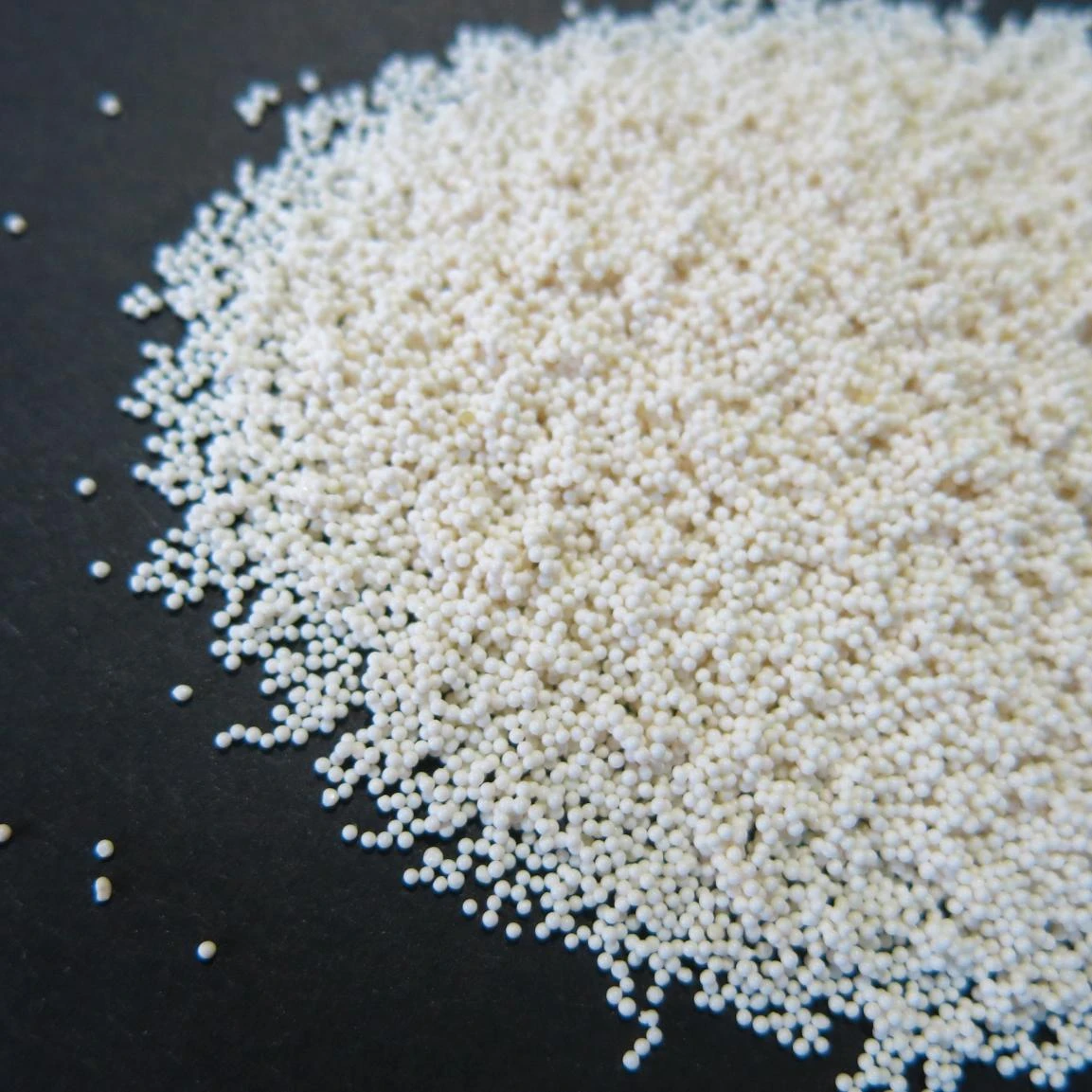
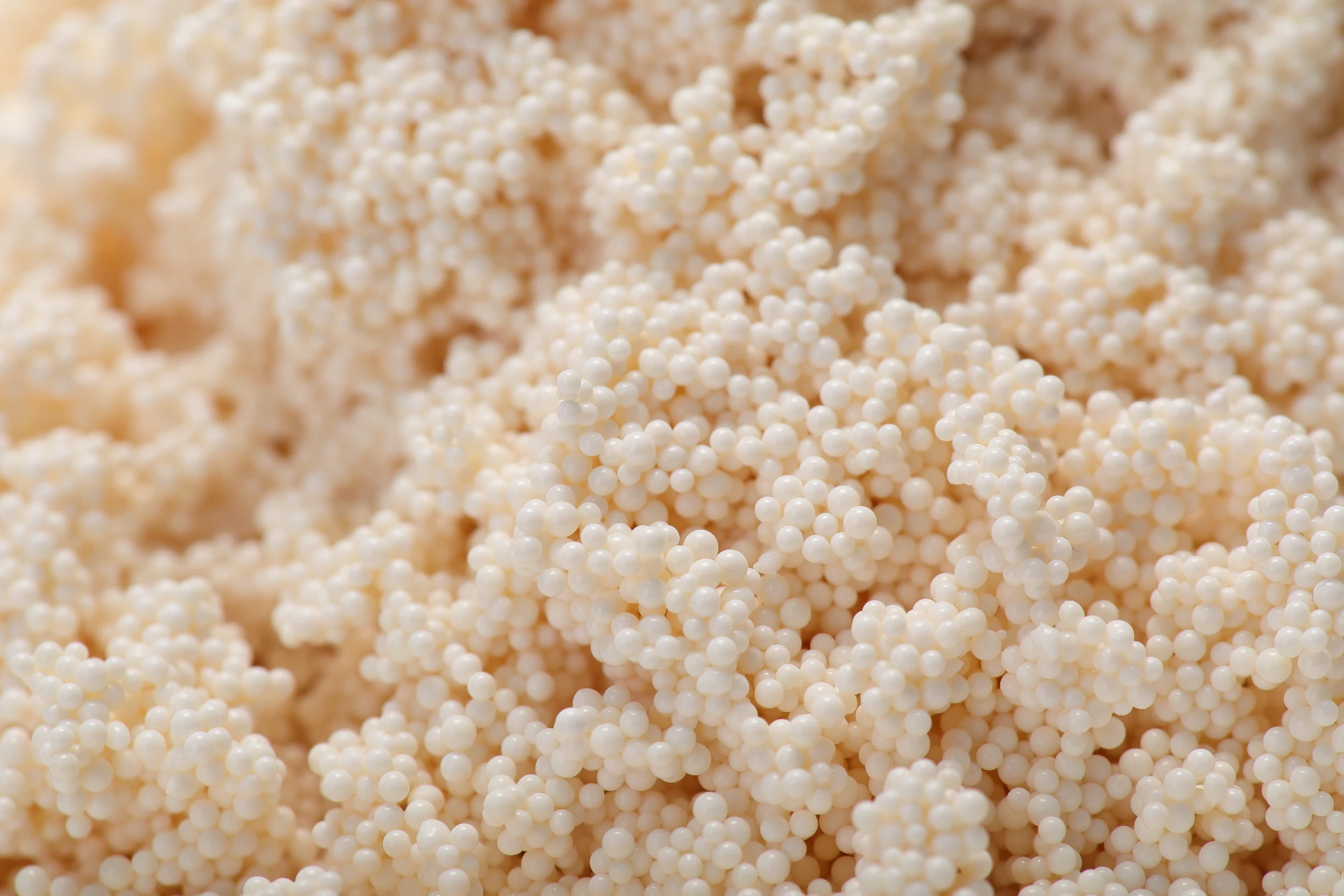
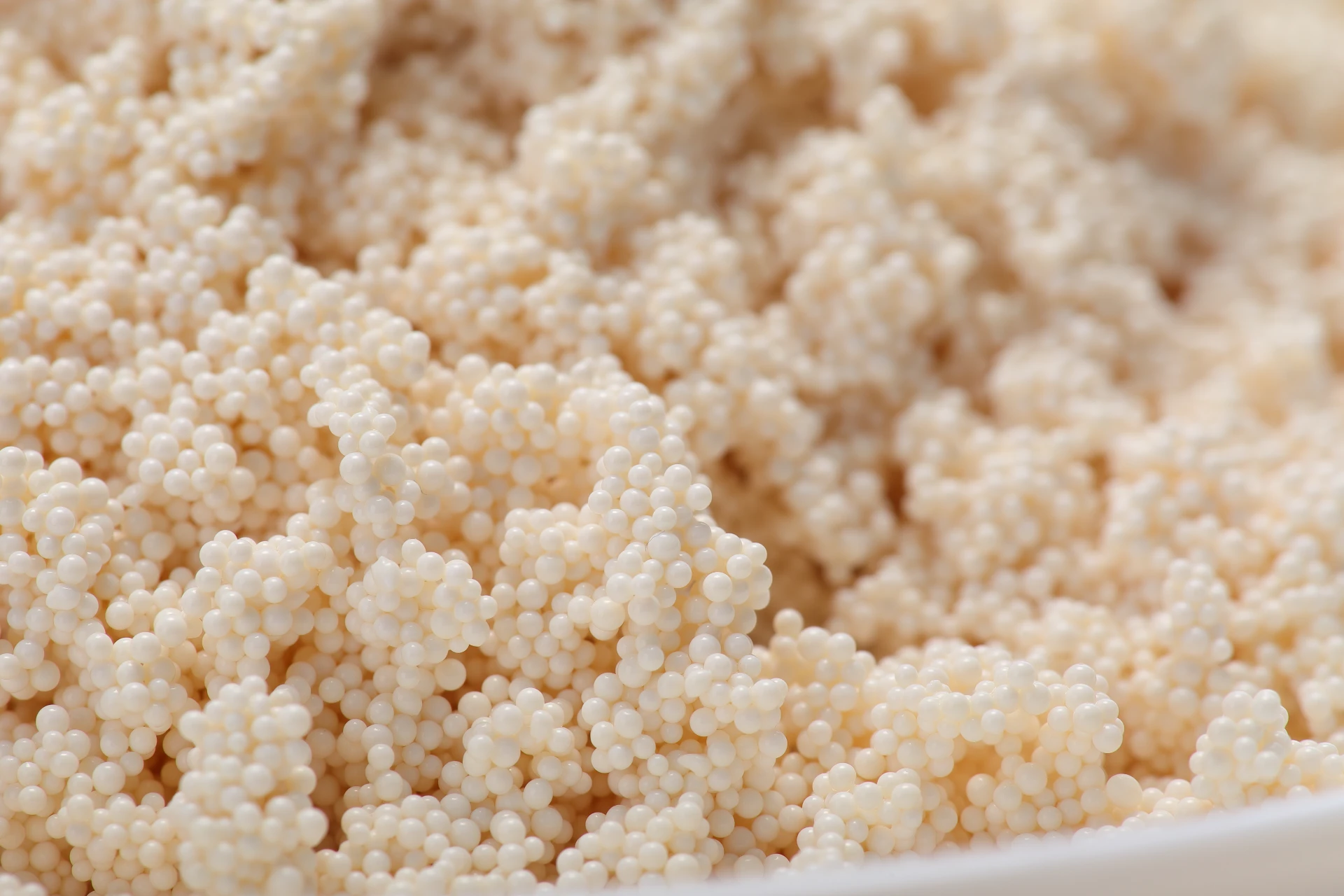
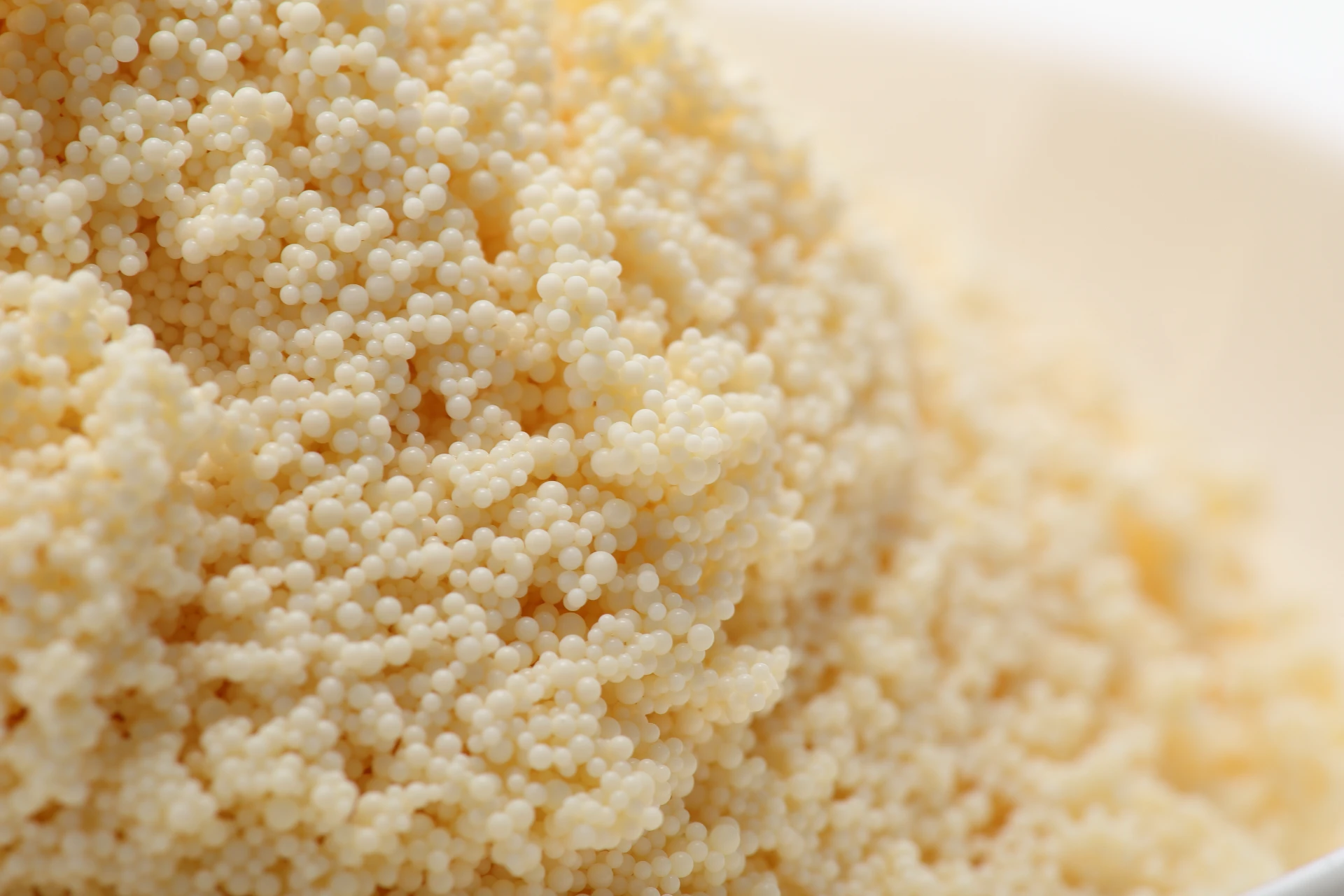
Technically speaking, Purolite A400 features a macroporous structure which boosts its capacity and regeneration efficiency. Its bead form with consistent particle size distribution also ensures predictable flow dynamics – something engineers swear by for designing high-performance water treatment systems. I’ve come across case studies where industries reduced downtime simply by switching to this resin, thanks to its robustness.
| Specification | Purolite A400 |
|---|---|
| Type | Strong Base Anion (Macroporous) |
| Particle Size | 500 - 700 µm |
| Ionic Form | Cl⁻ (Chloride) |
| Moisture Content | 44 - 50% |
| Total Capacity (meq/ml) | 1.0 - 1.2 |
Oddly enough, while you may think all ion exchange resins perform similarly, Purolite A400 stands out in industrial applications such as pharmaceutical water preparation, food and beverage processing, and wastewater treatment. Industries gravitate toward it for its high chemical stability and resistance to fouling, which frankly saves a ton on operational headaches.
It boasts fast kinetics and a high capacity for removing silica and organic acids, which, if left unchecked, can disrupt delicate processes down the line. Many engineers have noted its robustness during hot water regeneration cycles, which makes it ideal for continuous or batch processing. The combination of these features gives businesses a competitive edge by reducing equipment wear and extending service intervals.
| Feature | Purolite A400 (Lijiresin) | Competitor X | Competitor Y |
|---|---|---|---|
| Ionic Capacity | 1.1 meq/ml | 0.95 meq/ml | 1.0 meq/ml |
| Thermal Stability | Up to 120°C | Up to 100°C | Up to 110°C |
| Regeneration Efficiency | High | Moderate | Moderate |
| Customer Support | 24/7 Technical Assistance | Business hours only | Email Support |
When it comes down to cost, Purolite A400 isn’t the cheapest on the market, and that’s for a reason. You’re paying for durability and a longer lifespan, which in real terms lowers your total cost of ownership. Many enterprises have reported ROI improvements because they reduced resin replacement frequency and operational downtime.
Maintenance-wise, users say the resin handles typical fouling almost effortlessly. Its resistance to organic fouling and mechanical attrition means fewer system interruptions or costly clean-outs. It’s compatible with conventional regeneration chemicals, which simplifies integration into existing industrial setups – a win-win for the maintenance teams.
Feedback from water treatment companies using Purolite A400 often highlights the ease of handling and consistent performance under variable feedwater conditions. The net effect? Systems run smoother, and operators spend less time troubleshooting. If you ask me, reliability like that is invaluable.
In the bigger picture, sustainability has become a buzzword, but with Purolite A400, it’s also about practical compliance. Many industries face tightening regulations on water discharge and resource use. Using a resin with a long lifespan and efficient regeneration cycles aligns well with these demands. Plus, its strong performance reduces chemical waste, which is crucial for environmental stewardship.
Market trends indicate growing demand for high-purity water in sectors like pharmaceuticals and power generation, where Purolite A400 fits perfectly. There’s also increasing interest in hybrid systems where resin technology complements membrane filtration—an exciting development to watch. So, in terms of forward compatibility, this resin feels like a safe bet for future-proof setups.
To sum up, Purolite A400 represents a solid investment for businesses needing reliable and efficient ion exchange solutions. Its blend of performance, durability, and support from Lijiresin make it a top contender in the resin market. Whether you’re upgrading your existing system or embarking on a new project, it’s worth considering Purolite A400 to meet your industry’s high standards.
Sometimes, choosing the right resin is like picking a trusted partner – it’s not just about specs, but about consistency and support.