Phone:
+86 0319 2296164


Email:
info@lijiresin.cn
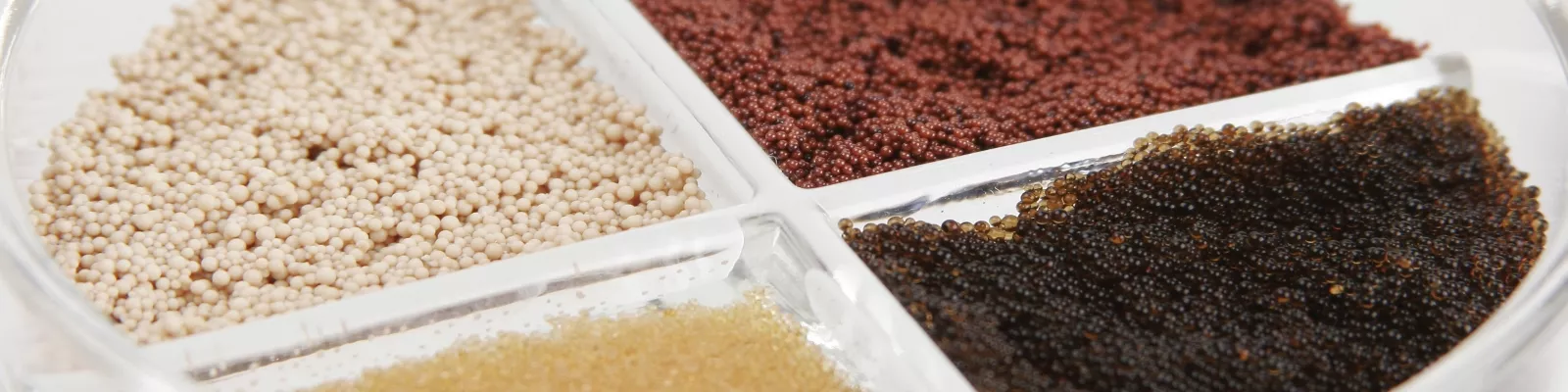
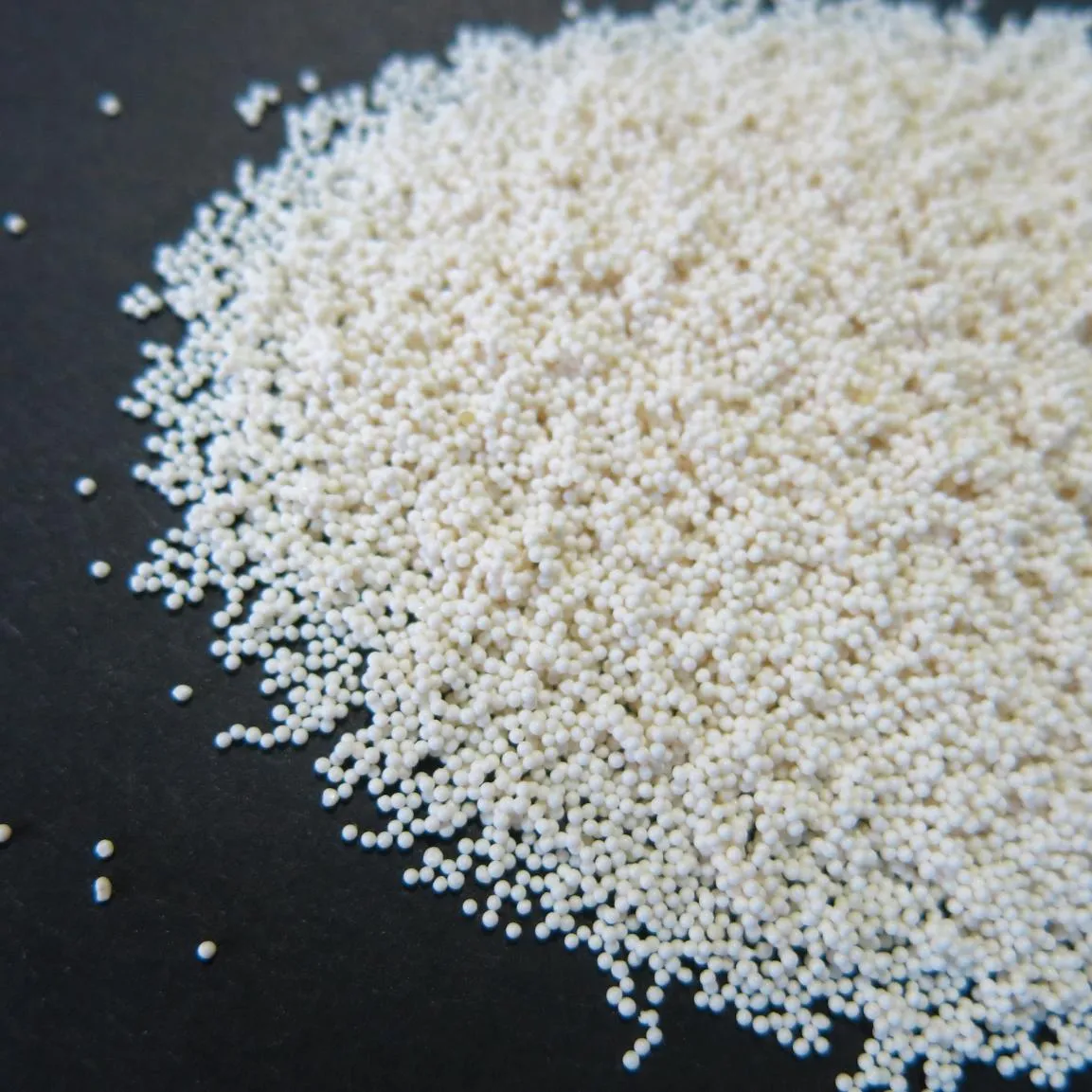
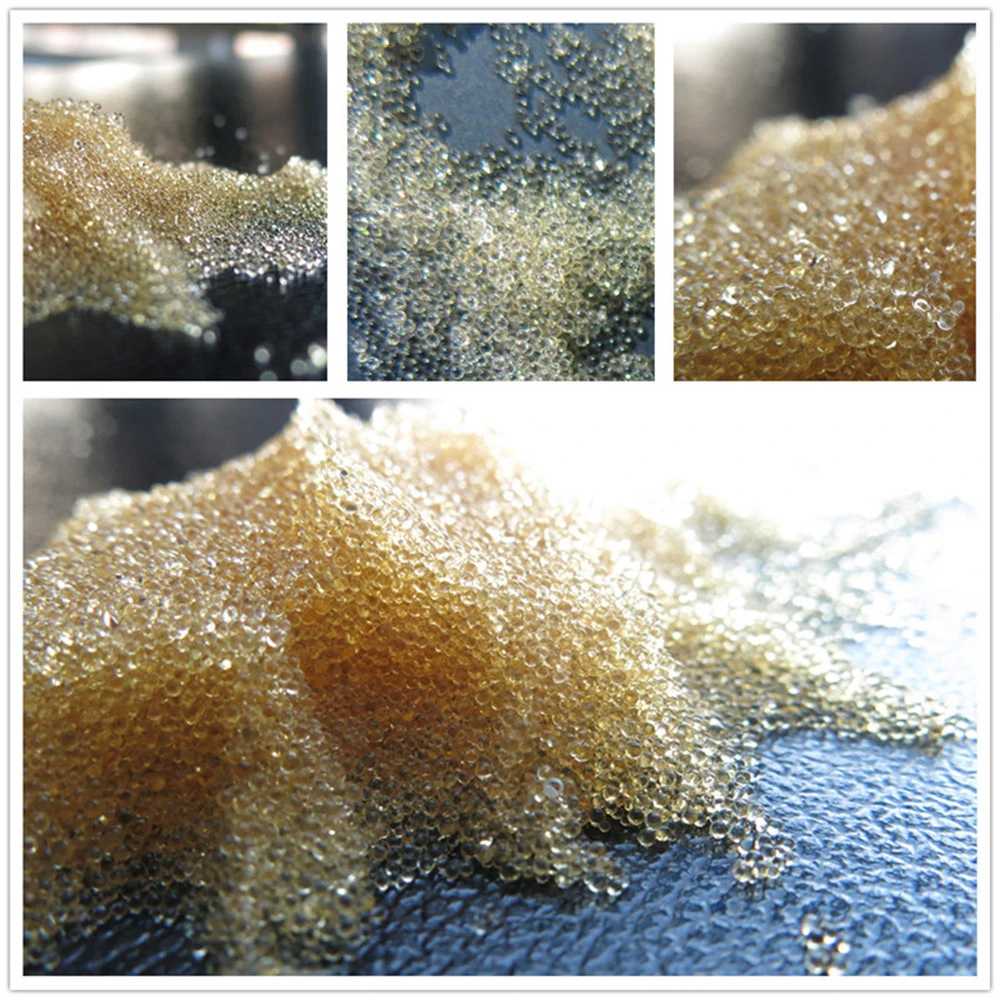
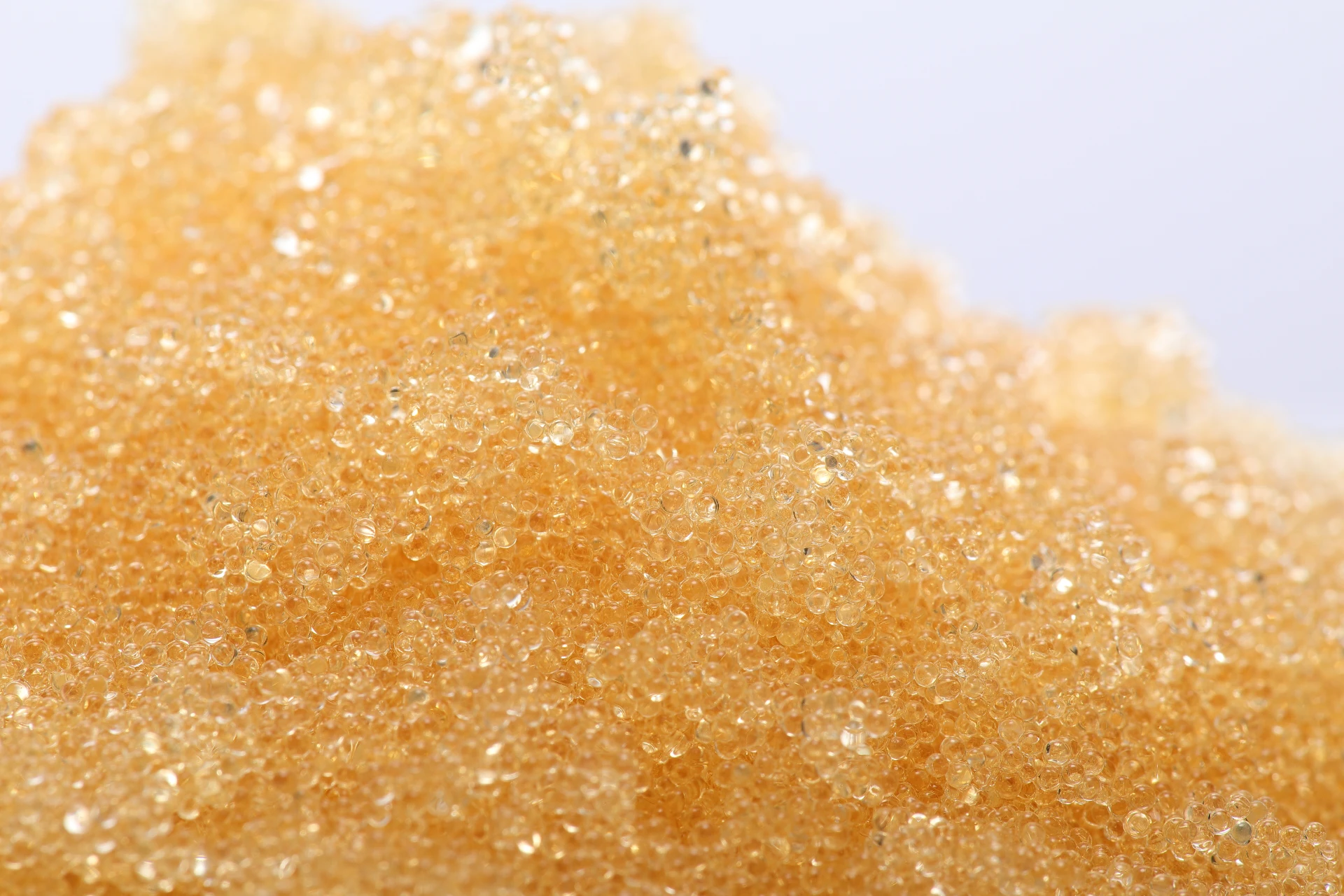
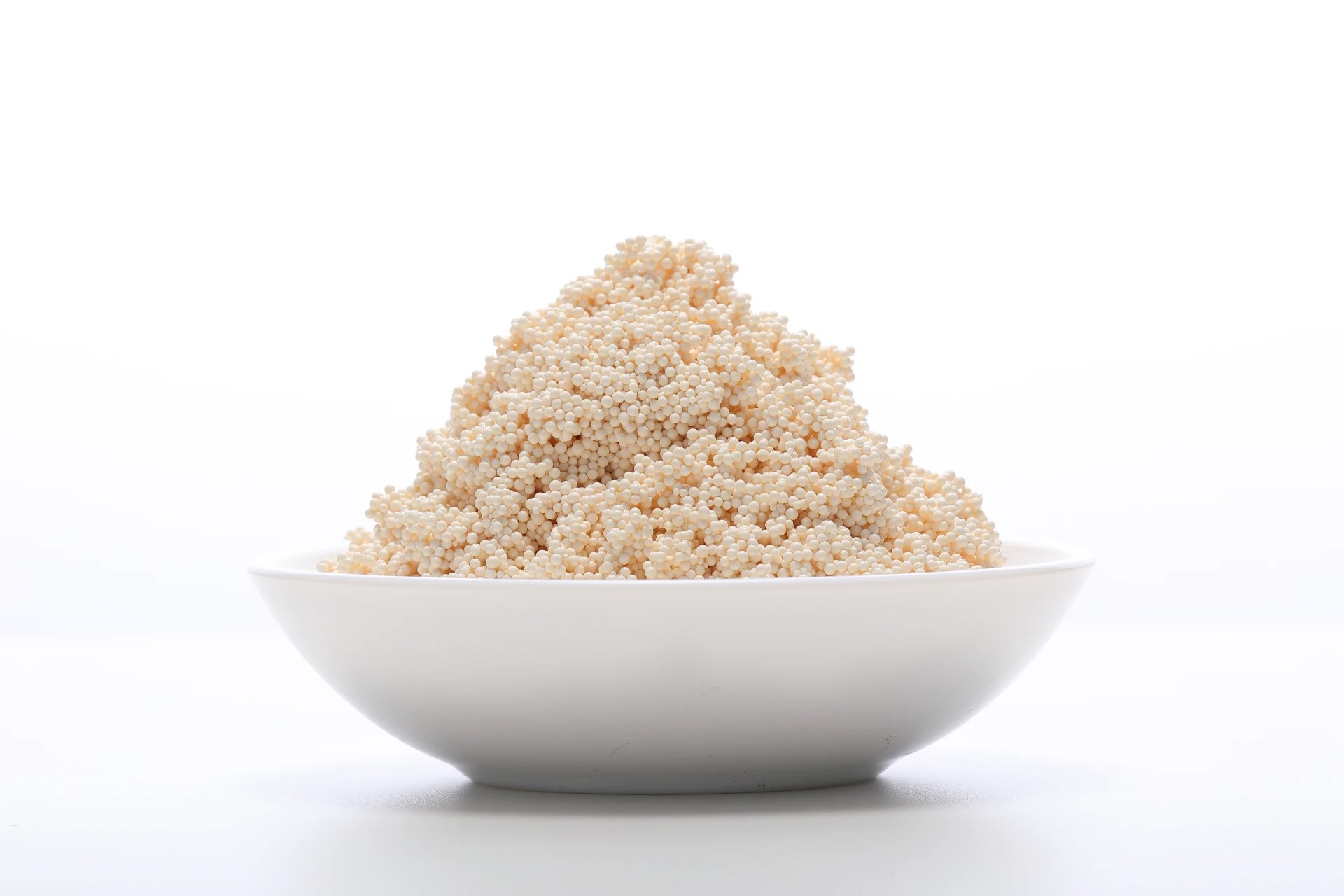
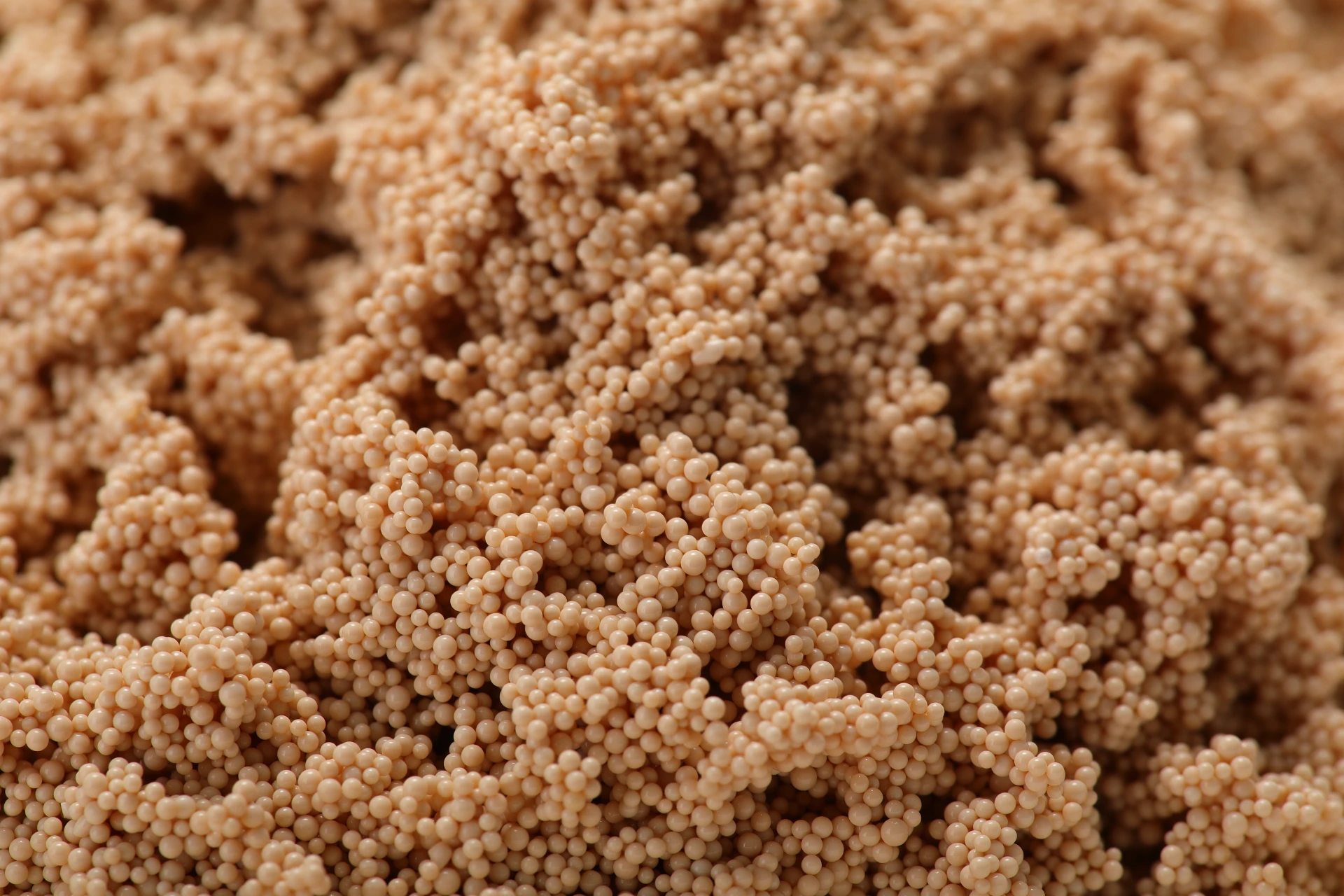
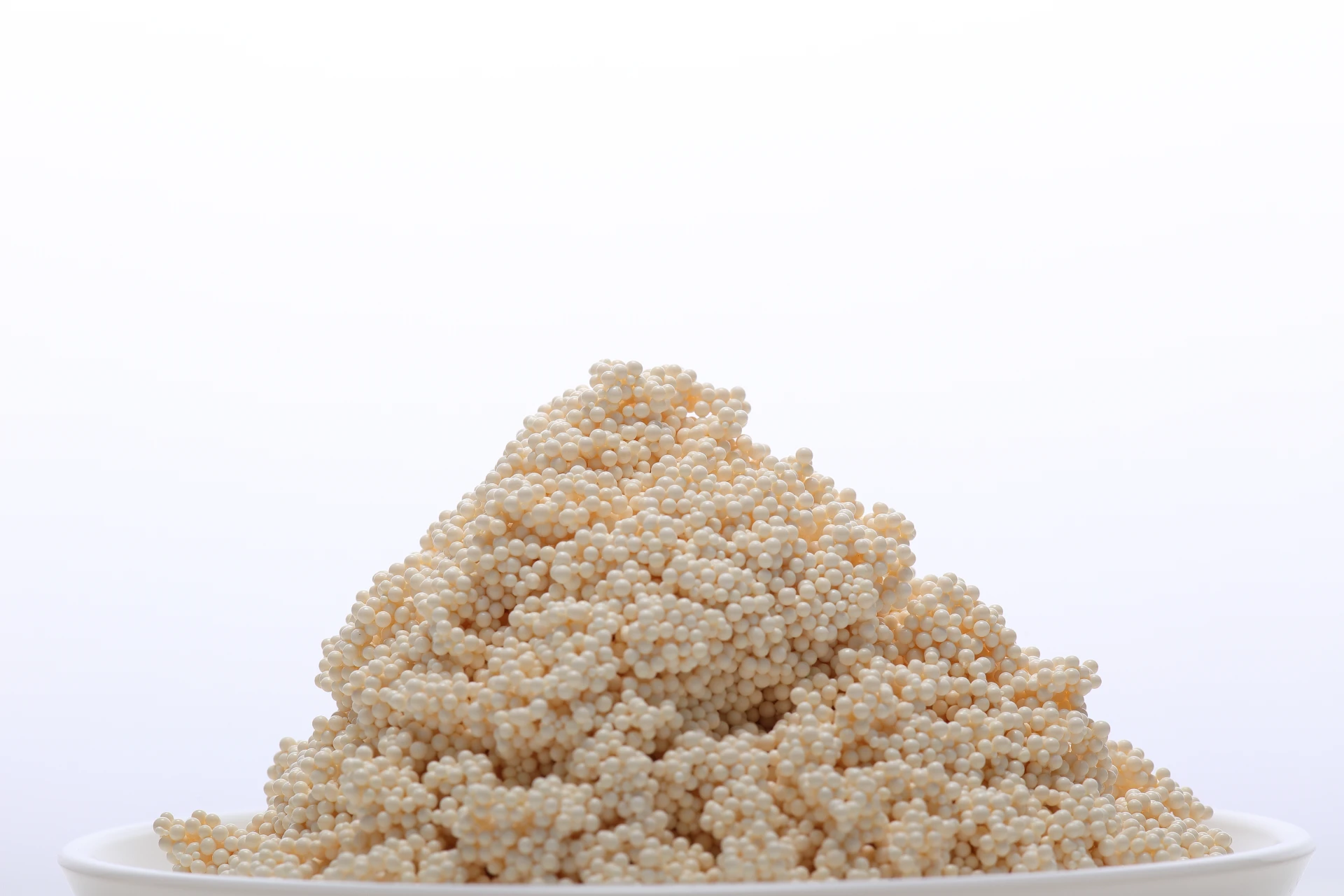
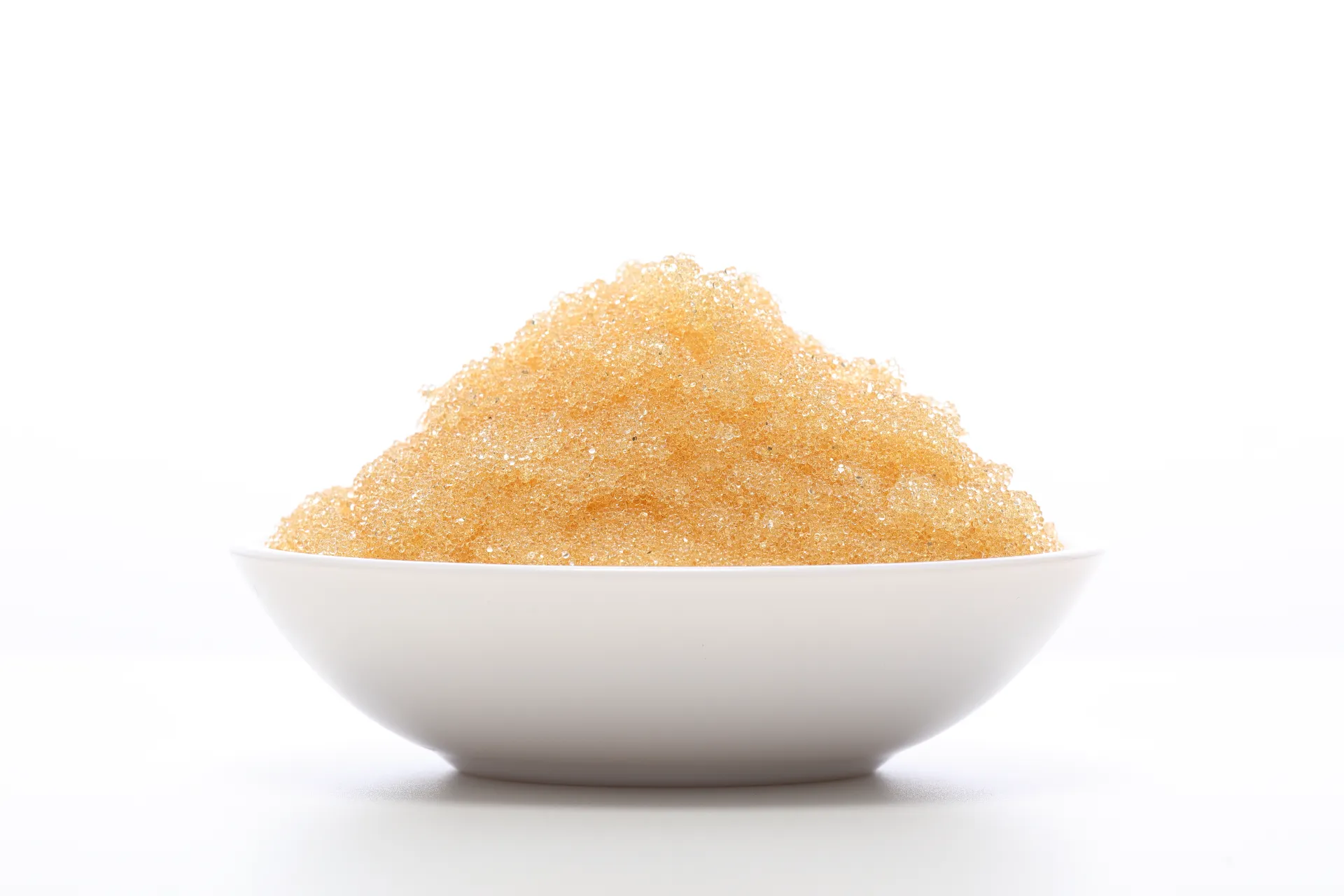
The Purolite C-100E is a premium, high-performance cationic ion exchange resin widely utilized in diverse industrial applications. Known for its excellent chemical stability, high capacity, and uniform particle size, it offers superior performance in water treatment, catalysis, and various separation processes. This article will provide a detailed overview of the C-100E resin, its properties, applications, benefits, and considerations for optimal usage. Selecting the right resin is critical for achieving efficient and cost-effective results, and the Purolite C-100E often stands out as an ideal solution.
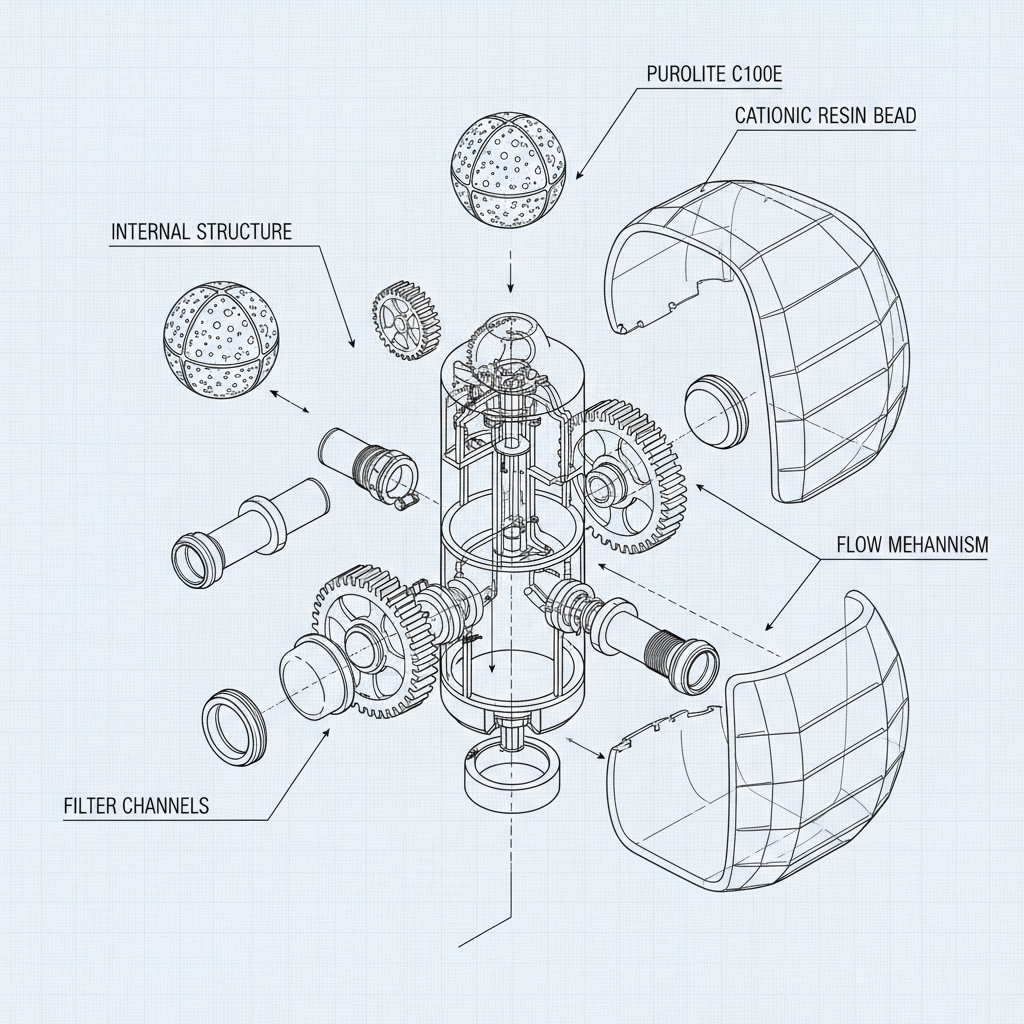
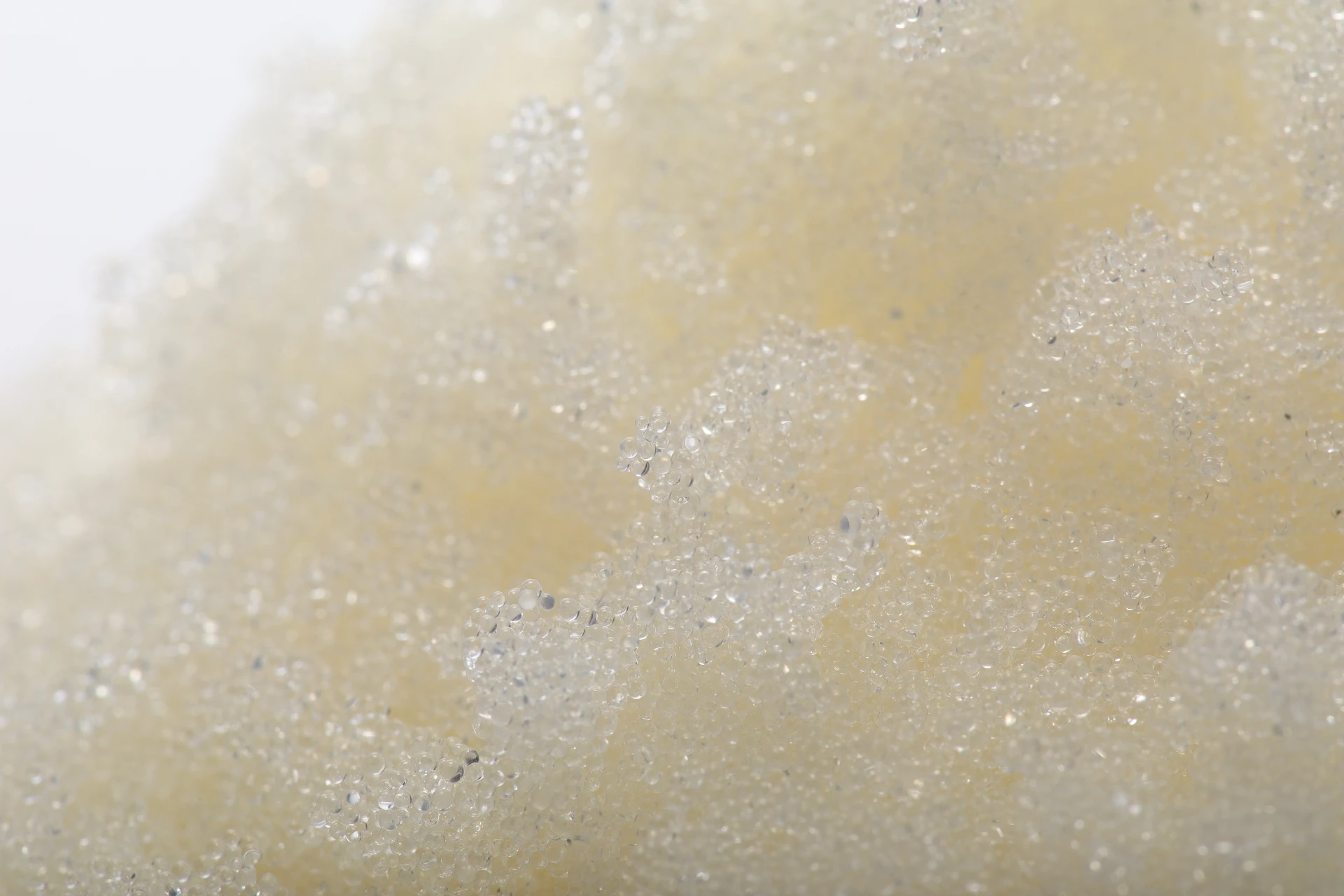
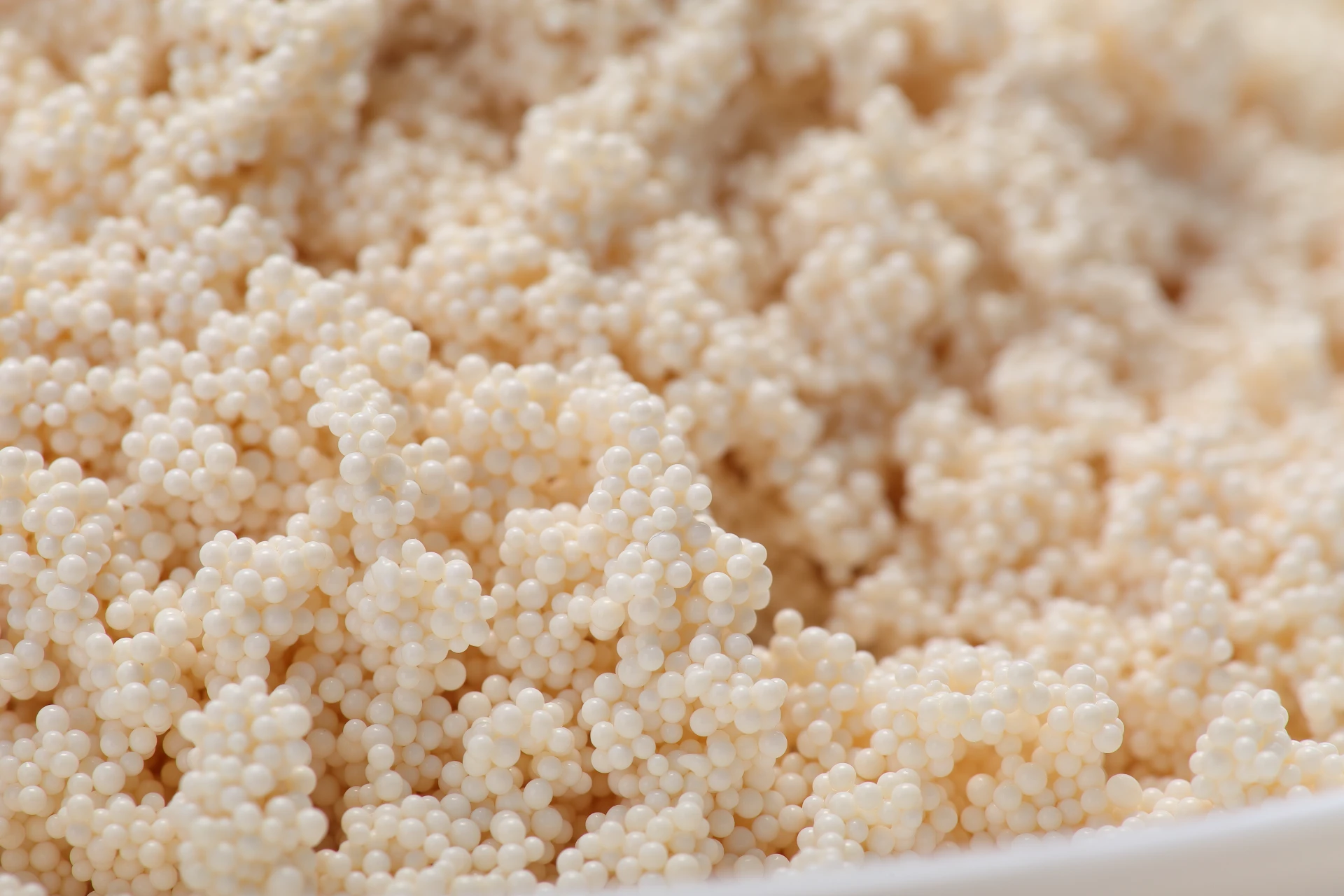
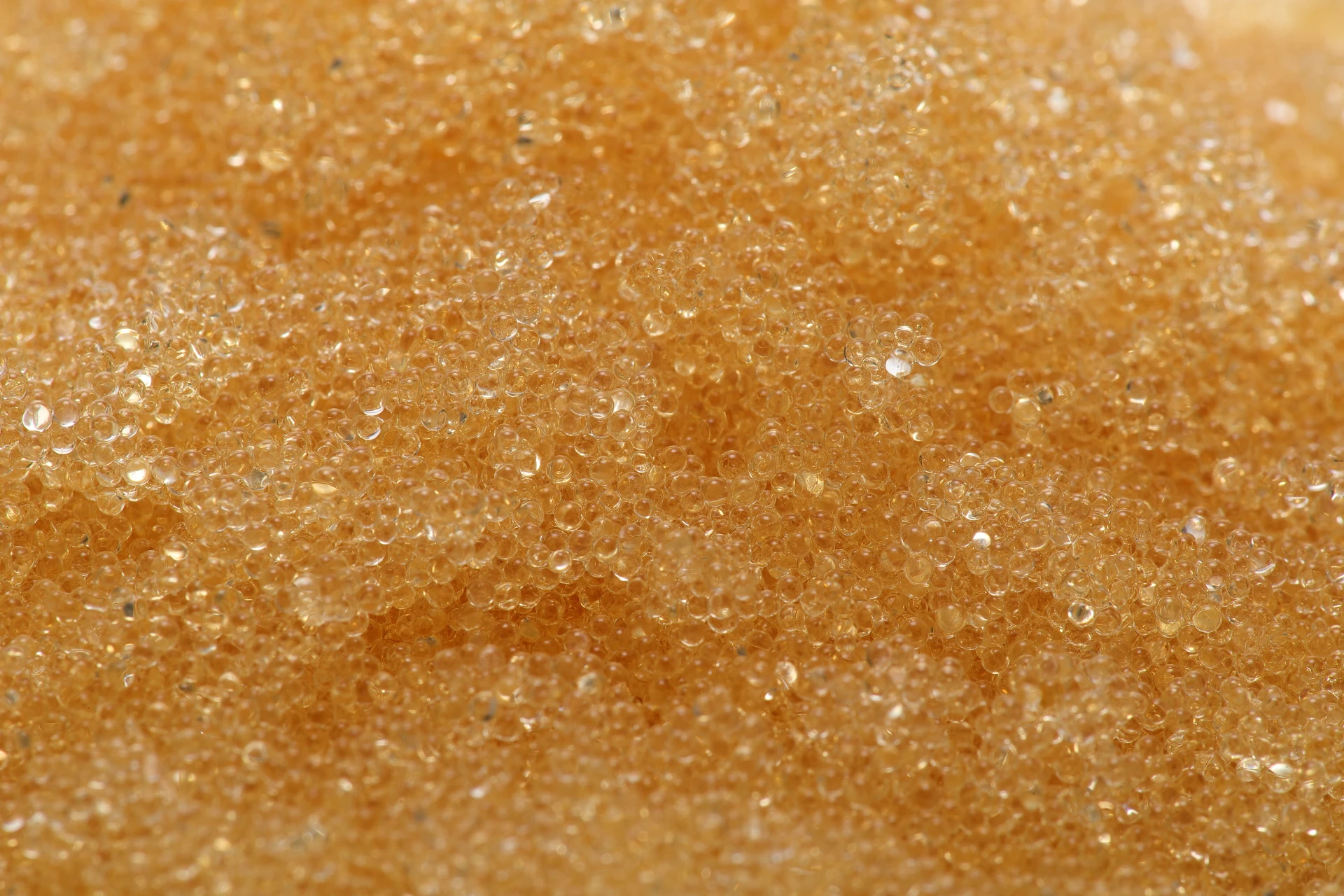
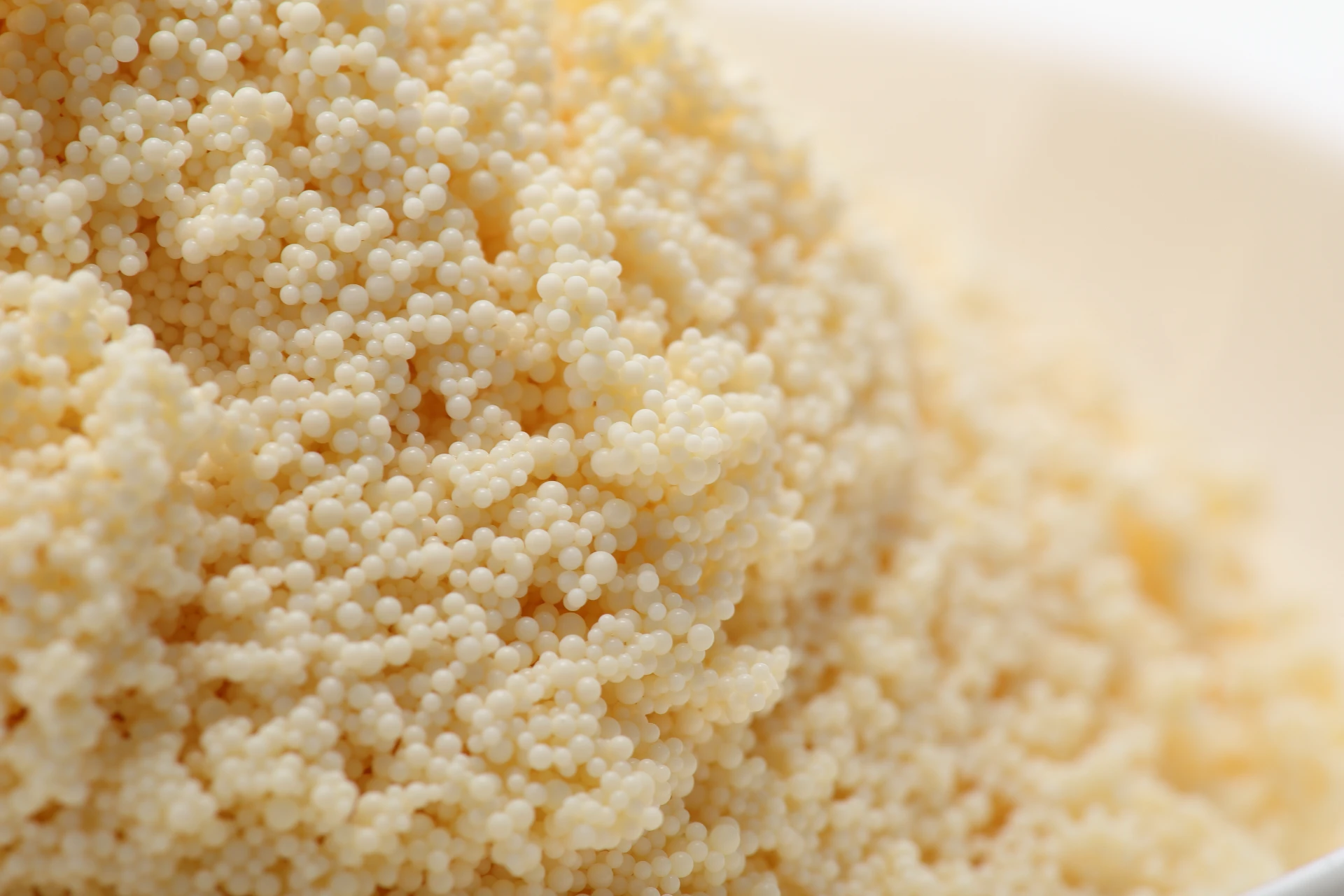
The Purolite C-100E is a strongly acidic, gel-type, sulfonated polystyrene crosslinked with divinylbenzene. This structure contributes to its exceptional performance characteristics. Its uniform particle size ensures consistent flow rates and minimizes pressure drop in column operations. The high exchange capacity allows for efficient removal of cations from solutions, making it effective in various purification processes. Moreover, its robust chemical stability allows it to withstand harsh operating conditions, including exposure to strong acids and bases. This makes it a reliable choice for demanding industrial applications. The resin also exhibits good mechanical strength, reducing attrition and extending its lifespan.
Key Highlights: High exchange capacity, excellent chemical stability, uniform particle size, and robust mechanical strength. These features contribute to efficient performance and extended resin life.
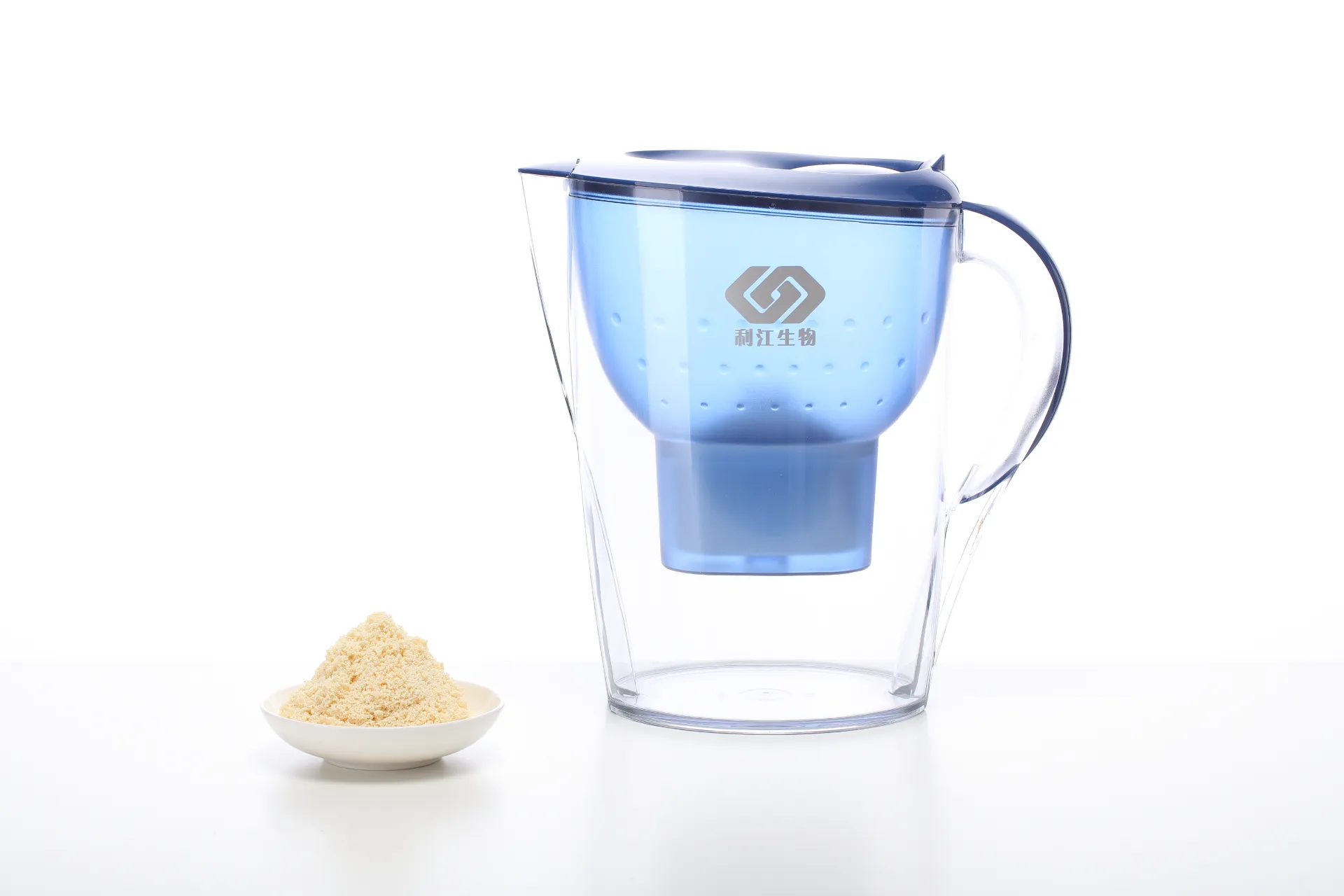
The versatility of Purolite C-100E enables its use in a wide spectrum of applications. It is commonly employed in water softening to remove calcium and magnesium ions, preventing scale formation in boilers and cooling towers. In the pharmaceutical industry, it’s utilized for the purification of APIs (Active Pharmaceutical Ingredients). The resin is also crucial in the food and beverage sector for demineralization and purification of sugars. Catalytic applications benefit from its acidic properties, promoting various chemical reactions. Furthermore, it's effective in metal recovery processes, selectively removing valuable metals from waste streams.
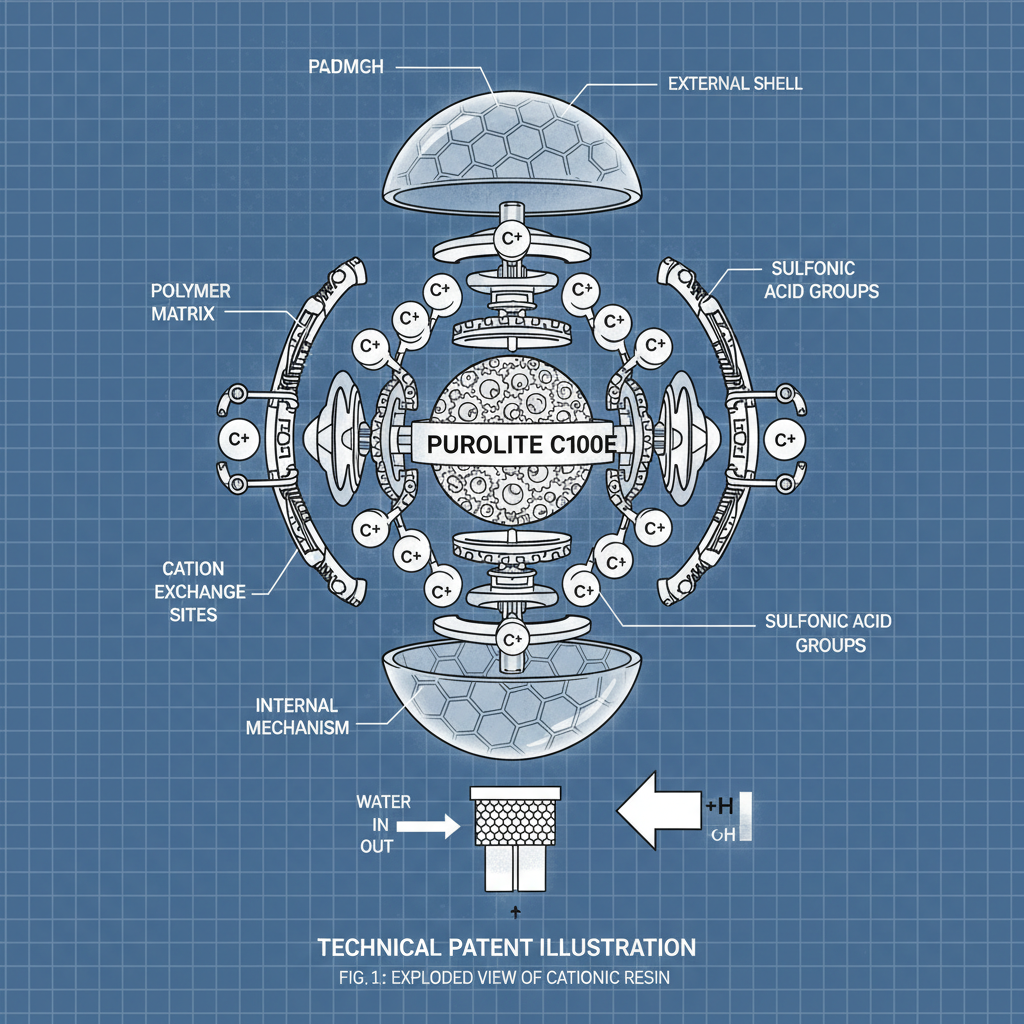
Understanding the technical specifications of Purolite C-100E is essential for selecting the appropriate resin for your specific needs. Here's a breakdown of key parameters:
While several cationic resins are available, Purolite C-100E often outperforms competitors due to its superior quality and consistent performance. Compared to resins with lower exchange capacity, C-100E requires smaller bed volumes to achieve the same level of purification. Its uniform particle size minimizes channeling and pressure drop, resulting in more efficient operation. Furthermore, its excellent chemical stability ensures a longer lifespan and reduces the frequency of resin replacement.
Comparison with Alternatives:
• Higher exchange capacity than many standard resins.
• More uniform particle size for better flow characteristics.
• Enhanced chemical and mechanical stability.
• Reduced pressure drop and channeling.
Maintaining optimal performance of the Purolite C-100E requires proper regeneration procedures. Regular regeneration with a suitable acid, typically hydrochloric acid (HCl) or sulfuric acid (H2SO4), restores the resin’s exchange capacity. The concentration and flow rate of the regenerant should be carefully controlled to ensure complete regeneration without damaging the resin. Pre-treatment of the feed water to remove suspended solids and organic matter is also crucial to prevent fouling and maintain resin efficiency. Proper backwashing is essential to remove any trapped particles and maintain optimal flow distribution. For more details on regeneration, refer to the manufacturer's guidelines available on Lijiresin’s website.
The Purolite C-100E cationic resin provides a high-performance, reliable solution for a wide array of industrial applications. Its exceptional properties, including high capacity, chemical stability, and uniform particle size, contribute to efficient purification, separation, and catalytic processes. By choosing the C-100E, you are investing in a quality product that will deliver consistent and cost-effective results.
The service life of Purolite C-100E varies depending on operating conditions, feed water quality, and regeneration efficiency. However, with proper maintenance and regeneration, the resin can typically last 5-10 years. Factors that can shorten the lifespan include high levels of fouling agents, excessive temperatures, and insufficient regeneration. Regular monitoring of resin performance and adherence to recommended operating parameters are essential for maximizing its longevity.
The recommended operating temperature range for Purolite C-100E is typically between 5°C and 60°C (41°F and 140°F). Operating outside this range can negatively impact the resin's performance and lifespan. Higher temperatures can accelerate degradation, while lower temperatures can reduce exchange capacity. It's crucial to maintain the temperature within the specified limits to ensure optimal efficiency and prevent irreversible damage.
Preventing fouling is crucial for maintaining resin performance. Pre-treatment of the feed water is essential to remove suspended solids, organic matter, and other foulants. This can include filtration, coagulation, and chlorination. Periodic cleaning of the resin bed with appropriate cleaning agents can also help remove accumulated foulants. Regular backwashing helps to remove particulate matter and maintain a uniform flow distribution. Refer to the Lijiresin website for detailed recommendations on fouling prevention and resin cleaning.
Both hydrochloric acid (HCl) and sulfuric acid (H2SO4) are commonly used as regenerants for Purolite C-100E. The choice between the two often depends on the specific application and compatibility with downstream processes. HCl generally provides faster regeneration but may be more corrosive. Sulfuric acid is less corrosive but may require longer regeneration times. The optimal concentration and flow rate should be determined based on the resin’s loading and the feed water composition.