Phone:
+86 0319 2296164


Email:
info@lijiresin.cn
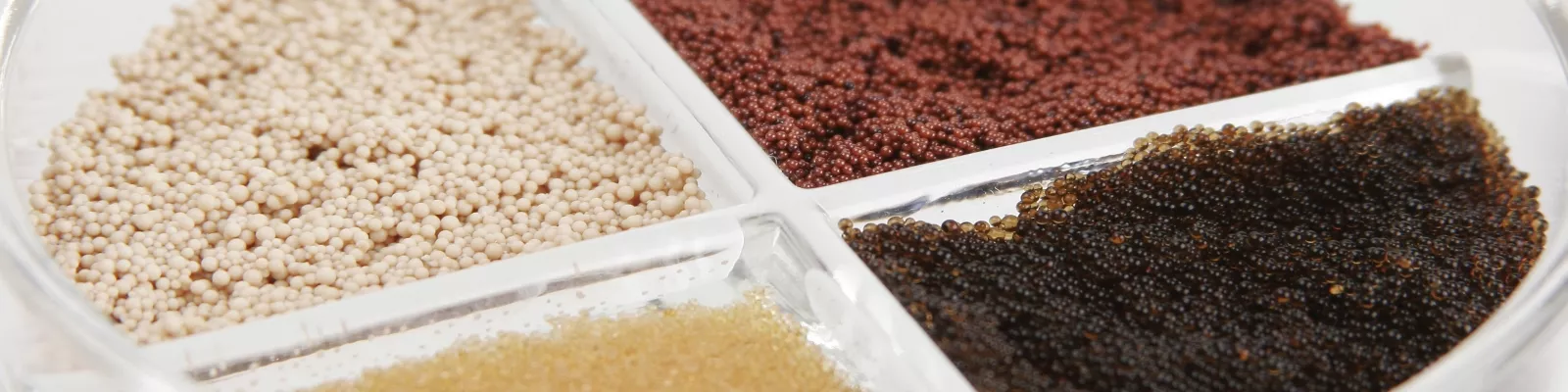
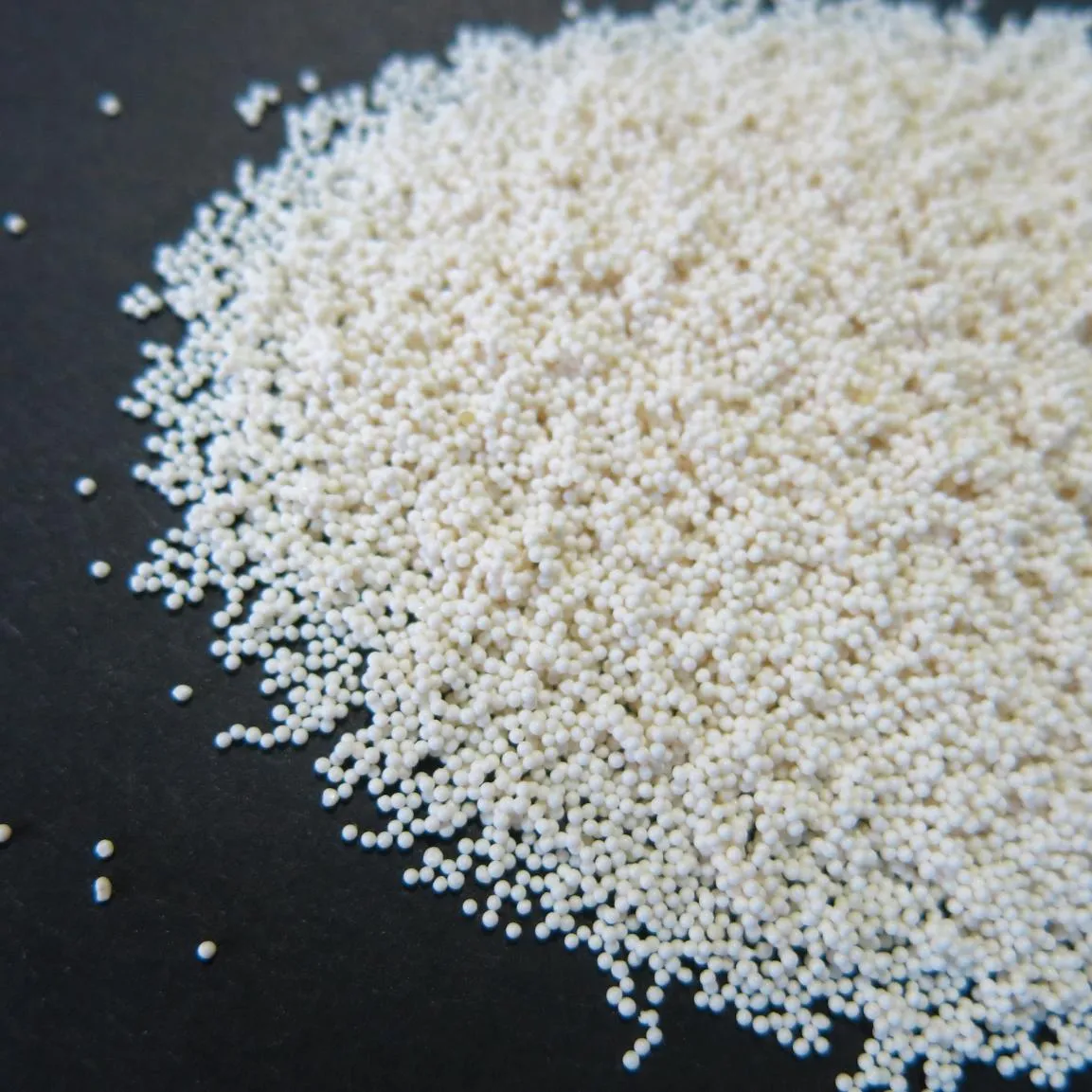
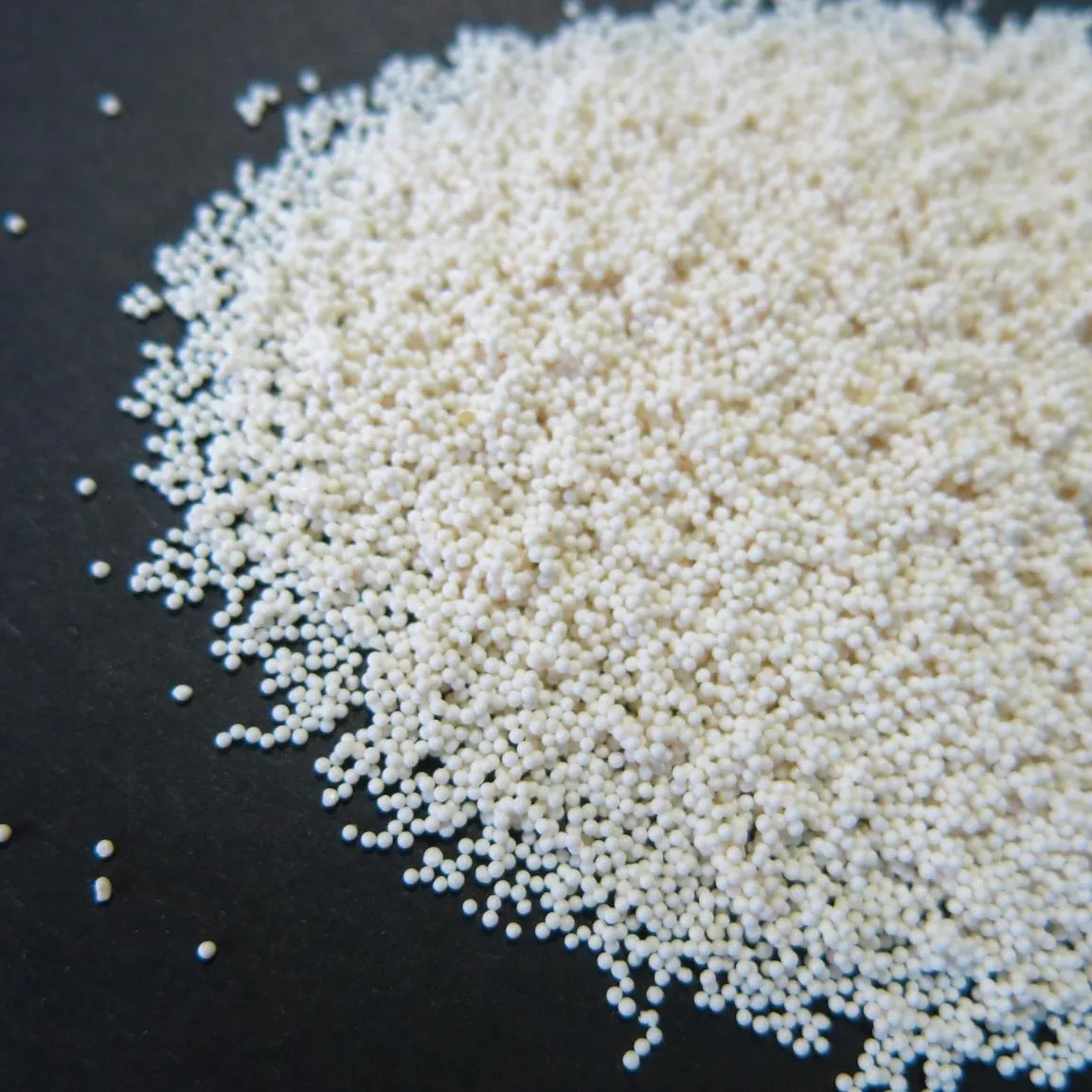
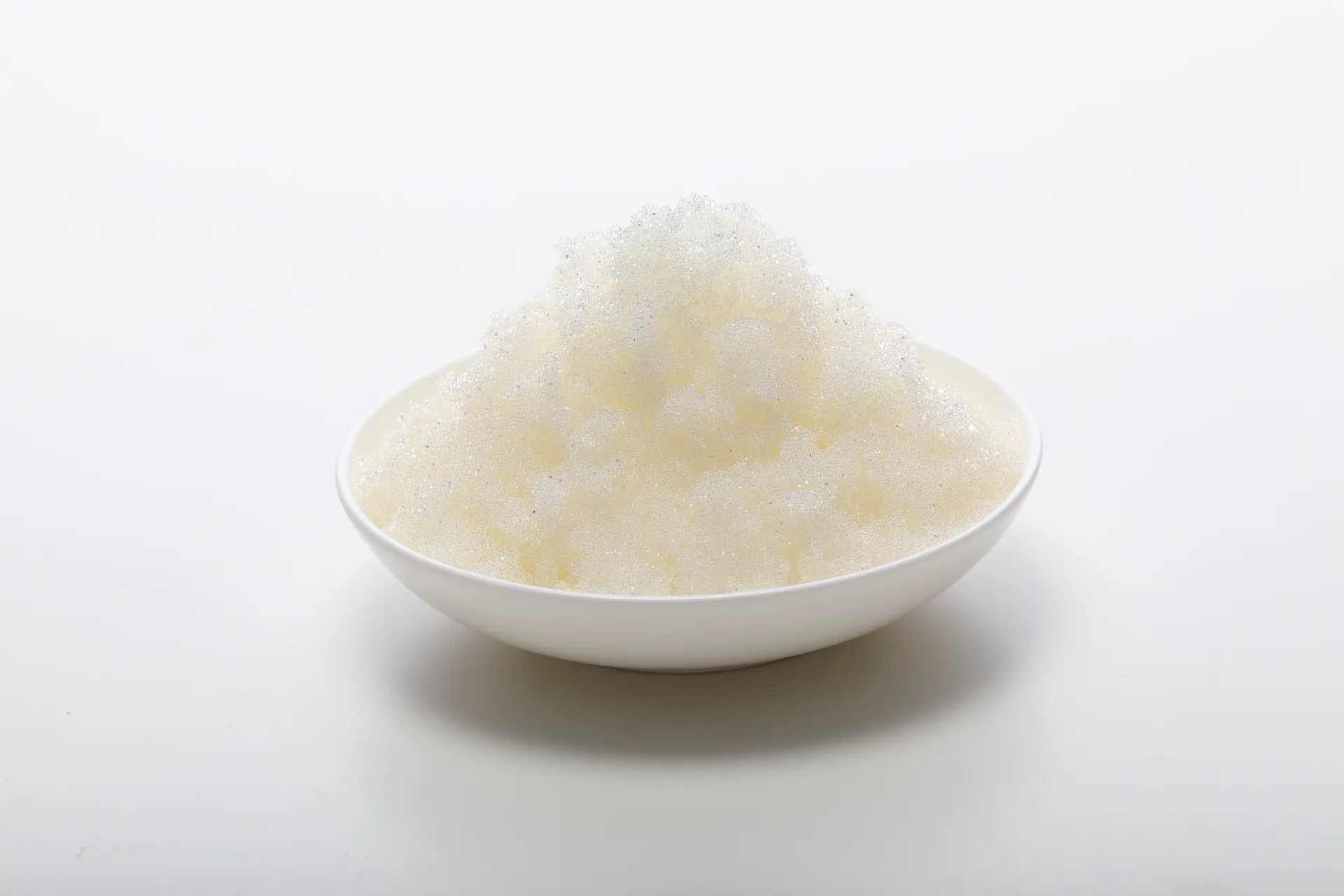
The Macroporous Adsorption Resin AB-8 is a cutting-edge material designed for the efficient extraction, separation, and purification of water-soluble and weakly polar substances. Developed by Hebei Lijiang Biotechnology Co., Ltd., this resin combines advanced polymer chemistry with practical engineering to deliver superior performance in various industrial and research applications. This article explores the product's features, technical specifications, applications, and the company's commitment to quality, supported by authoritative references from the National Institute of Standards and Technology (NIST).
The Macroporous Adsorption Resin AB-8 is engineered to meet the demands of modern separation processes. Its unique properties make it a preferred choice for industries requiring precision and efficiency. Below are the key features:
These features are validated by the NIST standards, which emphasize the importance of material stability and performance in industrial applications. The resin's ability to withstand harsh conditions aligns with NIST's research on polymer-based materials for advanced separation technologies.
The Macroporous Adsorption Resin AB-8 is characterized by its precise physical and chemical parameters, which ensure optimal performance. The following table summarizes its key specifications:
| Parameter | Specification |
|---|---|
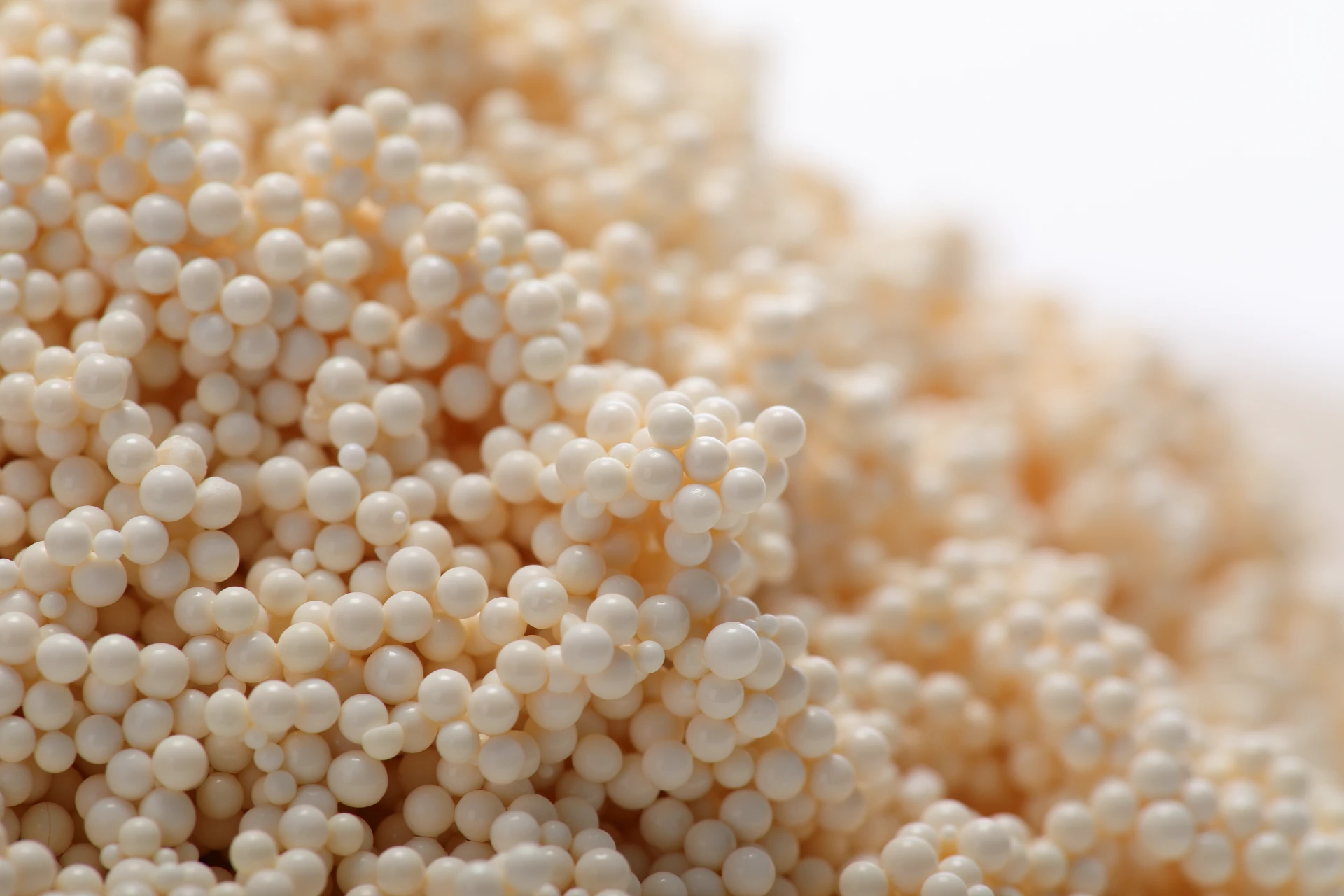
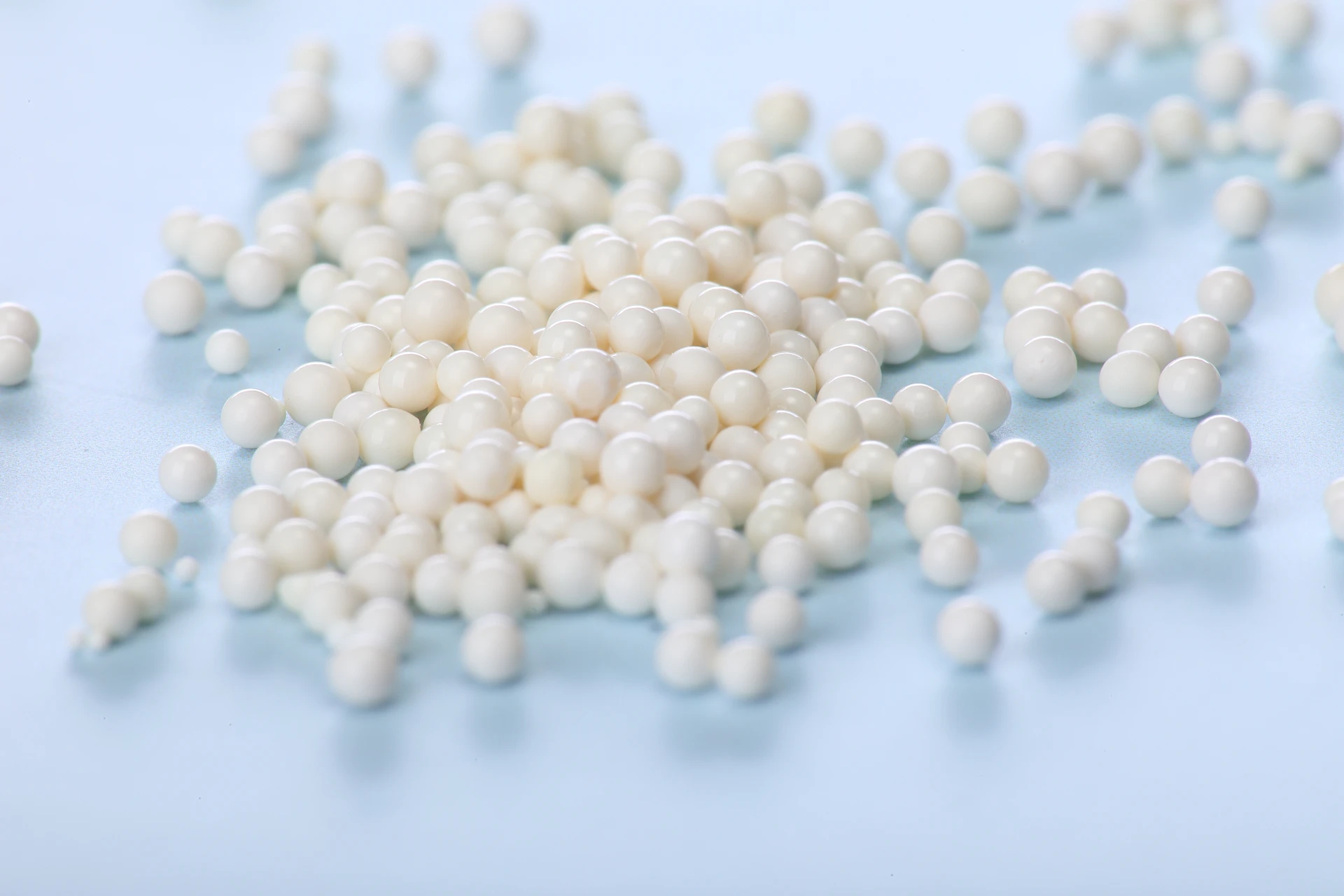
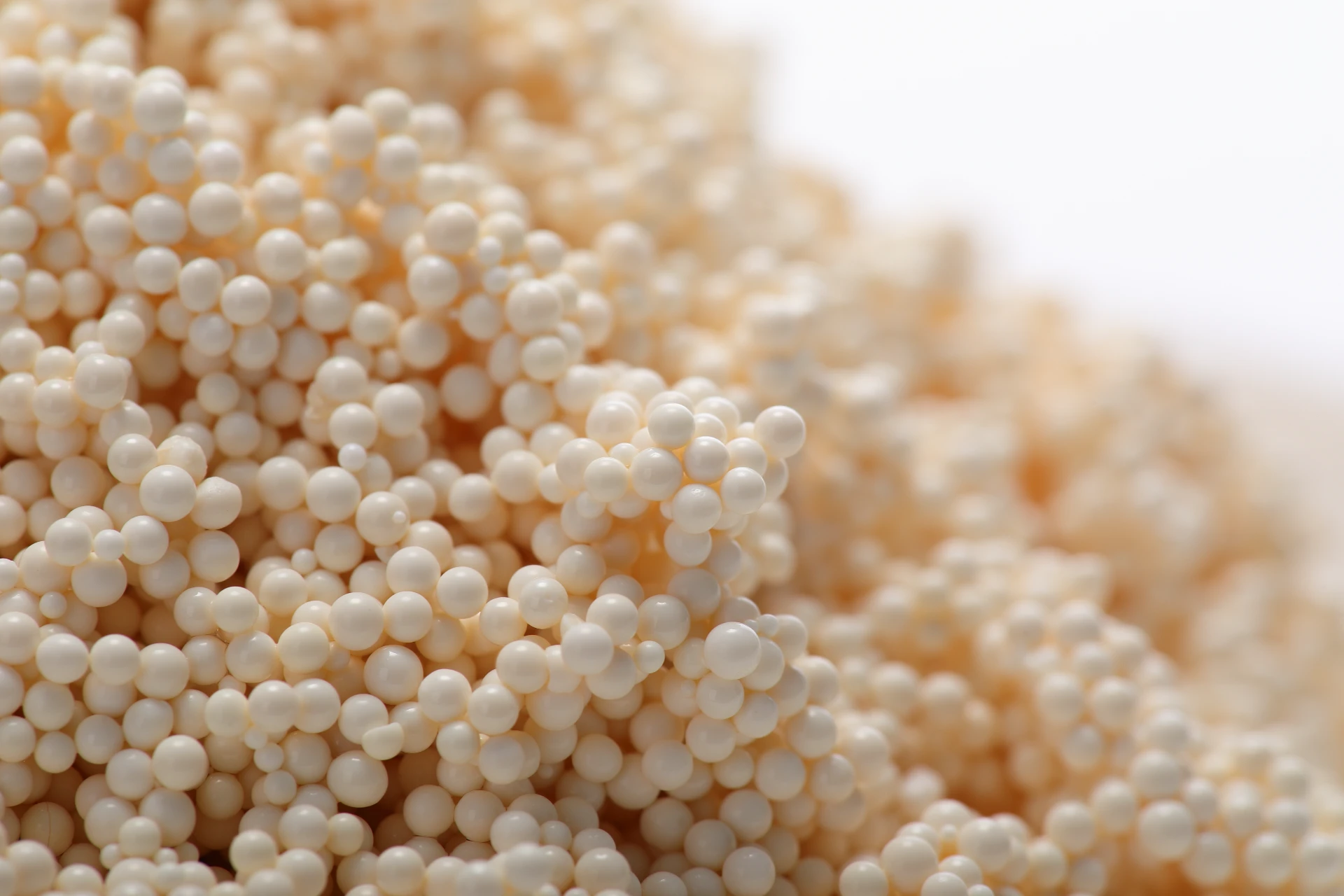
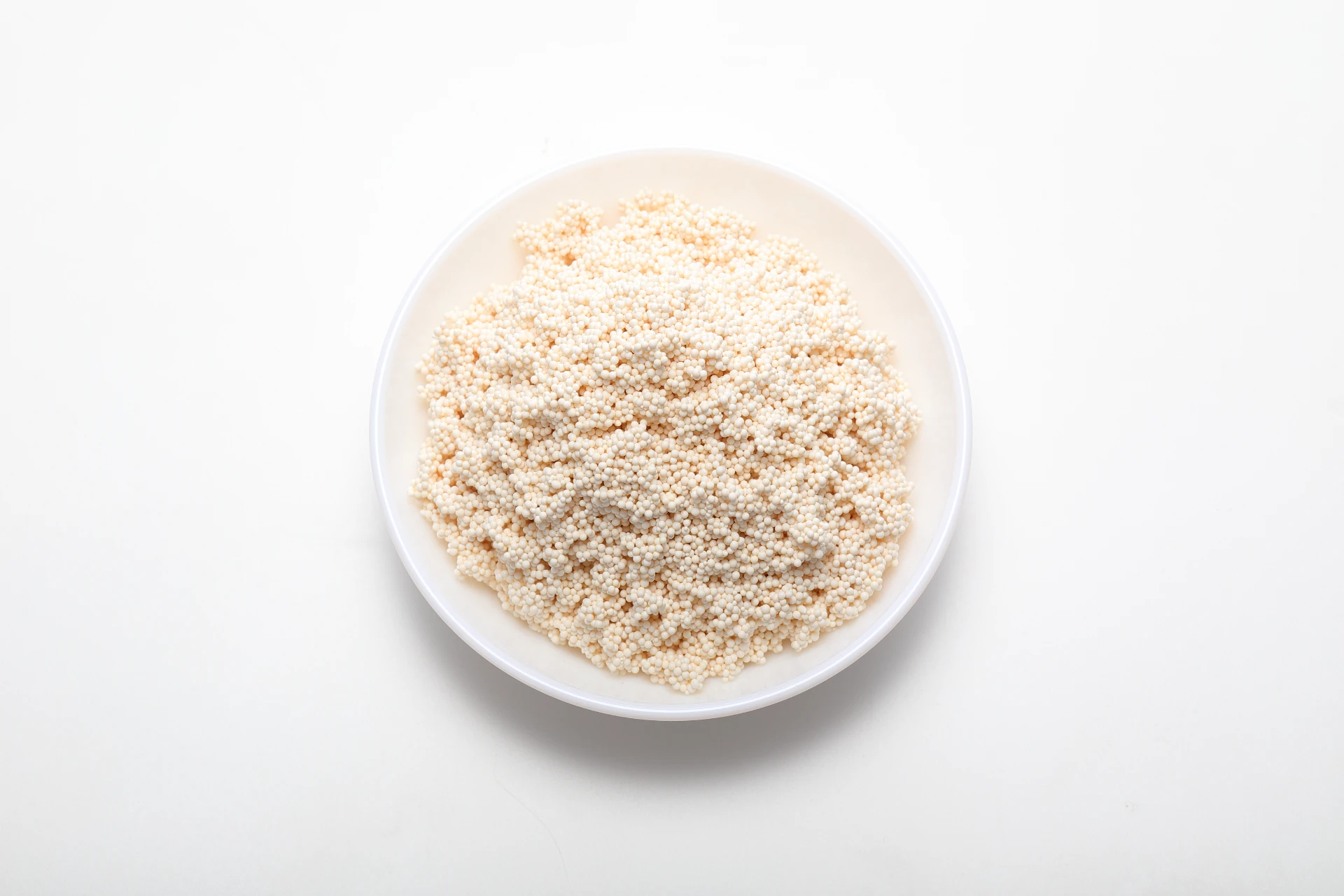
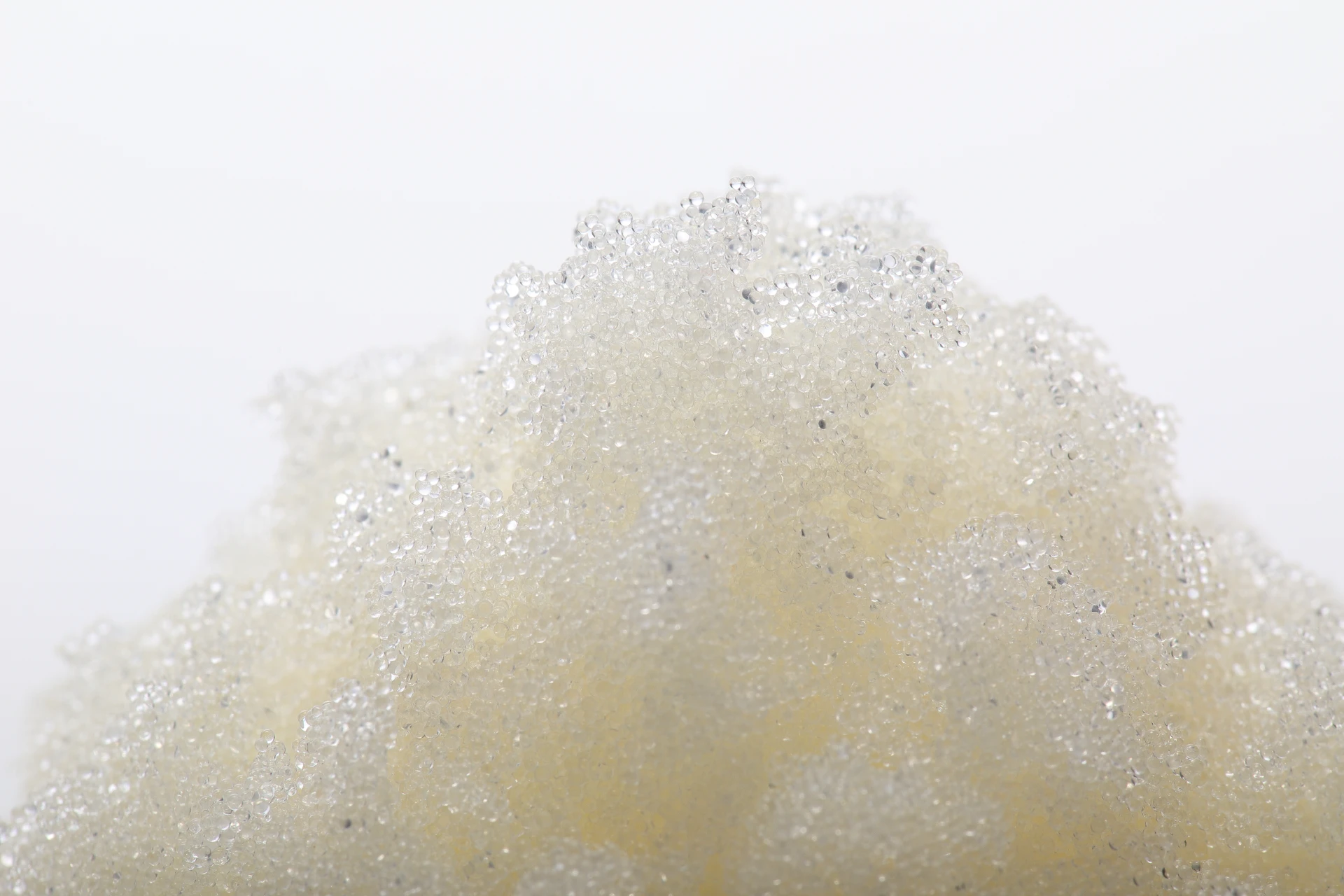
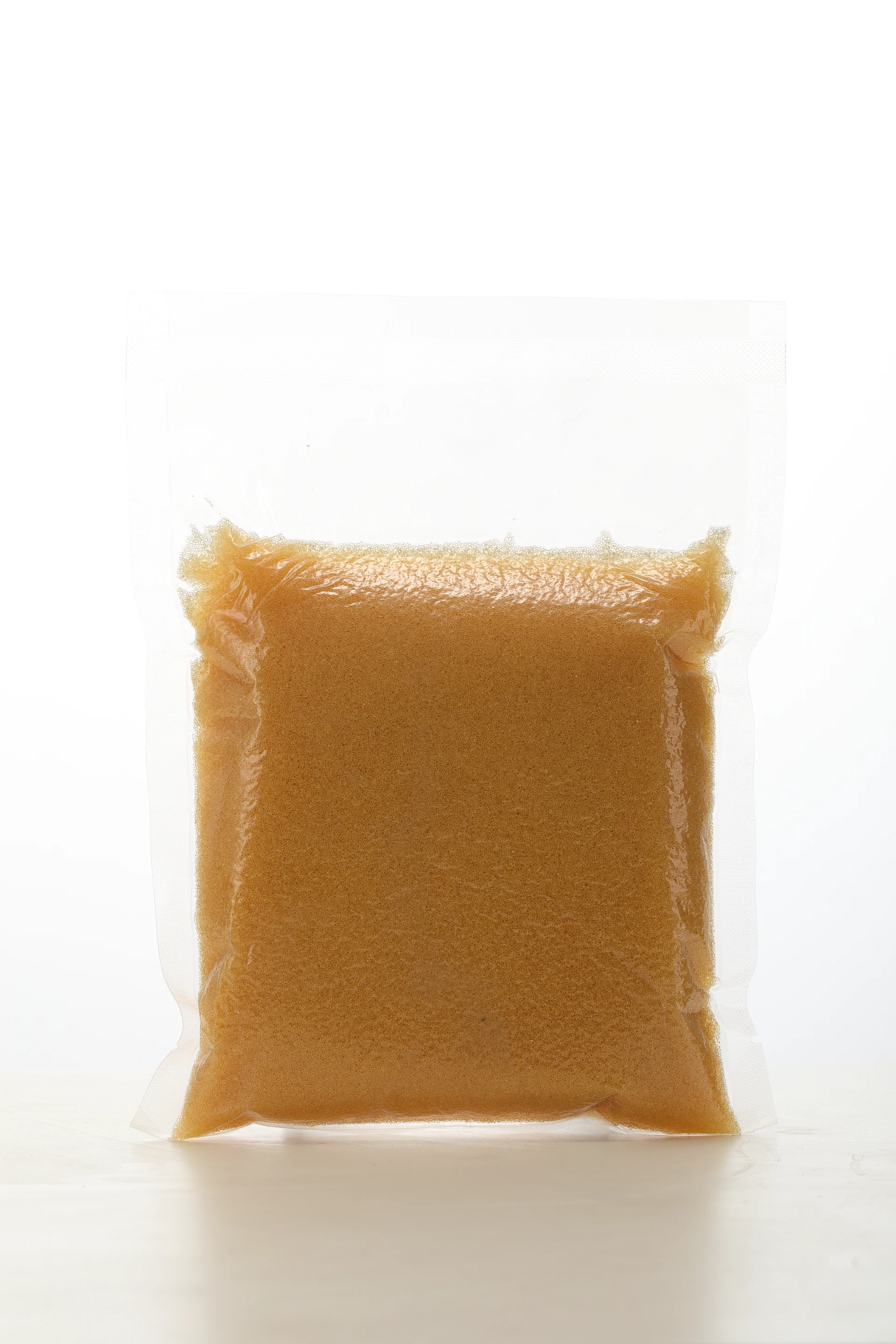
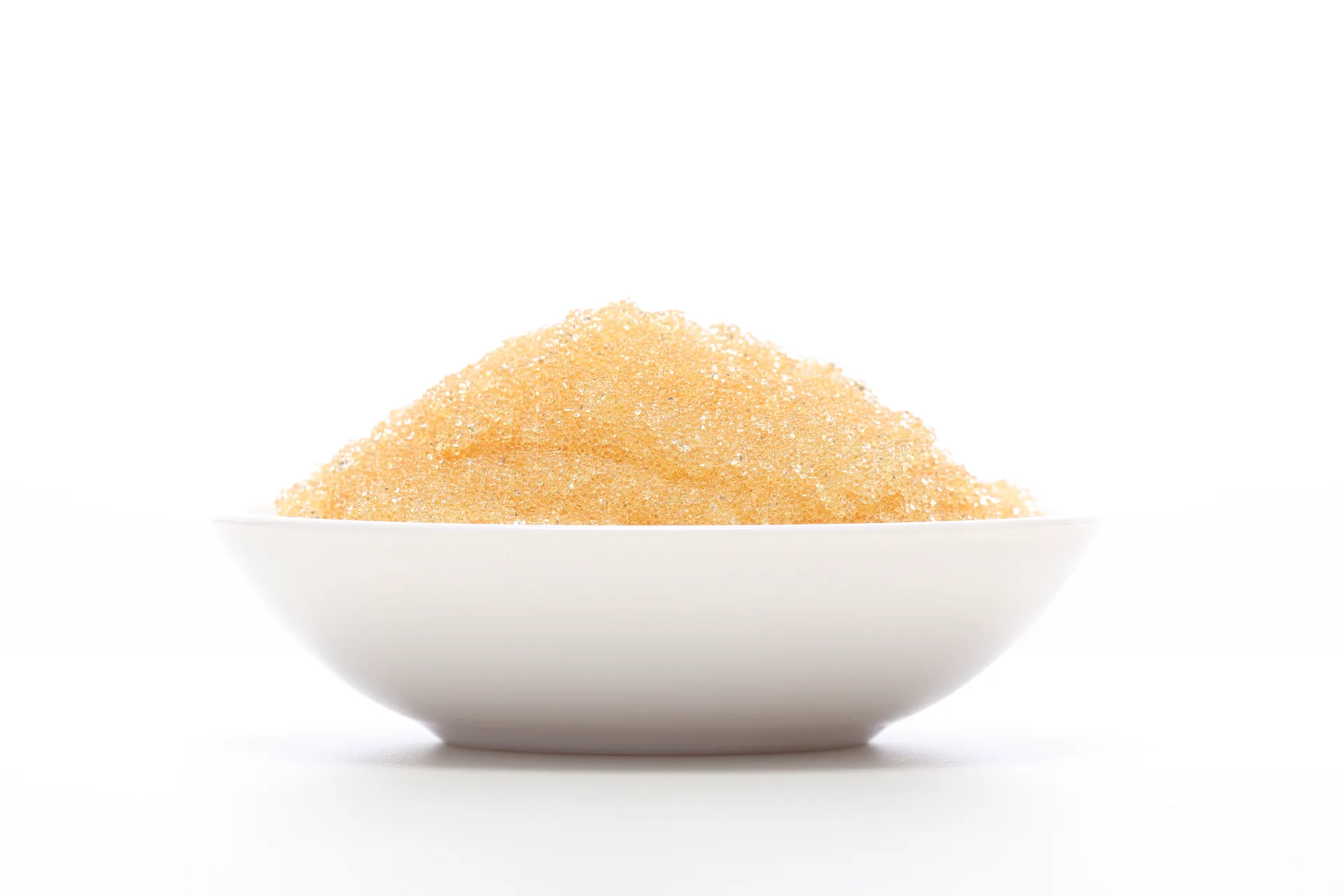
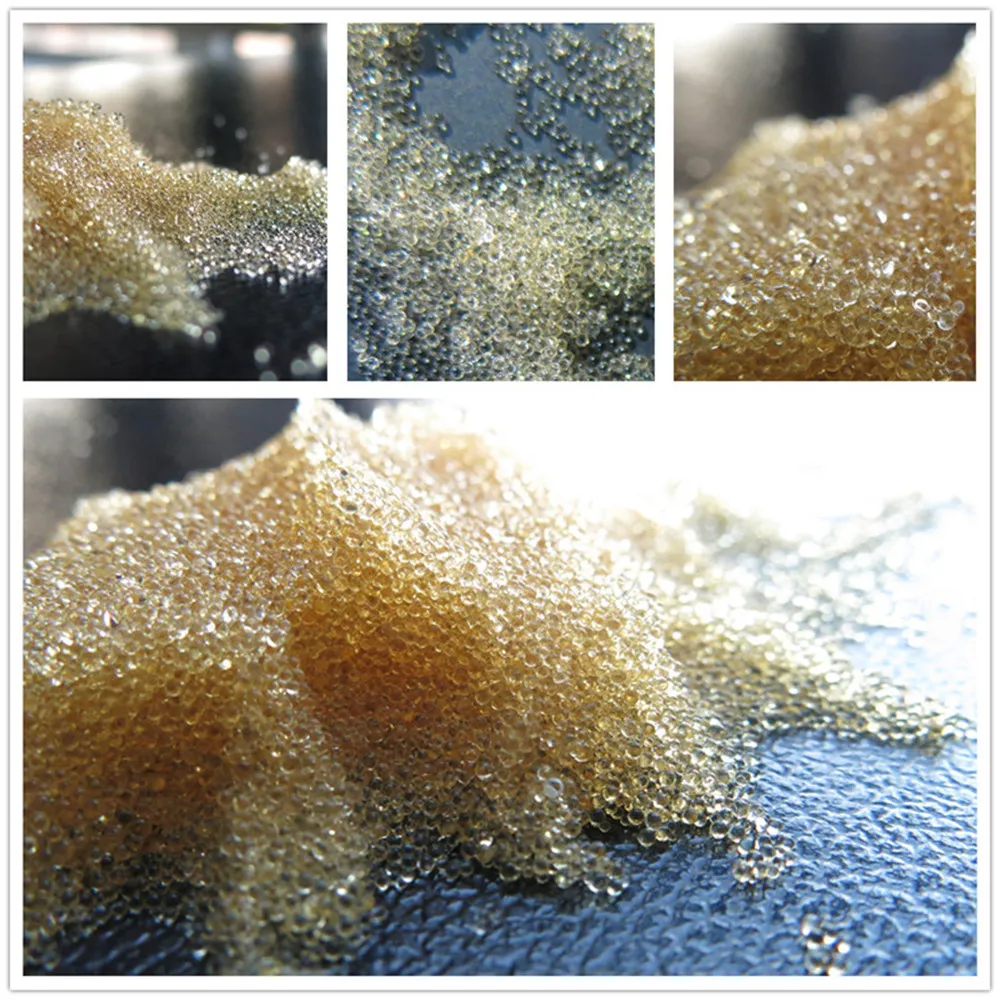
| Appearance | Milky white opaque spherical beads |
| Resin Structure | PSD (Polymer of Styrene Divinylbenzene) |
| Polarity | Weakly polar |
| Moisture Content | 65%–75% |
| Particle Size Range | 60–16 mesh (0.3–1.25 mm ≥90%) |
| Average Pore Size | 13–14 nm |
| Pore Volume | 0.73–0.77 ml/g |
| Porosity | 42%–46% |
| Real Density | 1.05–1.09 g/ml |
| Bulk Density | 0.65–0.70 g/ml |
| Specific Surface Area | ≥480 m²/g |
| Adsorption Capacity | ≥45 mg/g |
The resin's high specific surface area and macroporous structure enhance its adsorption efficiency, as highlighted in NIST studies on porous materials for environmental and industrial applications.
The Macroporous Adsorption Resin AB-8 is widely used in various fields, including pharmaceuticals, food processing, and environmental remediation. Its applications include:
These applications demonstrate the resin's versatility, as noted in NIST research on advanced materials for sustainable technologies.
Proper preparation and regeneration are critical to maintaining the resin's performance. Here are the recommended procedures:
Before use, the resin must be pretreated to remove inert solvents:
When the resin's adsorption capacity declines, follow these steps for regeneration:
These protocols ensure the resin's longevity and efficiency, as emphasized in NIST's guidelines for material maintenance.
To preserve the resin's properties, adhere to the following guidelines:
These precautions are essential for maintaining the resin's integrity, as outlined in NIST's best practices for polymer material handling.
As a leading manufacturer of advanced adsorption resins, Hebei Lijiang Biotechnology Co., Ltd. is dedicated to innovation and quality. The company's commitment to research and development ensures that products like the Macroporous Adsorption Resin AB-8 meet global standards. With a focus on sustainability and efficiency, Hebei Lijiang continues to support industries worldwide in achieving their separation and purification goals.
The Macroporous Adsorption Resin AB-8 stands out as a reliable solution for complex separation tasks, combining technical excellence with practical usability. Its robust specifications, ease of regeneration, and broad applications make it a valuable asset in various sectors. By adhering to the principles of material science and industry standards, Hebei Lijiang Biotechnology Co., Ltd. ensures that this resin remains at the forefront of separation technology.
National Institute of Standards and Technology (NIST) provides critical research and standards for material science and industrial applications. The information presented here aligns with NIST's emphasis on precision and innovation in polymer-based technologies.