Phone:
+86 0319 2296164


Email:
info@lijiresin.cn
You know, after spending over a decade working around industrial equipment and water treatment systems, I can honestly say that materials like Purolite NRW37 hold a special place in the ecosystem. Not just because they've been reliable, but because they reflect a kind of engineering subtlety that’s hard to find elsewhere.
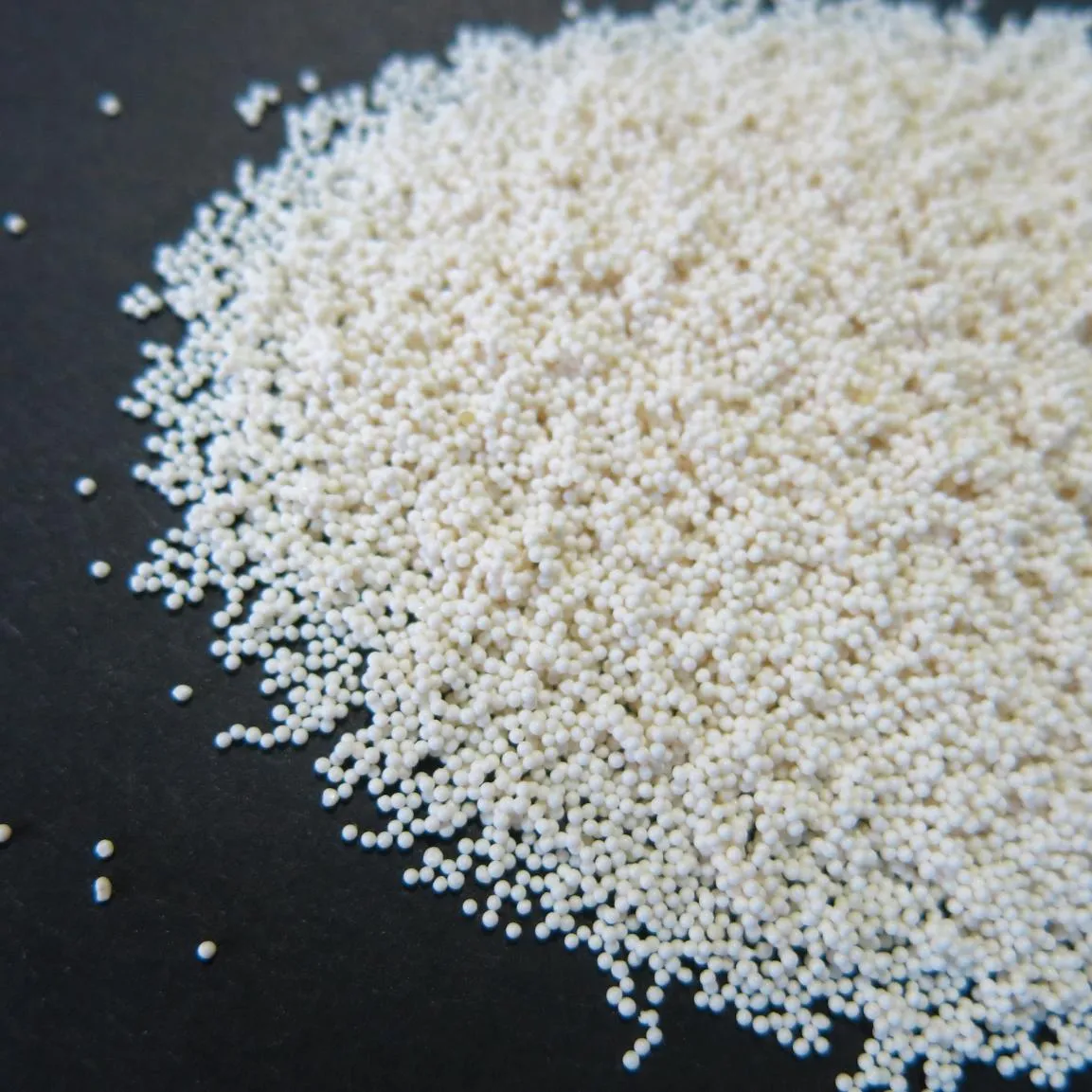
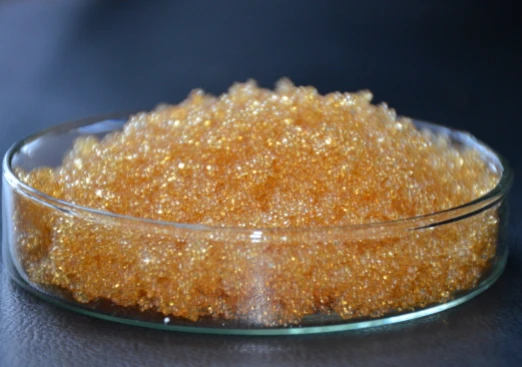
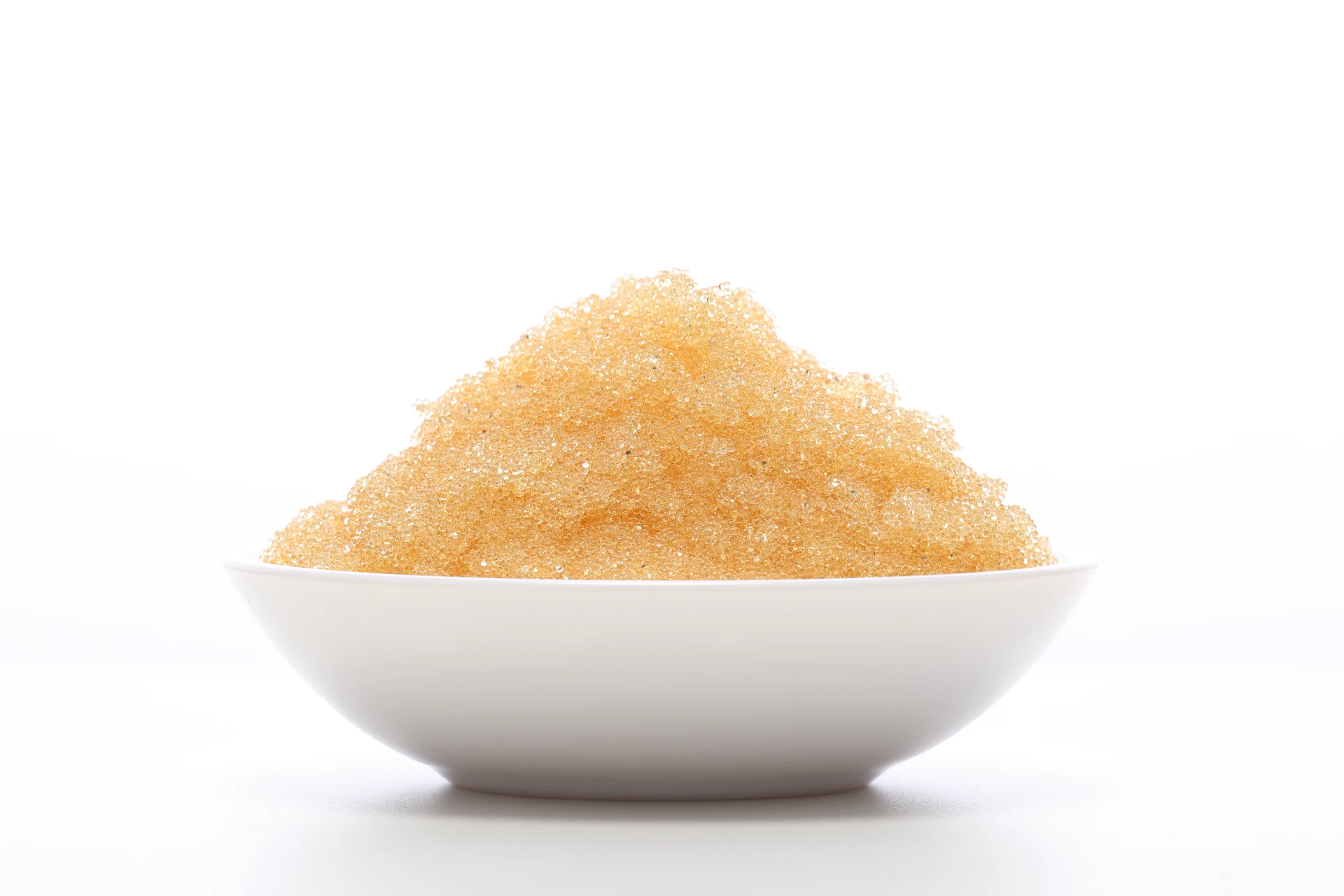
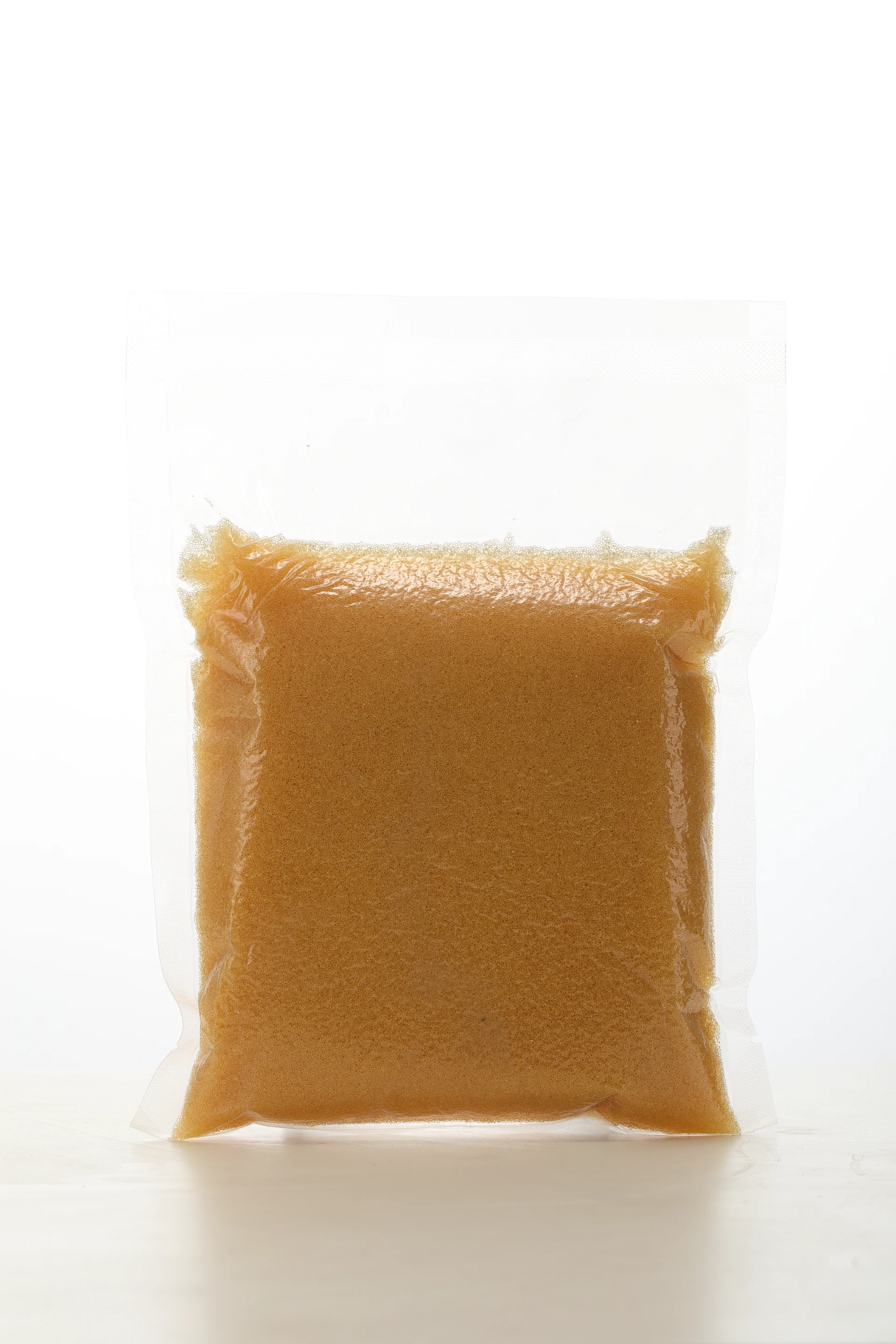
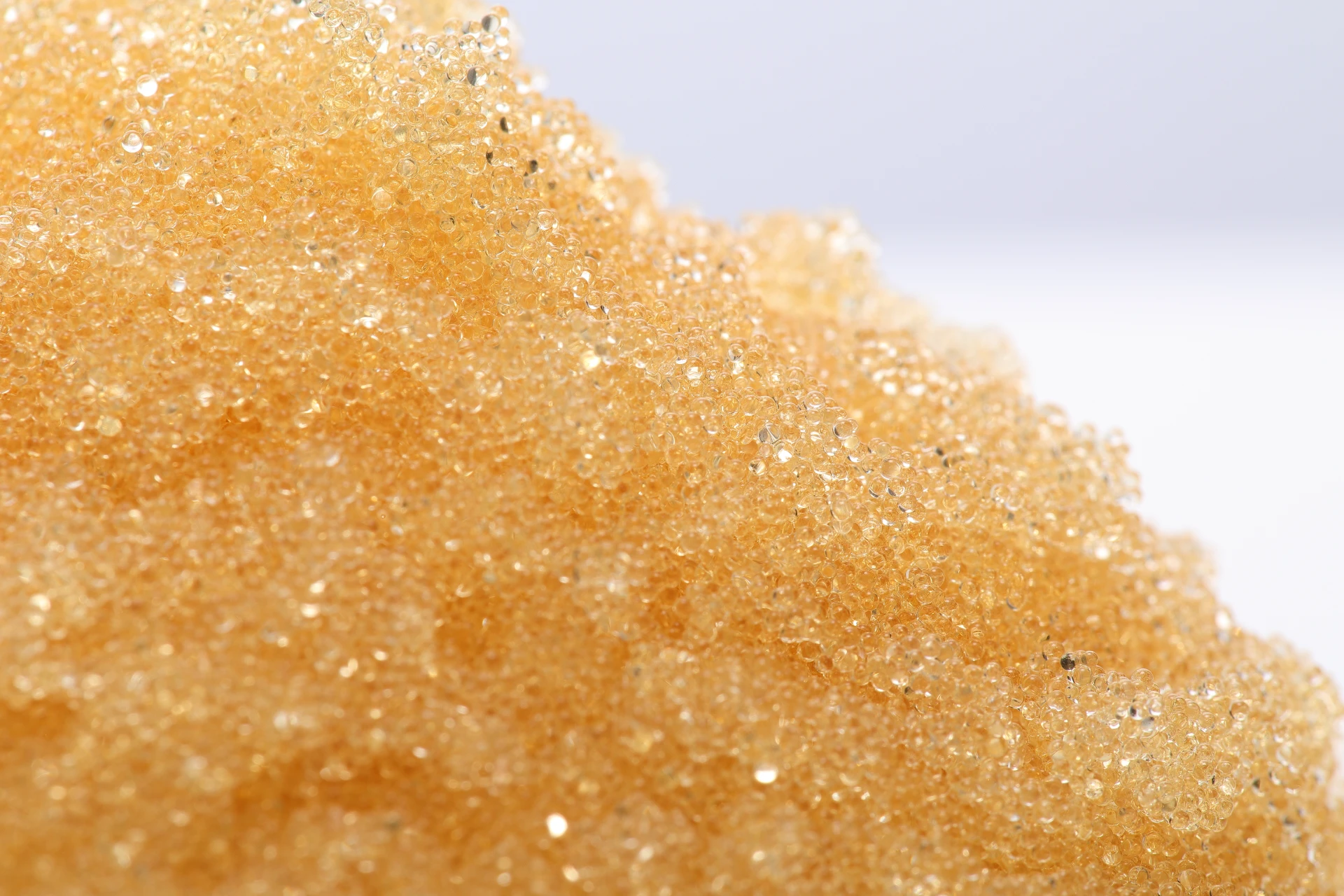
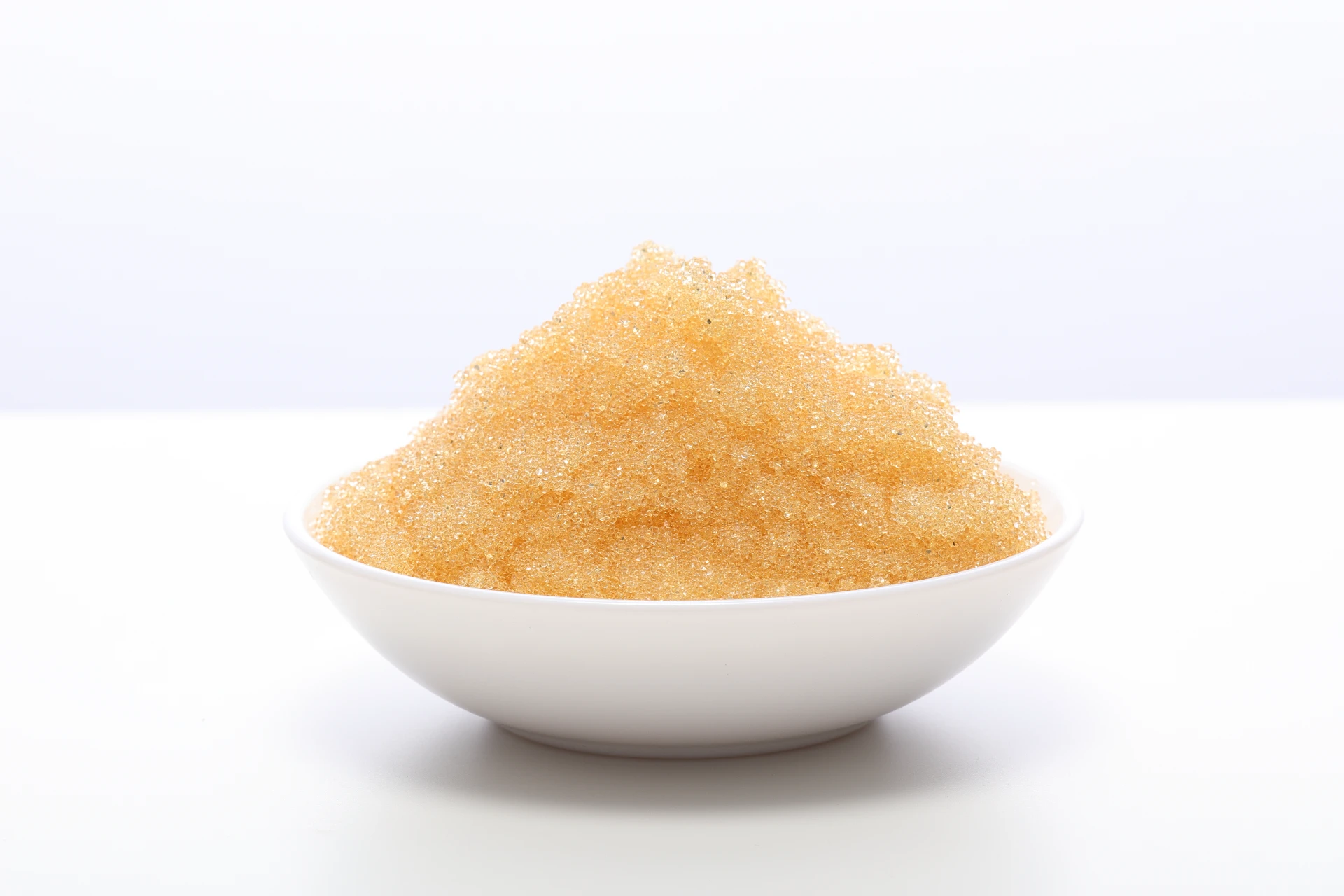
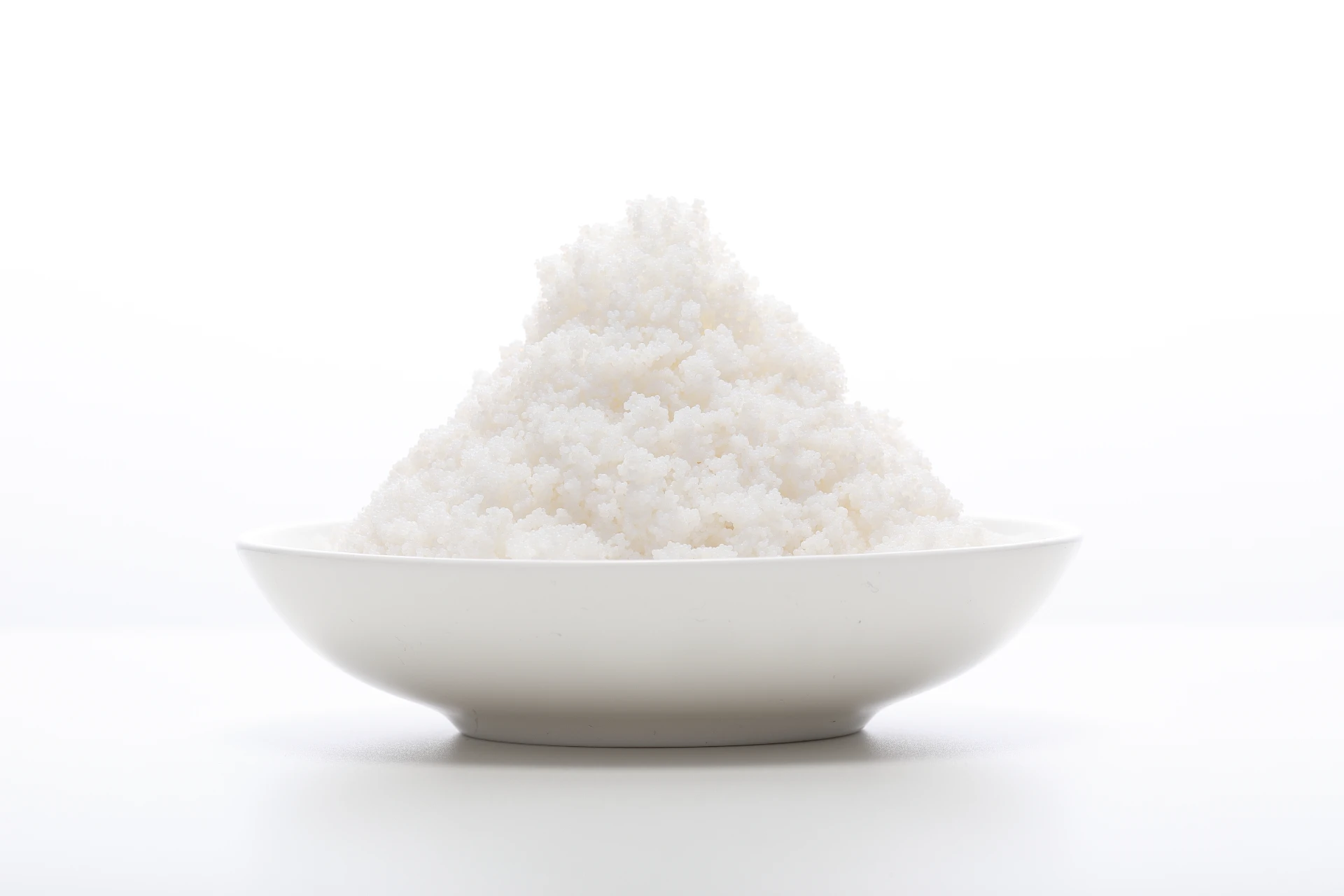
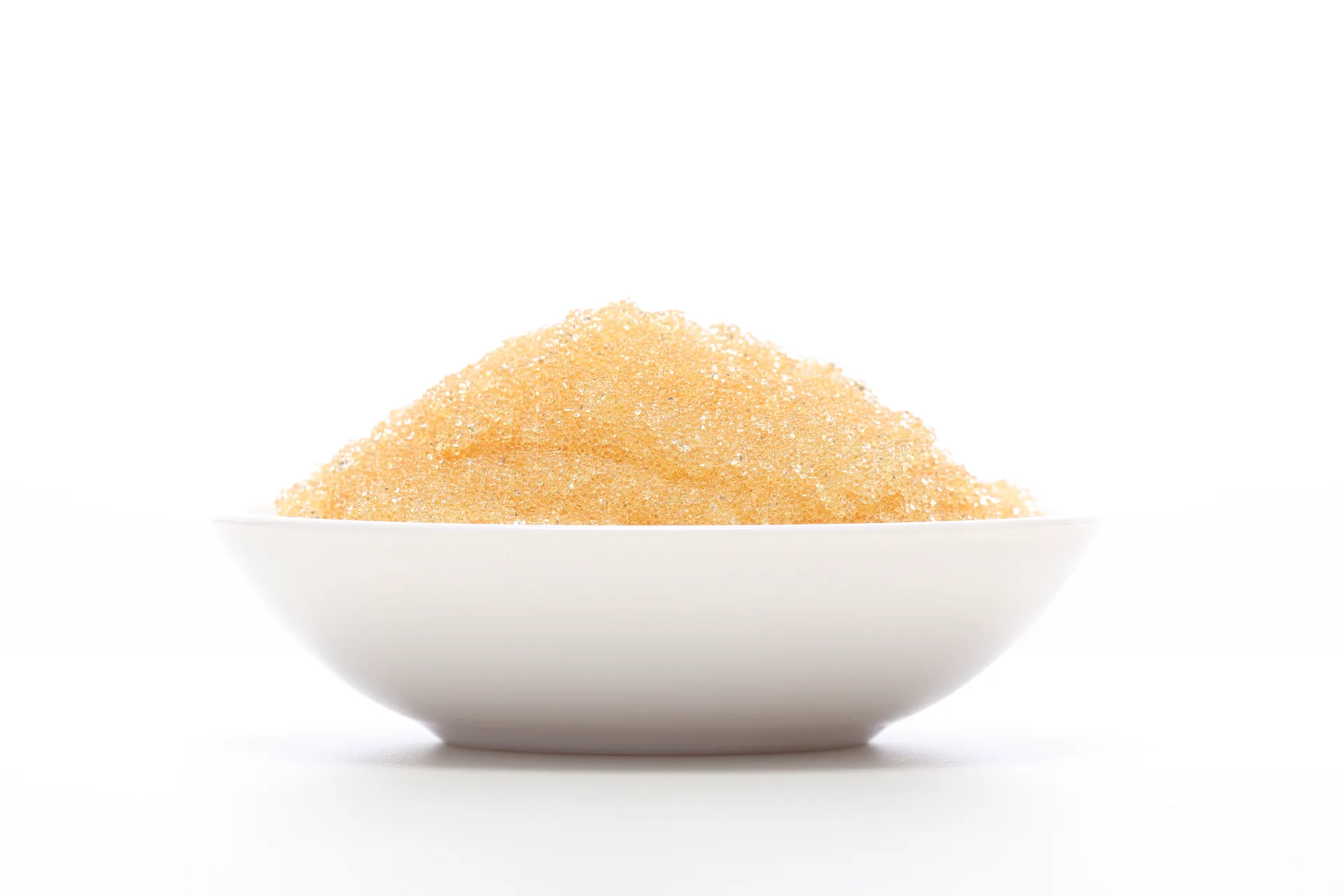
Oddly enough, ion exchange resins sometimes get overshadowed by flashier tech innovations, but when you're knee-deep in treating water for complex industrial setups, you realize how critical a product like the NRW37 truly is. It’s designed primarily as a high-capacity, weak acid cation exchange resin, often deployed to selectively remove hardness ions such as calcium and magnesium from water streams.
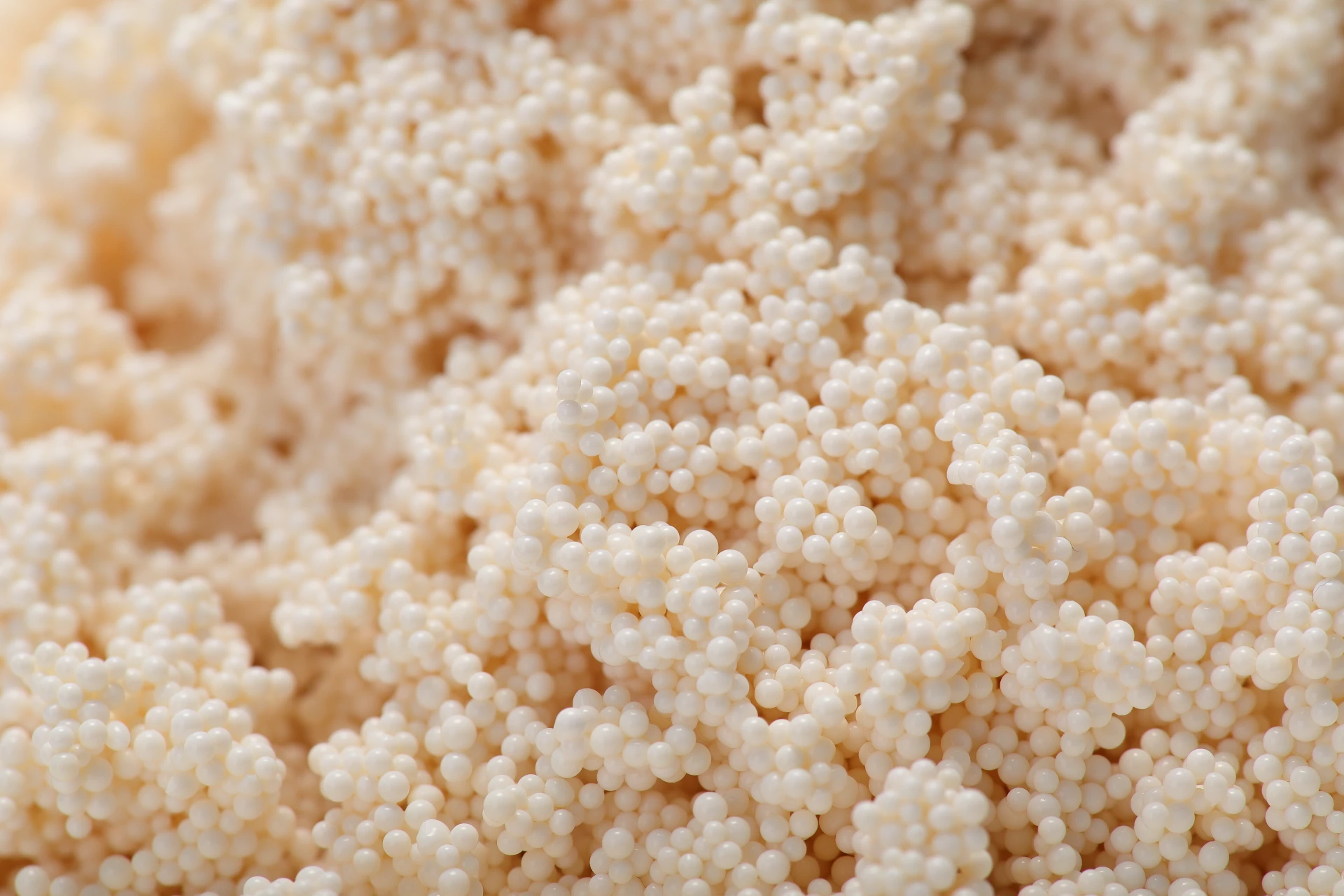
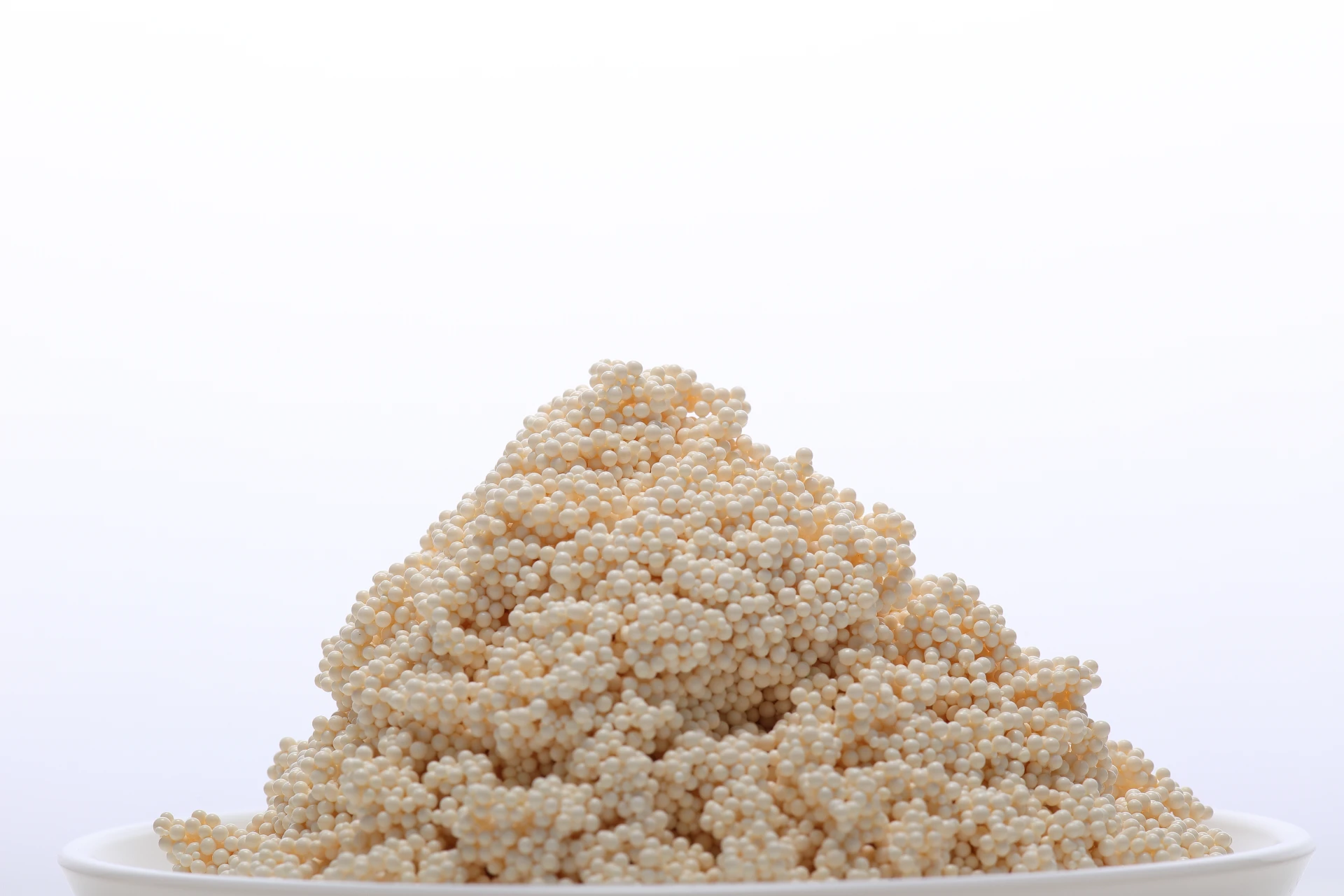
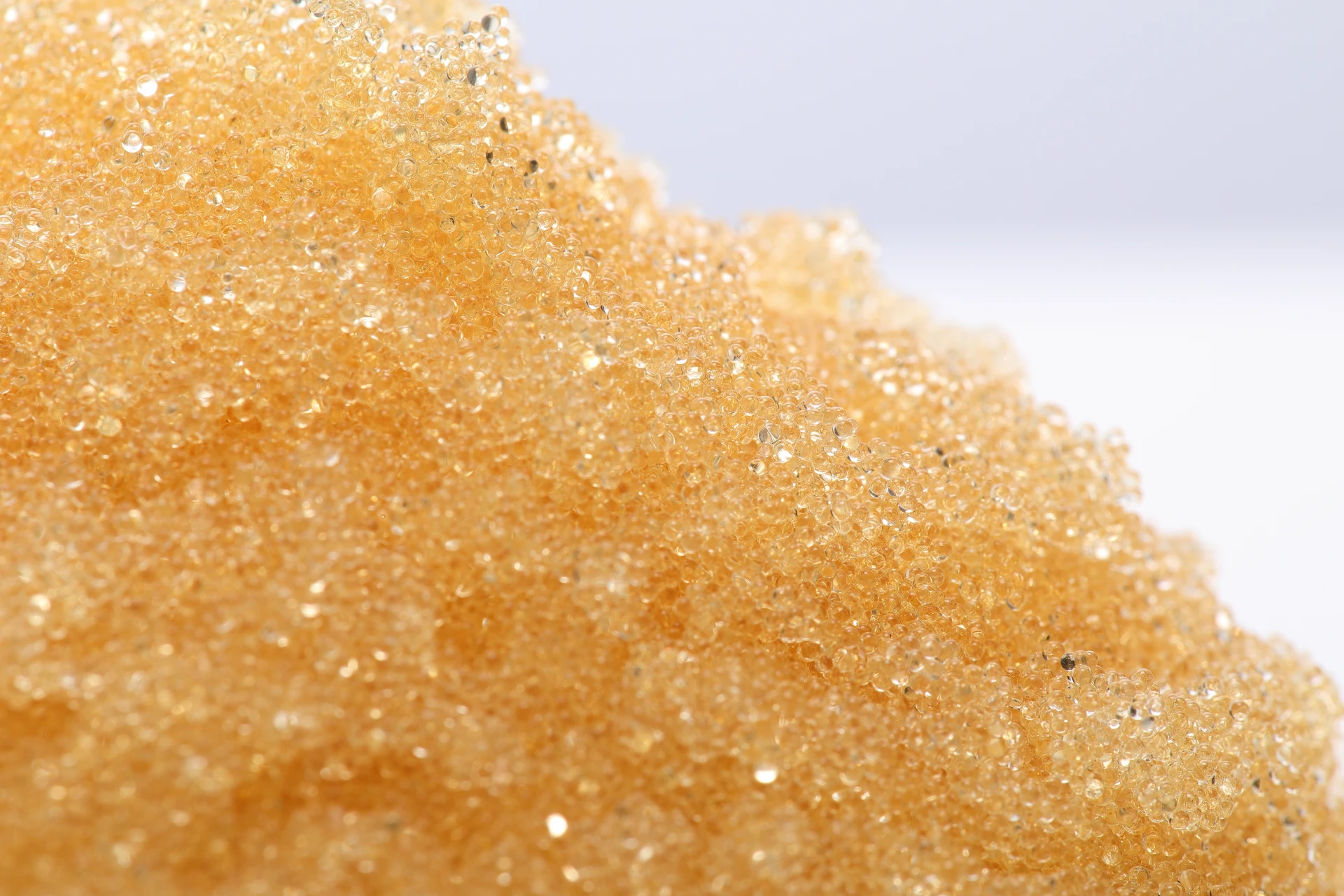
From a material science perspective, what struck me first was its gel-type, polystyrene matrix. It’s quite robust — meaning it holds up well under tough regeneration cycles typical in industrial processes. I recall one particular plant where scaling was a relentless headache, and switching to a resin with the specs akin to NRW37 made a noticeable difference in uptime. No miracle cure, but incremental improvements that really count.
| Specification | Purolite NRW37 |
|---|---|
| Type | Weak Acid Cation Exchange Resin |
| Matrix | Gel-type Polystyrene |
| Ionic form | Sodium (Na⁺) form |
| Particle size | 500 – 700 μm |
| Moisture content | 45 – 50% |
| Density (dry) | 1.09 – 1.13 g/mL |
| Operating pH range | 4 – 10 |
What I really appreciate about NRW37, beyond the specs, is how consistent the resin’s performance is under varying water chemistries. It's not just about removing hardness ions; it also seems to play nicely alongside other resins during mixed-bed setups, which many industrial operators swear by.
Many engineers I've chatted with highlight NRW37’s resilience to oxidative agents that usually degrade weaker resins. That’s critical in environments where chlorinated water runs through the system—those chlorine radicals can be ugly for ion exchange media.
| Feature / Brand | Purolite NRW37 | Competitor A | Competitor B |
|---|---|---|---|
| Particle Size Uniformity | High | Medium | Medium-High |
| Chlorine Resistance | Good | Fair | Poor |
| Operating pH Range | 4 – 10 | 3.5 – 9.5 | 4 – 9 |
| Regeneration Efficiency | High | Medium | Medium |
| Typical Applications | Water softening, boiler feed treatment | General water treatment | Industrial water softening |
Putting that together, Purolite’s position on NRW37 isn’t just marketing fluff. It’s a resin that performs consistently and resists common chemical stressors better than many alternatives. Of course, there’s no one-size-fits-all in industrial water treatment, but for many of the setups I’ve encountered, this resin ticks the boxes you really can’t afford to ignore.
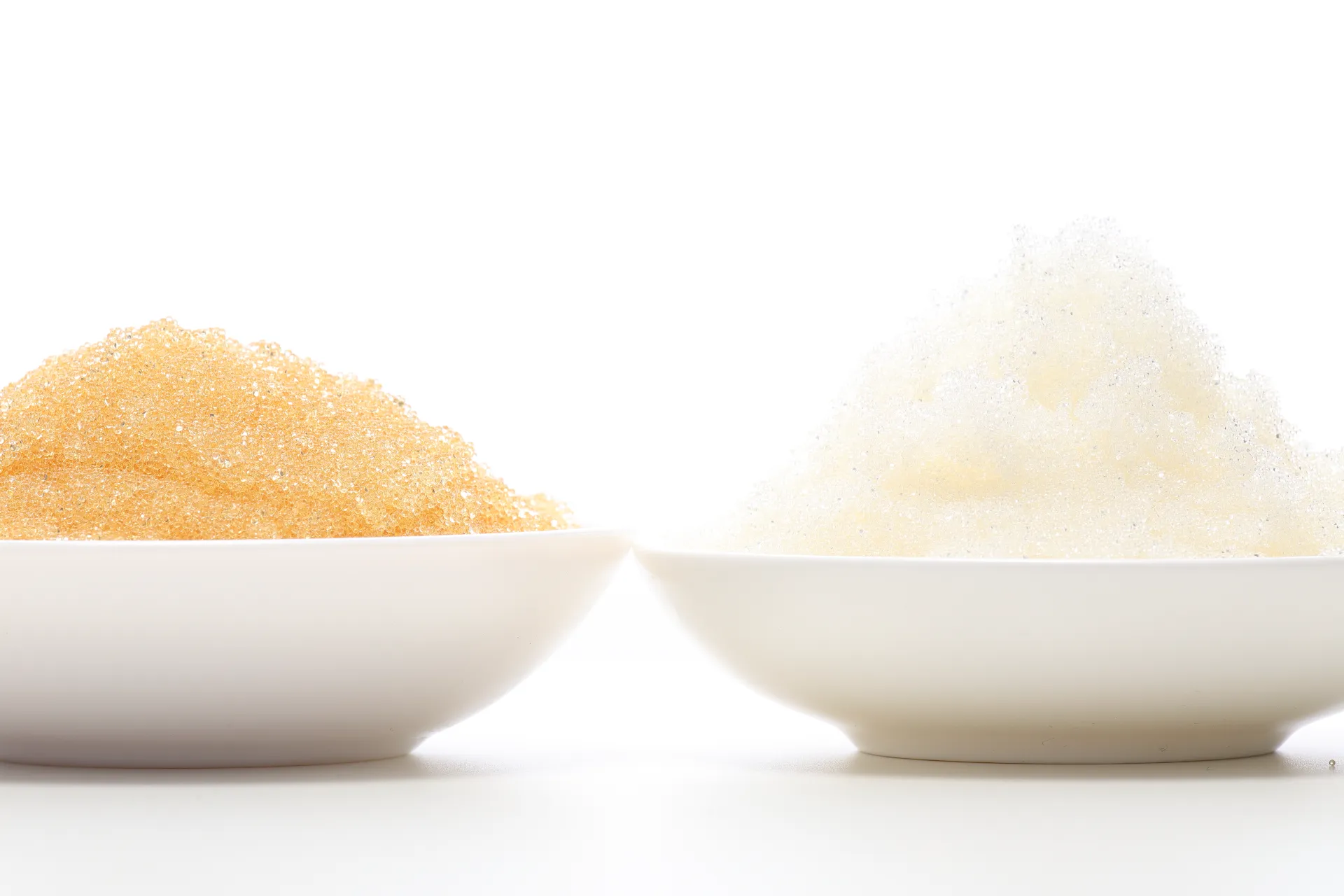
On customizing resin blends, I remember a colleague who combined NRW37 with a strong acid cation resin to create a custom treatment system for a power plant. The result? Reduced downtime from scaling and a cleaner boiler feedwater line—a practical win that felt quite validating.
All in all, if you’re looking for a trustworthy cation resin that balances efficiency, durability, and operational flexibility, it feels hard to go wrong with Purolite NRW37. Just keep in mind that optimum performance always depends on good engineering design and operational practices downstream of just choosing your resin.
So yeah, in this industry with all its nuances, Purolite NRW37 is kind of that dependable workhorse—quiet, efficient, and often underrated.
Reference notes: