Phone:
+86 0319 2296164


Email:
info@lijiresin.cn
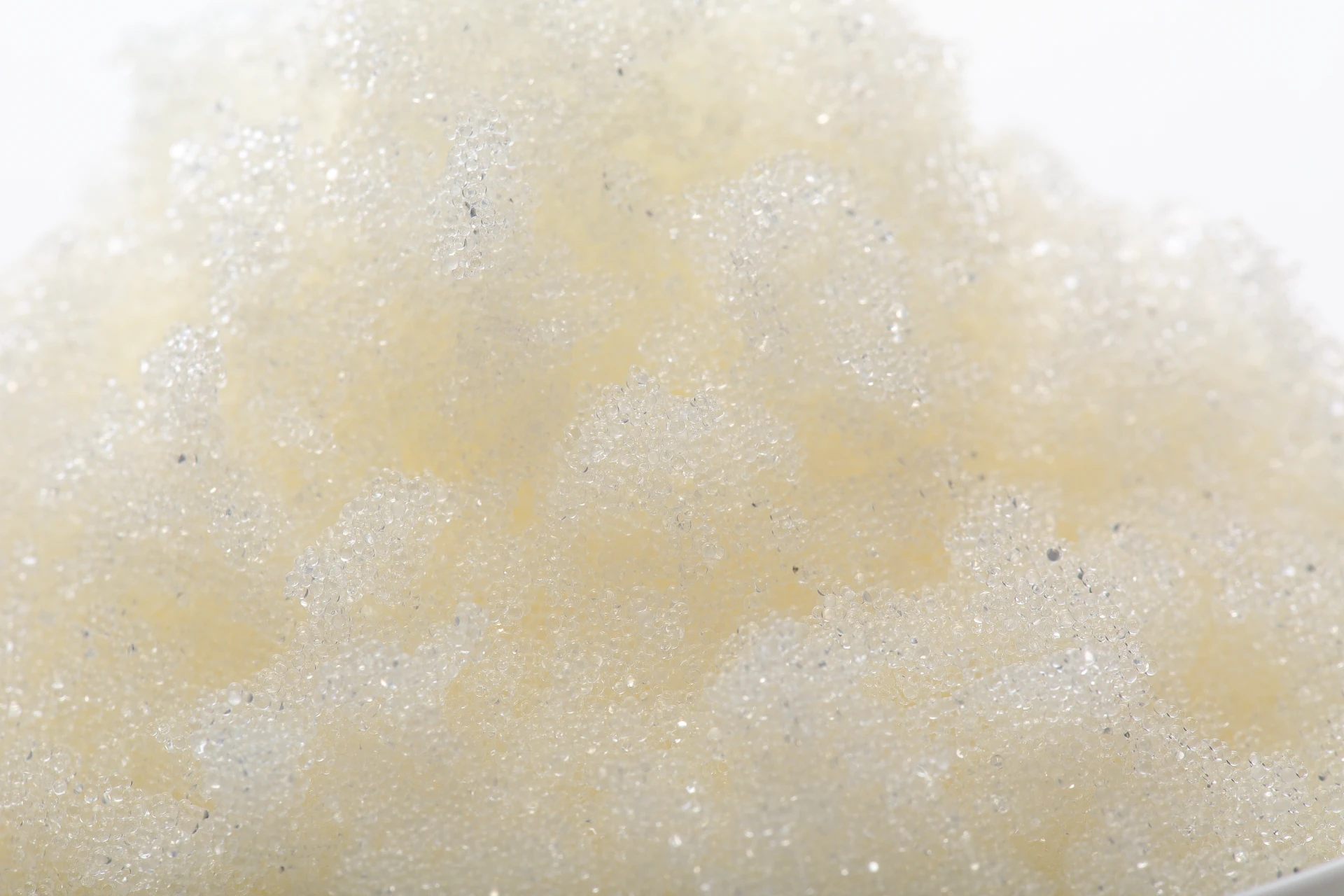
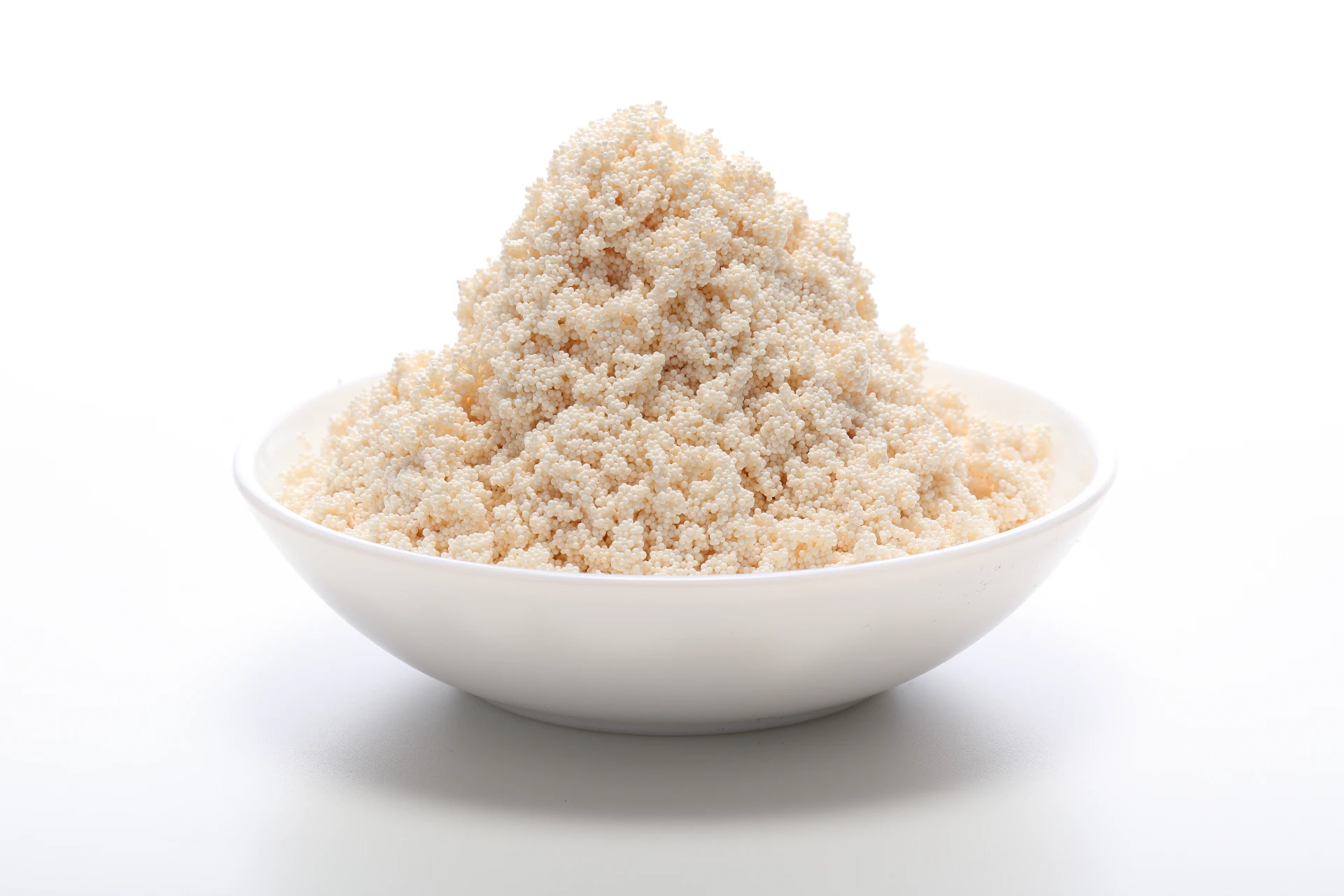
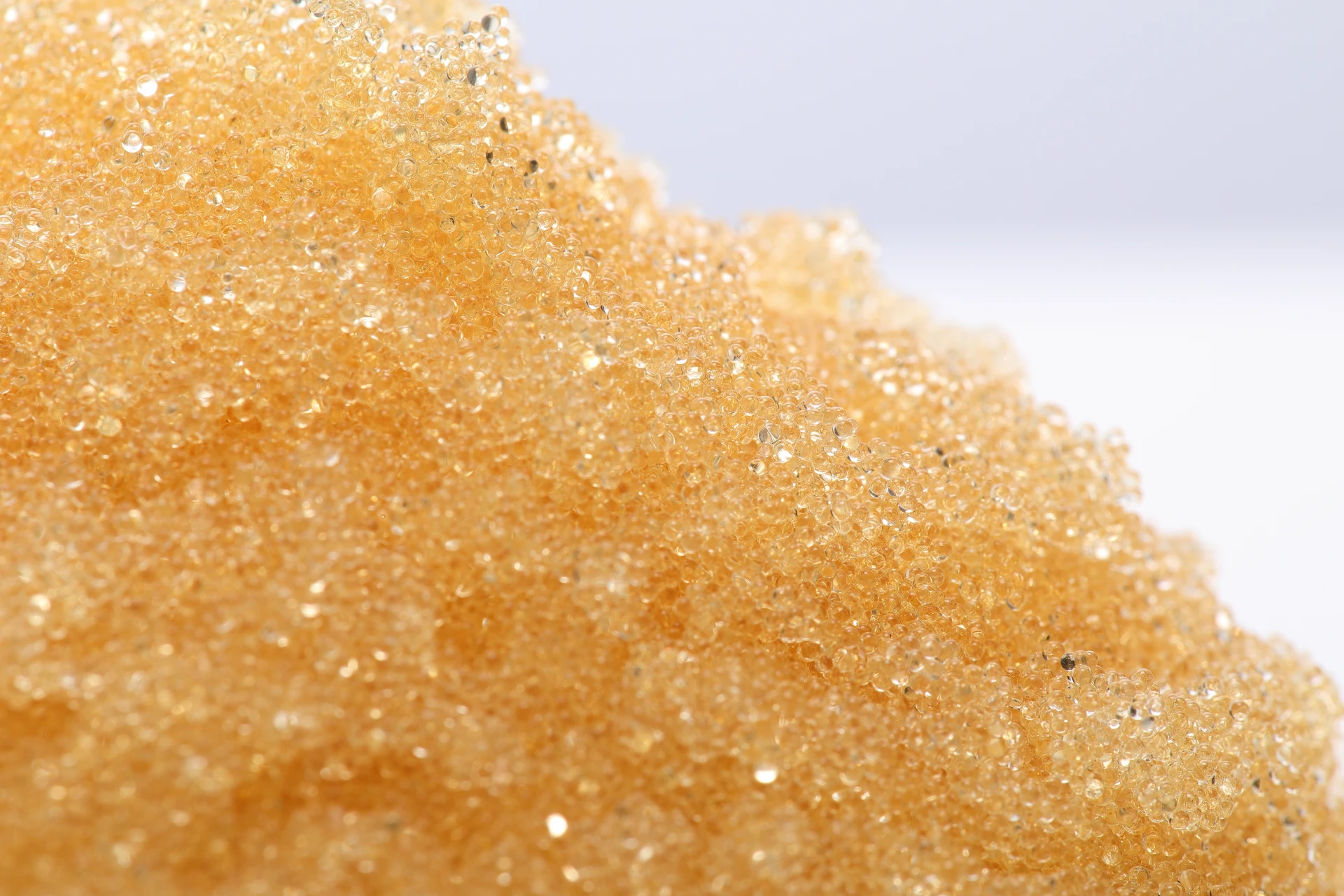
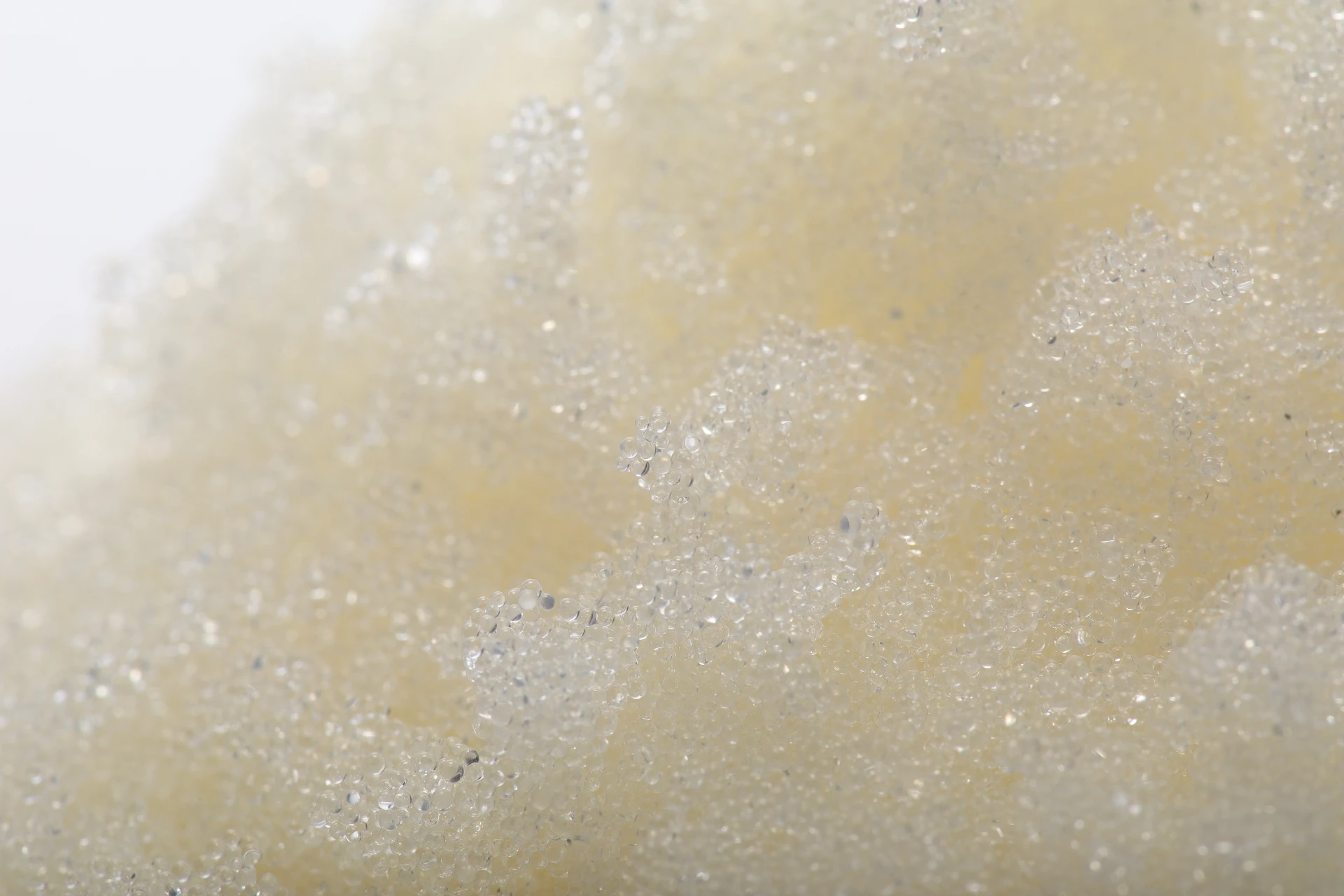
Having spent years navigating the hills and valleys of the industrial equipment sector, I’ve come across countless resin products—some hit the mark, others less so. The Purolite PFC100E always manages to stand out in my mind as a workhorse in ion exchange applications, especially when clients demand consistent chloride removal performance.
In real terms, this product’s reputation comes because it strikes a careful balance: it brings robust functionality without hitting your operations budget too hard. That balance is what I especially appreciate. It’s designed primarily as a strong-base anion exchange resin—effective, reliable, and produced by a manufacturer with decades of experience. Purolite has been a household name across water treatment industries, but oddly enough, not every field engineer fully appreciates the subtle benefits this particular grade delivers.
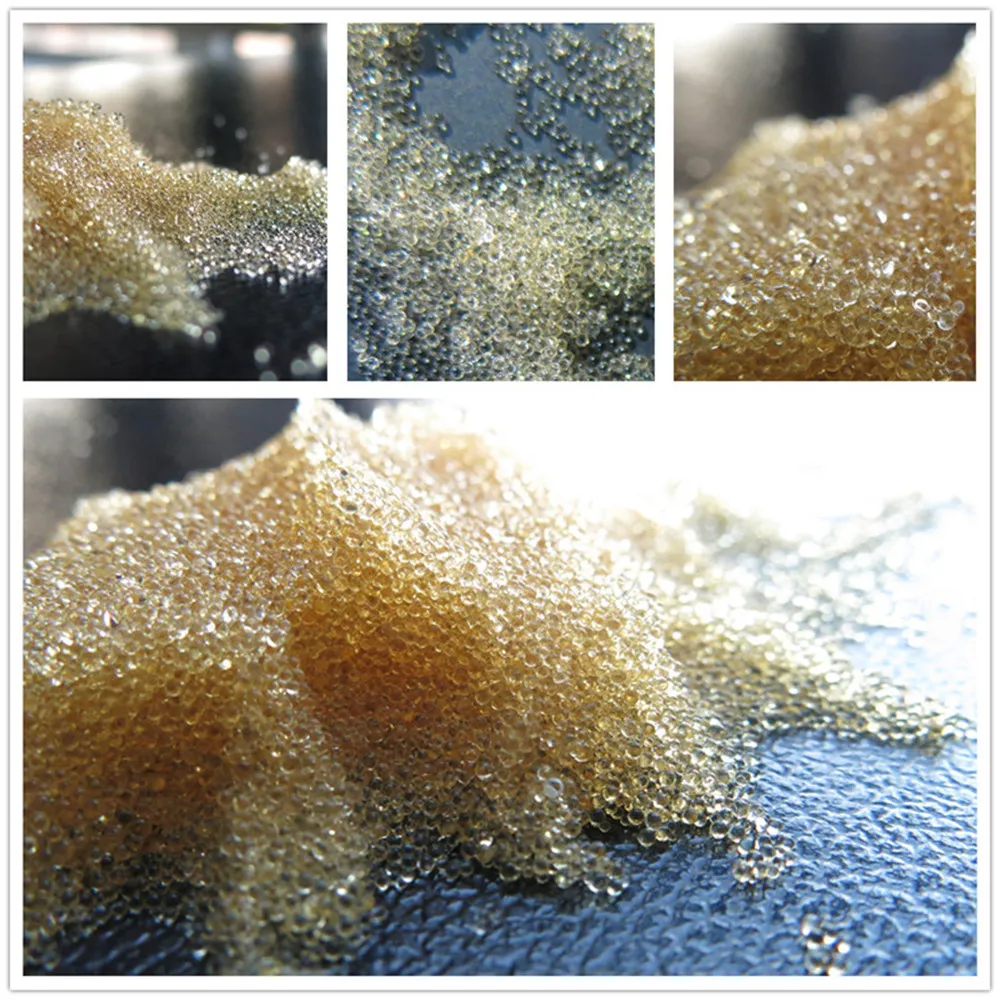
Picture this: you're troubleshooting a water system with fluctuating feedwater quality. Many engineers would default to generic resins, but the PFC100E's polystyrene matrix and gel bead morphology provide a level of uniformity that can simplify system economics and maintenance cycles. I’ve noticed in several plants where this resin replaced an older, less selective variety, downtime dropped—and that’s a story any plant manager likes to hear.
| Property | Specification |
|---|---|
| Type | Strong base anion exchanger (Type I) |
| Matrix | Polystyrene gel |
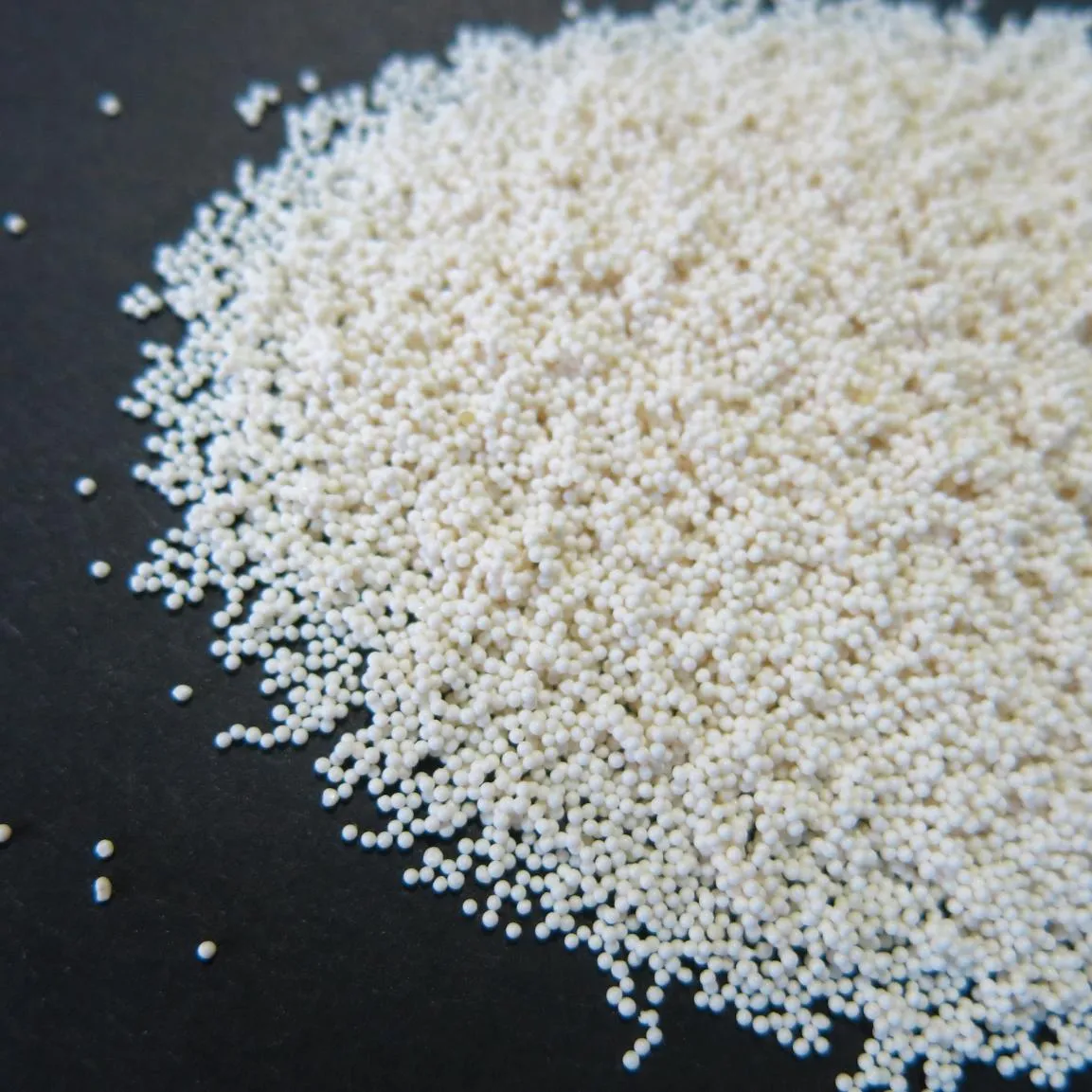
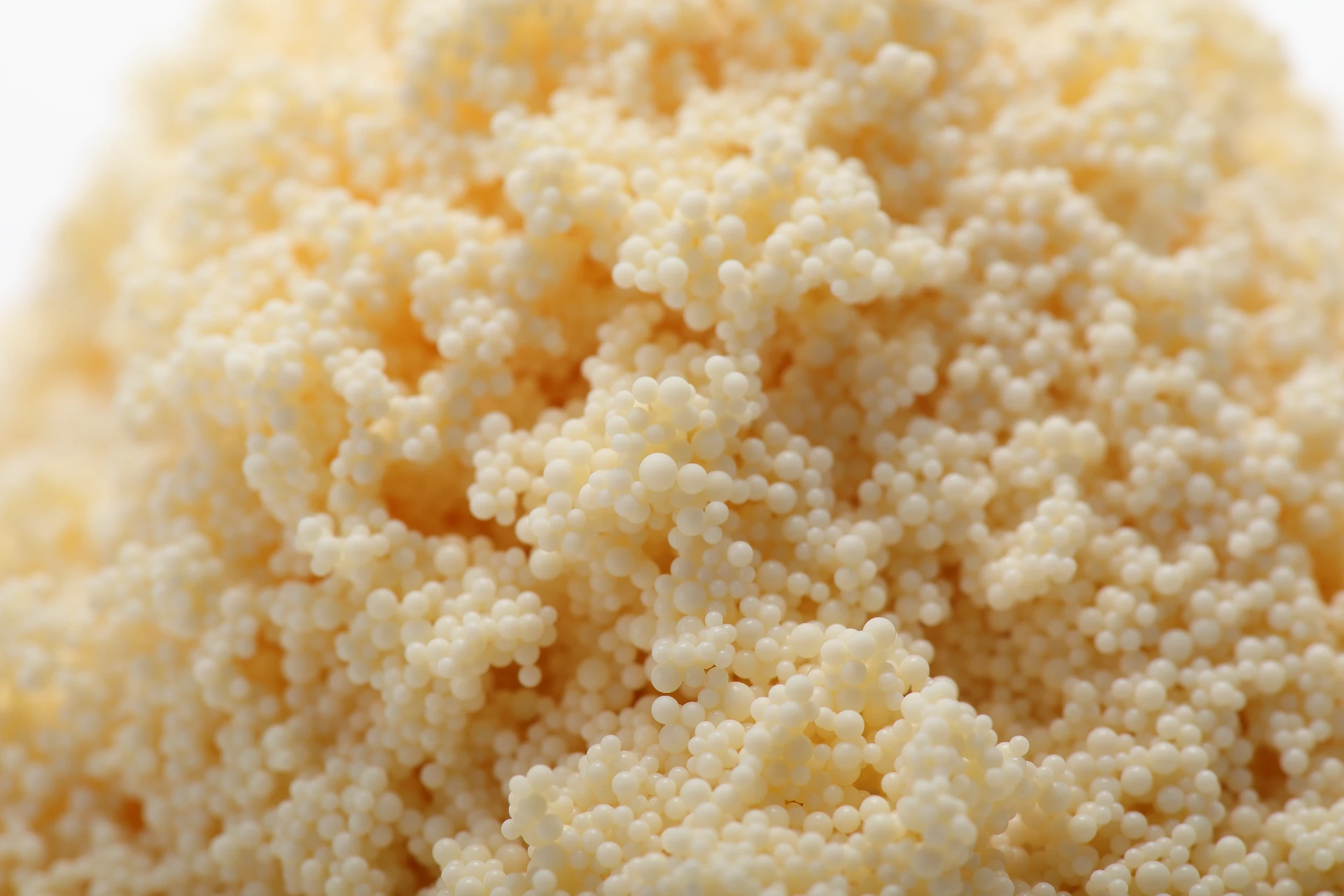
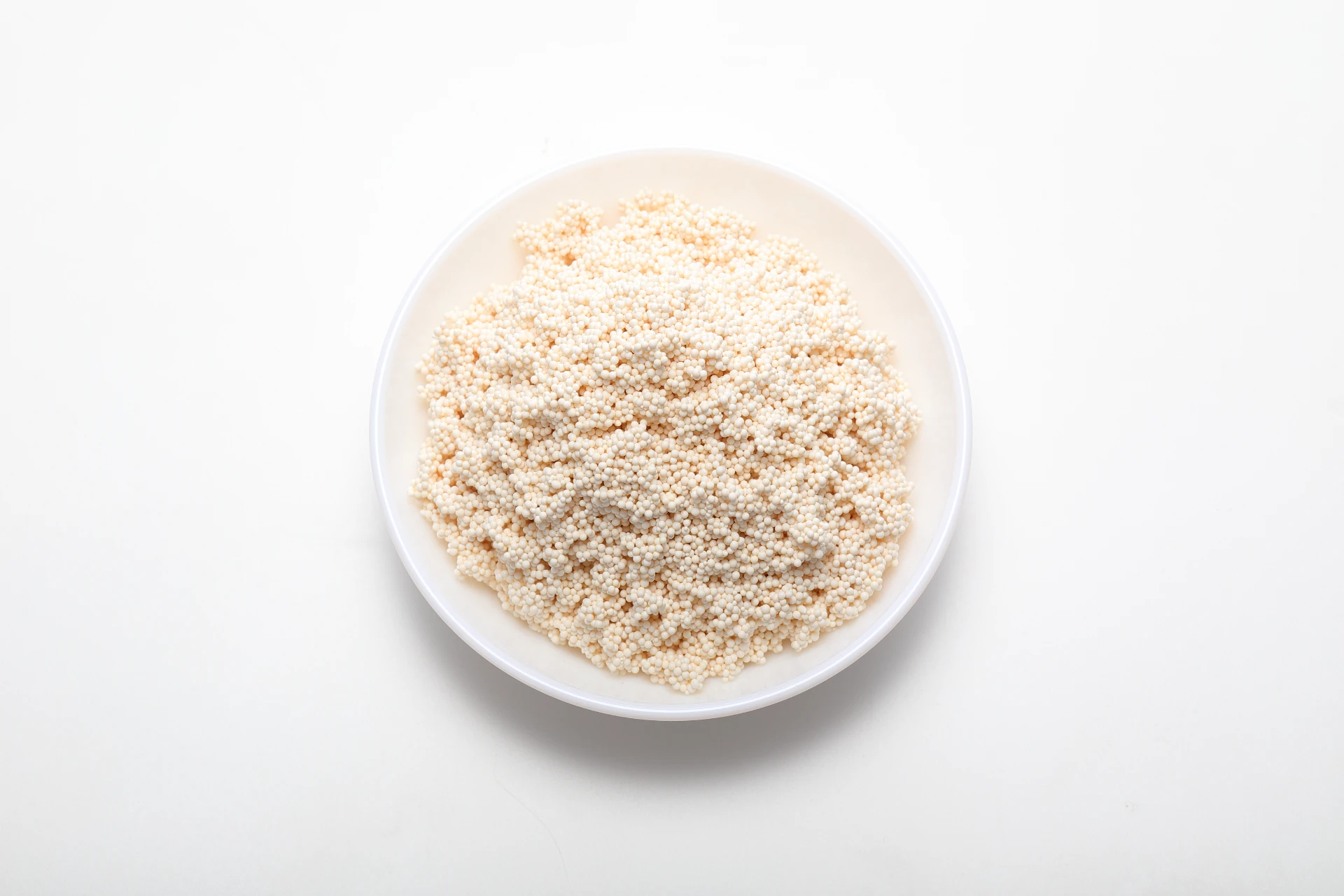
| Physical form | Spherical beads, 0.5–0.7 mm |
| Moisture content | 52–58% (as shipped) |
| Ionic form | Cl⁻ (Chloride) |
| Operating temperature | Up to 100°C (intermittent) |
| Exchange capacity | Approx. 1.0 eq/L (dry) |
When you dig into the specs, the PFC100E is a versatile resin that plays well across different systems, notably those needing chloride form exchange. Its physical durability means less bead breakage and fouling, and that’s a huge plus in my book, especially given the hidden costs of resin degradation.
One subtle but juicy point I’ve heard from water treatment specialists: the Purolite PFC100E often outperforms competitors when dealing with variable feedwater conductivity. The consistency of its ion exchange capacity can translate to less frequent resin replacement and smoother process control. That matters a lot when you’re managing a marathon plant day-to-day.
| Feature | Purolite PFC100E | Competitor A (Generic Resin) | Competitor B (Premium Resin) |
|---|---|---|---|
| Exchange Capacity (eq/L dry) | ~1.0 | ~0.85 | ~1.05 |
| Durability (Bead Stability) | High | Medium | High |
| Moisture Content | 52–58% | 50–55% | 55–60% |
| Price Range | Mid | Low | High |
| Manufacturer Support | Strong | Limited | Strong |
Looking at this table, it feels clear that the Purolite PFC100E hits a “sweet spot” of solid performance and good manufacturer backing. For many industrial water systems that need reliable chloride form resin, it’s a choice that often comes recommended by consultants and plant engineers alike.
Customization is another angle I want to touch on briefly. While you can mostly purchase the PFC100E as-is, many operations tweak regeneration parameters or pair it with complementary resins to fit specific project needs—think hybrid ion exchange systems or specific wastewater effluent polishing. That flexibility, frankly, gives it staying power in a busy market.
I remember a mid-size chemical plant client who had long struggled with their former resin’s inconsistent chloride removal, leading to periodic spikes in unwanted ions downstream. Switching to Purolite’s PFC100E not only smoothed out their water quality, but surprisingly reduced the frequency of resin bed replacements. The savings and smoother operations sold themselves.
If you’re looking to discuss specific project requirements or need expert advice, Purolite’s technical support is quite hands-on, which sometimes makes all the difference in fine-tuning resin performance.
All said and done, it feels like the Purolite PFC100E is a steady, known quantity in a market full of shiny newcomers. It’s worth considering for your next ion exchange resin order if chloride removal is top of your list.
For more information or to get your own hands on the Purolite PFC100E, check out trusted suppliers who specialize in industrial-grade resins — quality and support really matter here.
References: