Phone:
+86 0319 2296164


Email:
info@lijiresin.cn
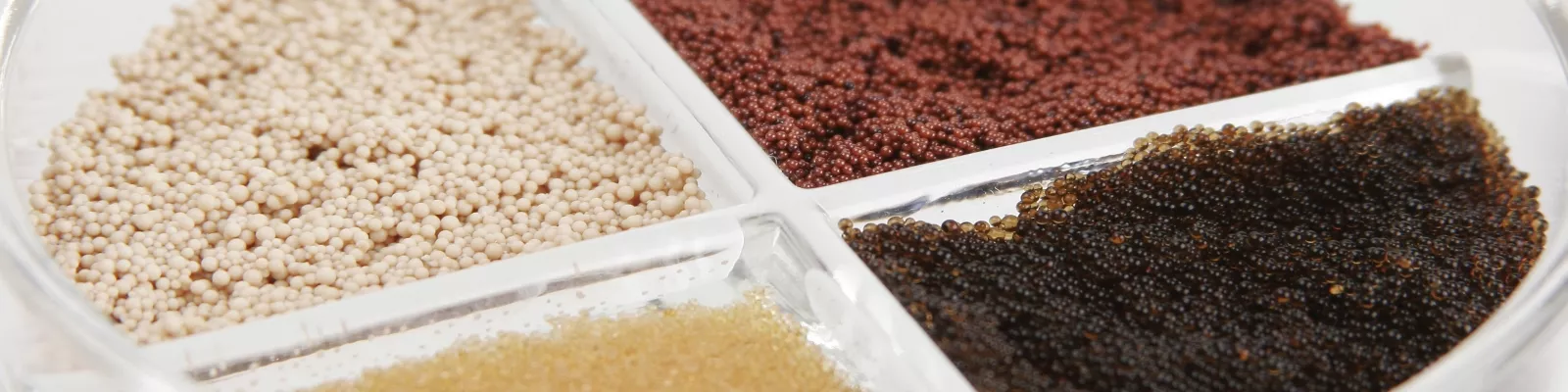
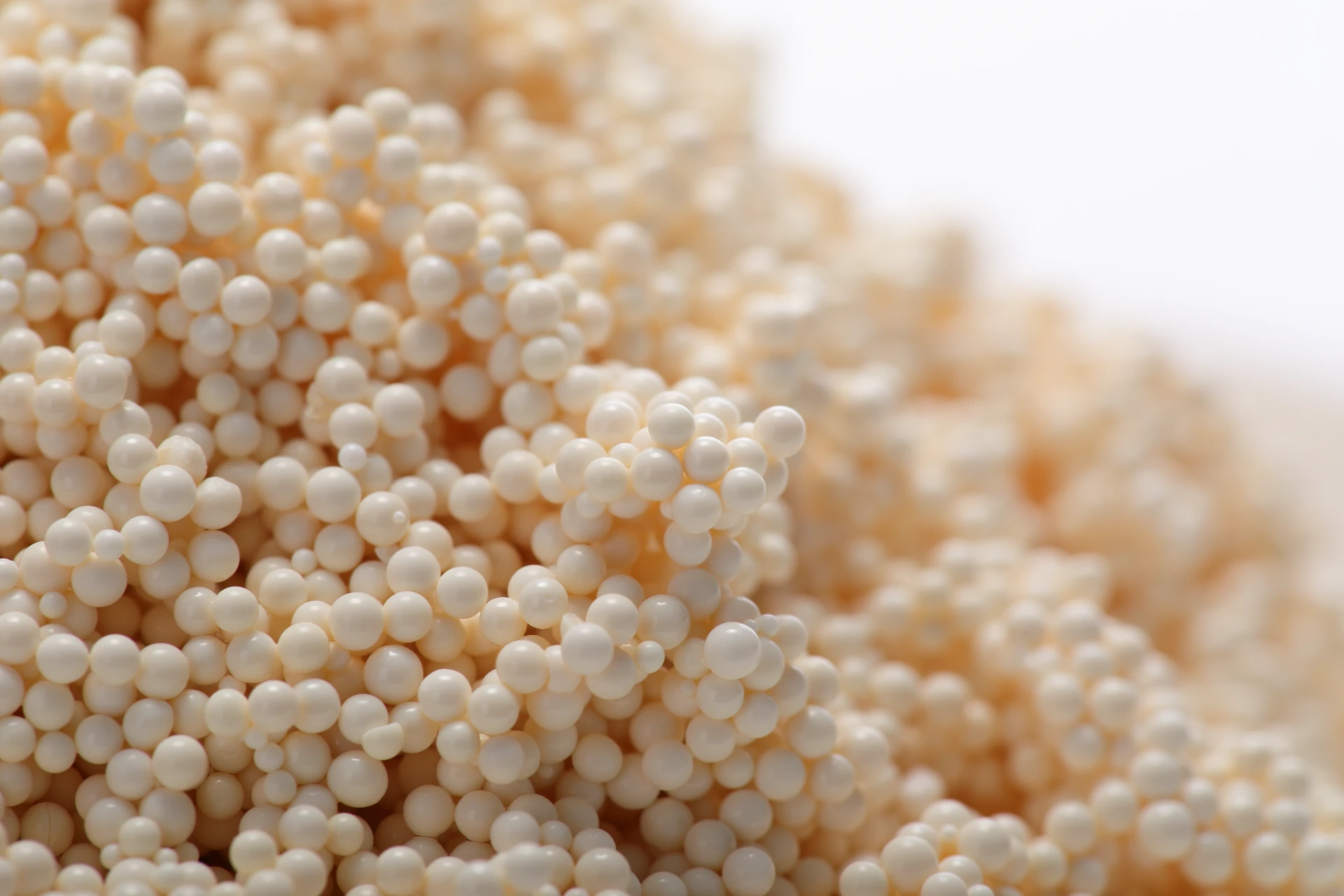
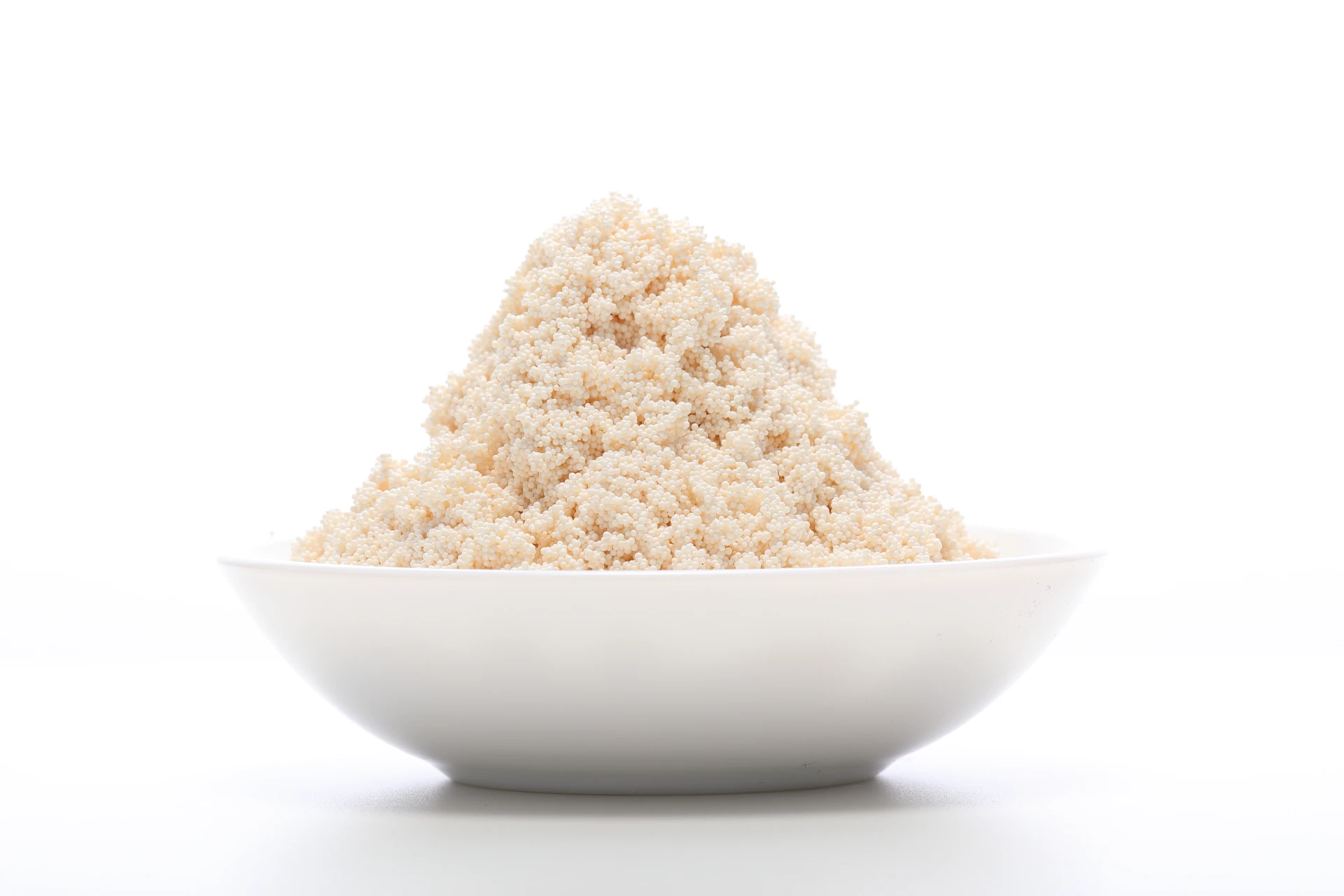
Having navigated the industrial equipment sector for a good stretch now, I can say materials like the Purolite PPC100H resin have truly reshaped water treatment conversations. This isn’t just another resin; it’s crafted specifically for high-performance demineralization, and frankly, it’s one of those products you tend to come back to once you’ve had a decent hands-on experience.
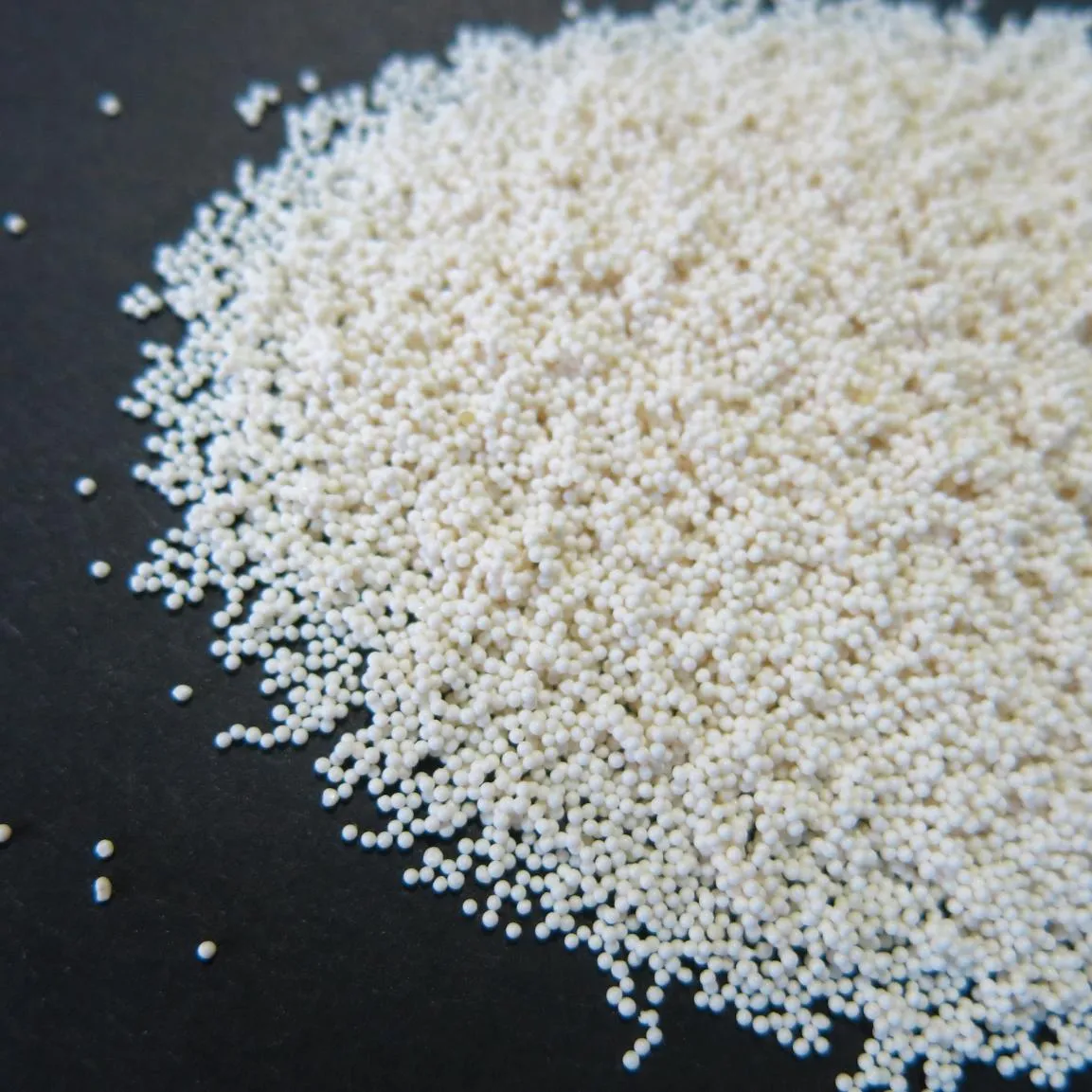
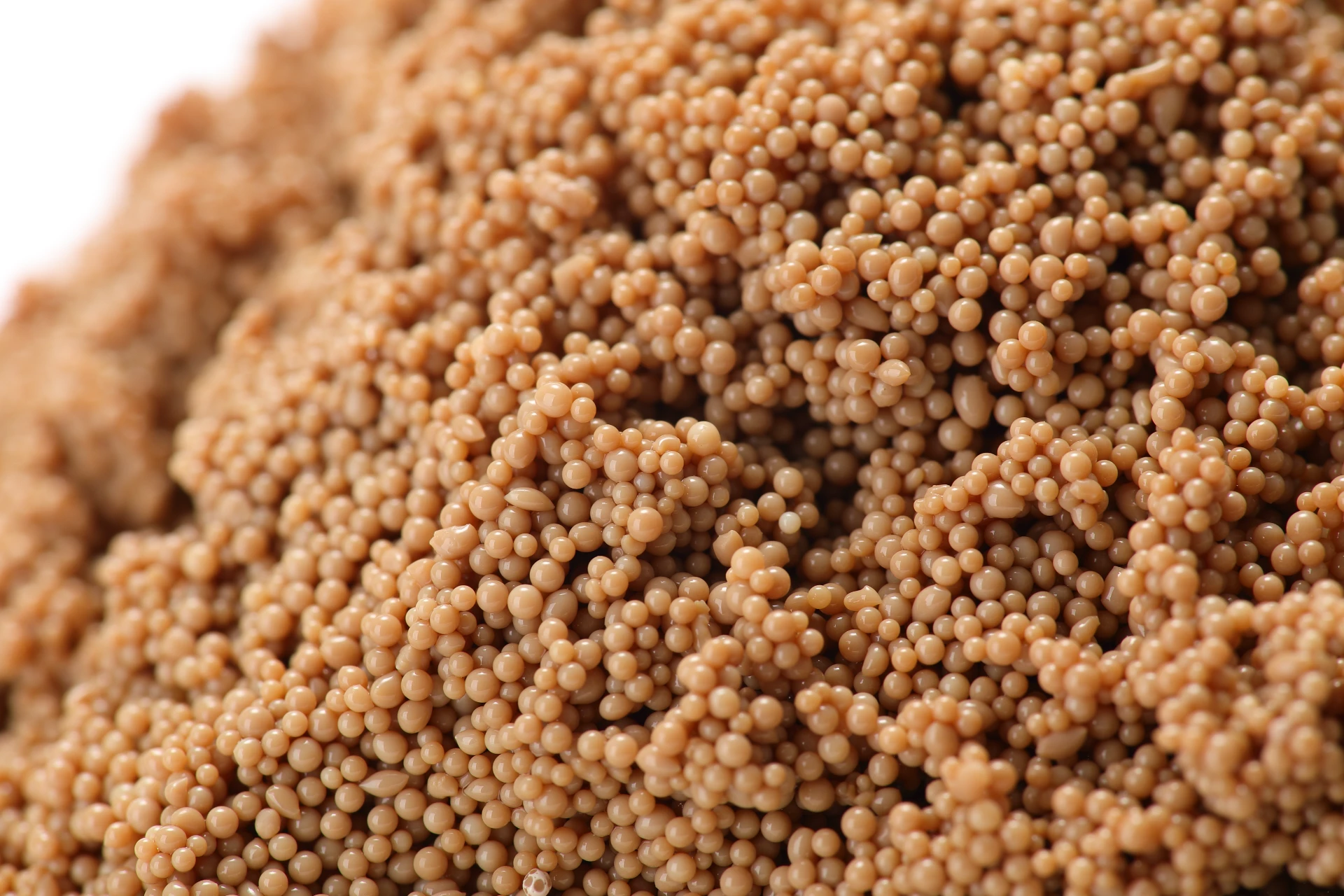
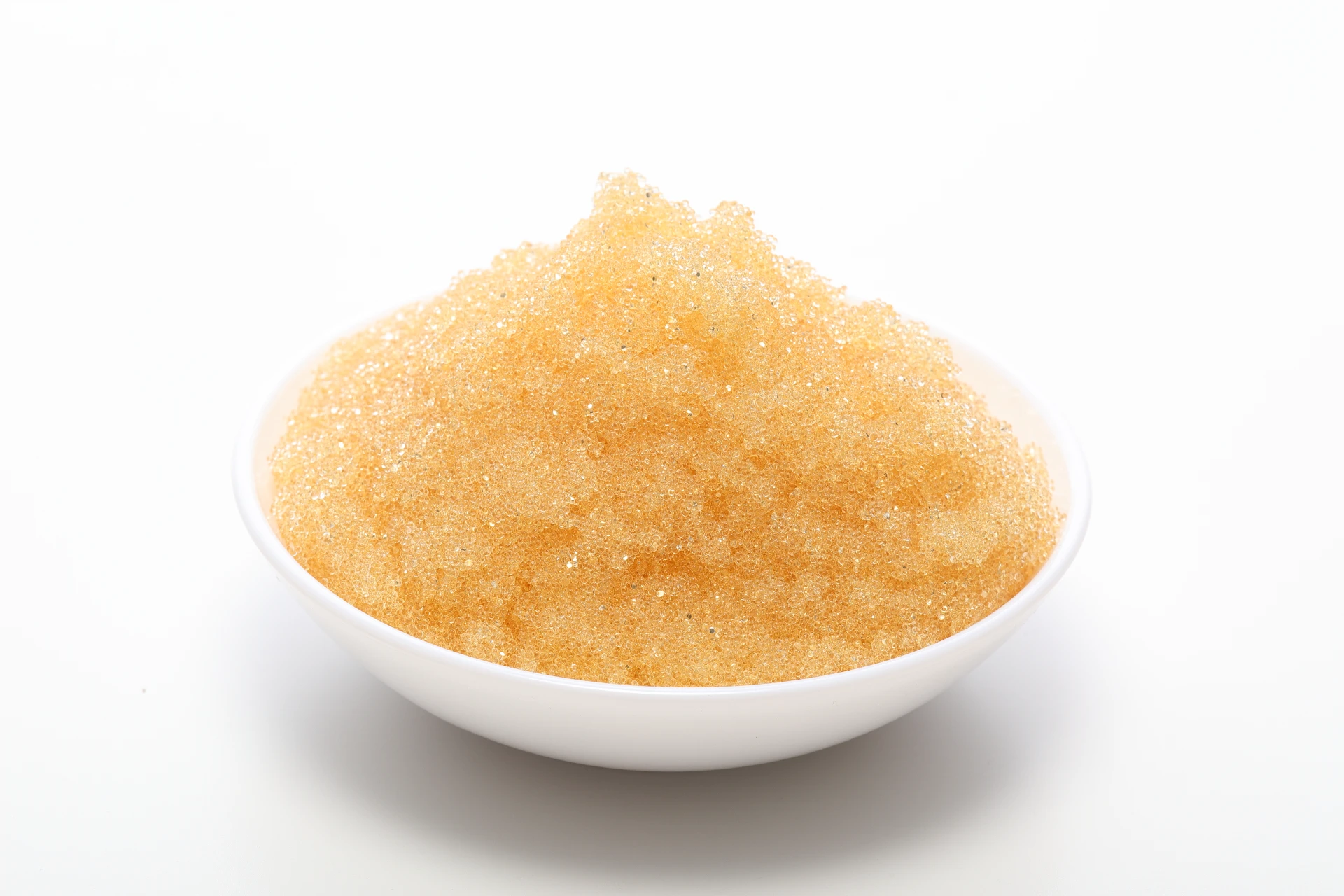
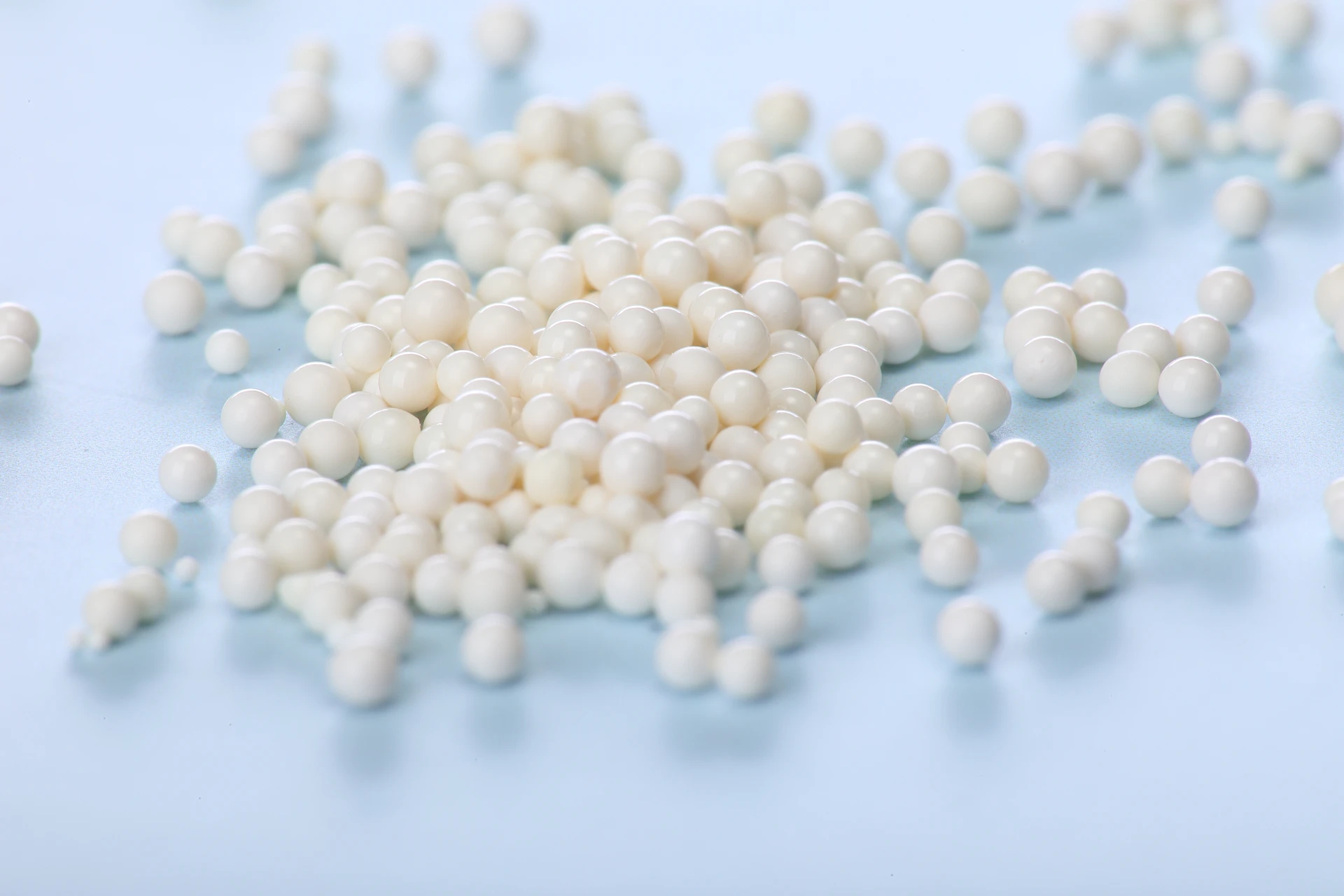
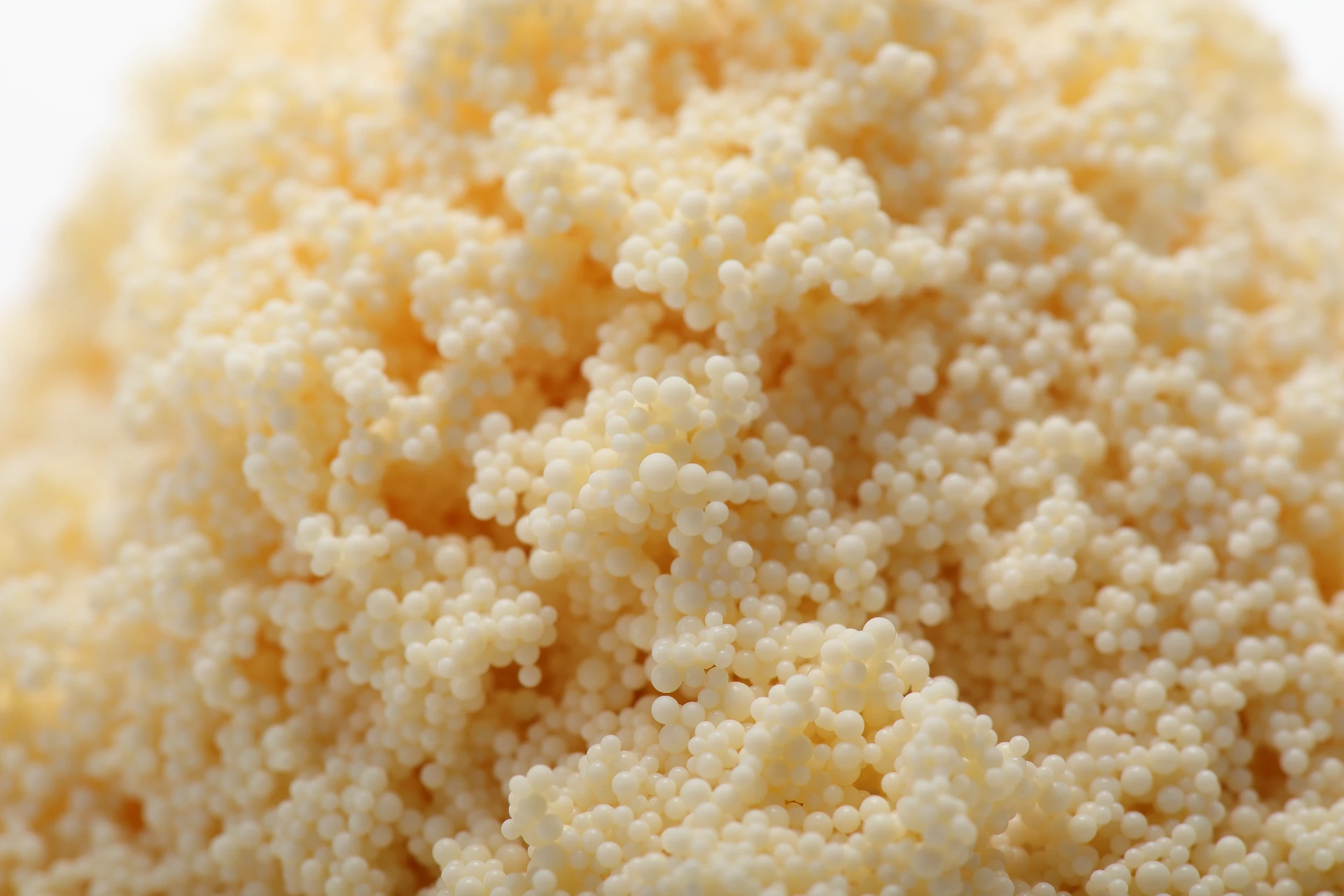
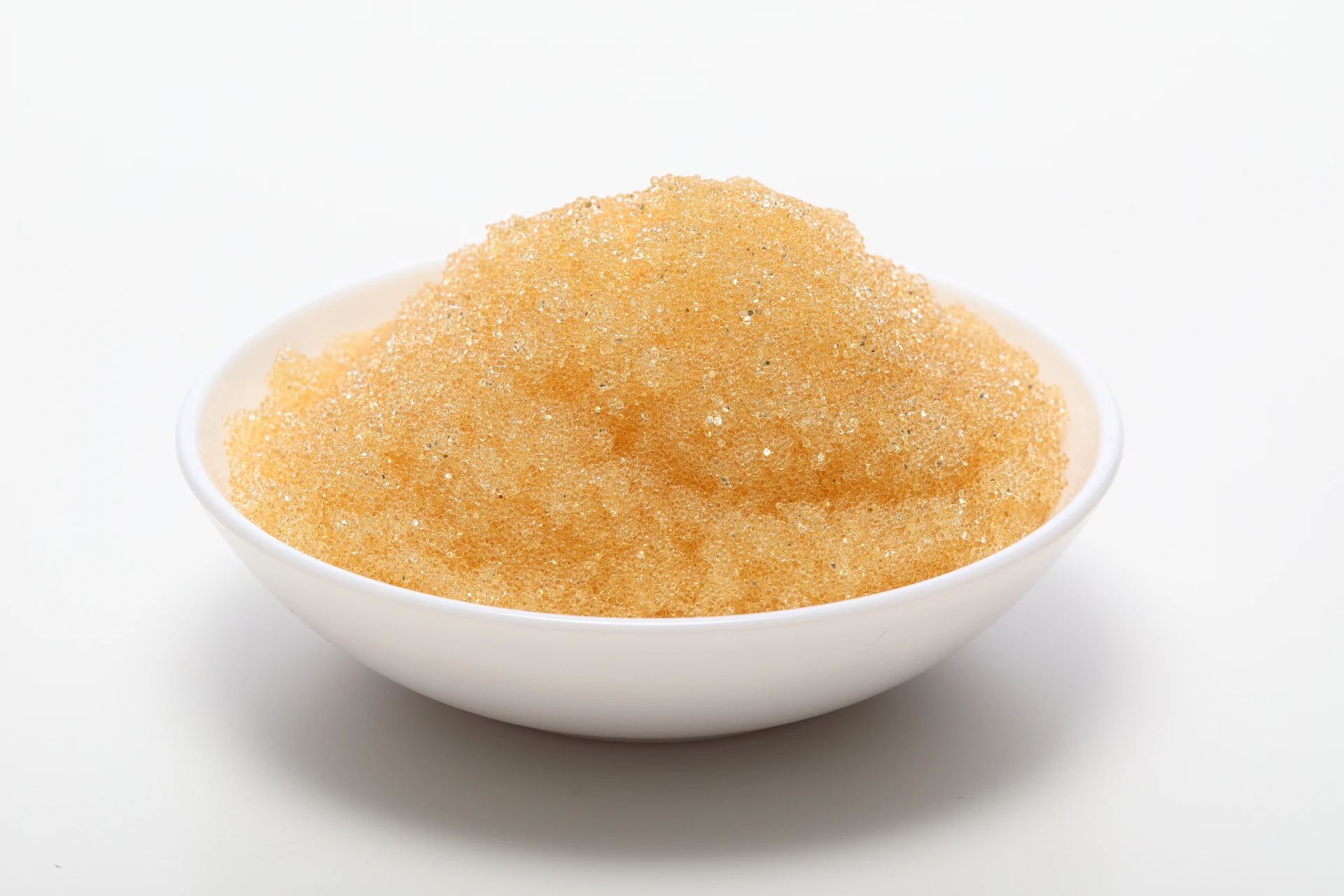
Oddly enough, the PPC100H represents a blend of robust engineering and material science. In real terms, it’s a strong acid cation resin, specifically designed with a uniform bead size for optimized flow rates and regeneration efficiency. When I first worked with it on a project involving steam boiler water demineralization, what stood out was its resilience under high-velocity conditions and surprisingly consistent capacity. This wasn’t some off-the-shelf generic item but something meant to withstand the real grind.
What many engineers — myself included — find fascinating is its polystyrene matrix crosslinked at 8%, providing mechanical strength while maintaining excellent exchange capacity. This kind of balance isn't always easy to achieve without sacrificing one for the other. You can tell Purolite invested in the testing phase; the resin stays stable even when dealing with fluctuating pH levels and temperature variations common in industrial setups.
| Specification | Detail |
|---|---|
| Type | Strong Acid Cation Resin |
| Matrix | Polystyrene, 8% Crosslinked |
| Bead Size | 0.45 - 0.65 mm |
| Moisture Content | 46 - 52% |
| Total Capacity | 1.90 eq/L (min) |
From a usage perspective, this resin easily fits into various ion exchange systems used in power plants, chemical manufacturing, and pharmaceutical applications. It delivers a smooth, efficient cation exchange, which, I suppose, is why it's often recommended in multi-stage demineralization trains. In one project, our plant managed to reduce chemical consumption during regeneration significantly by switching to PPC100H. It did require some careful calibration at first — resin beds love proper backwashing — but the payoff was absolutely worth the effort.
Let me share a quick story. Years ago, a mid-sized plant had ongoing issues with inconsistent water quality that was affecting boiler operation. After consulting data sheets and speaking with Purolite reps (the folks at liJiResin helped coordinate supply and technical support), they integrated PPC100H into their system. Within weeks, water quality stabilized. Operators noted not only better conductivity readings but less downtime for resin bed replacement. It’s these kinds of results—bottom-line improvements—that make PPC100H stick in the memory.
| Feature | Purolite PPC100H | Competitor A | Competitor B |
|---|---|---|---|
| Matrix Crosslink | 8% | 6% | 7% |
| Moisture Content | 46-52% | 50-55% | 48-53% |
| Capacity (eq/L) | ≥1.90 | ≥1.75 | ≥1.80 |
| Bead Uniformity | High (0.45-0.65 mm) | Medium (0.40-0.70 mm) | Medium (0.43-0.68 mm) |
| Recommended Applications | Steam Boilers, Pharma, Power | General Purpose | Power & Chemical |
Customization is also worth mentioning – Purolite’s technical team can tweak PPC100H formulations depending on project needs, which is crucial when you need a specific balance of flow rate and capacity. Having that vendor flexibility means you don’t get stuck with a one-size-fits-all solution, which frankly might save a lot of money and time.
If you wander into forums or industrial groups, you’ll see that opinions around ion exchange resins vary, but PPC100H often gets thumbs up for reliability and consistent performance. Water treatment is tricky – resins can degrade, clog, or just underperform—yet this one feels like a steady workhorse. Of course, every plant’s water chemistry is unique, so a trial run never hurts.
To sum up, the Purolite PPC100H fits comfortably in the toolkit of any engineer seeking dependable strong acid cation resin. It mixes durability, good exchange capacity, and vendor-supported customization. From my viewpoint, that’s a solid foundation for tackling complex water demineralization challenges.
Reflecting on this, I think the thing that sticks with me most is how proper resin choice simplifies an entire water treatment system’s life span… few things beat that kind of peace of mind in industrial operations.