Phone:
+86 0319 2296164


Email:
info@lijiresin.cn
In an age where clean water scarcity and industrial waste management dominate headlines, cation and anion resin quietly play their pivotal role behind the scenes. Though often overlooked outside technical circles, these specialized resins form the backbone of many purification and separation technologies worldwide. They enable industries to refine, recycle, or remove harmful substances — which matters not just for business, but for global health and sustainability.
Why care about this? Because from municipal water plants to chemical manufacturing, understanding these materials means understanding how we tackle pollution, supply safe drinking water, and even save fragile ecosystems. It's more than just chemistry; it’s a key tool in the global effort for cleaner, safer environments.
World population growth combined with escalating industrial activity means more contaminants and pollutants entering water systems — and consequently, a bigger challenge for purification technologies. According to the UN Water, over 2 billion people worldwide still lack access to safely managed drinking water services. In industrial zones and agricultural regions, water contaminated with heavy metals and organic compounds threatens biodiversity and human health alike.
Enter cation and anion exchange resins. These are specialized polymer beads designed to selectively absorb and replace positive (cations) and negative (anions) ions in water. Their global demand is projected to grow steadily — with applications expanding beyond water treatment into food processing, pharmaceuticals, and even renewable energy systems. The challenge? Creating more efficient, cost-effective, and environmentally friendly resins that can handle harsher contaminants and varied conditions worldwide.
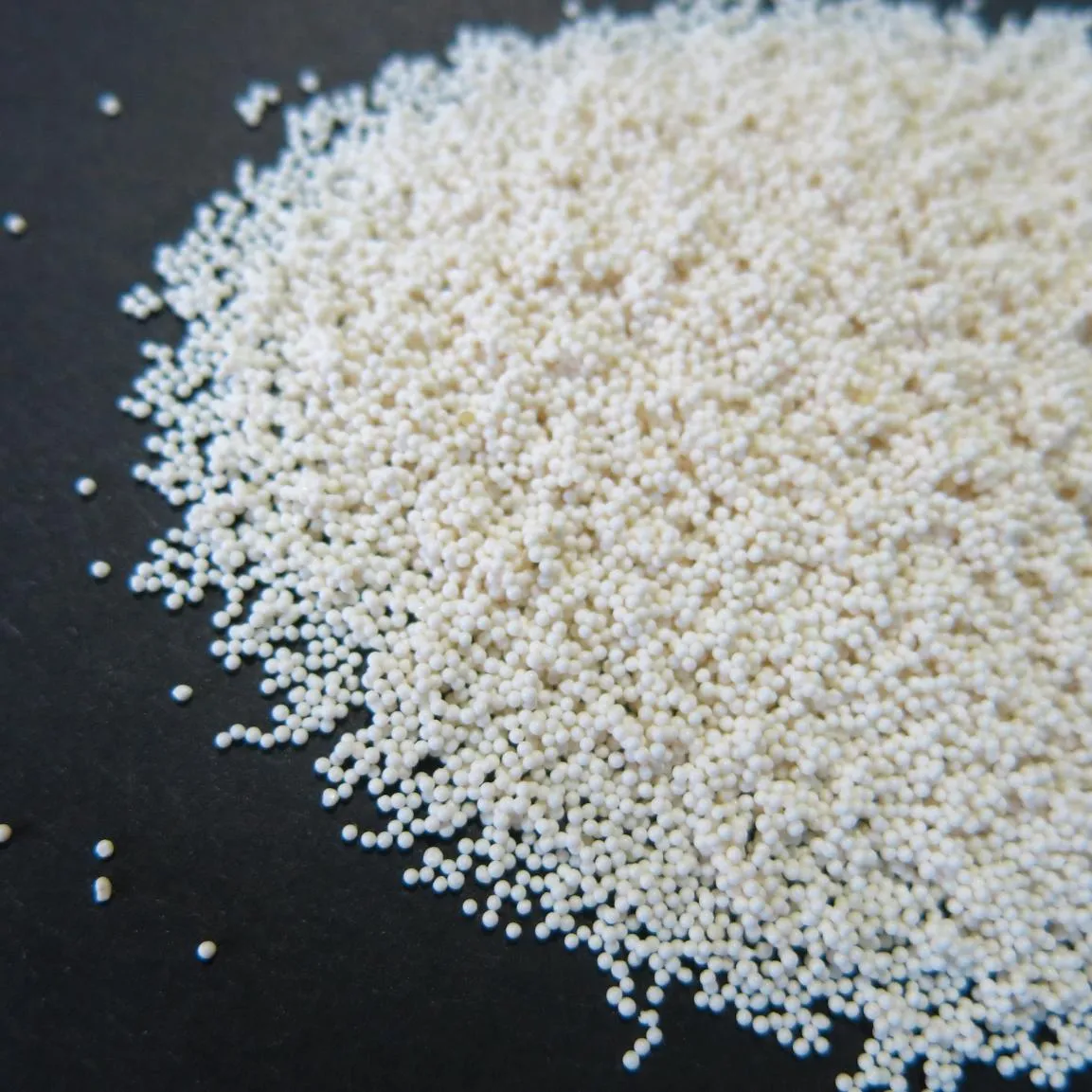
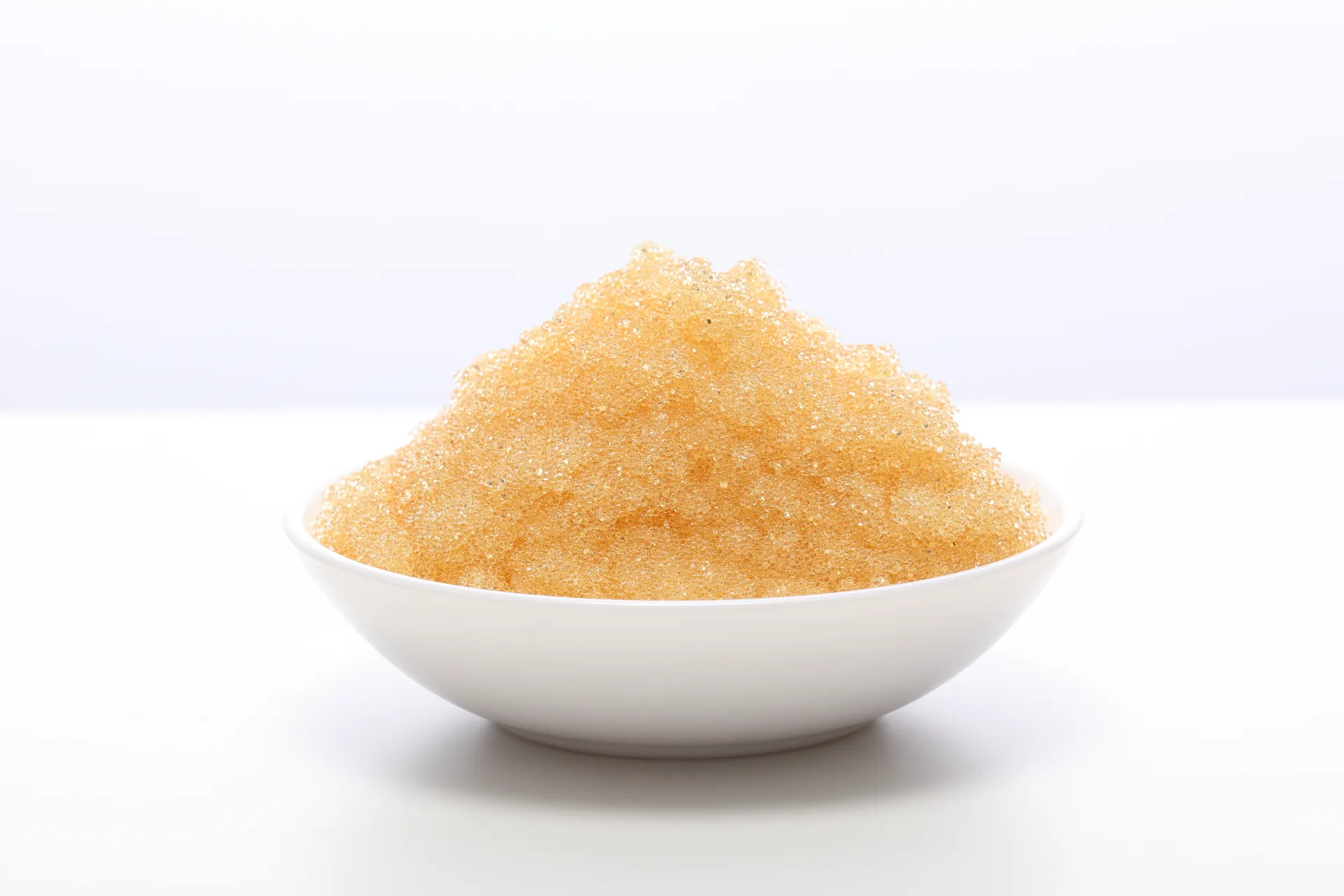
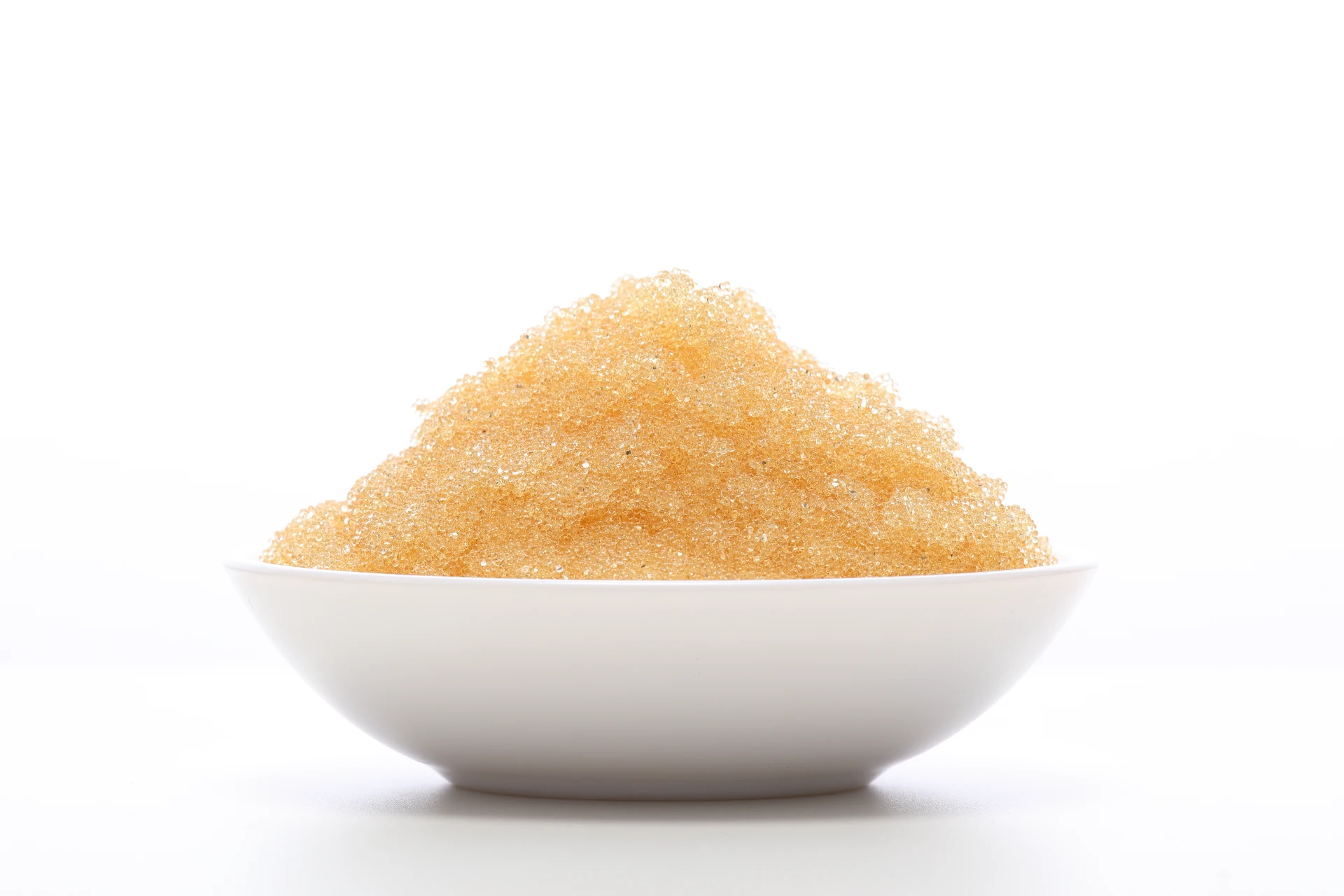
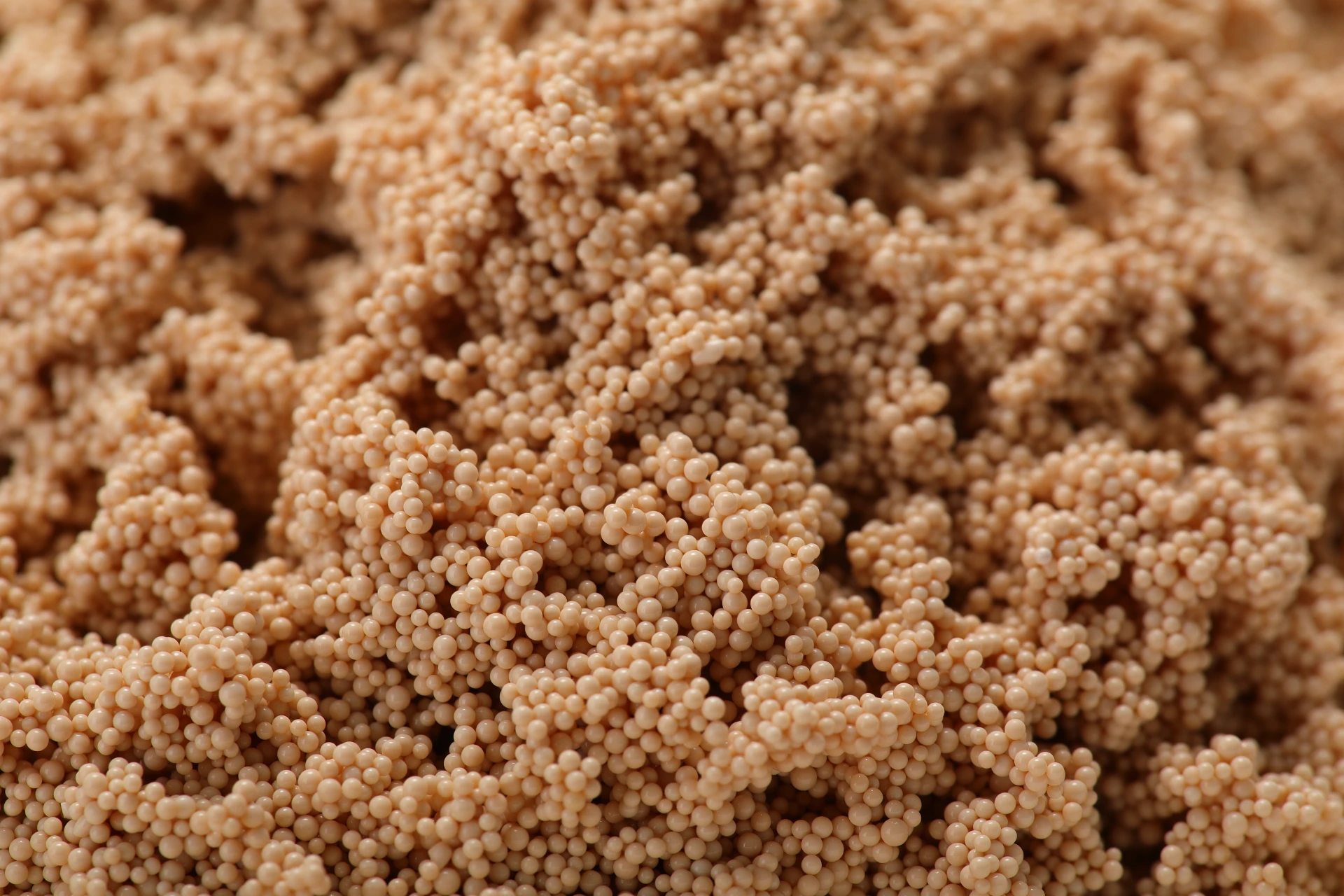
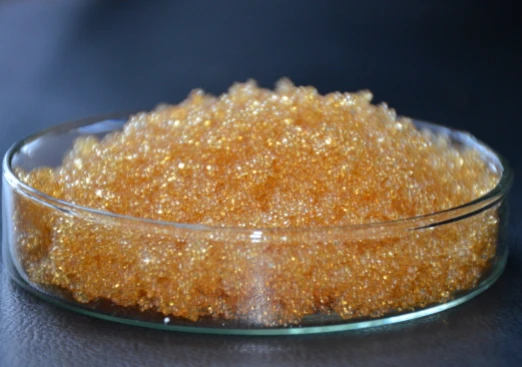
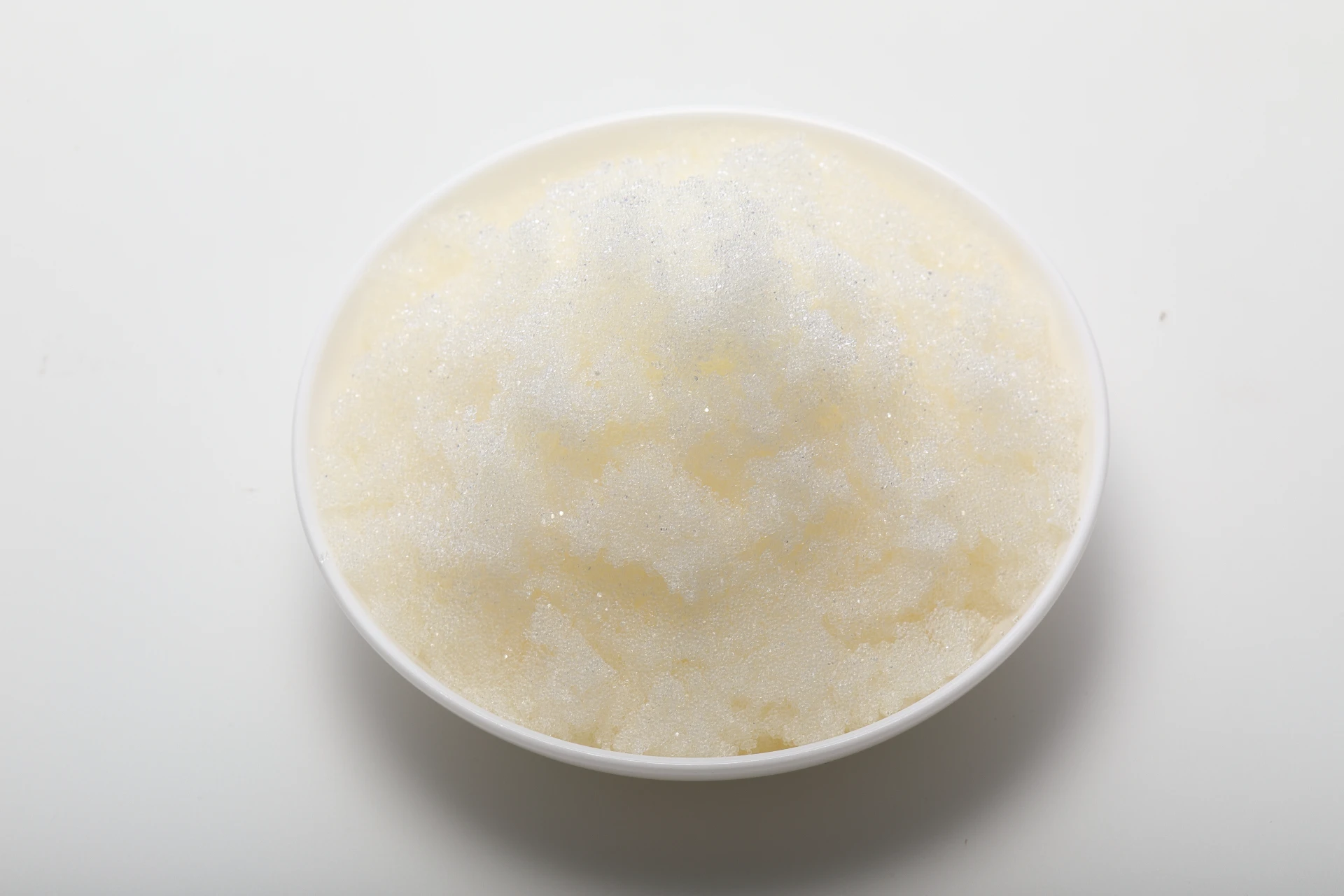
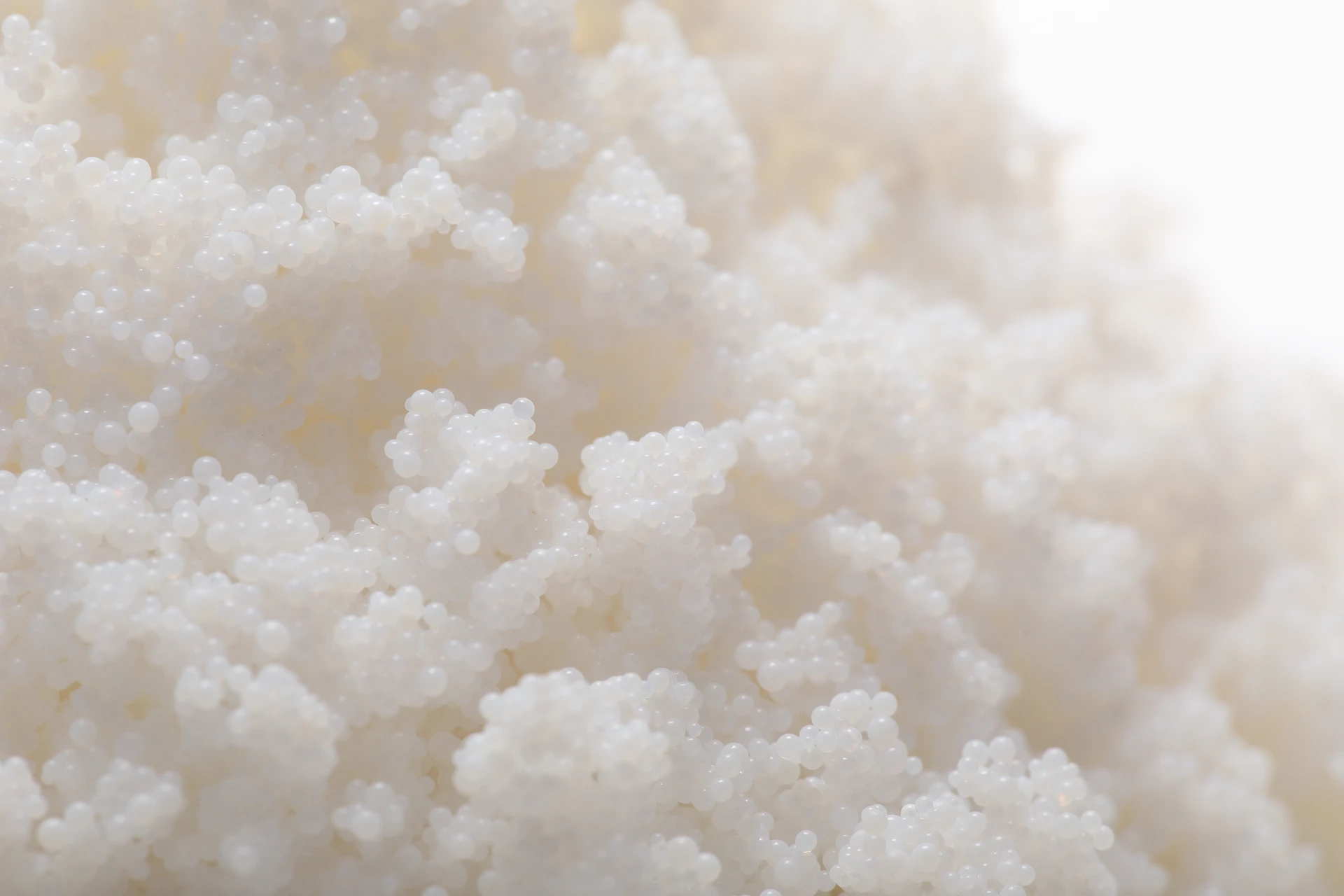
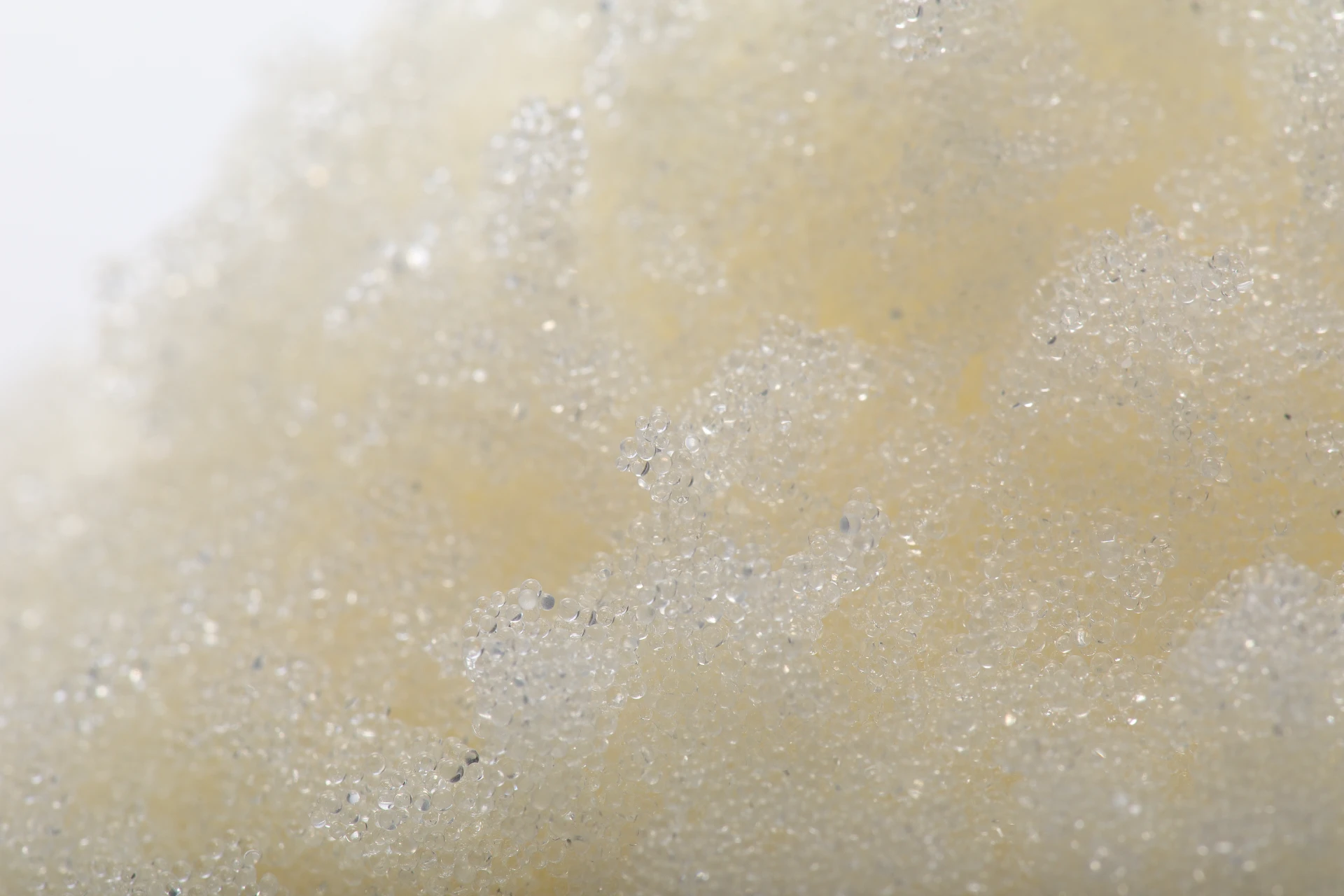
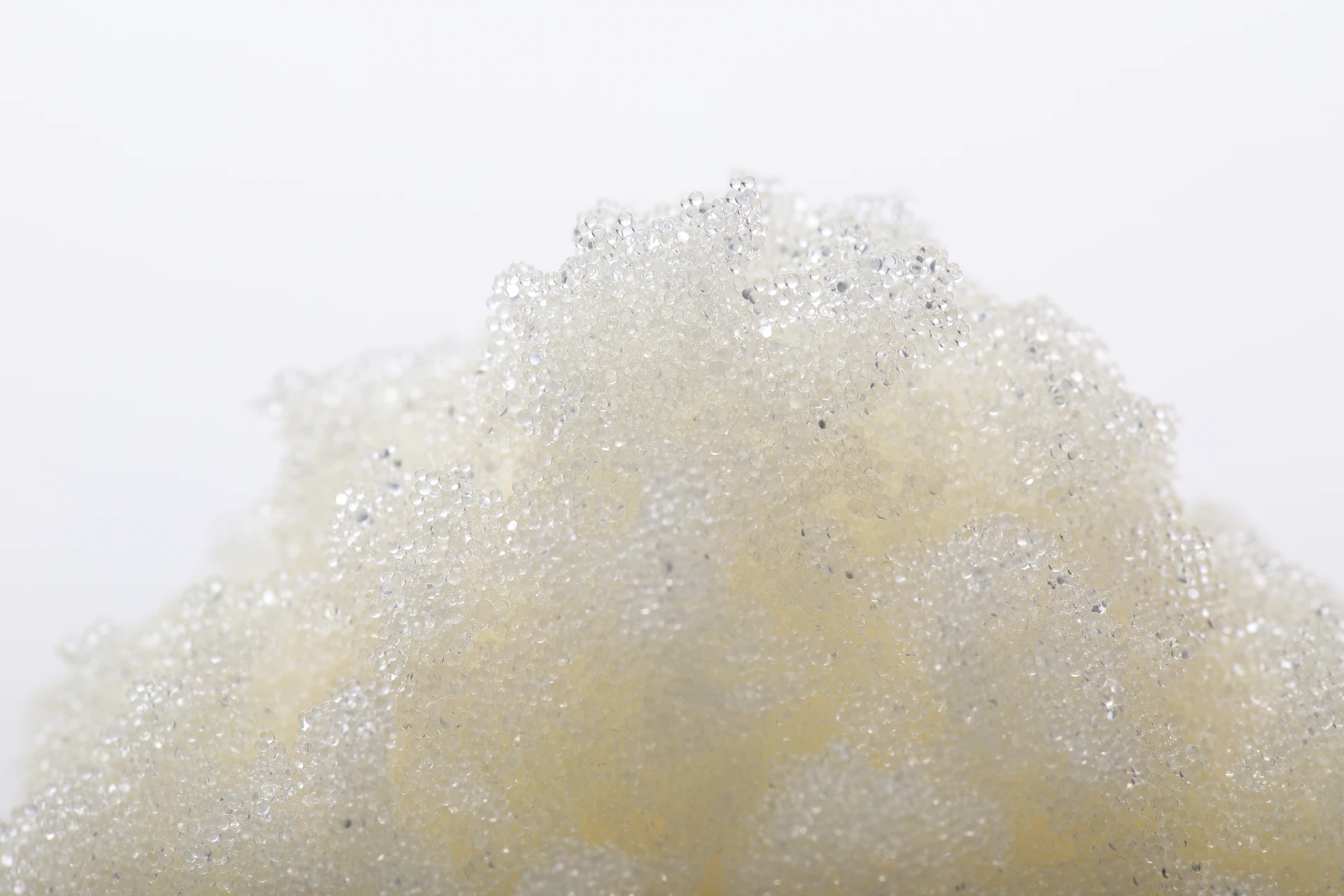
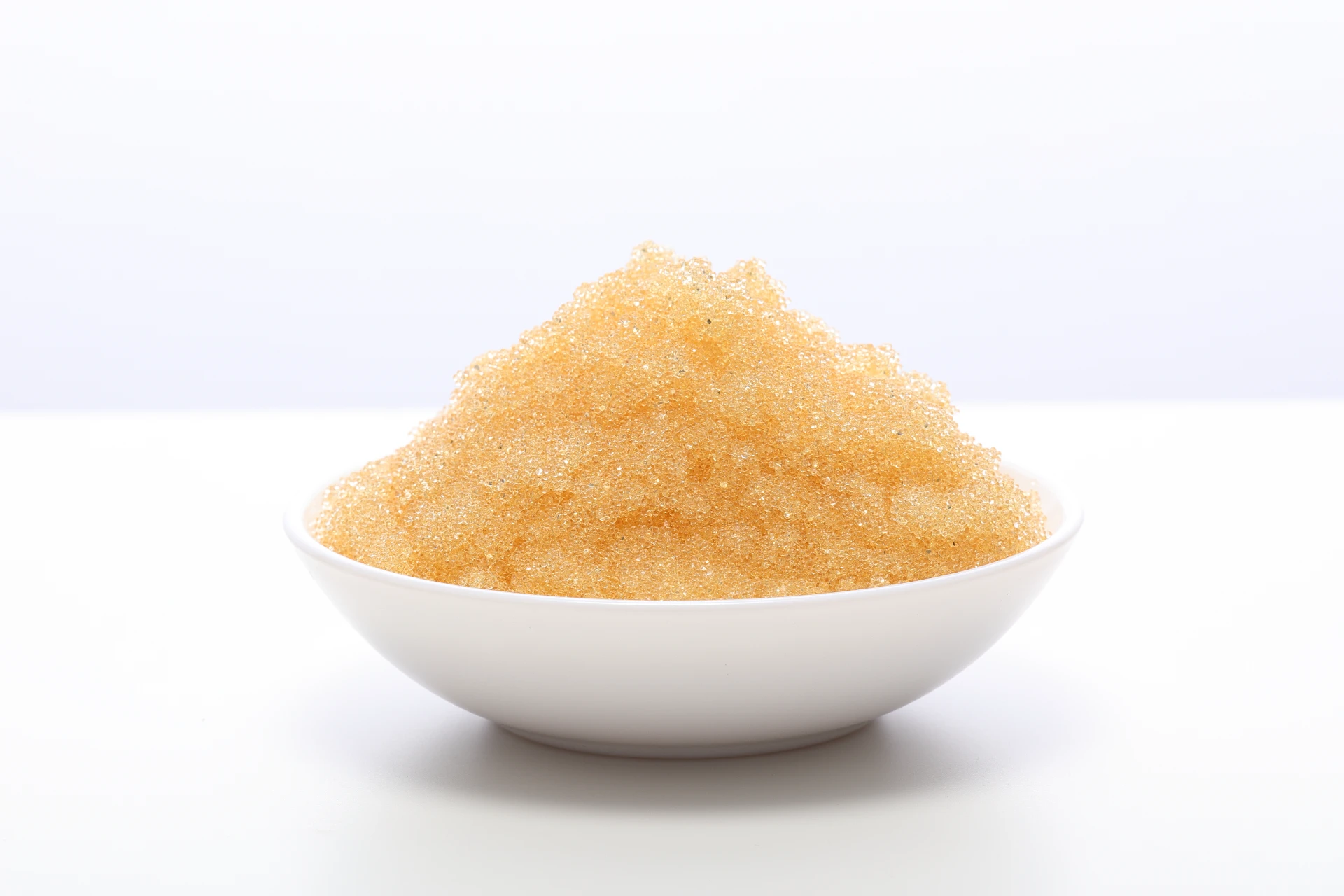
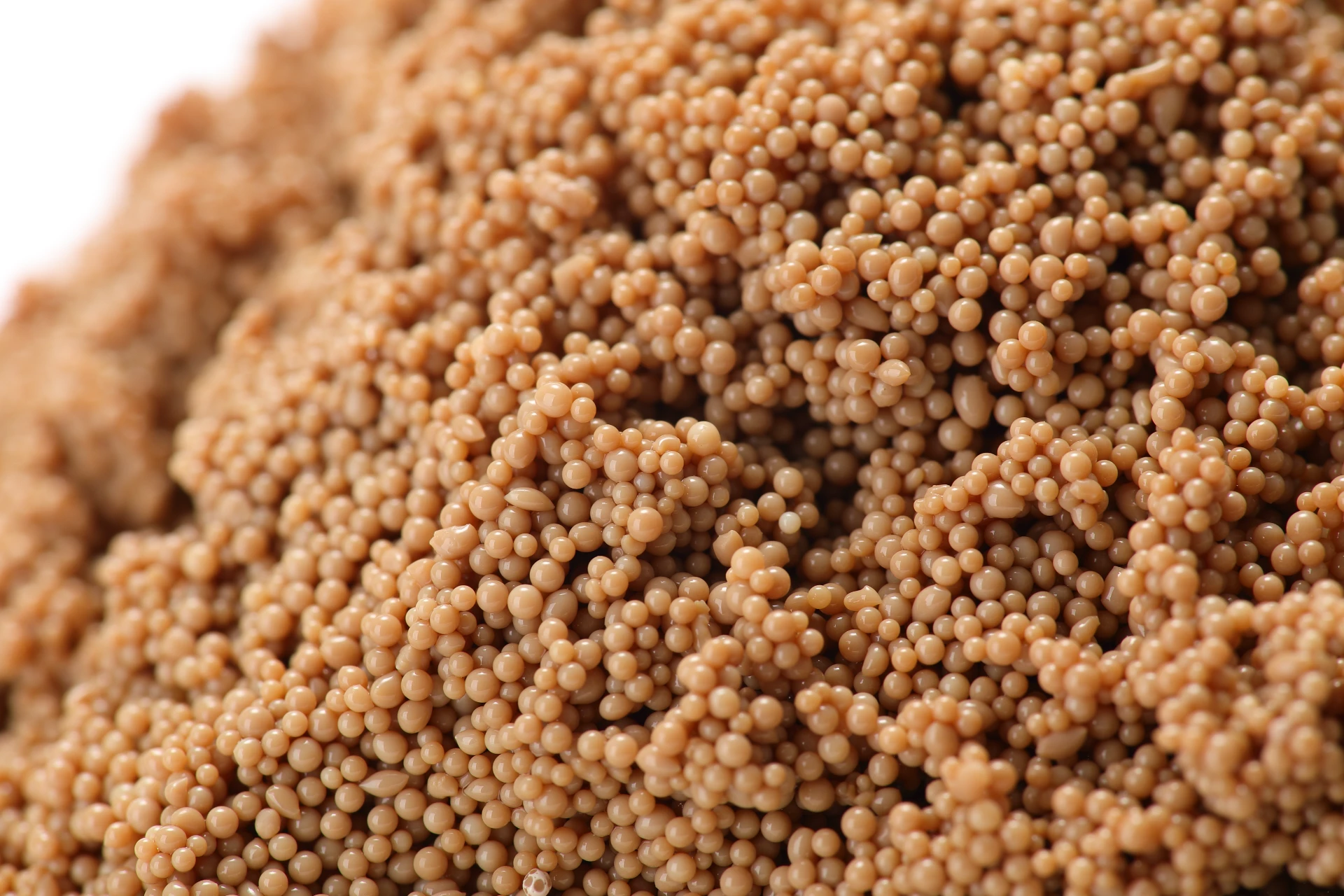
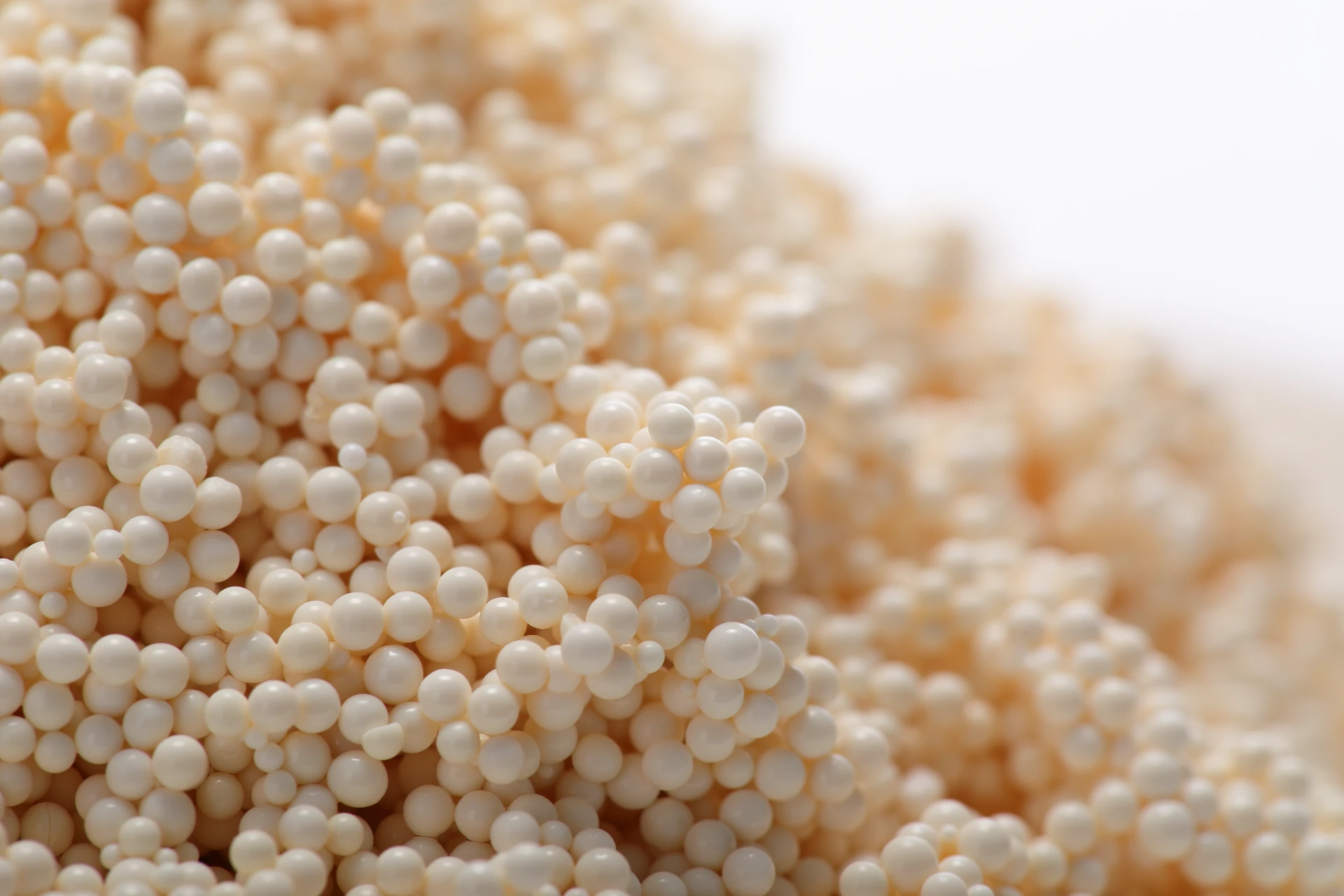
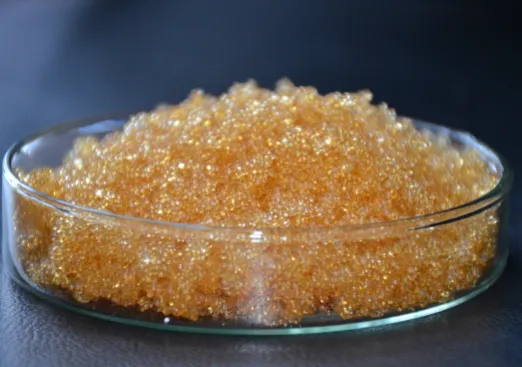
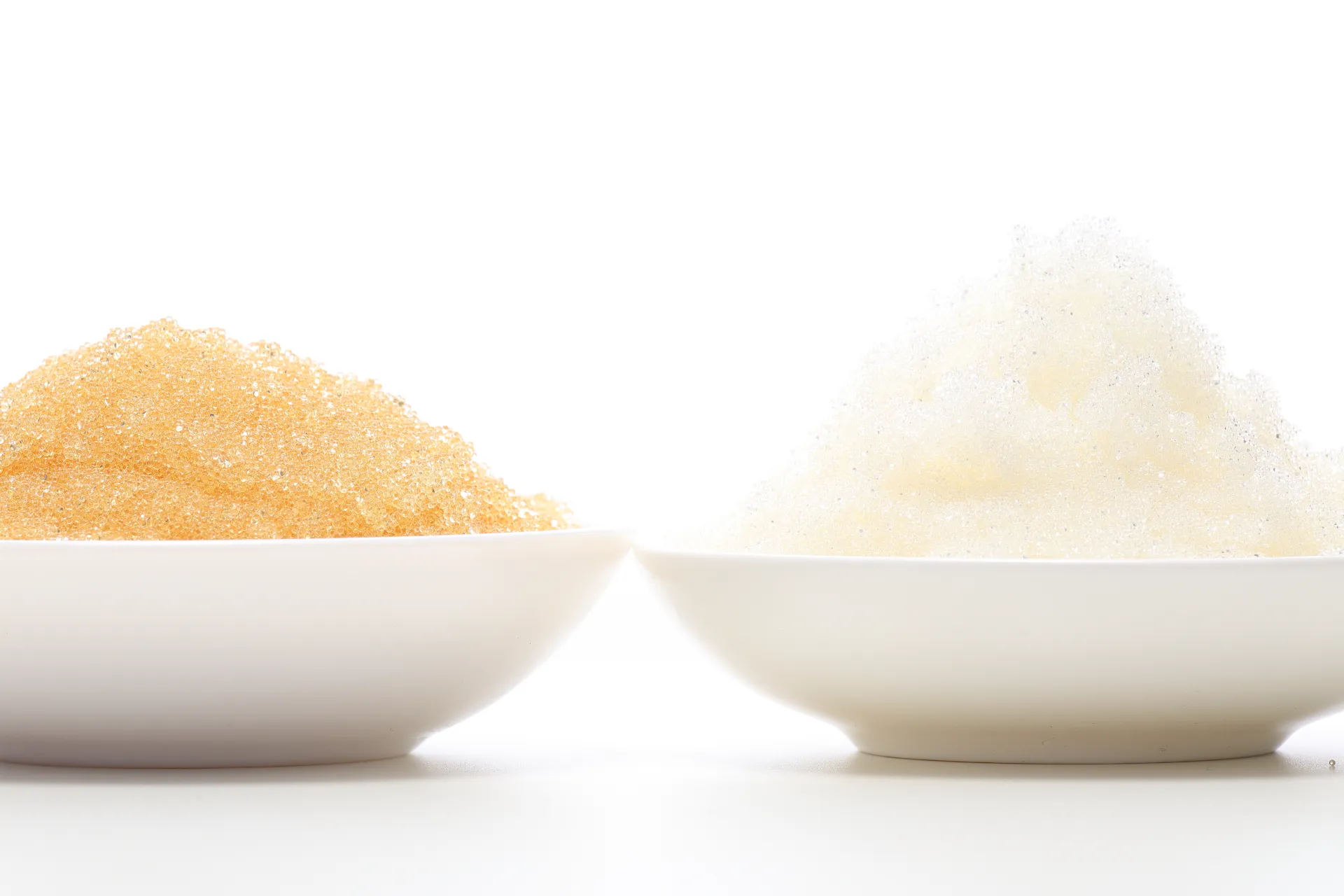
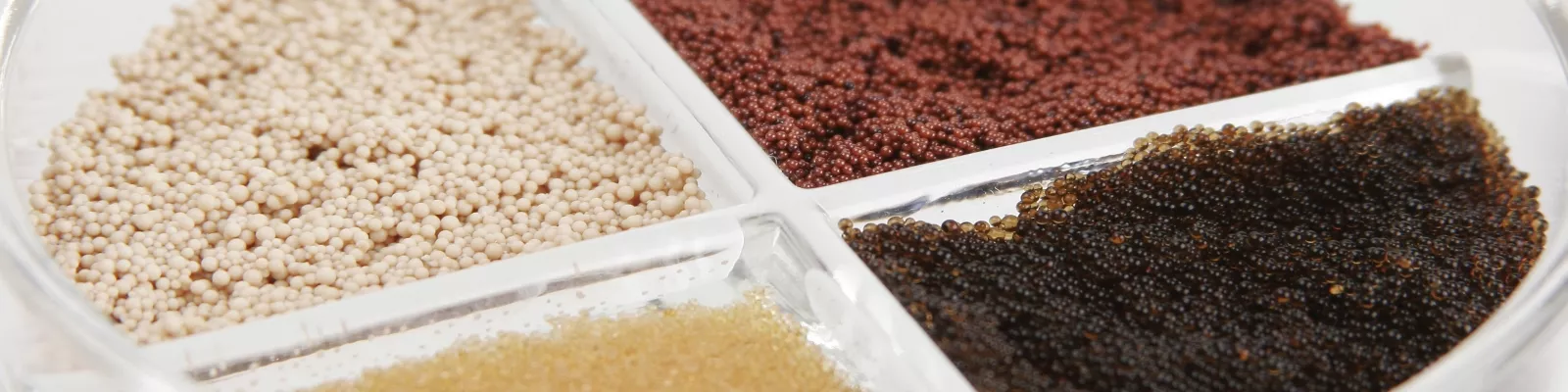
Put simply, these are tiny, porous beads made from synthetic polymers (usually polystyrene or polyacrylic) that have chemically attached charged groups. Cation resins bear negatively charged sites that attract positively charged ions like calcium, magnesium, or heavy metals. Anion resins, on the flip side, have positively charged groups binding negatively charged ions such as nitrates, sulfates, or arsenate.
They operate on the principle of ion exchange — swapping unwanted ions from solutions with more benign ones attached to the resin. This makes them crucial for "softening" water, removing toxins, and refining chemicals in numerous industrial and humanitarian setups. For example, in refugee camps or disaster zones, portable water treatment units often rely on these resins for rapid and effective purification.
Resins operate in varied environments—from highly acidic to alkaline conditions—and different temperatures. Their ability to resist degradation ensures longer service life and reliability. For example, sulfonated polystyrene cation resins tolerate acidic waste streams, while quaternary ammonium anion resins hold up in alkaline solutions.
How many ions a resin can exchange before regeneration, and how selectively it binds certain ions, are vital. High-capacity resins save operational costs and improve purification efficiency, while selectivity reduces unwanted ion displacement.
Once saturated, resins must be regenerated, usually by flushing with salt or alkaline solutions. Efficiency in this process reduces water and chemical waste, impacting sustainability and operating budgets.
Bead size affects flow rates, pressure drop, and handling. Fine beads improve ion exchange speed but may cause clogging, while larger beads offer durability but slower kinetics.
Used resins might contain trapped contaminants and require responsible disposal or recycling methods to reduce environmental footprints.
Cation and anion resins are global workhorses found in diverse settings:
For example, a recent UN-led water initiative in sub-Saharan Africa leveraged portable resin-based units to provide safe water to thousands affected by drought and conflict — a vivid reminder of their humanitarian significance.
Aside from the obvious purification benefits, these resins offer:
Emotionally, these resins often represent hope—clean water in places where it's rare, safe processes where risk is high. From a business standpoint, their adaptability means less downtime and fewer treatment failures, saving both money and reputations.
| Parameter | Cation Resin (Sulfonated) | Anion Resin (Quaternary Ammonium) |
|---|---|---|
| Total Exchange Capacity (meq/ml) | 1.8 | 1.2 |
| Moisture Content (%) | 45 - 50 | 50 - 55 |
| Particle Size (mesh) | 16 - 50 | 16 - 50 |
| Operating PH Range | 0-14 | 2-13 |
| Max Operating Temp (°C) | 120 | 60 |
| Feature / Vendor | ResinCo | PureChem | Liji Resin |
|---|---|---|---|
| Global Reach | Europe, Americas | Asia-Pacific | Worldwide including Africa |
| Product Range | Standard Resins | Specialized & Custom | Broad + Innovations |
| Customization Options | Limited | Extensive | Moderate, Fast Turnaround |
| Eco-Friendly Initiatives | Active Recycling | Biodegradable Materials | Low Waste Manufacturing |
| Typical Lead Time | 4-6 weeks | 6-8 weeks | 3-4 weeks |
The field is evolving — thanks to modern materials science and digital automation. New hybrid resins combine ion exchange with adsorption to target organic micropollutants. Researchers explore bio-based and biodegradable resin matrices to tackle disposal issues. Additionally, smart sensors integrated into resin beds enable real-time quality monitoring and predictive maintenance, reducing downtime.
Renewable energy ventures are also influencing resin development. For example, salty brines from desalination plants treated using advanced resins can unlock valuable minerals, making circular economy principles more viable.
Of course, no technology is perfect. The main hurdles with cation and anion resin use include:
Innovative solutions involve pre-treatment stages to reduce fouling, novel resin formulations resistant to harsher chemicals, and recycling programs that recover valuable metals from spent resin. Smart monitoring helps optimize regeneration cycles, saving time and resources.
Regeneration frequency largely depends on the water composition and flow rate. Typically, resins are regenerated once they reach 80–90% saturation, which could range from several days to weeks. Monitoring ion breakthrough and pressure drop can provide practical cues to schedule regeneration effectively.
Yes. When properly selected and maintained, these resins comply with health and safety standards, ensuring treated water meets potable guidelines. Regulatory bodies like the WHO endorse ion exchange as a recognized method, provided post-treatment steps are followed.
Absolutely. Many cation resins are tailored for strong affinity toward metals like lead, cadmium, or mercury. This makes them a preferred technology for remediation and compliance with environmental discharge limits.
Strong acid cation resins have sulfonic acid groups and work well across a wide pH range to remove hardness. Weak acid resins are carboxylic-based and perform better in high organic matter content but are limited to neutral or alkaline pH.
Visit trusted suppliers such as Liji Resin at cation and anion resin suppliers for detailed specifications, sample requests, and expert consultation.
At the intersection of chemistry, sustainability, and technology, cation and anion resins quietly define many of the clean water systems and industrial processes we often take for granted. Their impact spans from saving lives in disaster zones to refining the medicines that keep us healthy. Investing in better understanding, sourcing, and innovating these resins isn’t just good business — it’s a step towards a more sustainable and equitable future.
Interested in exploring more about these remarkable materials? Visit our website: cation and anion resin for expert resources, product specs, and customized solutions tailored for your industry.