Phone:
+86 0319 2296164


Email:
info@lijiresin.cn
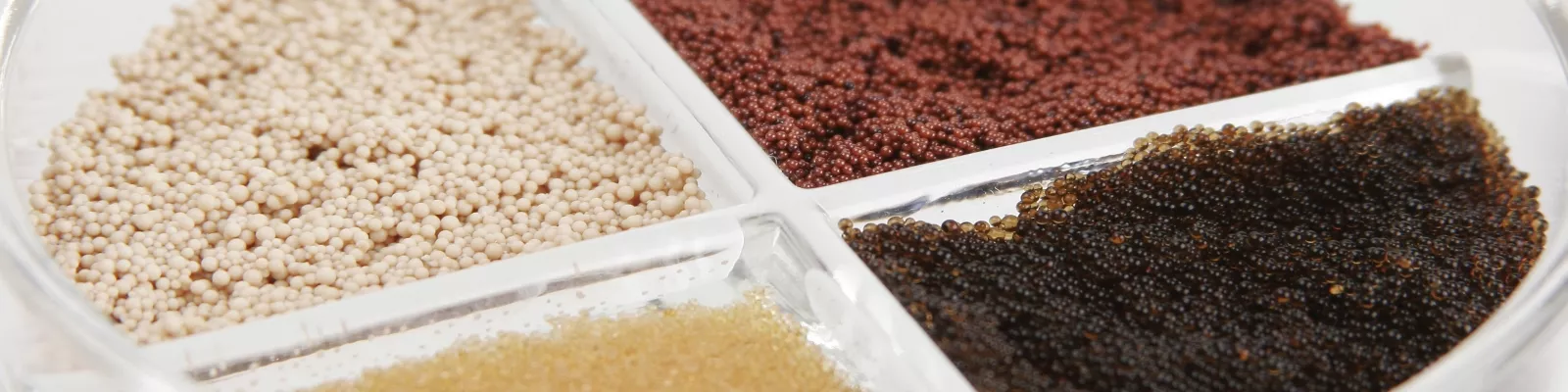
At first glance, the term cation and anion ion exchange resin might sound like standard chemical jargon — and yet, these materials quietly underpin some of the most vital processes that keep industries, municipalities, and humanitarian projects running smoothly. From purifying water supplies in remote communities to refining pharmaceuticals and managing waste, understanding these resins is central to tackling global challenges related to clean water, sustainable manufacturing, and environmental safety.
Worldwide, an estimated 2.1 billion people lack access to safely managed drinking water services (UNICEF/WHO, 2022). Ion exchange resins help solve this by removing harmful ions from water, making it potable and safe. Beyond that, industries sidestep costly corrosion or contamination by using these resins in their water treatment and production lines. Understanding cation and anion ion exchange resins isn’t simply niche knowledge — it’s a bridge to safer, greener, more efficient practices on a grand scale.
The global ion exchange resin market is forecasted to grow steadily, with increasing demands from wastewater treatment, chemical purification, and food & beverage processing sectors (MarketsandMarkets, 2023). Why such enthusiasm? Because these resins enable selective removal or recovery of ions, offering solutions for problems like heavy metal contamination, mineral scaling, and acid-base neutralization.
Take the challenge of arsenic removal in groundwater, which affects millions of people in South Asia. Cation and anion ion exchange resins are often the unsung heroes providing a cost-effective method to strip toxic ions down to safe levels. In heavy industries—like power generation or petrochemicals—ionic impurities cause corrosion that can halt plant operations. These resins serve as essential safeguards.
From water safety to industrial reliability, the global relevance of ion exchange resins is growing as environmental and regulatory pressures tighten.
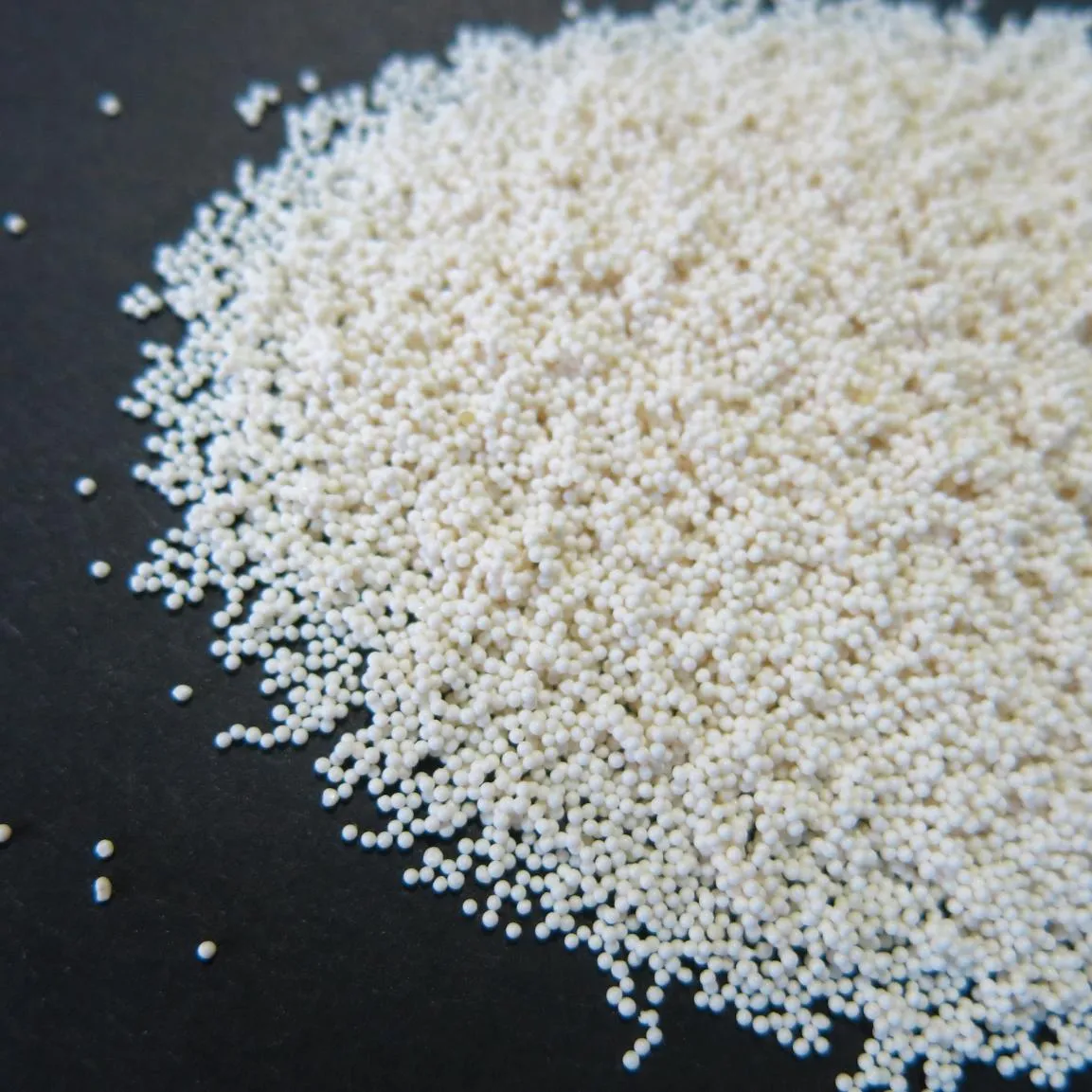
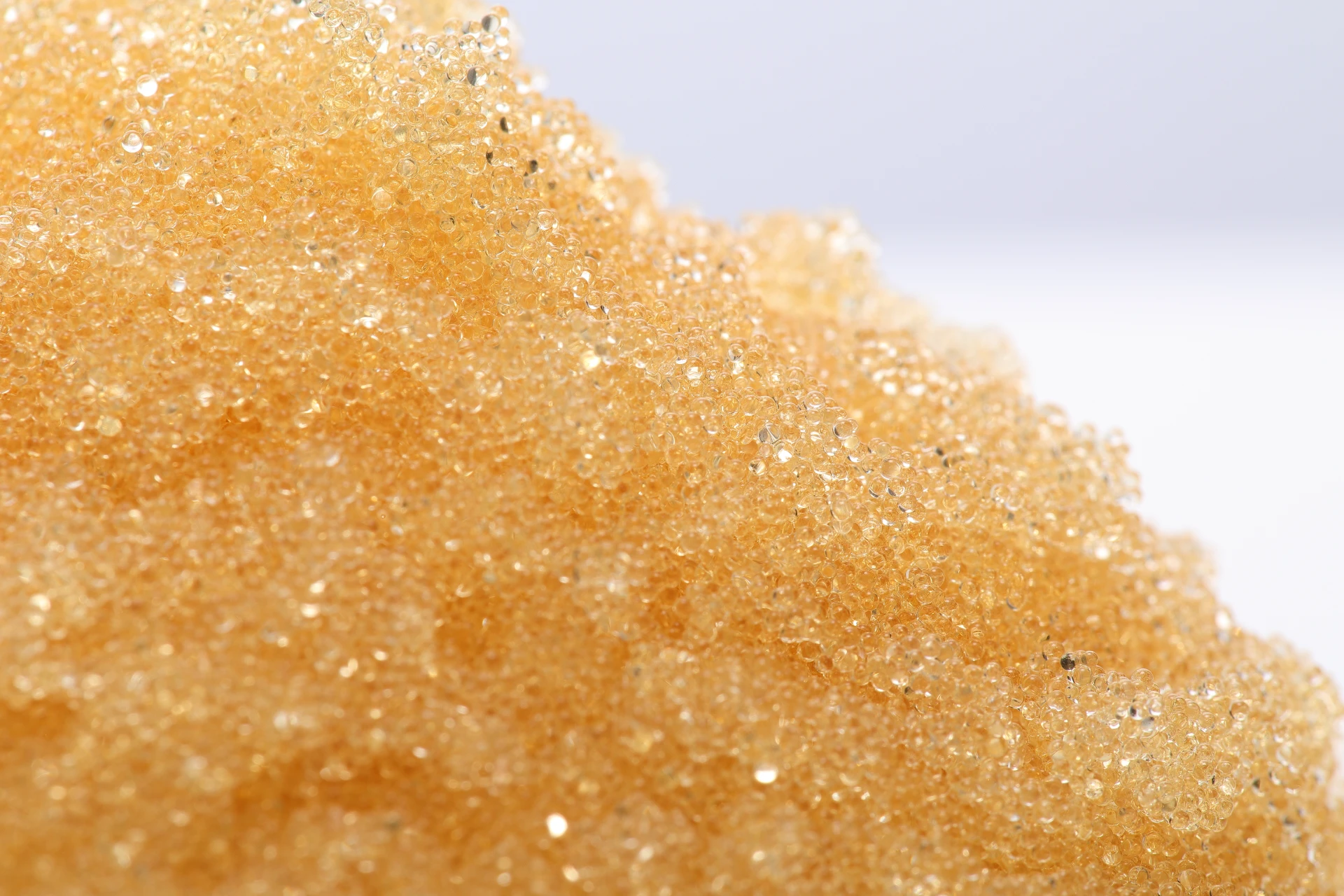
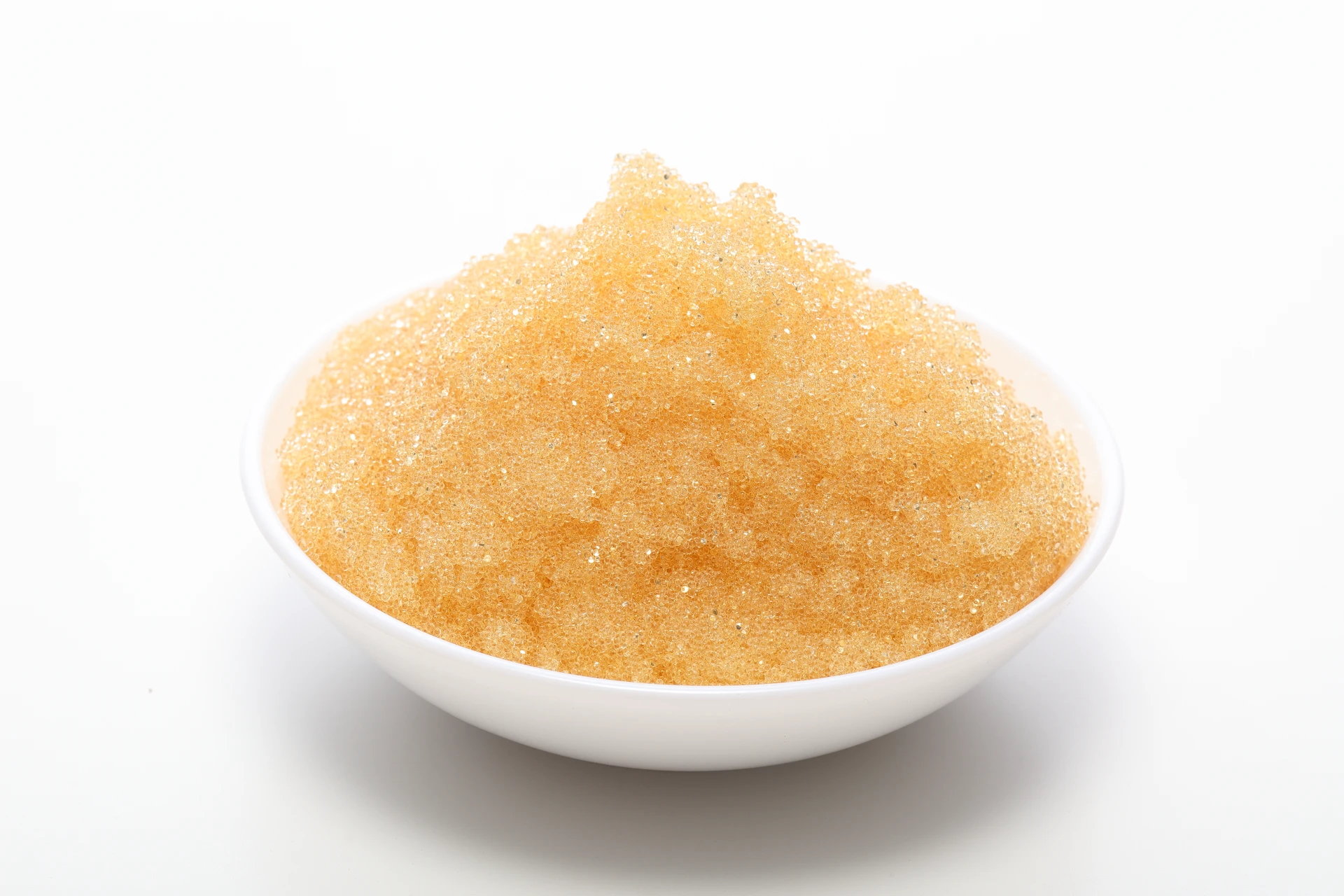
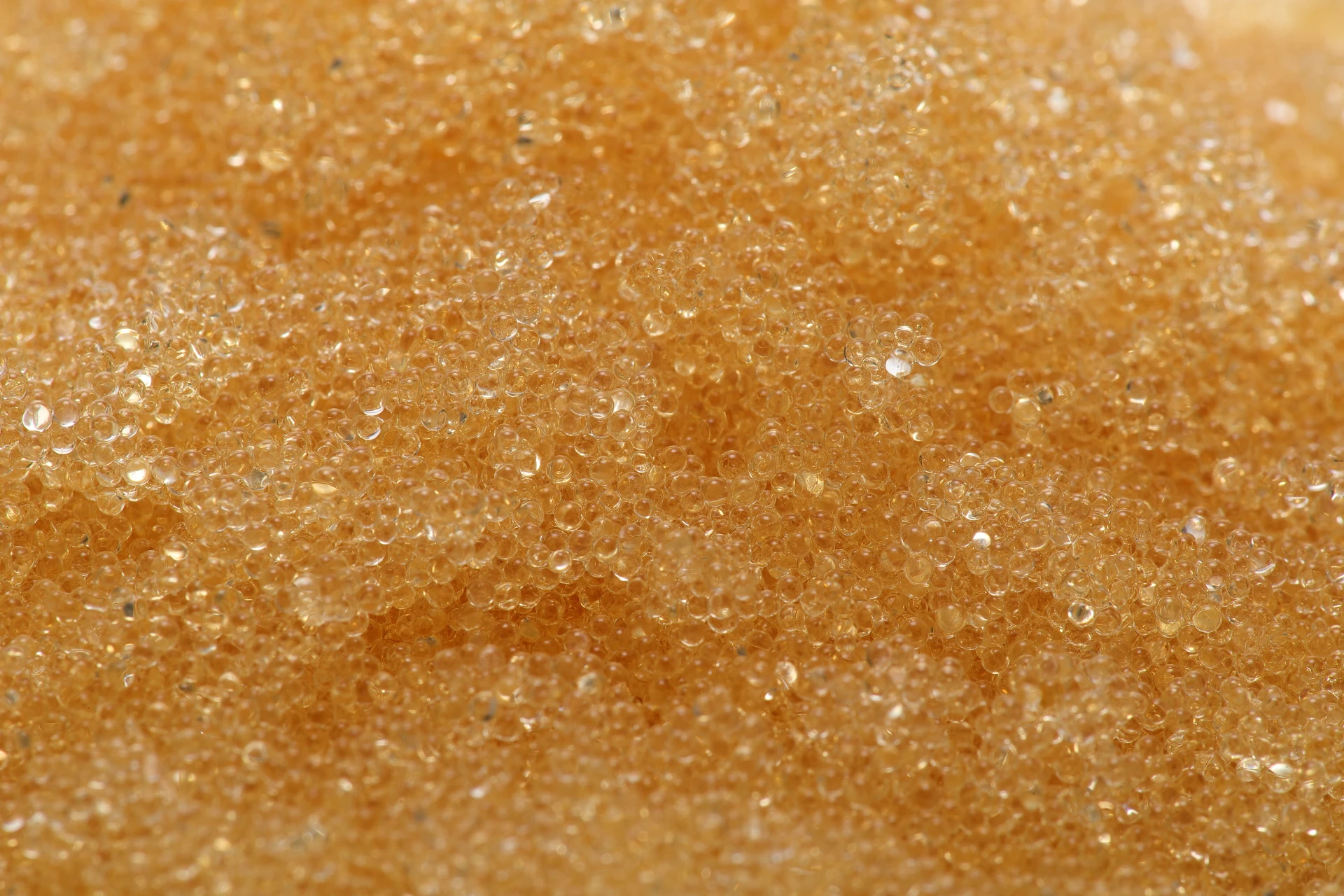
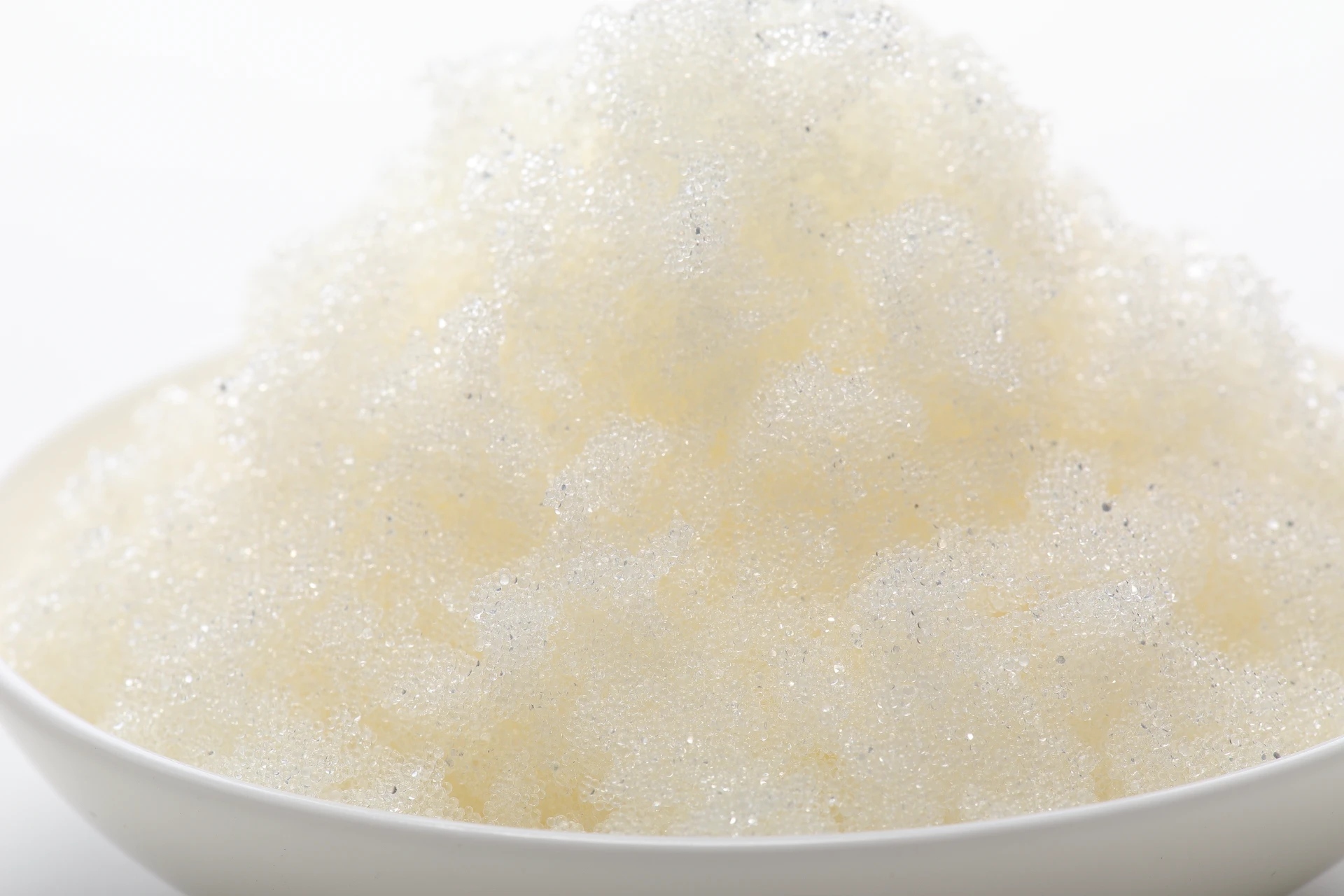
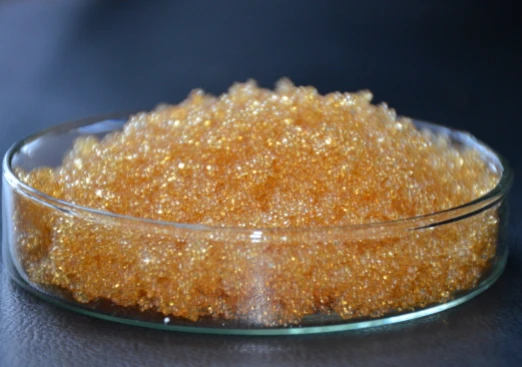
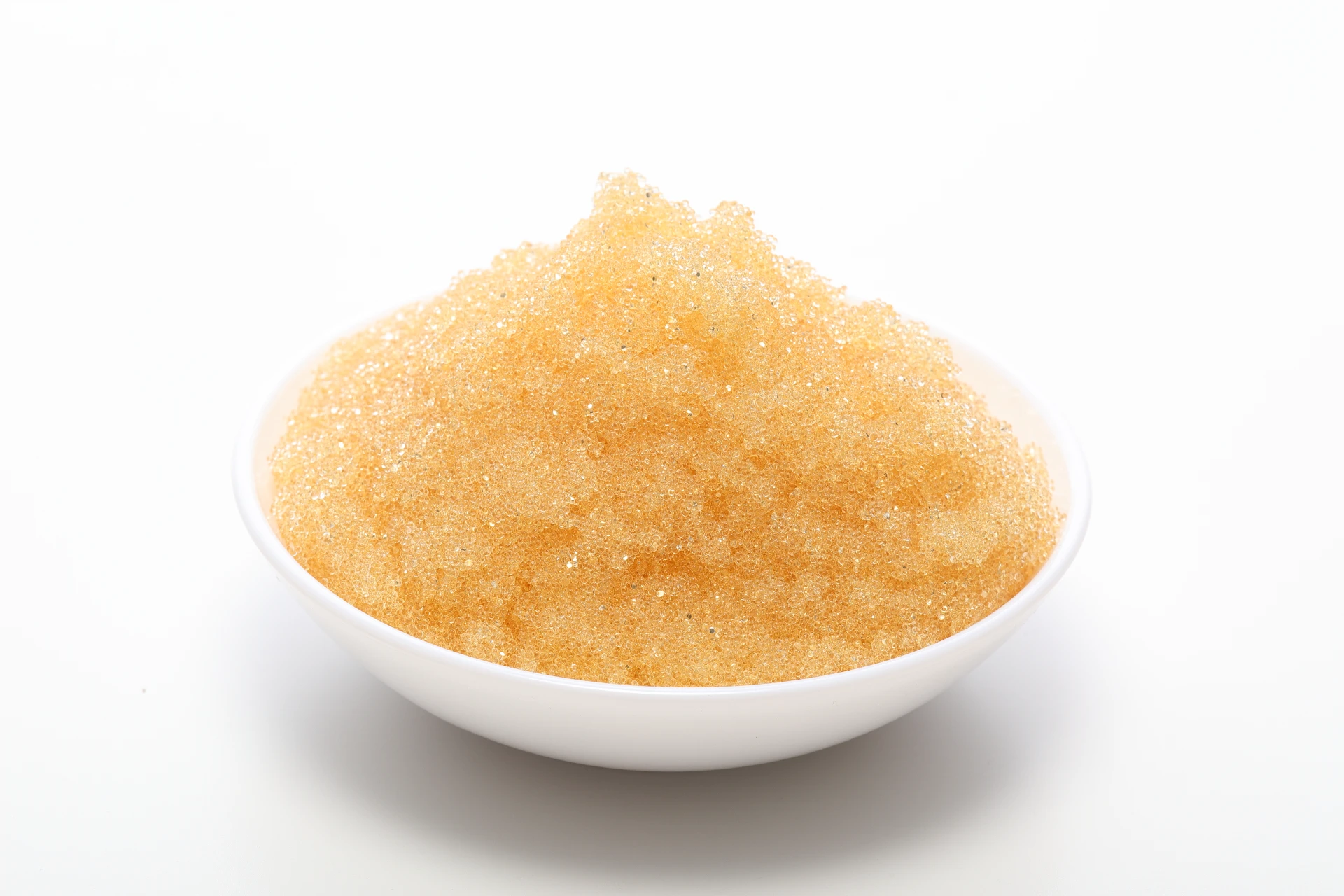
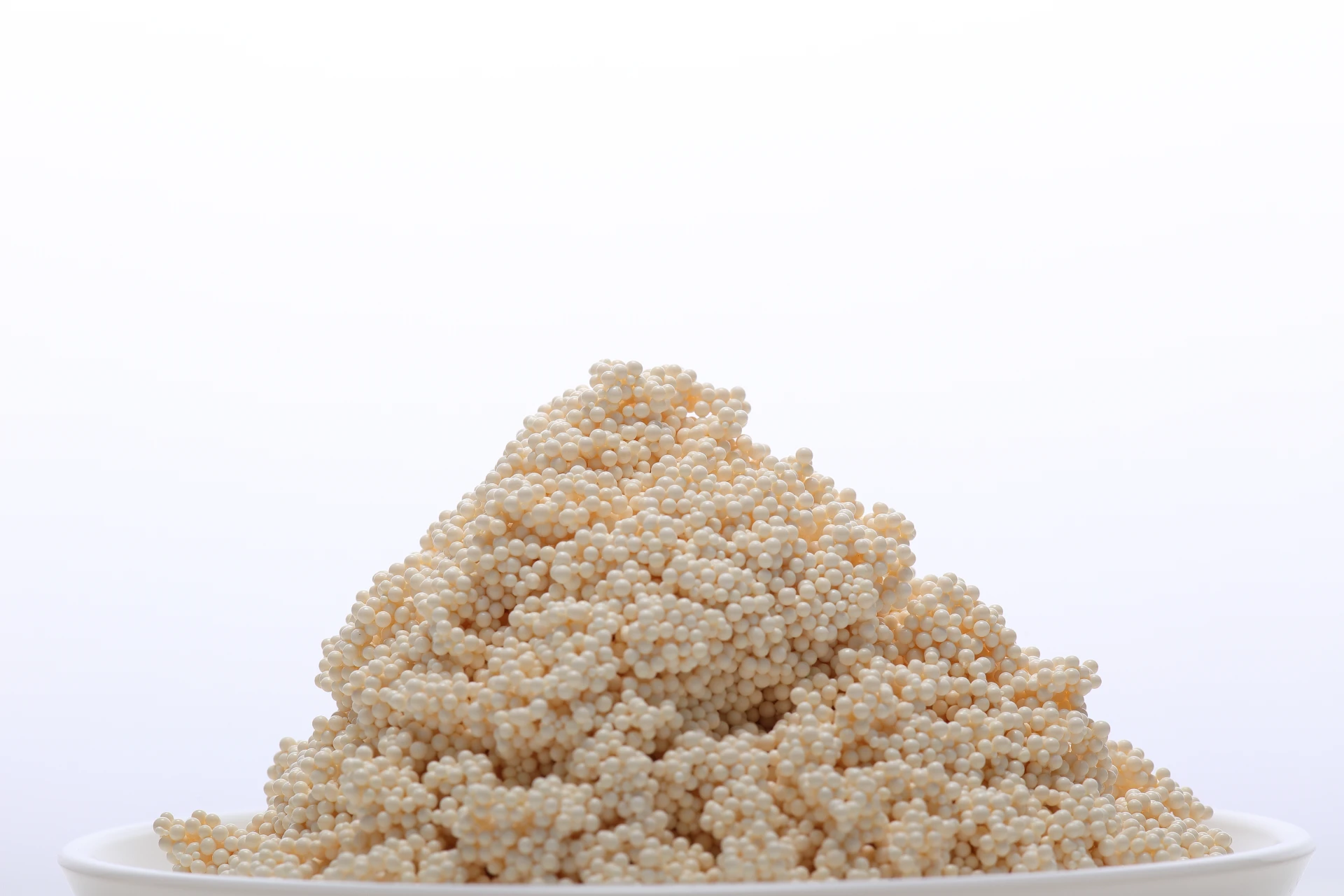
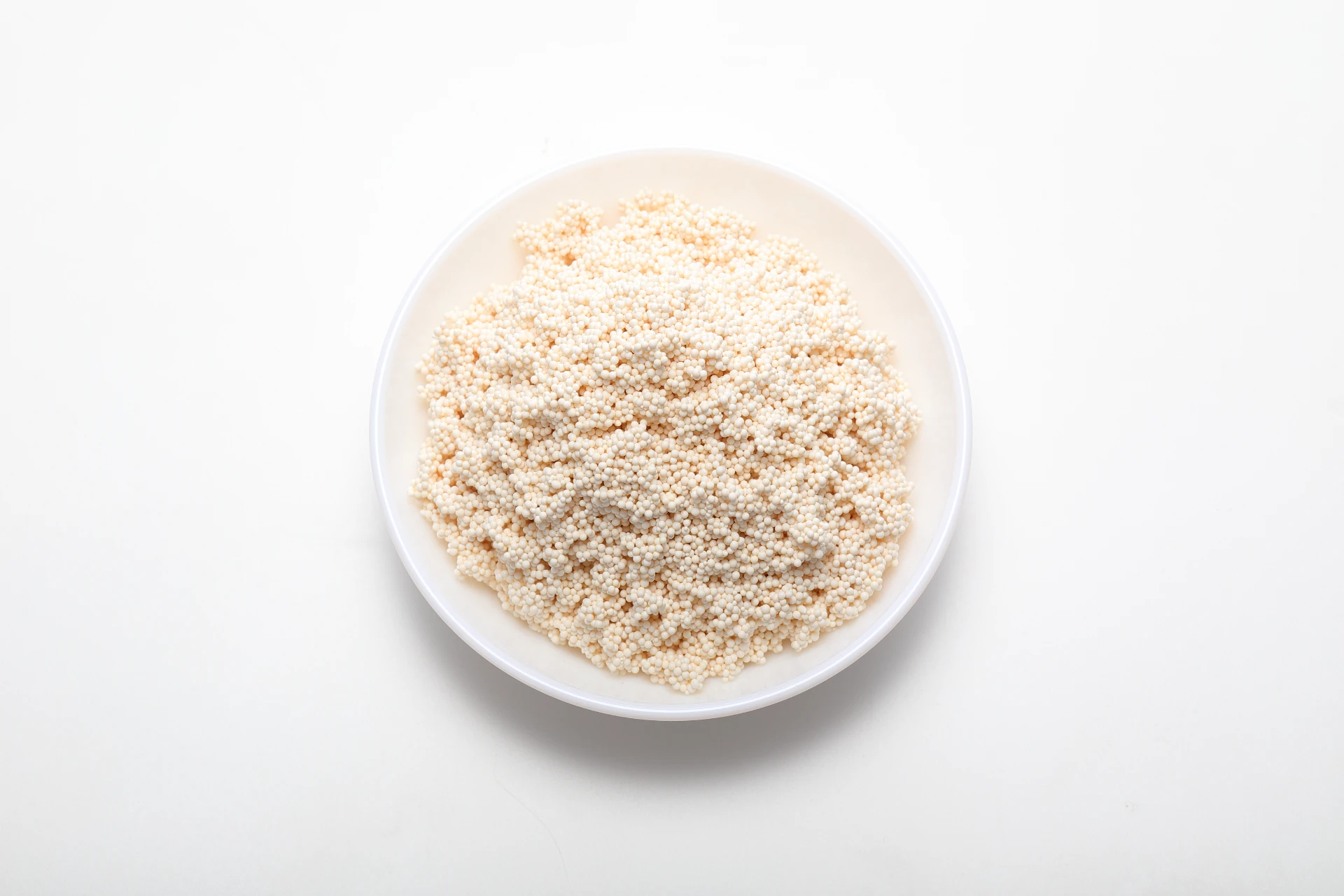
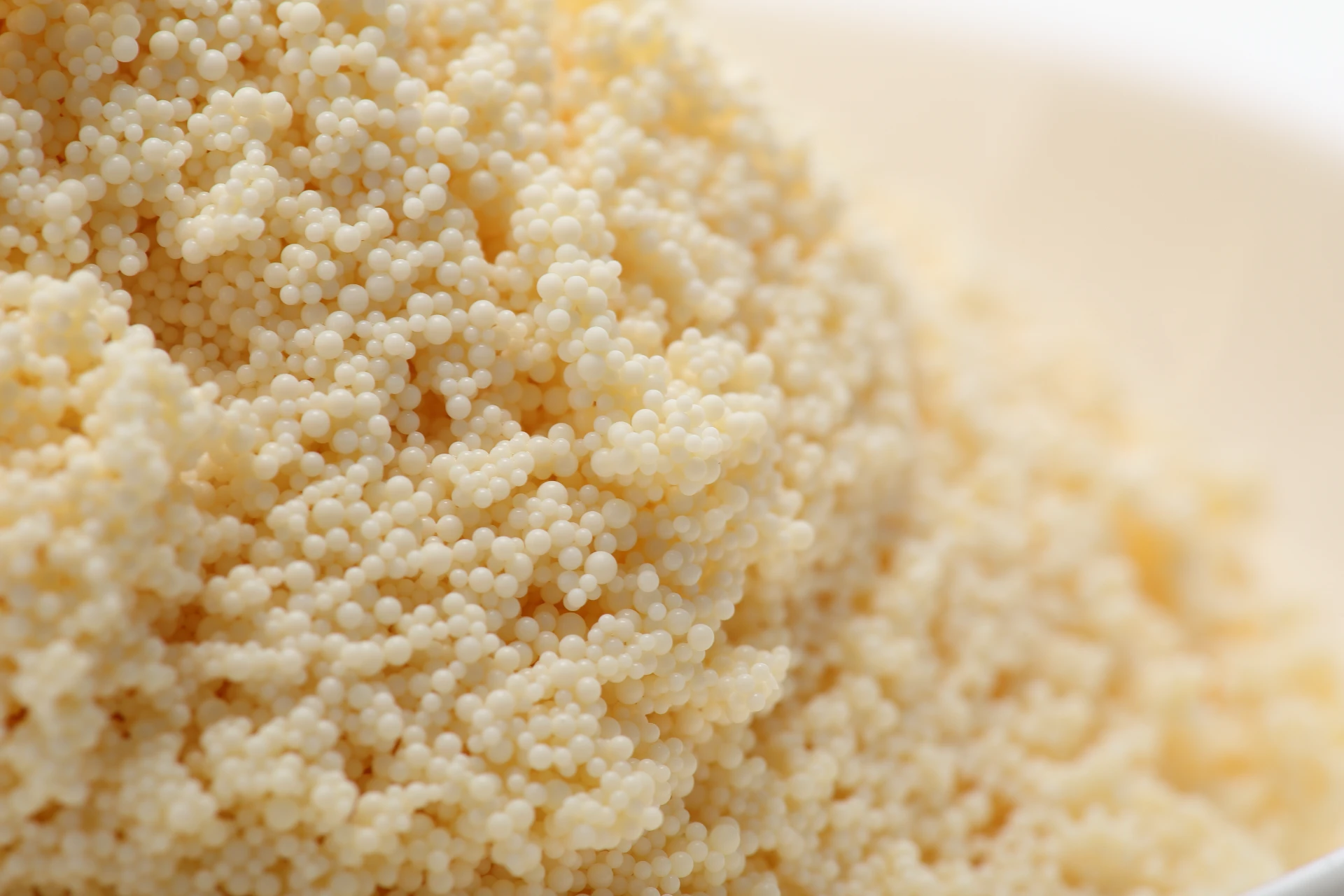
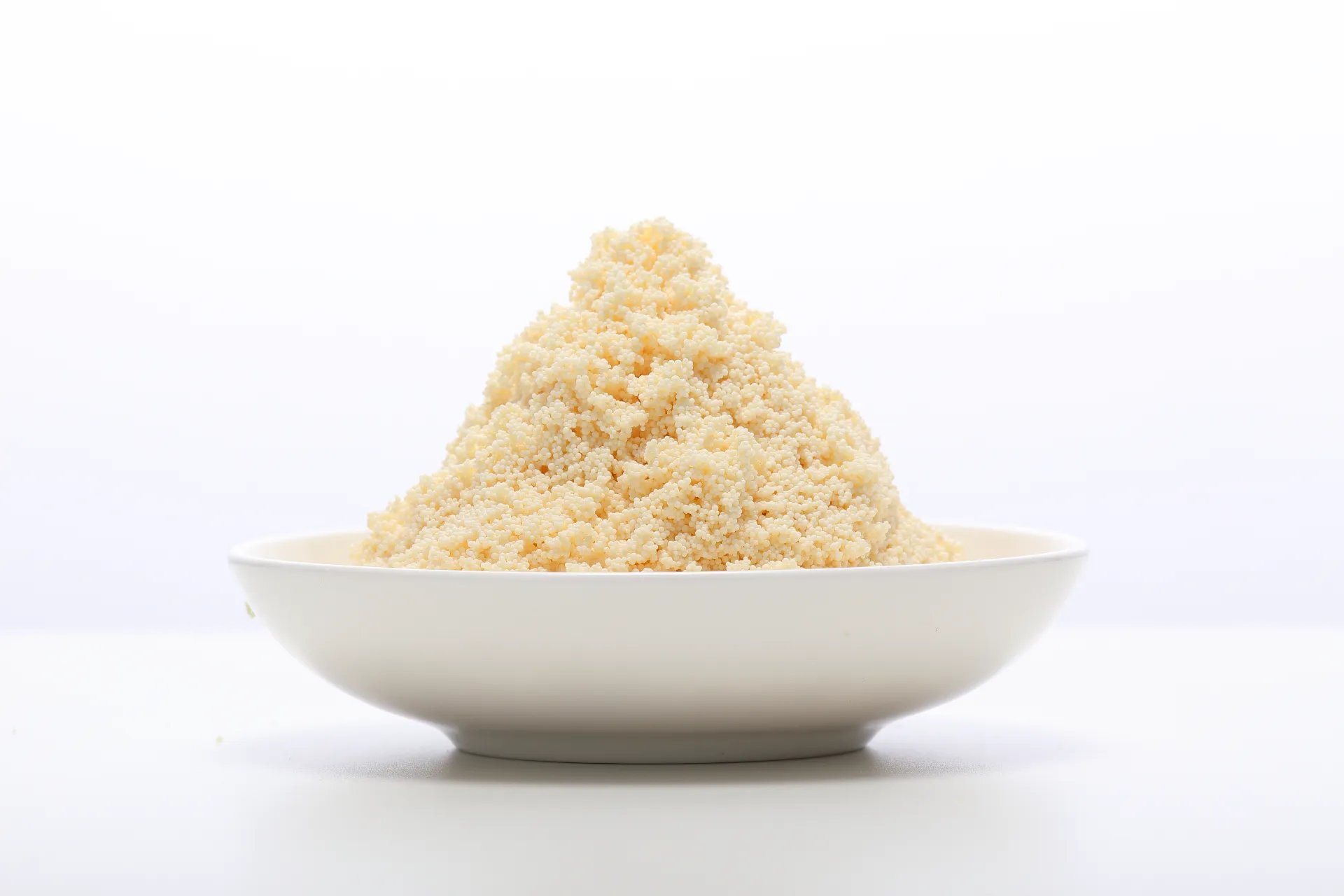
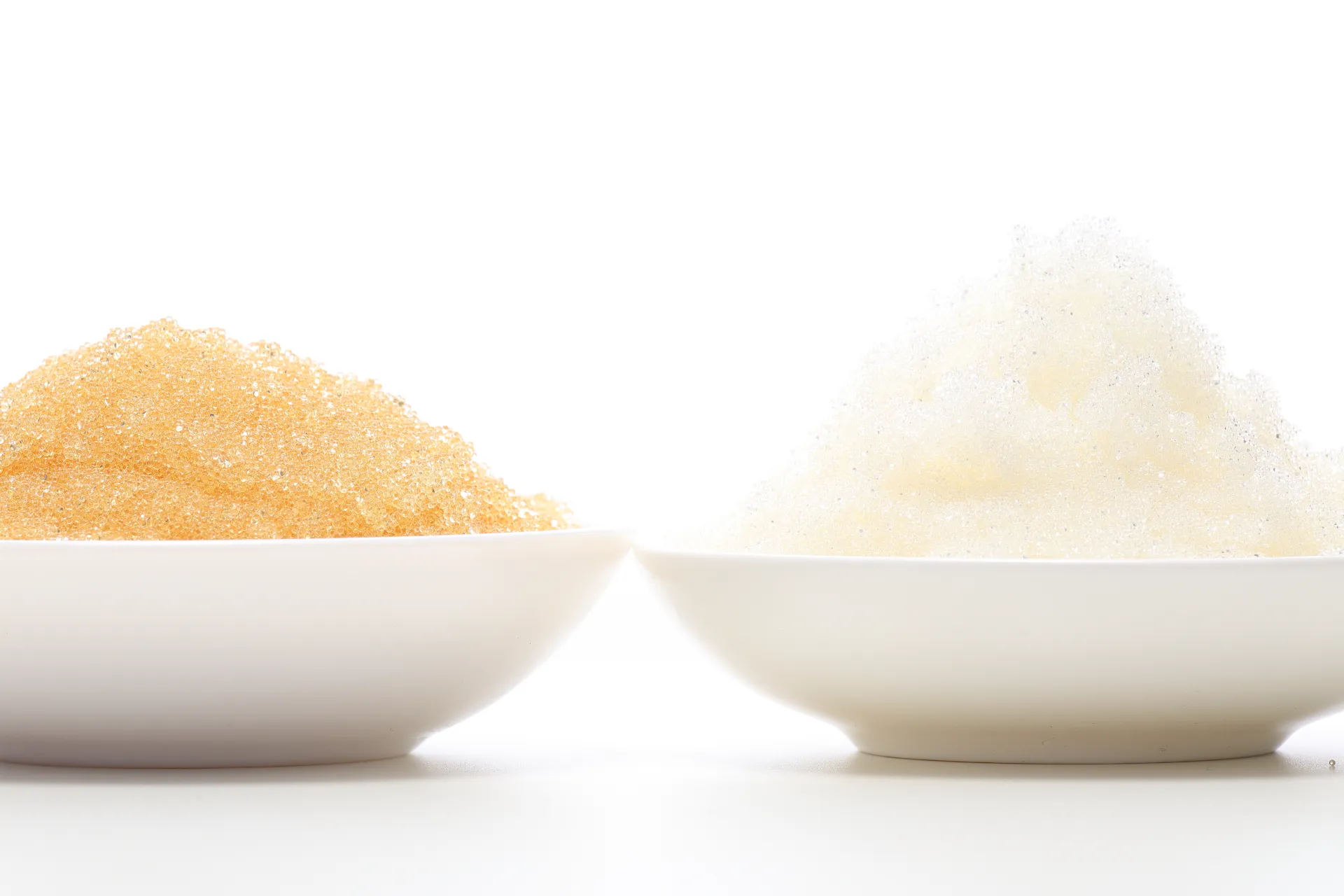
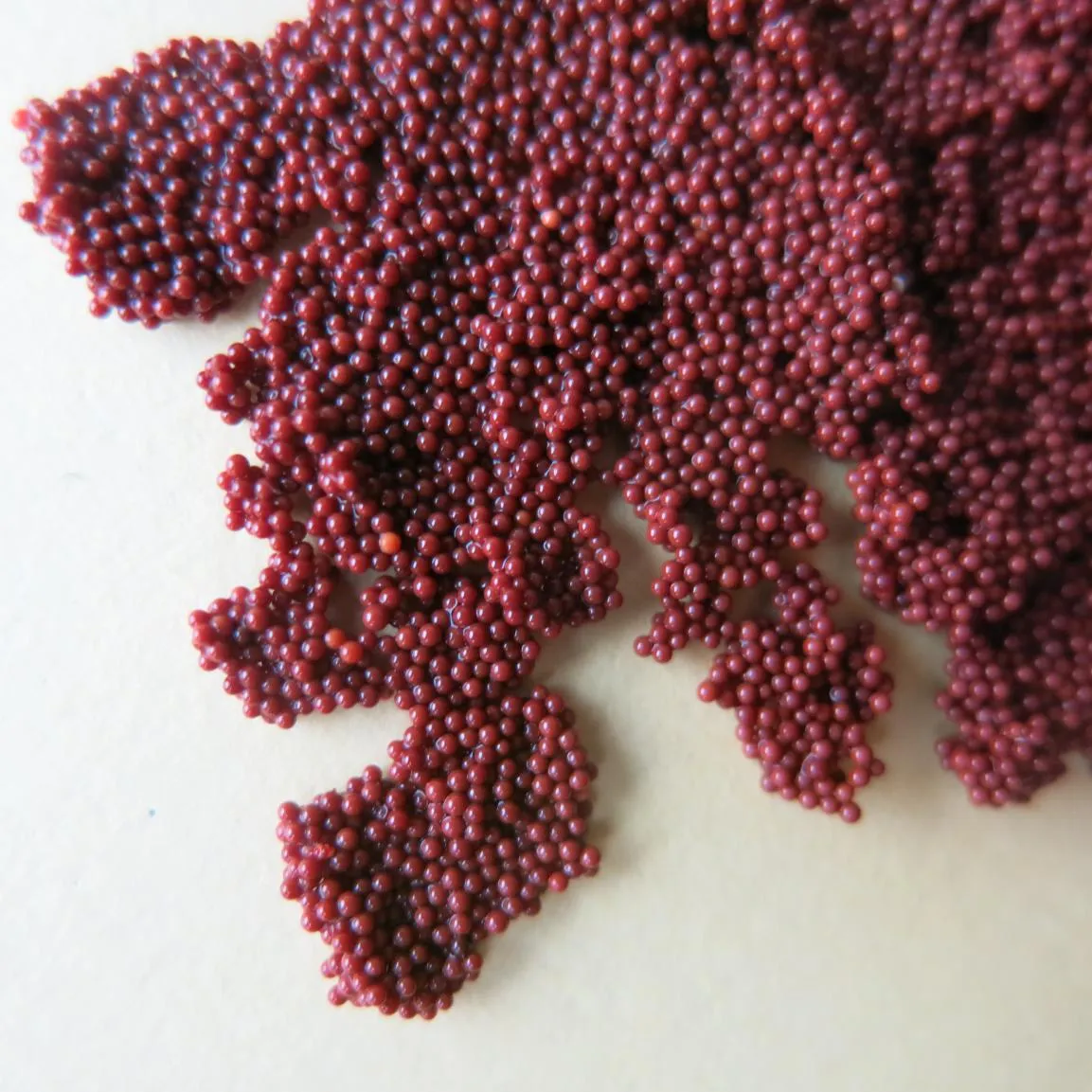
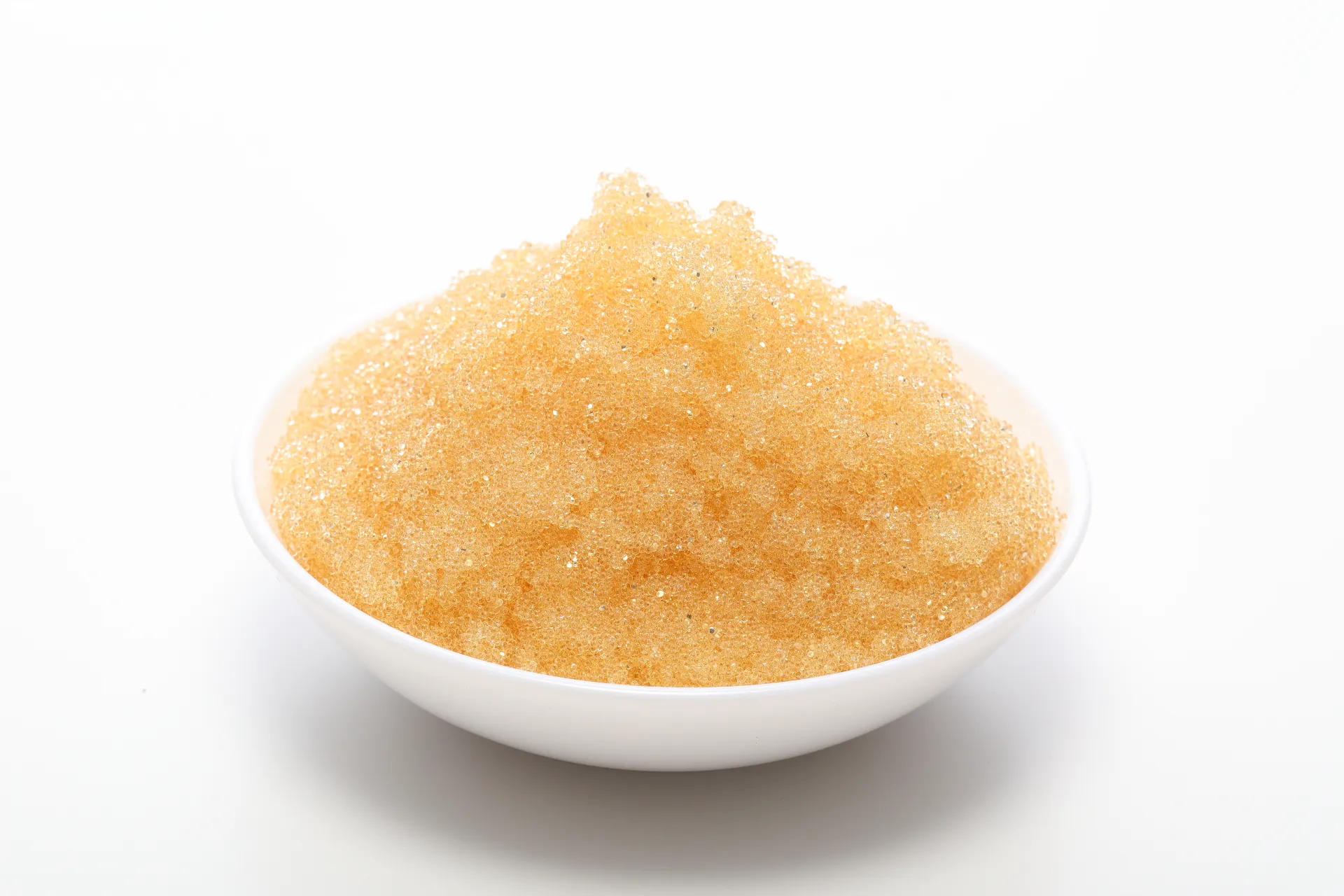
Simply put: these are tiny, bead-like polymers designed to swap unwanted ions in liquids with more desirable ones. “Cation” resins trade positively charged ions (like calcium or lead) for hydrogen or sodium ions; “anion” resins swap negatively charged ions (like chloride or nitrate) for hydroxide or other ions. This ion exchange cleans or purifies the fluid.
Think of them like a molecular-level bouncer: only allowing certain guests (ions) to stay while escorting others out. This trait is invaluable for countless processes where water quality or chemical purity is non-negotiable.
Resins have to withstand harsh chemicals and temperature swings without breaking down. Durable resins last longer and keep their ion-exchange capacity over many cycles.
How well does the resin target specific ions? High selectivity ensures that even trace contaminants are removed, while capacity determines how much ion load the resin can handle before regeneration.
Resins don't last forever, but the ability to restore them using relatively benign chemicals like salt solution affects real operational costs and waste profiles.
Smaller beads provide a larger surface area for ion exchange but may create higher pressure drops in filtration systems, so there’s a balancing act.
Modern resins aim to minimize environmental impact during manufacture, use, and disposal — increasingly important in a sustainability-conscious world.
The right resin balances multiple factors to deliver effective, long-lasting ion exchange, tailored to specific needs.
Although water treatment is often top of mind, the reach of ion exchange resins spans many industries and geographies:
Oddly enough, even the semiconductor industry depends heavily on ultrapure water produced via ion exchange resins — a reminder that these materials are woven into the very fabric of advanced technology.
Applications are diverse, spanning humanitarian aid to high-tech manufacturing—demonstrating the versatile power of ion exchange resins worldwide.
| Parameter | Cation Resin | Anion Resin |
|---|---|---|
| Form | Sodium or Hydrogen form | Chloride or Hydroxide form |
| Ion Exchange Capacity (eq/L) | 1.8 - 2.2 | 1.0 - 1.3 |
| Particle Size (mm) | 0.5 - 1.2 | 0.4 - 1.0 |
| Crosslinking (%) | 8 - 16 | 6 - 10 |
| Typical Applications | Water softening, heavy metal removal | Nitrate removal, organic acid separation |
There’s a real charm in how ion exchange resins offer a blend of reliability and eco-consciousness. For one, they save costs over time by extending the lifespan of equipment, preventing scaling, and reducing chemical additive use. Operationally, they enable systems to meet strict environmental discharge limits — promoting public health and regulatory compliance.
Emotionally, stakeholders in communities benefit from the dignity that clean water and safe products bring. Industries gain trust by delivering quality results consistently. In emergencies, lives hinge on rapid, dependable water treatment — and resins often deliver.
The blend of cost efficiency, environmental responsibility, and social impact makes ion exchange resins a powerful choice long-term.
Nothing stands still in this space. Innovations include:
Recently, digital twins of ion exchange systems allow operators to simulate performance under varying conditions — a promising step to smarter water management worldwide.
The future points to more sustainable, smart, and flexible ion exchange resin technologies — tuned to meet fast-evolving needs.
While effective, these resins face issues such as fouling by organics, physical deterioration over cycles, and managing brine waste during regeneration. Yet innovations continue to mitigate these:
Experts recommend tailored resin selection and system design depending on feedwater chemistry to minimize these challenges from the outset.
| Feature | Vendor A | Vendor B | Vendor C |
|---|---|---|---|
| Product Variety | Wide range, specialty resins | Focus on pharmaceutical-grade resins | Bulk industrial resins at competitive price |
| Technical Support | 24/7 expert consultation | Limited, email-based | On-site assistance available |
| Environmental Compliance | ISO14001 certified manufacturing | Partial compliance, pending upgrades | Recycling programs in place |
| Delivery & Logistics | Global shipping, express options | Regional only | Flexible bulk orders, export expertise |
A1: Conduct a water analysis focusing on ionic contaminants. If hardness-causing cations like calcium or magnesium dominate, cation resins are preferable. If the water contains problematic anions such as nitrate or sulfate, anion resins are best suited. Often, a combination (mixed bed) is used for comprehensive treatment.
A2: Typically, well-maintained resins last 3–7 years depending on operational conditions, feedwater quality, and regeneration efficiency. Regular maintenance extends life significantly.
A3: Most commercial resins are non-toxic and inert during use. However, regeneration produces brine waste that requires responsible disposal. New eco-friendly resin varieties aim to mitigate these concerns further.
A4: While excellent at ion removal, resins do not remove non-ionic organics or microbes — complementary treatments like filtration or UV disinfection are recommended for those.
Stepping back, it’s clear that cation and anion ion exchange resins offer a simple yet profound technology that continues to evolve. They address fundamental needs—healthy water, industry resilience, and environmental care—in ways that feel almost invisible but bear lasting impact.
For businesses and communities keen on effective, scalable purification methods, these resins remain a trusted cornerstone. If you want to explore advanced solutions or tailored products, don't hesitate to discover our full range of cation and anion ion exchange resins and how they can fit your unique challenges.
Imagining clean water flowing quietly through pipelines feels like magic — until you realize ion exchange resins are the real spells behind it all...