Phone:
+86 0319 2296164


Email:
info@lijiresin.cn
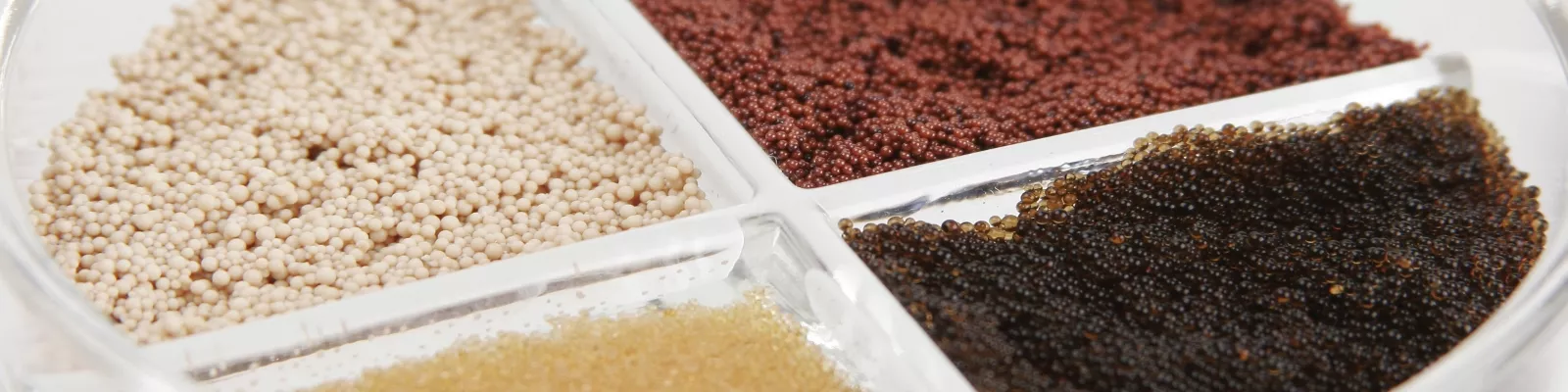
You've likely come across the term strong cation resin in water treatment reports, industrial data sheets, or even humanitarian relief literature — but what exactly is it? More importantly, why does it matter beyond technical jargon? In simple terms, strong cation resins are types of ion exchange materials that play a crucial role in purifying water, softening hardness-causing minerals, and enabling countless industrial processes.
Globally, clean water scarcity affects billions of people. According to the United Nations, nearly 2 billion lack safely managed drinking water services (1). The strong cation resin steps in as an unsung hero to tackle hardness, heavy metals, and mineral contaminants — supporting sustainable water supplies and industrial reliability. Understanding their function and advantages helps engineers, NGOs, and policymakers converge towards a cleaner, more efficient future.
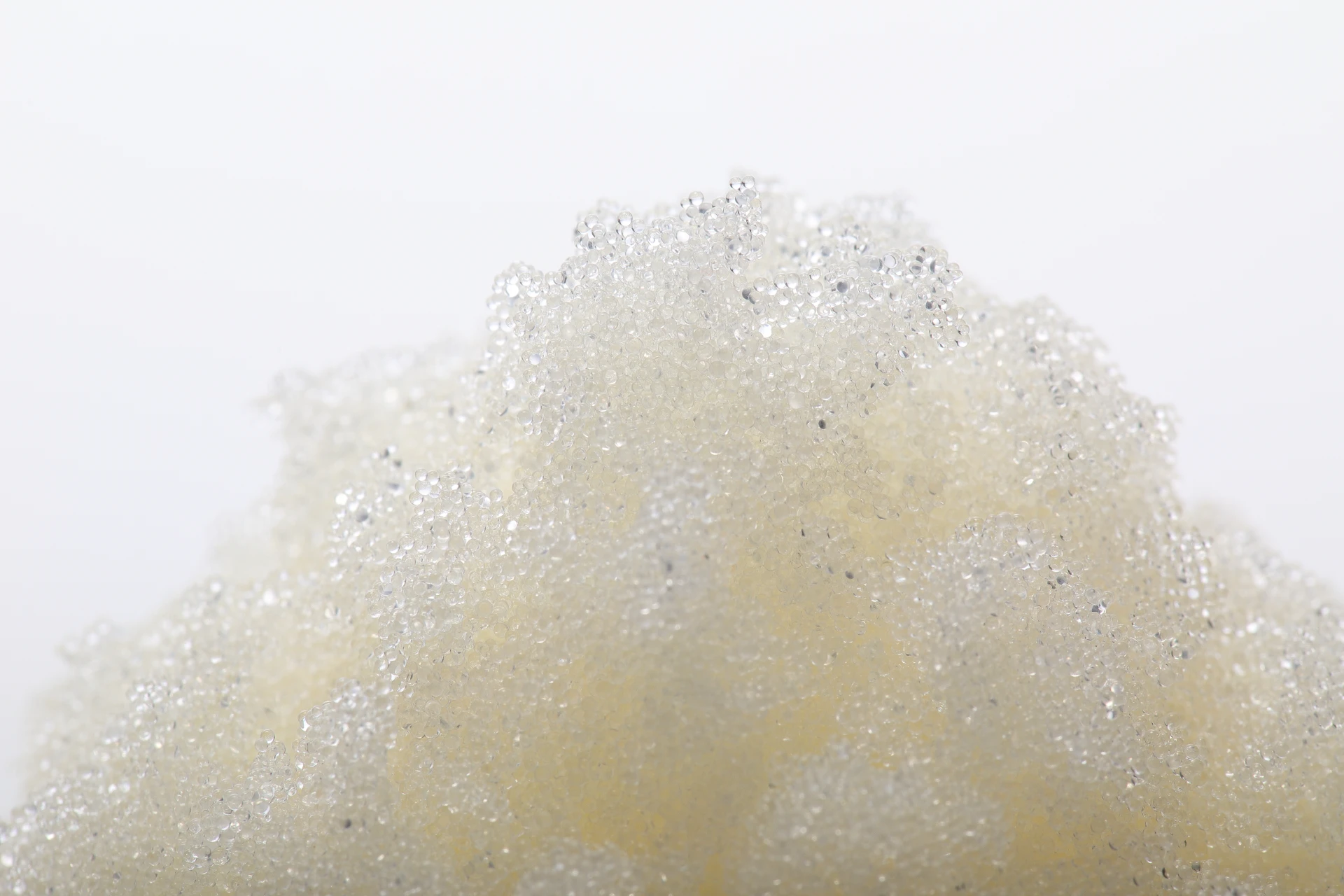
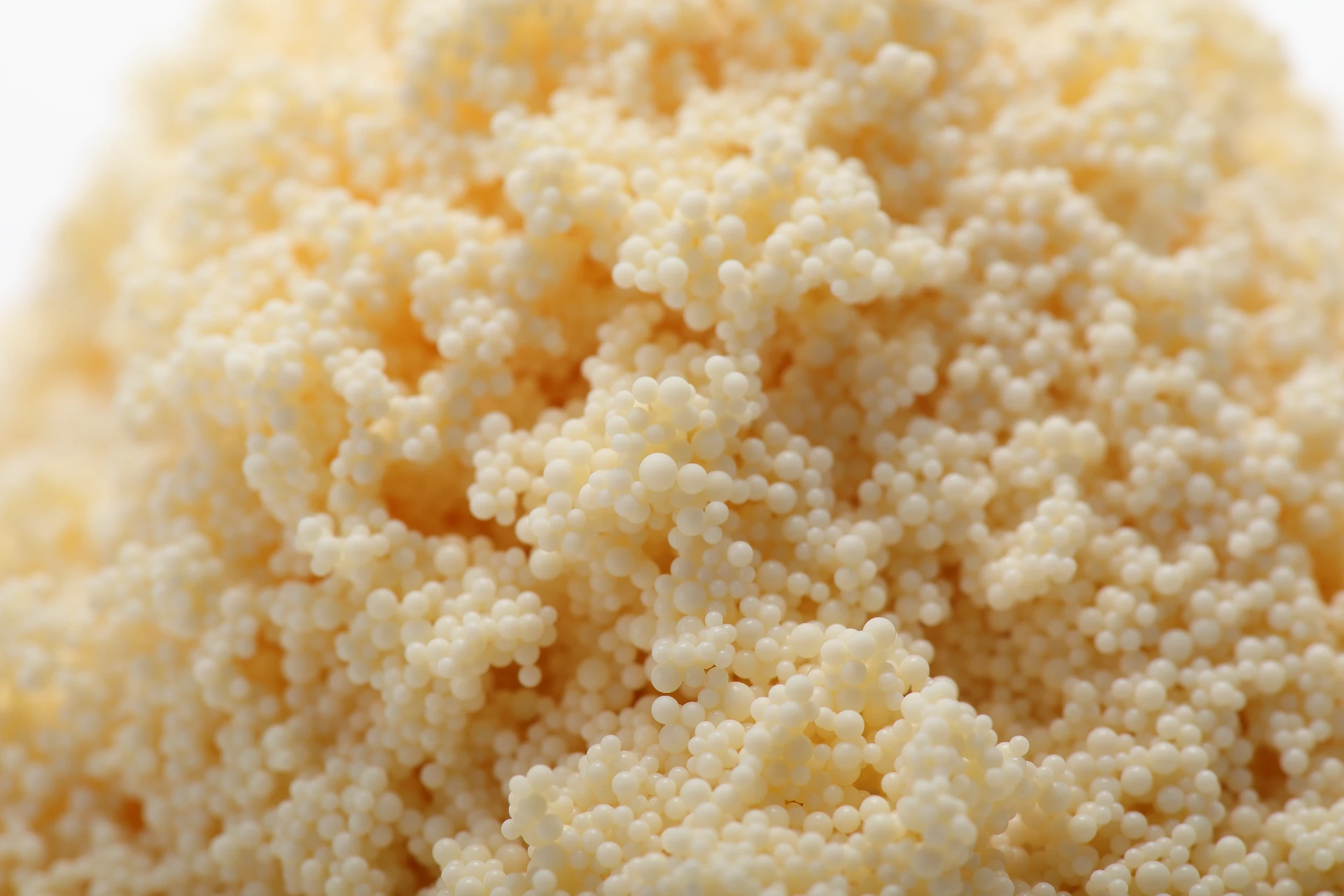
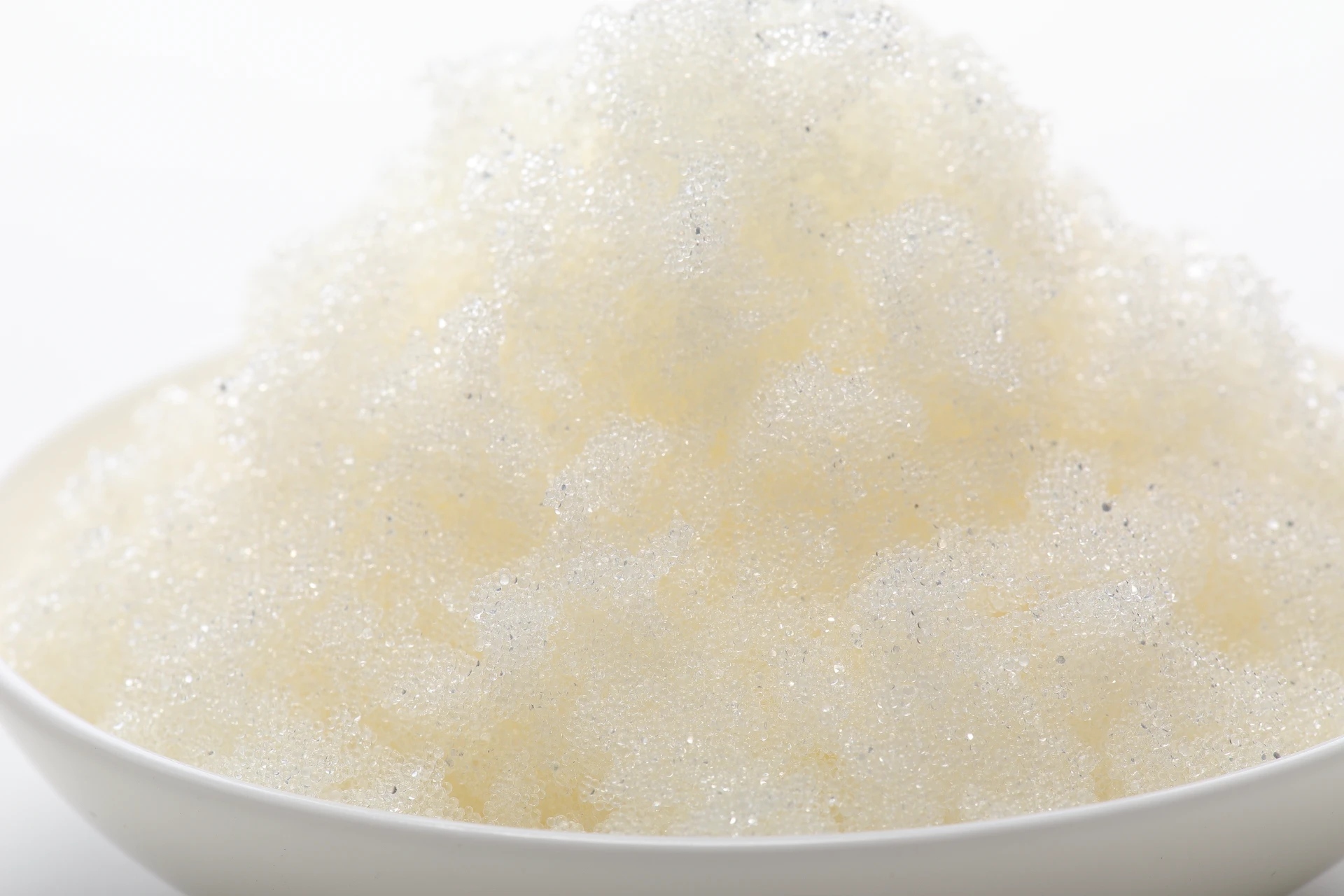
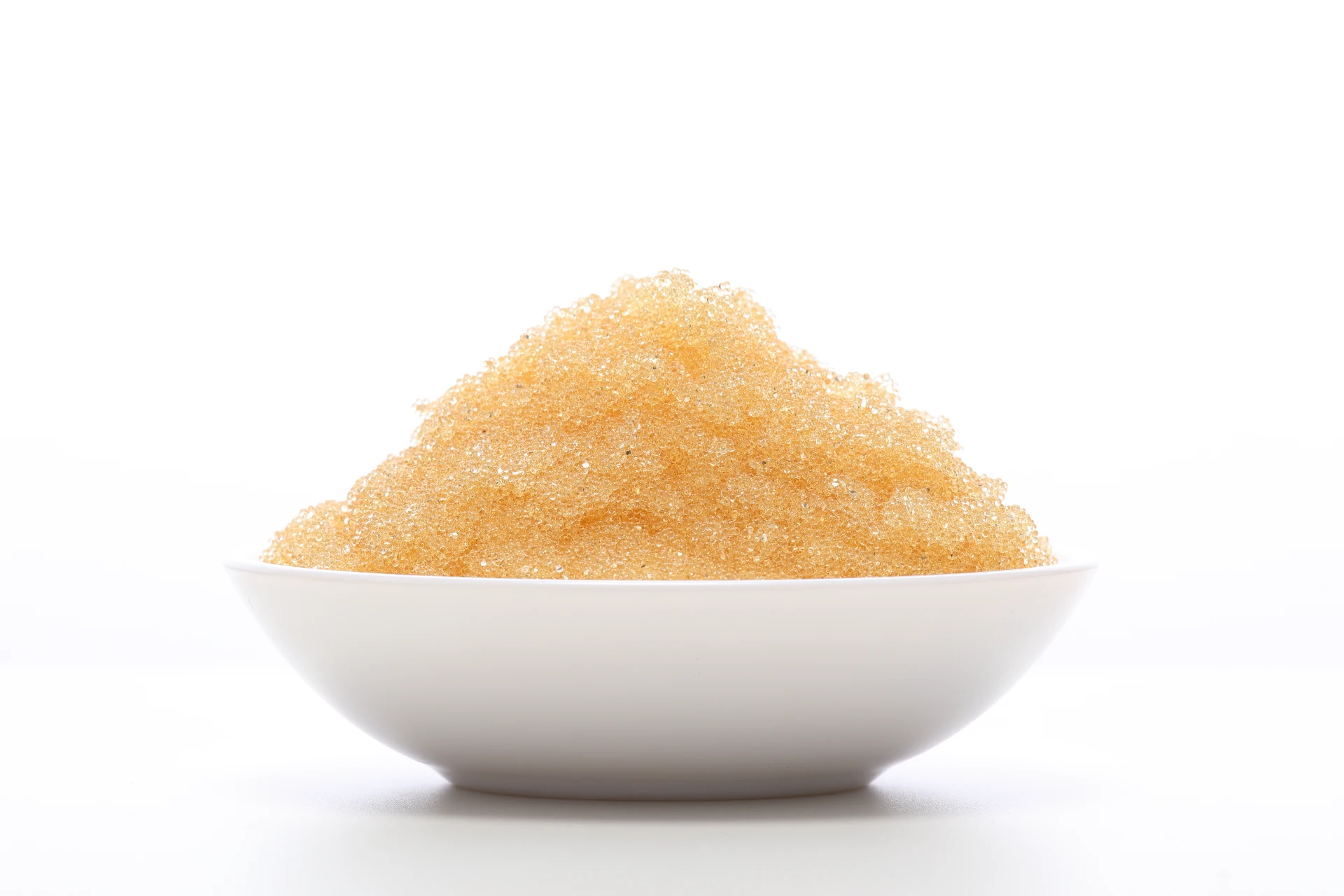
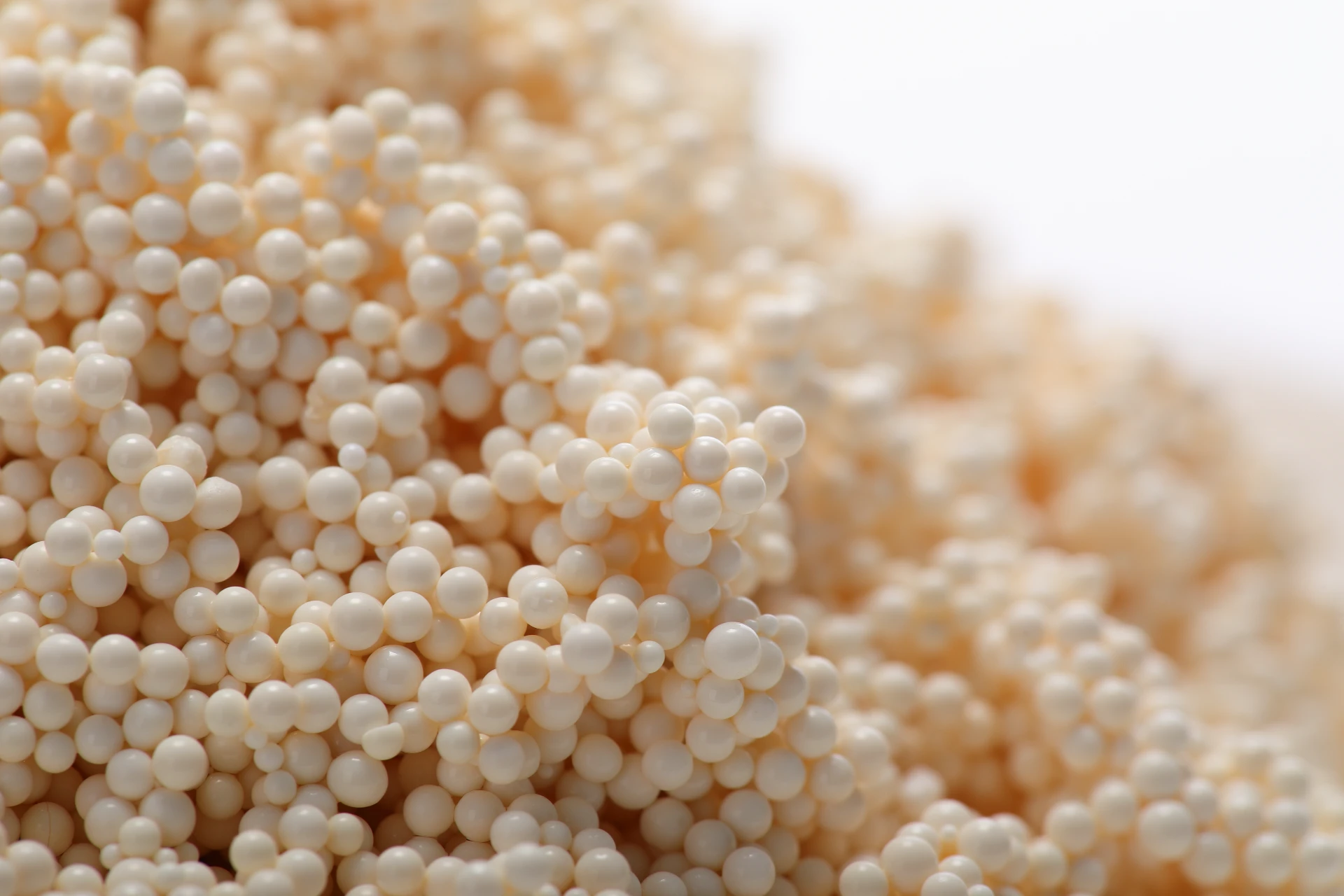
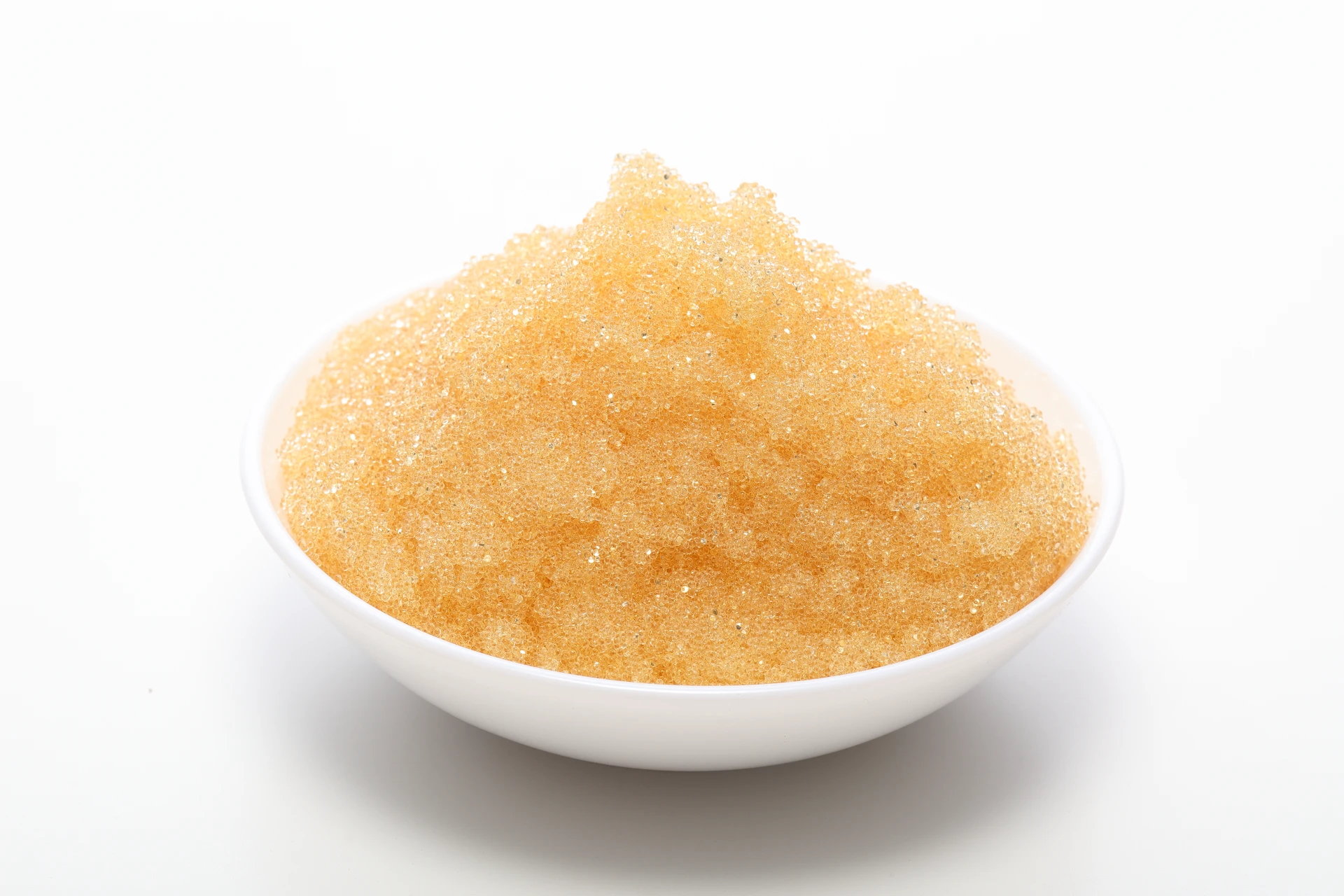
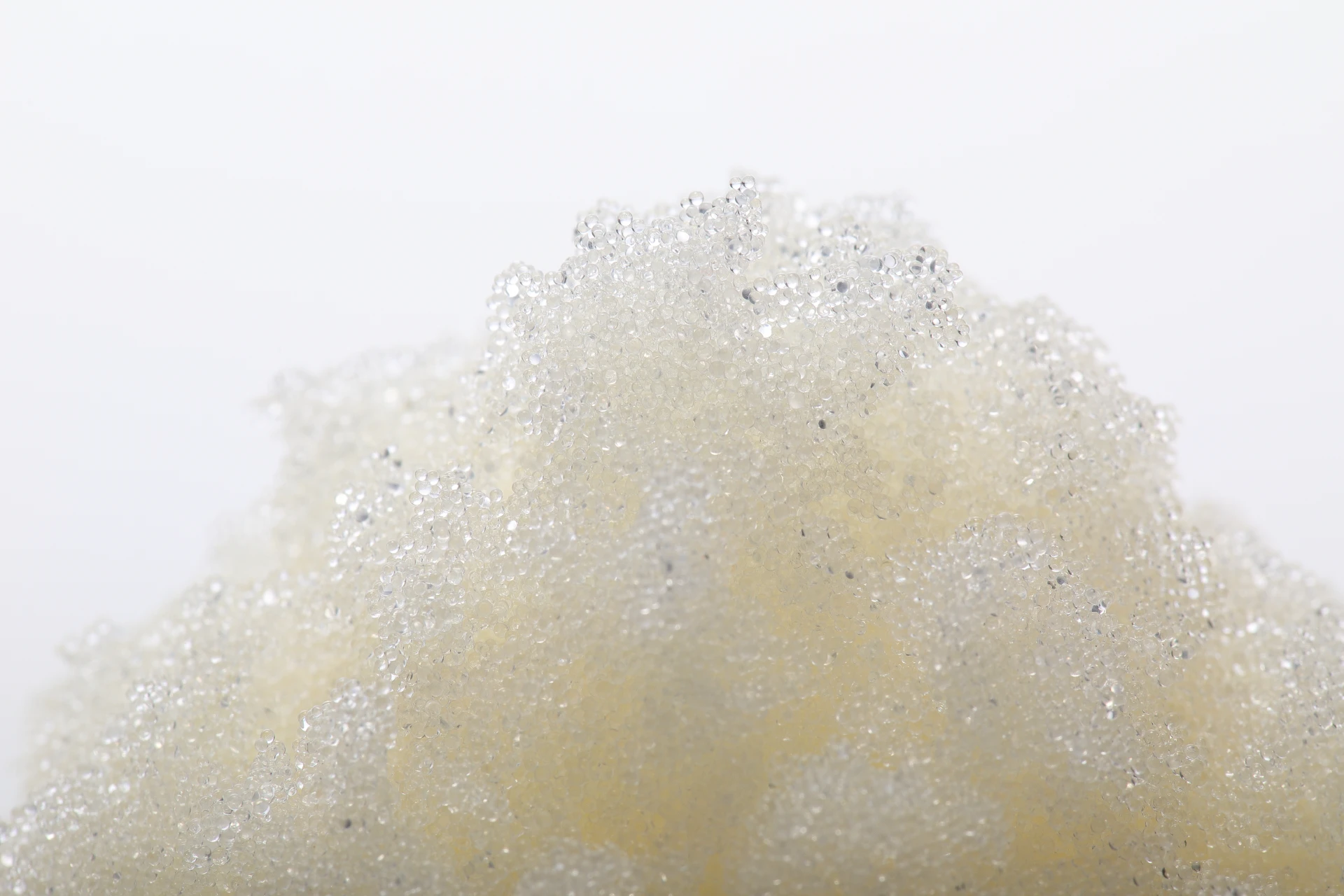
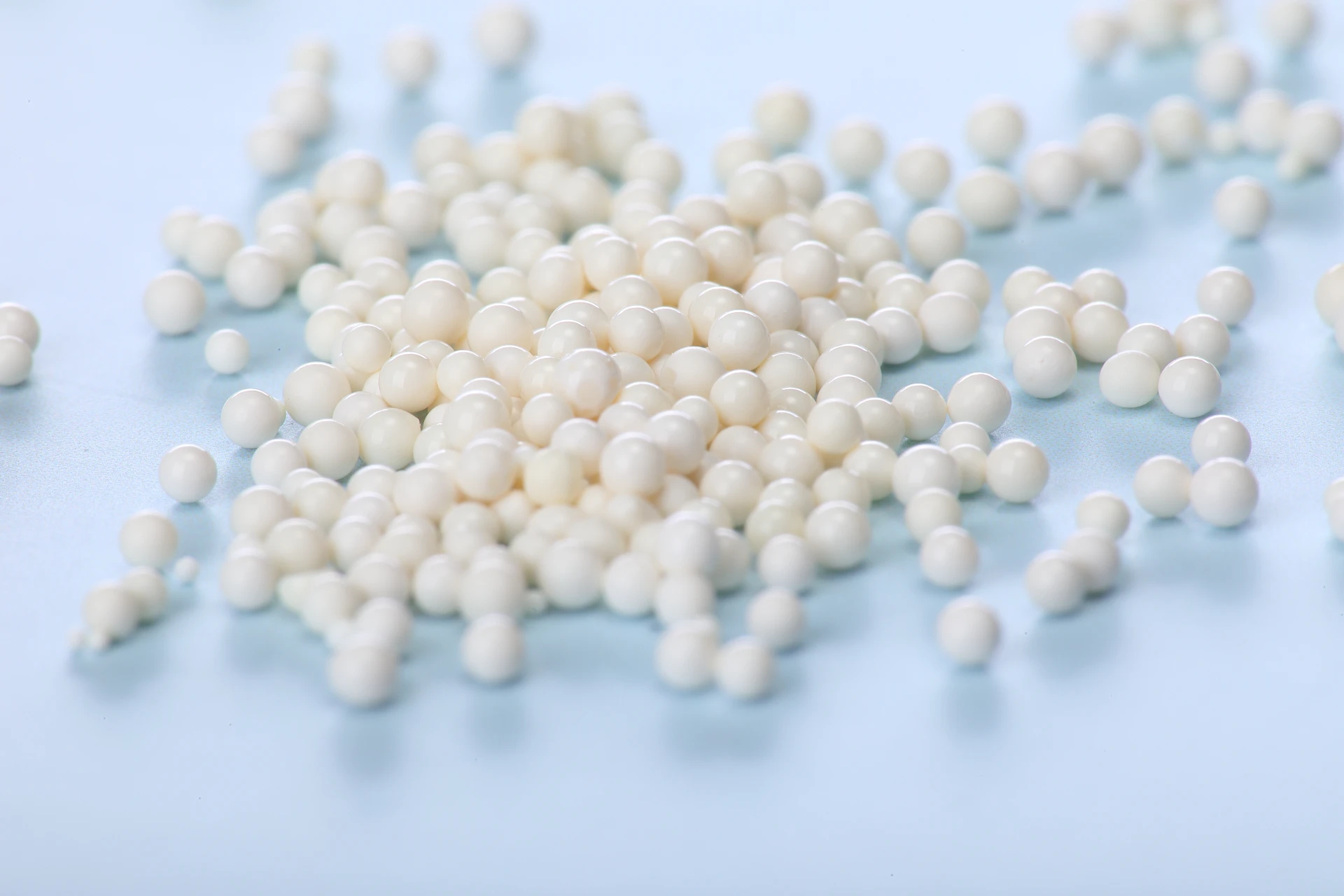
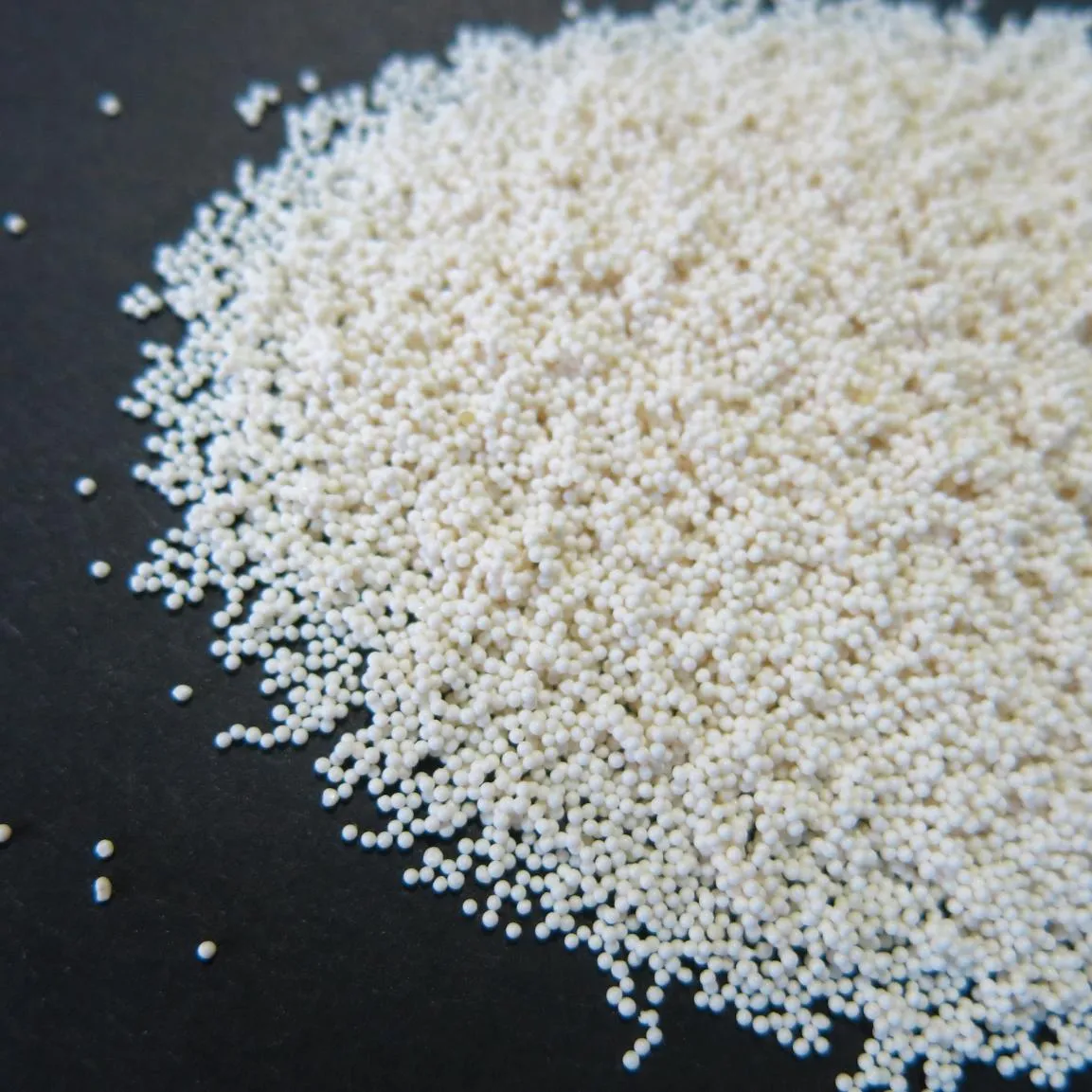
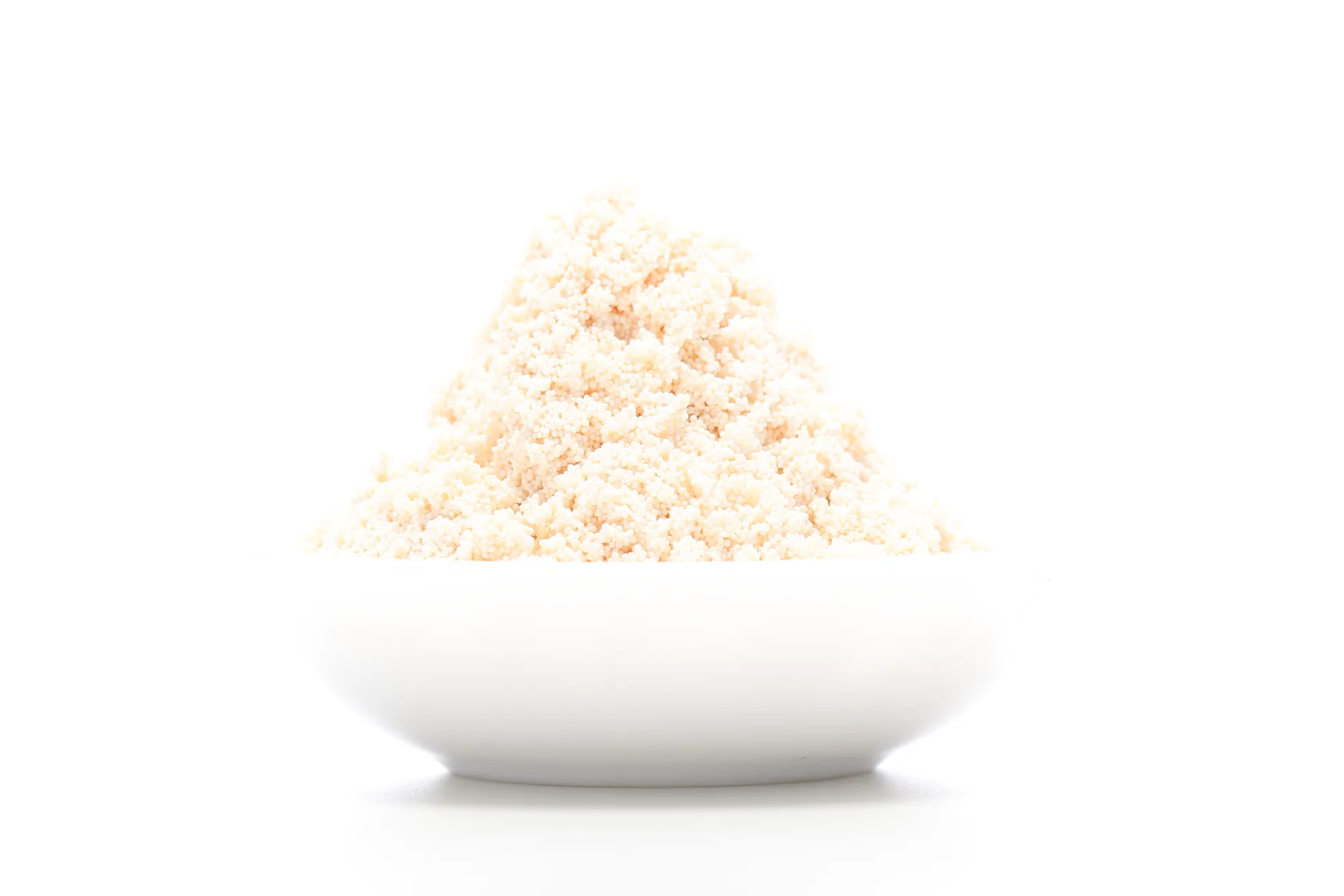
In the most straightforward terms, strong cation resin is a polymer-based material embedded with sulfonic acid groups that strongly attract and swap out positively charged ions — the cations — from liquids passing through them. These ions might be calcium, magnesium, iron, or heavy metals that tend to cause scaling, corrosion, or health hazards.
This process of ion exchange is pivotal in industries as diverse as water softening in homes and factories, pharmaceutical purification, food production, and even nuclear power plants. Interestingly, the resin’s robustness (hence “strong cation”) means it operates effectively in harsher conditions compared to its “weak” counterparts.
Strong cation resins can withstand acidic environments and high temperatures without degrading quickly — a must when dealing with aggressive feed waters or industrial solvents. Engineers often praise this for extending service life and minimizing frequent replacements.
Their sulfonic acid groups have high affinity for most cations, ensuring efficient removal of unwanted ions from water or chemical streams, which translates directly to better product quality or safer discharged effluent.
One of the smartest bits is how the resin can be restored using chemical regenerants (usually brine solutions). This allows for long-term practical use without massive wastage — a definite advantage for scalability in industries ranging from small-scale food processing to municipal water treatment plants.
While the upfront price can seem a bit steep, the total cost of ownership usually falls below alternatives when you account for regeneration capacity, lifespan, and reduced downtime.
| Specification | Details |
|---|---|
| Functional Groups | Sulfonic acid (-SO3H) |
| Operating pH Range | 1–14 |
| Exchange Capacity (eq/L) | 1.8 – 2.2 |
| Max Operating Temperature | 120°C (248°F) |
| Particle Size | 300–1200 μm |
| Applications | Water softening, heavy metal removal, pharmaceutical, food & beverage |
Mini takeaway: These resins pack robustness, high ion-exchange performance, and cost-effectiveness — a trifecta that has cemented their role in both industrial and humanitarian water treatments.
In real terms, it’s fascinating how a little bead can impact so many corners of the globe:
For example, in parts of South Asia, NGO-led water stations integrate strong cation resin units to treat groundwater contaminated with heavy metals (2). The result? Drastically reduced kidney diseases and safe drinking water for remote communities.
There’s no shortage of reasons why industries and relief organizations swear by these resins. Here’s a quick checklist of what stands out:
Honestly, it feels like this technology elegantly combines reliability with social responsibility. It not only makes systems run smoother but also helps preserve dignity and safety where water quality is a matter of life and death.
In my conversations with industry experts, what excites many is the push towards sustainable resin materials — think bio-based polymers replacing styrene divinylbenzene frameworks. IoT-enabled filter beds that monitor resin saturation in real time are another growing trend, enabling predictive maintenance and less downtime.
Advanced manufacturing methods are also improving bead uniformity and exchange efficiency. Meanwhile, low-sodium regeneration options address environmental concerns in brine disposal. Some companies are exploring resin blends that combine strong acid and chelating properties to tackle complex contaminant mixes.
Despite their utility, strong cation resins aren’t without issues:
Yet, innovation keeps pushing solutions — new fouling-resistant resin grades and green regeneration chemistries promise to minimize these impacts. Plus, collaborative efforts between governments and suppliers help improve access and affordability.
| Vendor | Resin Capacity (eq/L) | Price Range (USD/kg) | Special Features | Availability |
|---|---|---|---|---|
| Liji Resin | 2.0 | $8 - $12 | High durability, customizable bead size | Worldwide shipping |
| ResinTech Co. | 1.9 | $7 - $10 | Eco-friendly regeneration tech | North America, Europe |
| PureIon | 2.1 | $10 - $14 | Advanced fouling resistance | Asia-Pacific |
All things considered, strong cation resin may seem like a small player in the grand scope of water and industrial tech — but it packs a punch you kind of have to respect. Its proven performance, adaptability, and growing eco-conscious innovations make it a smart choice whether you’re a plant operator, an NGO running field water units, or an engineer aiming for sustainable solutions.
Interested in learning more technical details or placing custom orders? Feel free to explore our offerings at Liji Resin where expert guidance meets quality products.