Phone:
+86 0319 2296164


Email:
info@lijiresin.cn
Look, I’ve been running around construction sites all year, getting my hands dirty with materials and talking shop with engineers. You wouldn't believe the things I’ve seen. Lately, everyone’s talking about prefabrication, modular designs, trying to shave off time and costs. It's the name of the game right now. But honestly, a lot of folks rush into it without thinking through the details.
I tell you, designing for manufacturability is way harder than it looks. You think you’ve got a simple bracket, then the fabricator tells you it’s impossible to bend that steel without cracking it. It’s always something. And don't even get me started on tolerances…
We’re using a lot of high-strength low-alloy steel these days – HSLA. Feels heavier, smells… well, smells like metal, obviously. You can tell the good stuff, it’s got a nice cold feel. And the aluminum extrusions, those are everywhere. Surprisingly light, but you gotta be careful with the corners, they can be sharp. Then there’s the composite panels – lightweight, but getting a good adhesive bond is tricky. Strangely, a lot of manufacturers skimp on the adhesive, and it'll fail in a few years.

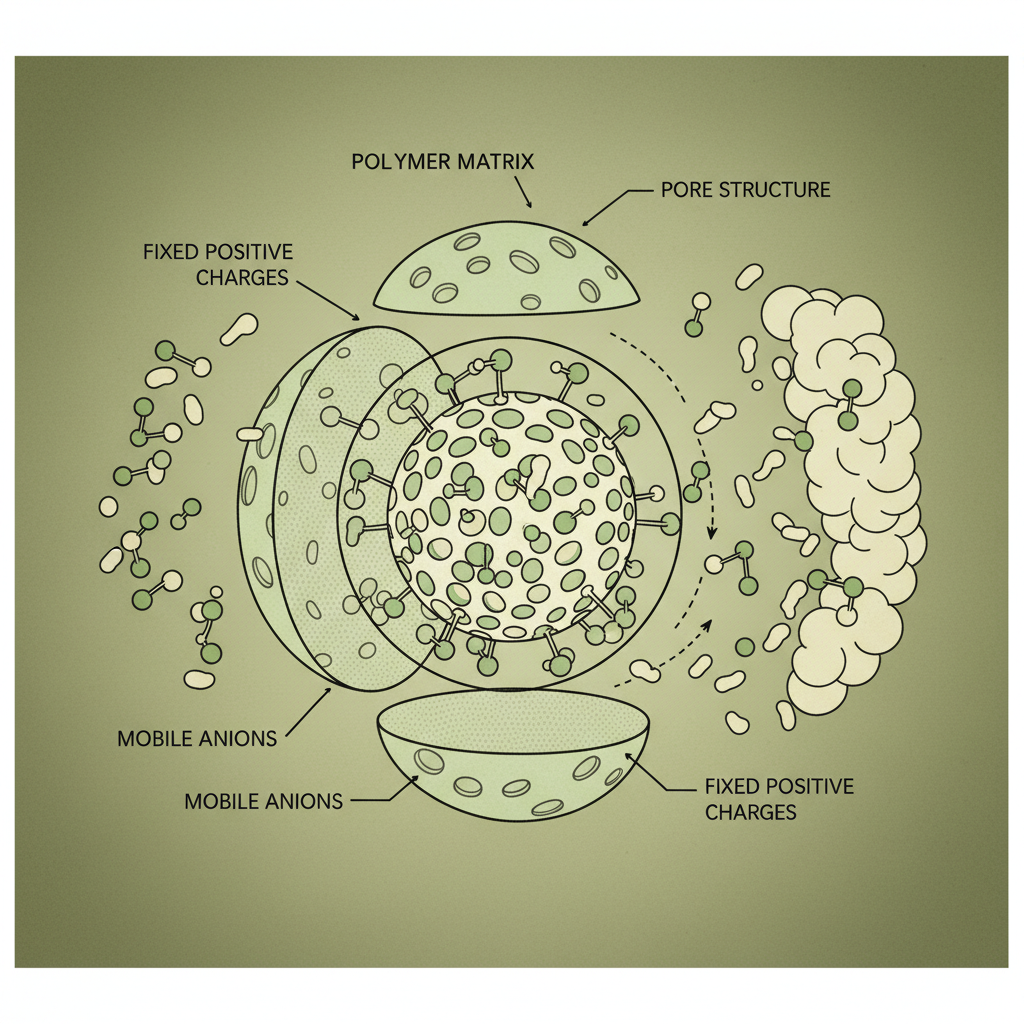
To be honest, everyone’s looking for ways to do things faster and cheaper these days. With anion exchange resin, it's about efficiency. We’re seeing a huge push for it, especially in wastewater treatment and power generation. It’s not just a trend, it’s becoming essential. Have you noticed how stricter environmental regulations are driving demand?
It’s a massive global market. The UN keeps putting out reports highlighting the water crisis and the need for sustainable solutions, and anion exchange resin is a key part of that. It's not just about developed countries either; emerging economies are investing heavily in water purification and power generation.
Honestly, it varies a lot depending on the water quality and the type of resin. But generally, you can expect 5-10 years before significant capacity loss. A lot of folks underestimate the impact of fouling, though. Consistent pretreatment is key to extending that lifespan. Regular cleaning and regeneration cycles also play a big role. Don't cheap out on the pretreatment!
Temperature is a big deal. Higher temperatures generally increase the reaction rate, which means faster removal of contaminants. But it also accelerates resin degradation. You gotta find the sweet spot. Most resins have an optimal temperature range, usually around 25-40°C. Going too high or too low will reduce efficiency. I encountered this issue at a power plant where the influent water was consistently too hot.
That’s a good question, and it’s a growing problem. Spent resin can contain harmful contaminants that can leach into the environment. It’s not something you can just dump in a landfill. Typically, it needs to be incinerated or sent to a specialized waste treatment facility. It’s expensive, but necessary. There's a lot of research going into developing more sustainable resin materials and disposal methods.
Backwashing is crucial. You want to use a flow rate that’s high enough to expand the resin bed, but not so high that it causes attrition. Usually, around 2-3 times the service flow rate is good. Use clean, demineralized water to avoid introducing more contaminants. And make sure to backwash regularly, even if the pressure drop hasn’t increased significantly. Prevention is always better than cure.
Absolutely. Regeneration is how you restore the resin’s capacity. You use a chemical regenerant – typically a base like sodium hydroxide. How often you regenerate depends on the loading and the resin type. Monitor the effluent quality and regenerate when it starts to break through. Over-regeneration can damage the resin, so don’t go overboard. It’s a balancing act.
Fouling is the enemy. It’s caused by things like organic matter, suspended solids, and iron. Pretreatment is the best defense. Make sure you have proper filtration and oxidation to remove these contaminants before they reach the resin. Biofouling can also be a problem, so consider using a biocide if necessary. It's a pain to deal with, trust me.
So, what does all this boil down to? anion exchange resin is a powerful tool for water purification and a whole lot of other applications. But it’s not a magic bullet. You need to understand the underlying principles, choose the right materials, and operate the system properly. A lot of people think they can just throw it in and walk away, but that’s a recipe for disaster.
Ultimately, whether this thing works or not, the worker will know the moment he tightens the screw. It all comes down to proper design, installation, and ongoing maintenance. And don’t be afraid to get your hands dirty – that’s the best way to learn. If you’re looking for high-quality resin and expert advice, visit our website.