Phone:
+86 0319 2296164


Email:
info@lijiresin.cn
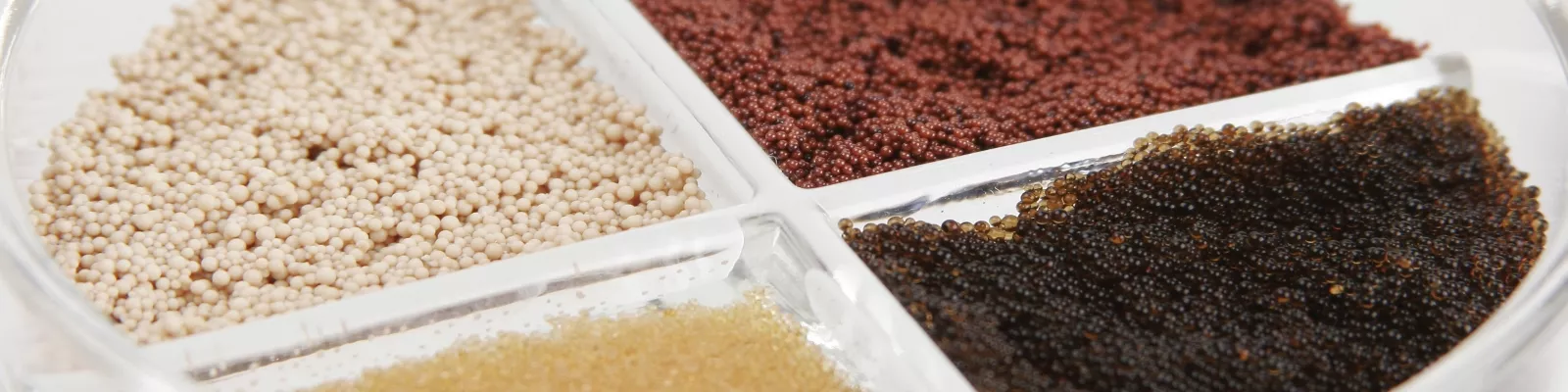
If you've ever marveled at clean water flowing freely from a tap or wondered how industries keep contaminants at bay, chances are, weak acid ion exchange resin played a silent role. This seemingly simple material forms the backbone of diverse processes that touch everything from water purification to chemical manufacturing worldwide.
Understanding the role and benefits of weak acid ion exchange resins isn't just for chemists and engineers anymore. With global water scarcity and environmental challenges rising (according to the United Nations, over 2 billion people experience water shortages daily), solutions that reuse and purify resources efficiently are indispensable. These resins help solve critical problems by removing unwanted ions gently and cost-effectively, preserving precious minerals and reducing waste.
Mini takeaway: Weak acid ion exchange resins quietly enable sustainable practices crucial to global health and industry.
Globally, industries and communities face mounting pressure to produce clean water, reduce pollution, and improve chemical processing efficiency. The World Bank estimates water-intensive industries will consume nearly 40% more water by 2030, meaning innovations like ion exchange resins aren’t just helpful—they’re essential.
Weak acid ion exchange resins address some of these core challenges by selectively exchanging ions in wastewater treatment, beverage processing, and pharmaceutical manufacturing. For example, in developing regions, where infrastructure may be fragile, these resins enable low-energy water softening and regeneration systems that don’t require harsh chemicals.
Oddly enough, they're also increasingly important in high-tech applications like battery manufacturing and environmental remediation—fields you wouldn’t expect at first glance.
Mini takeaway: The versatility of weak acid ion exchange resins means they’re paving the way for cleaner, more efficient industrial and environmental practices worldwide.
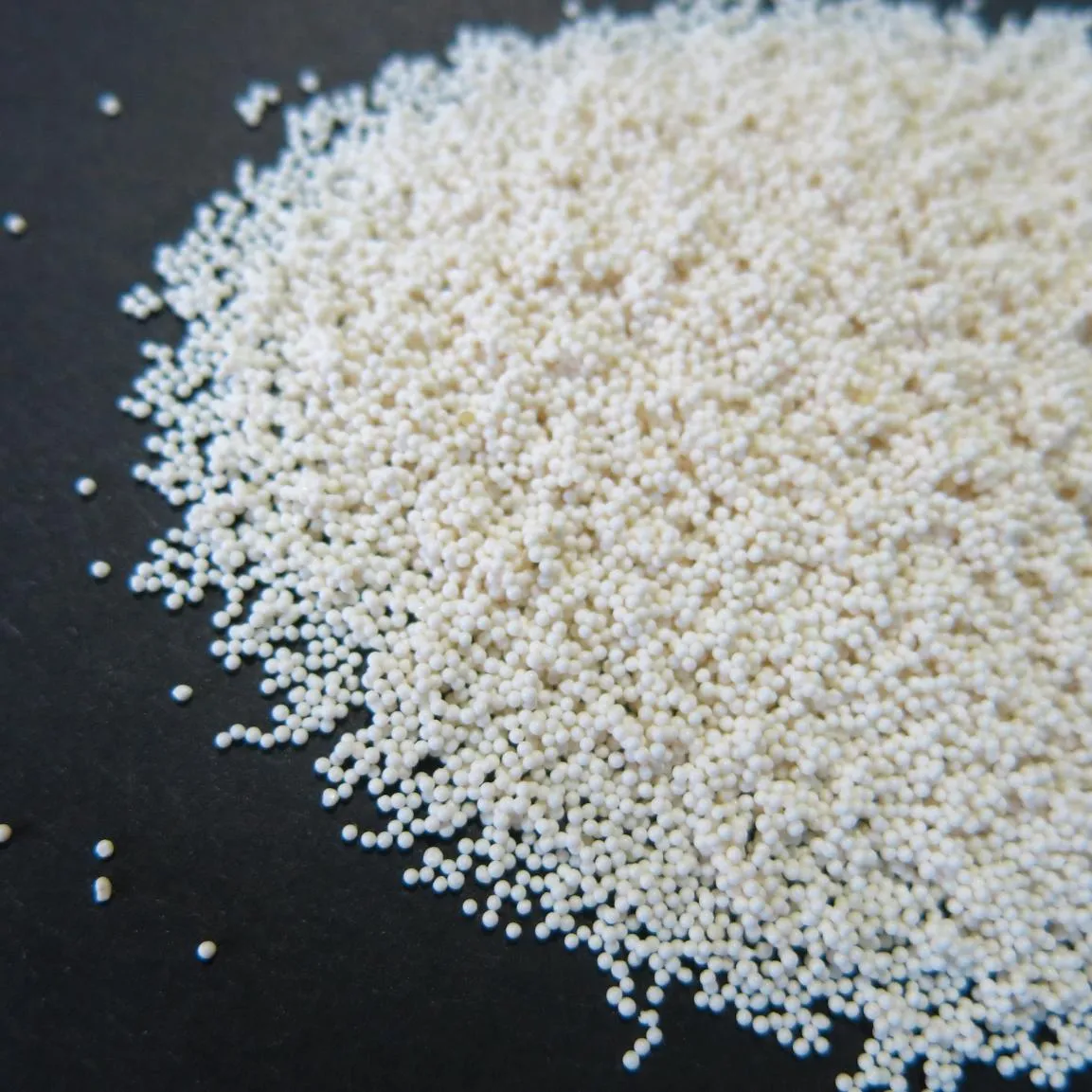
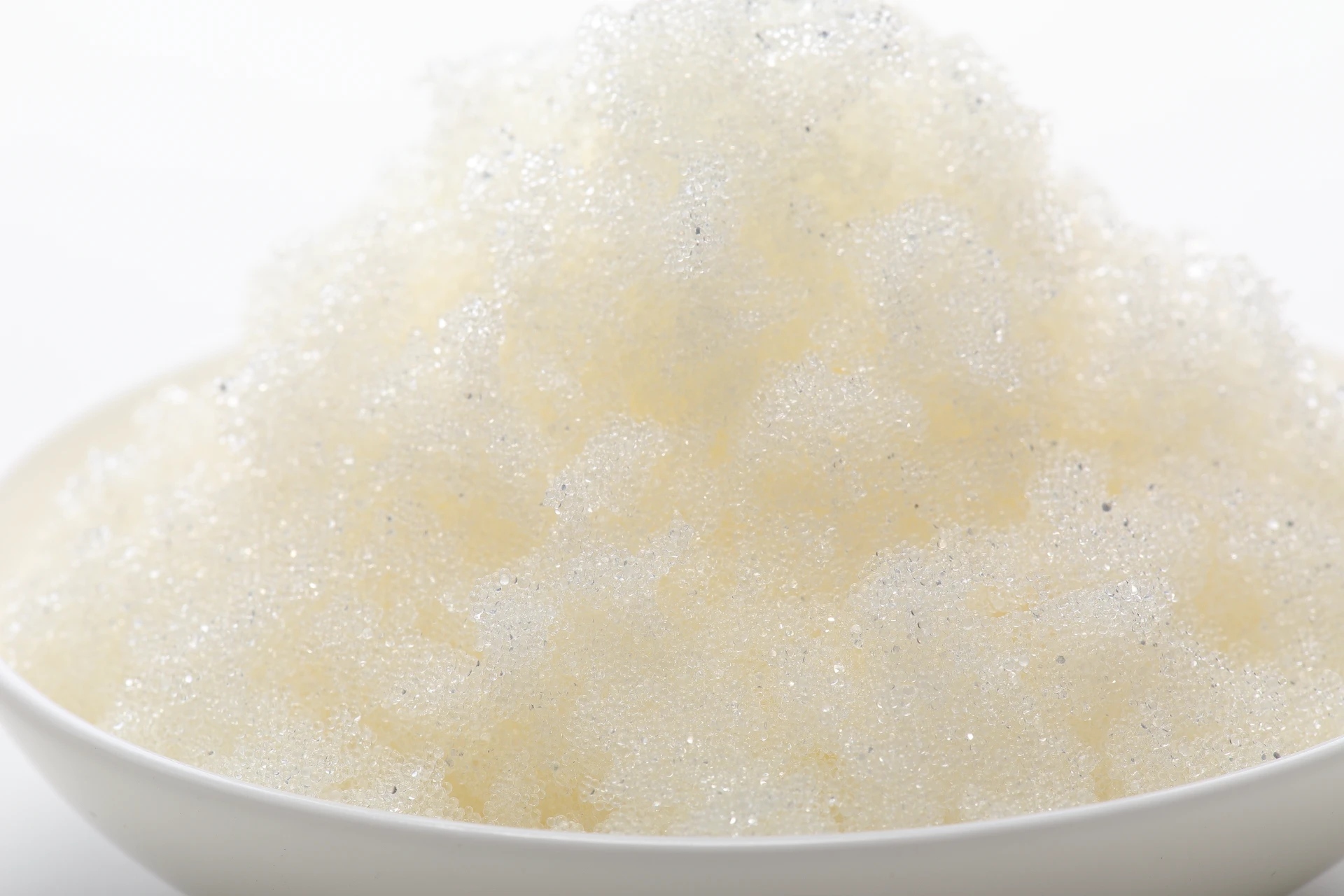
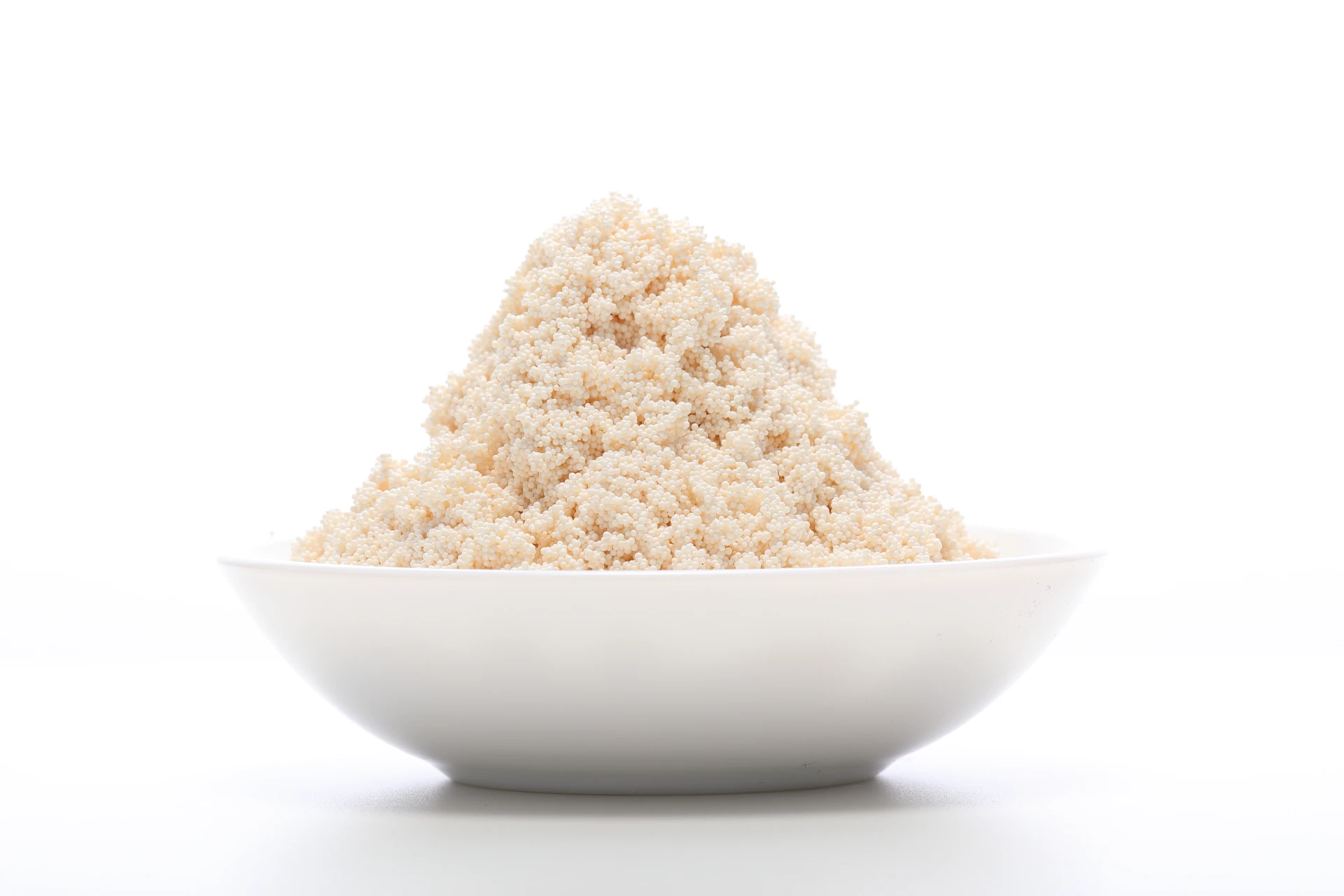
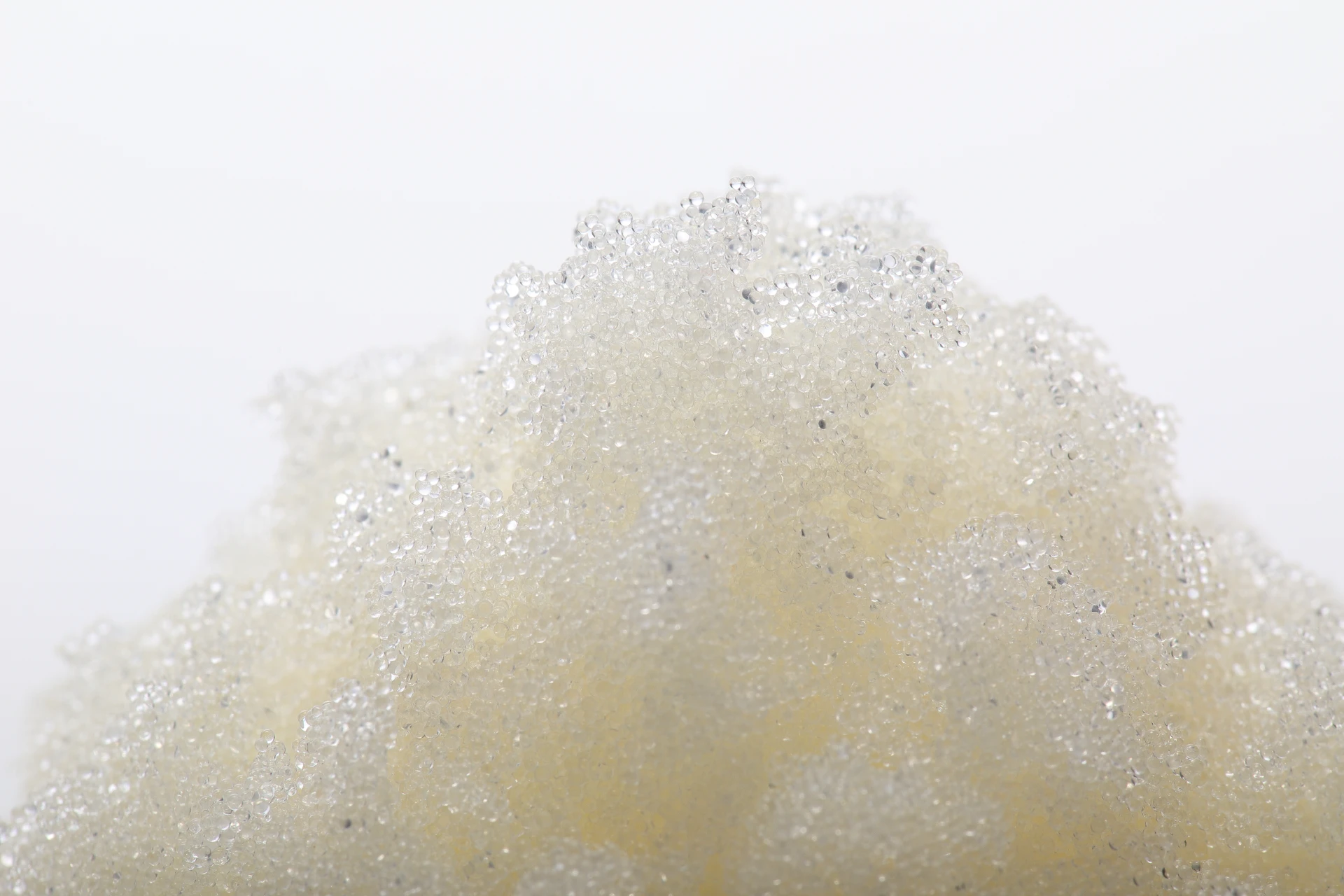
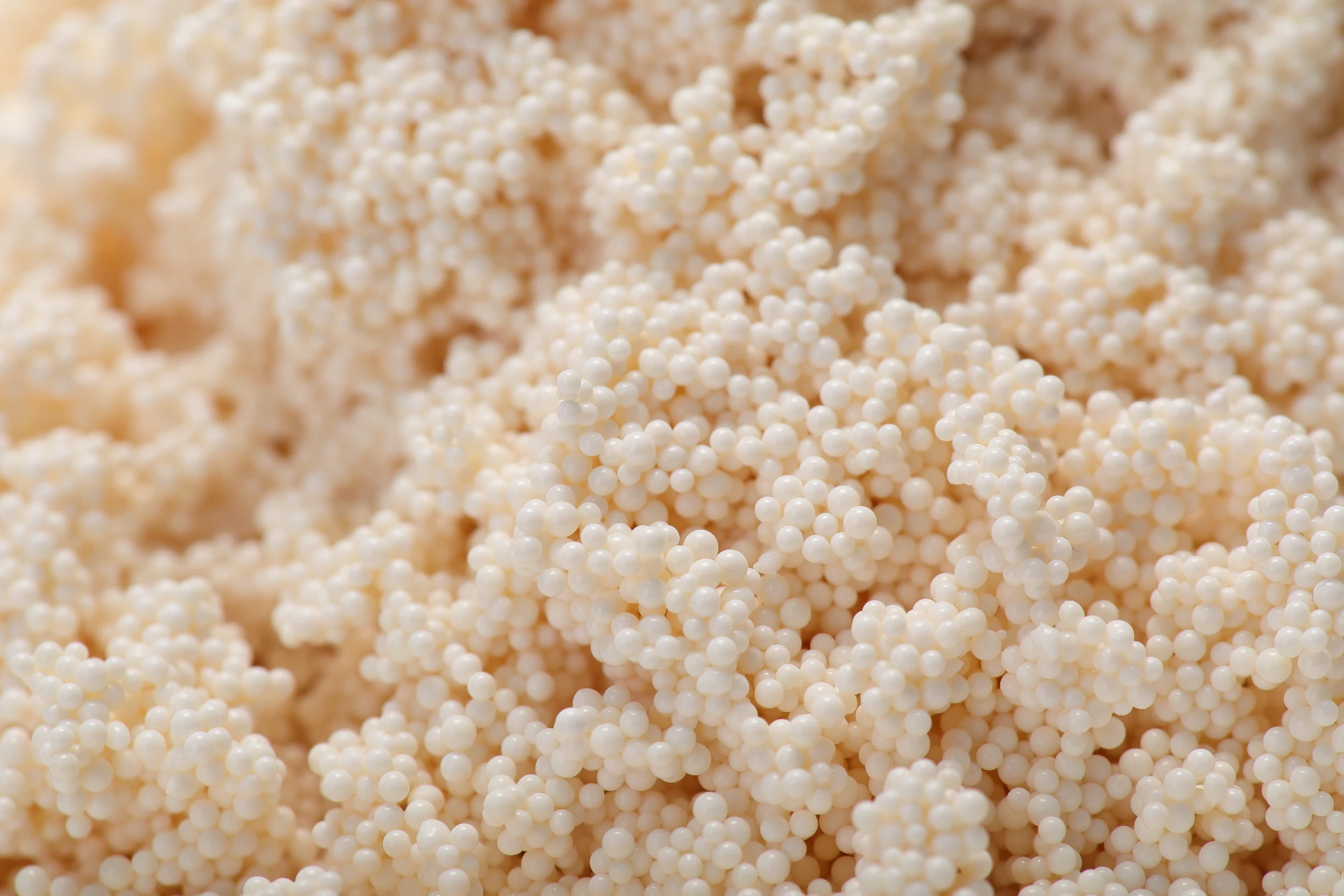
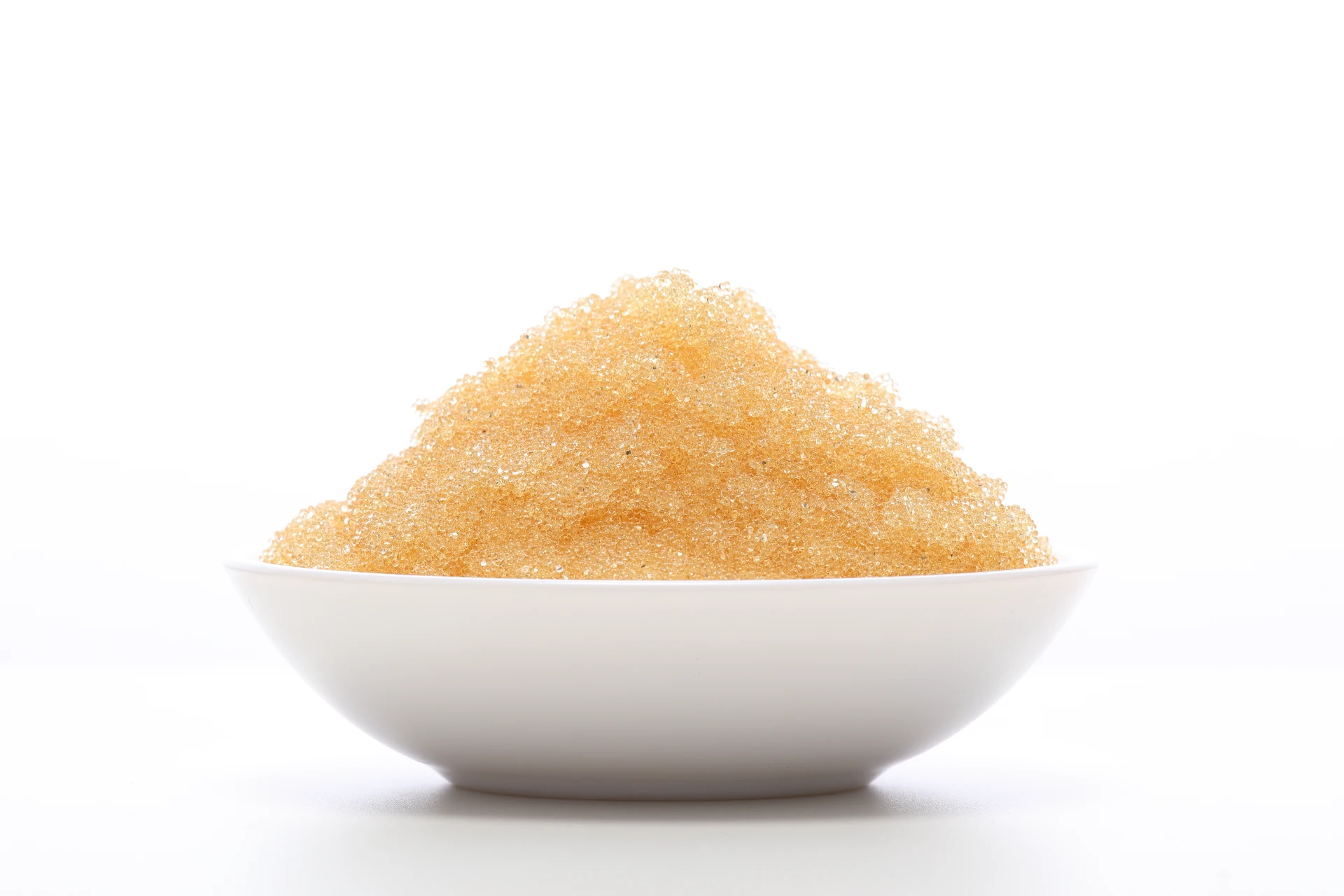
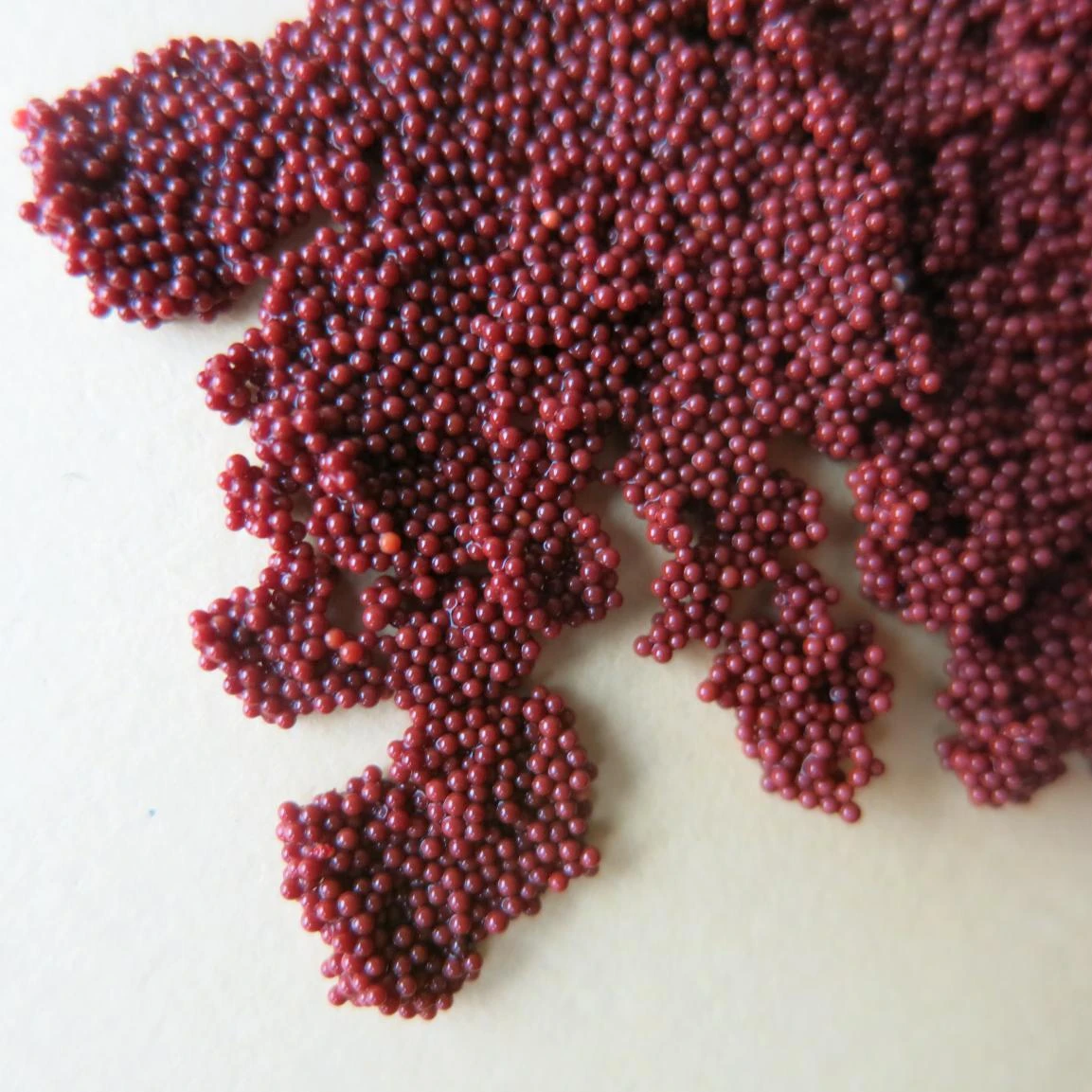
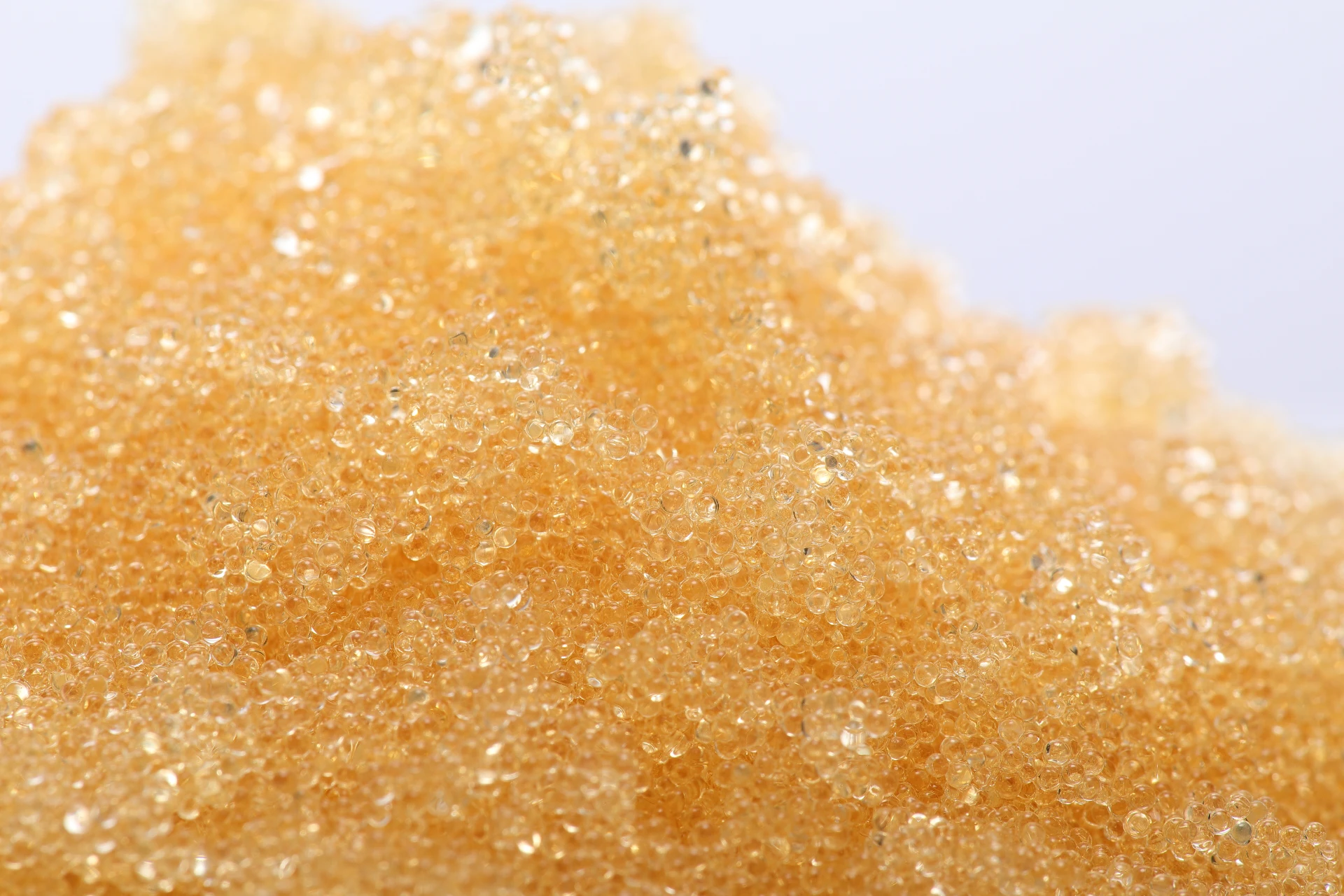
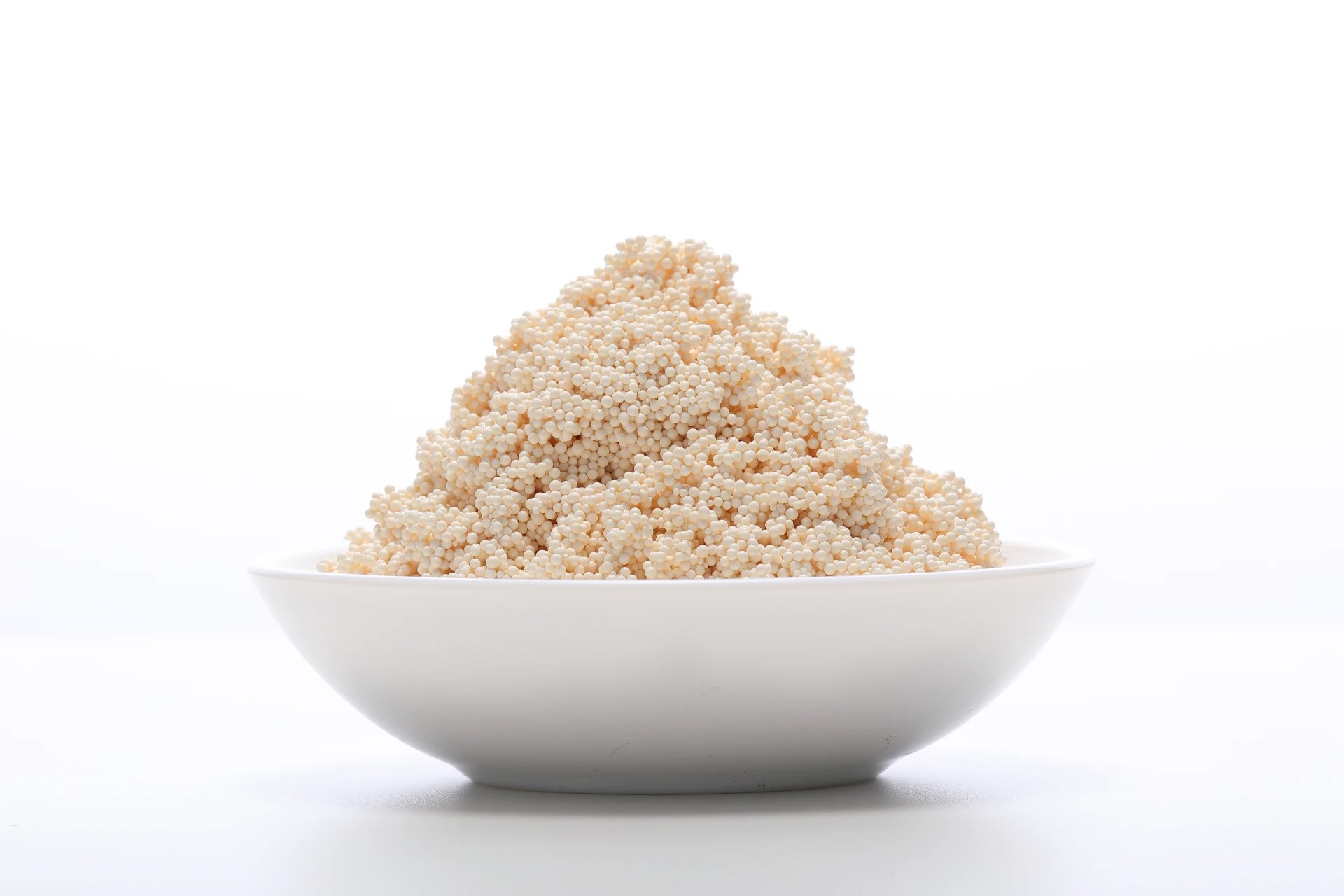
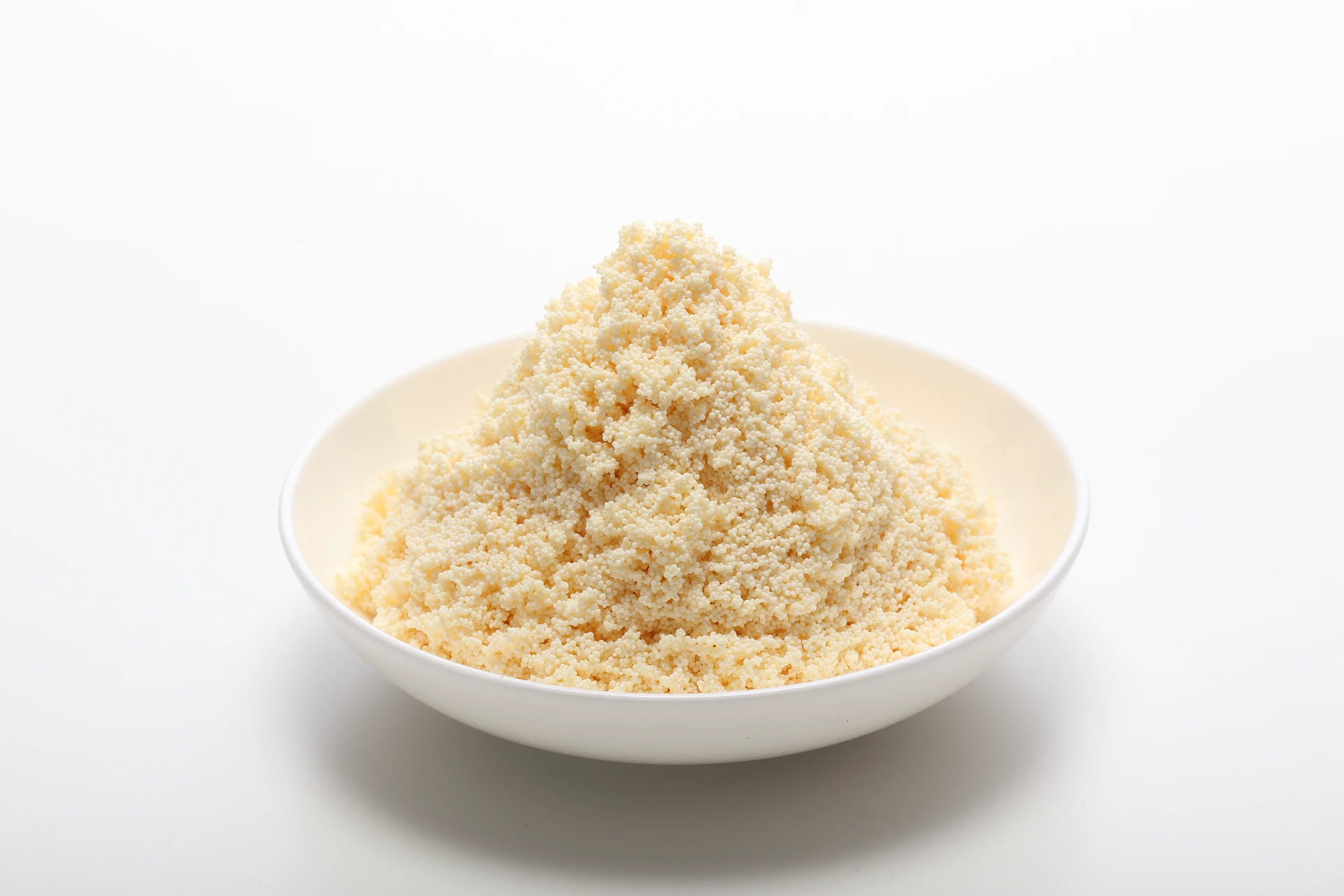
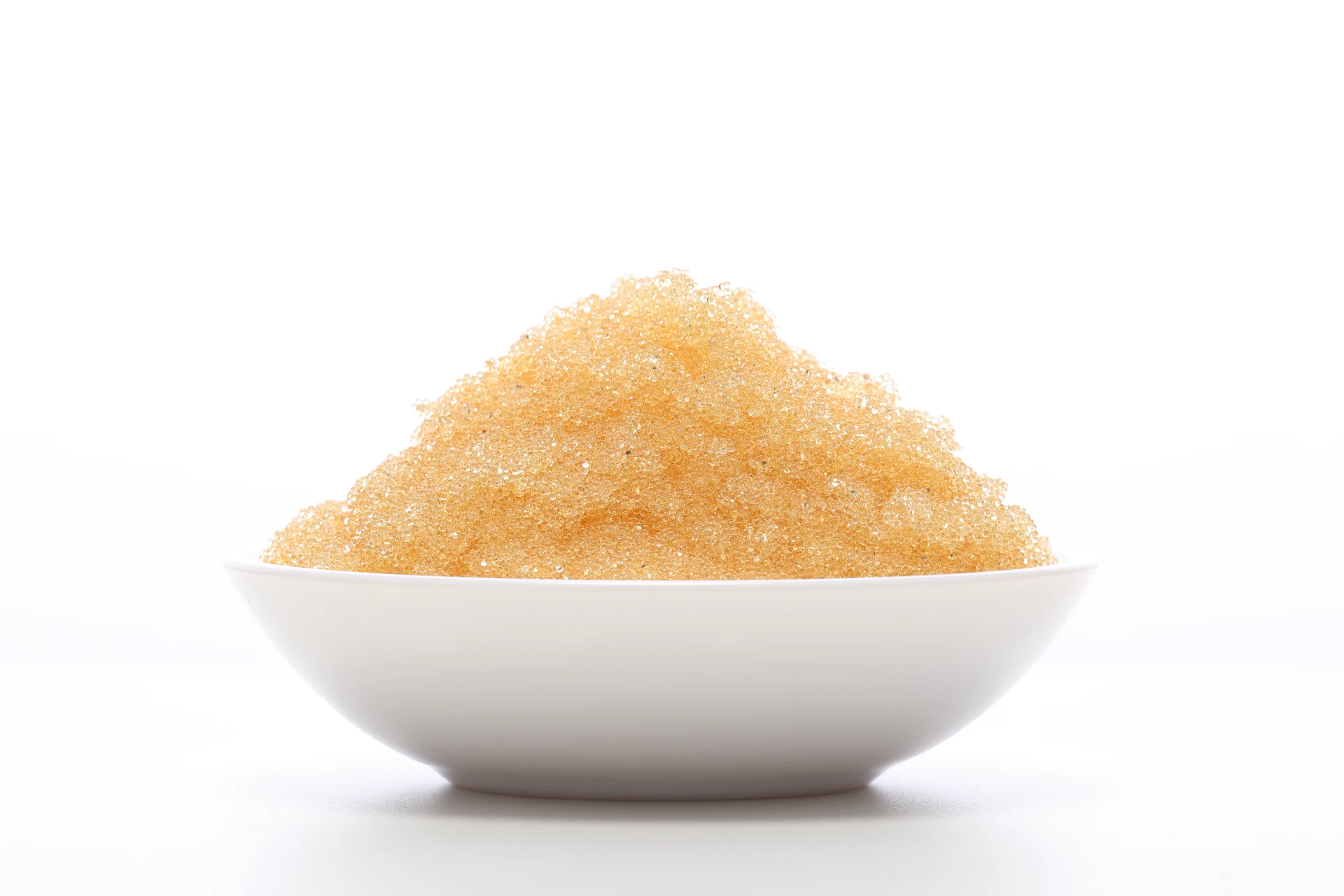
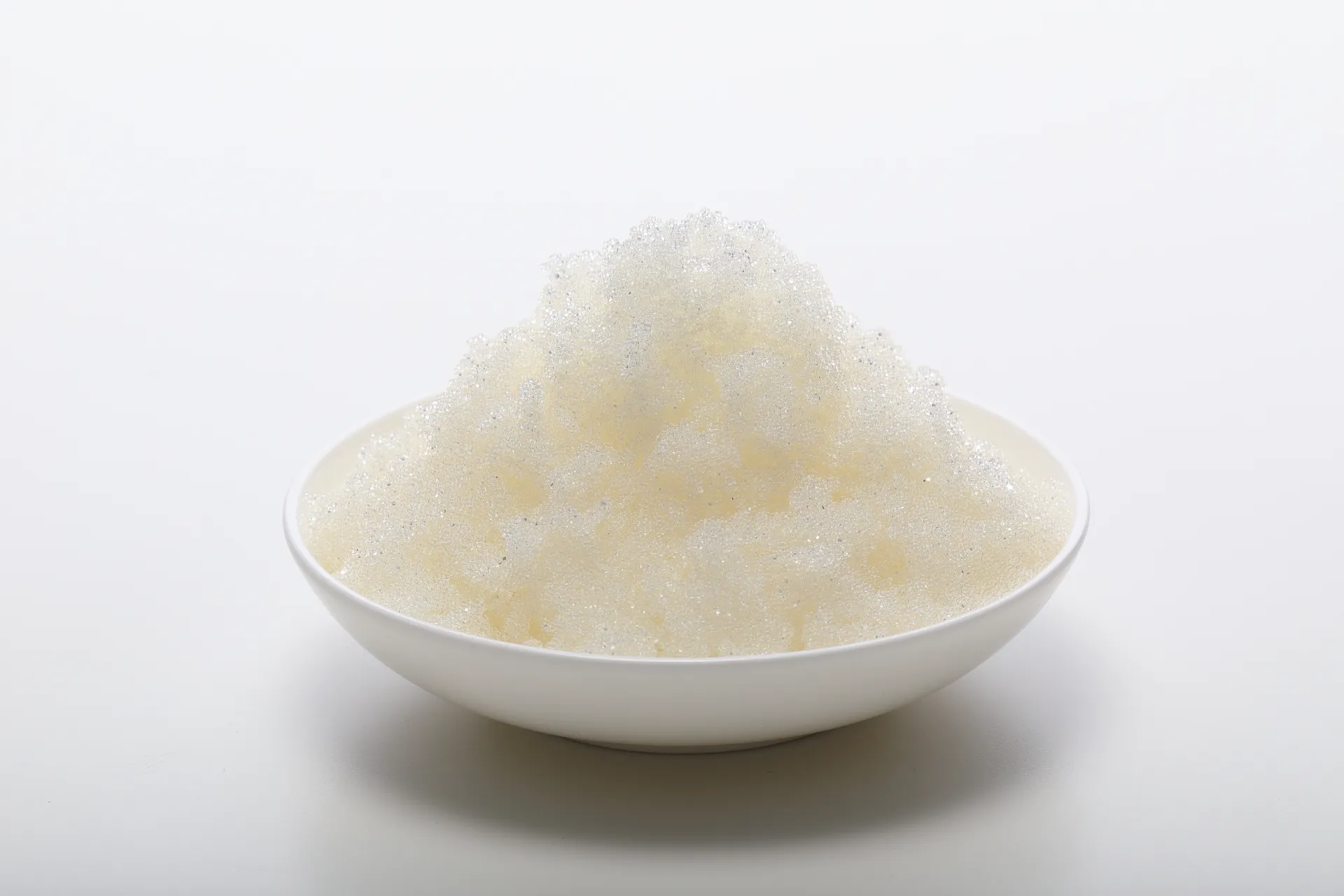
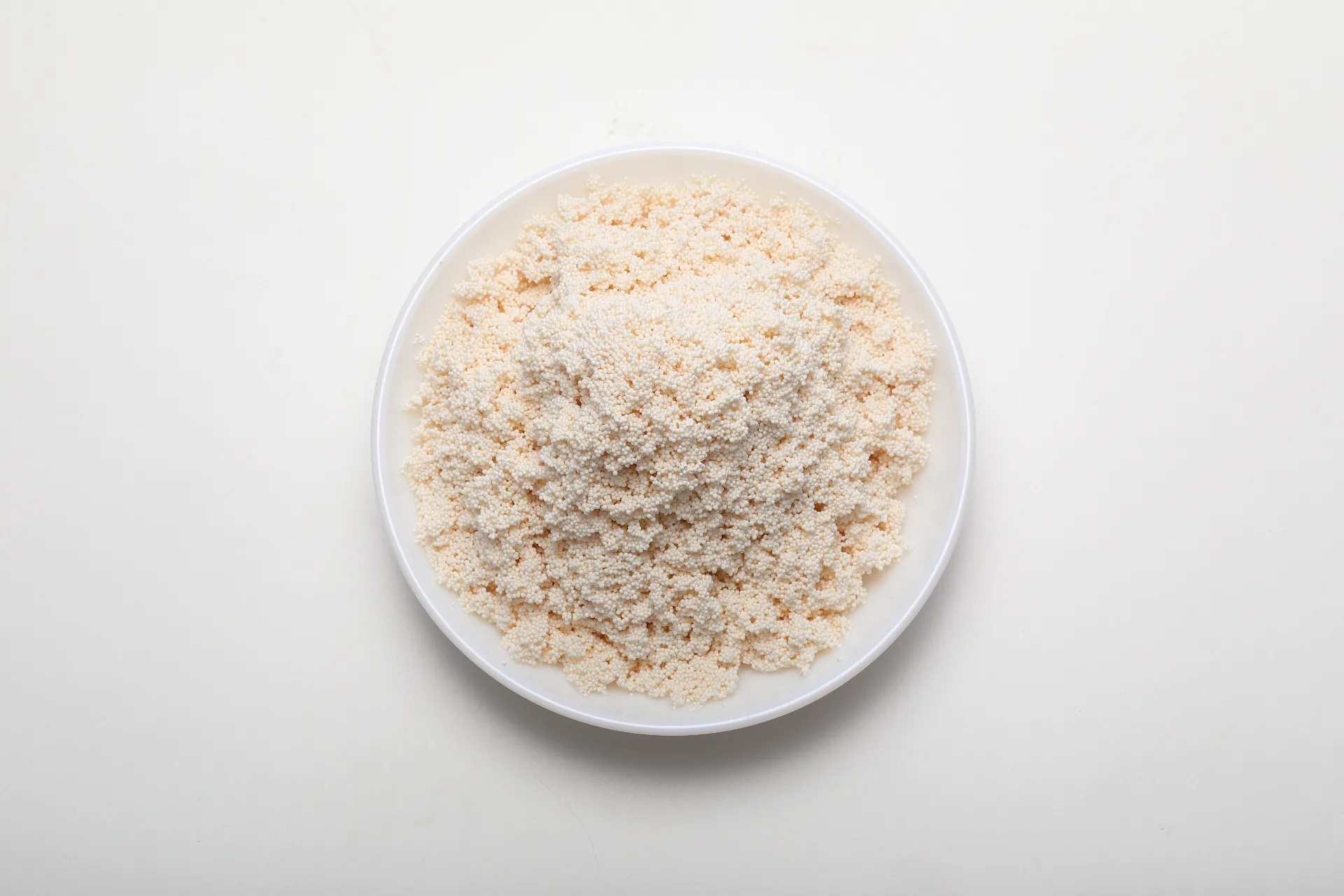
In simple terms, a weak acid ion exchange resin is a specially designed polymer that swaps out metal ions in liquids, primarily cations like calcium, magnesium, and iron. Unlike strong acid resins, they operate optimally at neutral to slightly acidic pH levels, making them gentler and more selective.
Think of them as a fine sieve or a magnet that attracts and swaps specific ions based on their chemistry. This connectedness to industry is significant—they help soften water, purify medicines, and recover valuable metals from waste streams without aggressive chemical input.
In humanitarian terms, they've become indispensable in delivering safer water in disaster zones where elaborate treatment isn’t feasible yet ion removal is critical.
Thanks to their functional groups (often carboxylic acids), these resins prefer divalent ions over monovalent ones, which means they can soften water by selectively targeting hardness-causing ions like calcium (Ca²⁺) and magnesium (Mg²⁺) without stripping beneficial minerals.
Unlike strong acid resins requiring copious acid wash, weak acid variants regenerate easily with milder alkali solutions, reducing chemical costs and environmental impact.
Many resins now come with highly cross-linked polymer matrices resistant to mechanical stress and chemical degradation, which extends their service life in tough industrial environments.
They work effectively across a broad pH range (typically 4.0 - 9.0), which suits many natural and industrial water sources, meaning fewer pretreatment steps.
Compared to strong acid resins or reverse osmosis membranes, weak acid ion exchange resins offer a balanced performance at a fraction of the operational cost, largely thanks to reduced chemical regeneration needs and longevity.
Mini takeaway: These core properties make weak acid ion exchange resins practical, efficient, and increasingly attractive for many industries.
Regions like Central Africa, the Middle East, and parts of South America have embraced these solutions due to their adaptability, low maintenance, and minimal chemical use.
Mini takeaway: From humanitarian efforts to advanced manufacturing, weak acid ion exchange resin quietly underpins critical processes worldwide.
The benefits run deep:
I've noticed many operators express genuine trust in these resins because they “just work” over long periods with consistent results. The blend of emotions tied to safety and progress here is pretty powerful — it feels like a quiet step toward a healthier planet.
With growing environmental consciousness and digital tech integration, weak acid ion exchange resins are evolving:
Brands racing to stay ahead emphasize sustainability — it’s not just a buzzword but a fundamental business imperative.
No solution is perfect. Weak acid ion exchange resins face some issues:
To combat these, developers focus on improved resin chemistries, surface modifications to resist fouling, and integrated system designs that adjust flows and regenerant concentrations dynamically.
In essence, development feels like a two-way street: meet the growing challenges without compromising environmental consciousness.
| Specification | Typical Value | Unit |
|---|---|---|
| Functional Group | Carboxylic acid | - |
| Exchange Capacity | 1.5 – 2.2 | meq/mL (dry) |
| Moisture Content | 50 – 60 | % |
| Particle Size | 300 – 1200 | μm |
| Operating pH Range | 4 – 9 | pH units |
| Maximum Operating Temp | 50 | °C |
| Feature | Liji Resin Co. | IonPure Inc. | EcoResin Ltd. |
|---|---|---|---|
| Regeneration Efficiency | High (Mild alkali) | Medium (Strong alkali) | High (Bio-friendly) |
| Resin Lifespan | 5+ years | 3-4 years | 4-5 years |
| Environmental Impact | Low | Medium | Very Low |
| Cost | Competitive | Higher | Moderate |
| Warranty | 3 years | 2 years | 3 years |
Weak acid resins operate best within a narrower pH range and exchange divalent cations selectively, making them gentler on water and requiring milder regeneration chemicals. Strong acid resins have broader pH tolerance but consume more acid for regeneration. Choosing depends on water quality and process needs.
Absolutely! Weak acid ion exchange resins are becoming popular in smaller-scale and point-of-use water treatment systems because they preserve essential minerals better and are easier to regenerate with less chemical input compared to conventional options.
Under optimal conditions, resins last approximately 4-6 years but can vary by water composition, operating temperature, and maintenance routine. Regular backwashing and proper regeneration enhance durability significantly.
Used resins must be handled responsibly. Many can be regenerated multiple times before disposal, and some suppliers offer recycling programs. It's essential to follow local regulations to minimize environmental impact.
Look for companies with ISO certification and transparent production processes. For starters, visit Liji Resin—they offer a range of quality, sustainably produced weak acid ion exchange resins suited for diverse applications.
To sum it up: weak acid ion exchange resins represent a smart blend of efficiency, cost-savings, and environmental mindfulness. Whether you're tackling water hardness in a remote region, purifying pharmaceuticals, or advancing sustainable manufacturing, these resins offer scalable and reliable solutions. I’d say they’re the unsung heroes of ion exchange technology—quiet, but indispensable.
Curious to learn more? Visit our website for detailed product options, case studies, and expert advice tailored to your needs.