Phone:
+86 0319 2296164


Email:
info@lijiresin.cn
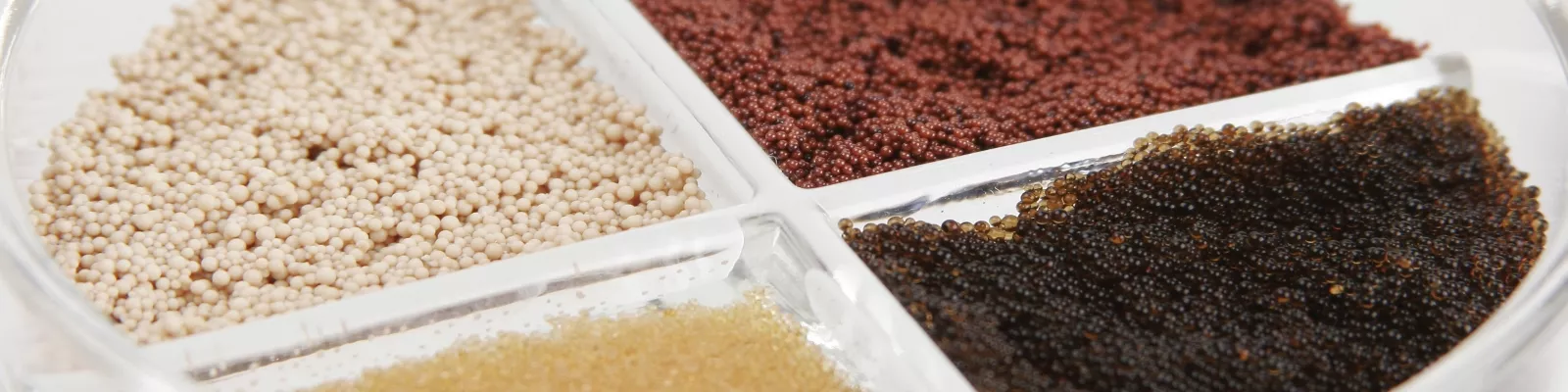
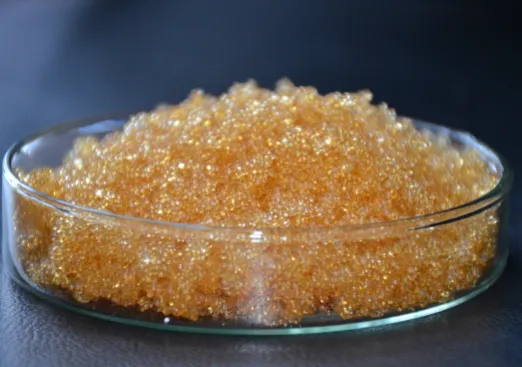
If you work with ultrapure or polished water, you’ve probably heard the phrase deionization resin mixed bed tossed around in maintenance meetings. I’ve spent more days than I’d like to admit hovering over resistivity meters, and MX910 from Lijia (origin: NO.2 East Jianshe Road, High-Tech Industrial Development South Zone, Wei County, Xingtai, Hebei, China) has been making the rounds lately—for good reason.
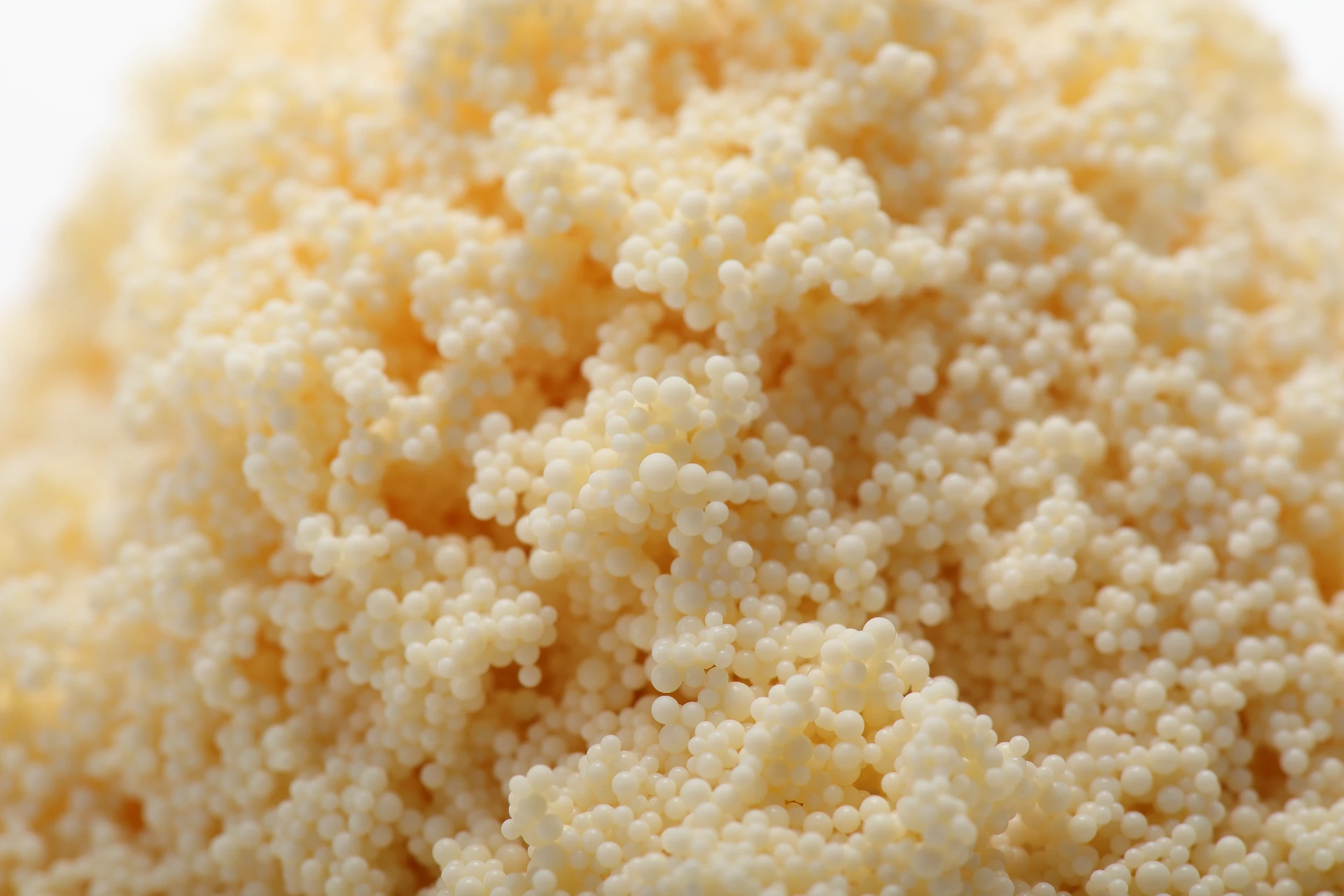
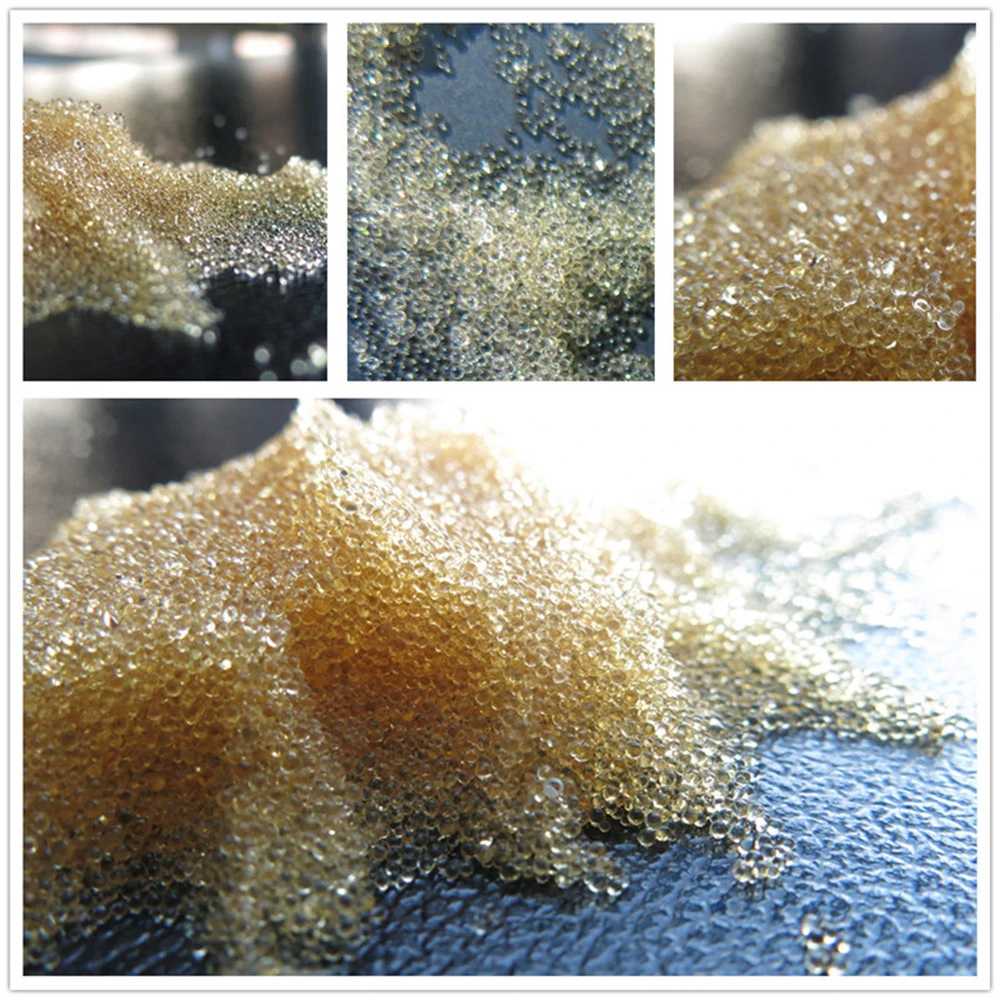
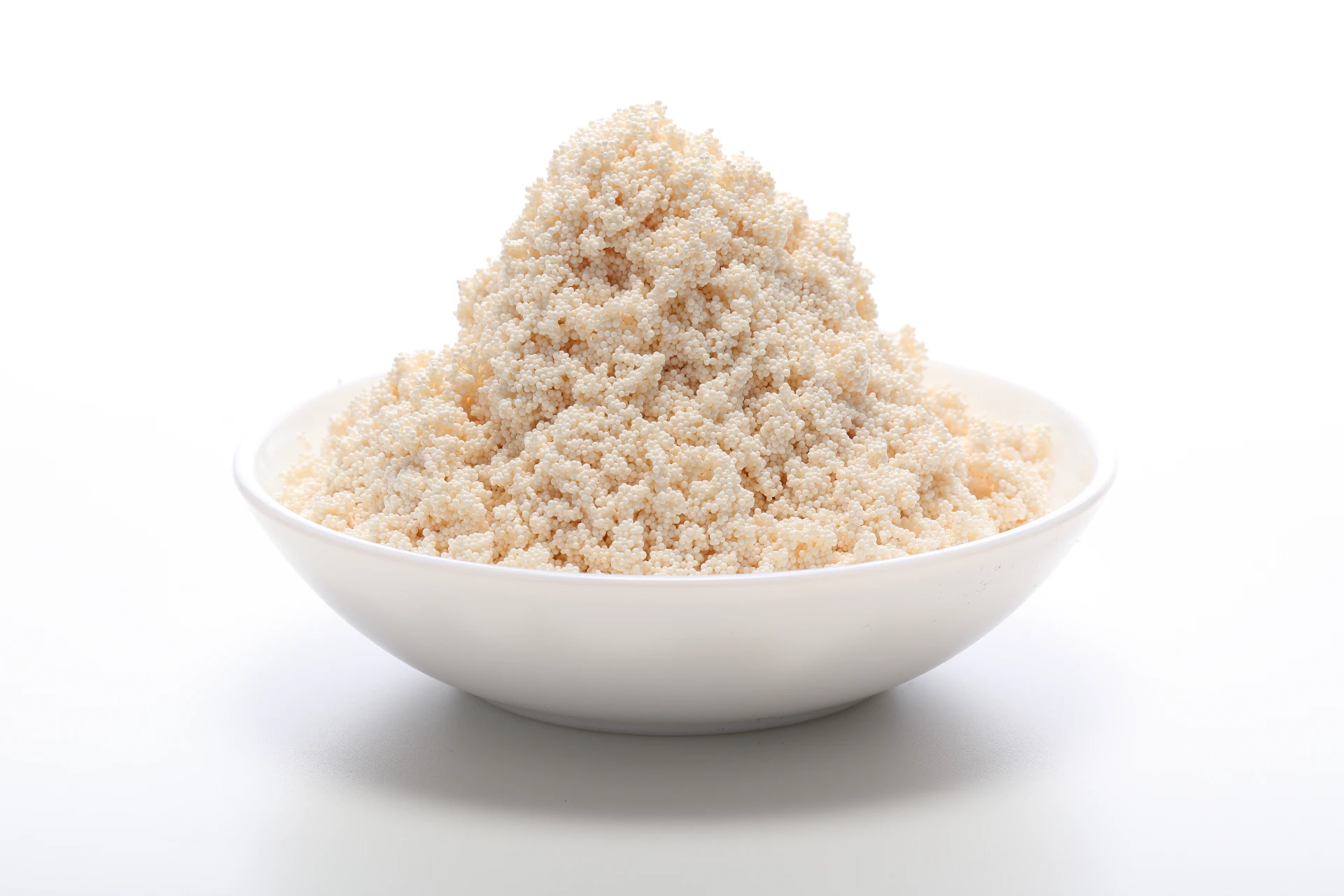
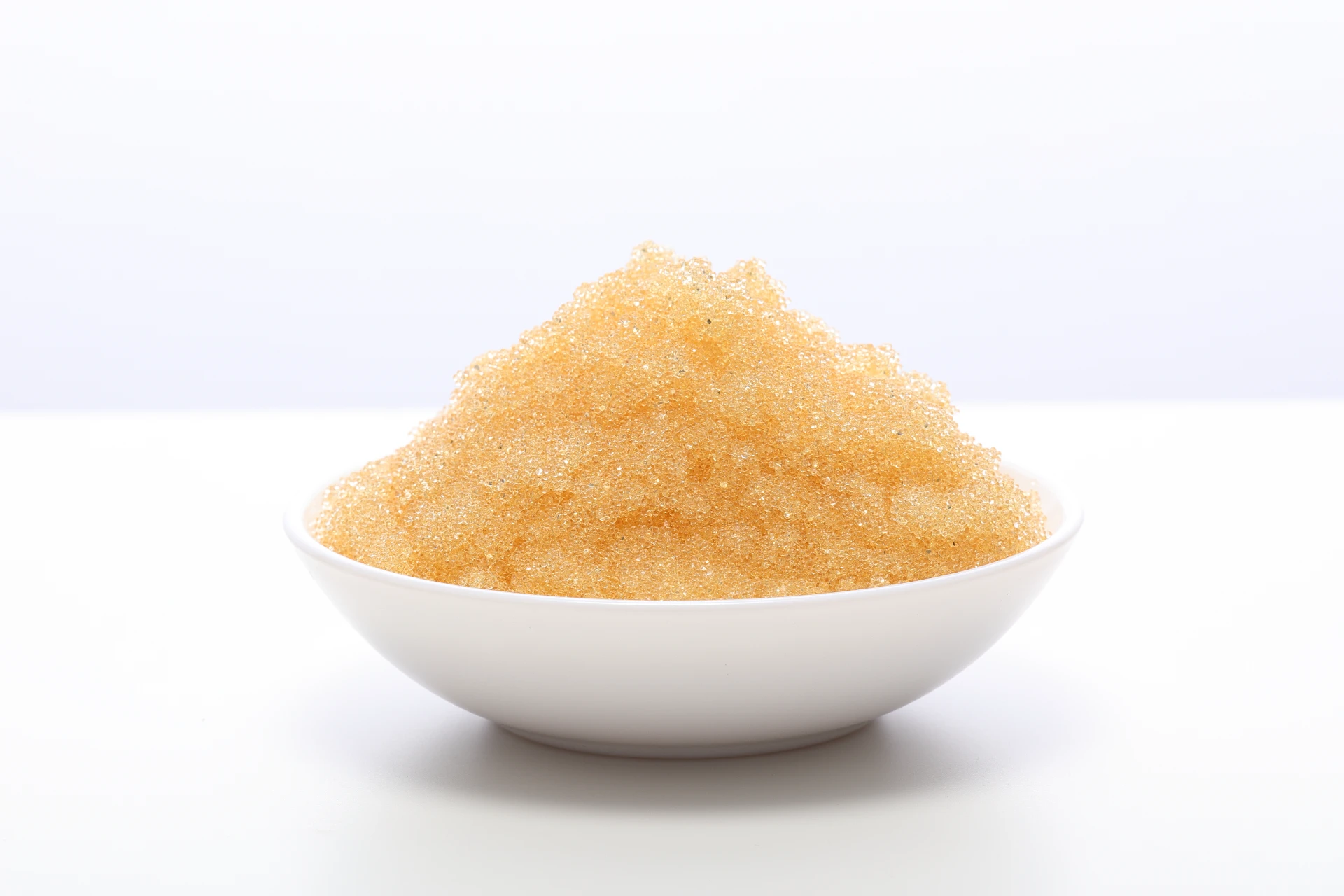
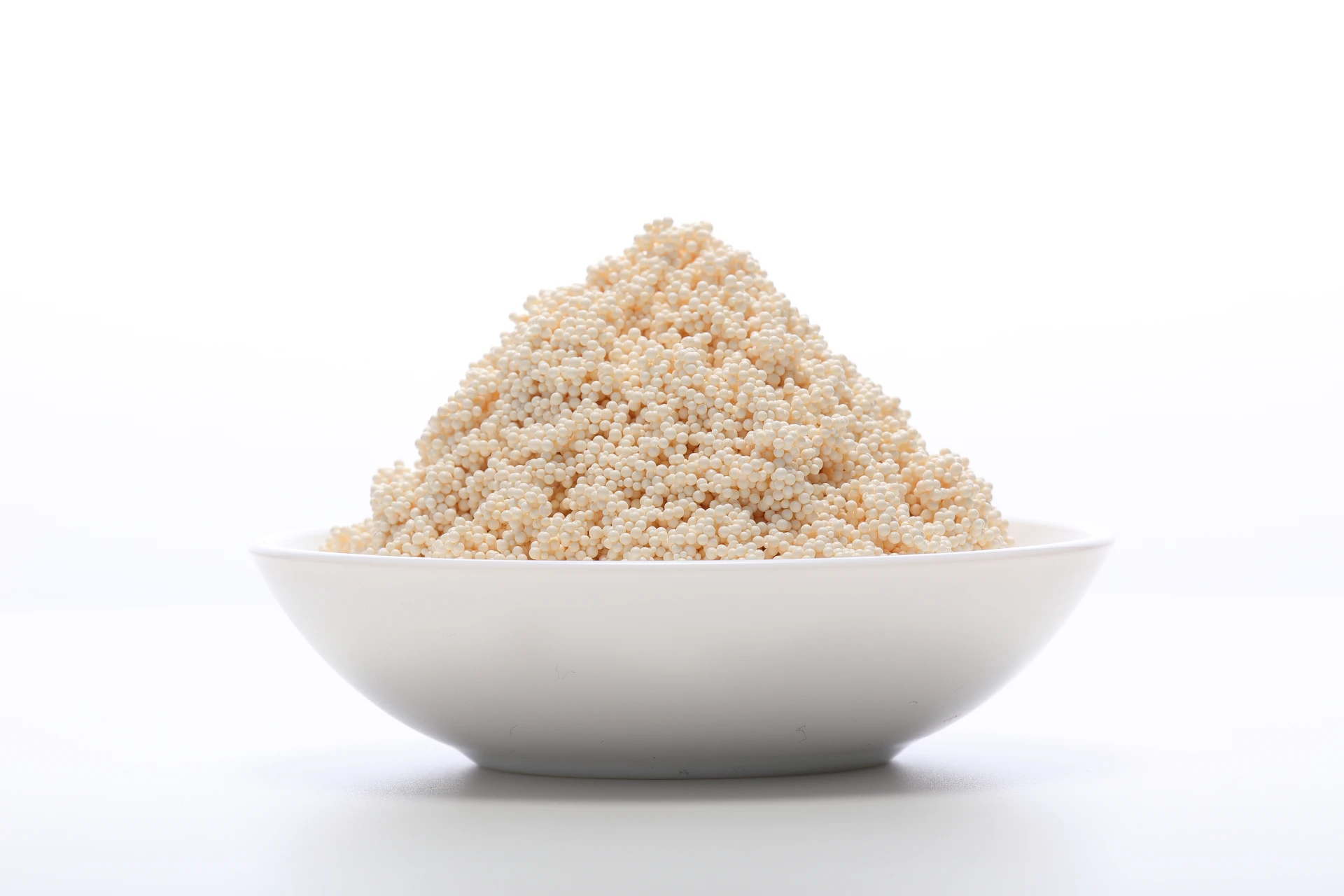
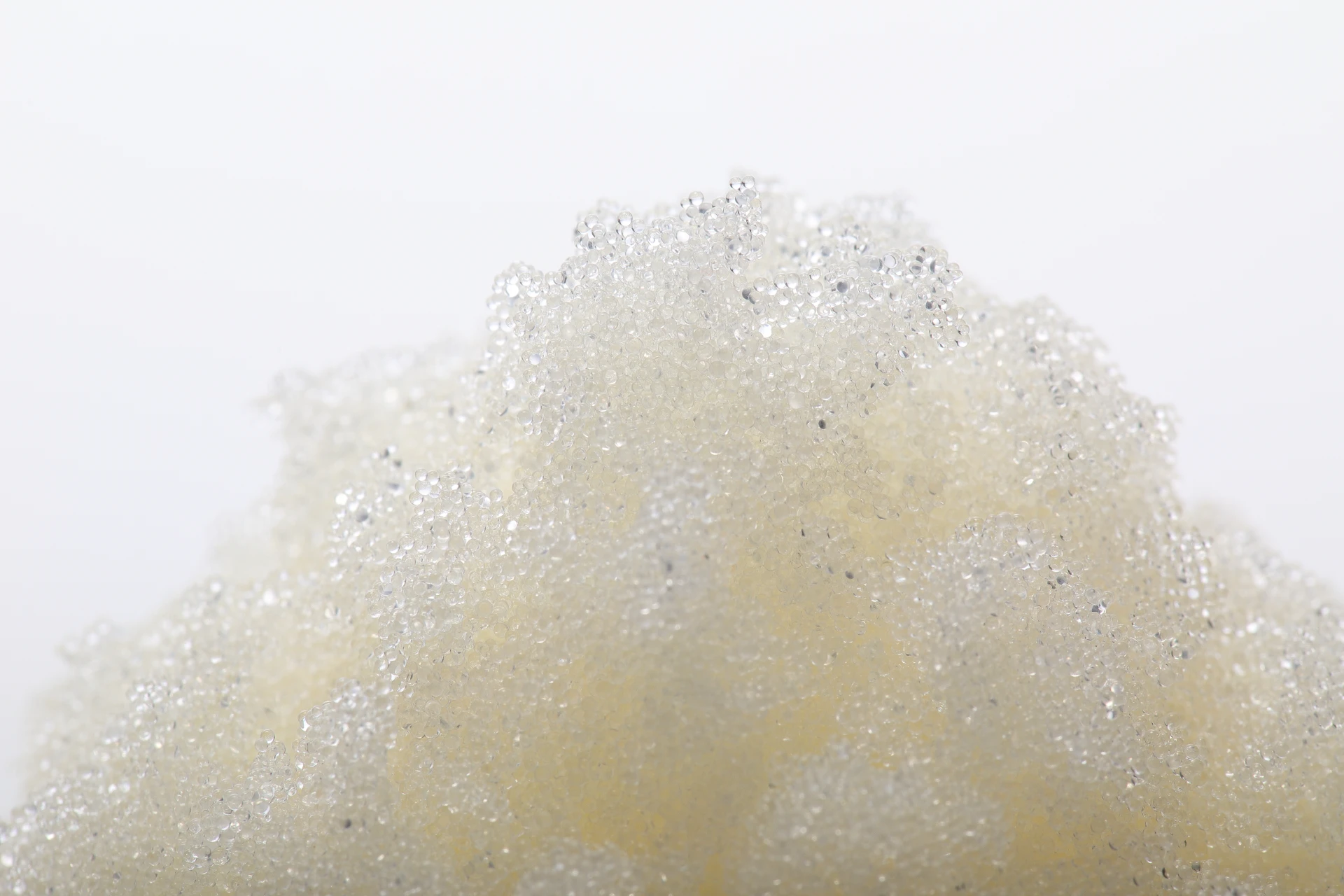
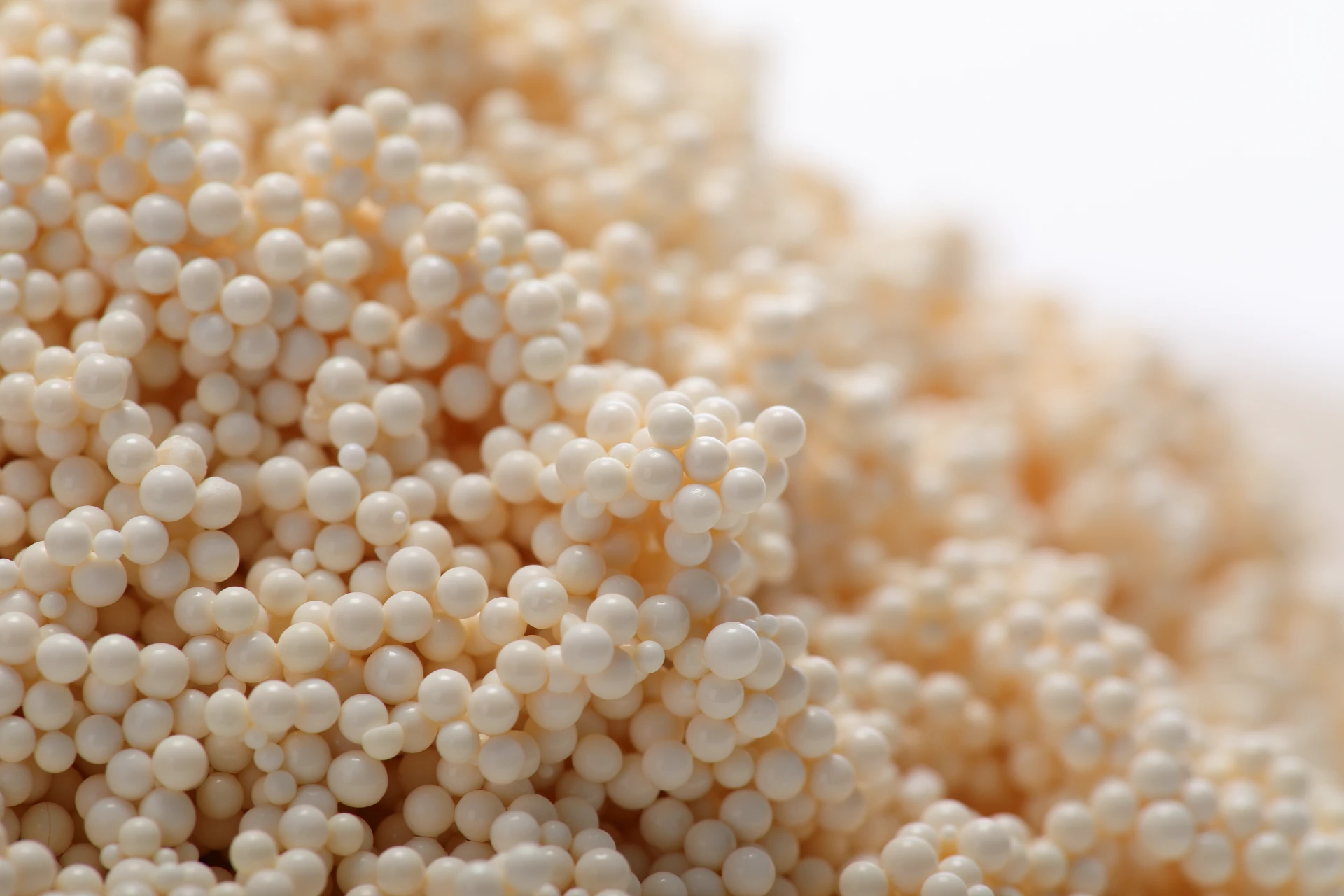
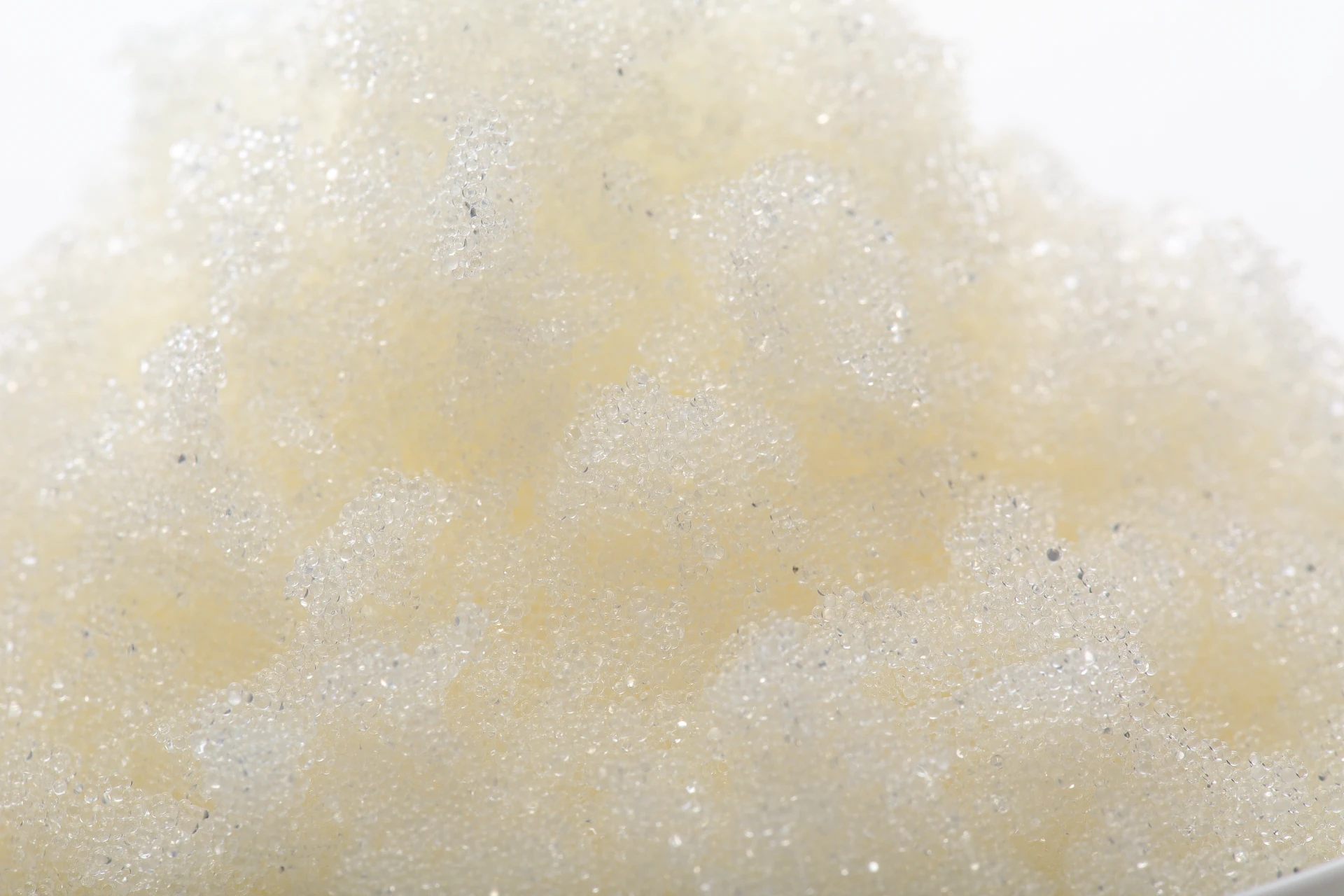
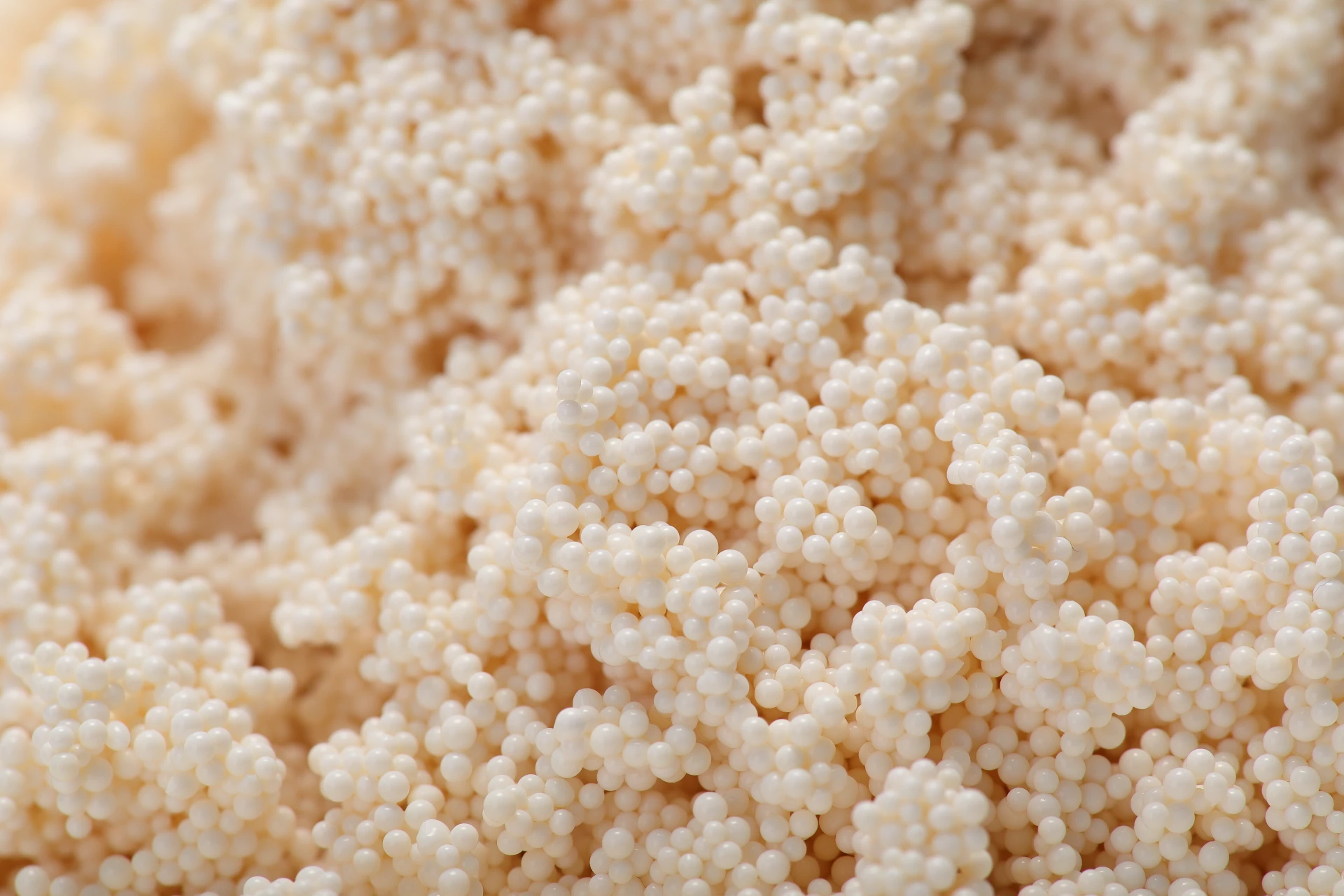
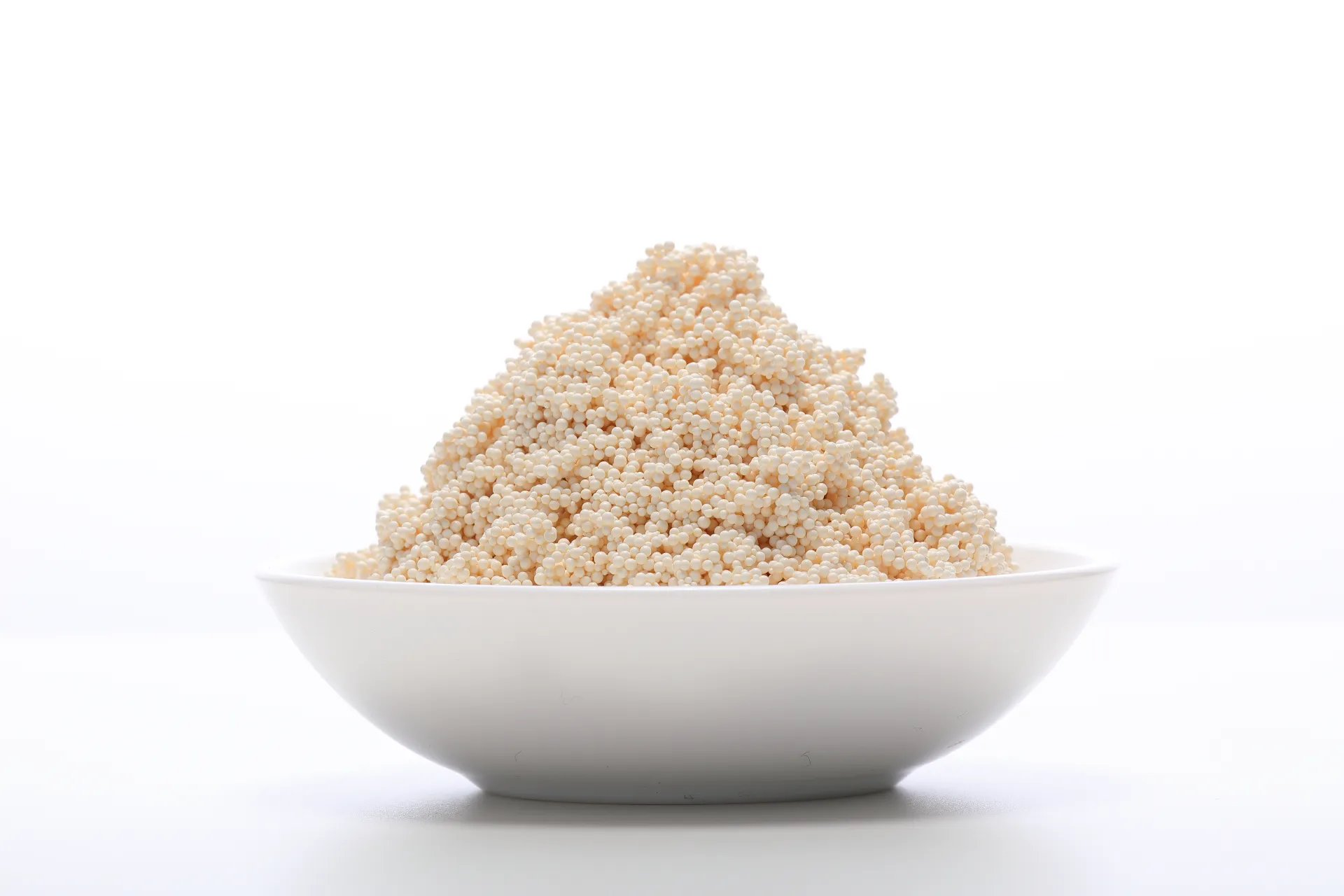
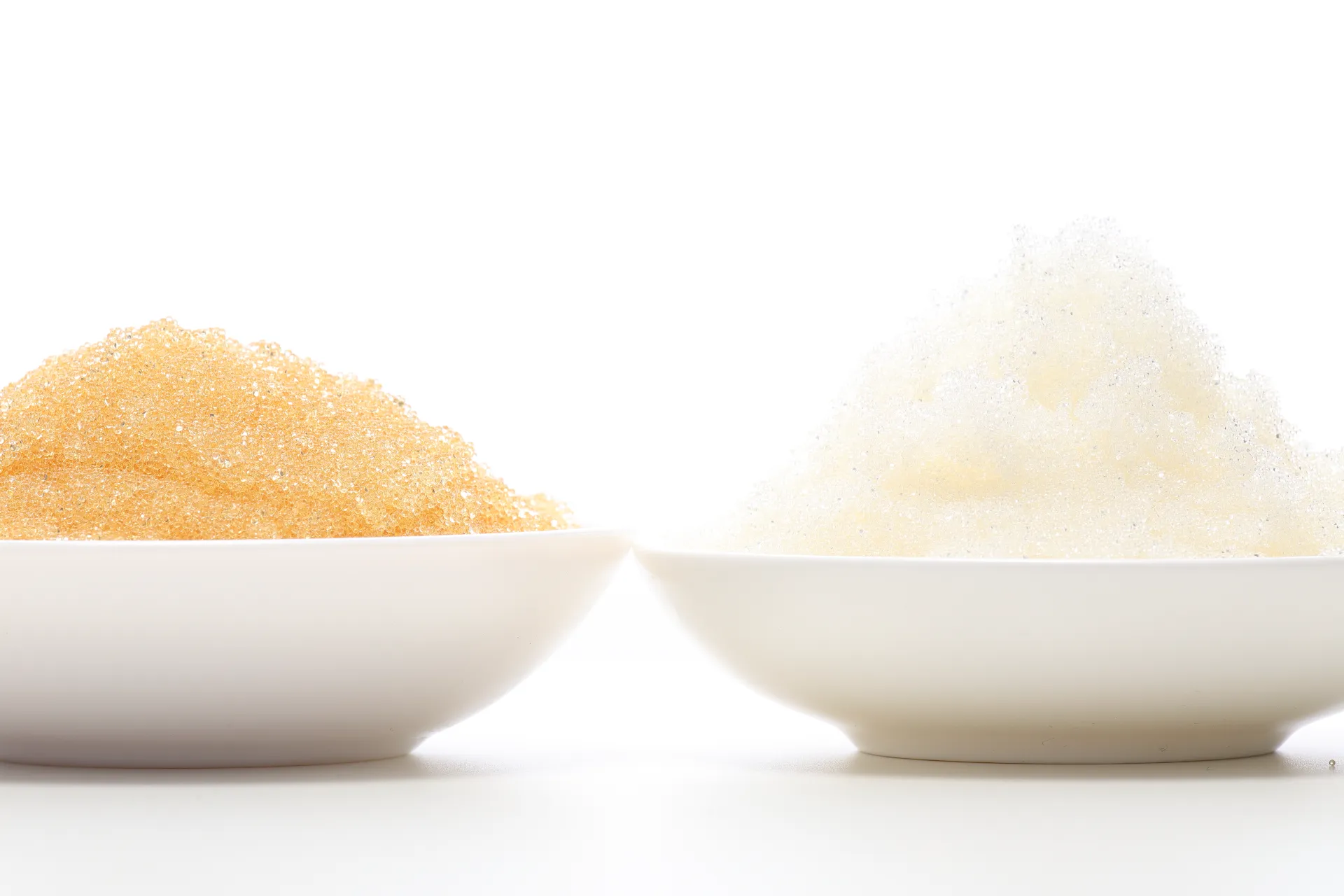
MX910 is a premium mixed bed blend: a strong acid cation resin (H+ form) and a strong base anion resin (Type I, OH− form), factory-preconditioned and proportioned to strip ions down to trace levels. It’s tuned for catching stubborn cation “slip”—think sodium from alloy corrosion, plus stray metal ions that sneak through upstream systems. In practice, that means steadier 18.2 MΩ·cm water, less babysitting. Many customers say the startup rinse is shorter than expected; I’ve seen similar behavior, though, to be honest, feedwater chemistry still rules the day.
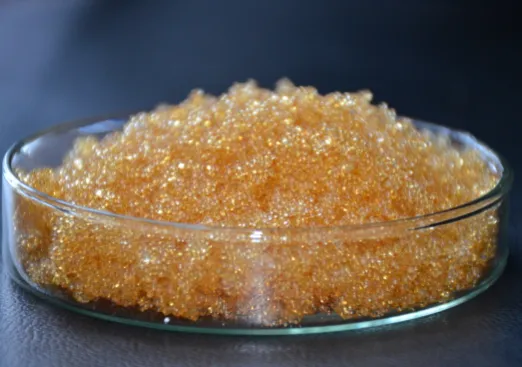
| Product | Mixed Bed Resin MX910 |
| Ionic form | H+/OH− (factory regenerated) |
| Resistivity (product water) | Up to 18.2 MΩ·cm at 25°C (feed dependent) |
| Total exchange capacity | ≈ 1.8–2.1 eq/L (real-world use may vary) |
| Moisture content | ≈ 55–65% |
| Particle size | 0.4–1.2 mm; UC ≤ 1.6 |
| Operating temp / pH | 5–60°C; pH 2–12 |
| Expected service life | 1–3 years or 200–800 bed volumes/cycle (application dependent) |
Materials: SAC (gel) + SBA Type I (gel), high conversion to H+/OH−. Methods: fractionated rinsing, precision mixing, cleanroom-grade bagging. Testing standards include conductivity/resistivity checks vs ASTM D1193, basic physicals per industry norms (see citations), silica and sodium slip tests on request. Typical QC snapshots I’ve seen:
Pros: fast rinse-up, stable resistivity plateaus, strong cation cleanup. The deionization resin mixed bed blend also resists channeling in properly packed vessels. Customization options include OH− conversion %, particle cut, pre-rinse level, and optional indicator grade (handy for small cartridges).
| Vendor / Grade | Type | Target resistivity | Notes |
|---|---|---|---|
| Lijia MX910 | deionization resin mixed bed | Up to 18.2 MΩ·cm | Strong on sodium/metal slip; China origin; customizable |
| Purolite MB400 | Mixed bed | 16–18.2 MΩ·cm (typ.) | Global availability; common in lab polishers |
| DuPont AmberLite/Dowex MR-3 | Mixed bed | 16–18.2 MΩ·cm (typ.) | Workhorse grade; broad spec sheets |
Bottom line: if you’re chasing stable 18.2 MΩ·cm with fewer surprises, MX910 is a solid, pragmatic deionization resin mixed bed choice—especially where sodium and corrosion metals keep sneaking through.