Phone:
+86 0319 2296164


Email:
info@lijiresin.cn
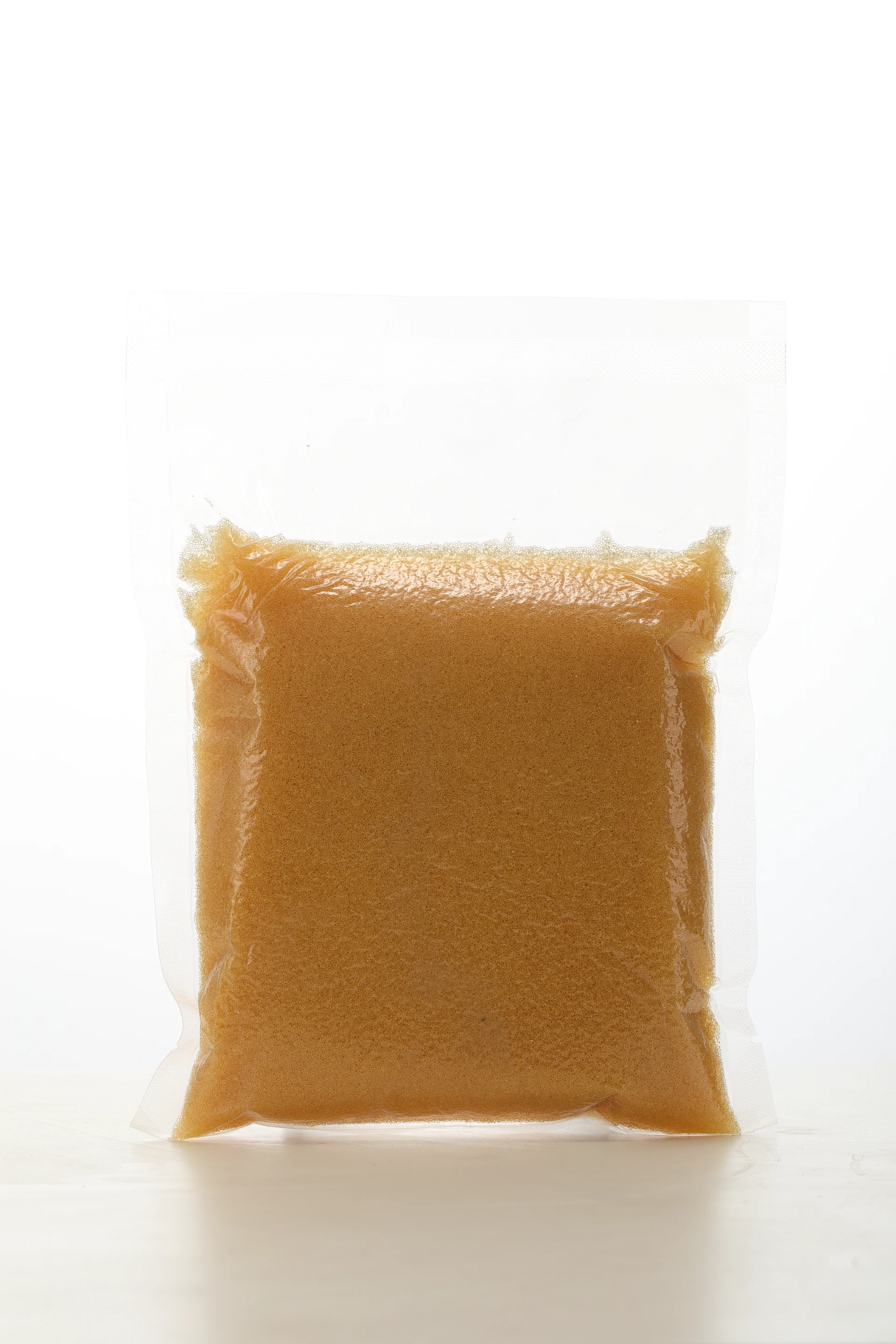
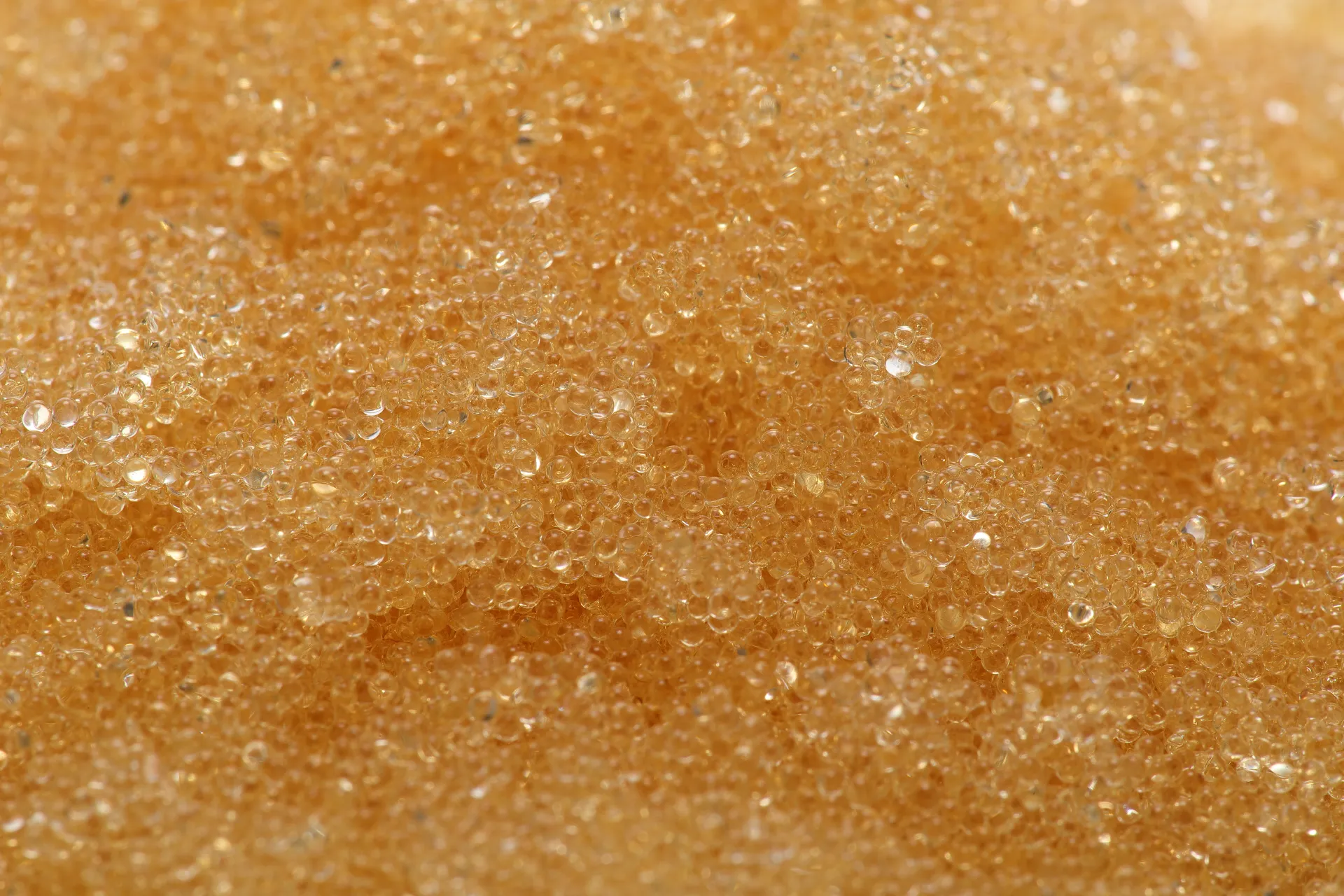
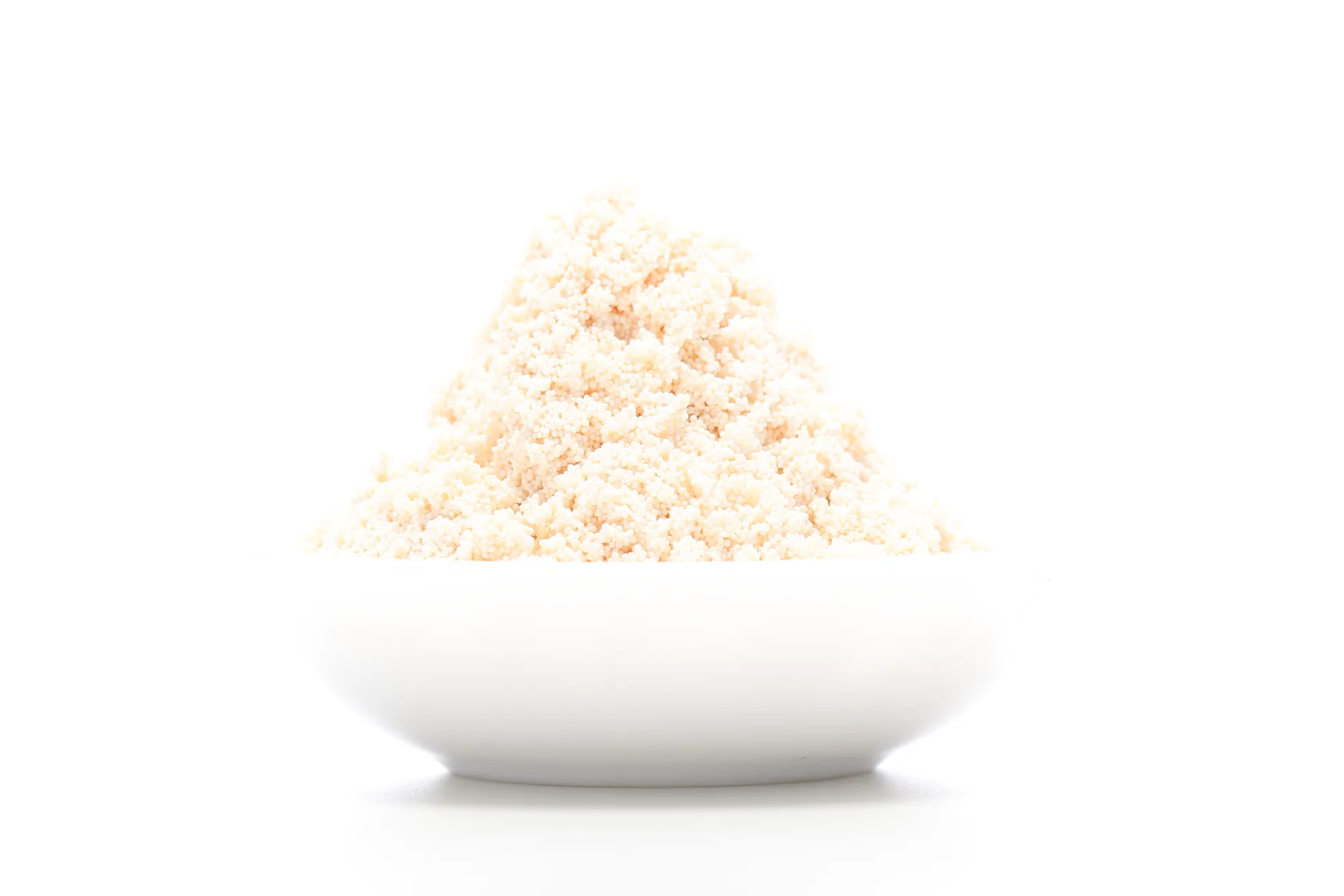
Having spent a fair share of my career around industrial equipment—and you know, the ins and outs of filtration systems—I’ve come to appreciate the subtle but real value of mixed resin. It’s one of those things that sounds simple on paper but, frankly, can make or break performance depending on how it’s handled.
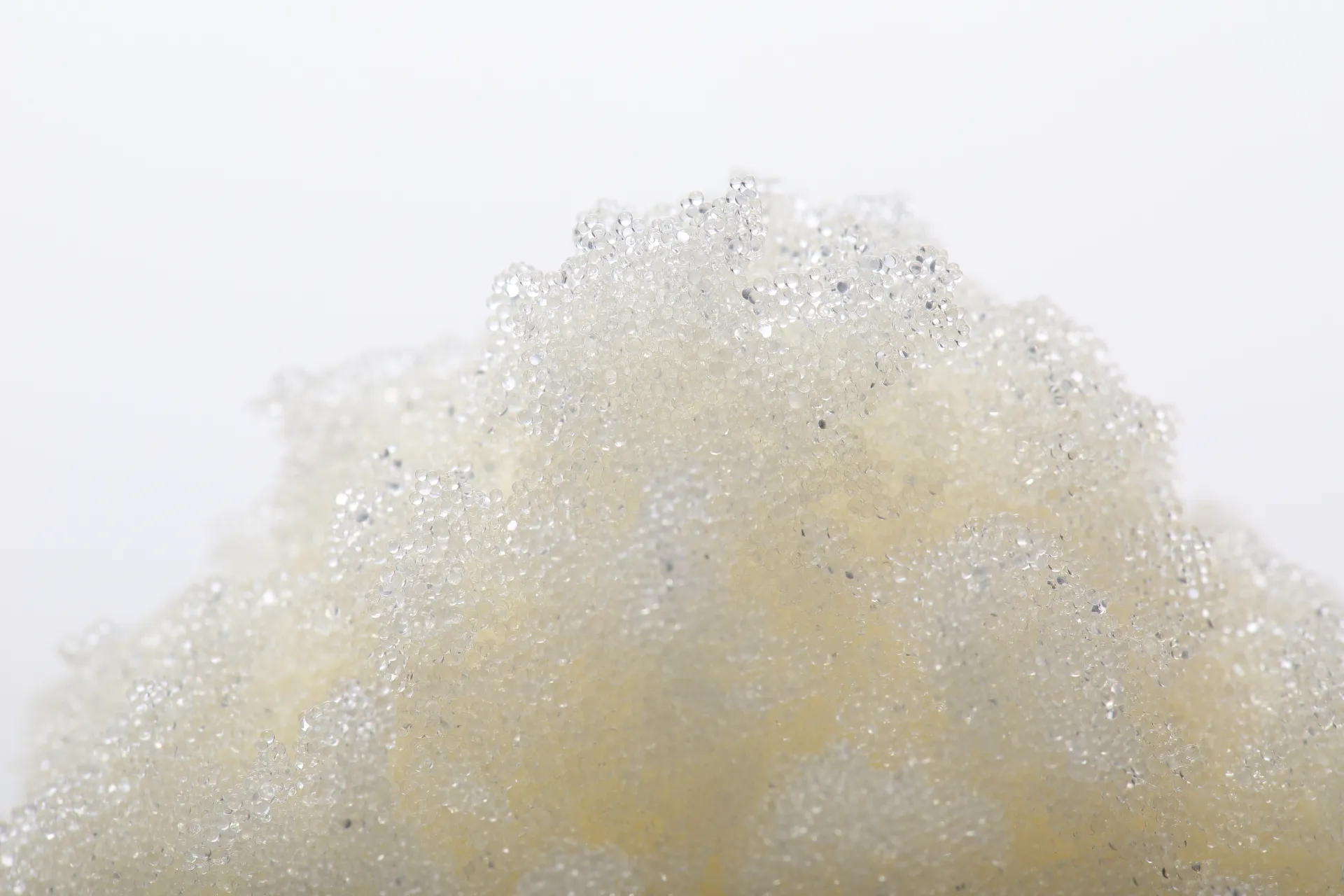
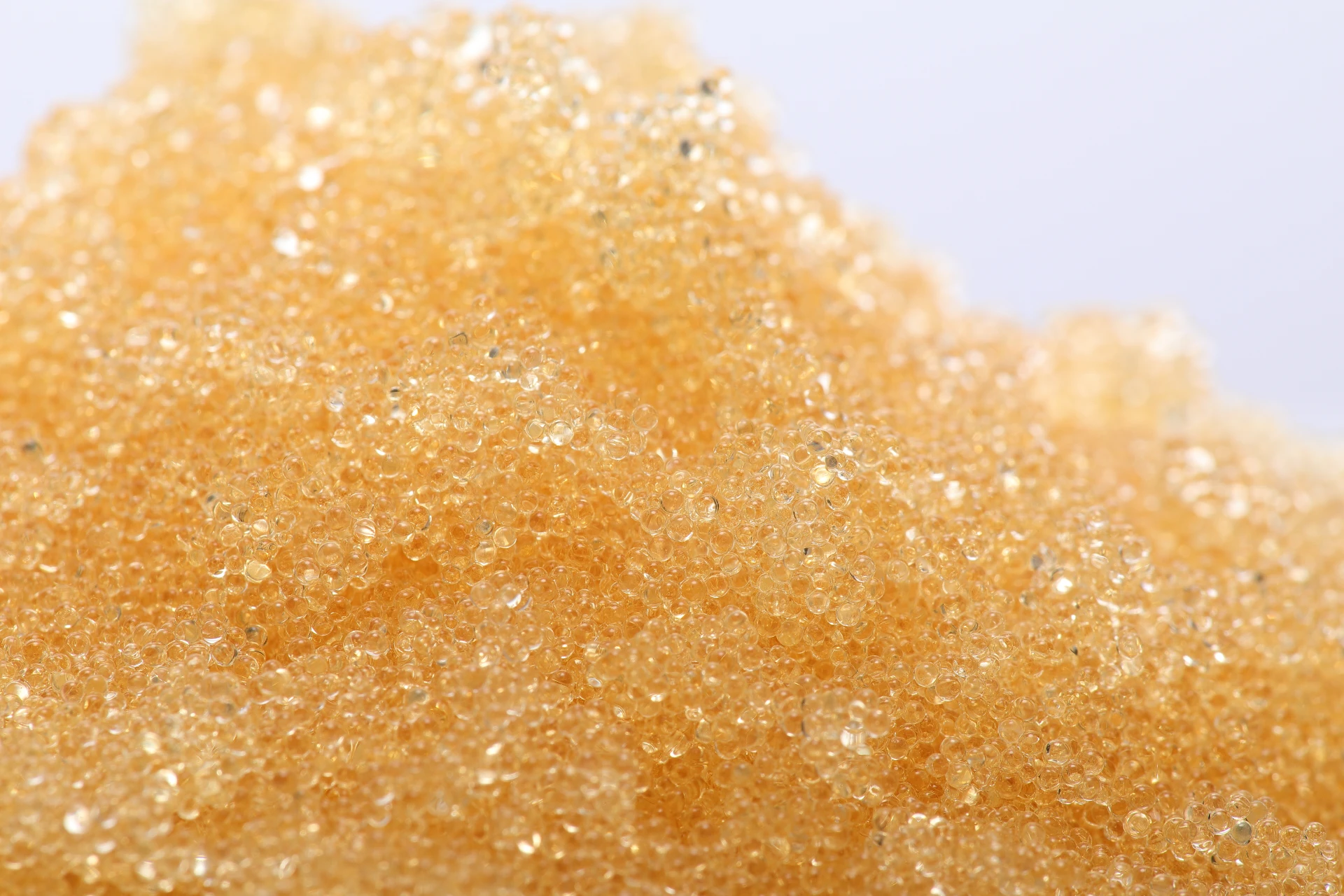
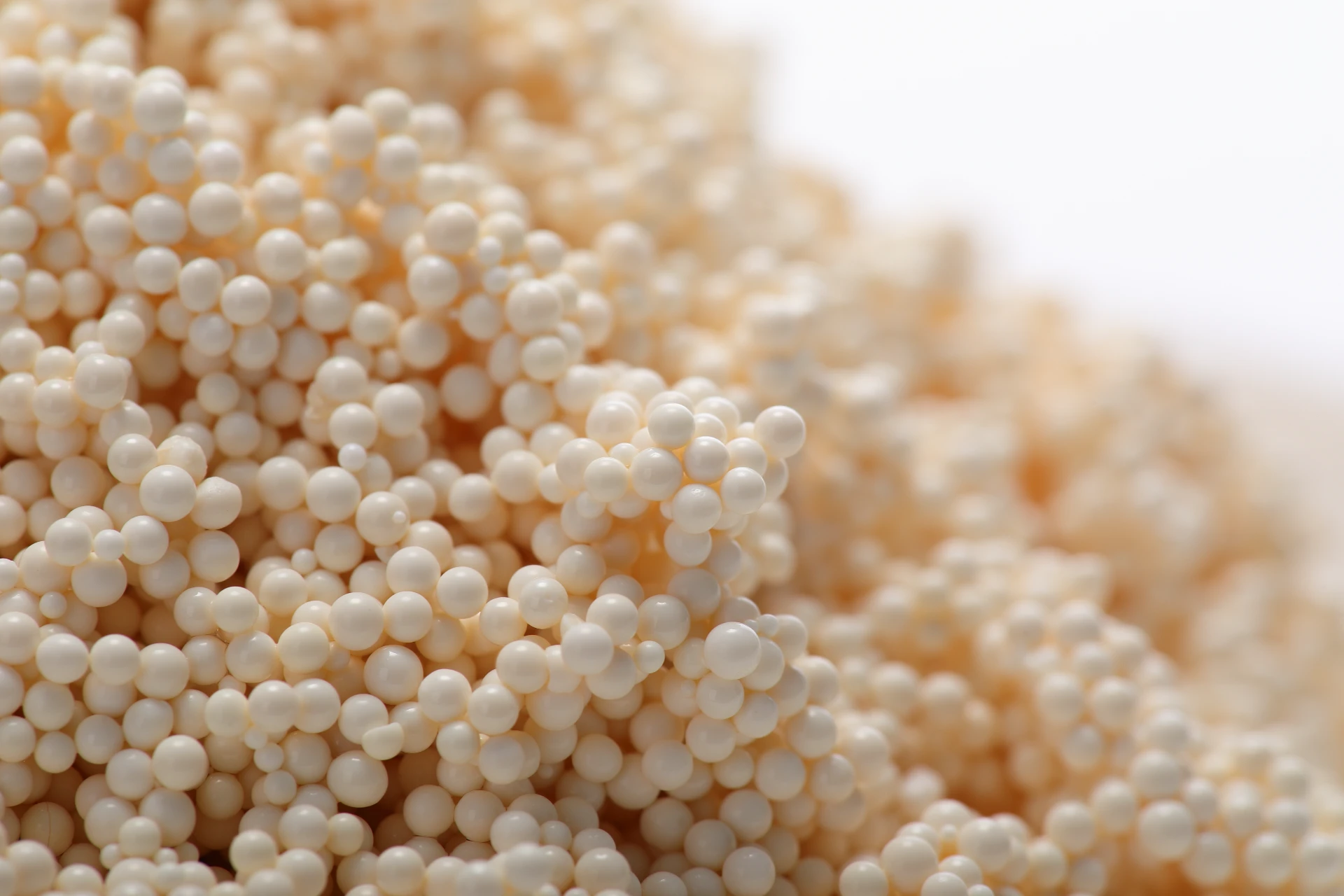
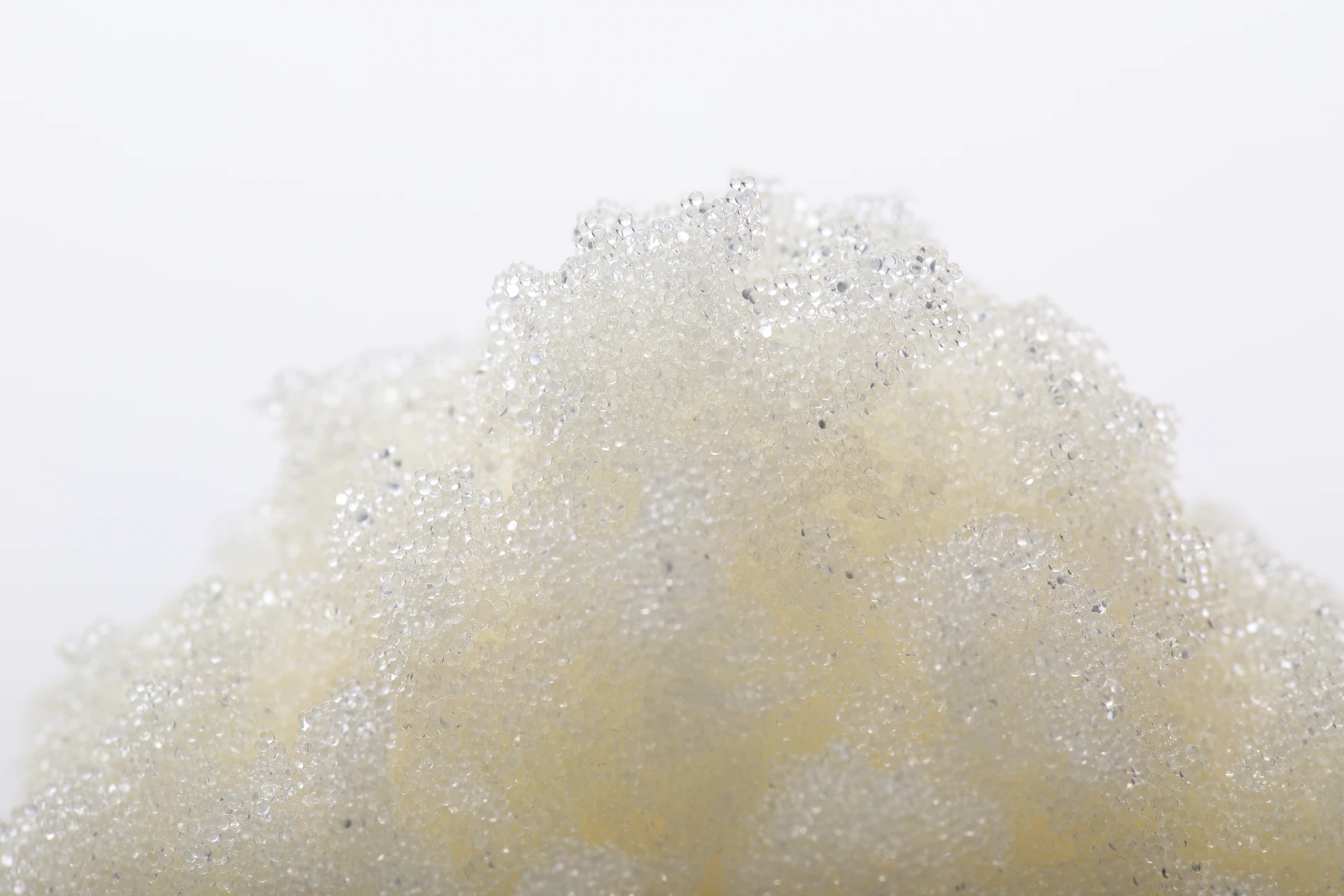
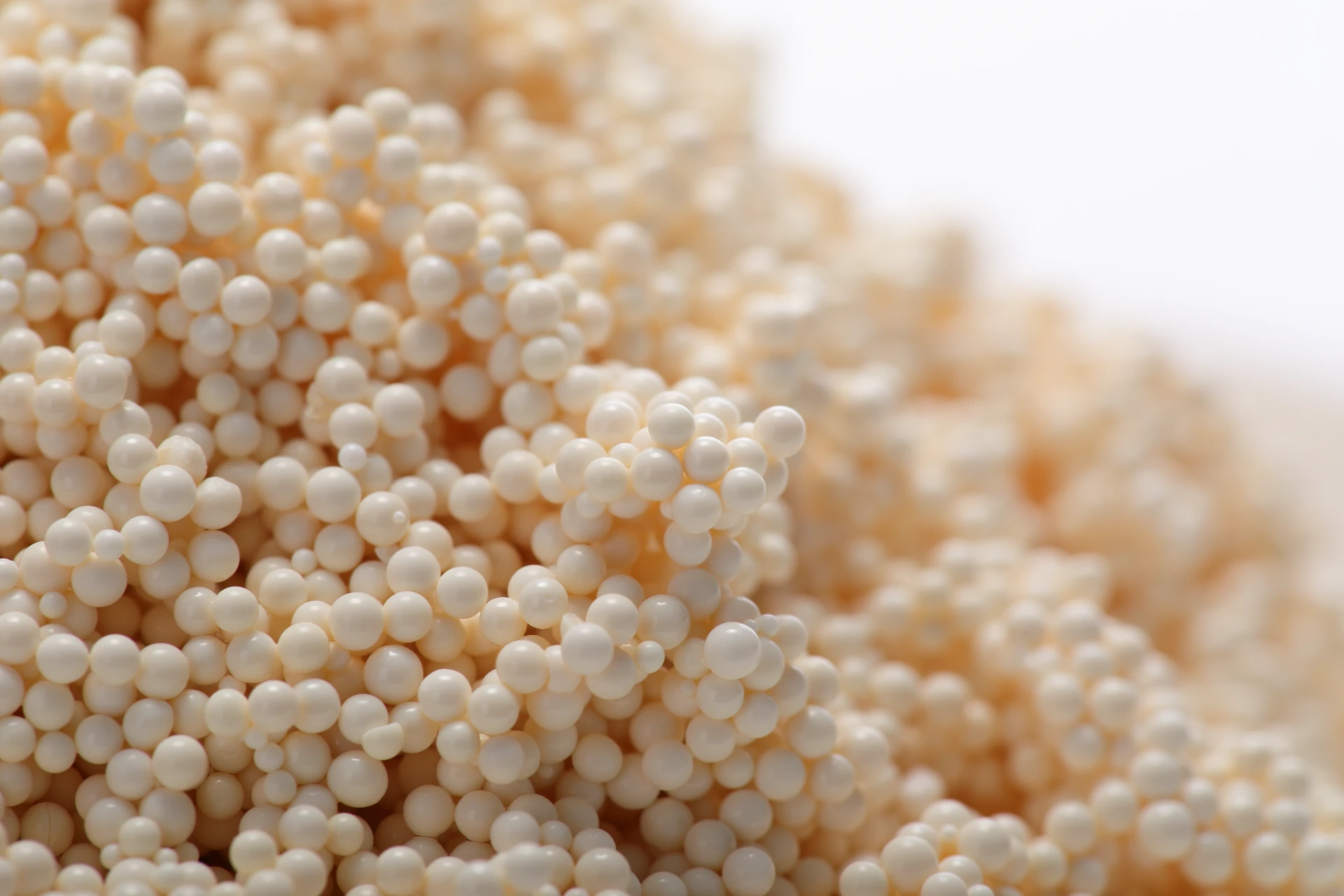
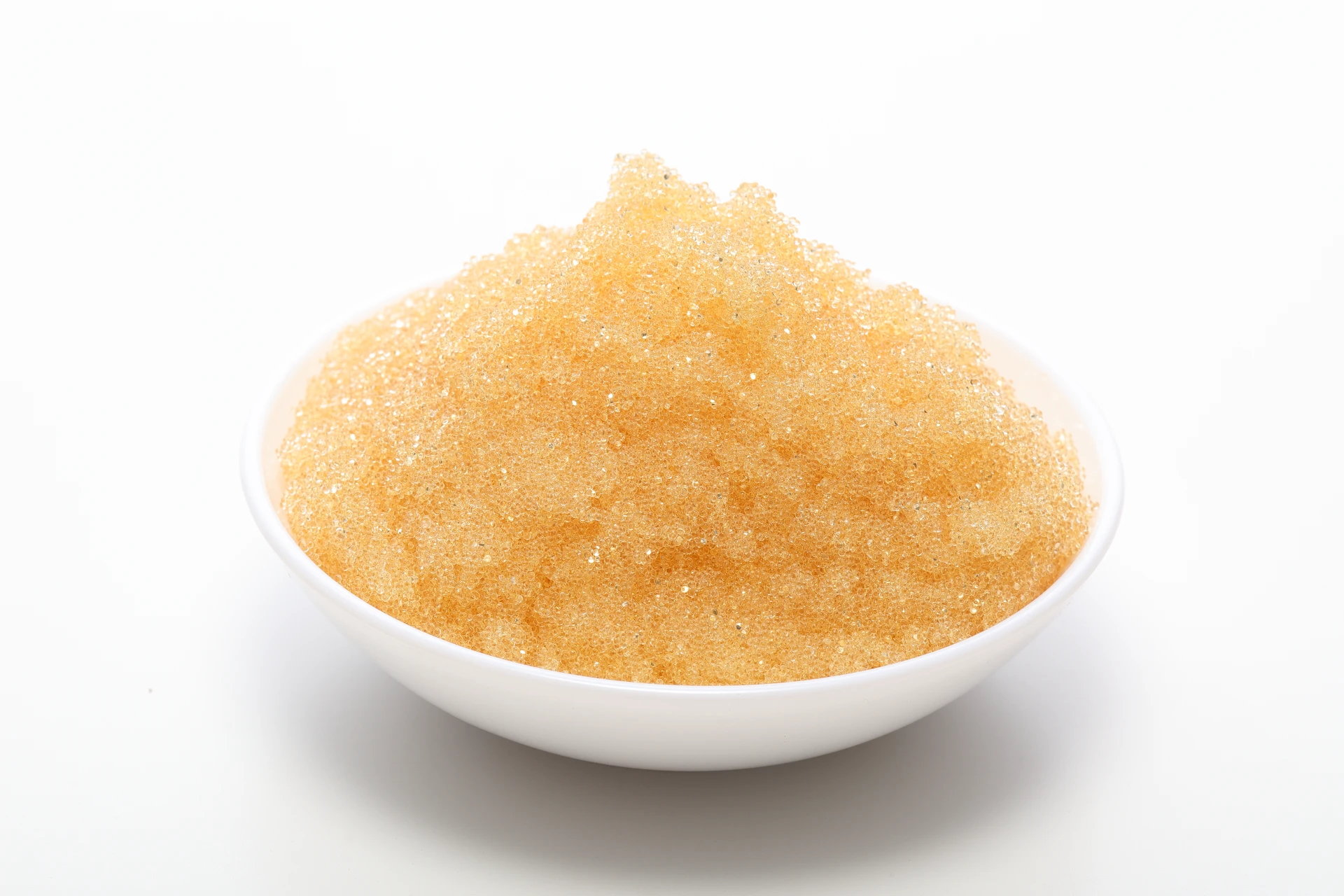
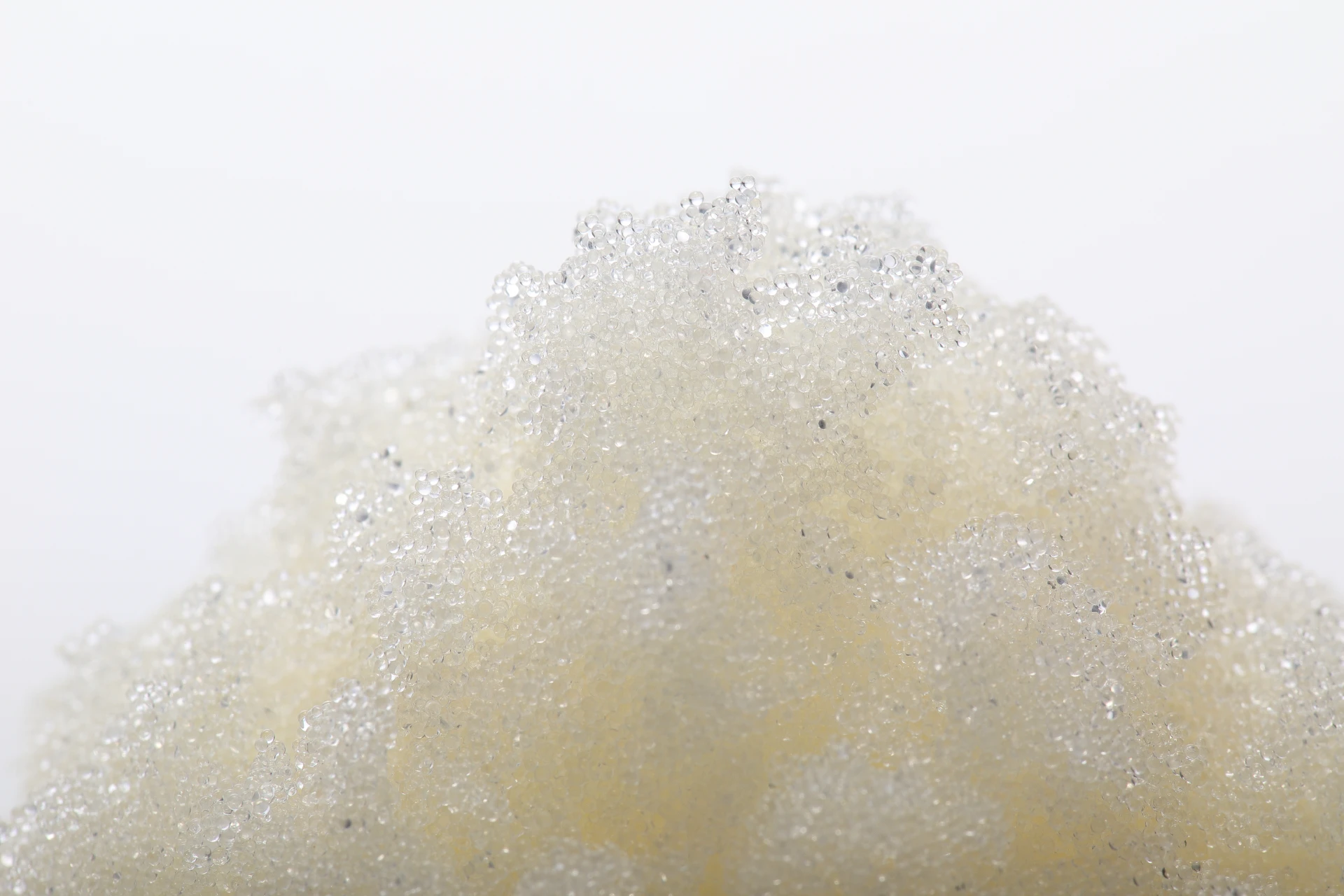
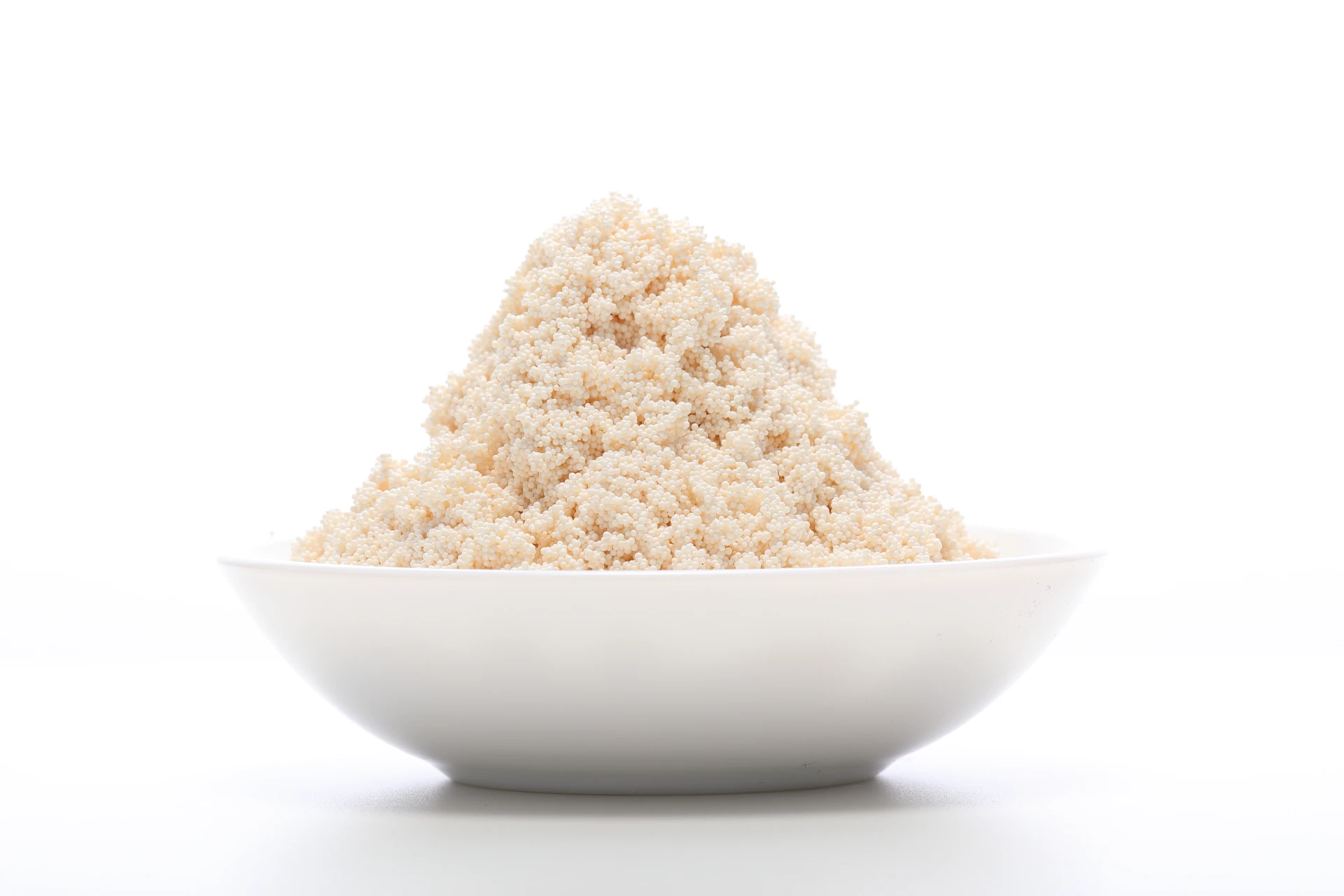
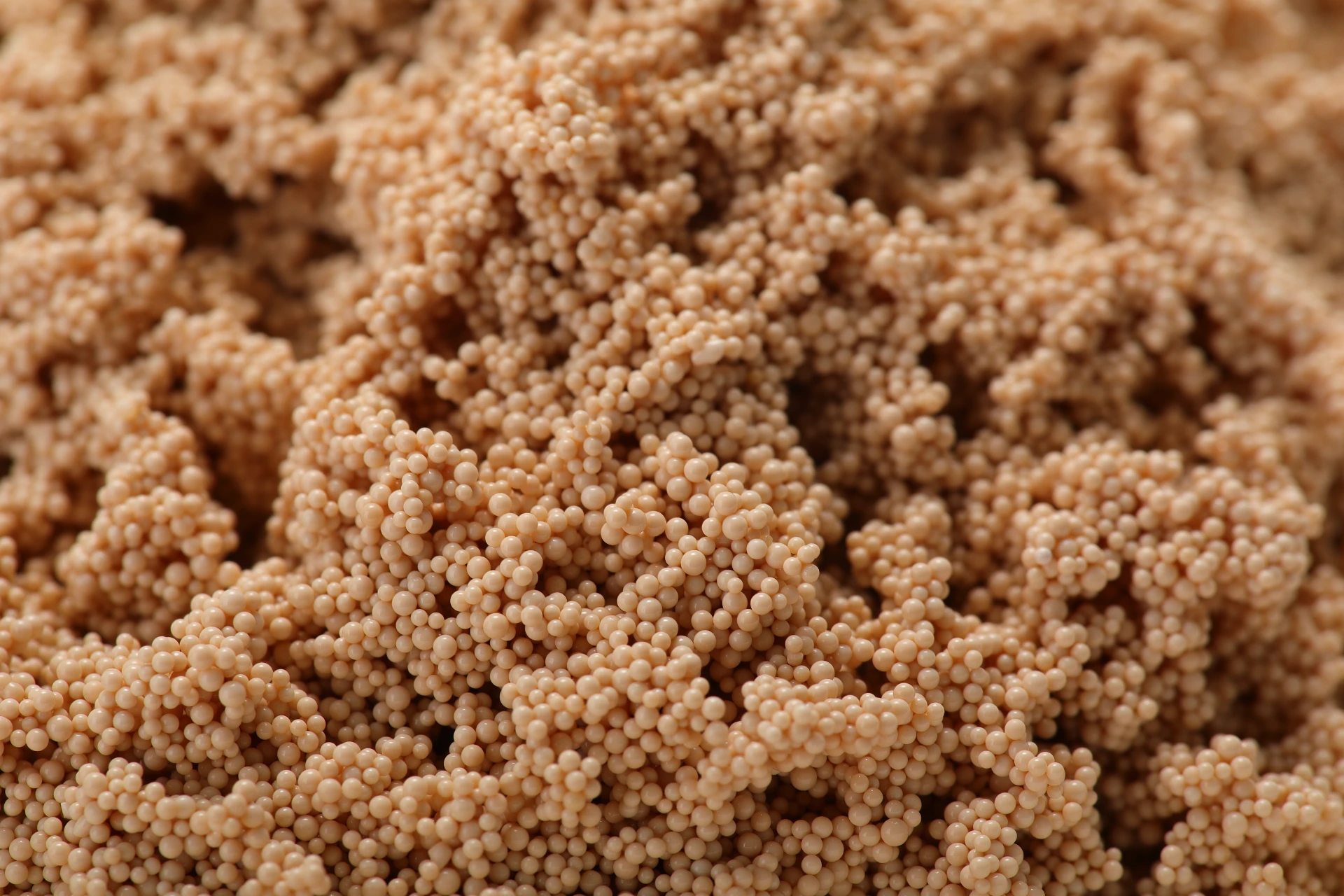
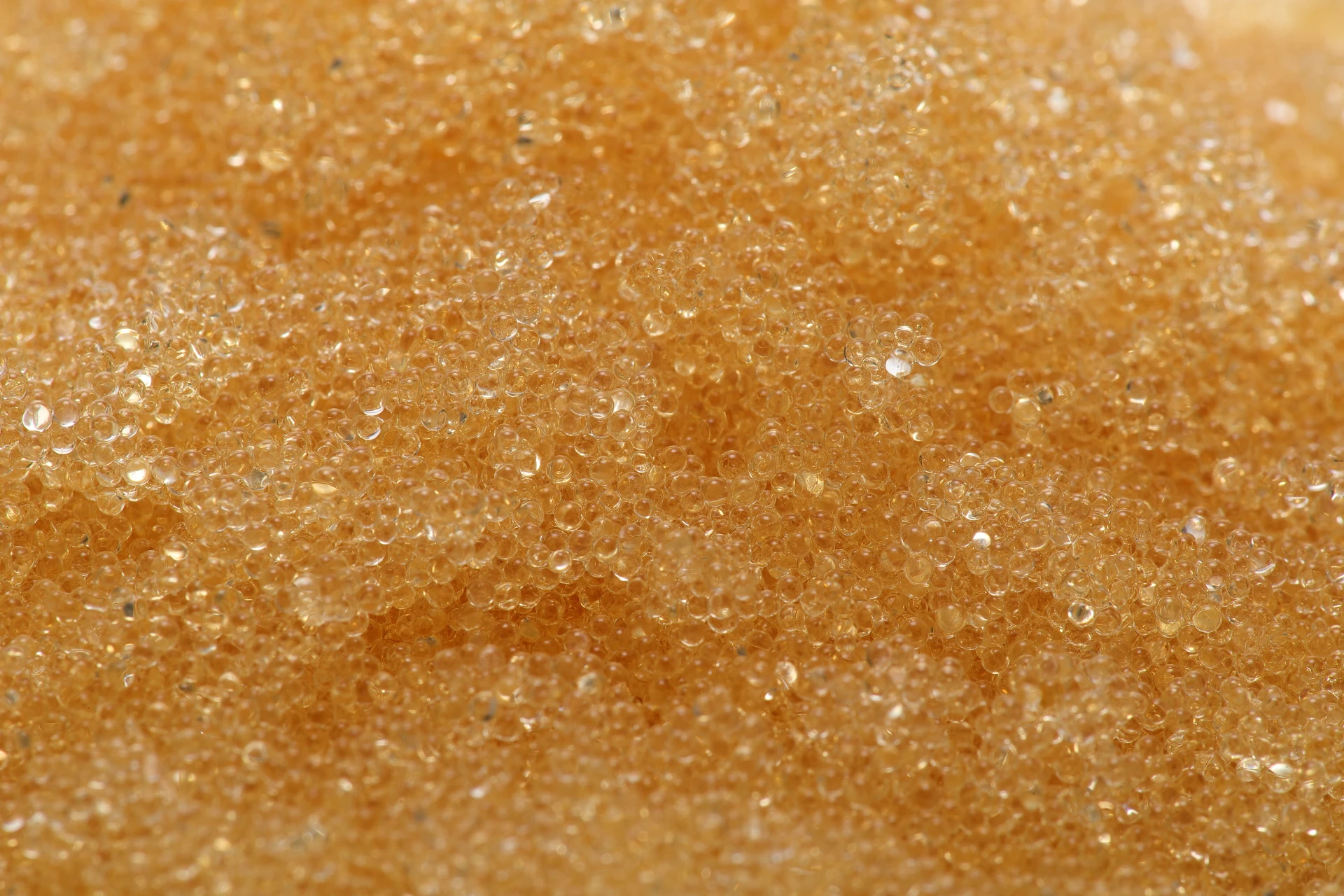
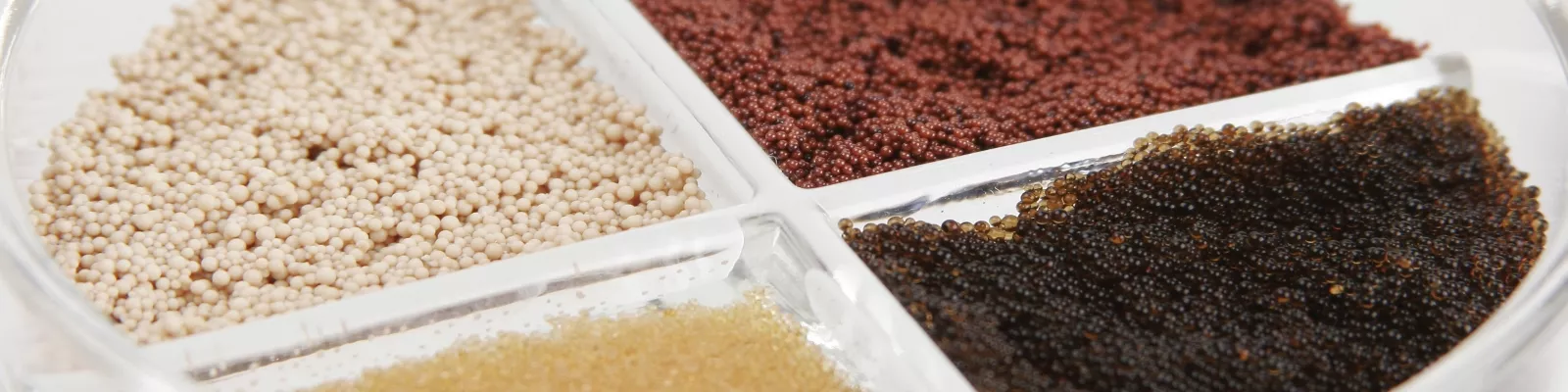
Mixed resin, basically, refers to a combination of different ion exchange resins blended to balance out strengths and weaknesses. Most commonly, you’ll see a mix of cation and anion resins—working in unison inside water softeners, demineralizers, or other purification setups. The idea is to tailor the blend so it fits a specific water profile or operational need. Oddly enough, while the concept might seem straightforward, the actual formulation is quite the art and science.
In my experience, the nuances come down to resin type, bead size, and the ratio of strong to weak resins. For instance, strong acid cation resins excel at removing hardness ions like calcium and magnesium, but adding a weak acid resin can improve performance in neutral pH ranges, giving enhanced calcium removal and regeneration efficiency. On the anion side, strong base resins take out nitrates and sulfates effectively, but there are times where a weak base resin helps with organic fouling resistance.
Here’s a quick look at typical specs for a popular mixed resin blend I have worked with:
| Specification | Typical Values |
|---|---|
| Resin Type | Strong Acid Cation / Strong Base Anion |
| Bead Size (mesh) | 16–50 mesh (approx. 0.3–1.2 mm) |
| Moisture Content | 45–50% (wet basis) |
| Capacity (eq/L) | 1.8–2.2 (cation), 1.2–1.4 (anion) |
| Operating Temperature | Up to 110°C (230°F) |
Another thing I notice often is how important vendor reliability is with mixed resins. These materials aren’t all cut from the same cloth, and nuances in cross-linking, polymer purity, or regeneration cycles can affect lifespan and efficiency drastically. Based on recent industry chatter and my direct dealings, here’s a snapshot comparing some well-known suppliers who provide mixed resin blends:
| Vendor | Resin Types Offered | Typical Applications | Comments |
|---|---|---|---|
| Liji Resin | Strong/Weak Acid & Base Mixed Resins | Industrial Water Treatment, Power Plants | Consistent quality, good customization options |
| Dow Chemical | Broad Range Including Mixed Bed | Municipal, Food & Beverage, Pharmaceutical | Global presence, premium pricing |
| Mitsubishi Chemical | Advanced Mixed Resins with Specialty Beads | Semiconductor, High Purity Applications | Highly engineered, smaller volumes |
Customization is genuinely a big deal when it comes to mixed resin. We once had a client with an unusual ion profile — lots of silica and some organic compounds that standard resins struggled with. After working with their supplier, they switched to a blend with added weak acid resin and a tailored regeneration protocol. The result? Considerably longer cartridge life and improved throughput. Small tweaks like that can save tens of thousands of dollars annually in operations — which engineers love, obviously.
At the end of the day, if you work in water treatment or industrial processing, it’s worth paying close attention to resin blends. They’re not just a commodity—there’s real art in selecting and optimizing these materials. Many engineers, including myself, have learned that investing a bit of time here pays off in stability, cost savings, and system longevity.
So if you’re curious or need specialized mixed resin solutions, I recommend checking out mixed resin suppliers known for their tailored services and dependable products. You won’t regret the extra due diligence.
Reflecting on over a decade in this sector, I can say that while chemistry drives performance, it’s really the hands-on experience—testing, tweaking, and understanding real-world conditions—that creates trust in a supplier and product.
References: