ดัชนี
|
ชื่อ
|
ข้อมูลจำเพาะ
|
|
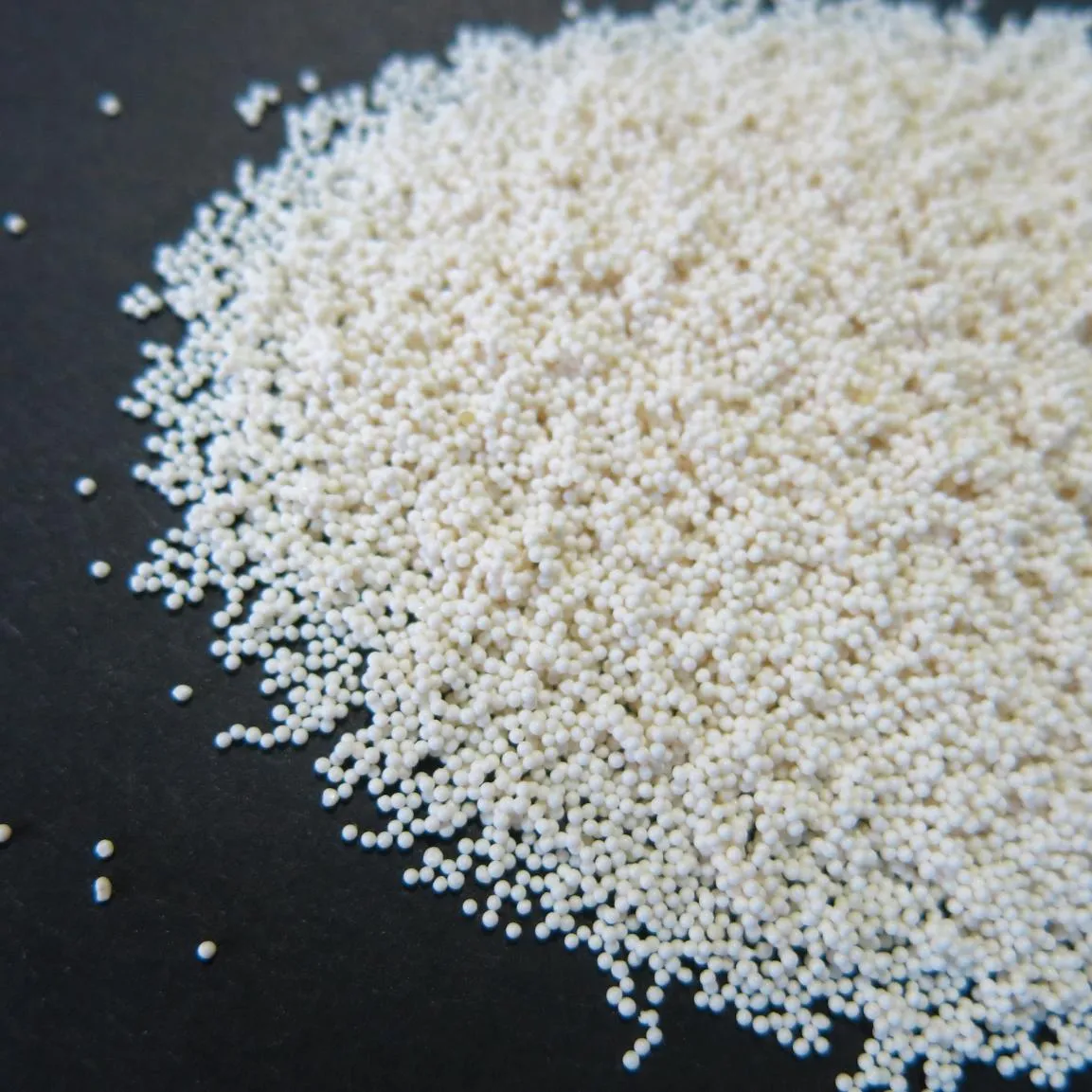
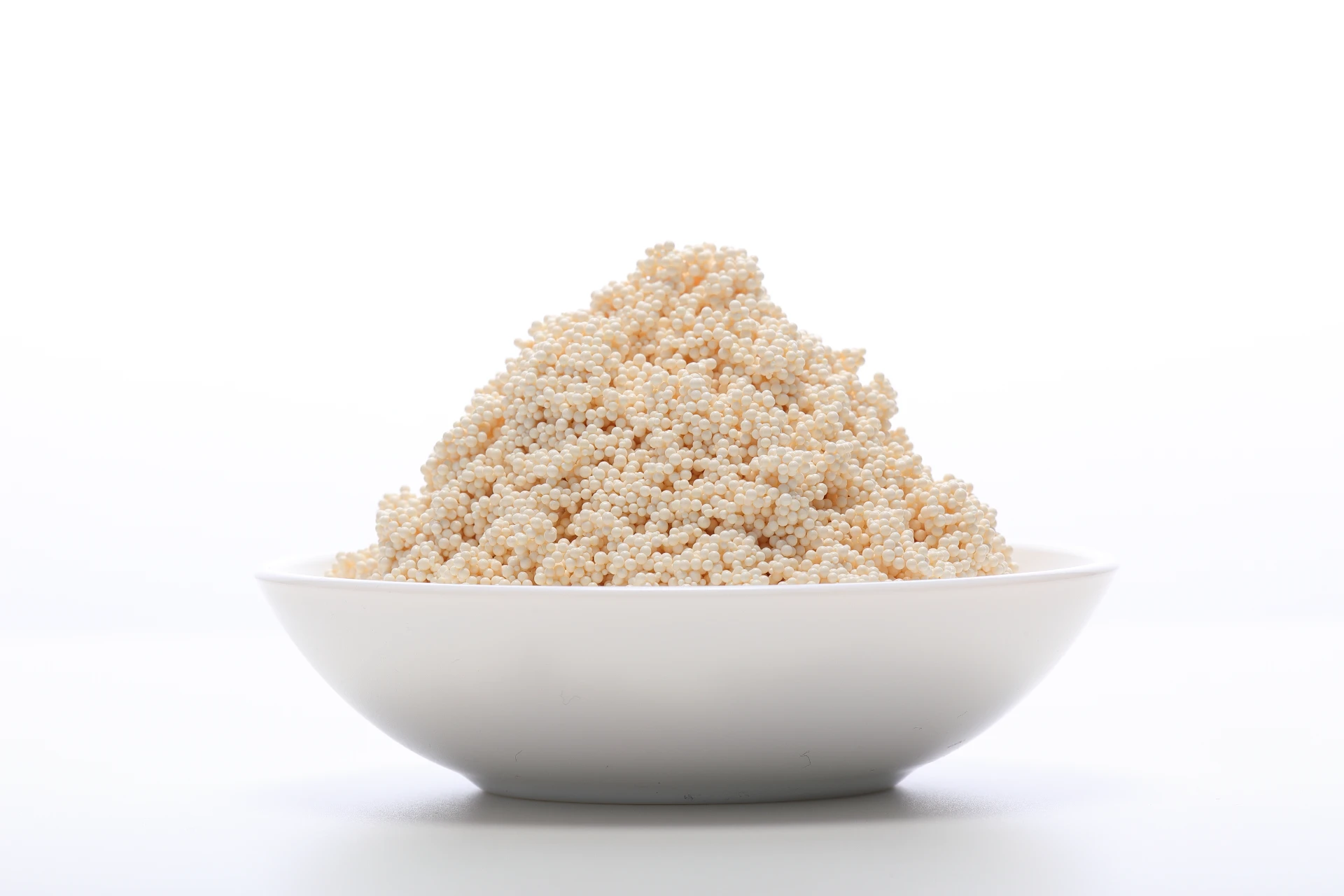
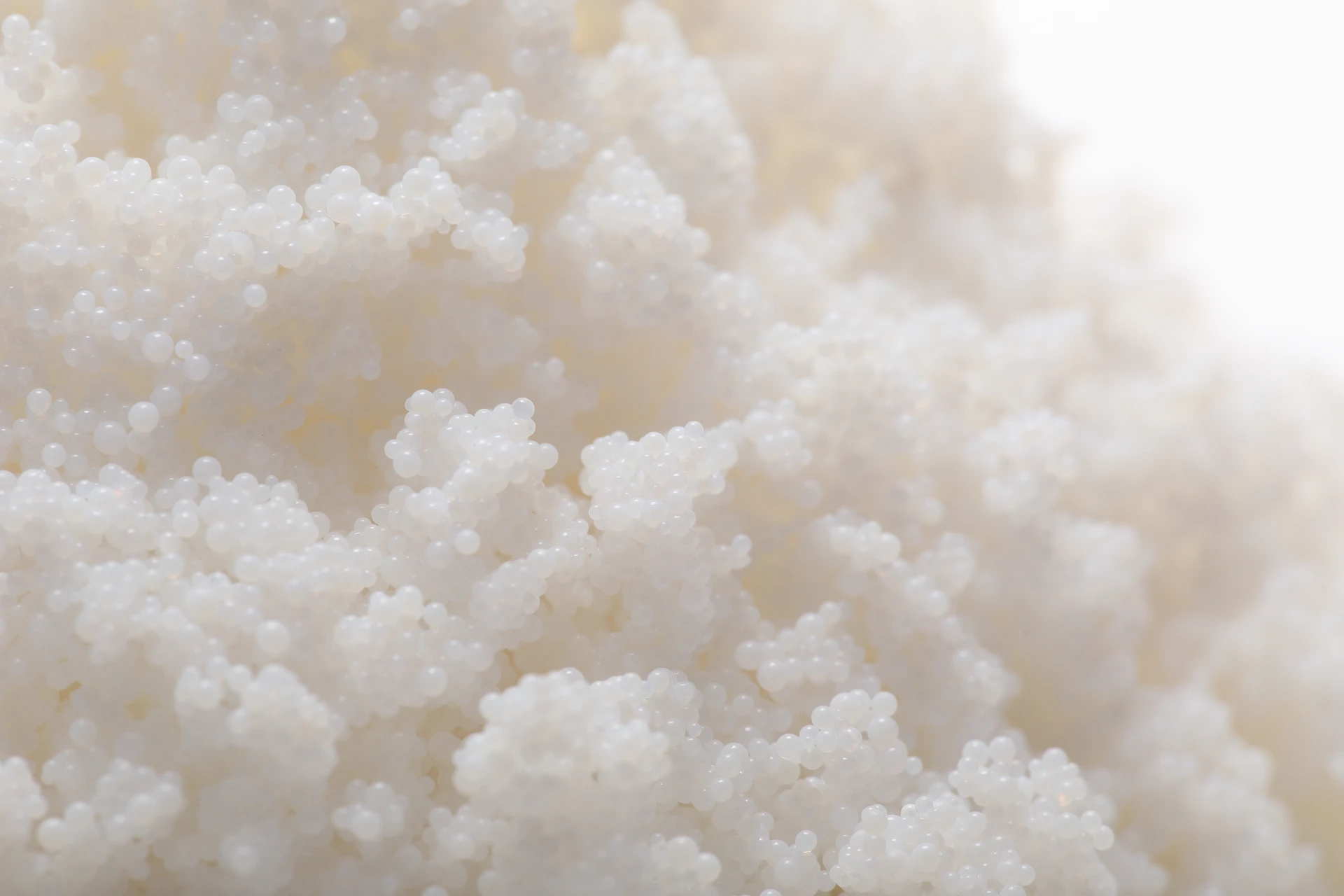
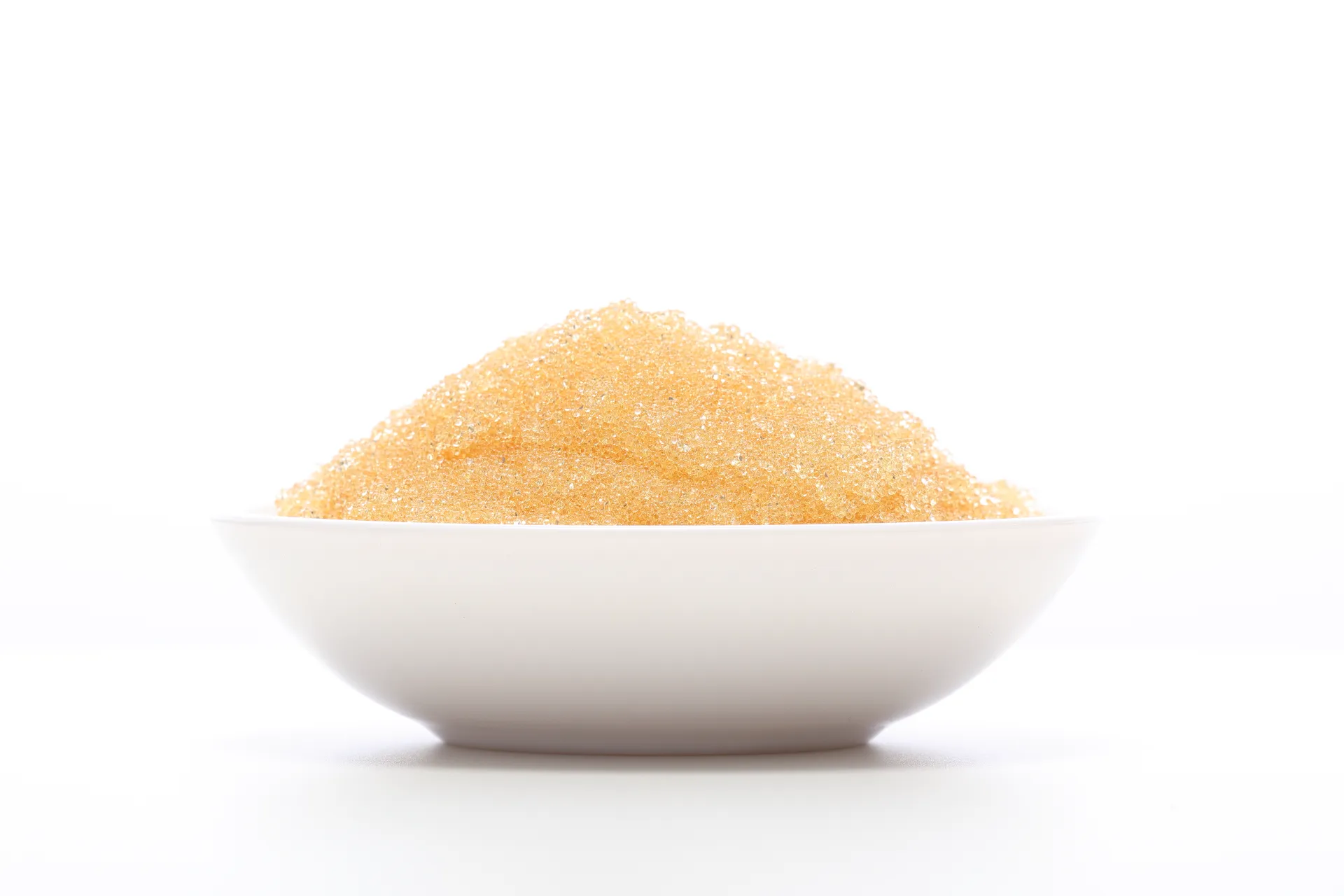
รูปร่าง
|
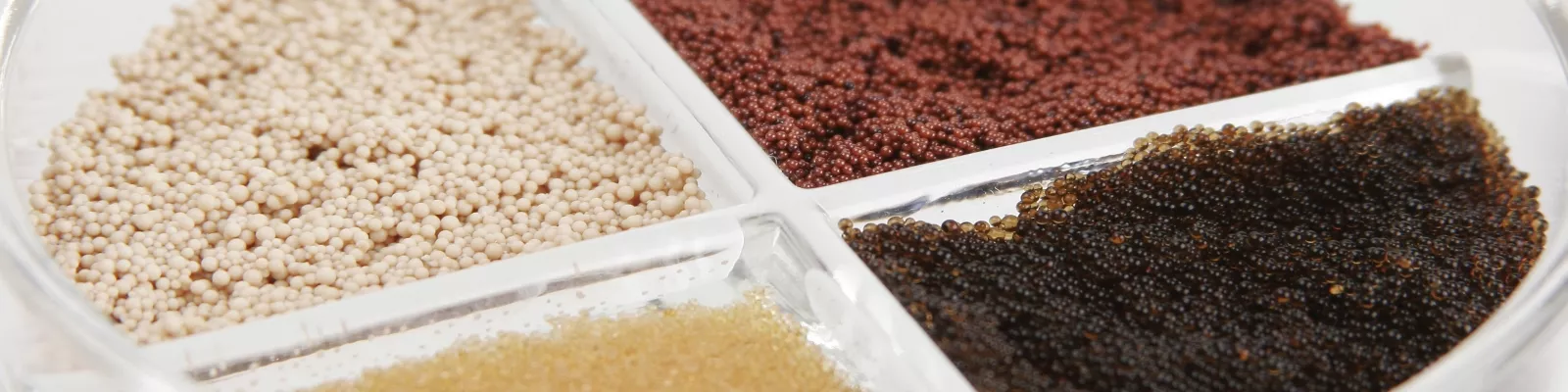
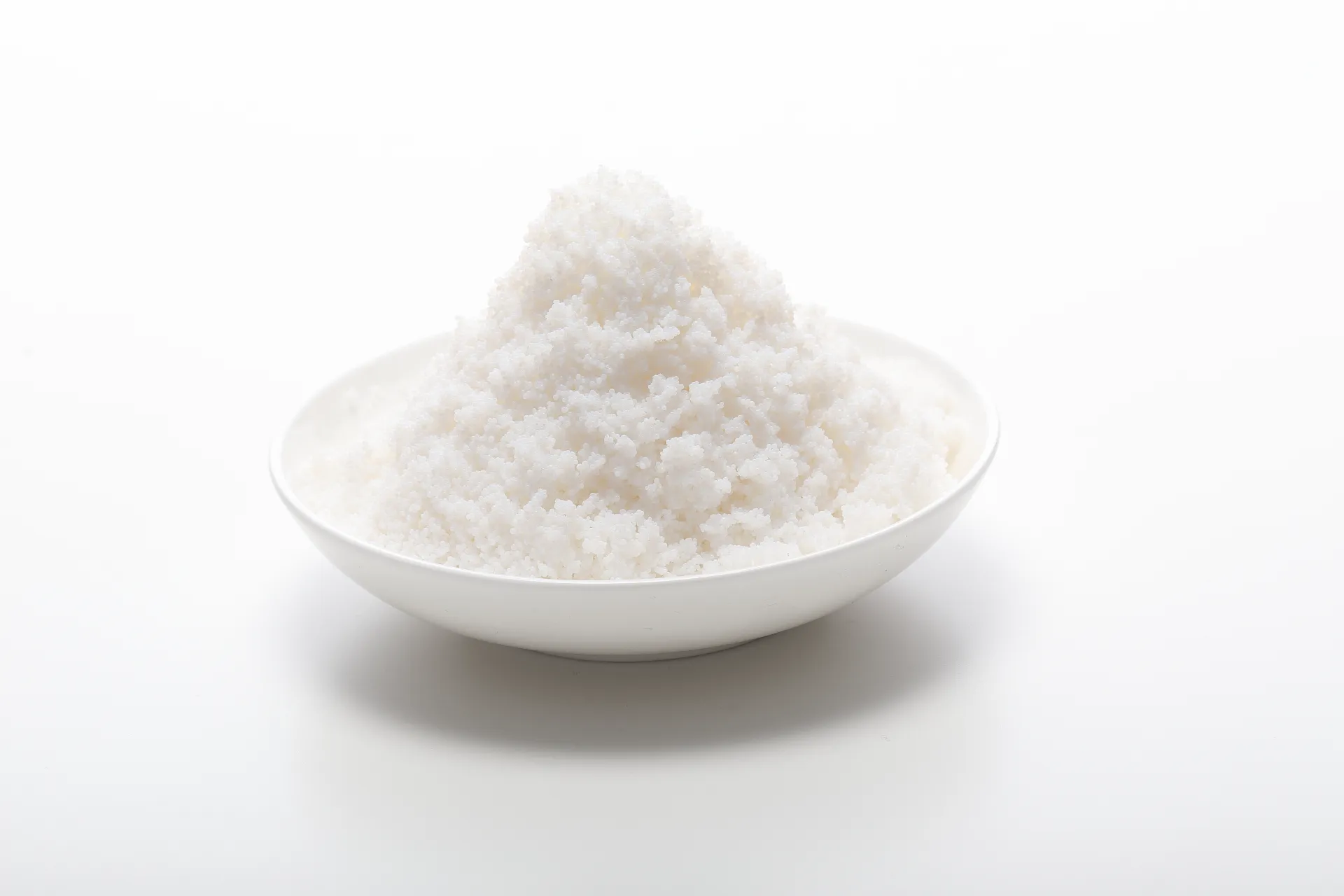
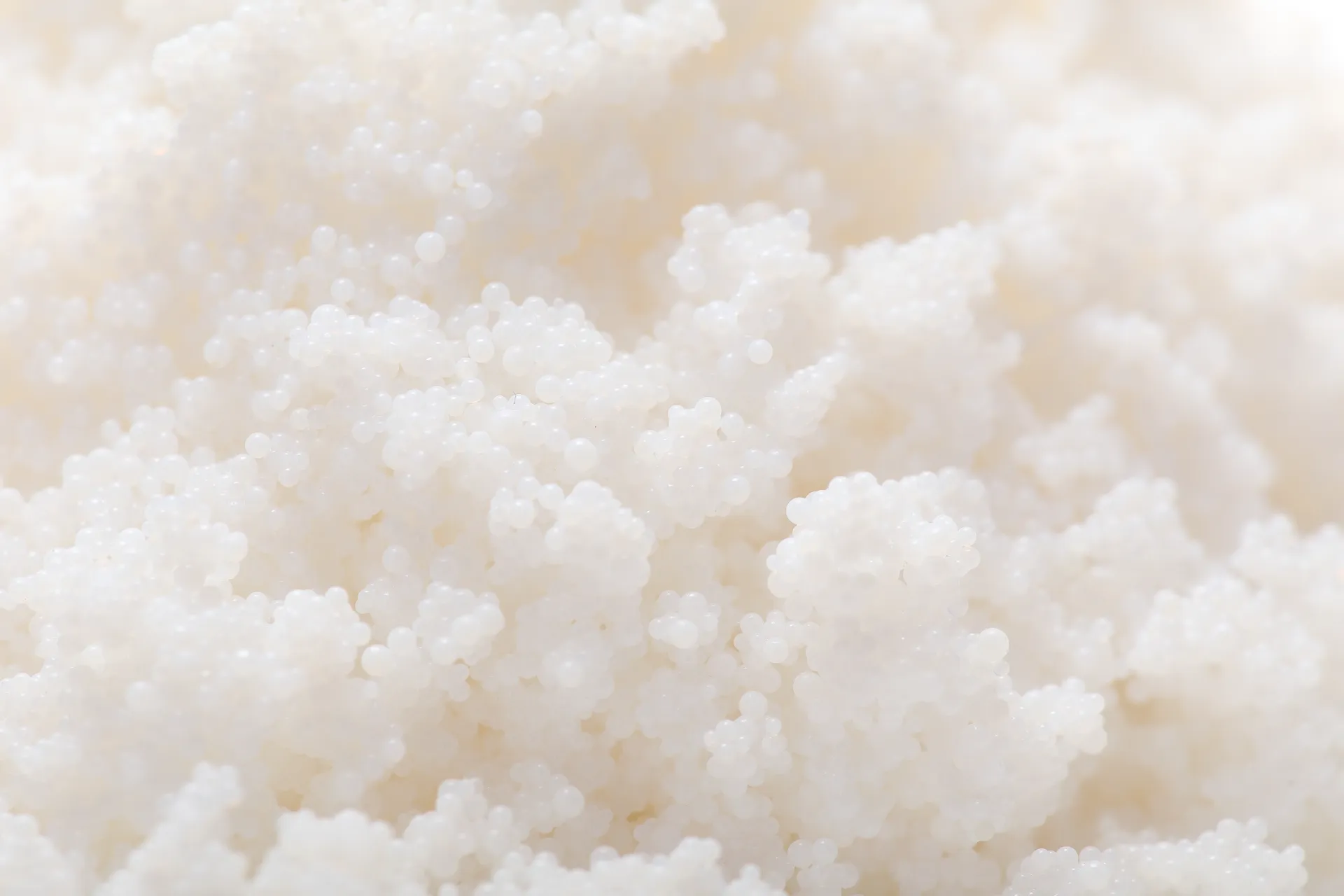
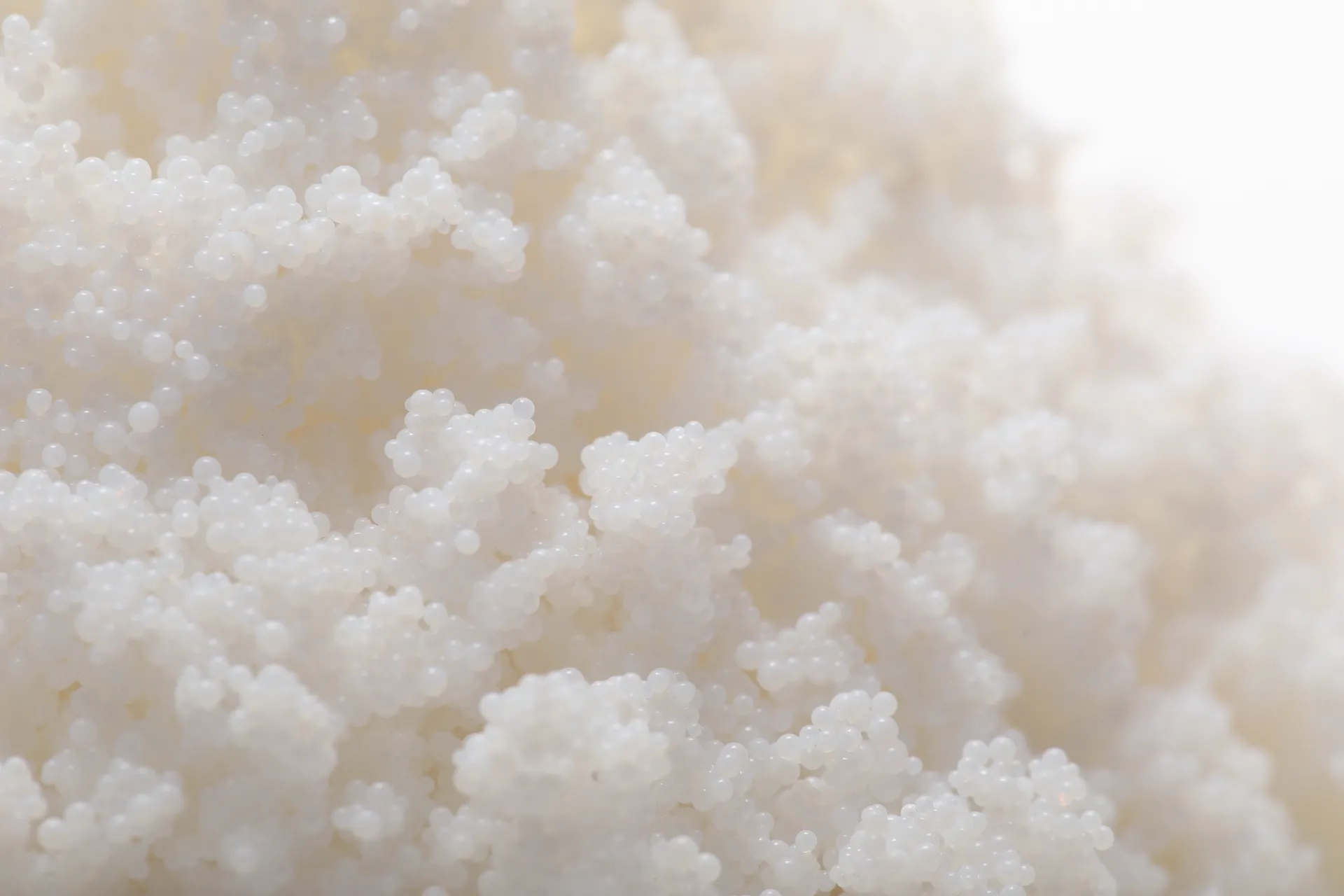
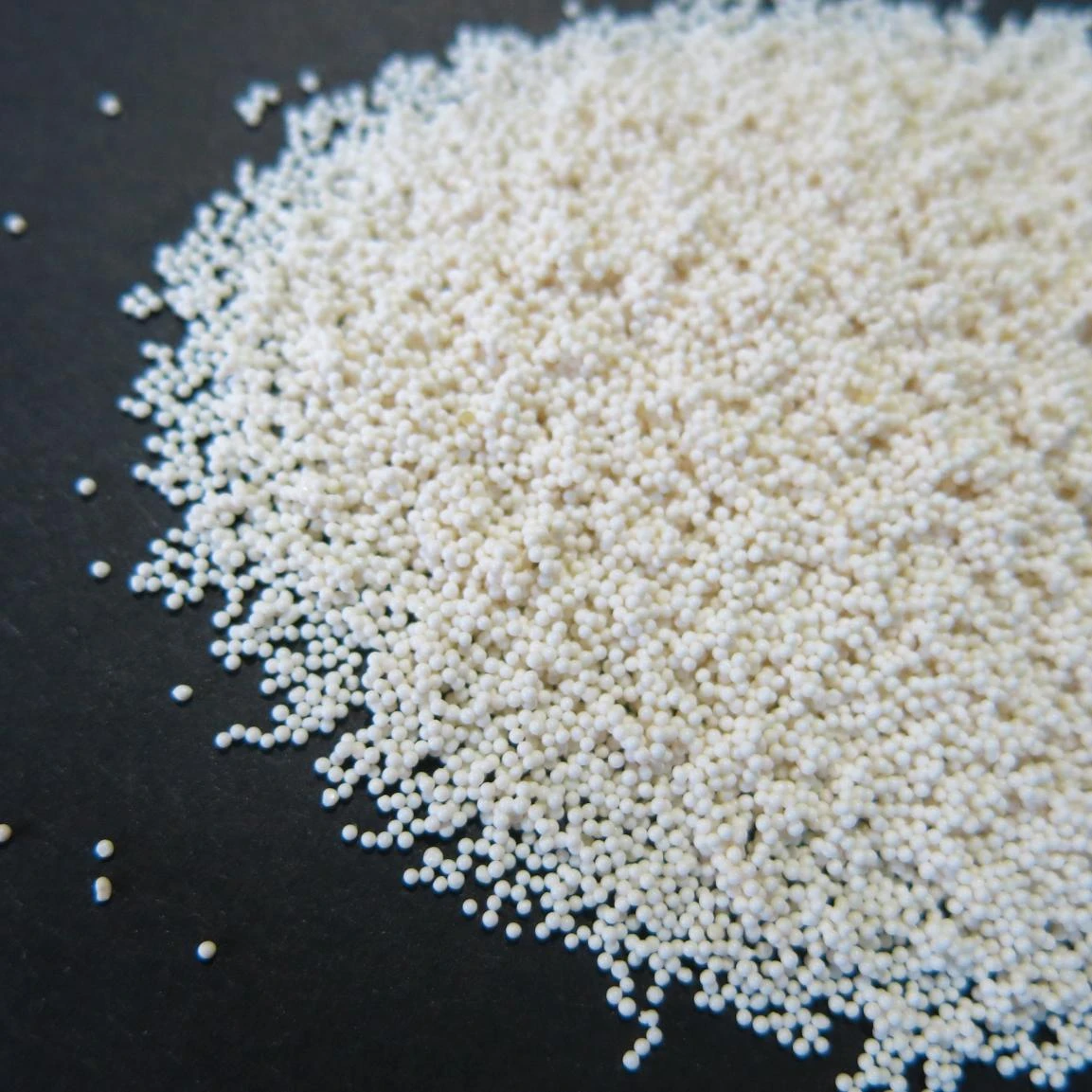
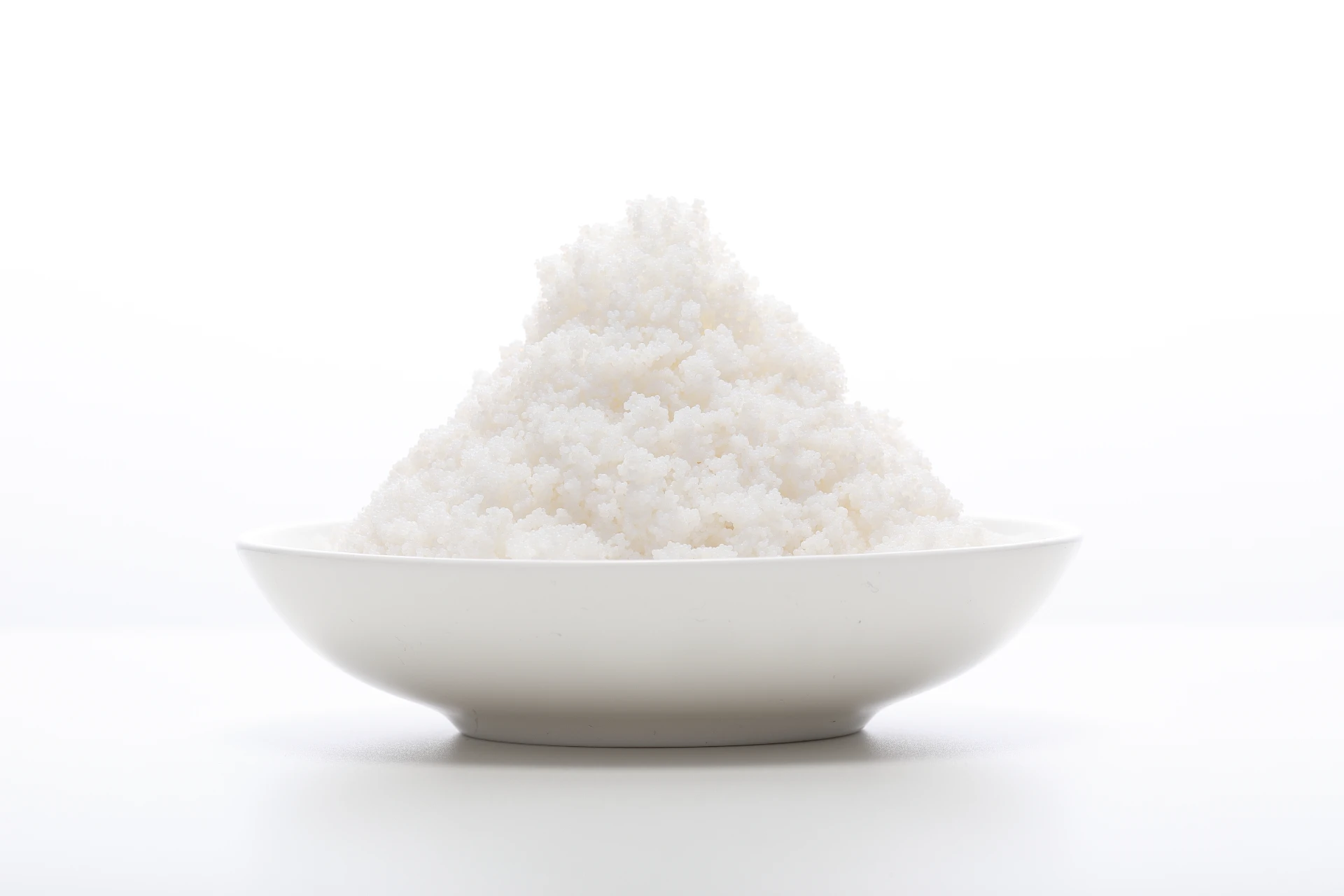
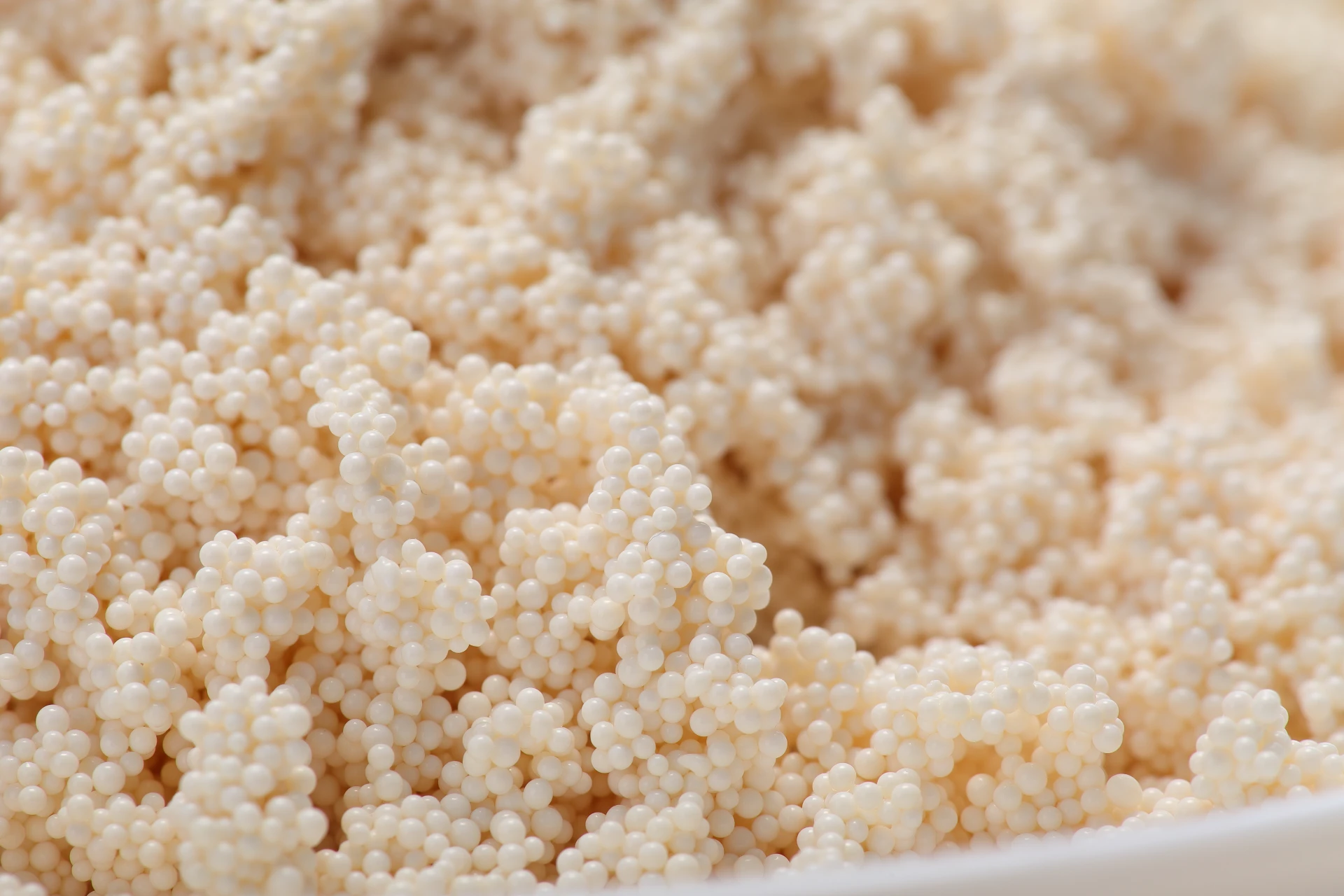
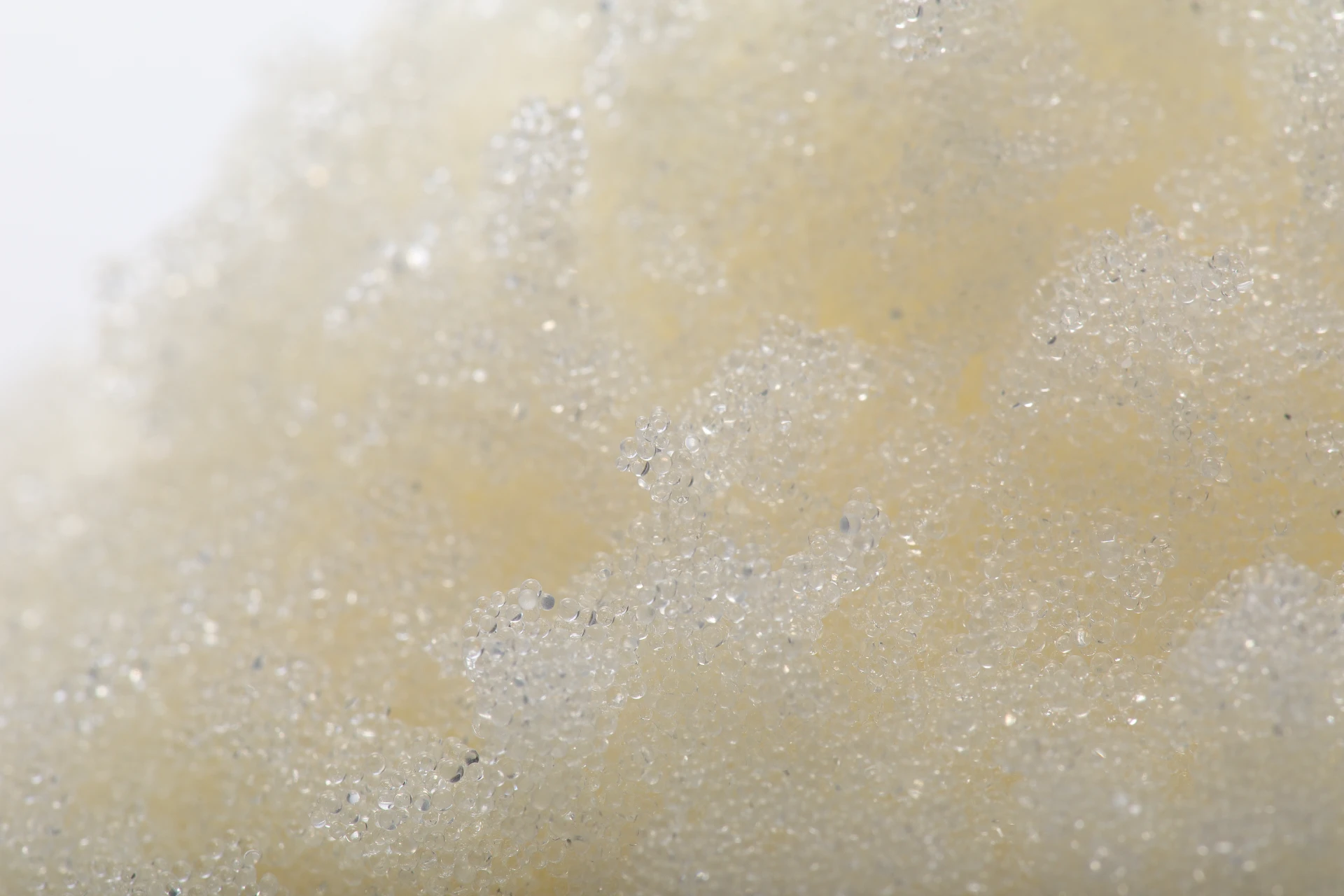
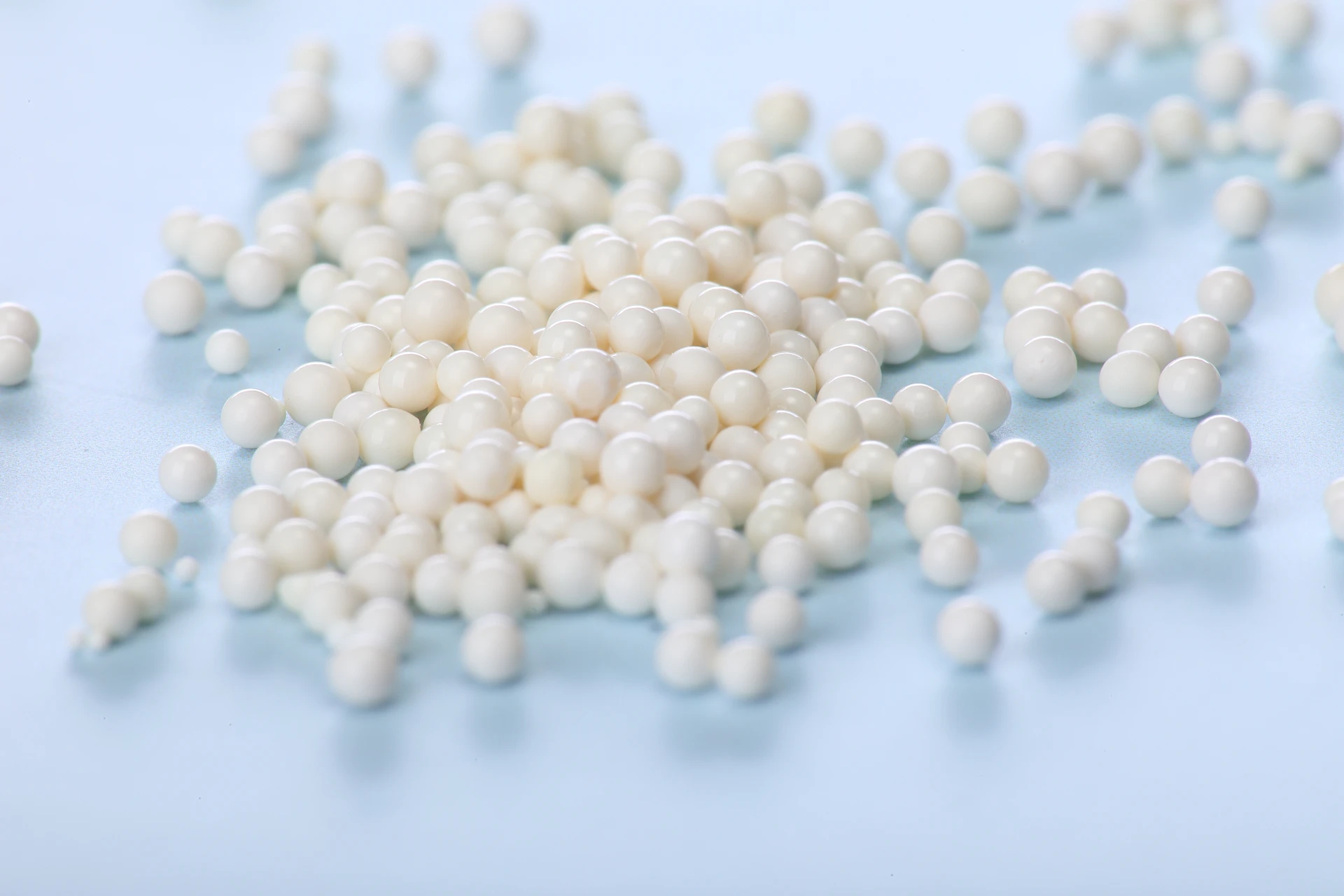
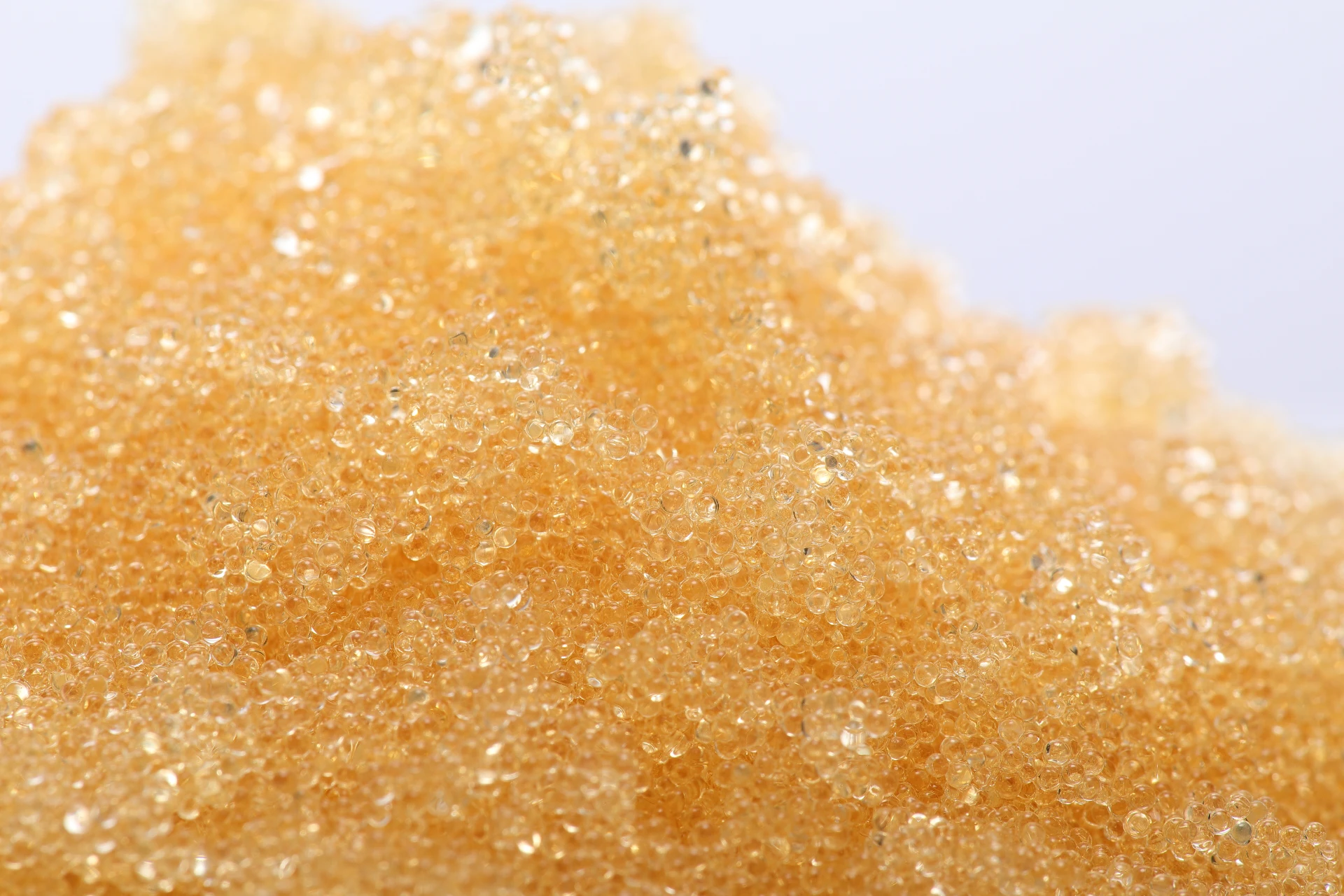
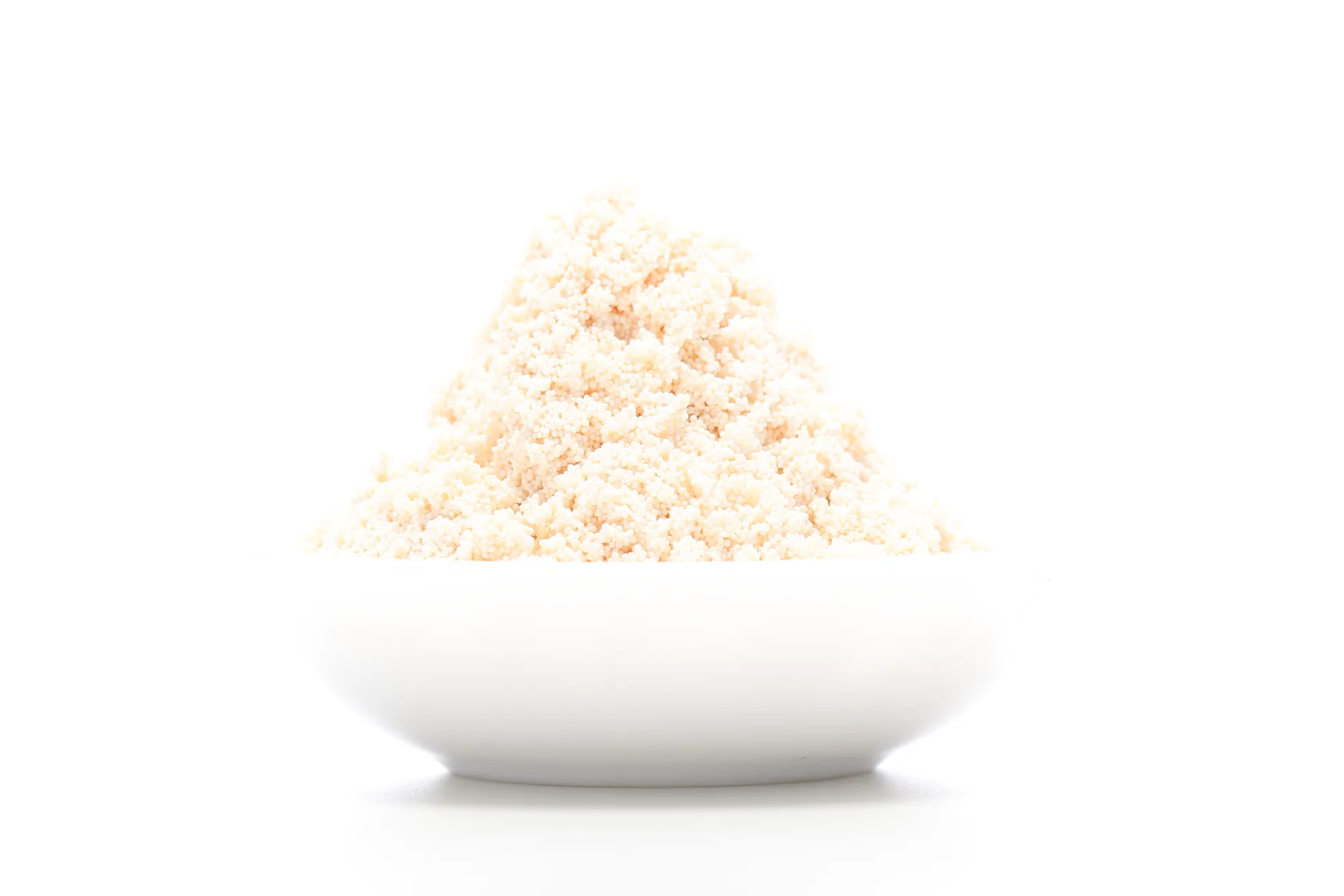
ลูกปัดทรงกลมสีขาวขุ่น
|
|
โครงสร้างของเรซิน
|
พีดีเอส
|
|
ขั้ว
|
ไม่มีขั้ว
|
|
ความชื้น
|
65%~75%
|
|
ช่วงขนาดอนุภาค
|
(60~16 ตาข่าย)0.3~1.25มม.≥95%
|
|
ขนาดรูพรุนเฉลี่ย
|
9-11 นาโนเมตร
|
|
ปริมาตรรูพรุน
|
1.50-1.70มล./กรัม
|
|
ความหนาแน่นที่ปรากฏ
|
0.32-0.36ก/มล.
|
|
ความหนาแน่นของโครงกระดูก
|
0.81-0.85ก/มล.
|
|
ความหนาแน่นจริง (กรัม/มล.)
|
1.15-1.19ก/มล.
|
|
ความหนาแน่นรวม (กรัม/มล.)
|
0.65-0.70กรัม/มล.
|
|
พื้นที่ผิวเฉพาะ
|
550-600 ตร.ม./ก.
|
|
ความสามารถในการดูดซับ
|
≥45 มก./ก.
|
คุณสมบัติผลิตภัณฑ์:
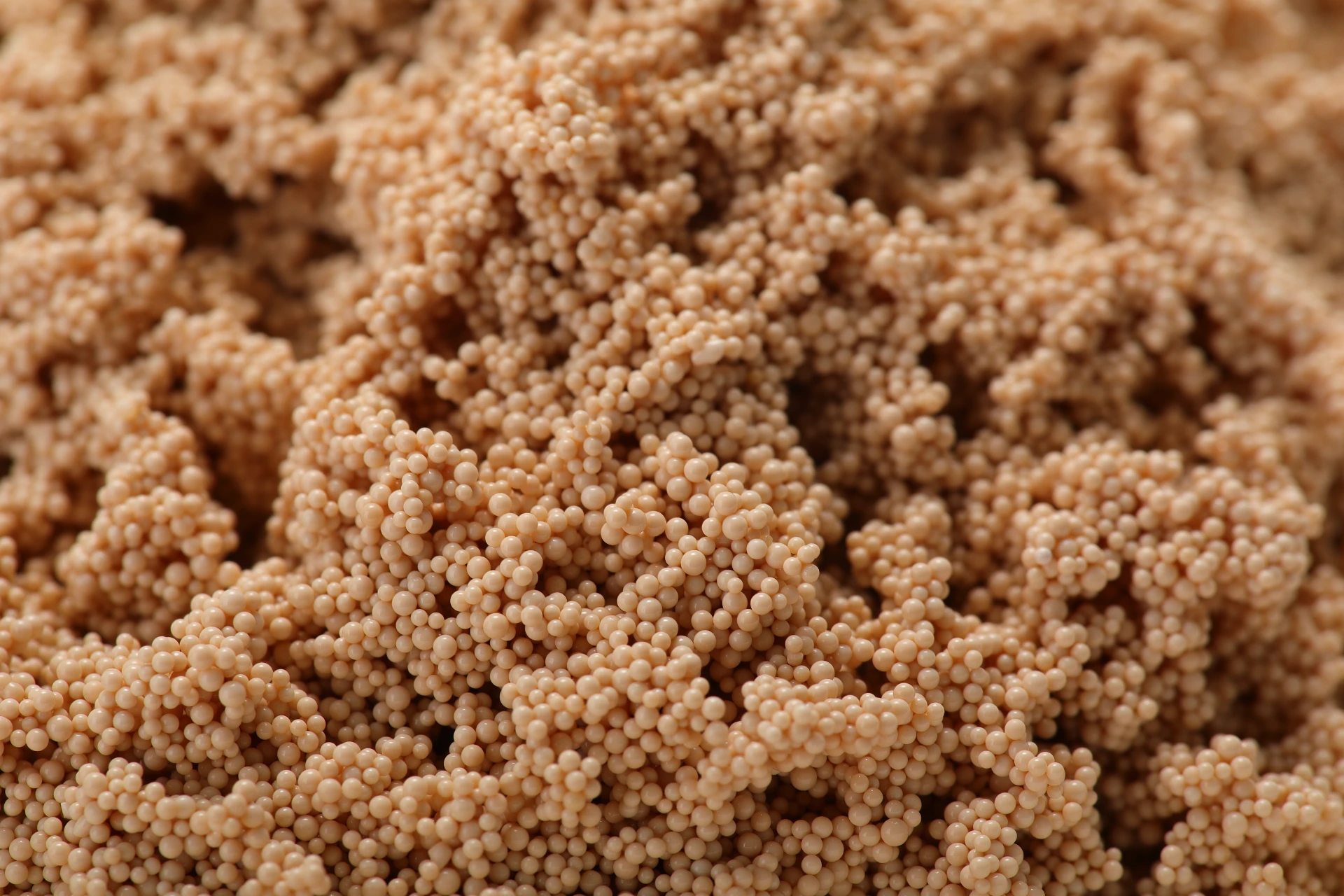
- สีขาวน้ำนมหรือเหลืองอ่อนทำให้การดำเนินการประมวลผลสะดวกยิ่งขึ้น และการแยกและการทำให้บริสุทธิ์ของสารประกอบอินทรีย์ที่มีสีนั้นสังเกตได้ง่าย
- คุณสมบัติทางกายภาพและเคมีมีเสถียรภาพ และไม่ละลายในกรด ด่าง และตัวทำละลายอินทรีย์ใดๆ จึงสะดวกต่อการเลือกสารดูดซับและสารขจัดสารดูดซับ
- มีการคัดเลือกสารอินทรีย์ได้ดีและไม่ได้รับผลกระทบจากการมีอยู่ของเกลืออนินทรีย์
- การสร้างใหม่นั้นง่ายมาก สามารถเลือกตัวแทนการสร้างใหม่ได้จากน้ำ ด่างเจือจาง กรดเจือจาง หรือตัวทำละลายอินทรีย์ที่มีจุดเดือดต่ำ เช่น เมทานอล เอธานอล อะซิโตน เป็นต้น
- ความแข็งแรงทางกลดีและมีอายุการใช้งานยาวนานตามปกติ
การเตรียมเรซินเบื้องต้น
เรซินเกรดอุตสาหกรรมทั้งหมดมีตัวทำละลายเฉื่อย ดังนั้นจึงต้องผ่านการบำบัดล่วงหน้าในระดับที่แตกต่างกันตามความต้องการของการใช้งาน: ในเครื่องสกัด ให้เติมเอธานอล 10-20 ซม. เหนือชั้นเรซินเพื่อแช่ไว้ 3-4 ชั่วโมง จากนั้นจึงสะเด็ดสารละลายที่แช่ไว้ สำหรับกระบวนการสกัด ใช้กรรมวิธีเดียวกันในการล้างซ้ำ ๆ จนกว่าทางออกจะรับสารละลายที่แช่ไว้ และเติมน้ำ 3 เท่าของปริมาณในหลอดทดลองจนกว่าจะไม่ขุ่น จากนั้นล้างให้สะอาดด้วยน้ำสะอาดจนกว่าจะไม่มีกลิ่นเอธานอลที่ชัดเจน จากนั้นจึงสามารถนำไปใช้งานทั่วไปได้
การฟื้นฟูที่เพิ่มขึ้น:
เมื่อเรซินถูกใช้ตามปกติเป็นระยะเวลาหนึ่ง ความสามารถในการดูดซับจะลดลงหรือปนเปื้อนอย่างรุนแรง จำเป็นต้องเสริมการบำบัดการสร้างใหม่ วิธีการคือเติมสารละลายกรดไฮโดรคลอริก 3-5% ขึ้นไป 10-20 ซม. เหนือชั้นเรซินแล้วแช่ไว้ 2-4 ชั่วโมง ล้างด้วยความเข้มข้นเท่ากันที่ 5-7 เท่าของปริมาตรของสารละลายกรดไฮโดรคลอริก จากนั้นล้างให้สะอาดด้วยน้ำสะอาดจนค่า pH ของสารละลายซักฟอกทางออกเป็นกลาง จากนั้นแช่ในสารละลายโซเดียมไฮดรอกไซด์ 5% ตามวิธีการข้างต้นเป็นเวลา 2-4 ชั่วโมง แล้วใช้วิธีเดียวกัน ล้างจนผ่านสารละลายโซเดียมไฮดรอกไซด์ 5-7 เท่าของปริมาตร จากนั้นล้างให้สะอาดด้วยน้ำจนค่า pH ของน้ำทิ้งเป็นกลาง จากนั้นจึงนำกลับมาใช้ใหม่ได้
ข้อควรระวัง
- เรซินประกอบด้วยน้ำและควรเก็บไว้ที่อุณหภูมิ 5-40ºC ในระหว่างการจัดเก็บและการขนส่งเพื่อป้องกันการแข็งตัวที่อุณหภูมิต่ำและเชื้อราที่อุณหภูมิสูง ซึ่งส่งผลต่อการใช้งาน
- เนื่องจากเรซินสัมผัสกับอากาศหรือสูญเสียน้ำด้วยเหตุผลใดก็ตาม ไม่ควรฉีดน้ำโดยตรงเพื่อป้องกันไม่ให้เรซินลอยน้ำ สามารถชุบด้วยเอธานอลเพื่อให้เรซินกลับมาเปียกอีกครั้ง จากนั้นทำความสะอาดด้วยน้ำ
- สารที่ดูดซับ (สารละลาย) ควรได้รับการกำจัดสิ่งเจือปน การกรอง และการทำให้บริสุทธิ์ก่อนที่จะวางบนคอลัมน์ เพื่อหลีกเลี่ยงไม่ให้สิ่งเจือปนเข้าไปในคอลัมน์เรซินให้ได้มากที่สุด เพื่อไม่ให้เกิดพิษเรซินเฉียบพลันและส่งผลต่อการใช้งาน
- เรซินถูกขัดจังหวะ หลังจากล้างด้วยน้ำแล้ว ควรเก็บไว้ในน้ำสะอาดที่แช่ไว้และเปลี่ยนเป็นประจำเพื่อป้องกันการปนเปื้อน นอกจากนี้ยังสามารถแช่ในน้ำเกลืออิ่มตัวหรือเอธานอลเพื่อการจัดเก็บในระยะยาวได้อีกด้วย
Advanced Purification and Separation with Macroporous Adsorption Resin AD-101
In today’s industrial and laboratory environments, the demand for efficient purification and separation of organic compounds and impurities is higher than ever. Macroporous Adsorption Resin AD-101 provides a high-performance solution for these challenges, offering superior adsorption capacity, rapid mass transfer, and excellent chemical and mechanical stability. Its macroporous structure provides a large surface area, allowing effective removal of pigments, phenolic compounds, and other organic contaminants from a variety of liquids. This makes D101 macroporous resin ideal for applications in food and beverage processing, pharmaceutical production, environmental remediation, and laboratory-scale purification.
Hebei Lijiang Biotechnology Co., Ltd., a leading high-tech enterprise specializing in special resins and advanced adsorption resins, ensures that AD-101 meets stringent international standards and offers consistent performance. Leveraging their expertise as one of the top chromatography resin manufacturers, Lijiang supports integration of AD-101 in systems using various types of chromatography resins, optimizing separation efficiency, reproducibility, and operational reliability. With ISO9001, SGS, and WQA certifications, Lijiang provides technical guidance, system design support, and operational best practices, enabling clients to achieve ultra-pure outputs, enhance process efficiency, and reduce operational costs.
By employing AD-101, industries and laboratories can achieve reliable, high-quality purification and separation results across diverse applications. Its versatility and performance, combined with Lijiang’s technical expertise, establish a strong foundation for efficient, sustainable, and reproducible purification processes, from industrial-scale operations to laboratory research and development.
High-Efficiency Purification with Macroporous Adsorption Resin AD-101
In modern industrial and laboratory processes, achieving high-purity separation and efficient removal of organic compounds is critical for product quality, process reliability, and regulatory compliance. Macroporous Adsorption Resin AD-101 has emerged as a high-performance solution for these applications, providing superior adsorption capacity, rapid mass transfer, and excellent chemical stability. Its macroporous structure ensures a large surface area and high accessibility to solute molecules, making D101 macroporous resin ideal for removing pigments, phenolic compounds, and other organic contaminants from food, pharmaceutical, environmental, and laboratory process streams.
Hebei Lijiang Biotechnology Co., Ltd., a leading high-tech enterprise, produces advanced D101 resin and related resin products while offering comprehensive technical support for industrial and laboratory applications. As a modern manufacturer specializing in high-performance special resins, Lijiang integrates research, development, production, sales, and after-sales service. Their expertise ensures consistent resin quality, compliance with international standards including ISO9001, SGS, and WQA certifications, and the ability to provide solutions tailored to diverse purification and separation needs. By leveraging the unique properties of AD-101, clients can achieve efficient purification, enhanced process reproducibility, and cost-effective operation.
Key Performance Features of AD-101 Macroporous Adsorption Resin for Industrial Applications
AD-101 offers several performance advantages that make it suitable for demanding industrial applications. Its macroporous network enables rapid diffusion of target molecules, high adsorption capacity, and predictable desorption performance. The resin exhibits excellent mechanical strength and chemical resistance, maintaining structural integrity and functional performance in continuous operation and repeated regeneration cycles. These properties are essential for large-scale purification processes such as decolorization, phenol removal, and extraction of active ingredients in food and pharmaceutical production.
In addition to general adsorption, AD-101 resin plays a significant role in chromatography applications. When used alongside other types of chromatography resins, AD-101 provides flexibility and high separation efficiency for both preparative and analytical processes. Its structural stability, high surface area, and uniform pore distribution make it suitable for applications such as column chromatography, batch adsorption, and bioseparation. By integrating AD-101 into D101 macroporous resin-based systems, operators can achieve enhanced resolution, efficient solute recovery, and reproducible performance, which are critical for industrial and research laboratories alike.
The versatility of AD-101 is further enhanced by its compatibility with other high-performance resins, allowing customized system designs that meet specific operational requirements. In applications where ultra-pure water or selective compound separation is needed, AD-101 can be deployed alongside เรซินผสมเตียง หรือ deionization resin systems, providing comprehensive solutions for complex separation challenges.
Industrial and Laboratory Applications of Macroporous Adsorption Resin AD-101
AD-101 resin is widely applied across diverse industries. In the food and beverage sector, it is used for decolorization, removal of phenolic compounds, and purification of natural extracts and sweeteners. In pharmaceuticals, AD-101 ensures the separation of active pharmaceutical ingredients from impurities, supporting product safety, regulatory compliance, and consistent batch quality. Environmental applications include the removal of organic pollutants from wastewater or process effluents, contributing to sustainability goals and regulatory adherence.
In laboratory settings, AD-101 provides reliable performance for both analytical and preparative chromatography. Researchers frequently pair AD-101 with other types of chromatography resins for protein purification, separation of bioactive compounds, or high-precision fractionation of chemical mixtures. Its use in column chromatography allows for controlled adsorption and desorption cycles, efficient solute recovery, and reproducible results across repeated experiments. Compatibility with a variety of solvents and pH conditions further enhances its utility in research and pilot-scale operations.
Hebei Lijiang Biotechnology Co., Ltd. ensures that AD-101 resin users have access to technical guidance, system design support, and operational best practices. Their expertise enables clients to implement D101 macroporous resin efficiently in industrial water treatment, food and pharmaceutical purification, and laboratory chromatography systems. By combining high-performance resin products with professional support, Lijiang helps industries maximize process efficiency, extend resin life, and maintain consistent quality standards.
Conclusion
Macroporous Adsorption Resin AD-101 is a versatile and high-performance solution for purification and separation in industrial and laboratory environments. Its macroporous structure, high surface area, and chemical stability allow for efficient adsorption, rapid mass transfer, and reproducible desorption, making it ideal for a wide range of applications. When combined with other types of chromatography resins, AD-101 enhances separation efficiency, resolution, and solute recovery, supporting both preparative and analytical processes.
Hebei Lijiang Biotechnology Co., Ltd., a leading manufacturer of D101 resin and other advanced resins, provides high-quality products, technical support, and system integration guidance to ensure optimal resin performance. By leveraging Lijiang’s expertise and AD-101’s capabilities, industries worldwide can achieve efficient, reliable, and cost-effective purification and separation processes. From food and pharmaceutical production to environmental treatment and laboratory-scale chromatography, AD-101 provides the foundation for high-quality, reproducible, and sustainable operations.