Phone:
+86 0319 2296164


Email:
info@lijiresin.cn
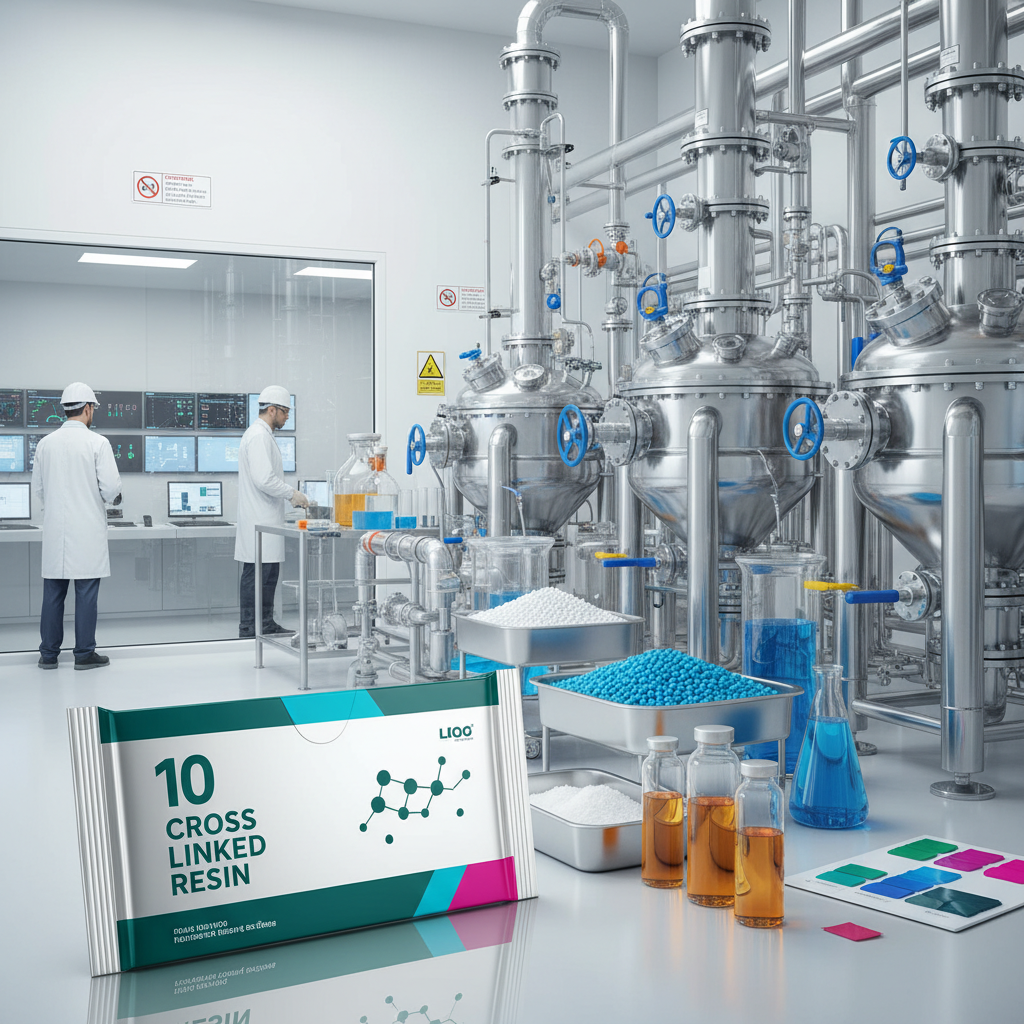
10 cross-linked resin represents a significant advancement in polymer chemistry, offering enhanced performance characteristics compared to its lower cross-linking counterparts. This level of cross-linking dramatically impacts the resin’s mechanical strength, thermal stability, and chemical resistance, making it ideal for a wide array of industrial and specialized applications. At Lijiresin.com, we specialize in providing high-quality 10 cross-linked resins tailored to meet diverse customer needs. Understanding the nuances of this material is crucial for optimizing its use in various industries. This article will delve into its properties, applications, and the advantages it offers.
Cross-linking refers to the process of forming chemical bonds between polymer chains. A 10 cross-linked resin signifies that, on average, each polymer chain is connected to nine others via these bonds. This creates a highly interconnected network structure, resulting in a material with superior properties. The increased cross-linking density leads to improved hardness, resistance to solvents, and a higher glass transition temperature (Tg). This means the resin maintains its structural integrity at higher temperatures compared to less cross-linked versions. The process of achieving this specific cross-linking density is carefully controlled during manufacturing to ensure consistent quality and performance. Lijiresin offers customized formulations to achieve precise cross-linking levels for specific application demands.
Key Highlights: Enhanced mechanical strength, improved thermal stability, and excellent chemical resistance due to its highly interconnected network structure.
The defining characteristics of 10 cross-linked resin stem directly from its high cross-linking density. These include exceptional hardness, which resists scratching and abrasion. It also exhibits outstanding chemical resistance, preventing degradation when exposed to a variety of solvents, acids, and bases. Thermal stability is significantly improved, allowing the resin to withstand elevated temperatures without softening or losing its structural integrity. Moreover, its reduced shrinkage during curing minimizes stress and improves dimensional accuracy. These properties make it a compelling choice for applications demanding durability and resilience. The precise properties can be further tailored by modifying the resin's base polymer and additives.
Key Property Benefits:
• Exceptional hardness and abrasion resistance
• Outstanding chemical resistance to diverse substances
• Improved thermal stability for high-temperature applications
• Reduced shrinkage during curing, enhancing dimensional accuracy
The unique properties of 10 cross-linked resin make it suitable for a diverse range of applications. In the coatings industry, it’s used to formulate highly durable and chemically resistant paints and varnishes. The automotive sector utilizes it in the production of components requiring high thermal stability and impact resistance. Electronics benefit from its excellent electrical insulation properties and resistance to harsh chemicals. Furthermore, it’s increasingly employed in aerospace applications where lightweight, high-performance materials are paramount. The versatility and adaptability of this resin continue to drive innovation across multiple industries. Lijiresin's technical team can advise on the optimal resin formulation for your specific needs.
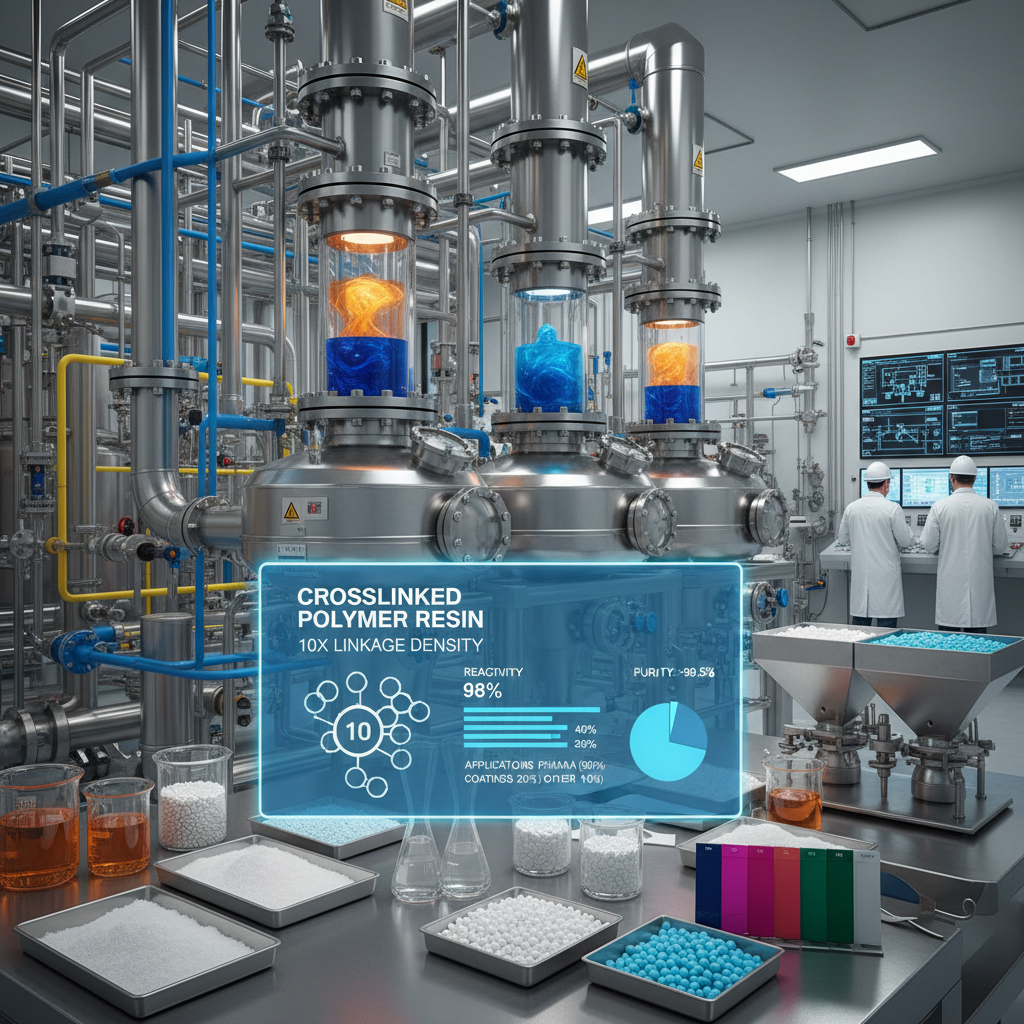
Understanding the benefits of 10 cross-linking requires a comparison to resins with varying cross-linking densities. Lower cross-linking levels (e.g., 5%) offer greater flexibility but lack the hardness and chemical resistance of 10 cross-linked resins. Higher cross-linking (e.g., 15% or 20%) can lead to brittleness and increased difficulty in processing. 10 cross-linking strikes an optimal balance, providing a combination of strength, durability, and processability. The following table illustrates a comparative overview:
Selecting the optimal 10 cross-linked resin formulation requires careful consideration of your specific application requirements. Factors such as the intended operating temperature, chemical exposure levels, and desired mechanical properties all play a crucial role. At Lijiresin, we offer a comprehensive range of formulations and customization options to meet your precise needs. Our team of experts provides technical support and guidance throughout the selection process, ensuring you achieve the best possible results.
10 cross-linked resin offers a compelling combination of properties that make it ideal for demanding applications across various industries. Its superior strength, thermal stability, and chemical resistance, coupled with the expert support available at Lijiresin.com, position it as a smart choice for businesses seeking high-performance materials. Invest in a solution designed for lasting durability and reliability.
10 cross-linked resin finds extensive use in electronics due to its exceptional electrical insulation properties and resistance to harsh chemicals. It is commonly used in encapsulating electronic components, providing protection against moisture, dust, and physical damage. It’s also employed in the production of printed circuit boards (PCBs), offering excellent dimensional stability and thermal resistance. Additionally, it serves as a crucial material in creating protective coatings for sensitive electronic devices, ensuring long-term reliability and performance. Its ability to withstand high temperatures without degrading makes it ideal for power electronics and high-frequency applications.
10 cross-linked resin exhibits superior thermal stability compared to lower cross-linked resins. It maintains its structural integrity and mechanical properties at elevated temperatures. However, exceeding its glass transition temperature (Tg) can lead to softening and a reduction in strength. The specific Tg value varies depending on the resin formulation. Therefore, it’s crucial to select a resin with a Tg appropriate for the intended operating temperature. At lower temperatures, the resin remains rigid and provides excellent dimensional stability. Careful temperature control during processing and use is essential to maximize its performance.
The environmental impact of 10 cross-linked resin depends on the specific formulation and manufacturing processes used. Lijiresin is committed to sustainability and offers a range of eco-friendly resin options, including bio-based and low-VOC (Volatile Organic Compound) formulations. We continually invest in research and development to minimize the environmental footprint of our products. Proper disposal of resin waste is crucial. Recycling options may be available depending on the specific resin type and local regulations.
The shelf life of 10 cross-linked resin typically ranges from 6 to 12 months, depending on storage conditions. It’s crucial to store the resin in a cool, dry place away from direct sunlight and heat. Exposure to moisture and air can cause premature curing or degradation. Always refer to the manufacturer's data sheet for specific storage recommendations. Properly sealed containers are essential to maintain the resin's quality and performance. Checking the resin's viscosity and appearance before use is recommended to ensure it remains suitable for your application.