Phone:
+86 0319 2296164


Email:
info@lijiresin.cn
Hard water can cause a multitude of problems for homes and businesses, from scale buildup in pipes to reduced appliance efficiency. A resin based water softener offers an effective and reliable solution to these issues. This article will delve into the technology behind these systems, their benefits, types of resin used, maintenance, and how to choose the right system for your needs. Understanding the science and application of resin-based water softening is key to ensuring a consistent supply of high-quality water.
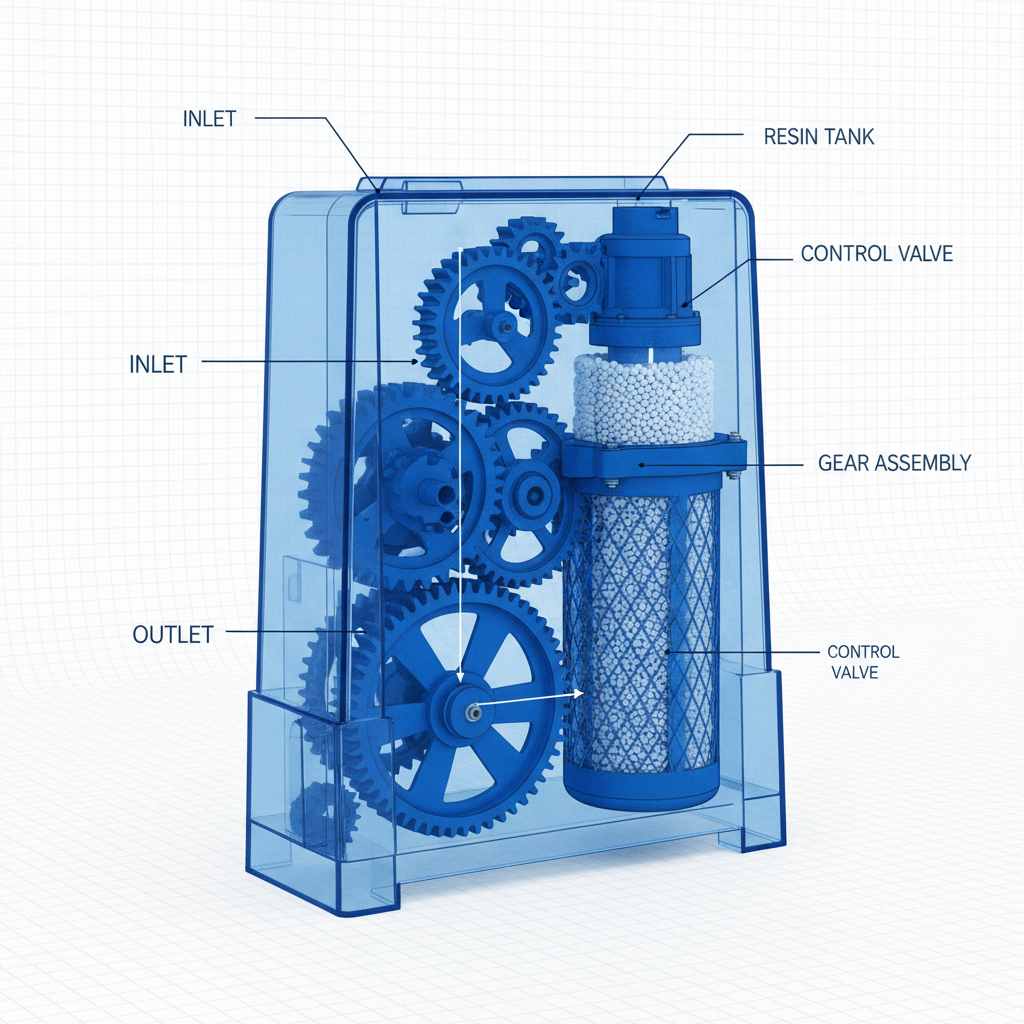
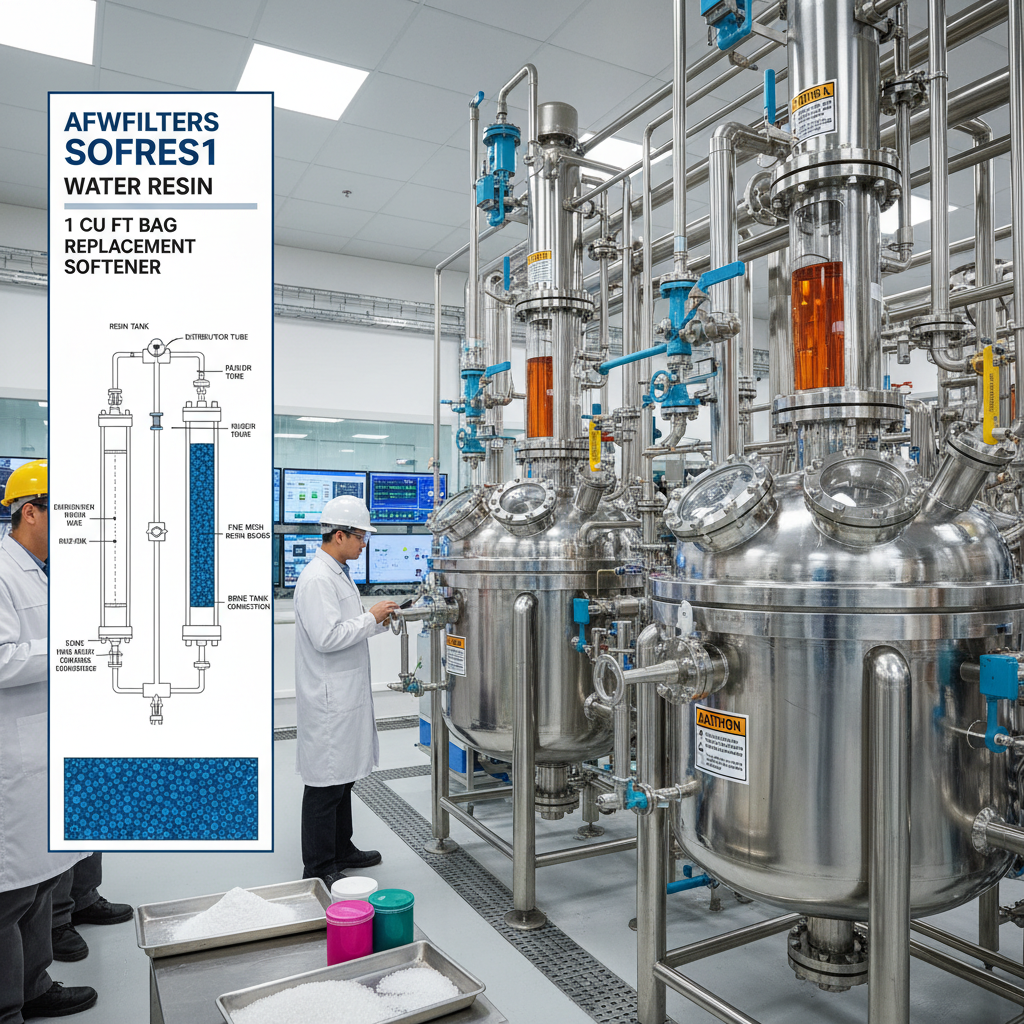
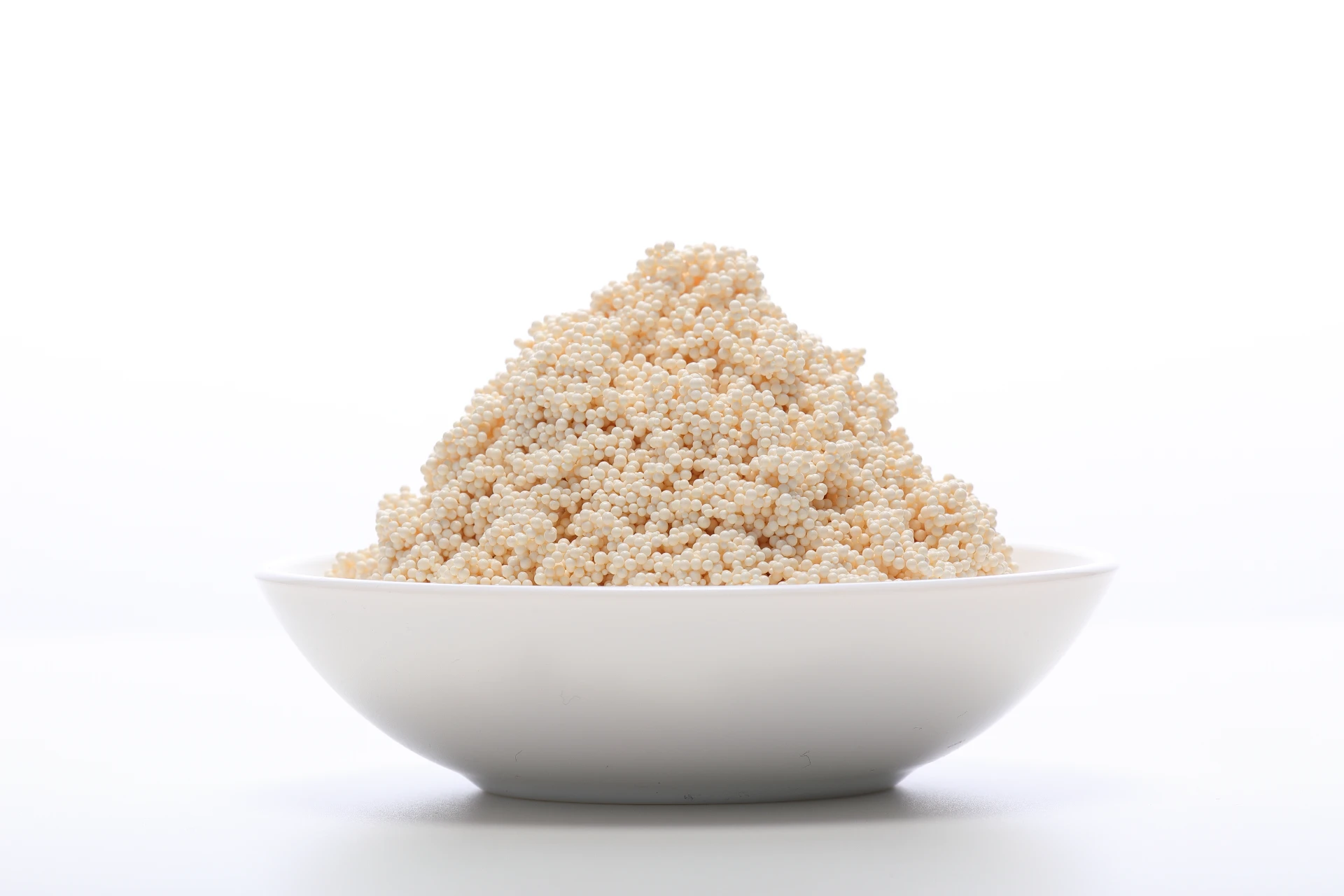
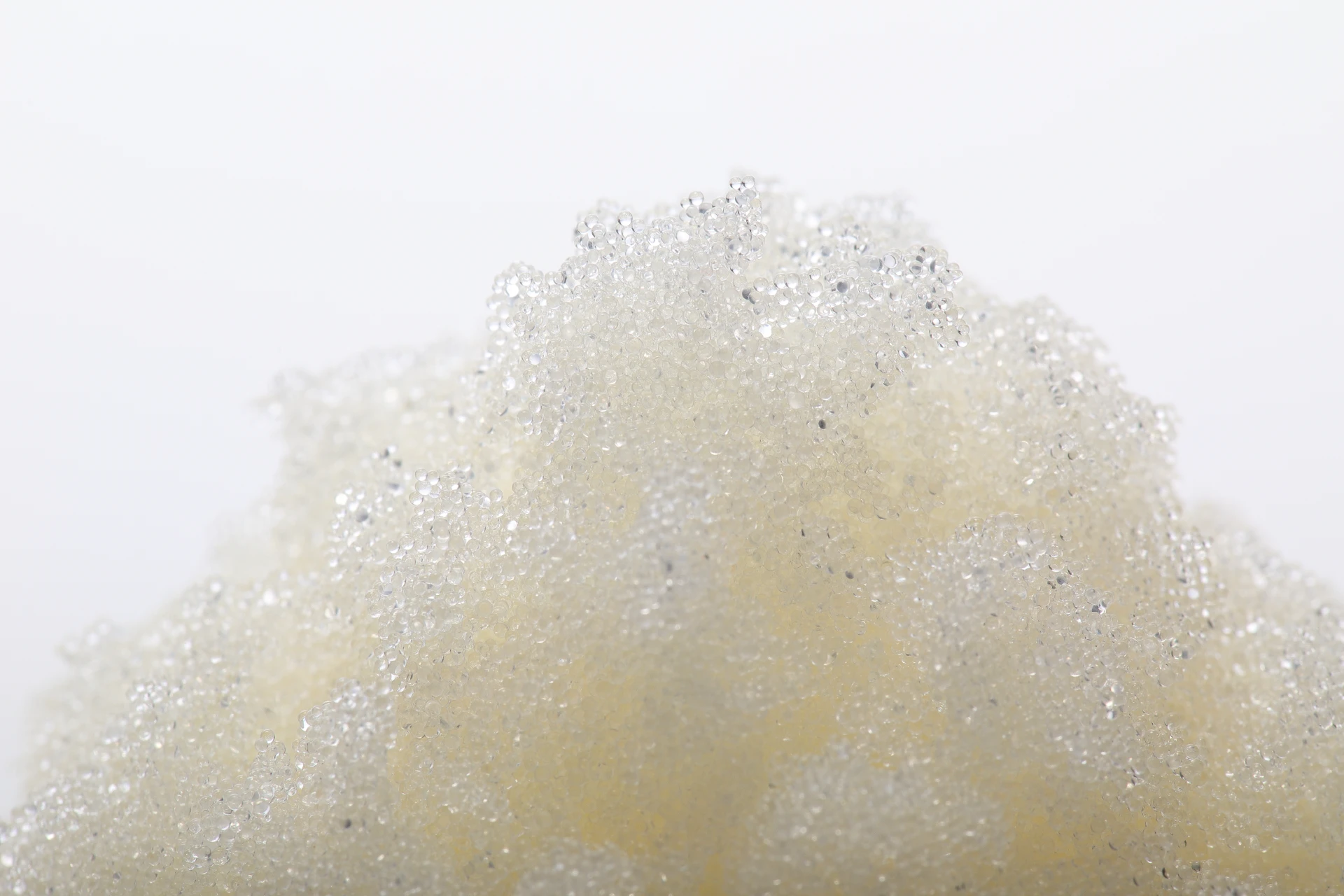
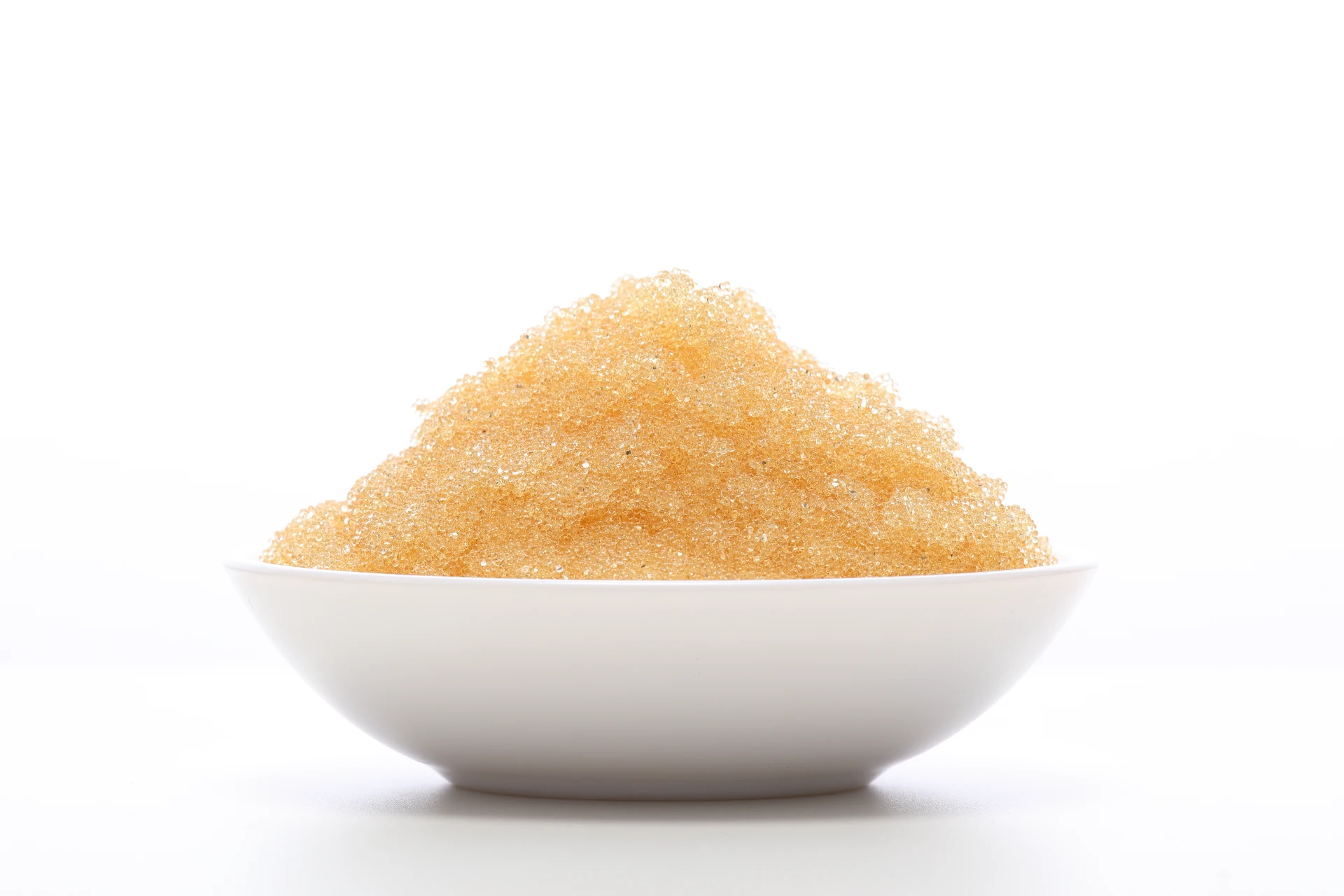
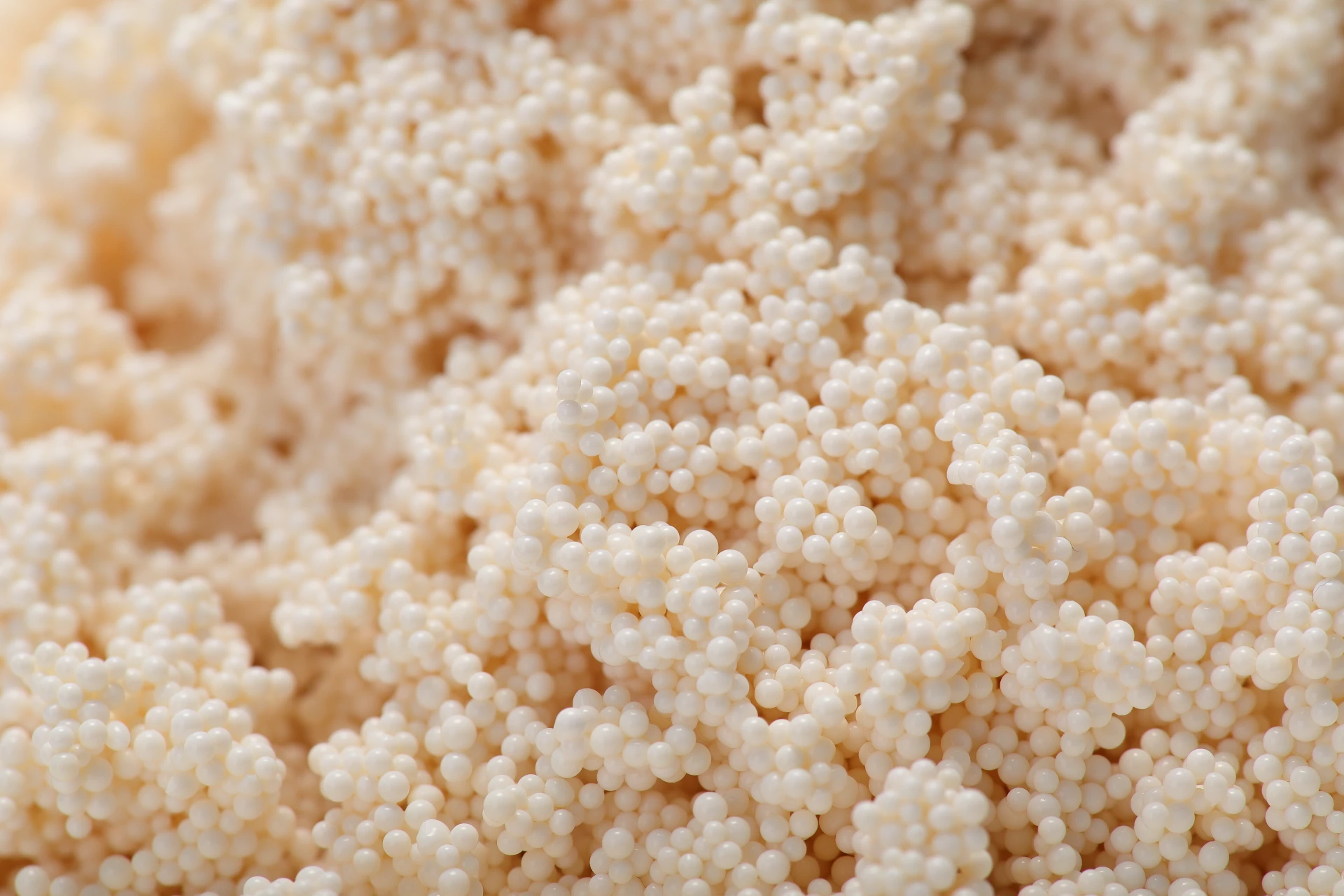
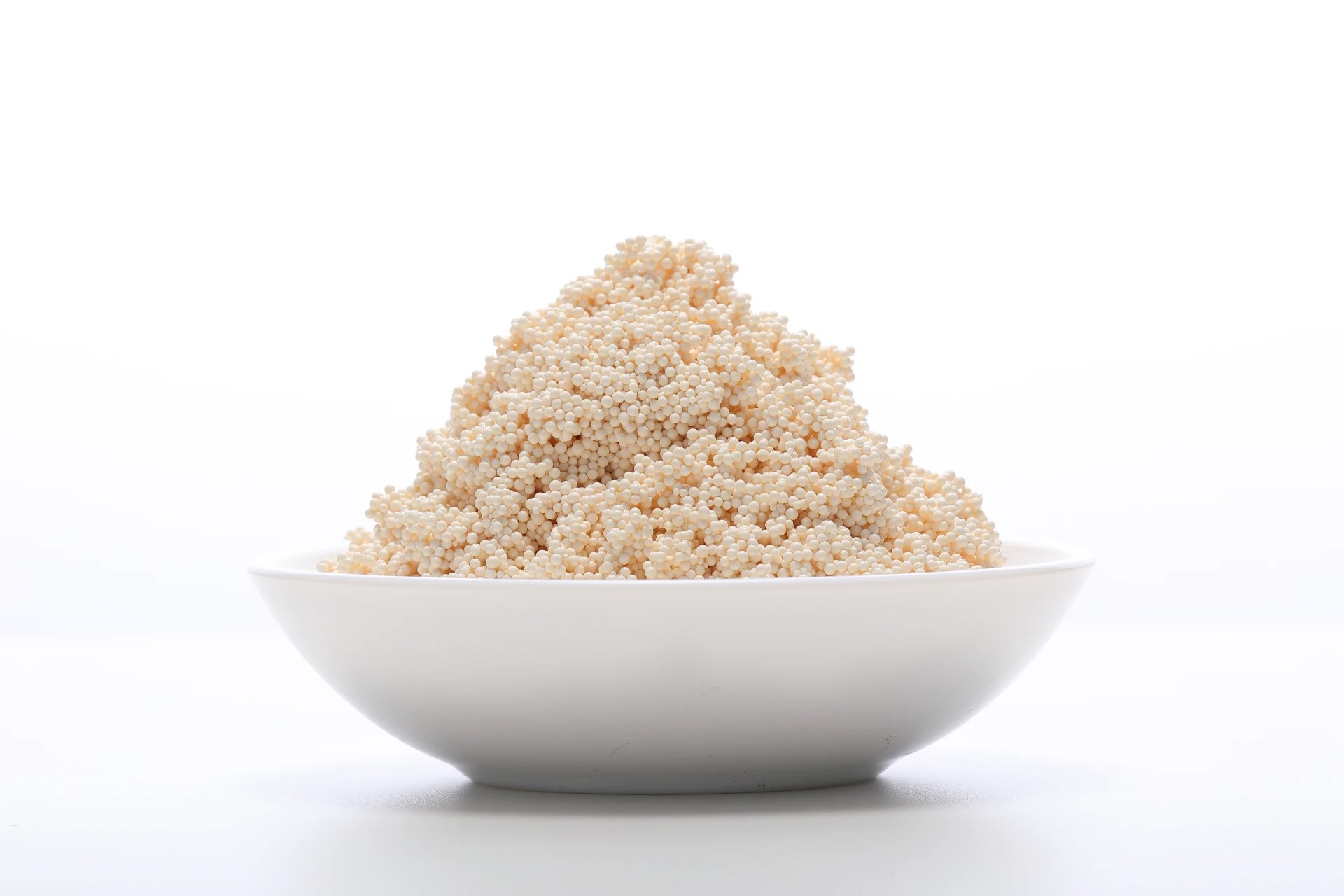
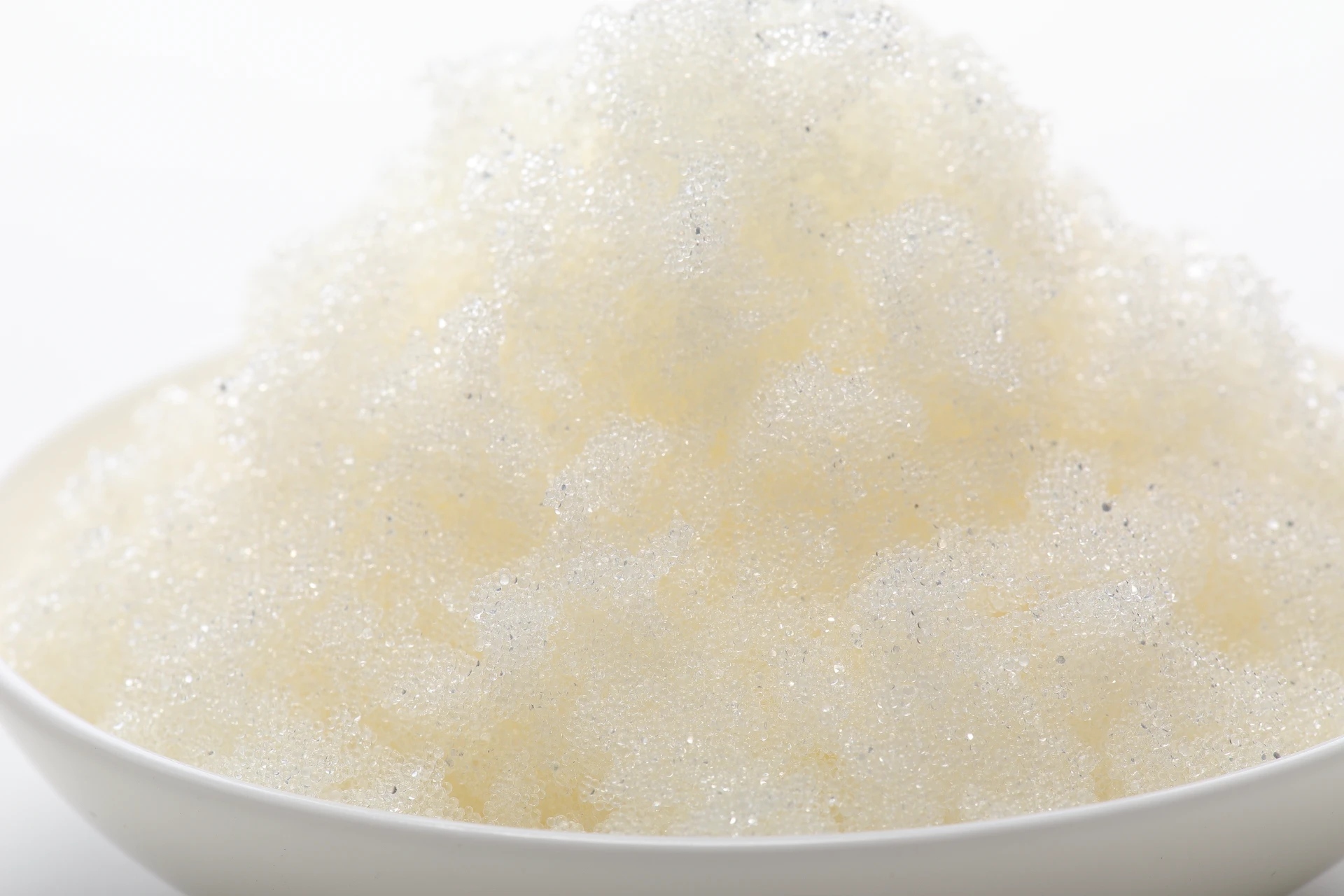
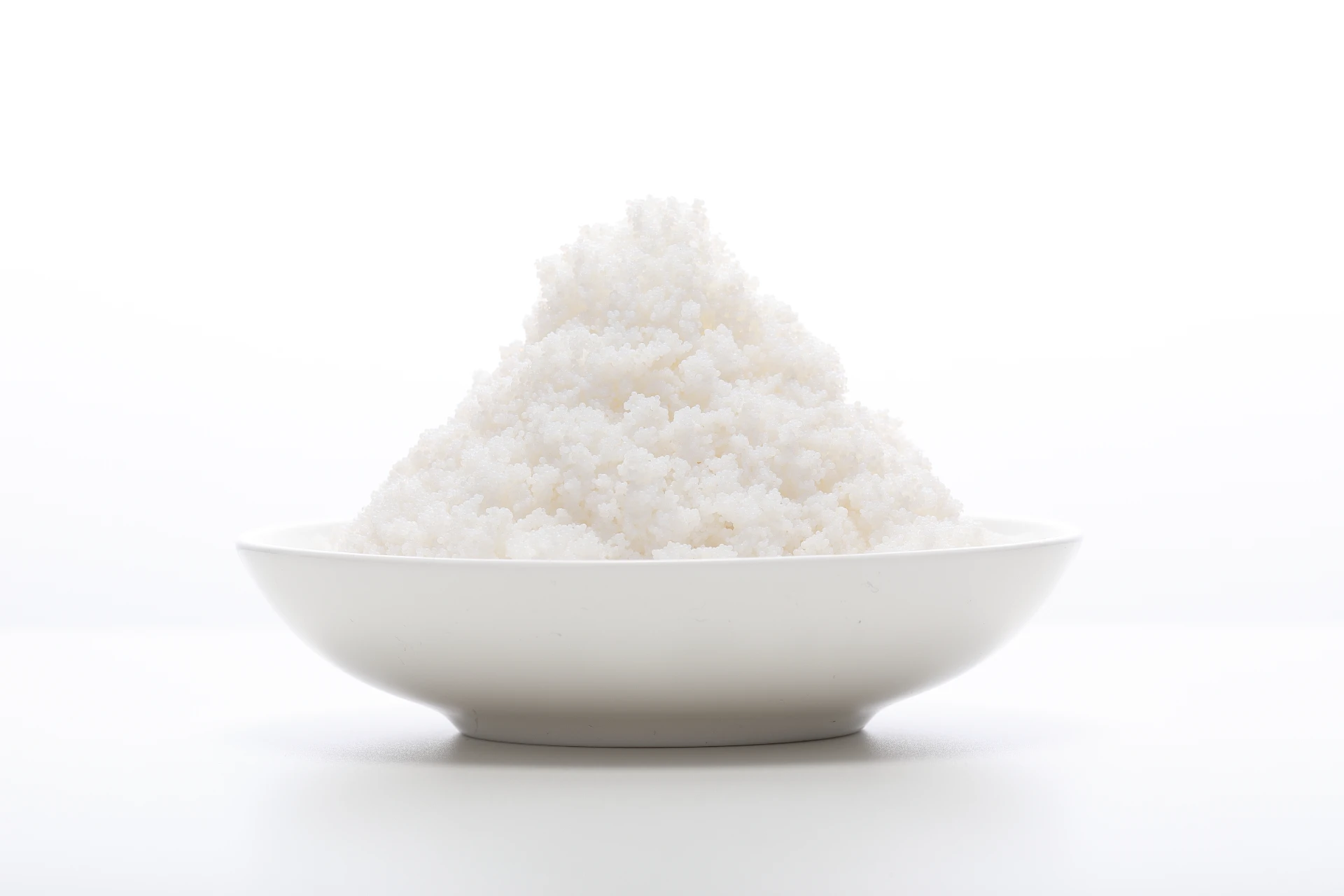
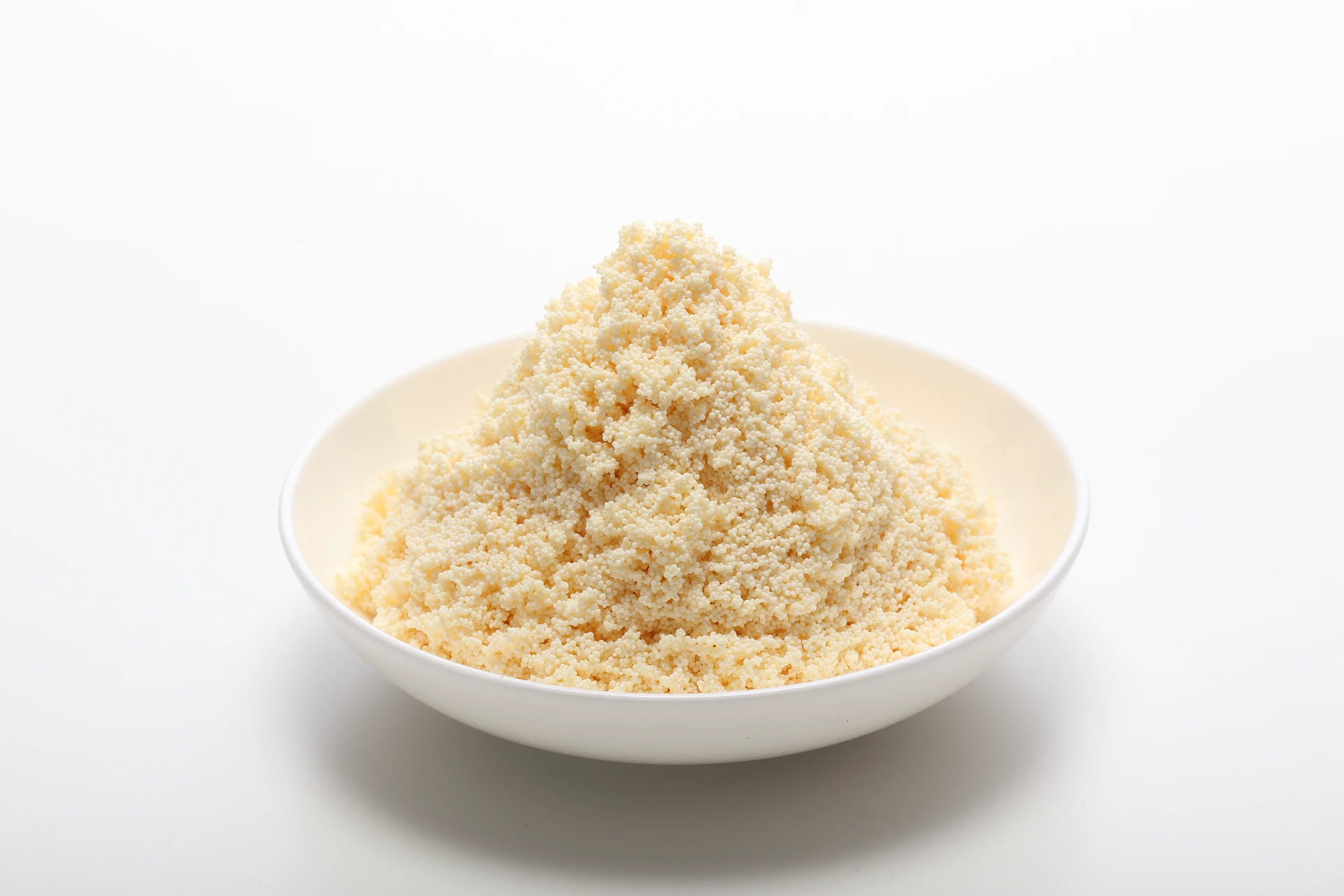
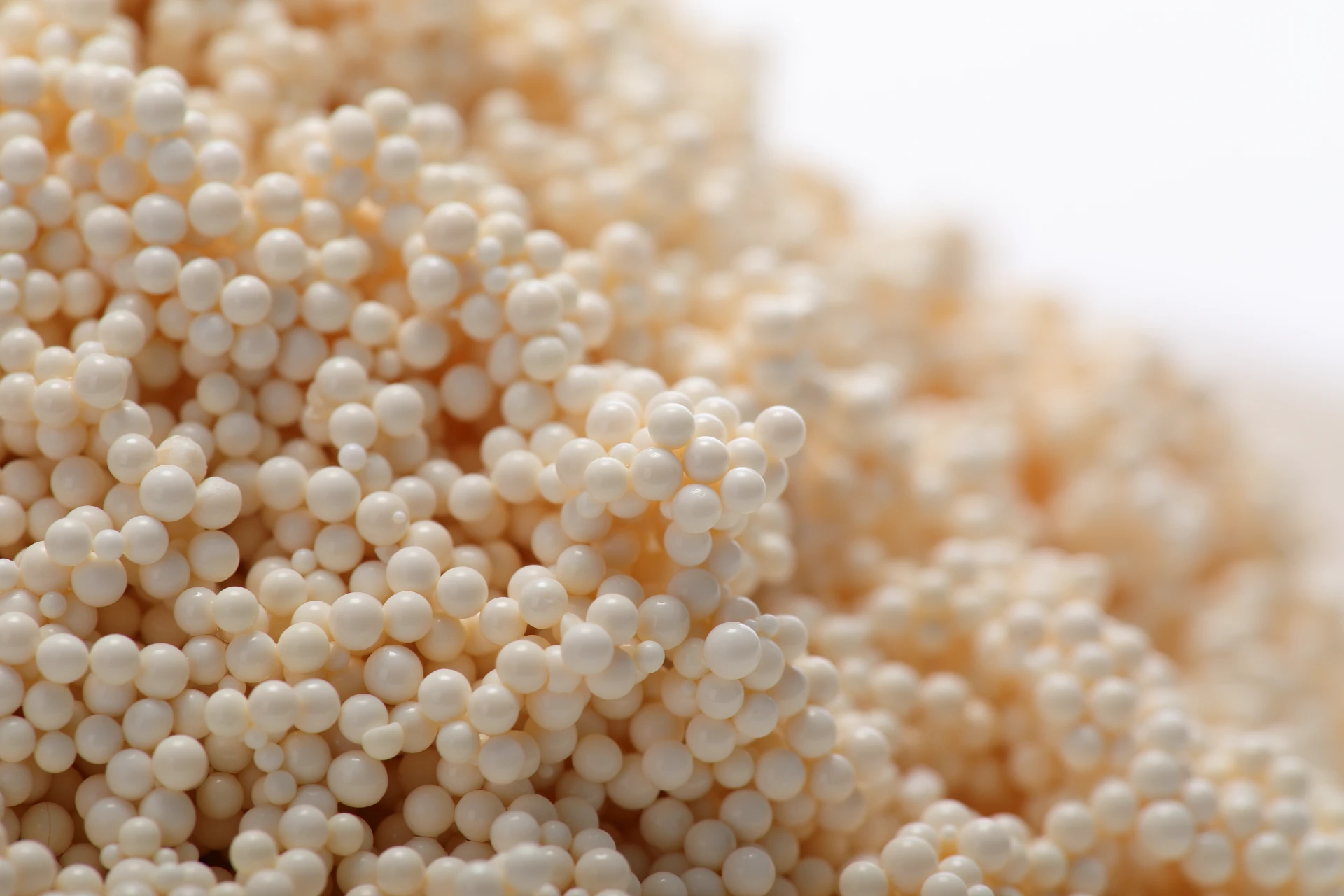
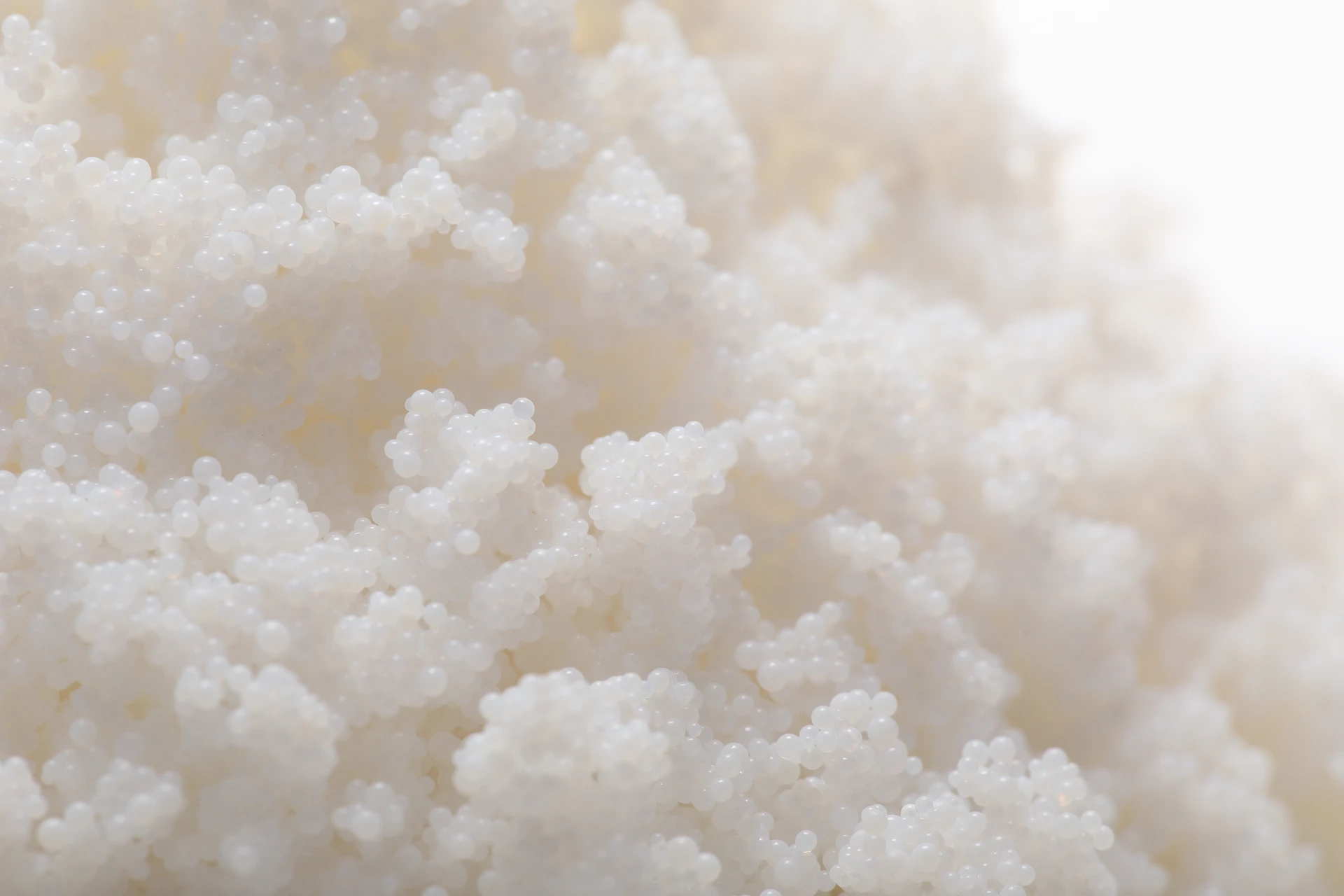
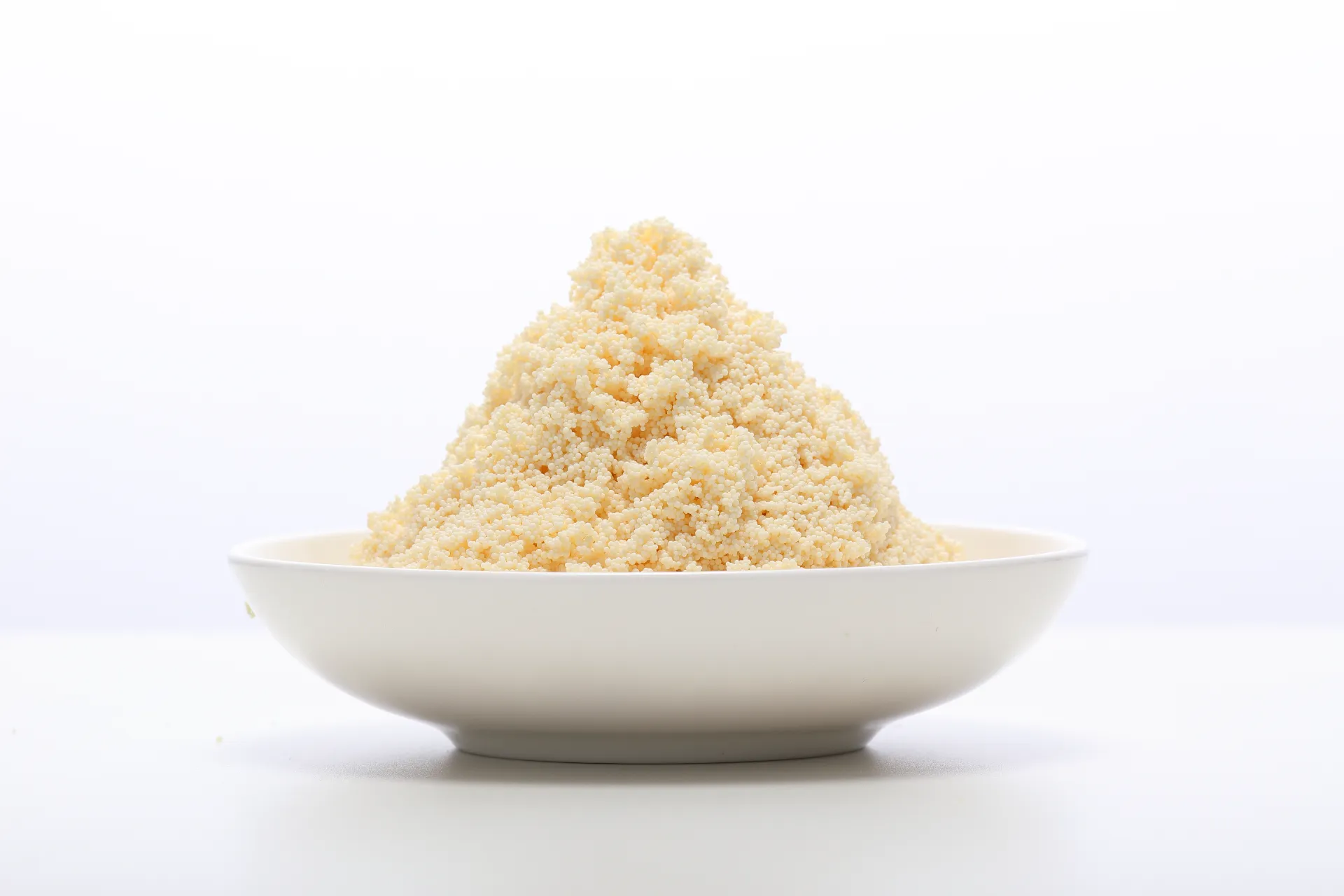
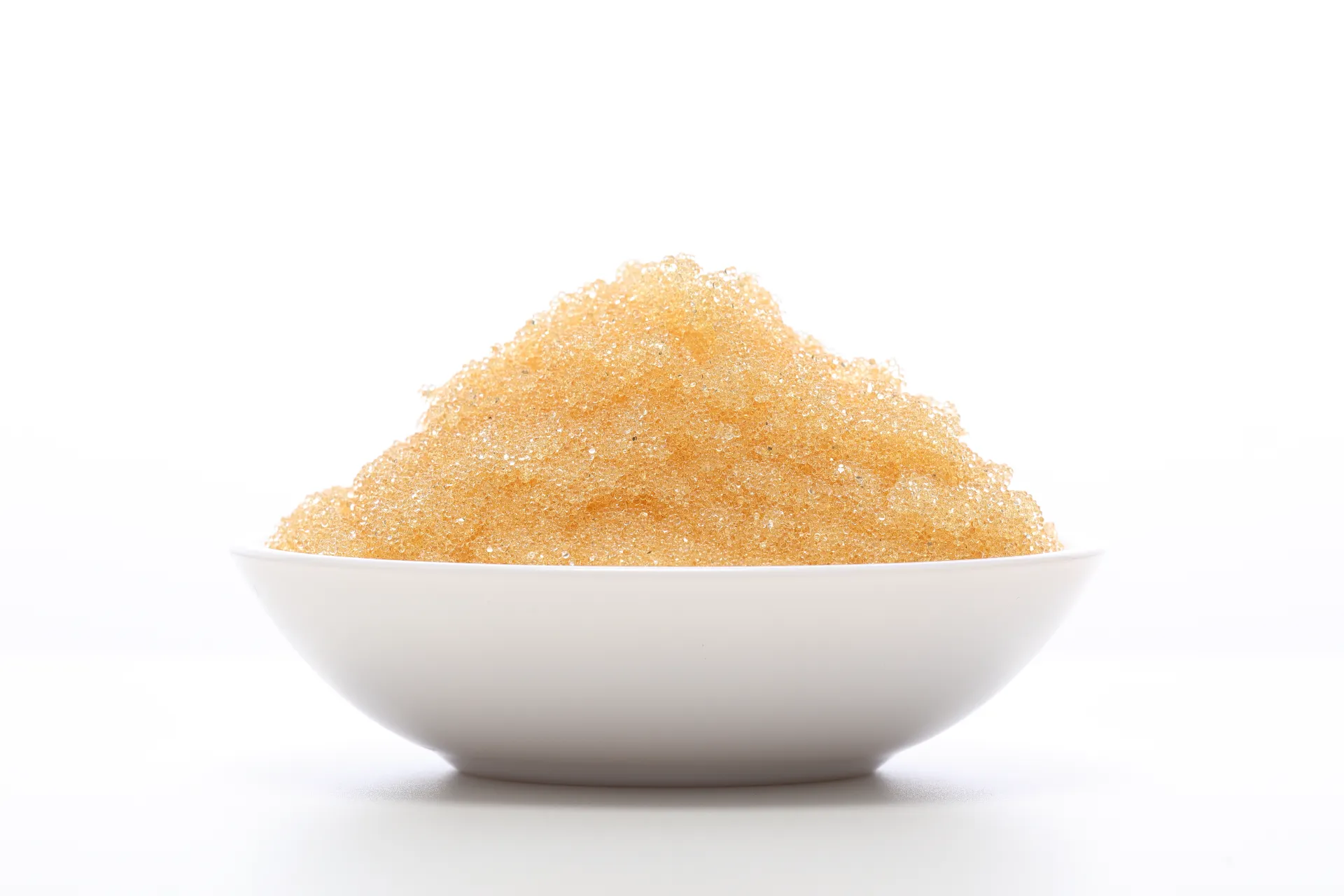
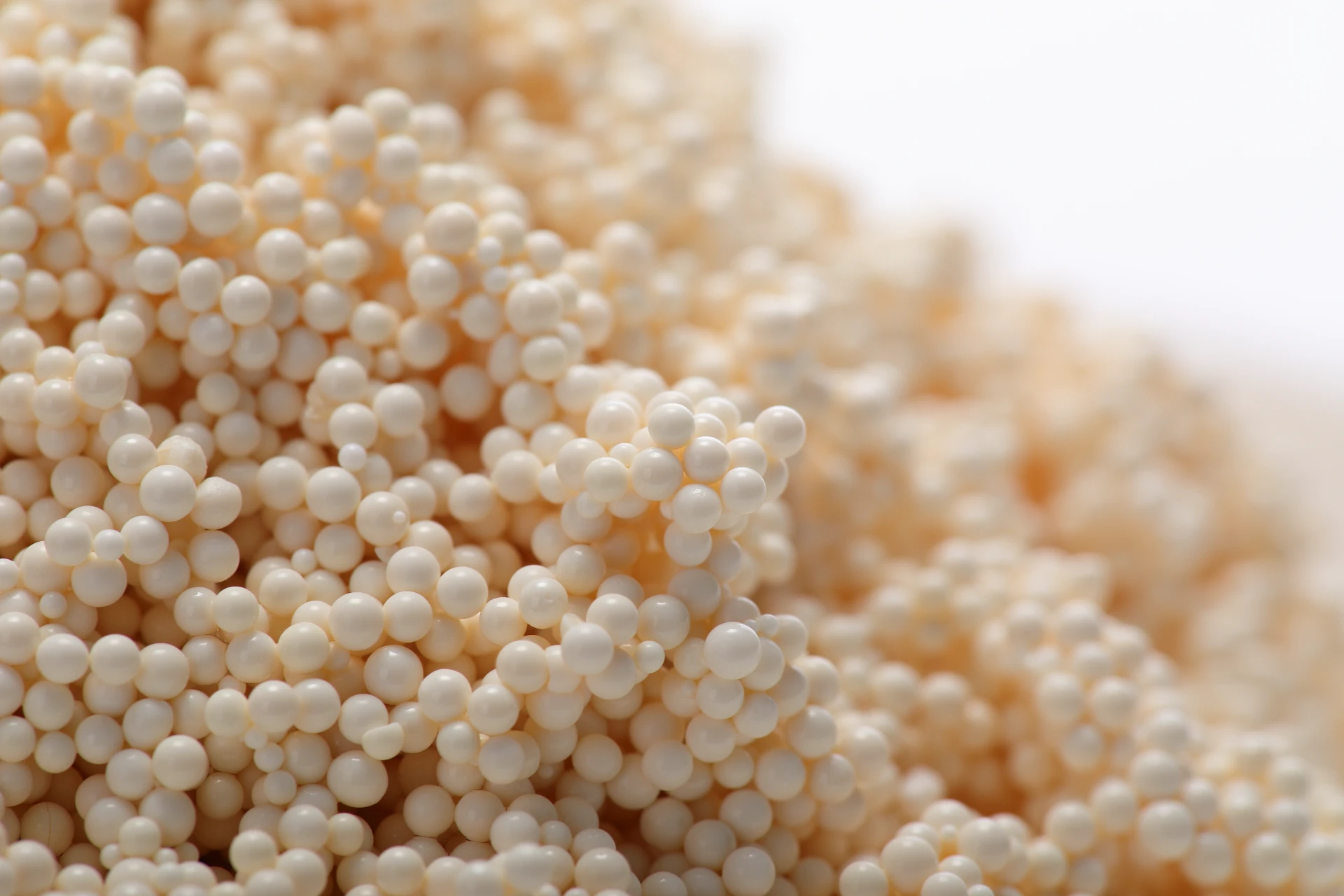
Resin based water softeners utilize a process called ion exchange to remove hardness minerals – primarily calcium and magnesium – from water. The core component is the resin, typically polystyrene beads, which are chemically modified to have a negative charge. As hard water flows through the resin tank, the negatively charged resin attracts and binds to the positively charged calcium and magnesium ions, exchanging them for sodium ions. This effectively removes the hardness minerals, resulting in softened water. Once the resin becomes saturated with calcium and magnesium, it needs to be regenerated using a brine solution (saltwater) to flush out the accumulated minerals and replenish the sodium ions.
Key Highlights: Resin beads are negatively charged, attracting and exchanging calcium and magnesium ions for sodium ions. Regular regeneration with brine is essential for maintaining efficiency.
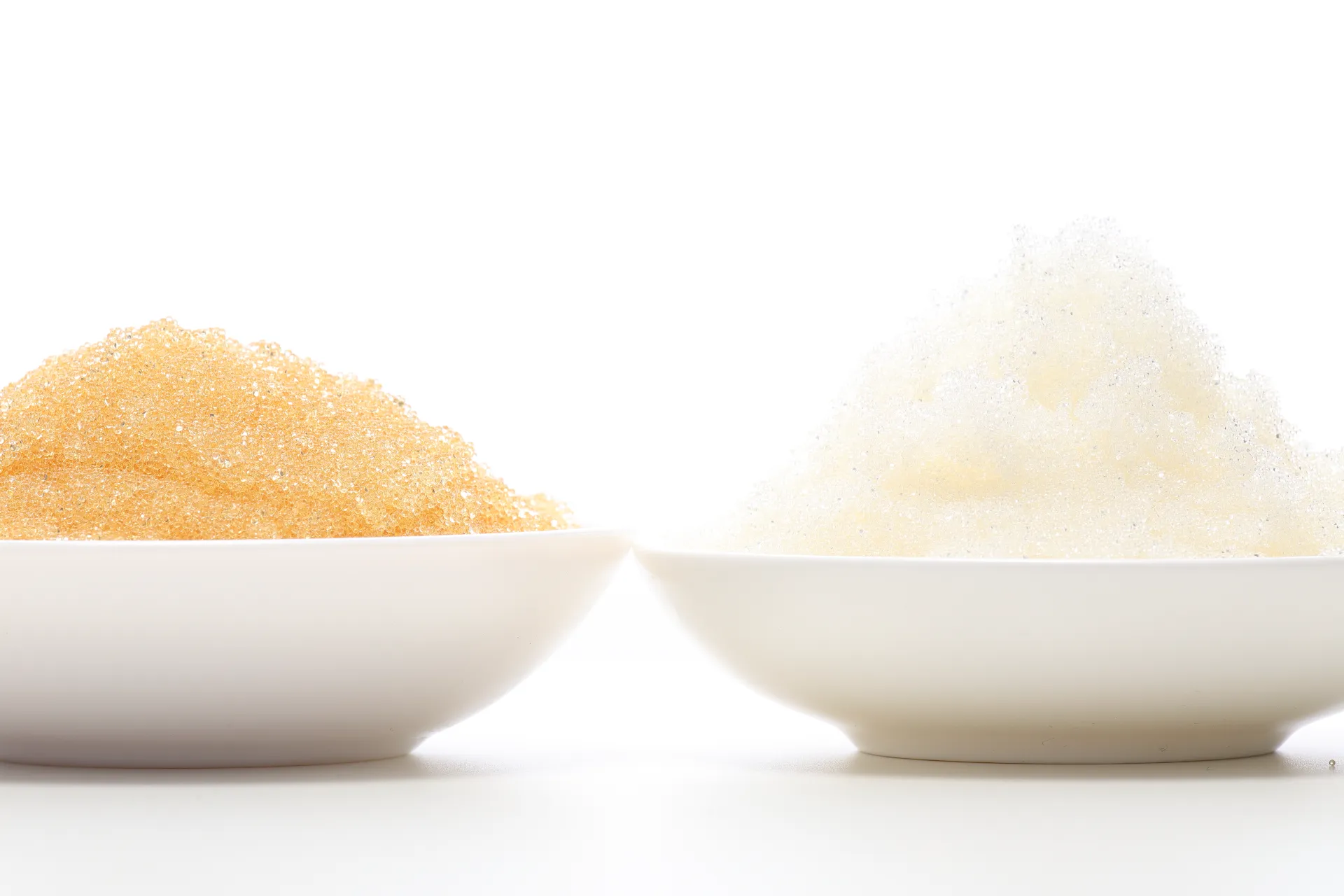
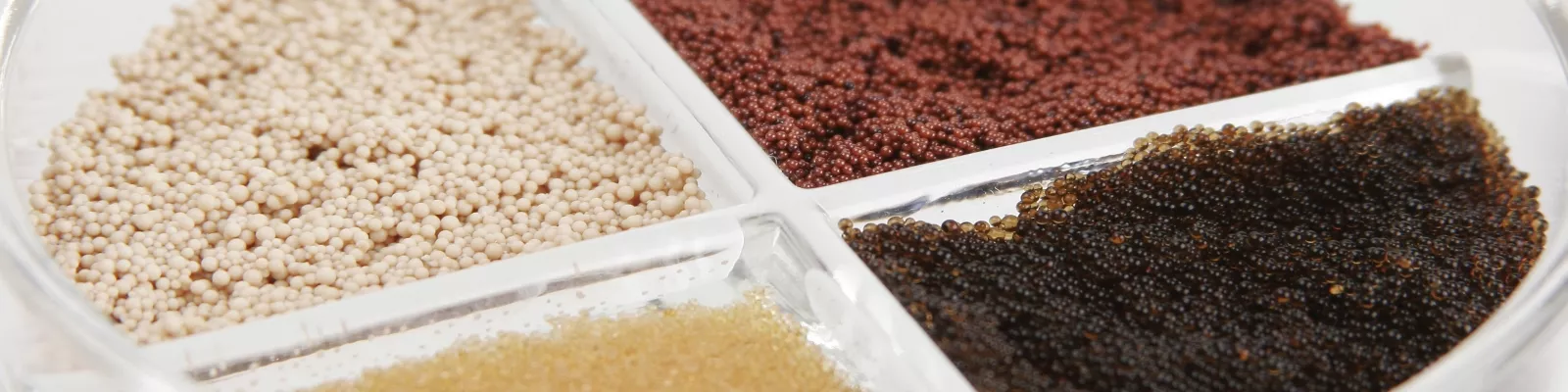
Different types of resin are available, each with varying capacities, crosslinking percentages, and lifespans. The most common types include:
Choosing the appropriate resin type depends on the specific water chemistry and the desired longevity of the system. Lijiresin offers a variety of resin options tailored to meet diverse water treatment needs.
Resin Type Comparison:
• Type 1: Moderate hardness, residential use
• Type 2: High iron content, increased durability
• Type 3: Extreme water conditions, maximum resistance
The advantages of installing a resin based water softener are numerous:
Overall, a water softener improves the quality of life and protects your investments.
Selecting the right size water softener is critical for optimal performance. This depends on the water hardness level (measured in grains per gallon or parts per million) and your household’s water usage. Resin capacity, measured in grains, indicates how much hardness minerals the resin can remove before requiring regeneration. Here’s a simple table to guide system sizing:
It is always best to consult with a water treatment professional to determine the precise system sizing for your specific needs. Lijiresin provides expert guidance on system selection and installation.
Proper maintenance is essential for maximizing the lifespan and efficiency of your resin based water softener. This includes regularly replenishing the salt tank with high-quality softener salt, cleaning the brine tank periodically, and periodically checking the resin for fouling or degradation. Resin typically lasts 10-20 years with proper care. Using a high-quality resin, like those offered by Lijiresin, can significantly extend the system’s operational life.
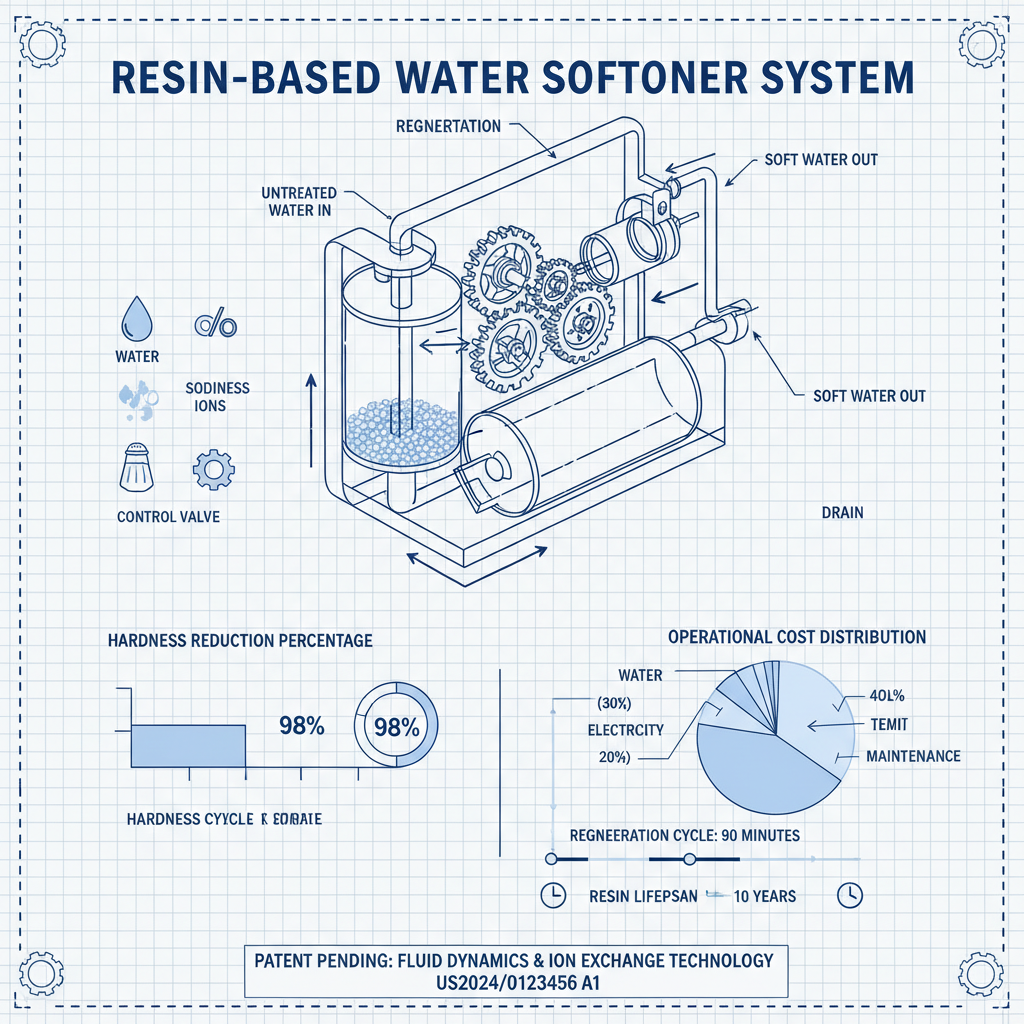
Investing in a resin based water softener offers long-term benefits for your home or business. From protecting appliances to improving water quality, the advantages are clear. By understanding the different types of resin, proper system sizing, and essential maintenance procedures, you can ensure a consistent supply of soft water for years to come.
The lifespan of resin beads typically ranges from 10 to 20 years, depending on water quality, usage, and maintenance. Factors like high iron content, chlorine exposure, and inconsistent regeneration can shorten the lifespan. Regular cleaning with a resin cleaner can help extend the beads’ functionality. Symptoms of degraded resin include reduced softening capacity, increased salt consumption, and the presence of small black particles in the softened water. Replacing the resin when performance declines is crucial to maintain water quality.
The frequency of salt addition depends on your water hardness and water usage. Generally, you should check the salt level in the brine tank monthly and refill it as needed. Avoid letting the salt level drop below one-third of the tank’s capacity. Using high-quality softener salt, free of impurities, will prevent clumping and ensure efficient regeneration. Consider the type of salt as well – rock salt, solar salt, and evaporated salt all have different purity levels and impact regeneration efficiency.
Yes, water softeners can remove small amounts of dissolved iron (ferrous iron). However, high levels of iron or oxidized iron (ferric iron) can foul the resin, reducing its effectiveness. For water with significant iron content, a dedicated iron filter is recommended before the water softener. Using a resin specifically designed for iron removal, such as Type 2 resin, can also improve performance in moderate iron conditions. Lijiresin offers specialized resins optimized for iron removal.