Phone:
+86 0319 2296164


Email:
info@lijiresin.cn
Hard water can be a persistent problem for many households, leading to scale buildup, reduced appliance efficiency, and even skin irritation. A 10 resin water softener is a highly effective solution, utilizing ion exchange to remove hardness minerals like calcium and magnesium. This guide will explore the benefits, considerations, and options available when selecting a 10 resin water softener. We will delve into how these systems work and how to choose the best one to meet your specific water hardness and household demands. Investing in the right water softener is an investment in your home's longevity and your family’s comfort.
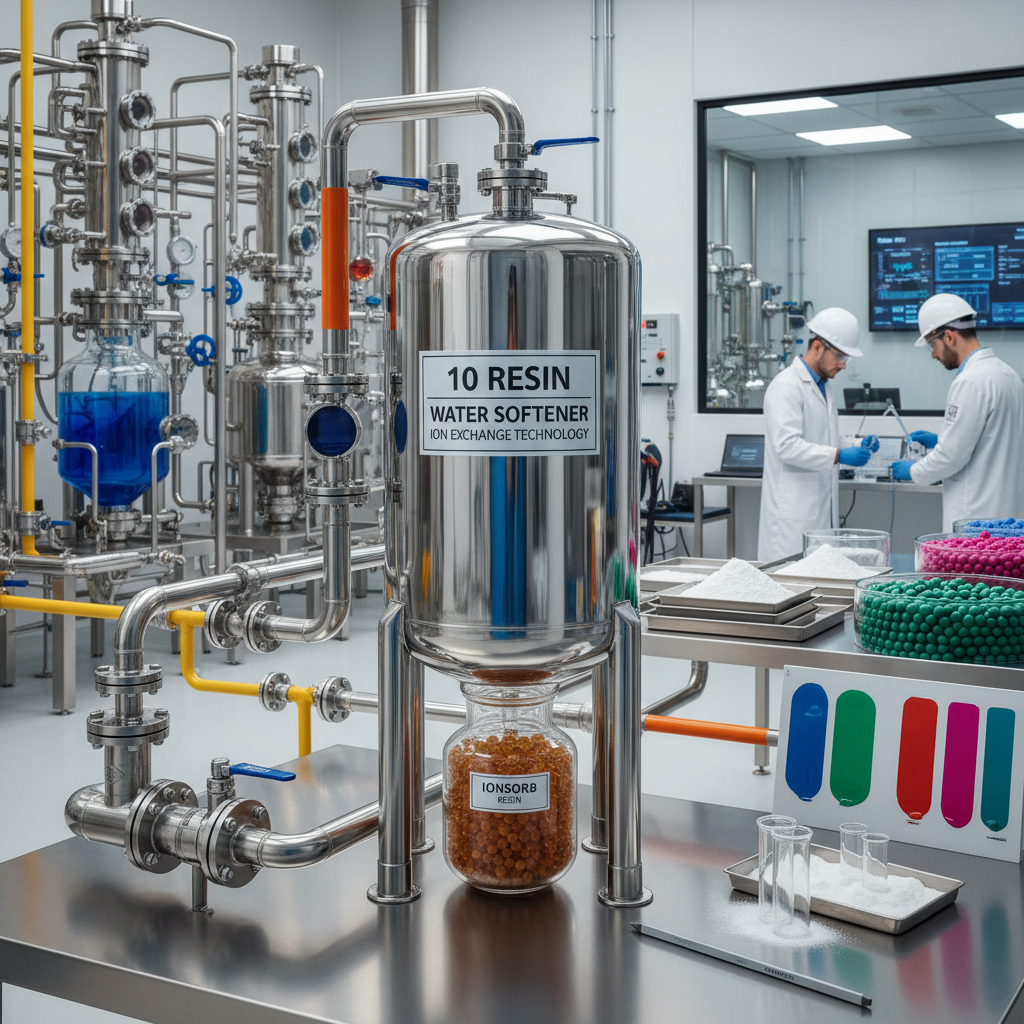
A 10 resin water softener offers numerous advantages beyond simply eliminating hard water. These benefits include extended appliance lifespan (washing machines, dishwashers, water heaters), improved soap efficiency (less detergent needed), softer skin and hair, and brighter, longer-lasting clothes. The “10 resin” refers to the size of the resin tank, offering a good balance between softening capacity and physical footprint, suitable for medium-sized households. Furthermore, soft water reduces scale buildup in pipes, potentially lowering energy costs and preventing costly plumbing repairs. LiJi Resin specializes in high-quality resin for optimal softening performance.
Key Benefits: Extended appliance life, improved soap efficiency, softer skin & hair, reduced plumbing issues, lower energy costs.
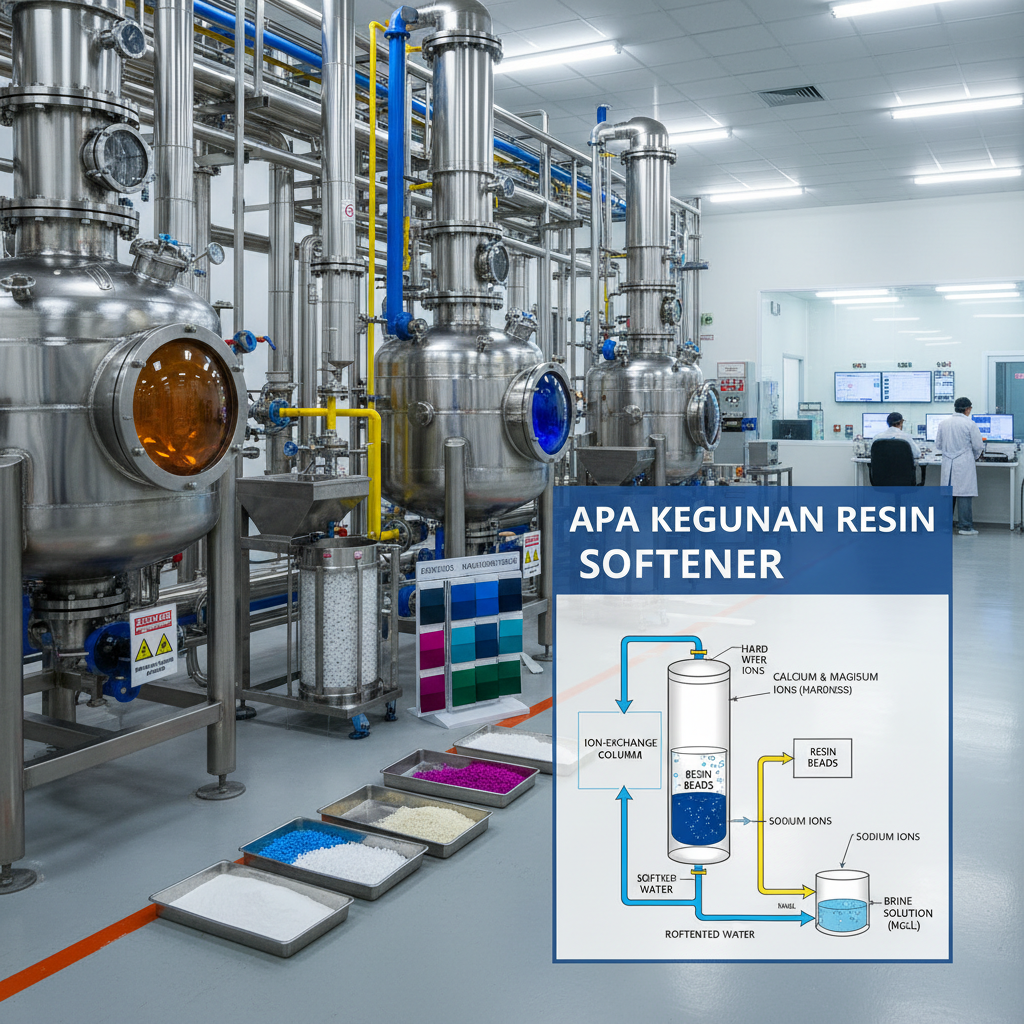
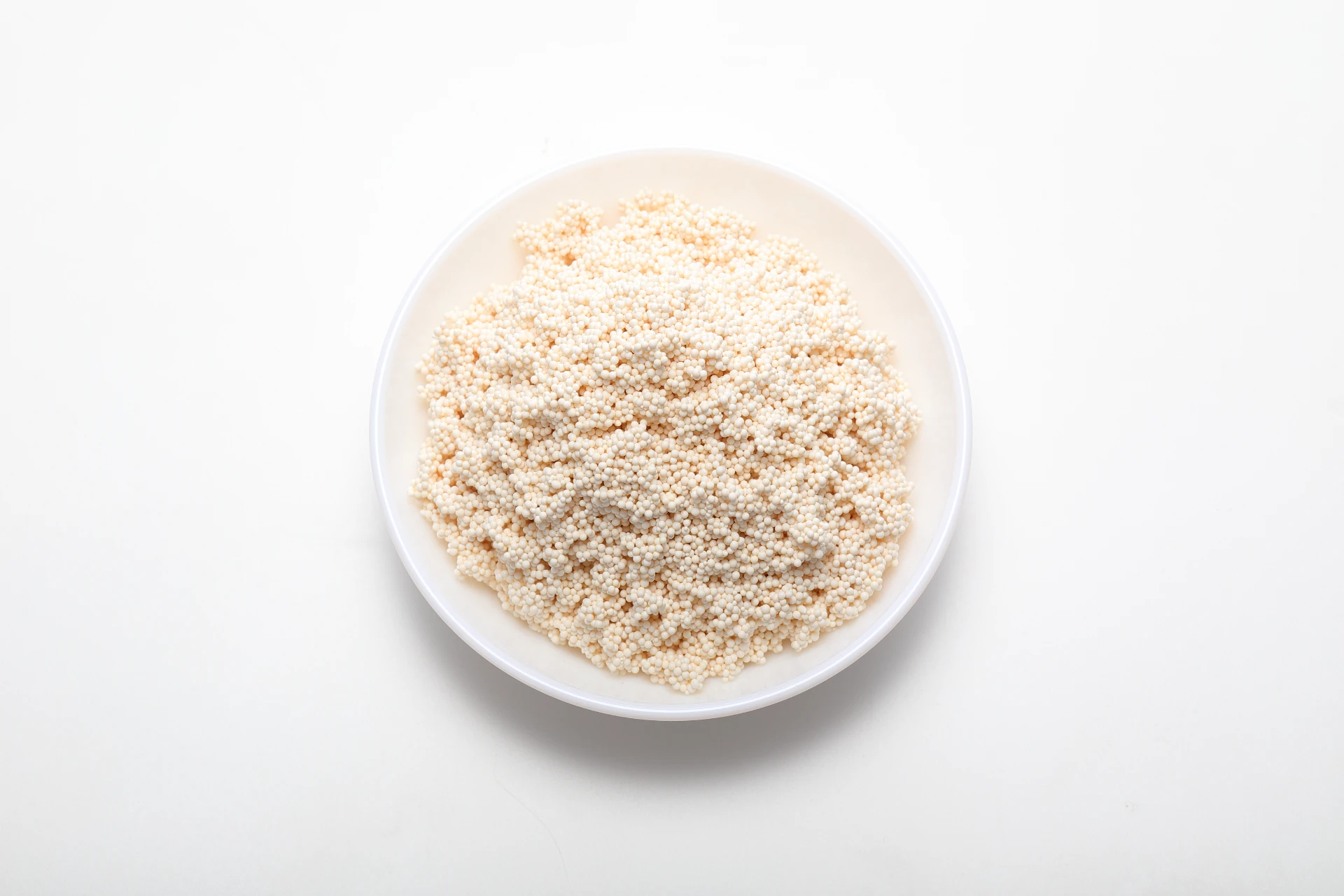
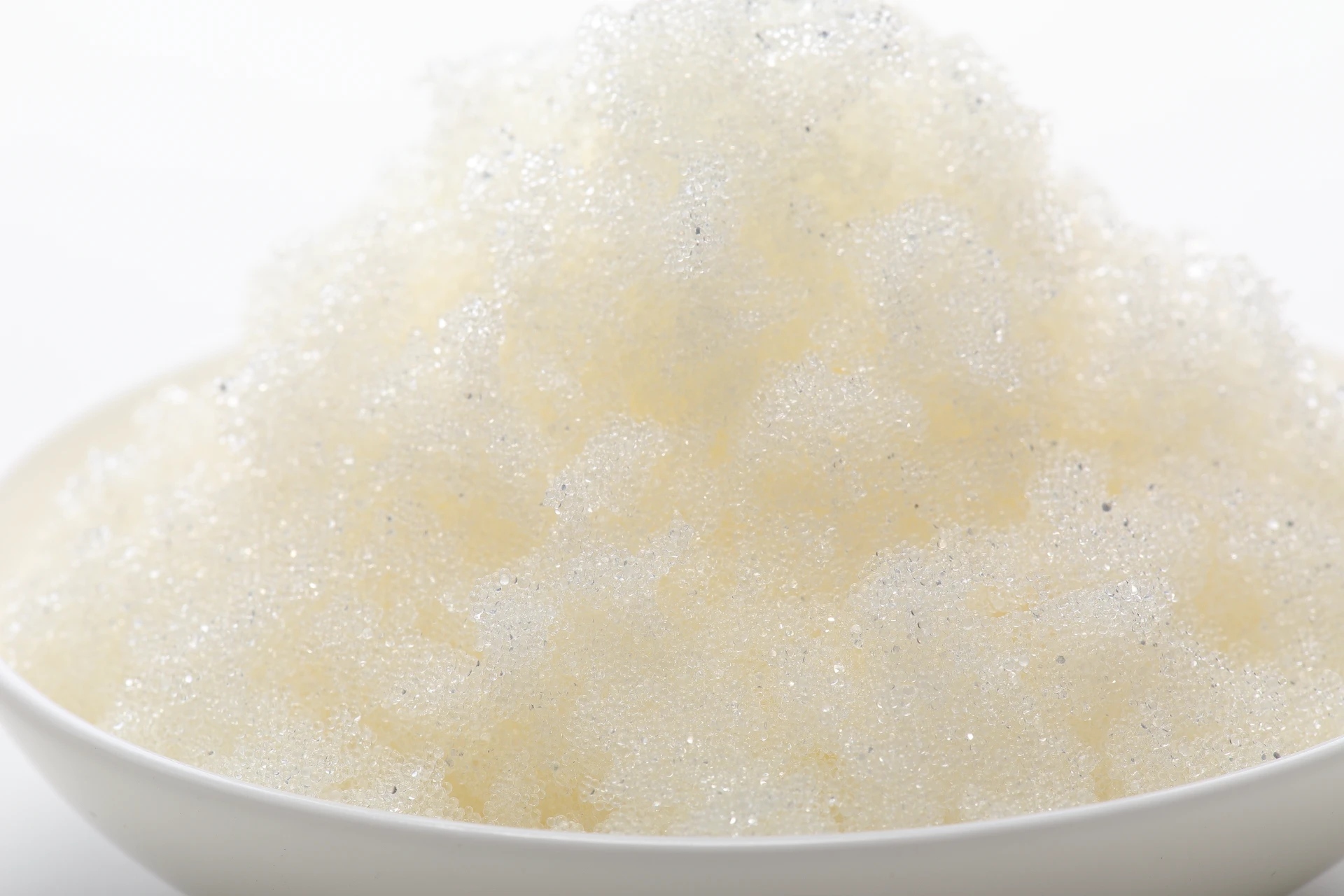
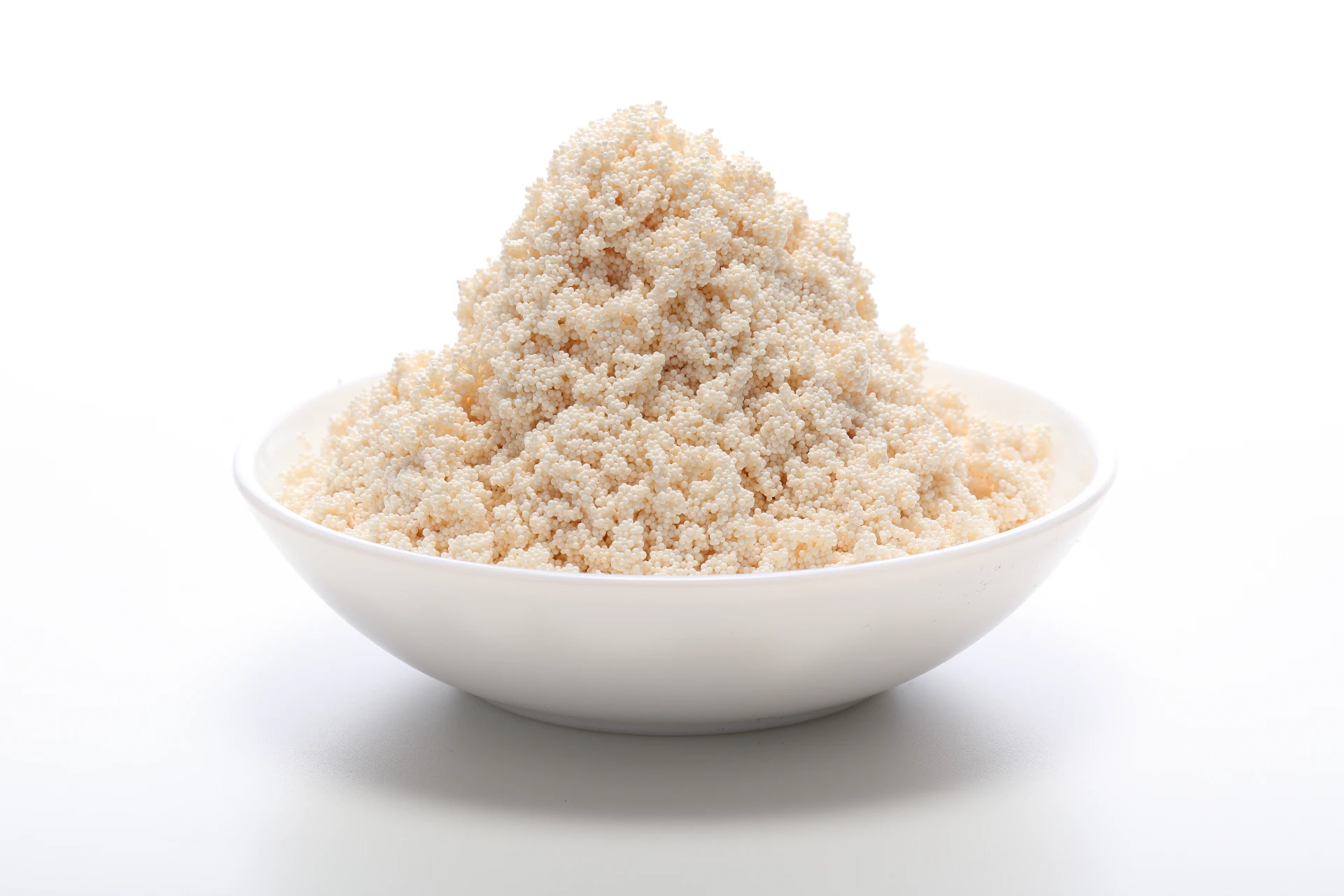
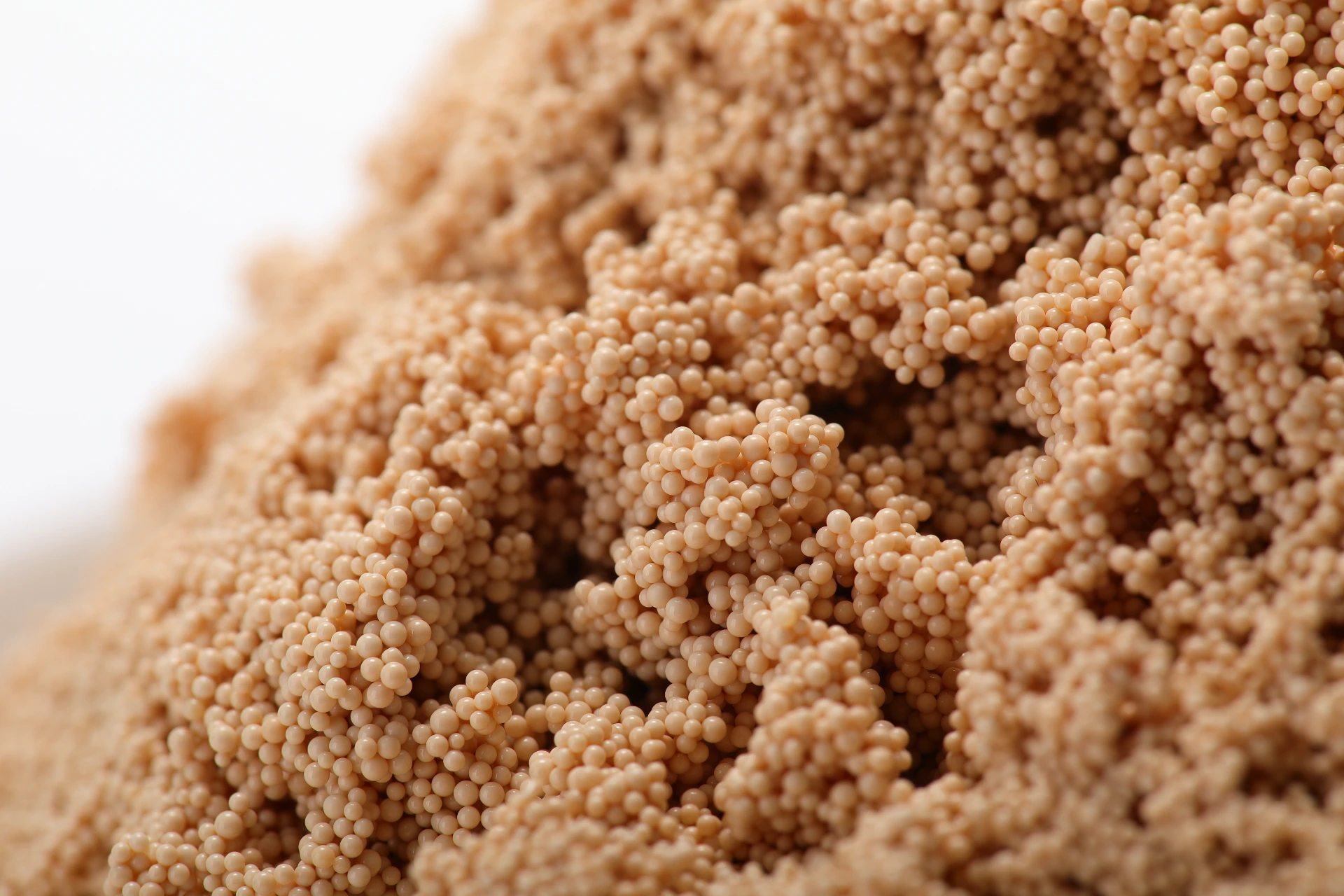
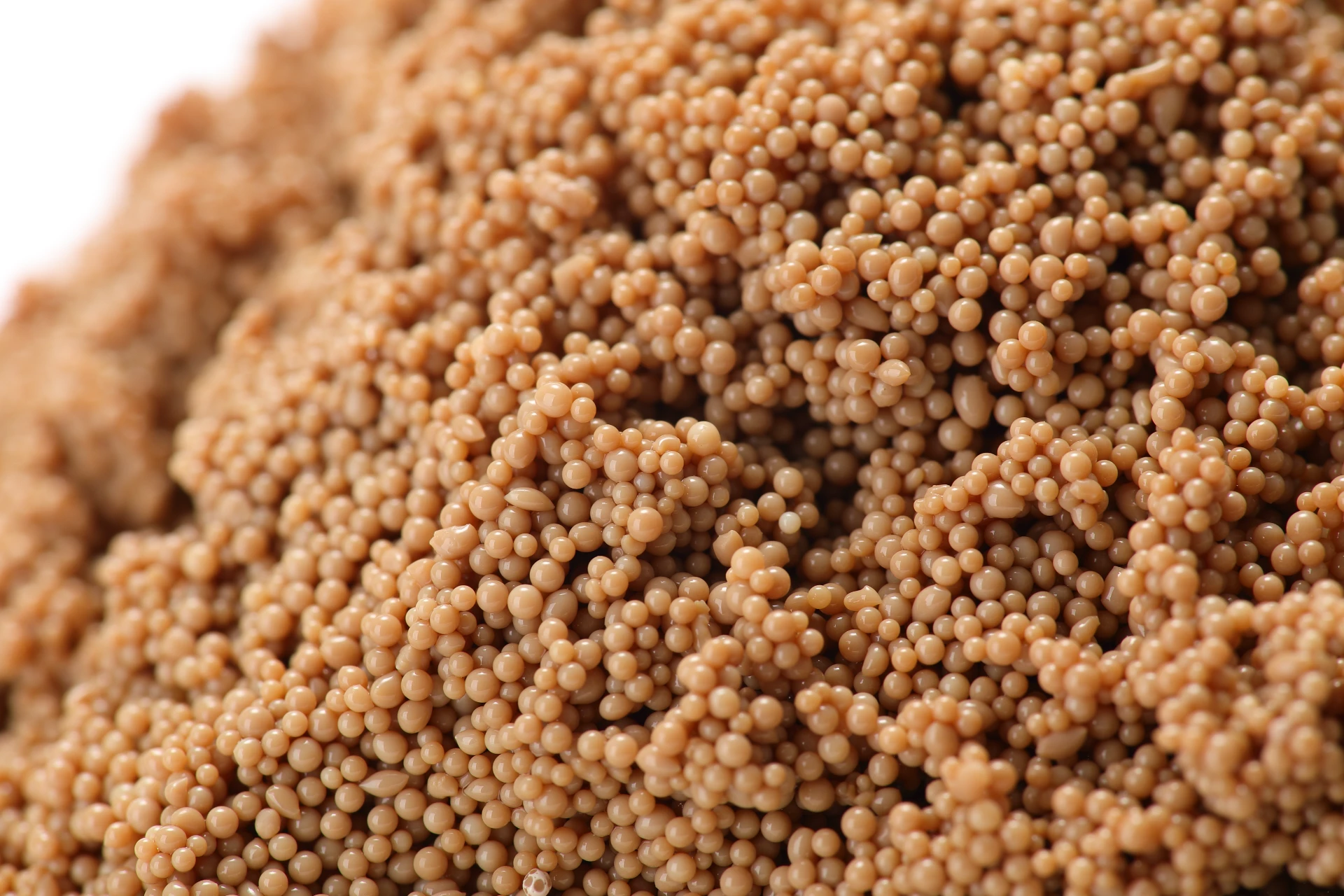
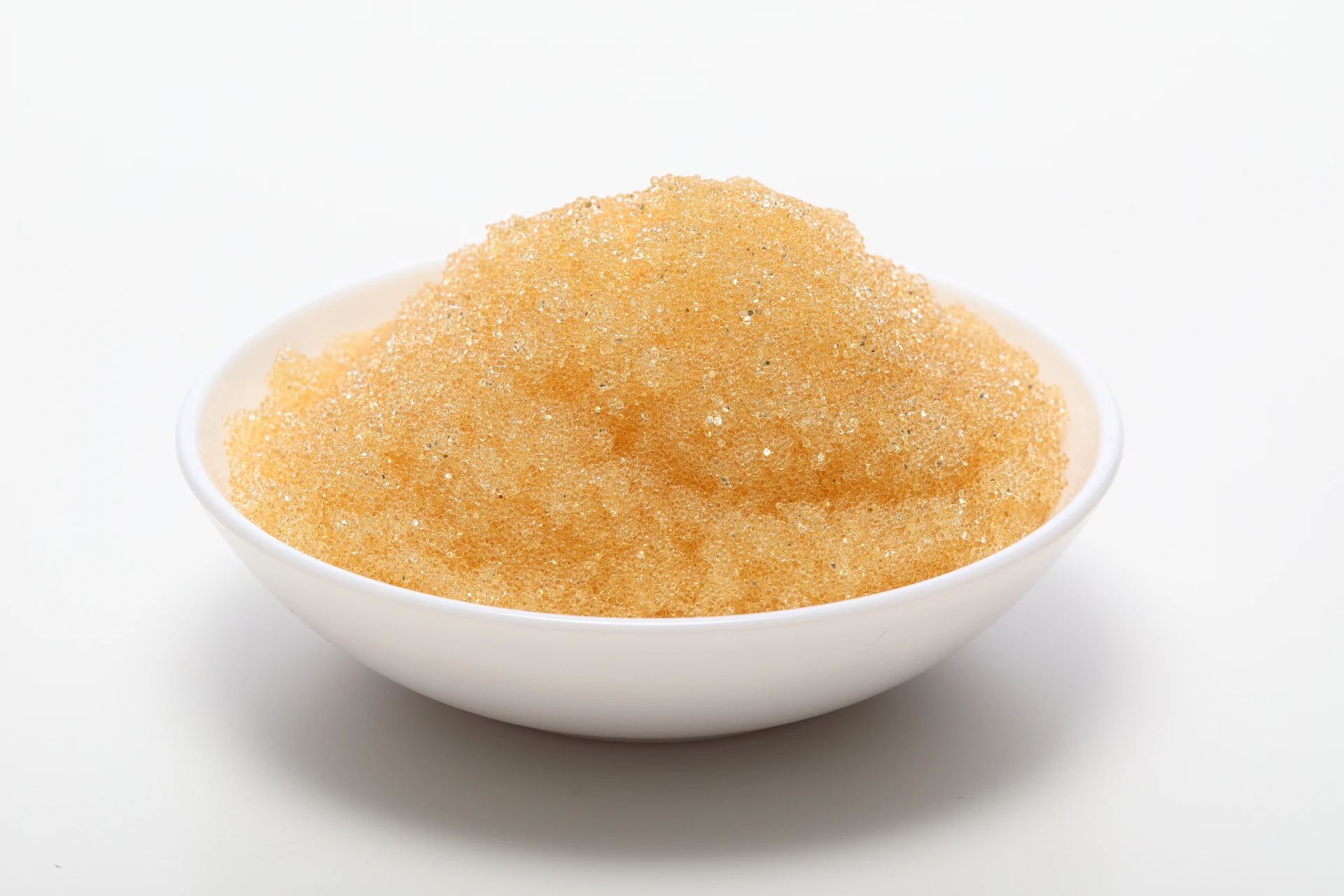
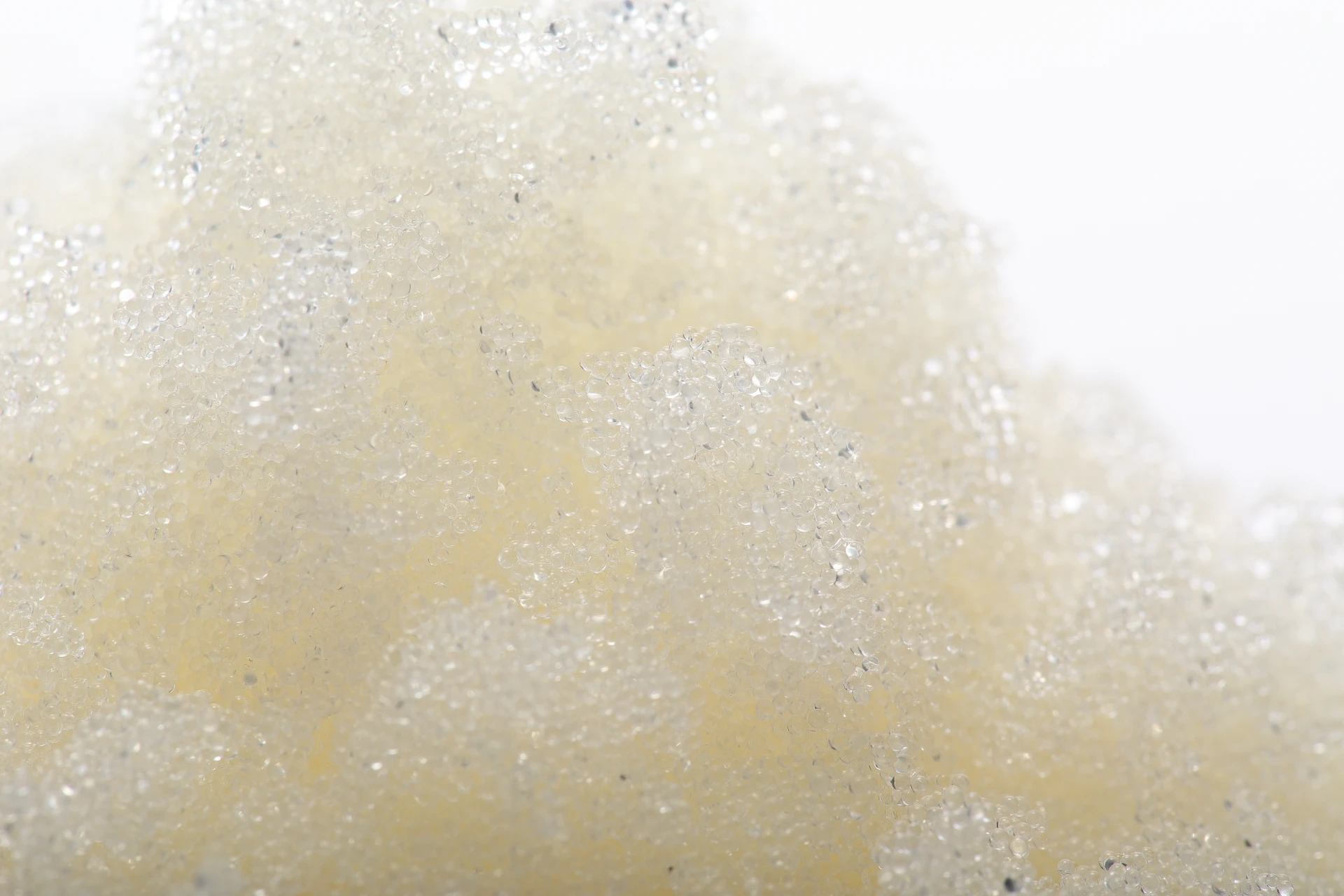
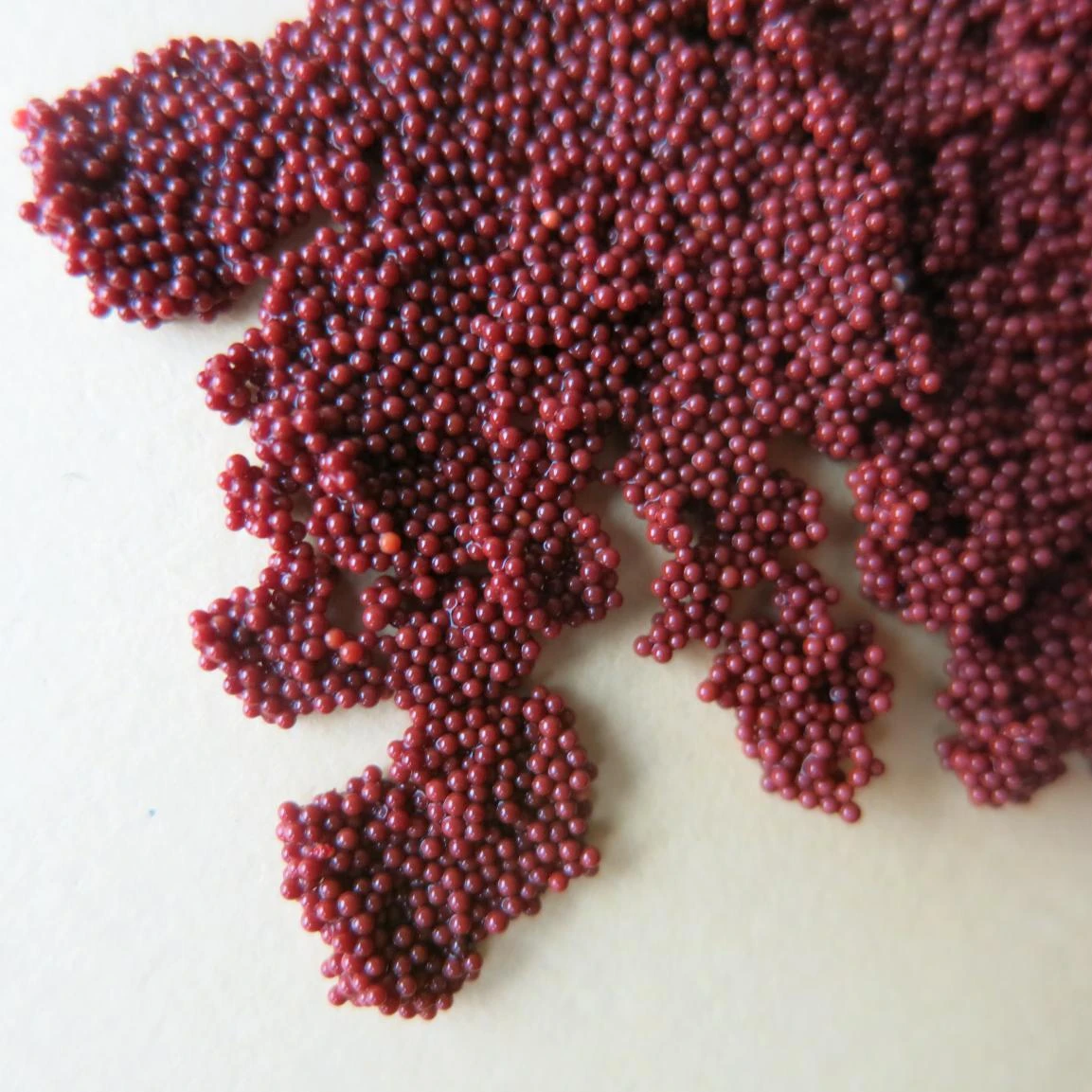
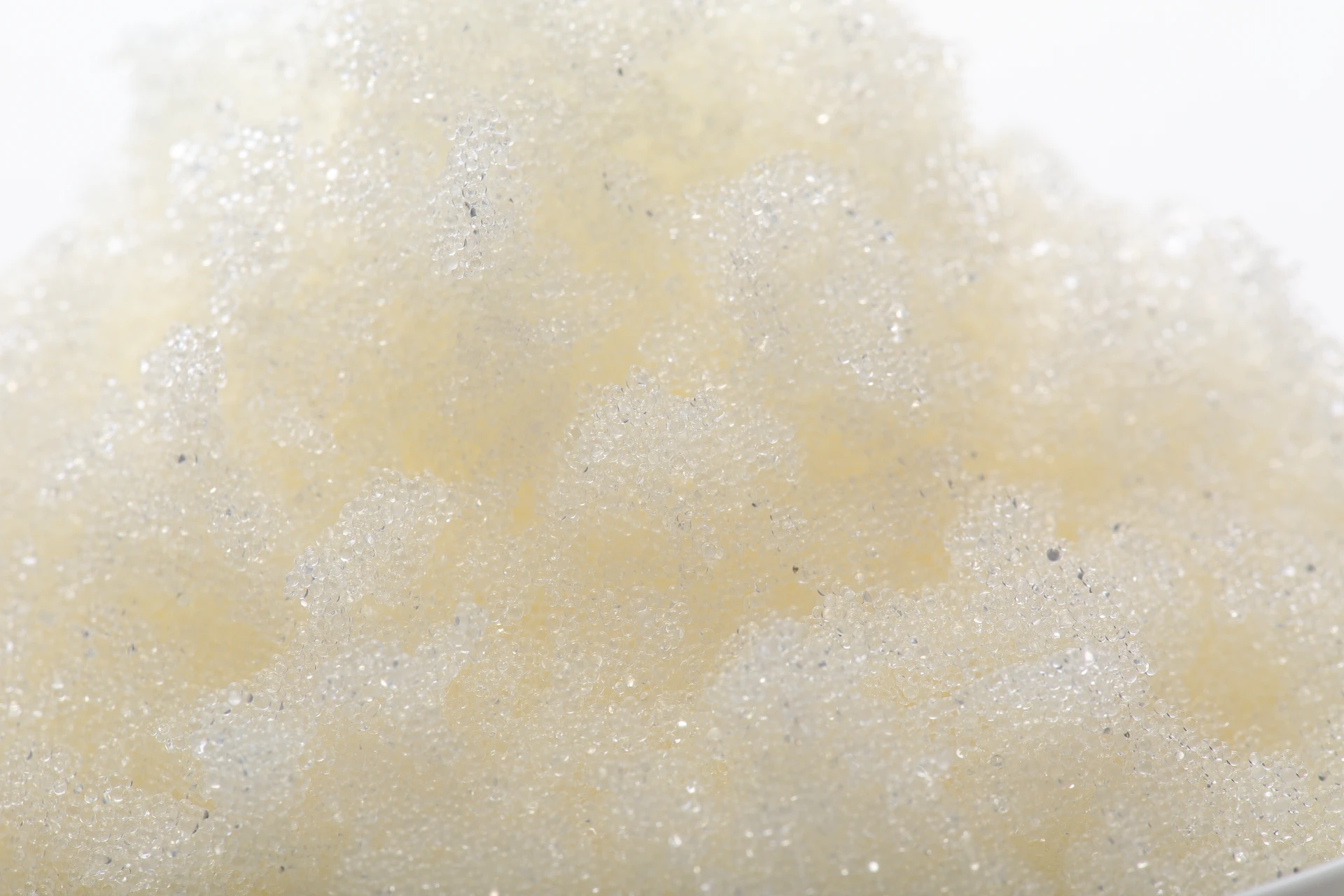
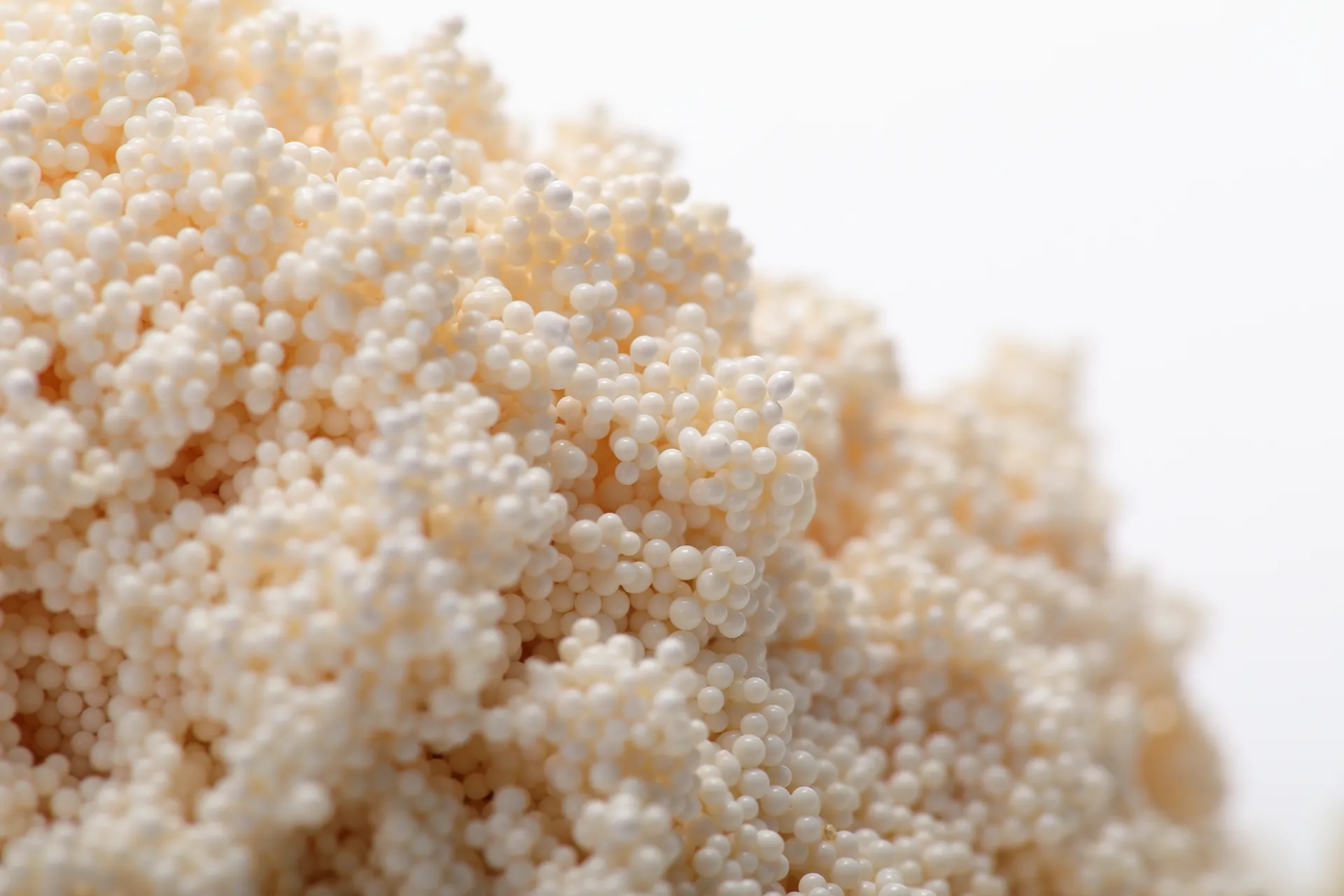
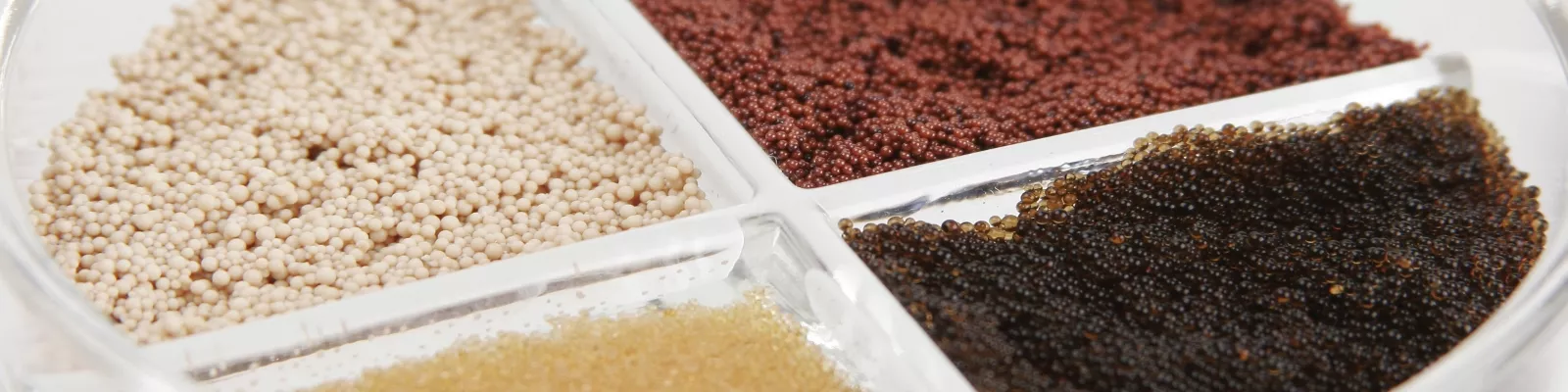
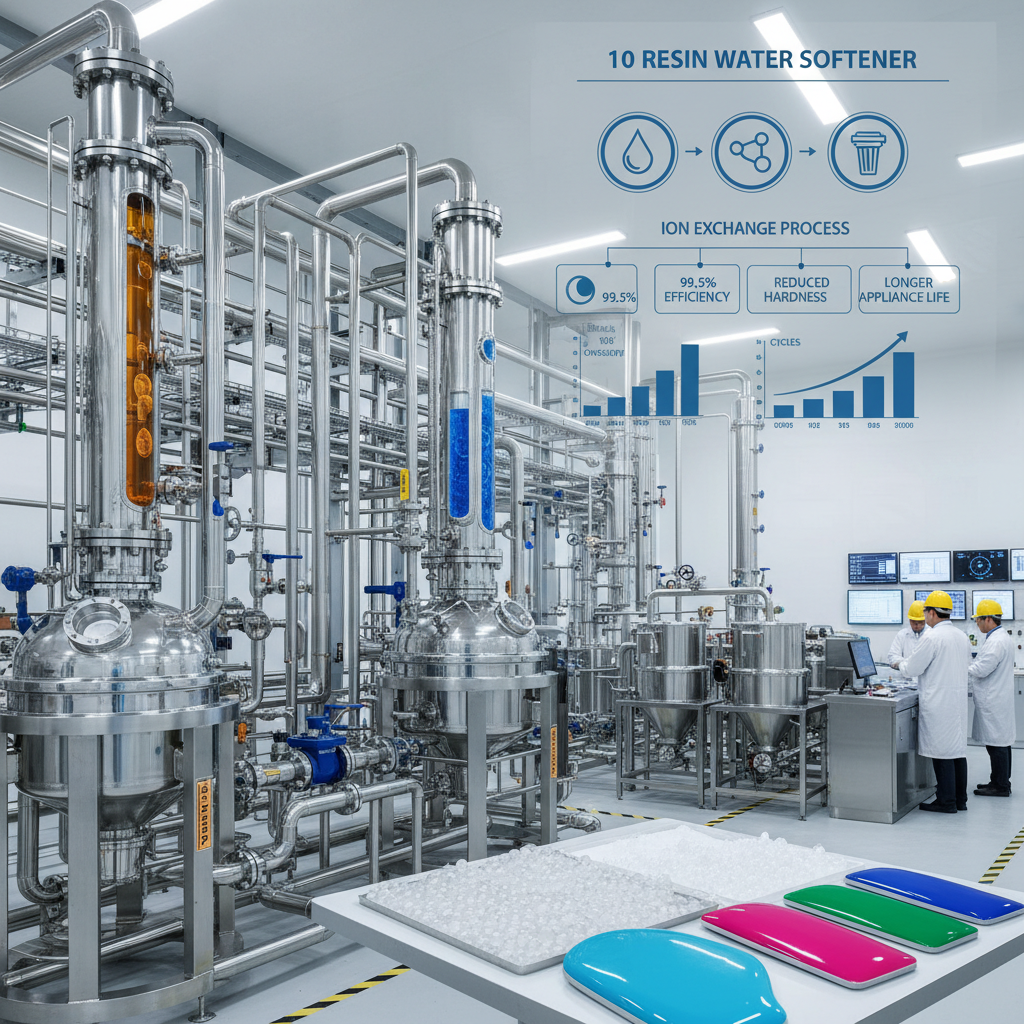
The core of a water softener is the resin tank, filled with small beads of resin. These beads are coated with sodium ions. As hard water flows through the tank, calcium and magnesium ions are attracted to the resin, displacing the sodium ions. This ion exchange process effectively removes the hardness minerals, resulting in softened water. The softener periodically regenerates – flushing the resin with a brine solution (saltwater) to replenish the sodium ions and remove the accumulated calcium and magnesium. The frequency of regeneration depends on water usage and hardness levels.
The Ion Exchange Process:
• Hard water enters the resin tank.
• Calcium and magnesium ions bind to the resin.
• Sodium ions are released into the water.
• Softened water exits the tank.
Not all resins are created equal. Different types of resin offer varying capacities, durability, and resistance to fouling. Type I resins are the most common and cost-effective, suitable for general household use. Type II resins offer higher capacity but are more expensive. Choosing a high-quality resin, like those offered by LiJi Resin, ensures optimal performance and longevity. Consider the resin mesh size as well - smaller mesh sizes offer faster softening but may require more frequent backwashing.
Several factors influence your choice of a 10 resin water softener. First, determine your water hardness level (measured in grains per gallon or parts per million). This will dictate the necessary softening capacity. Next, consider your household's water usage. Larger families require softeners with higher flow rates and capacities. Also, evaluate the softener's regeneration cycle – demand-initiated regeneration (DIR) is more efficient than timer-based regeneration. Finally, look for certifications like NSF/ANSI to ensure the softener meets quality and safety standards. LiJi Resin offers resins suitable for a variety of softener configurations.
Proper maintenance is crucial for maximizing the lifespan of your 10 resin water softener. Regularly replenish the salt tank with high-quality water softening salt. Avoid using rock salt, as it contains impurities that can damage the resin. Periodically inspect the brine line for clogs. Consider cleaning the resin bed every few years to remove accumulated iron and other contaminants. Following these simple maintenance steps will ensure years of reliable performance. LiJi Resin provides resources and support to help you maintain your system effectively.
A 10 resin water softener is a valuable investment for any home dealing with hard water. By understanding the benefits, choosing the right resin, and practicing proper maintenance, you can enjoy years of soft, clean water. Don’t hesitate to explore the high-quality resin options offered by LiJi Resin to ensure optimal performance and long-term satisfaction.
The frequency of salt addition depends on your water hardness, water usage, and the size of your salt tank. Generally, you should check the salt level monthly and add salt when it reaches about one-quarter full. Avoid letting the salt level drop too low, as this can cause the softener to lose its softening capacity. It’s better to add smaller amounts of salt more frequently than to let it completely deplete. The type of salt is also important; use high-purity water softening salt, avoiding rock salt.
With proper maintenance, a well-maintained 10 resin water softener can last 10-15 years. The lifespan of the resin itself is a major factor. Regularly cleaning the resin bed and using high-quality resin (like those from LiJi Resin) can significantly extend its lifespan. The valve head and other components may also require occasional repairs or replacements.
Several signs indicate a properly functioning water softener. You should notice softer skin and hair, brighter laundry, and the absence of scale buildup on fixtures. You can also test your water hardness using a test kit – softened water should have a hardness level close to zero grains per gallon. If you notice any of these symptoms, it may indicate a problem with your softener, such as a depleted salt level, a malfunctioning valve, or a fouled resin bed.