Phone:
+86 0319 2296164


Email:
info@lijiresin.cn
Understanding the purpose of a resin softener is crucial for anyone dealing with hard water issues. Hard water, rich in minerals like calcium and magnesium, can cause a multitude of problems – from scaling in pipes and appliances to reduced soap efficiency and skin irritation. A resin softener effectively removes these minerals, providing numerous benefits for both residential and industrial applications. This article will explore the functionality, applications, and advantages of using a resin softener, with insights from Liji Resin, a leading provider of high-quality resin solutions.
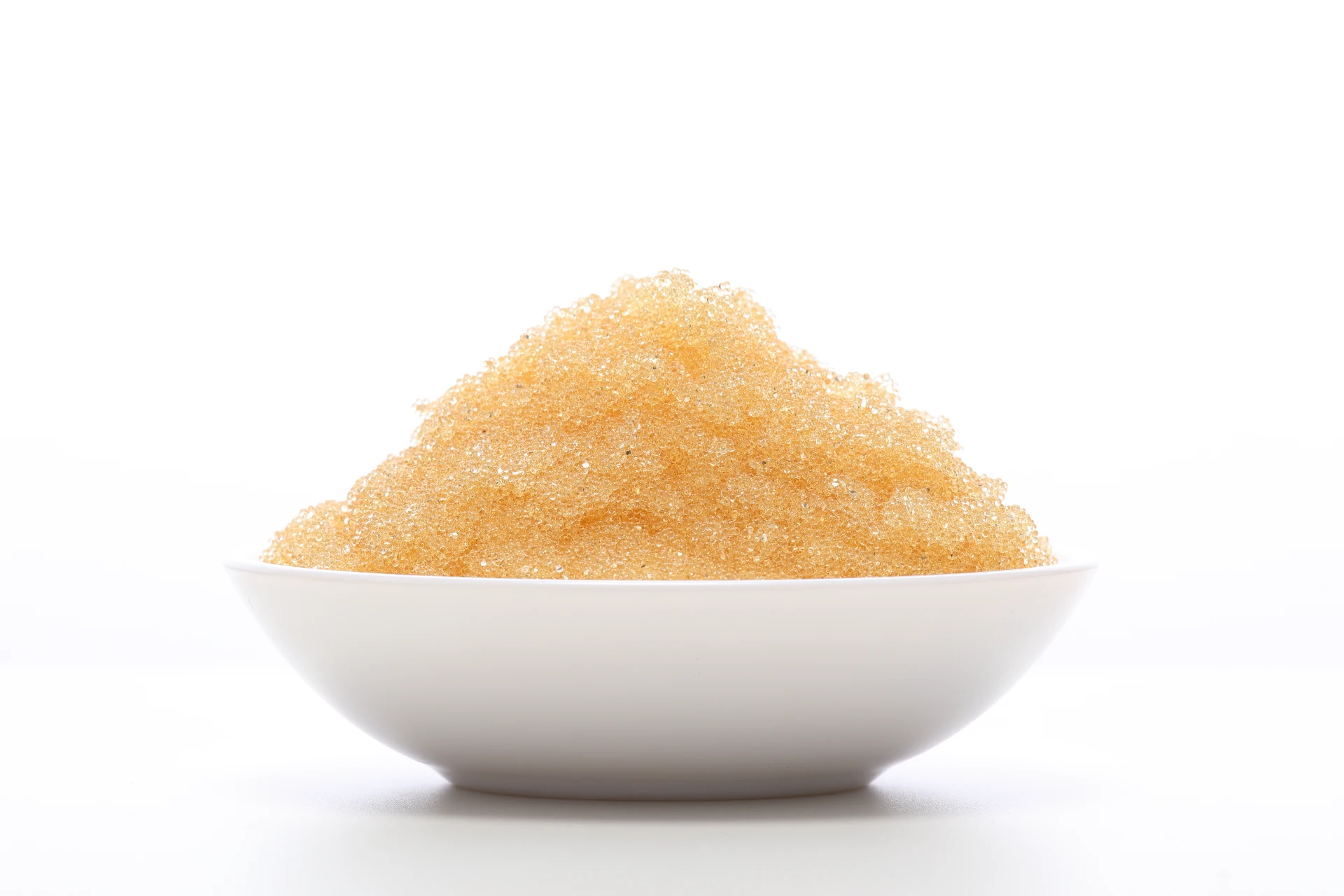
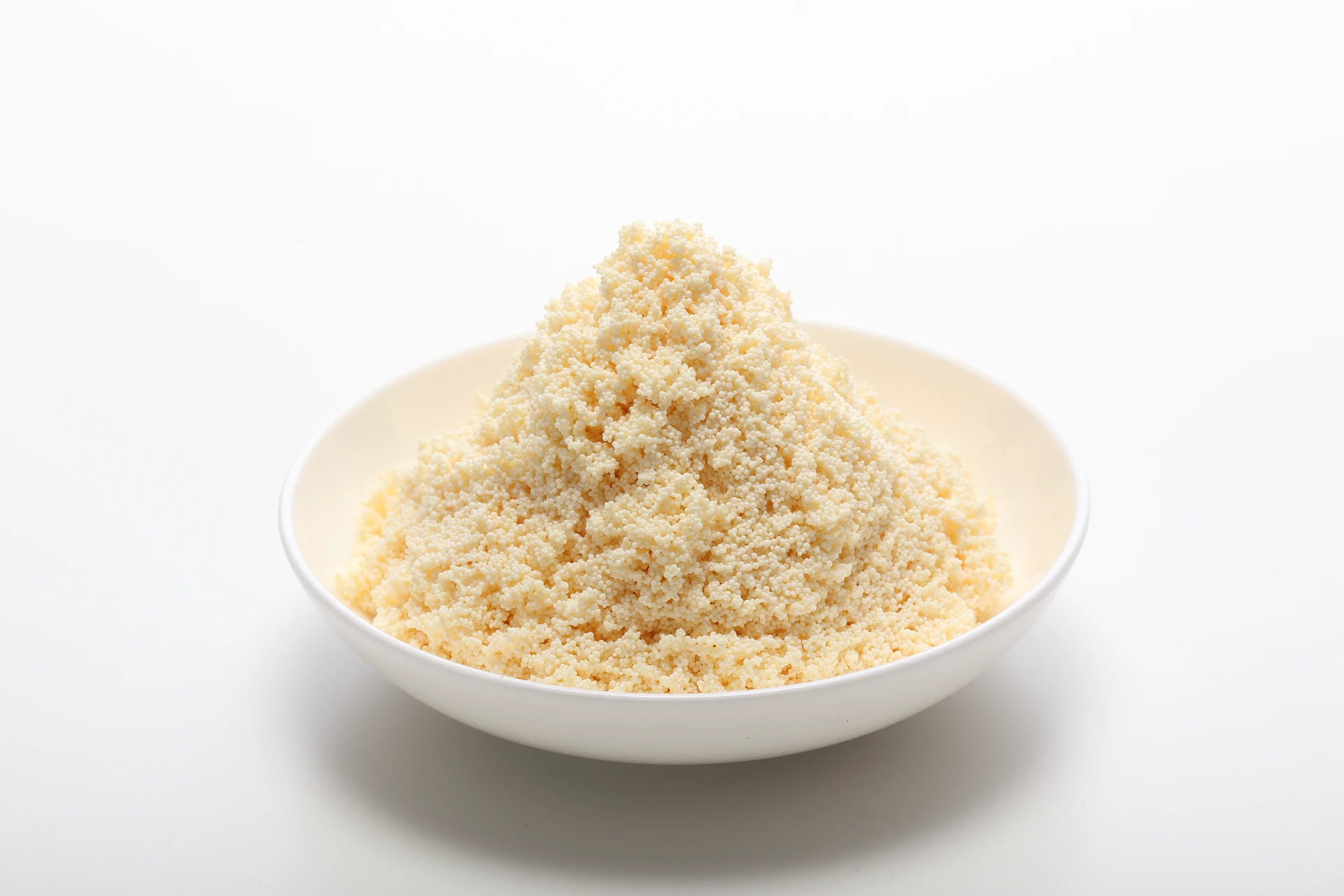
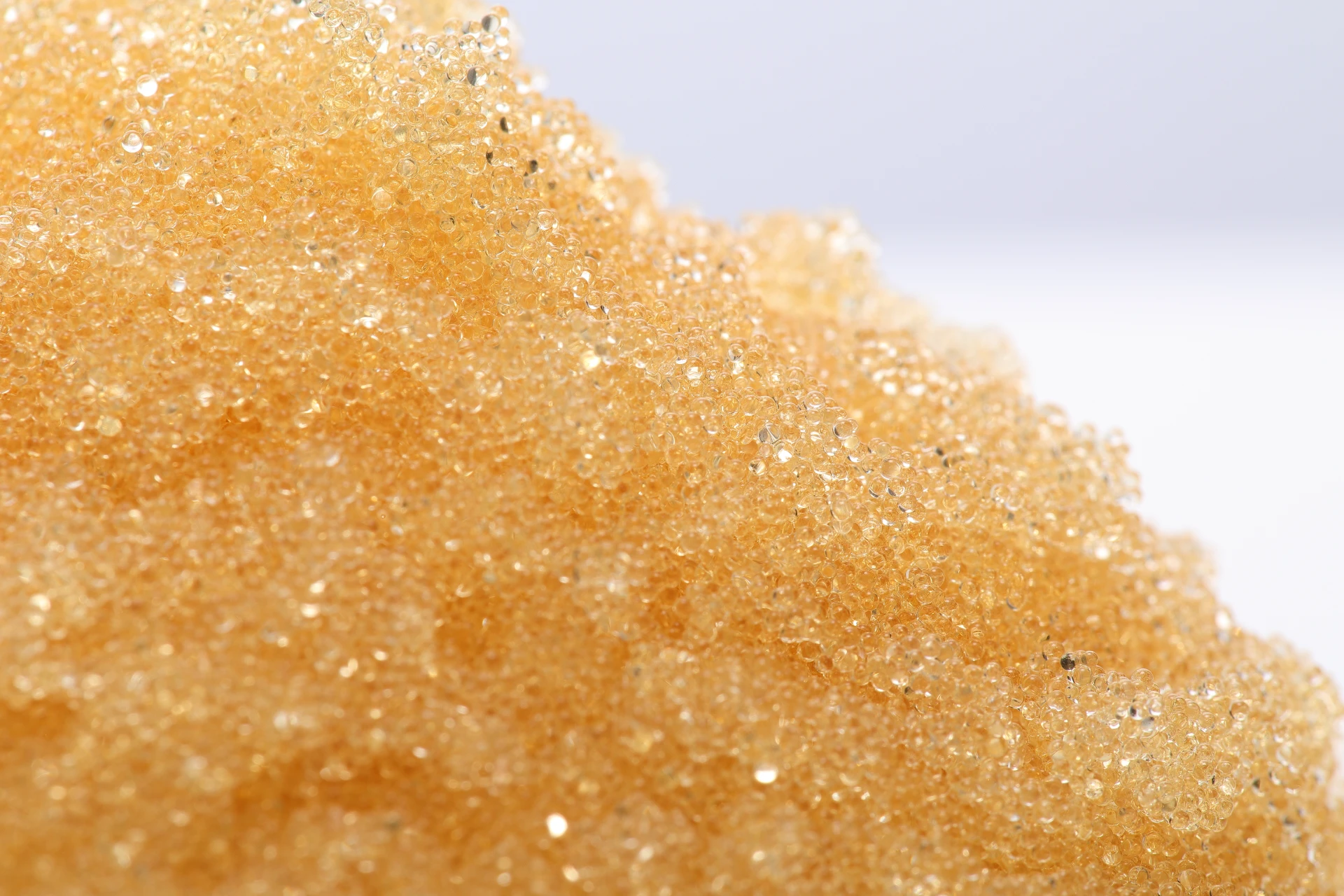
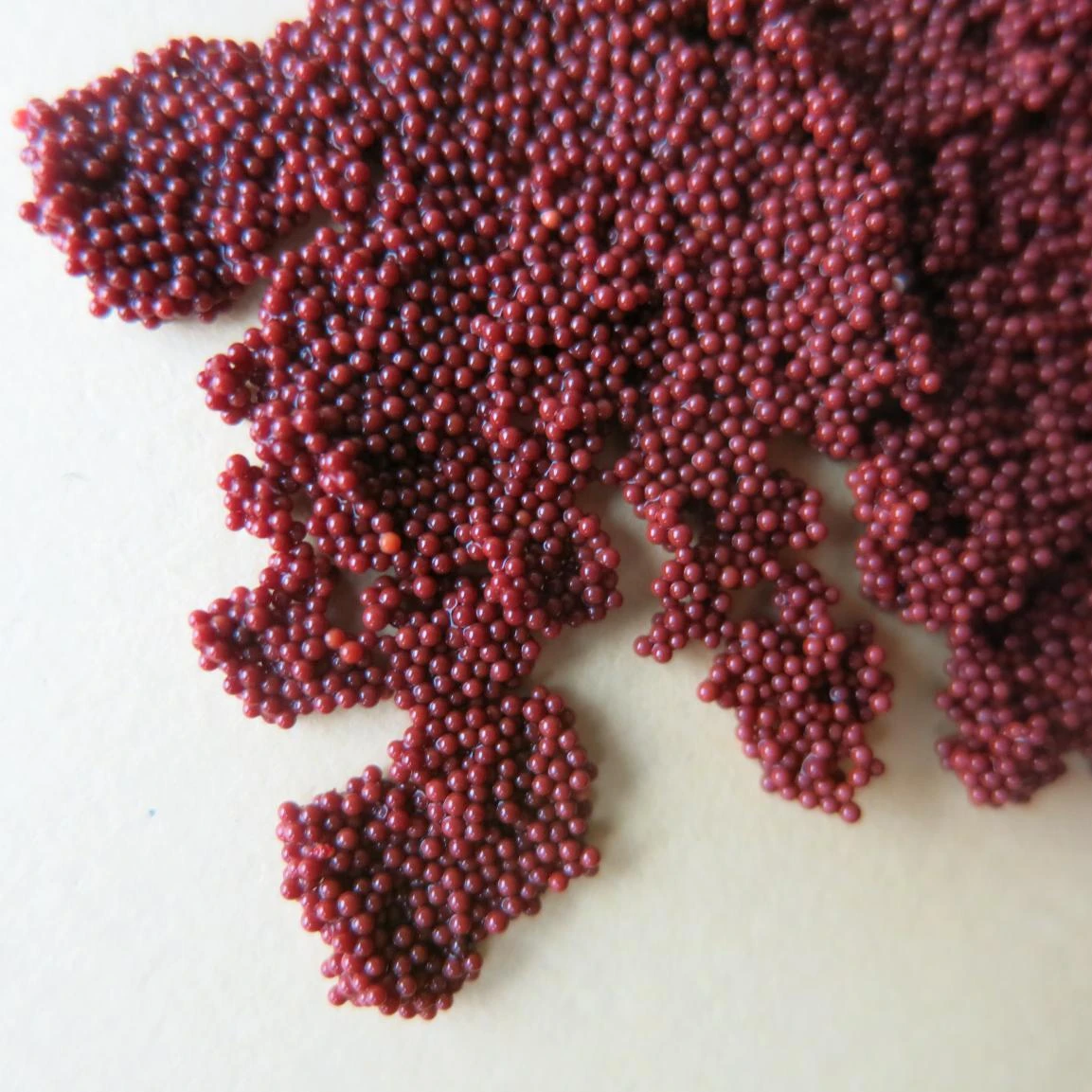
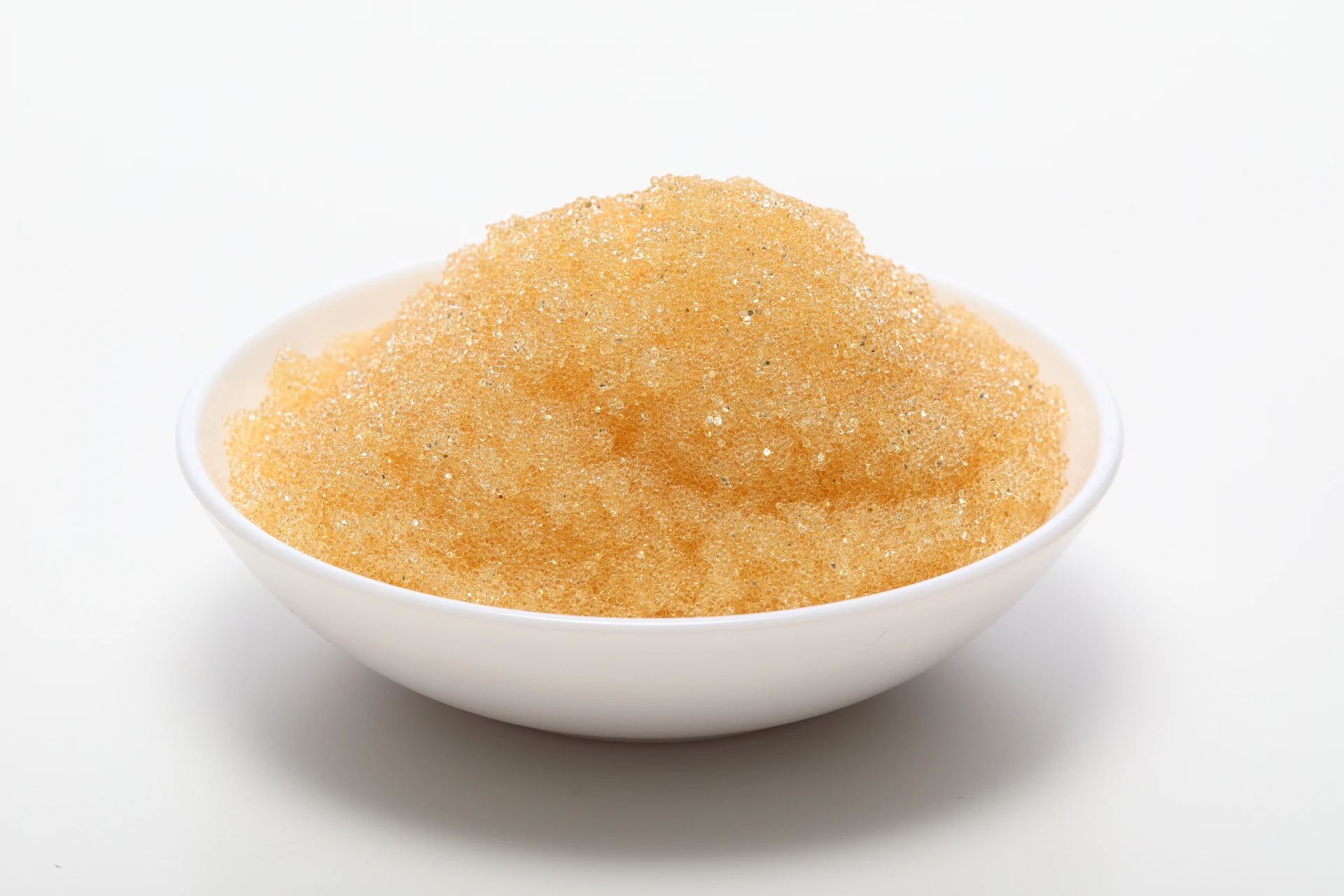
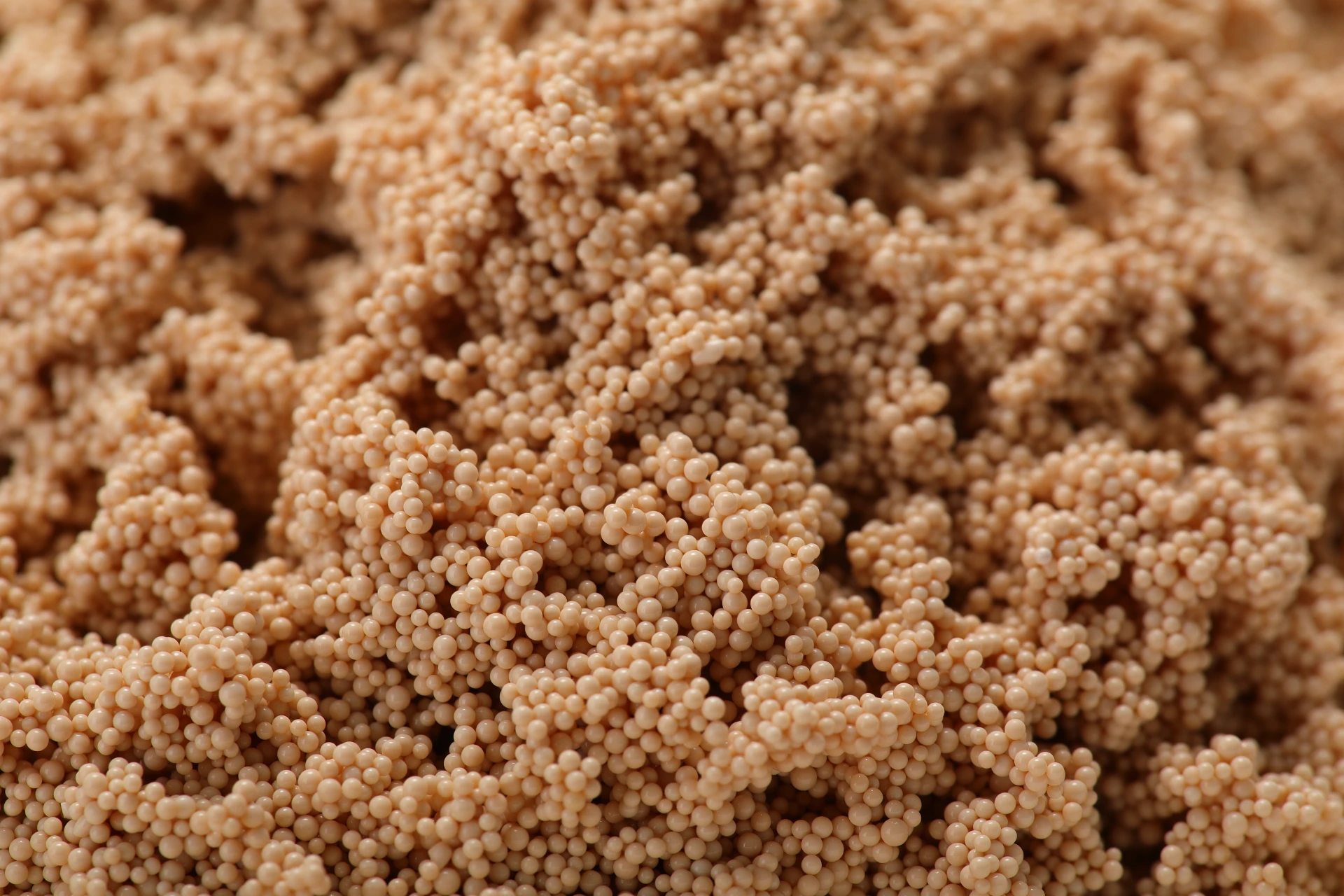
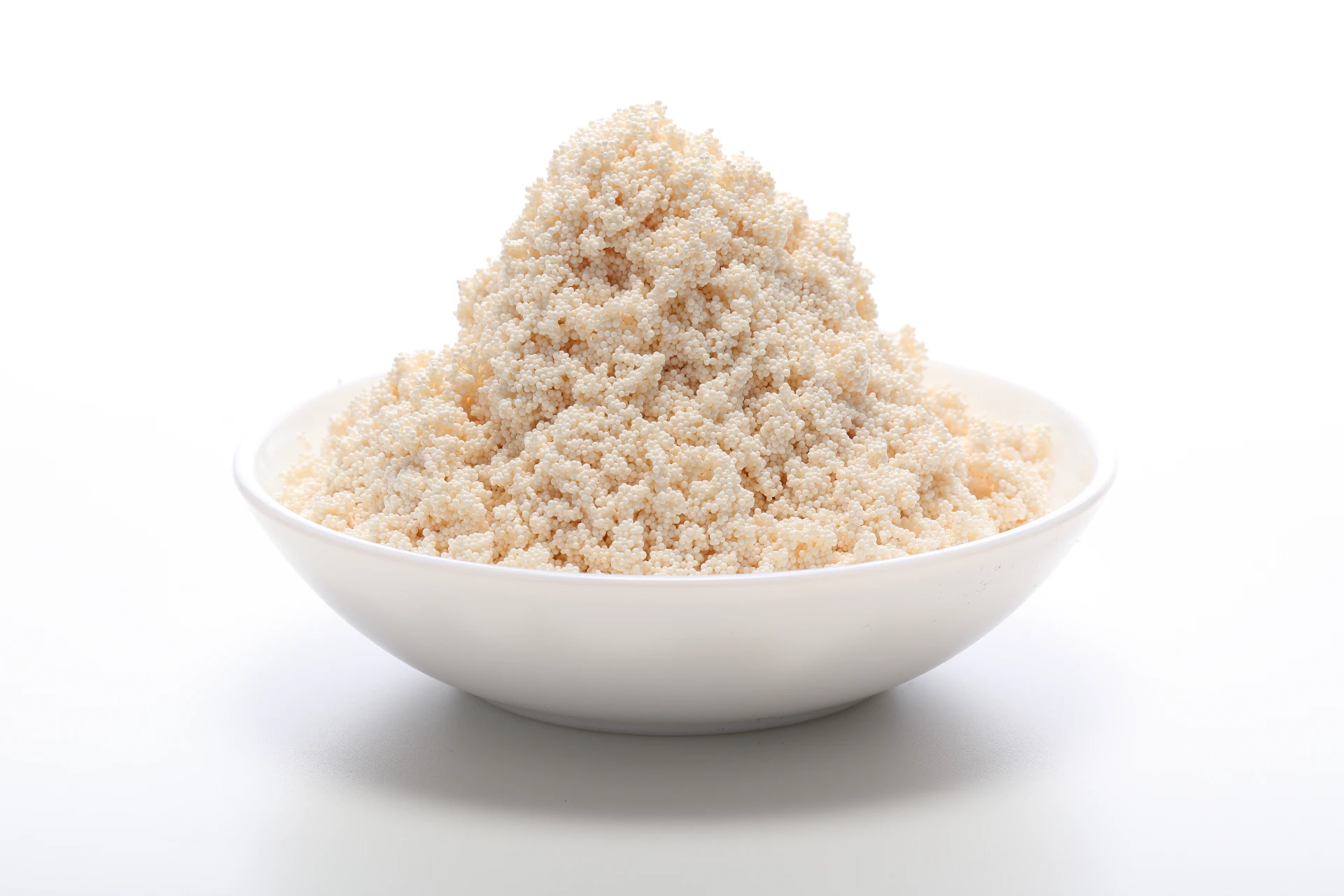
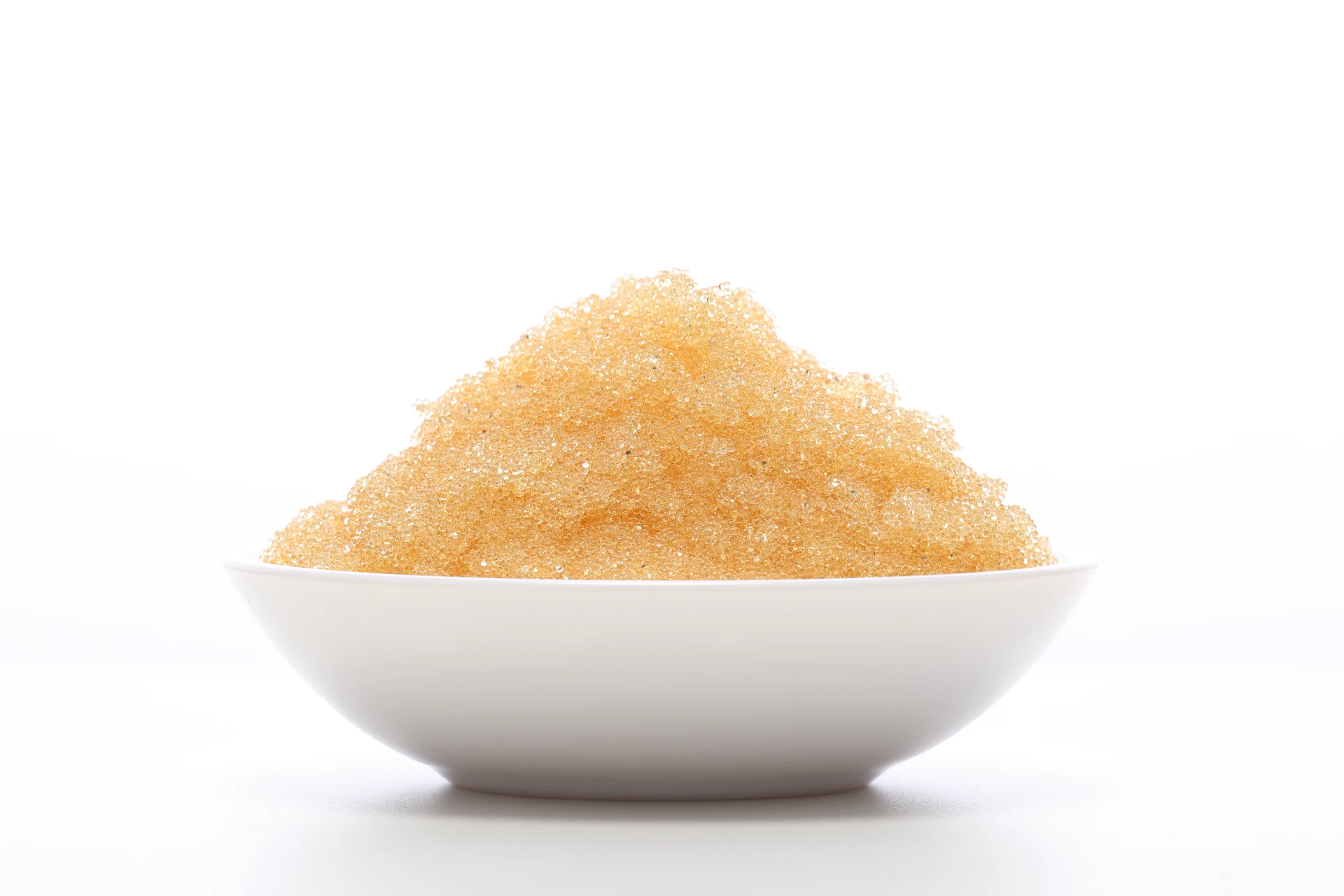
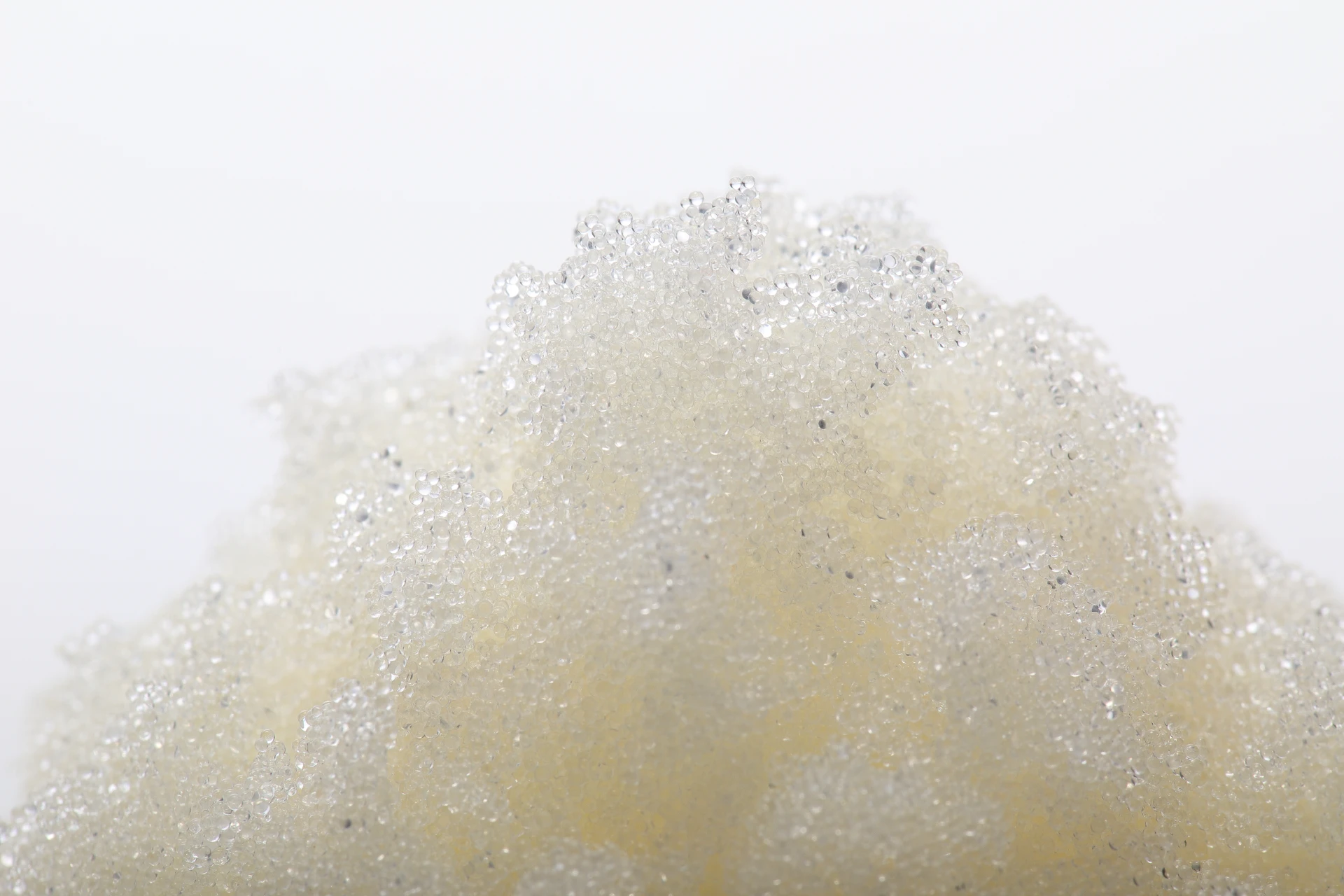
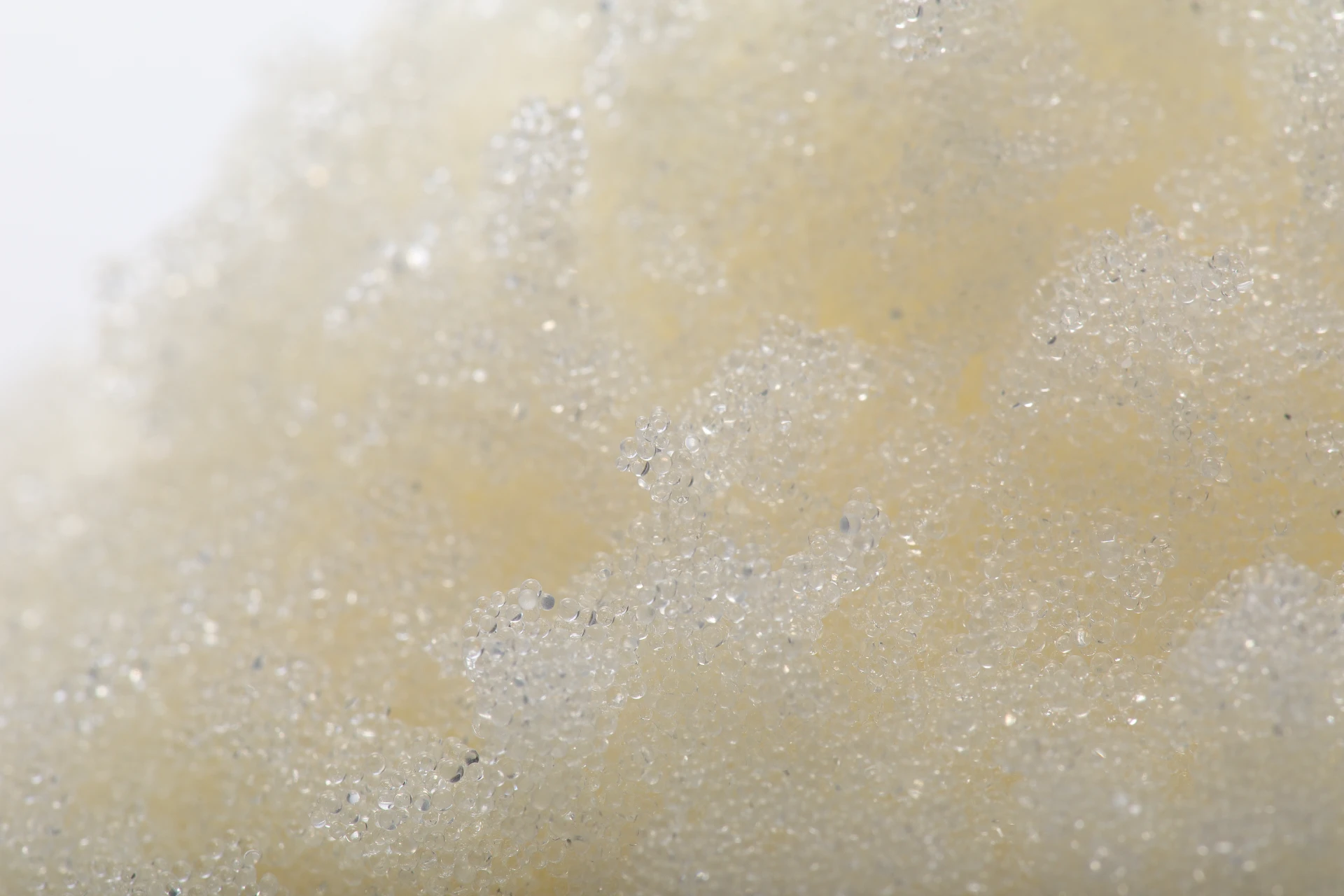
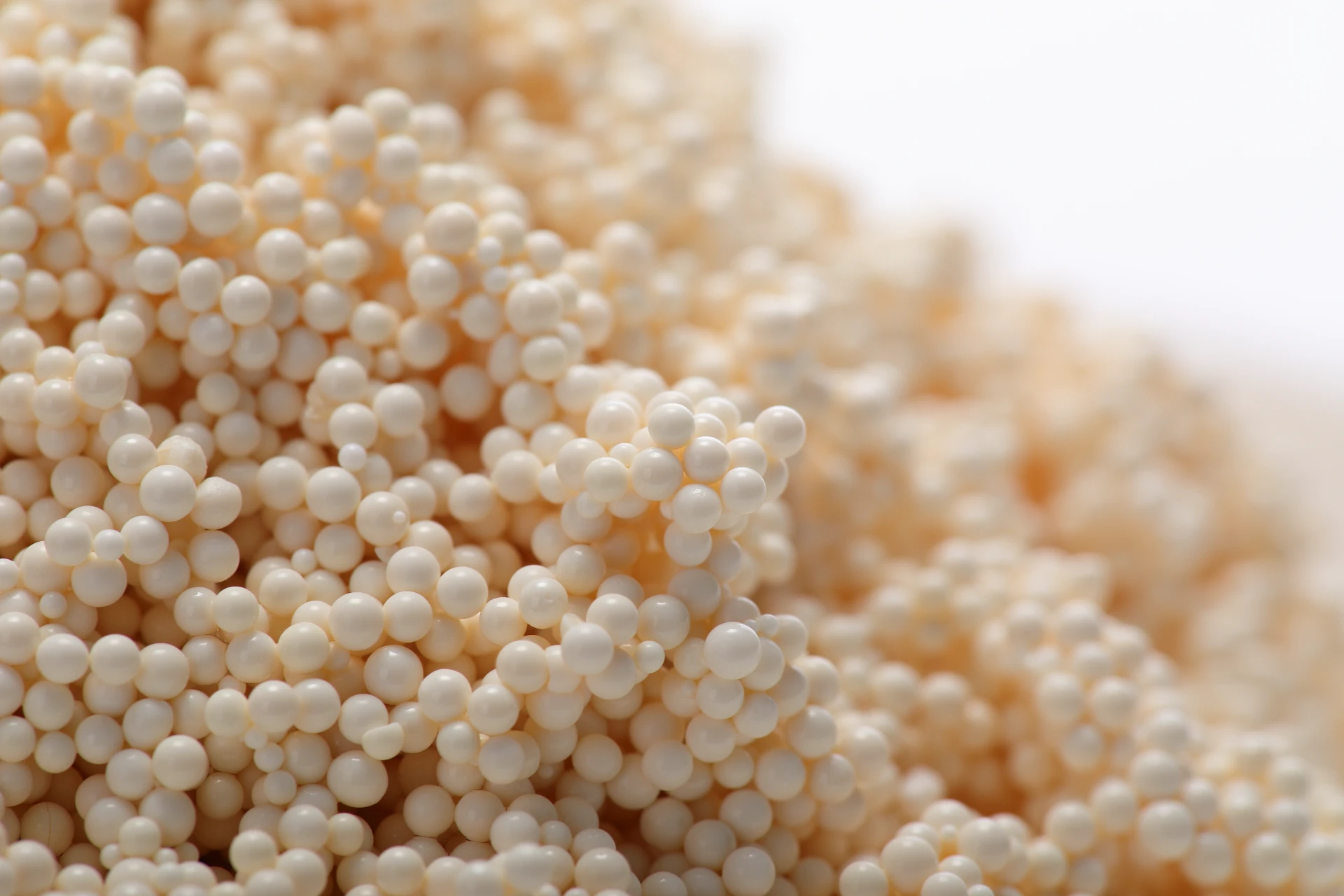
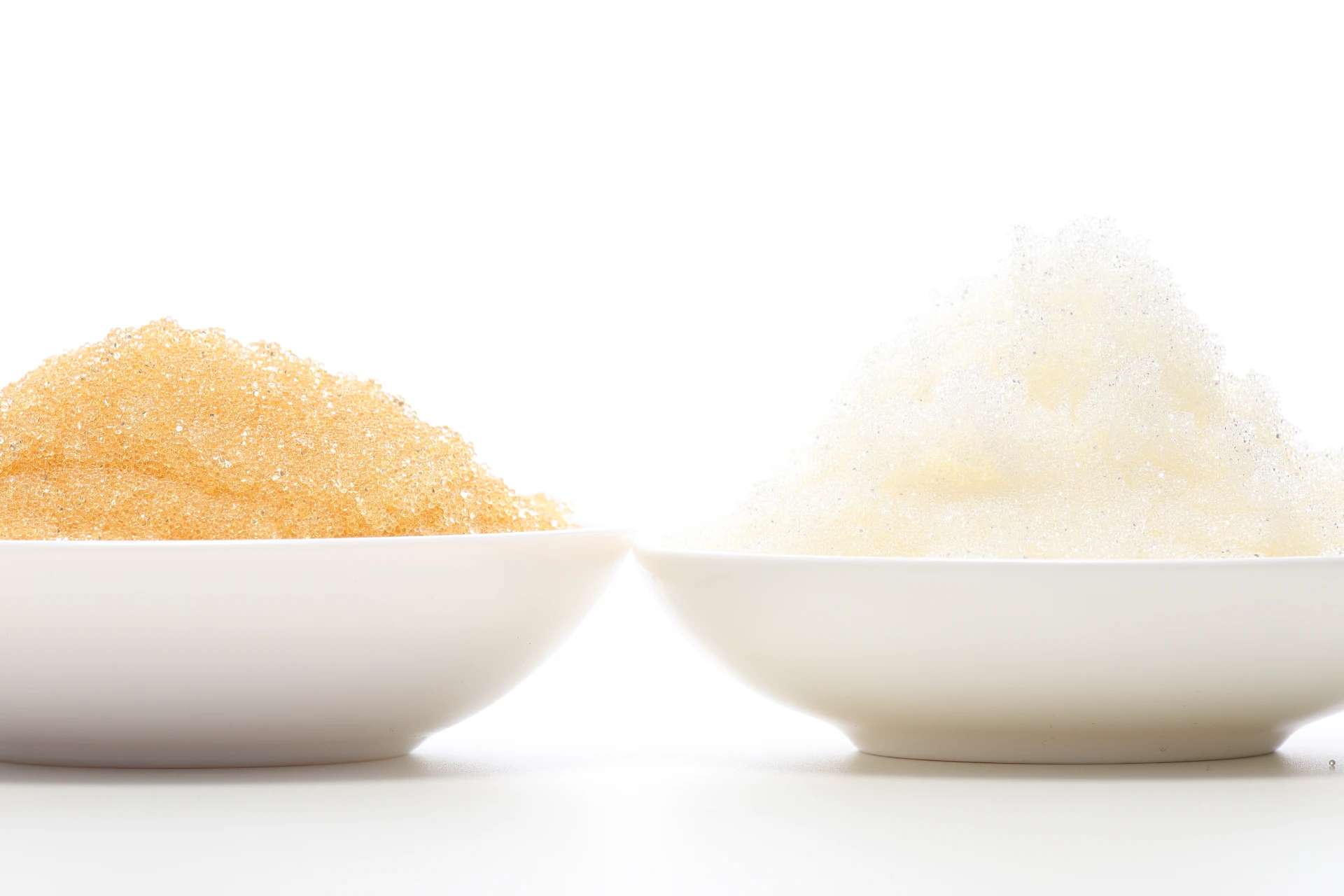
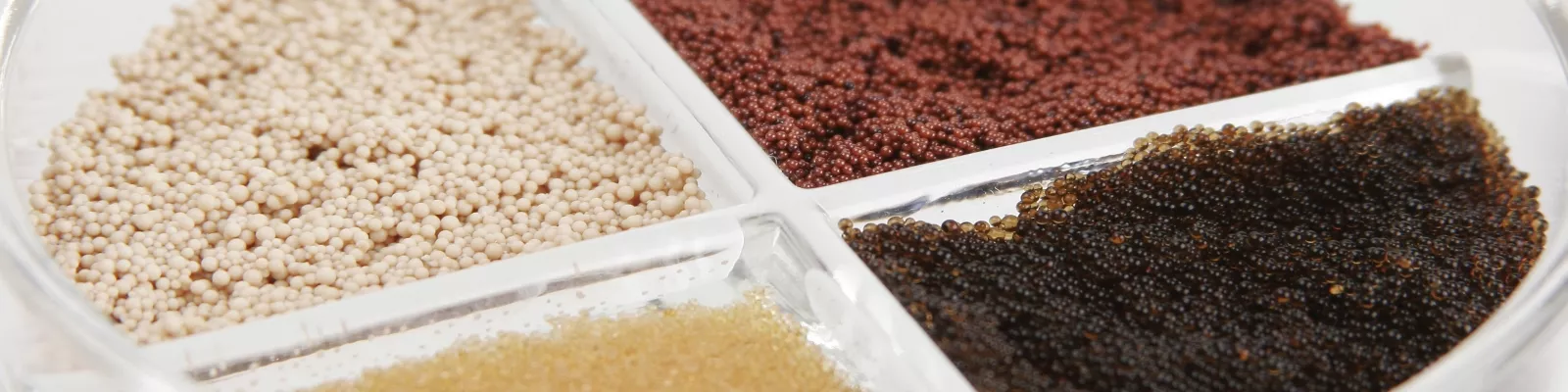
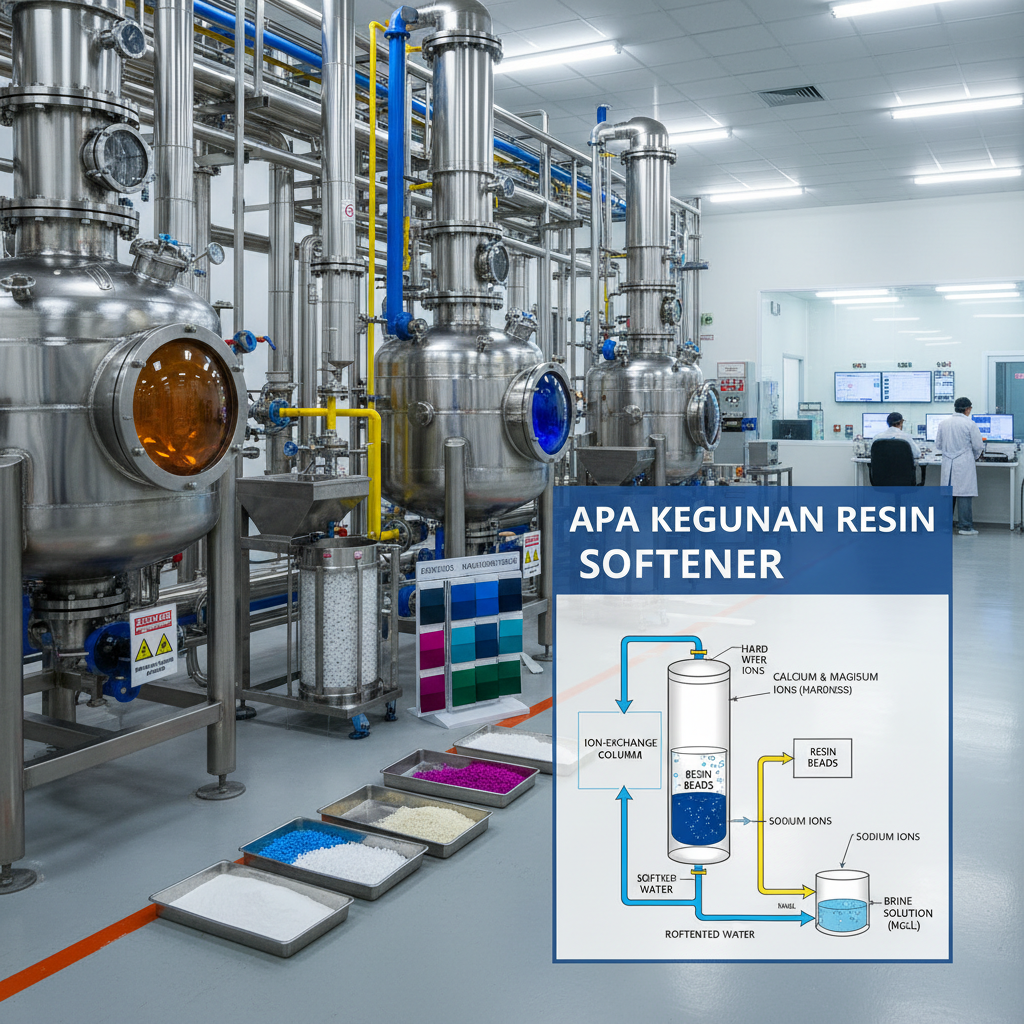
A resin softener utilizes a process called ion exchange to remove hardness minerals from water. The core component is the resin, typically made of polystyrene beads. These beads are chemically charged and attract hard water minerals. As hard water flows through the softener, calcium and magnesium ions are exchanged for sodium ions, which are harmless. This process effectively "softens" the water, making it more usable and preventing the negative effects of hard water. Liji Resin offers a diverse range of resins specifically engineered for optimal softening performance.
Key Highlights: Resin softeners utilize ion exchange to remove calcium and magnesium ions, replacing them with sodium ions to provide softened water.
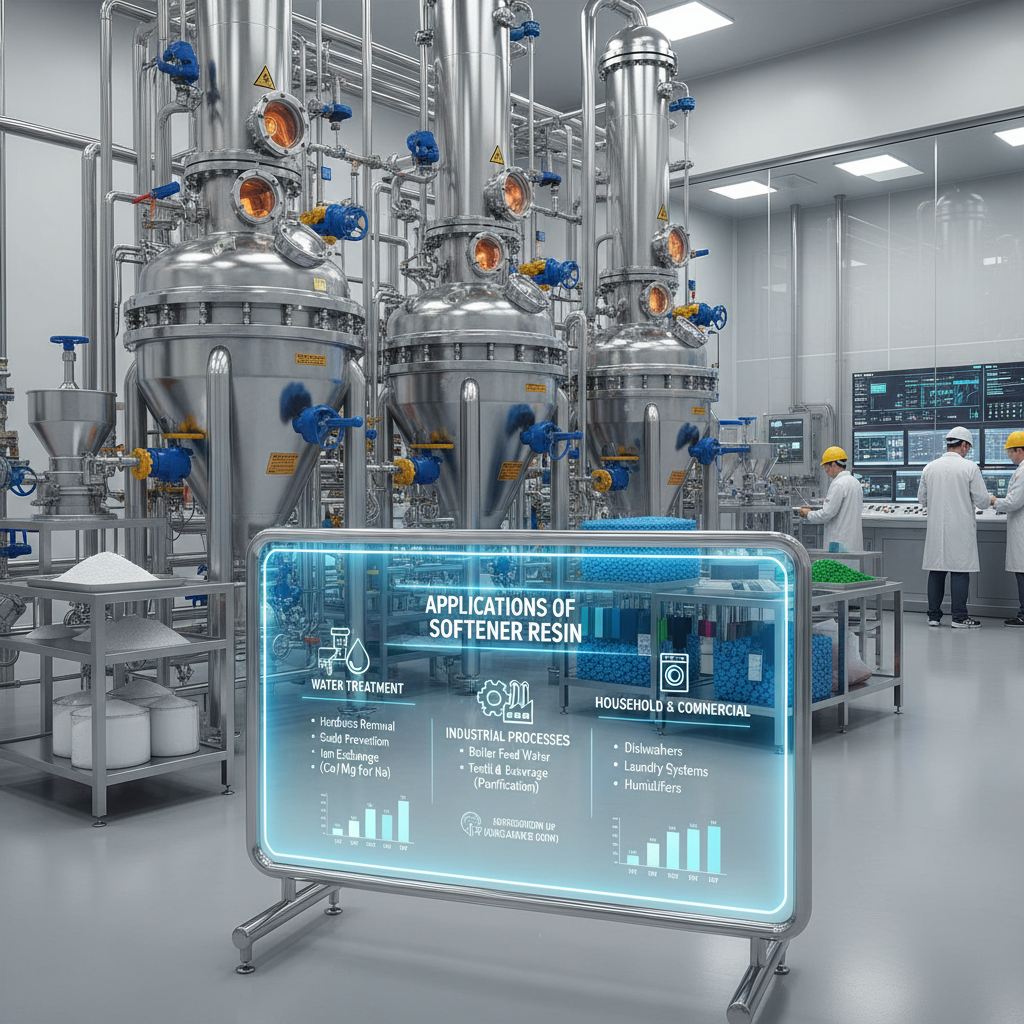
Resin softeners find applications across a wide spectrum of industries and residential settings. Homes benefit from softer water for laundry, dishwashing, and bathing, resulting in cleaner clothes, sparkling dishes, and healthier skin. Industrially, they are vital in boiler systems to prevent scaling, in food processing to maintain product quality, and in the textile industry to improve dye uptake. They’re also frequently employed in car washes to prevent spotting and in landscaping to optimize irrigation systems. The versatility of resin softeners makes them a valuable asset in countless processes.
Common Resin Softener Applications:
• Residential Water Treatment
• Boiler Feed Water Treatment
• Industrial Process Water
• Laundry and Dishwashing
Different types of resin softeners cater to varying needs and water conditions. The most common types include standard Type I resin, which is ideal for general hardness removal, and Type II resin, which is more effective at removing iron. Salt-based softeners are the most prevalent, requiring periodic salt replenishment for the regeneration process. However, salt-free water conditioners, though they don't technically soften water, can prevent scale buildup. Choosing the right type depends on the severity of the hardness, the presence of other contaminants like iron, and environmental considerations.
Several factors can impact the efficiency and longevity of a resin softener. Water temperature, flow rate, and the concentration of iron and other contaminants all play a role. Regularly scheduled regeneration cycles are essential to replenish the resin's ion exchange capacity. Proper resin selection, as offered by Liji Resin, is crucial for optimal performance and extended lifespan. Furthermore, periodic resin cleaning can remove accumulated iron fouling and organic matter, maintaining the softener’s effectiveness.
At Liji Resin, we offer a comprehensive range of high-quality resin solutions tailored to meet diverse water softening needs. Our resins are characterized by their high capacity, excellent durability, and consistent performance. We provide expert guidance to help you select the optimal resin type for your specific application, ensuring long-term efficiency and cost-effectiveness. Contact us today to discuss your water softening requirements and discover how our resins can benefit you.
Understanding the purpose and functionality of a resin softener is essential for addressing hard water challenges. From improving water quality in homes to optimizing industrial processes, resin softening offers a multitude of benefits. With the right resin from a trusted supplier like Liji Resin, you can ensure efficient and reliable water softening for years to come.
The frequency of regeneration depends on water hardness, water usage, and the capacity of your resin softener. Generally, a softener should be regenerated when it reaches its exhaustion point – when the resin is fully saturated with hardness minerals. Most softeners have an automatic regeneration cycle based on a timer or metered water usage. Monitoring your water hardness and adjusting the regeneration schedule accordingly is crucial for optimal performance. A softener might need to be regenerated more frequently during periods of high water usage or with particularly hard water.
The lifespan of resin beads typically ranges from 7 to 10 years, but this can vary depending on water quality and maintenance. Factors like iron, manganese, and organic fouling can shorten the lifespan. Regular resin cleaning with appropriate cleaning agents can help extend its life. Liji Resin offers high-quality resins designed for durability and longevity, and we also provide guidance on proper resin maintenance.
While standard Type I resin can remove small amounts of dissolved iron, it’s not very effective for high iron concentrations. Type II resin, specifically designed for iron removal, is much more effective. However, excessive iron levels can foul the resin, reducing its capacity and lifespan. If your water has high iron content, pre-treatment with an iron filter is often recommended before the water enters the softener.
Yes, softened water is generally safe to drink. The ion exchange process replaces hardness minerals with sodium. However, individuals on sodium-restricted diets should consult with their doctor before consuming softened water. Alternatives like potassium chloride can be used for regeneration, adding potassium instead of sodium, but this is typically more expensive.