Phone:
+86 0319 2296164


Email:
info@lijiresin.cn
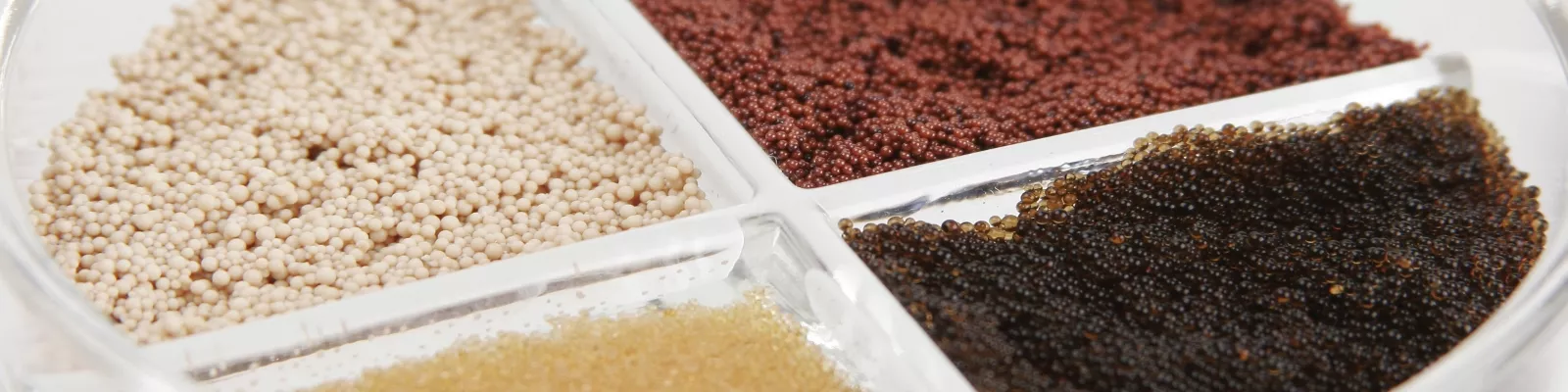
Whenever people ask me how to solve stubborn hardness issues without blowing the salt budget, I end up talking about Calcium Exchange Resin. To be honest, there’s a lot of noise out there. But this category—specifically the Strong Acid Cation (SAC) resins like 001×7 H FC—has become the workhorse for softening, polishing, and even food-grade separations. Below is what I’ve seen in plants, labs, and, frankly, in the trenches.
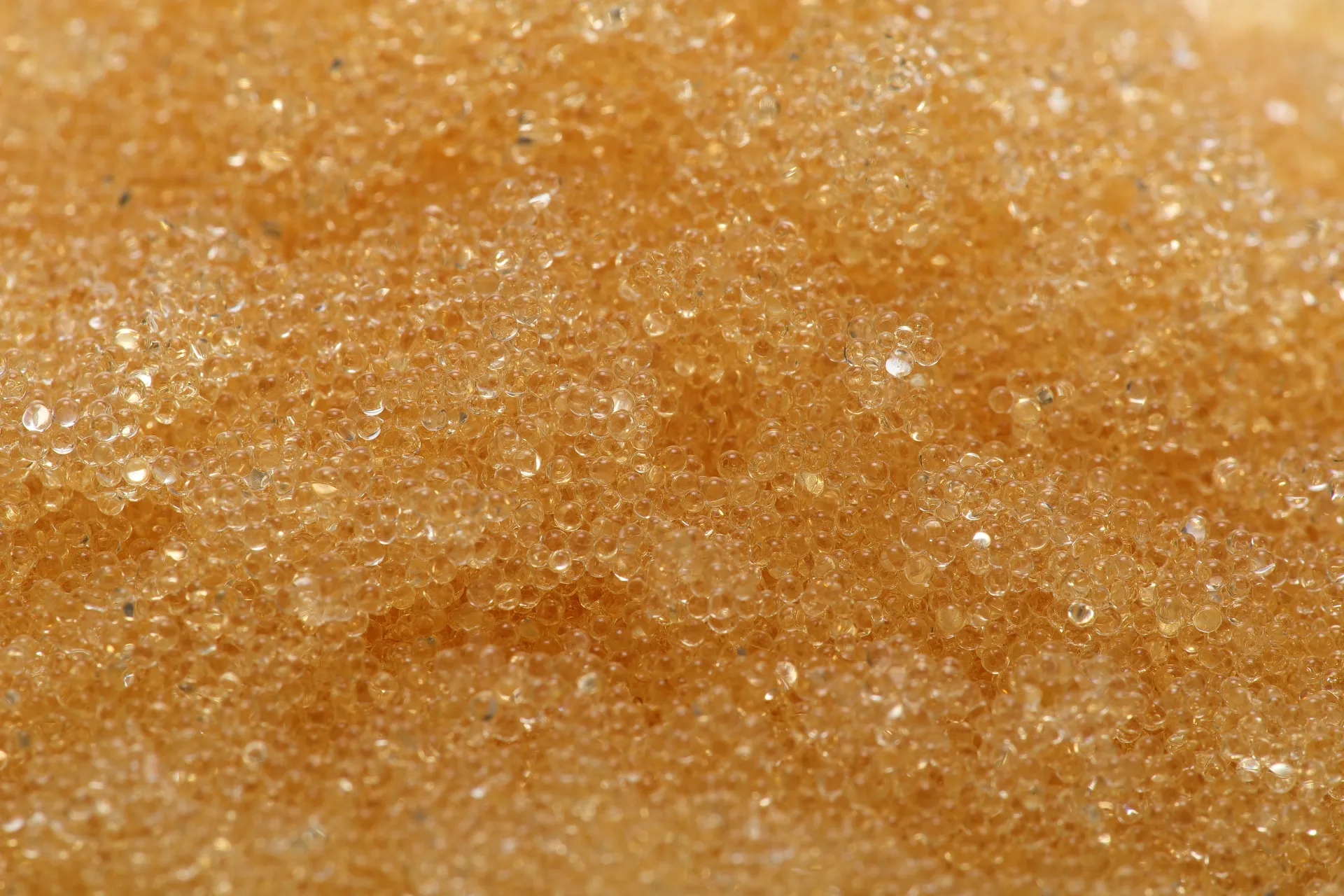
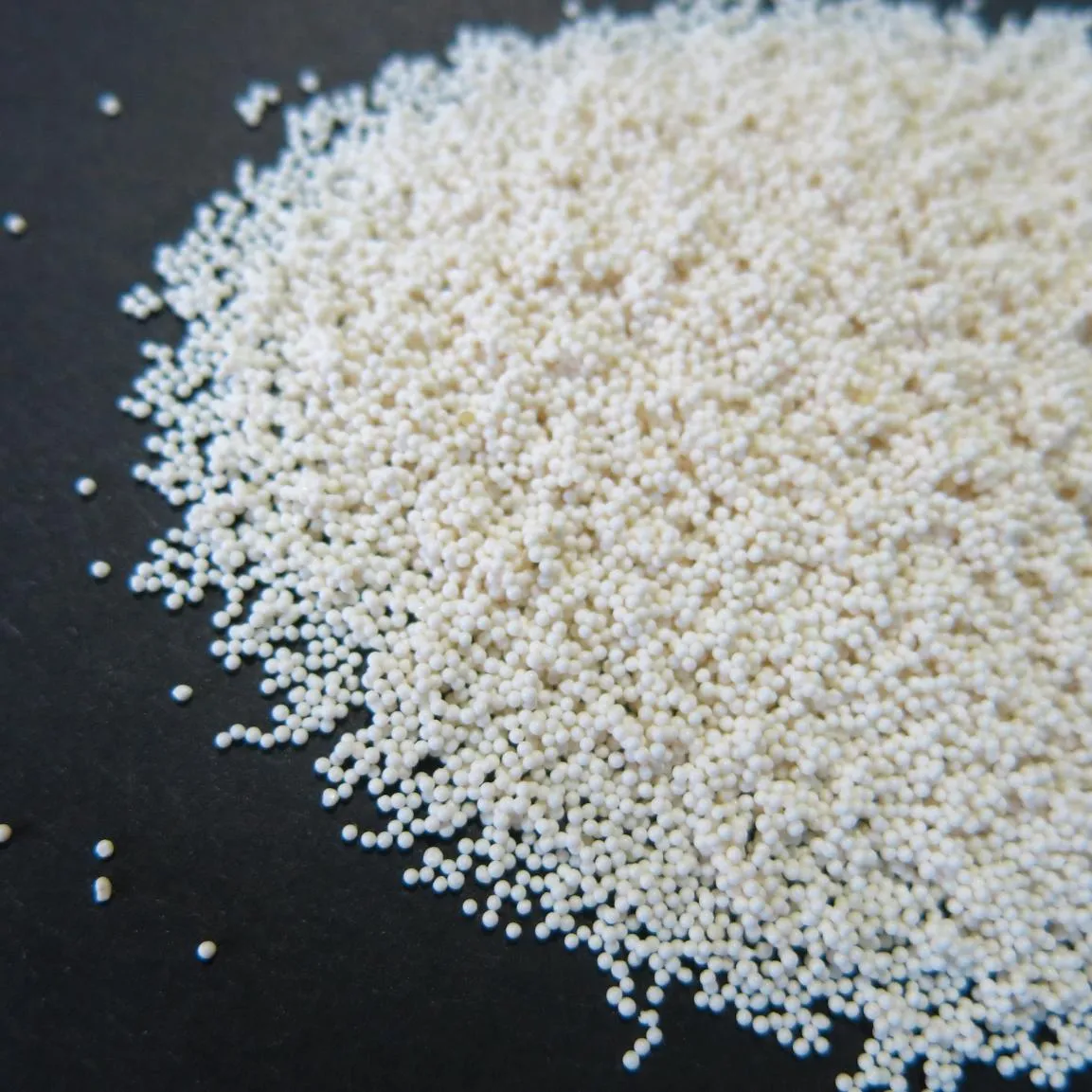
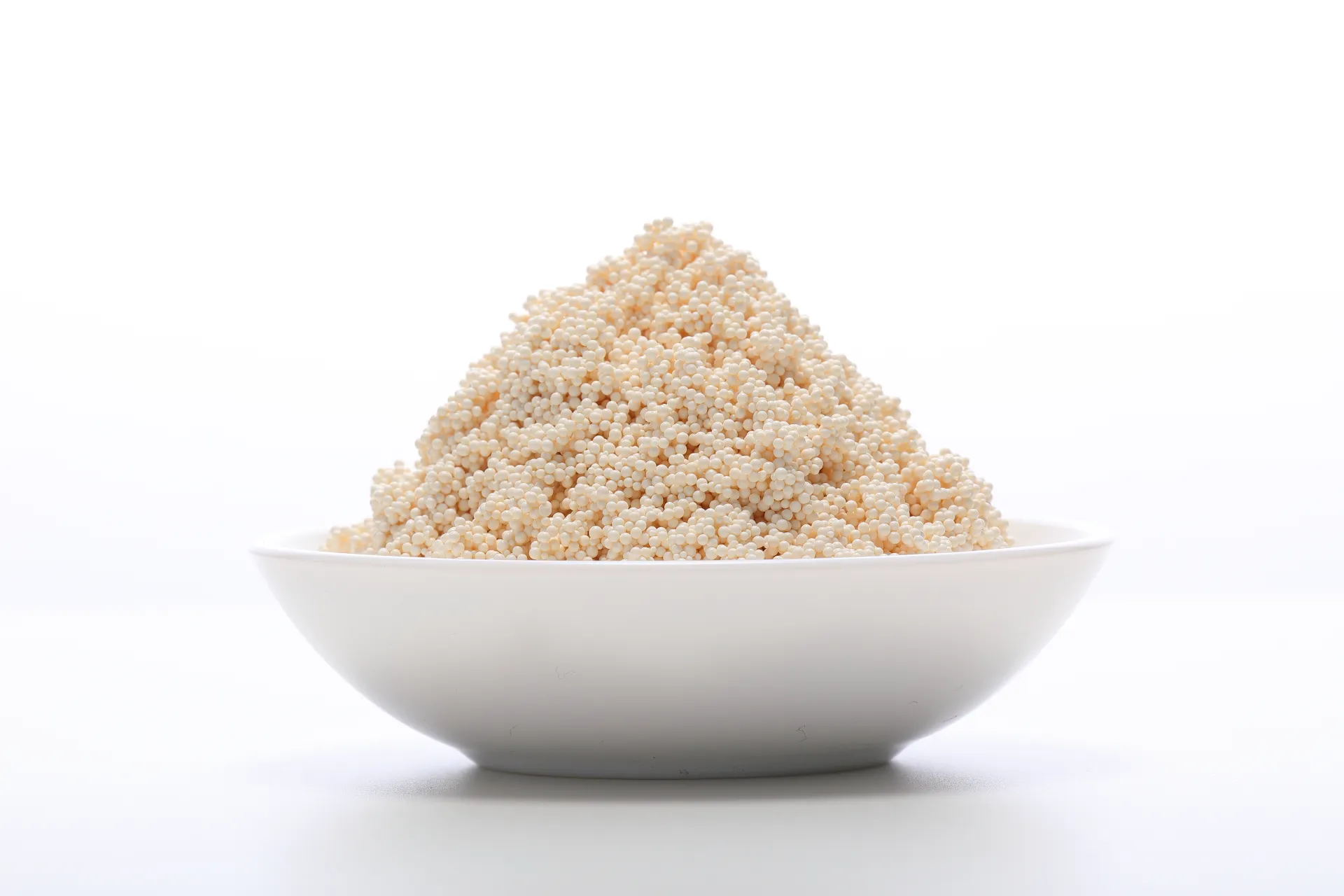
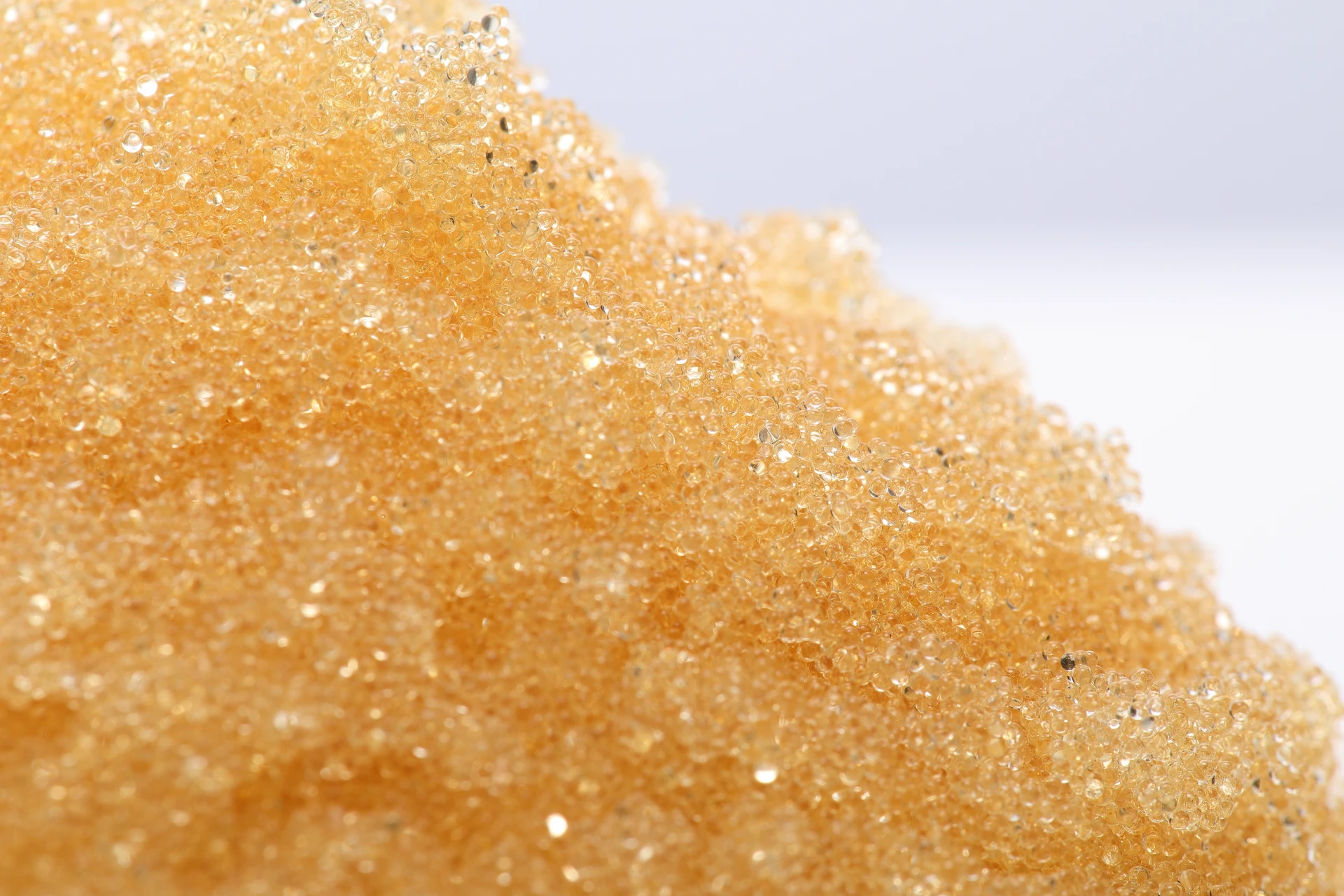
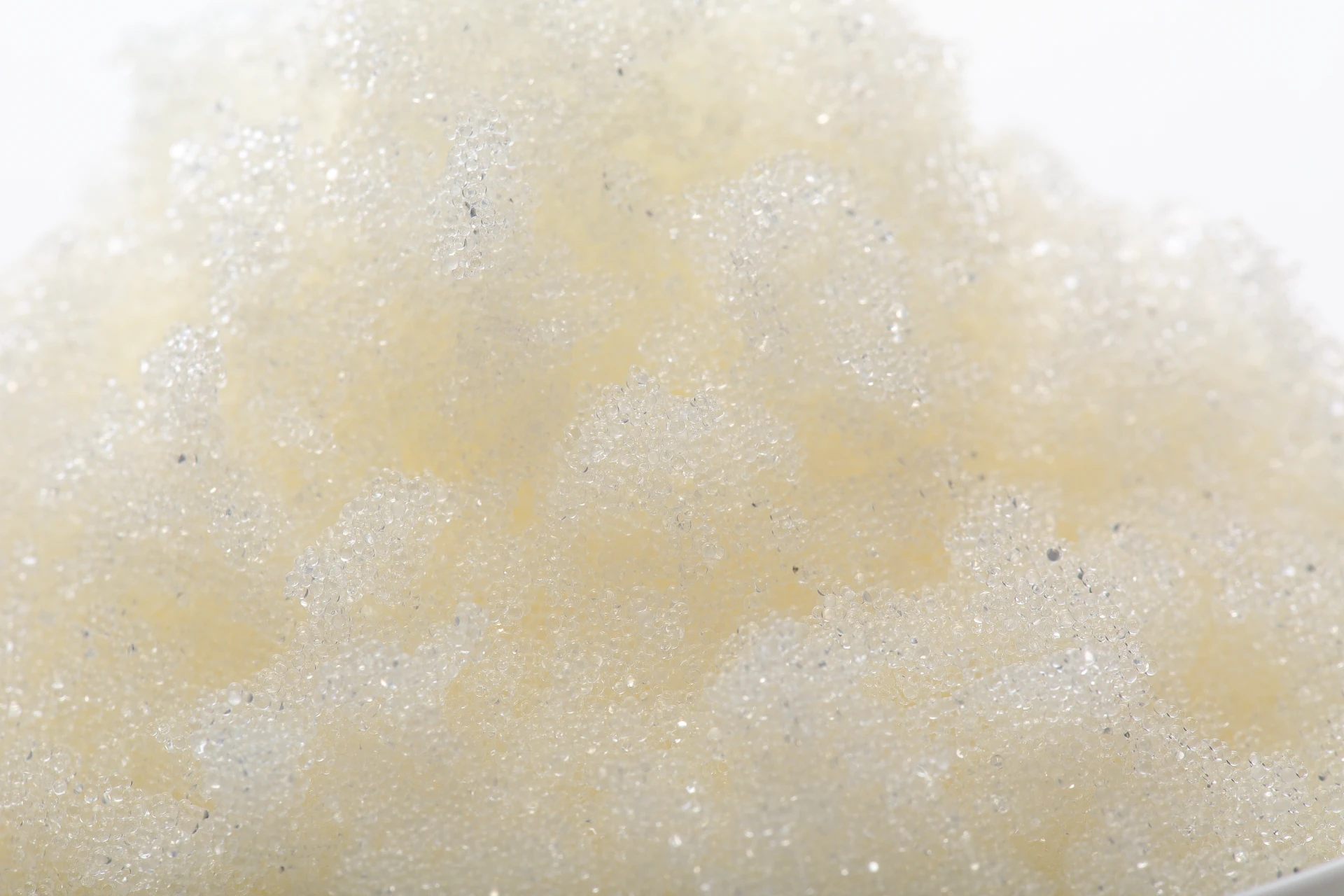
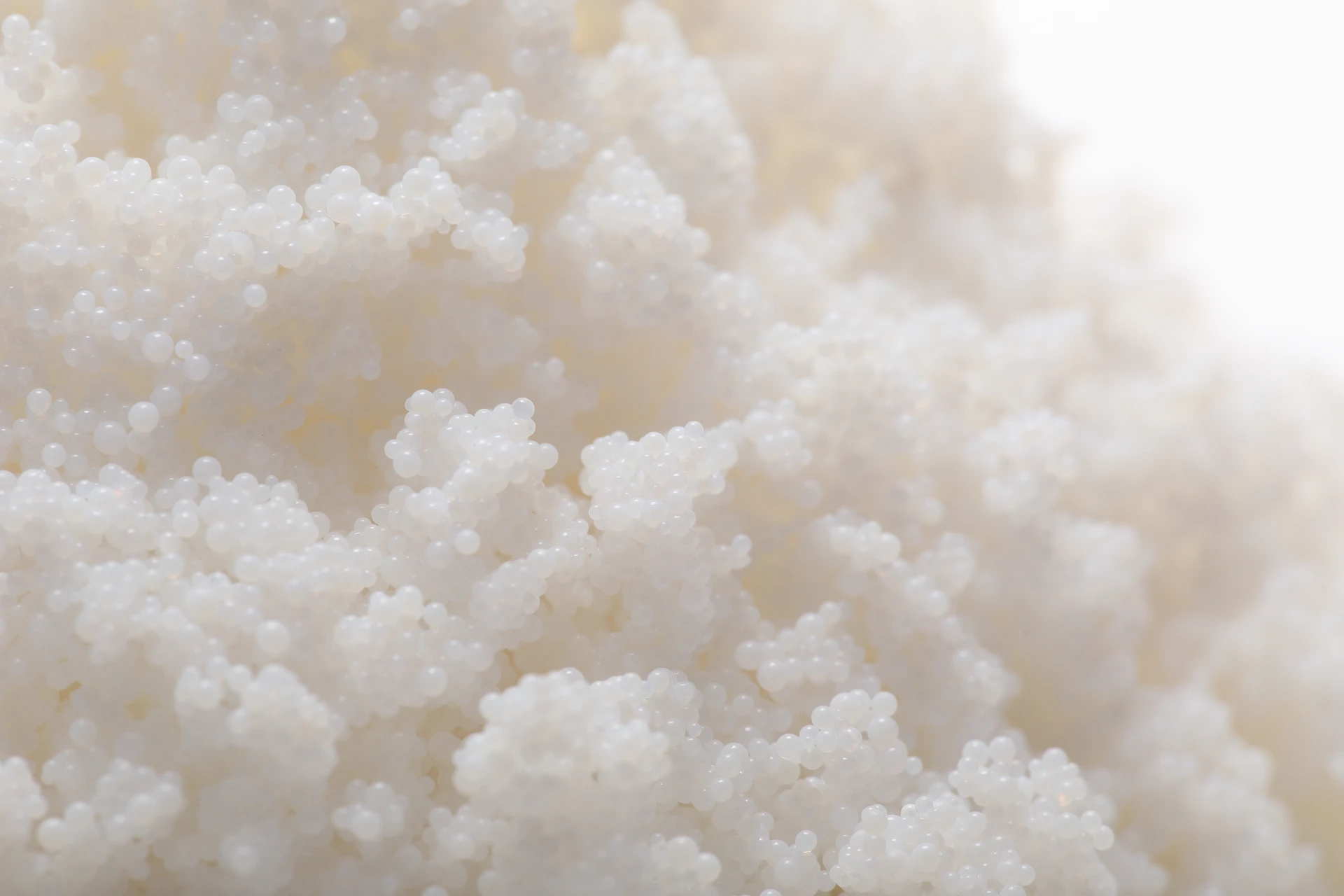
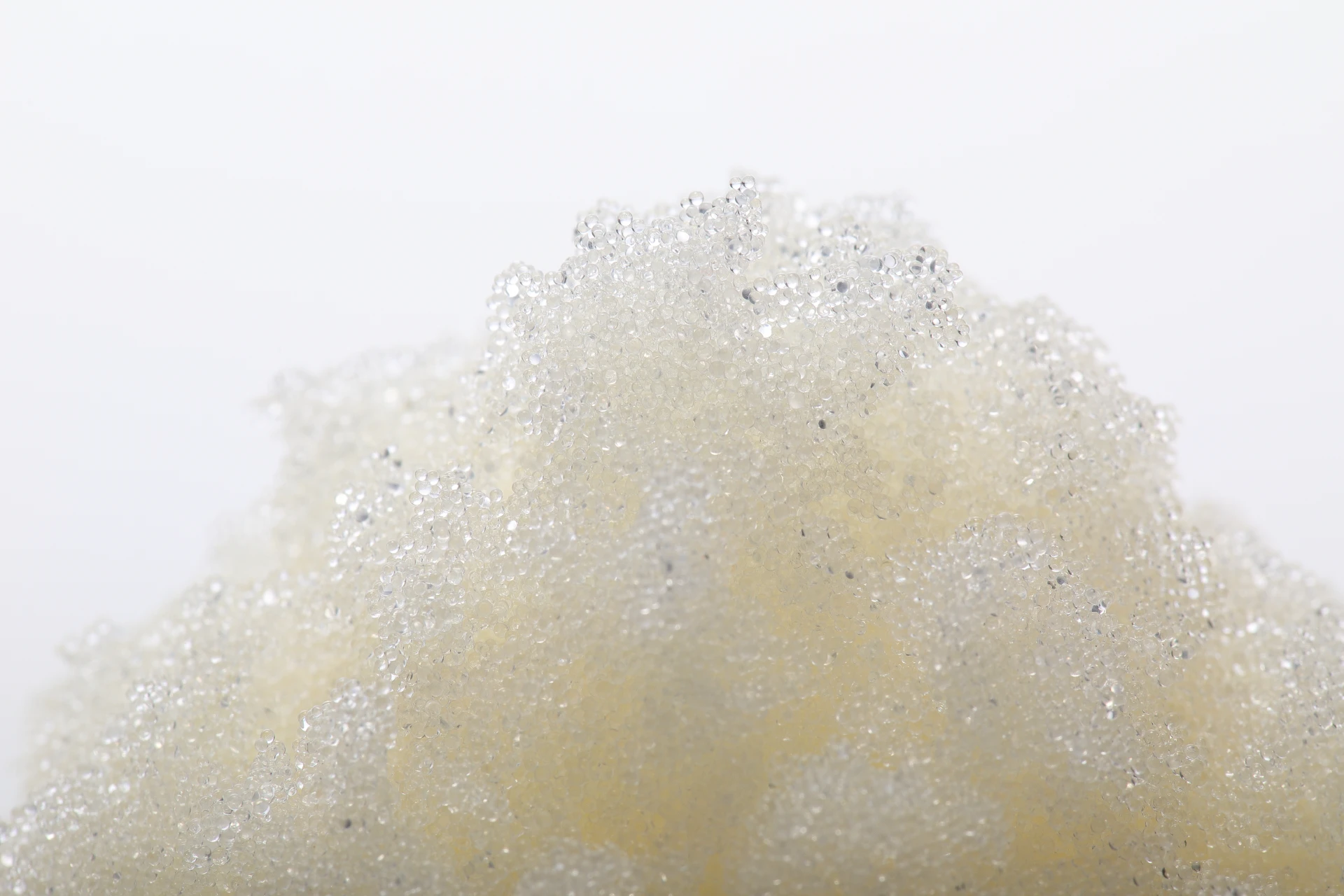
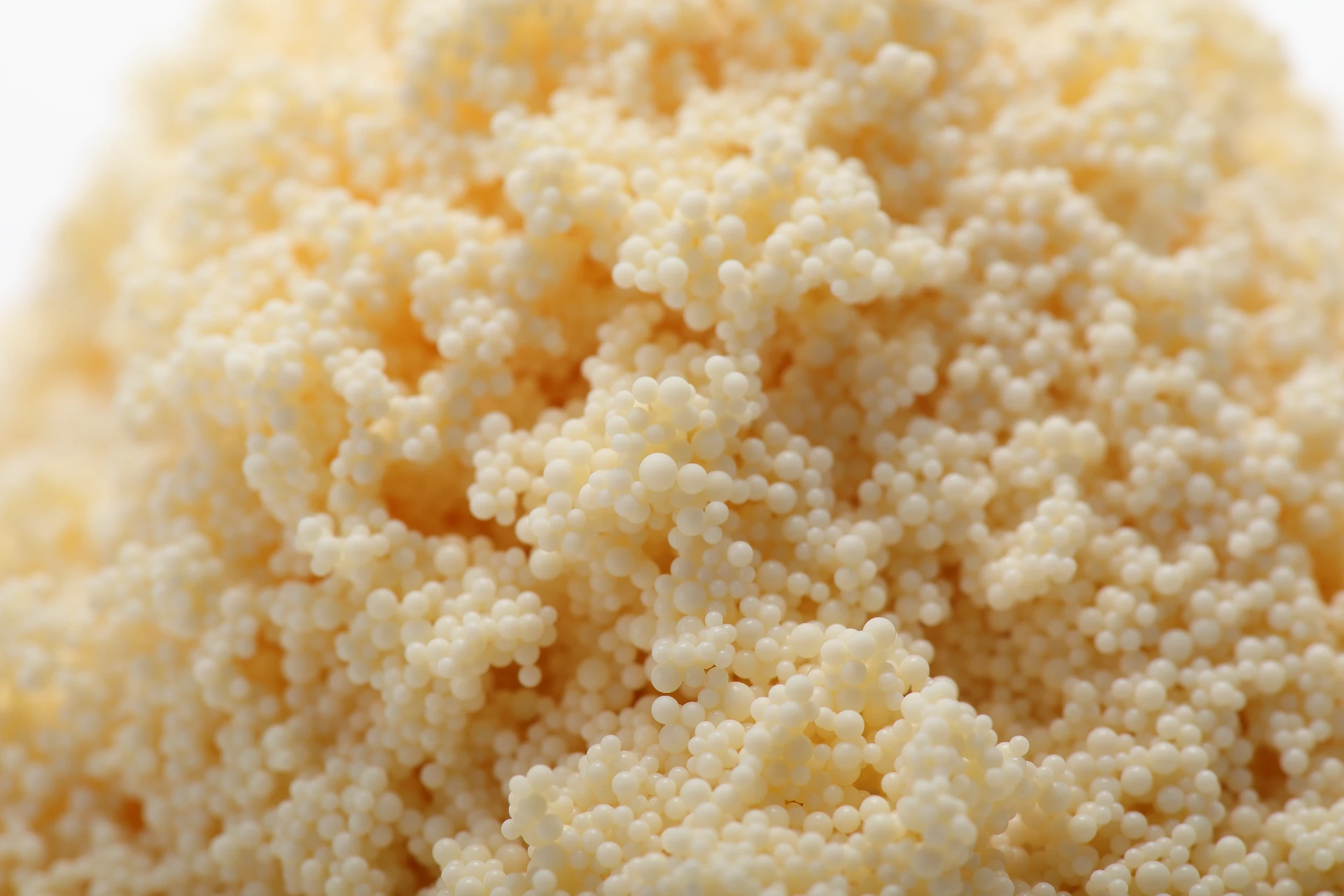
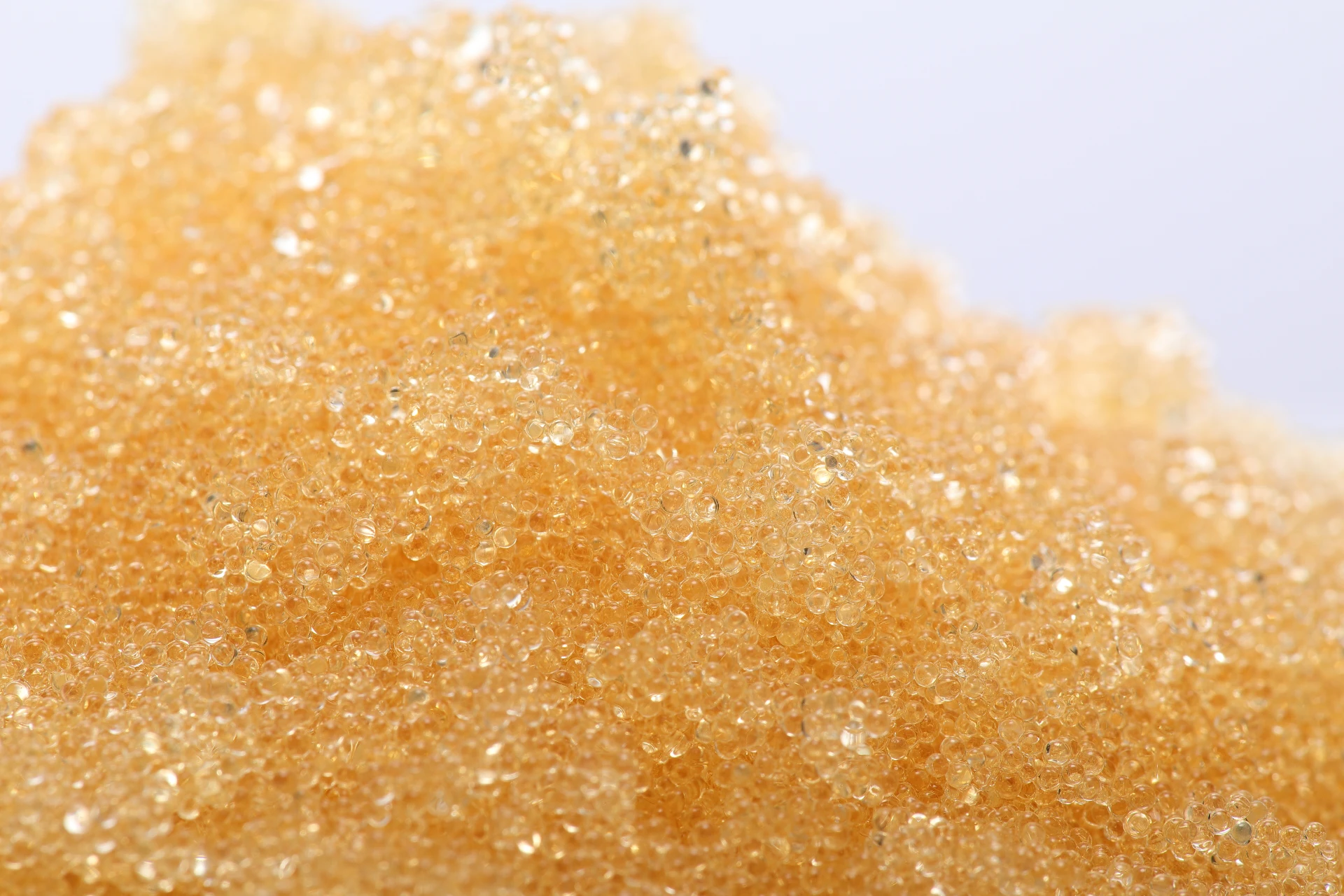
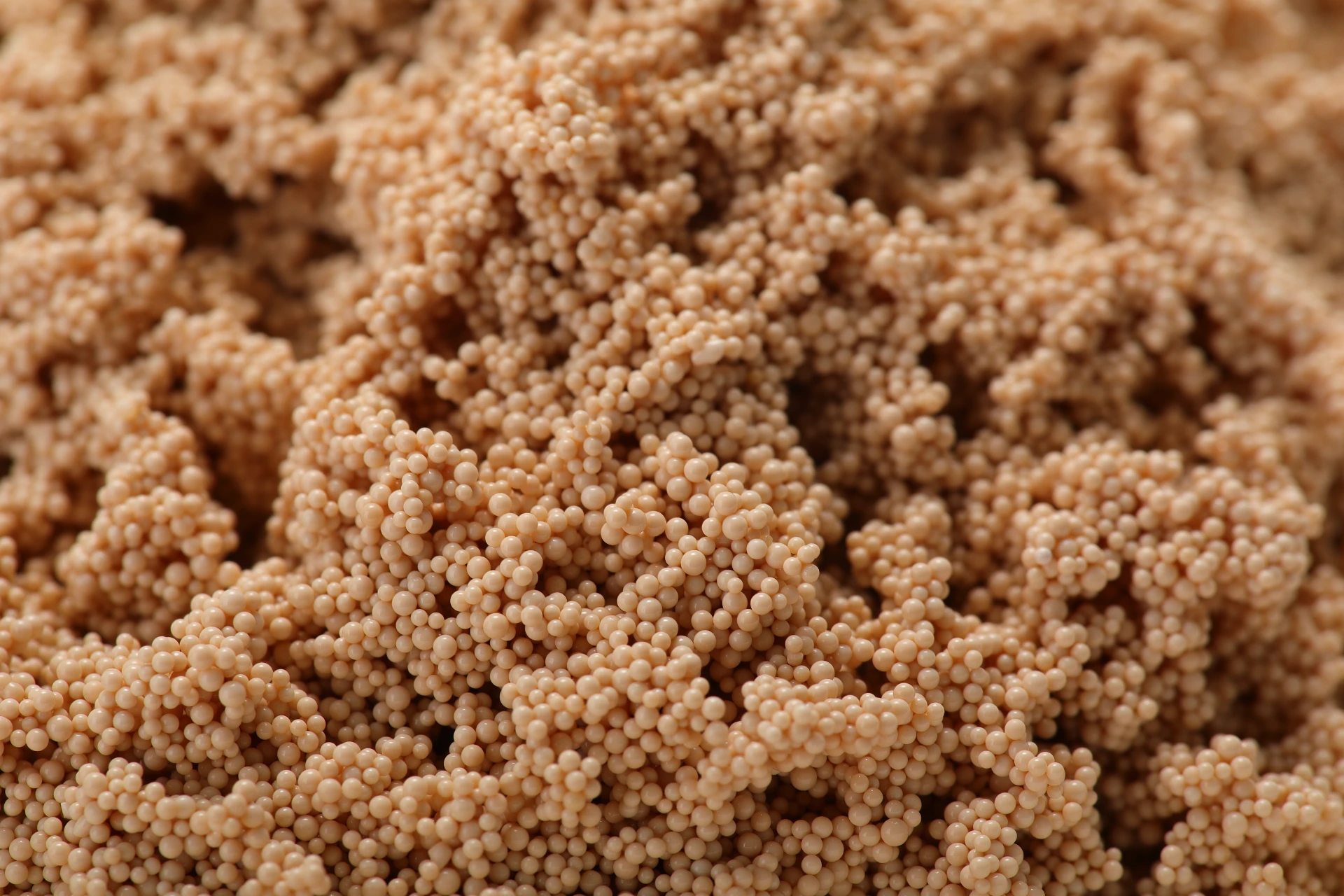
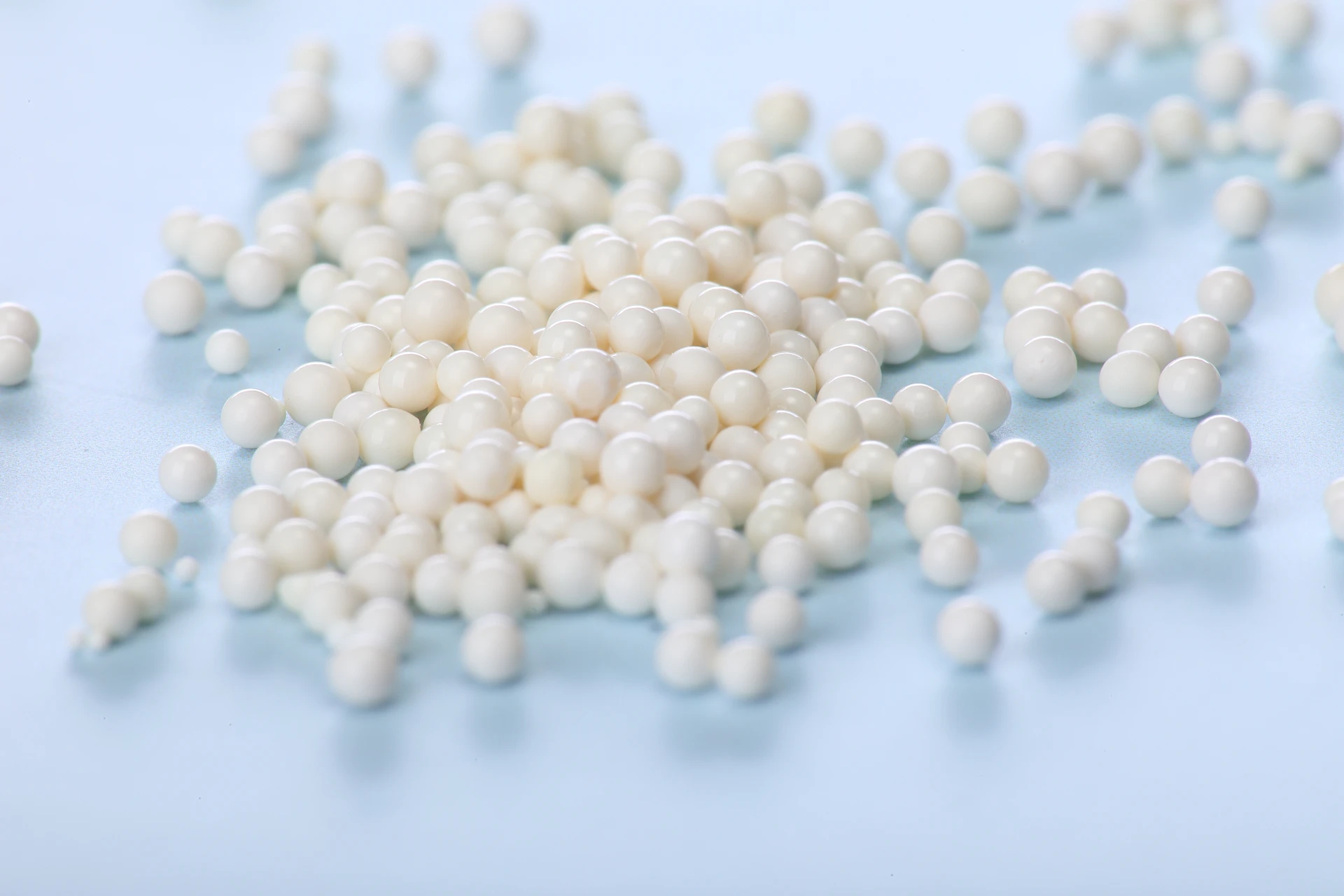
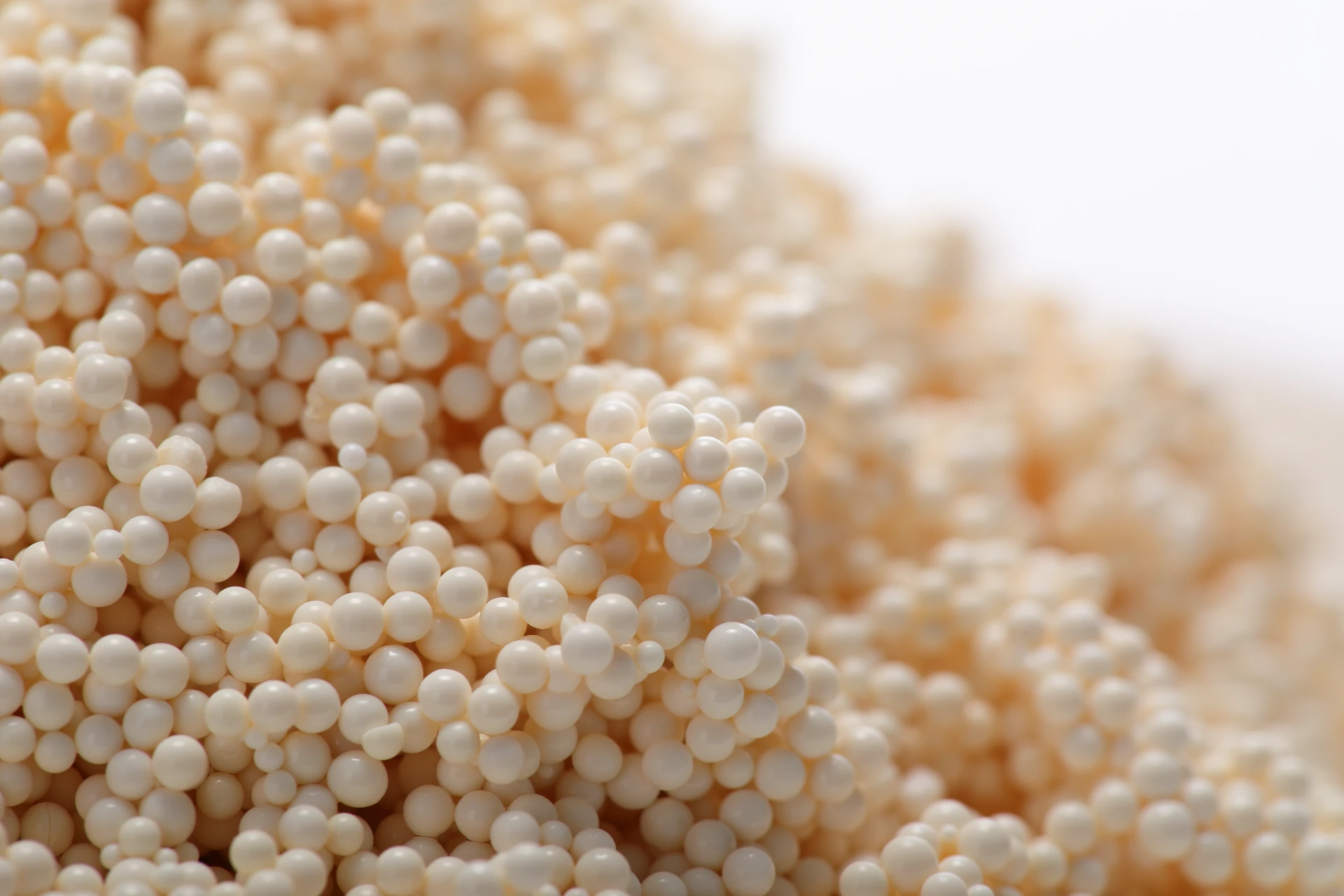
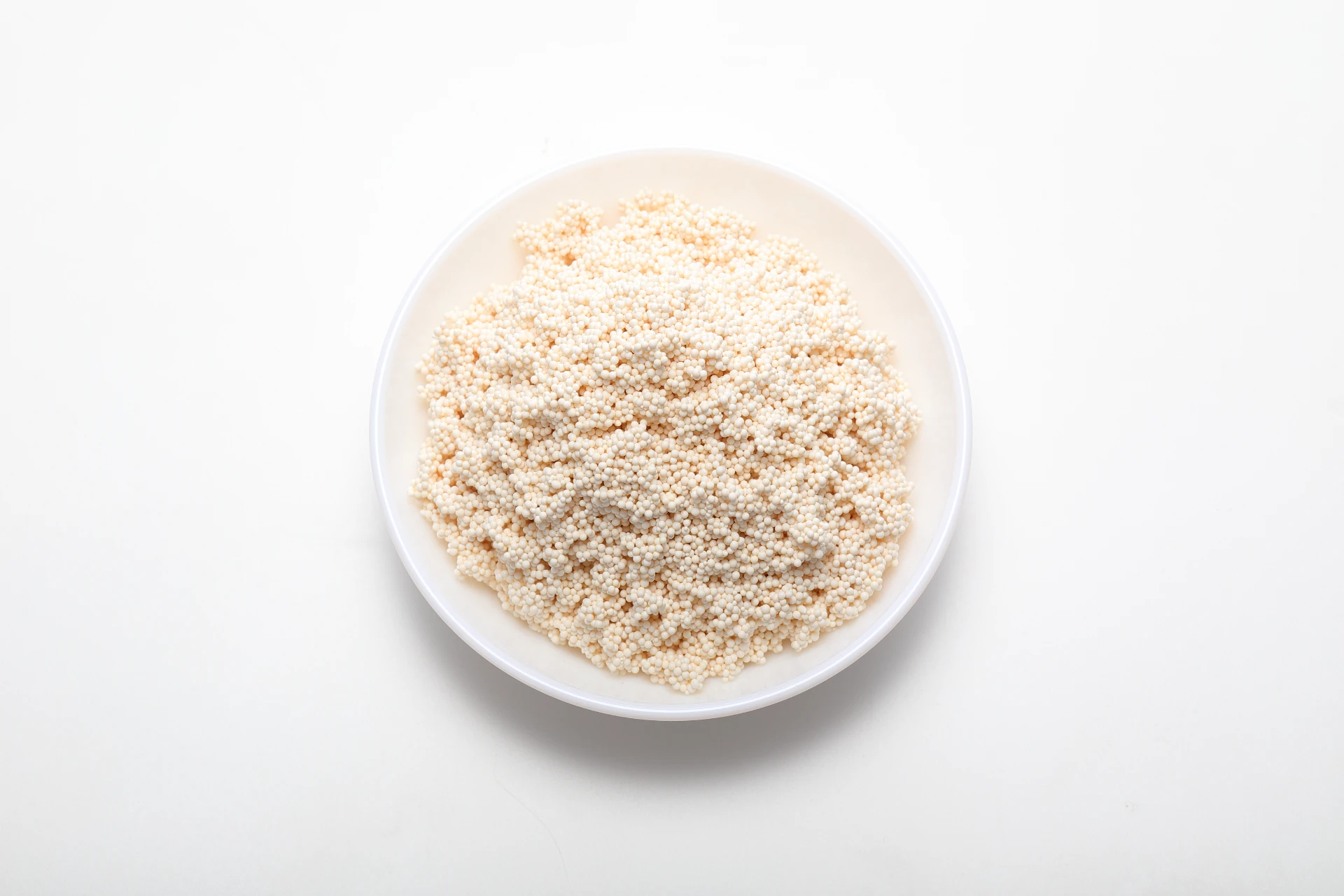
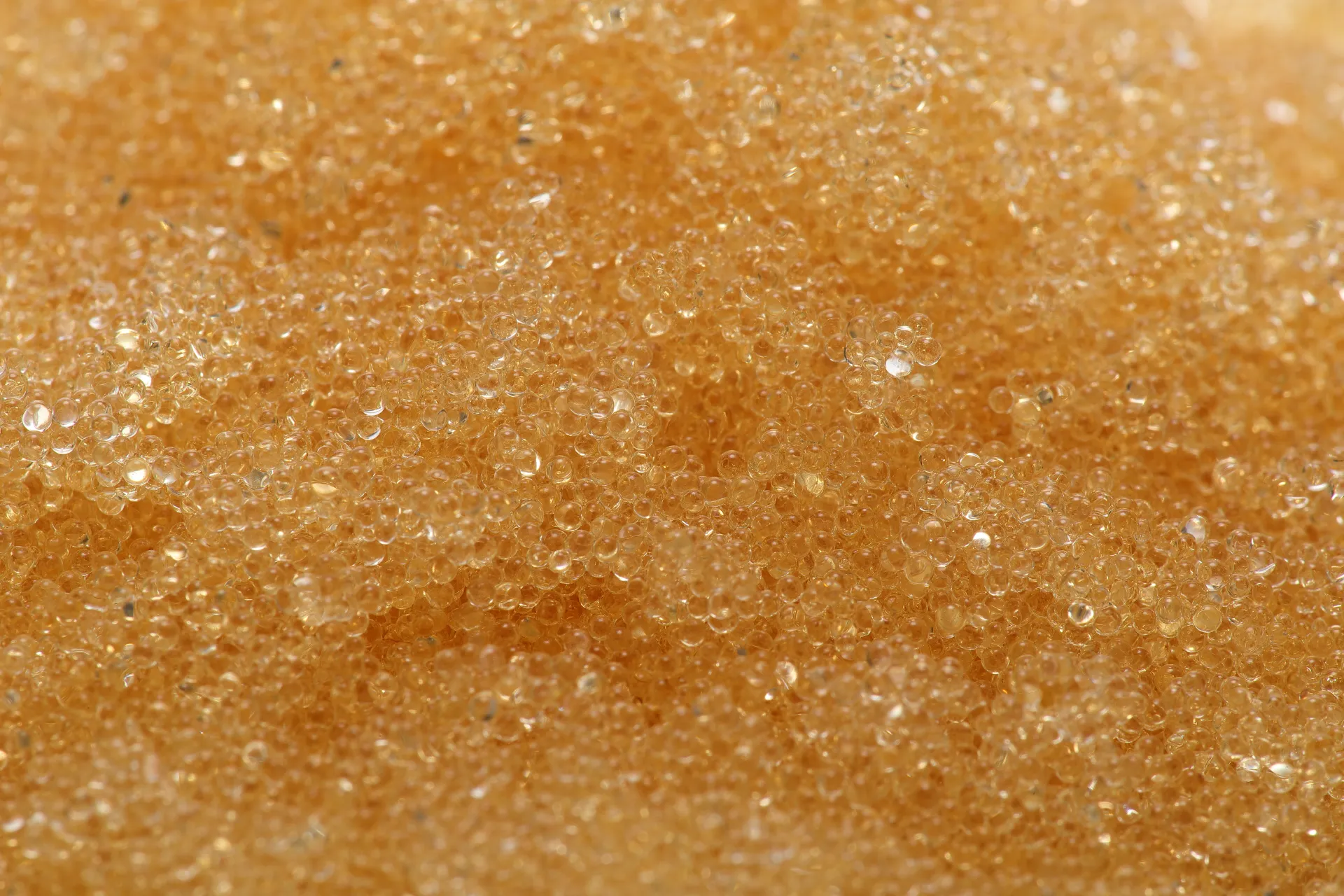
001×7 H FC is a gel-type polystyrene–divinylbenzene resin sulfonated to the H⁺ form—think “solid sulfuric acid,” but safe to handle in bead form. In service it swaps H⁺ for Ca²⁺/Mg²⁺ and, after regeneration, it’s ready to do it again. Many customers say it’s surprisingly forgiving with variable raw water—within reason.
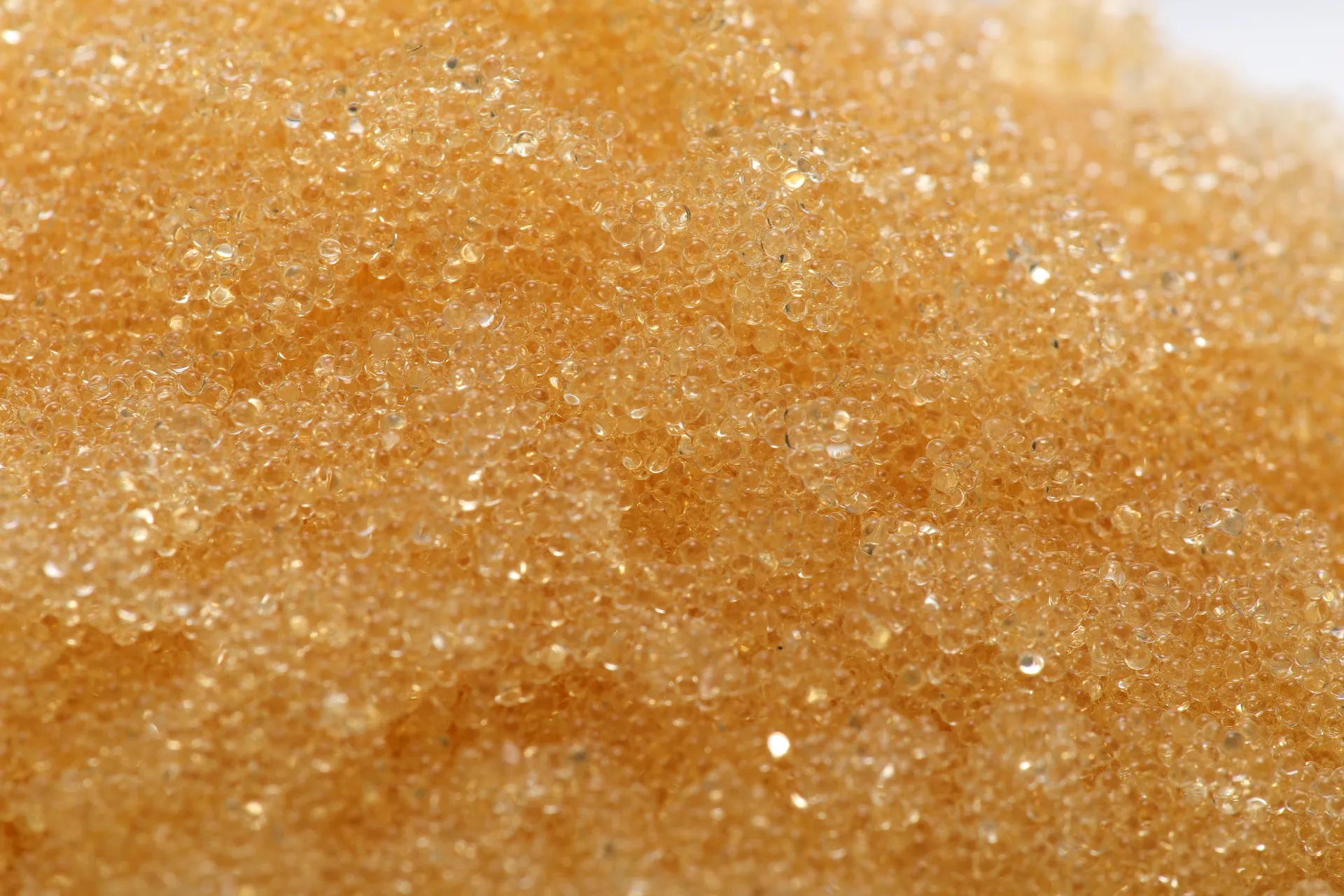
| Parameter | Typical Value (≈) |
|---|---|
| Matrix / Type | Polystyrene-DVB, gel, strong acid (sulfonated) |
| Ionic Form | H⁺ (as shipped) |
| Total Capacity | ≈1.9–2.1 eq/L (H⁺) |
| Moisture Content | ≈45–50% |
| Bead Size | 0.3–1.2 mm (custom gradations available) |
| Service Life | Around 3–5 years, real-world use may vary |
| Operating pH | 0–14 (best capacity stability in 1–12) |
We’re seeing higher crosslink resins for oxidative stability, tighter bead distributions for lower pressure drop, and, interestingly, plants switching from Na⁺ to H⁺ operation upstream of EDI to shave silica. Regeneration optimization (counter-current, brine reclaim) is the money-saver right now.
| Vendor/Resin | Capacity (eq/L) | Form | Notes |
|---|---|---|---|
| 001×7 H FC (Hebei, China) | ≈1.9–2.1 | H⁺ | Food/bio extraction friendly; solid-value pricing |
| Amberlite IR120 H | ≈1.8–2.0 | H⁺ | Global availability; tight QC |
| Purolite C100E | ≈2.0 | Na⁺ (often) | Softening staple; easy retrofits |
Values are indicative; consult current datasheets.
Bead size grading, crosslink adjustments, and shipping form (H⁺ vs. Na⁺) can be tailored. For stacked beds (SAC → SBA), I like slightly larger SAC beads to keep pressure drop steady. Skid makers often request pre-rinsed low-TOC batches for pharma-adjacent duty.
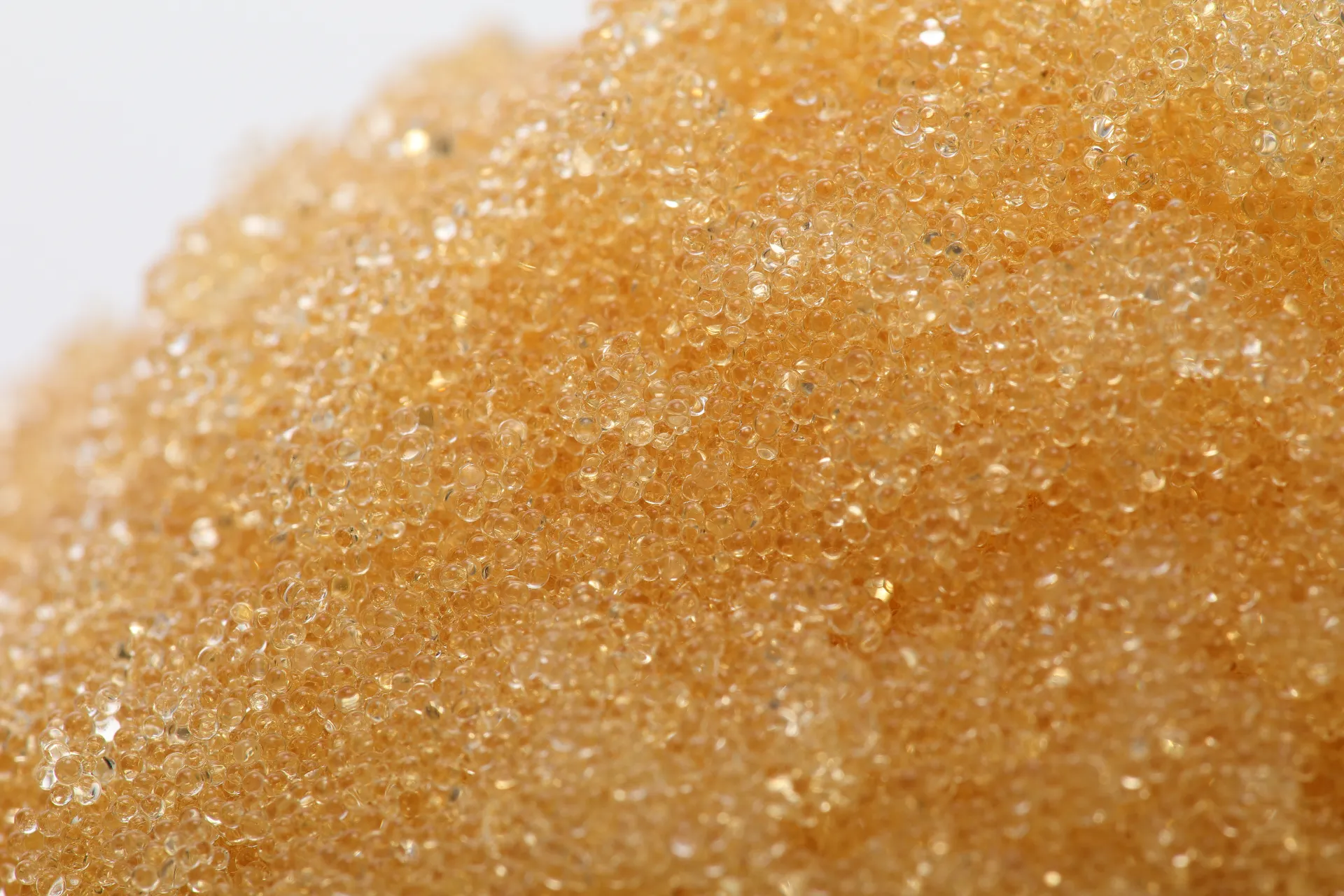
Food amino acids plant, Asia: swapping in Calcium Exchange Resin with tighter bead spec cut differential pressure ≈18% and trimmed acid use 12% after switching to counter-current regen.
Boiler house, EMEA: hardness leakage held
Origin: NO.2 East Jianshe Road, High-Tech Industrial Development South Zone, Wei County, Xingtai, Hebei Province, China. Shipping in lined bags or FIBCs; store cool, wet, sealed. Expect 4,000–10,000 cycles depending on fouling control and regen discipline. And yes, always commission with clean-in-place protocols—your future self will thank you.