Phone:
+86 0319 2296164


Email:
info@lijiresin.cn
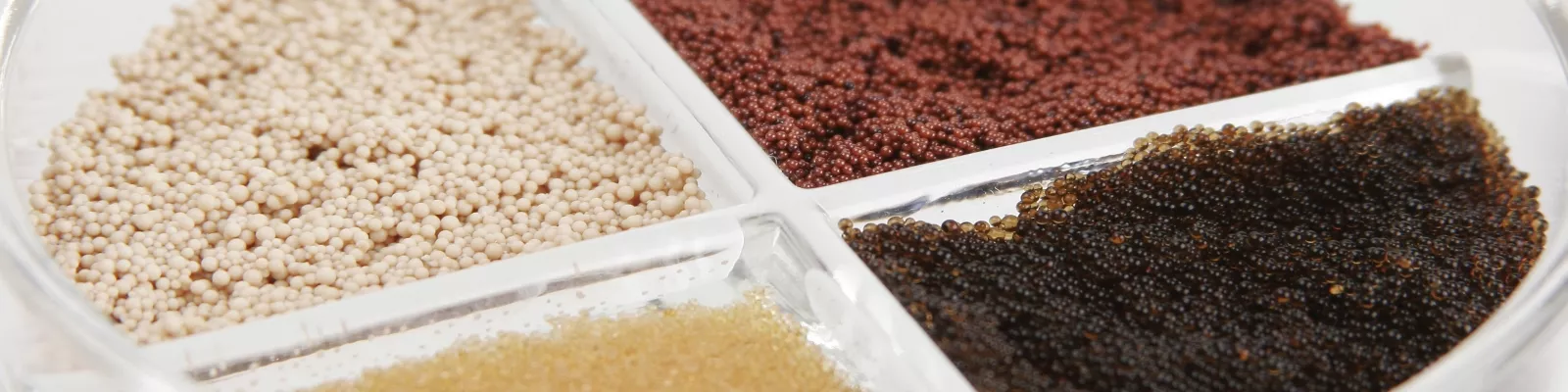
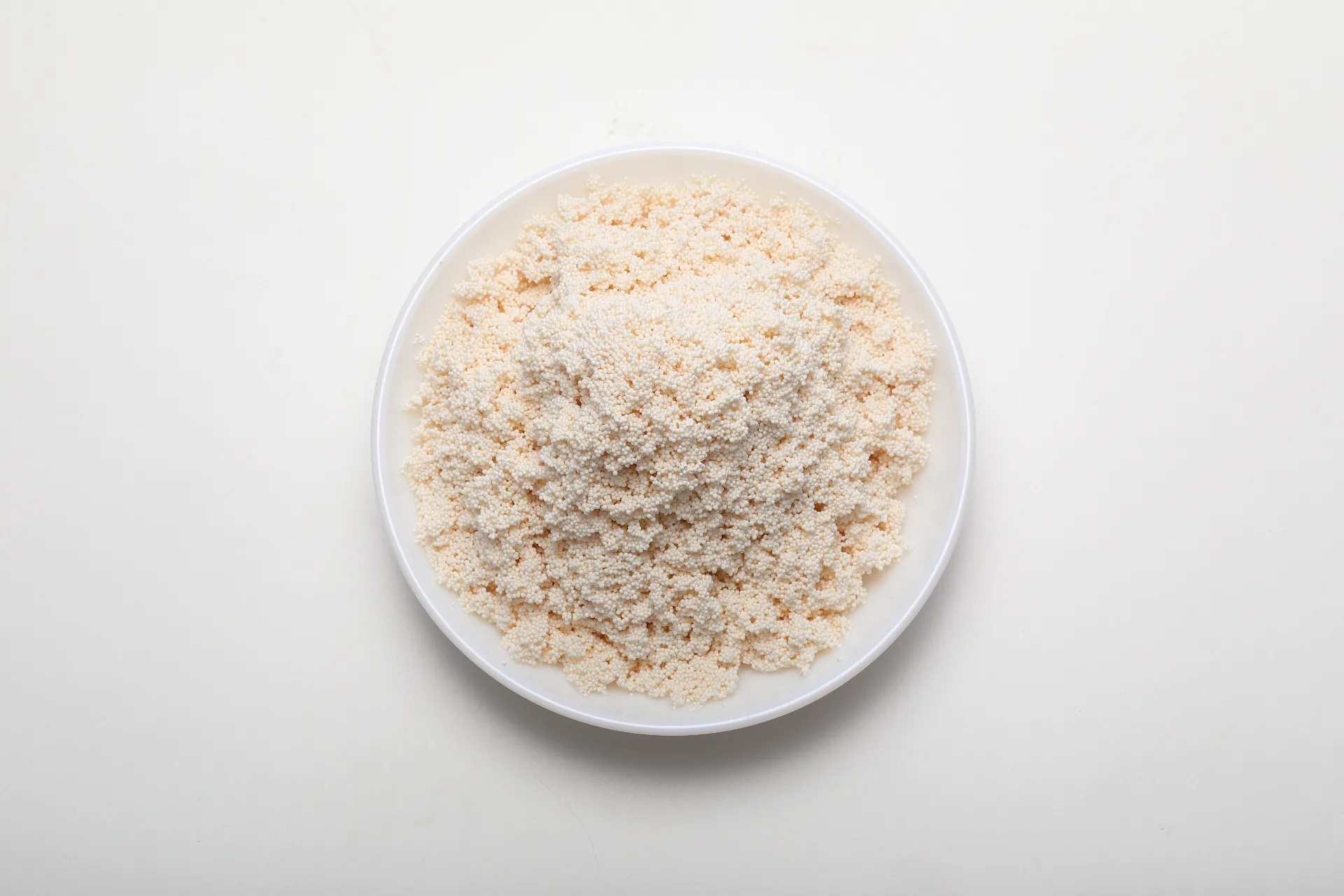
In the complex landscape of industrial water treatment and chemical processing, the efficient removal of specific ionic species is paramount. Among the various technologies employed, ion exchange resins stand out for their versatility and efficacy. This article focuses on the critical role and technical intricacies of weak base anion (WBA) exchange resins, detailing their manufacturing, applications, advantages, and market positioning for B2B decision-makers and engineers.
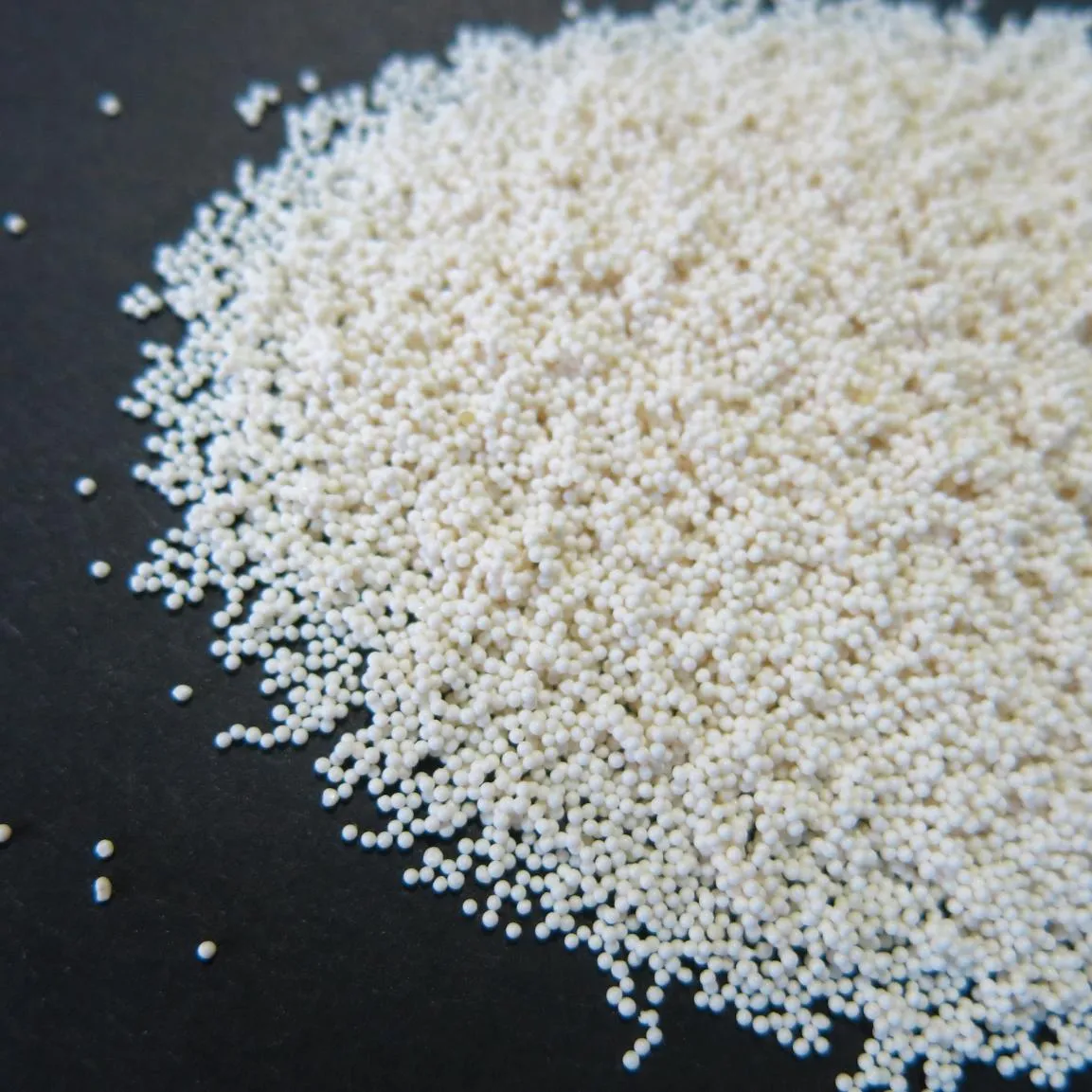
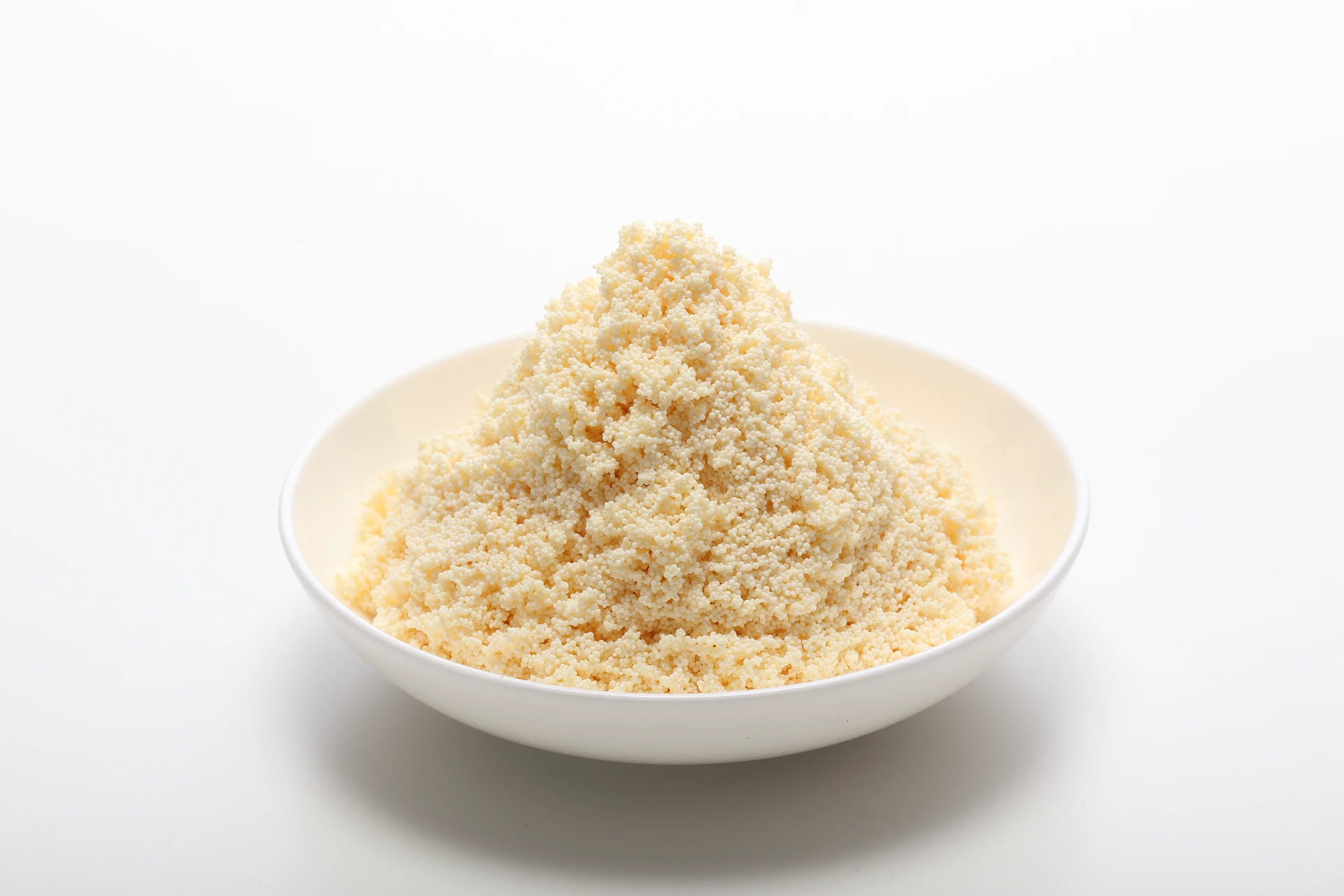
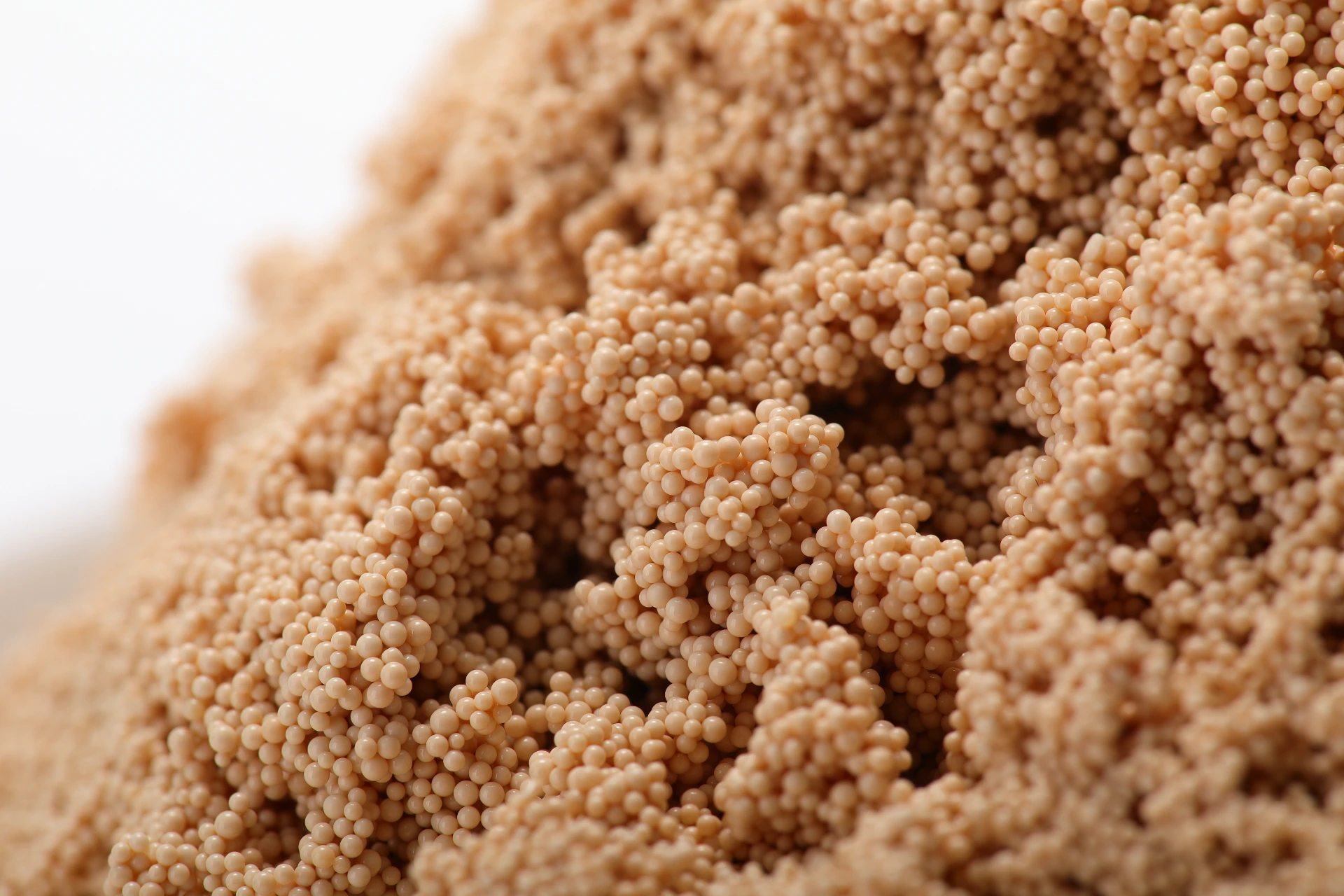
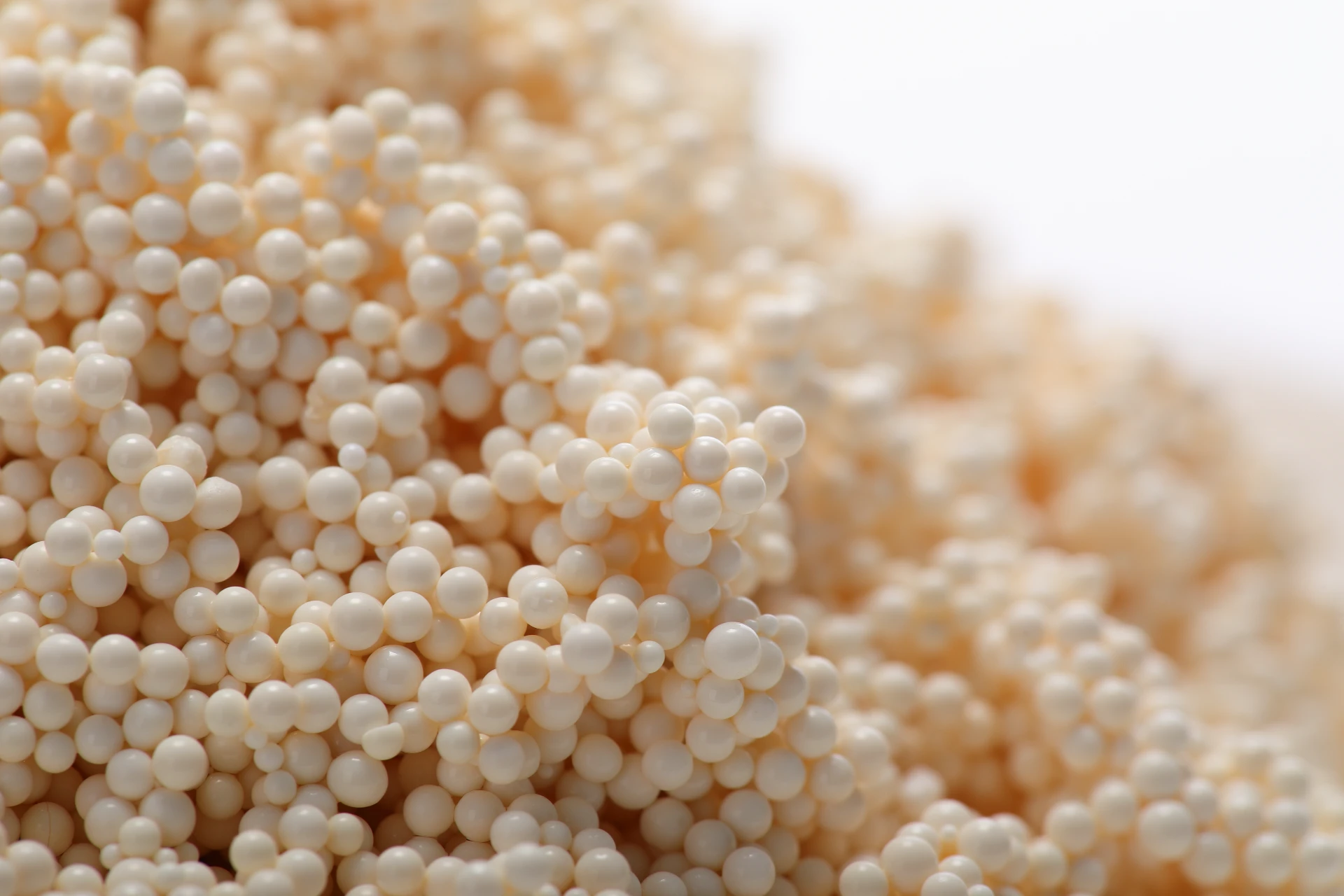
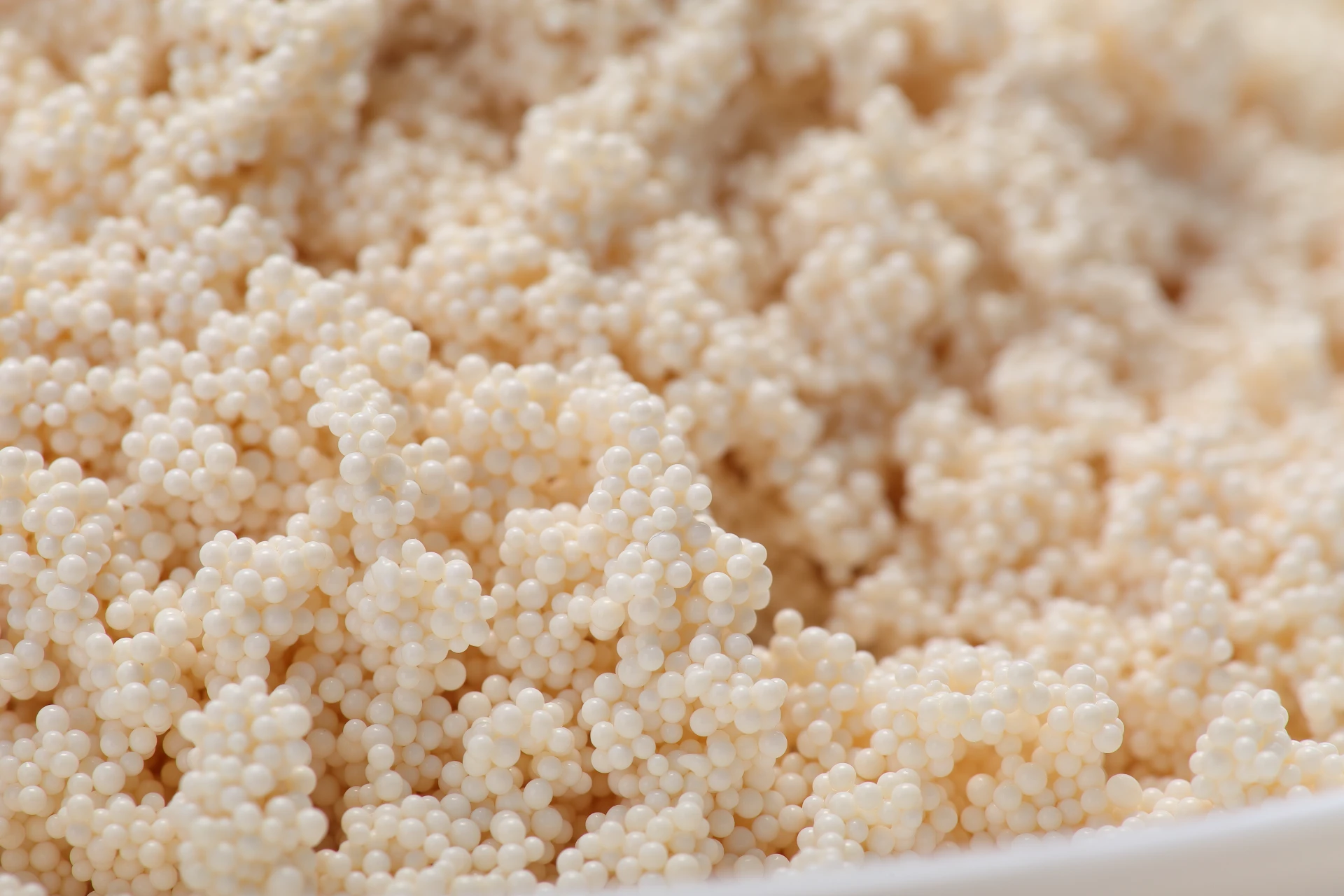
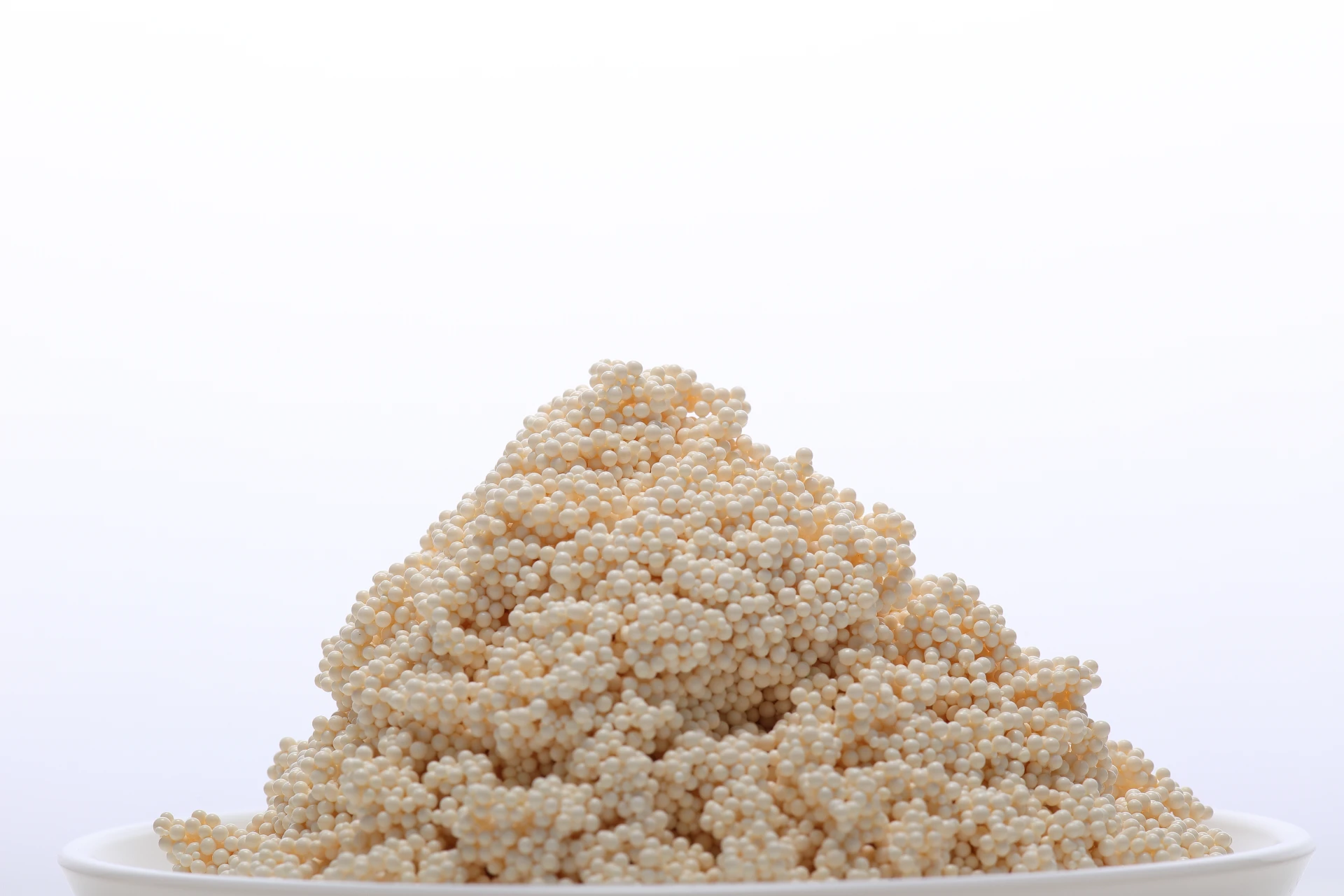
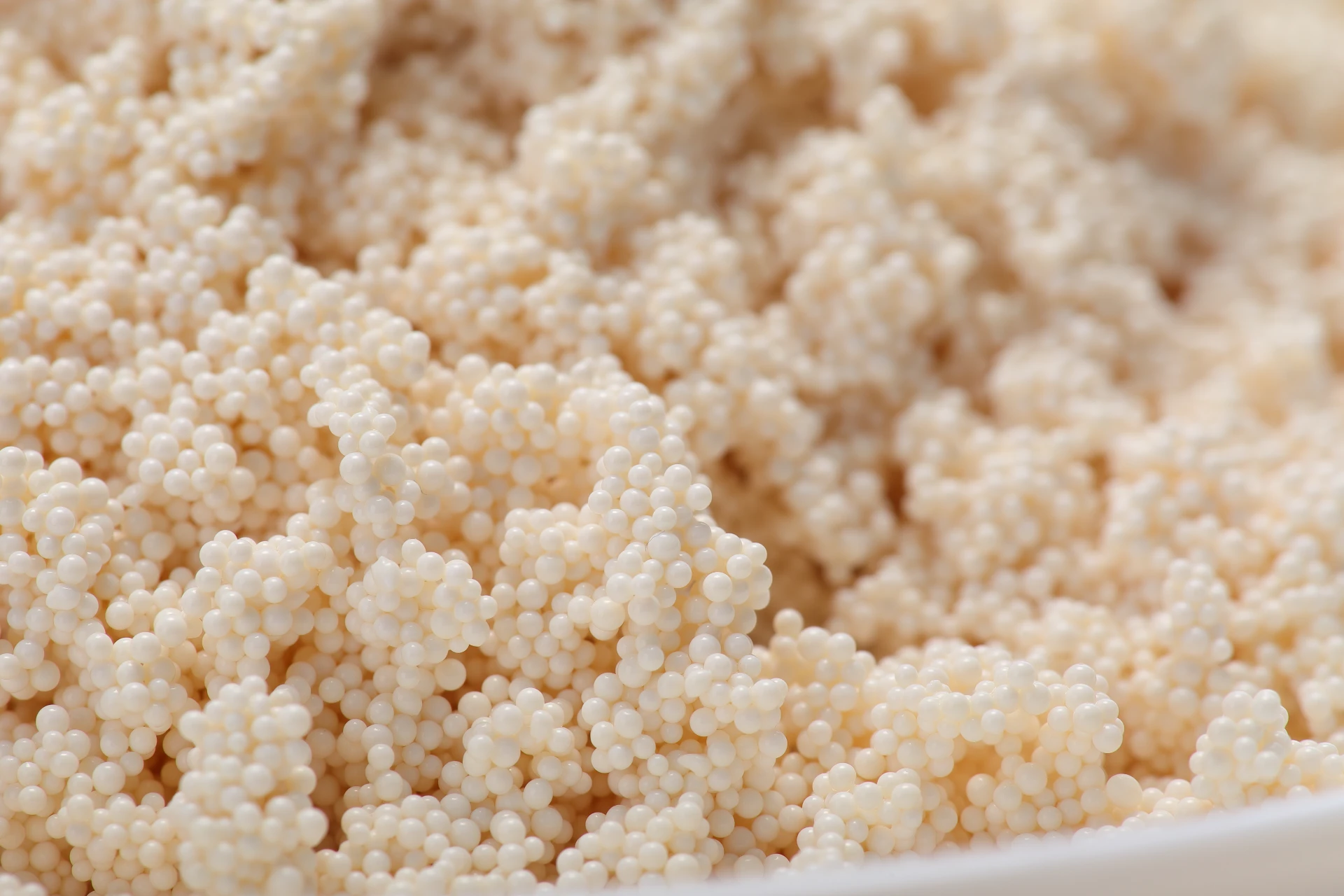
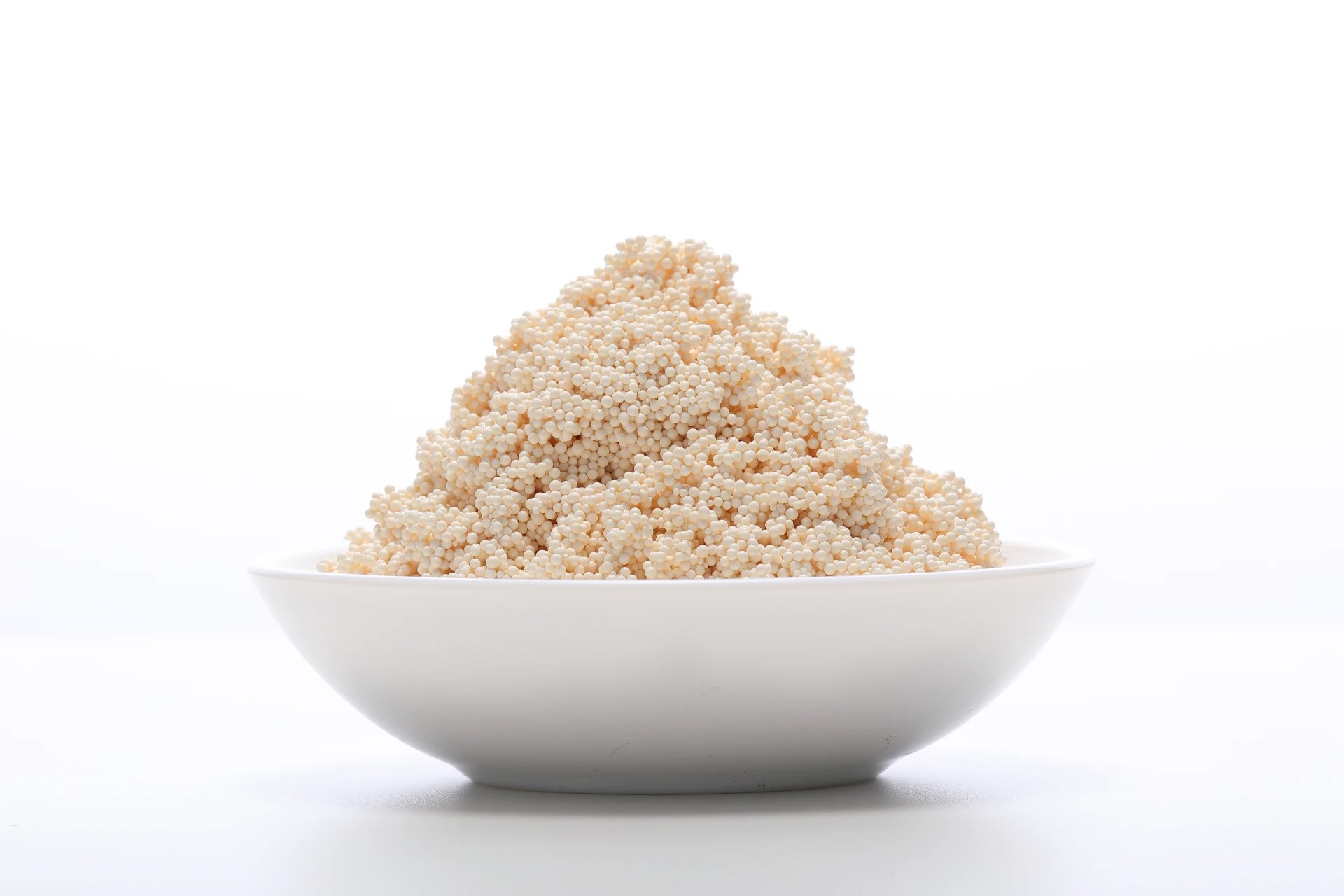
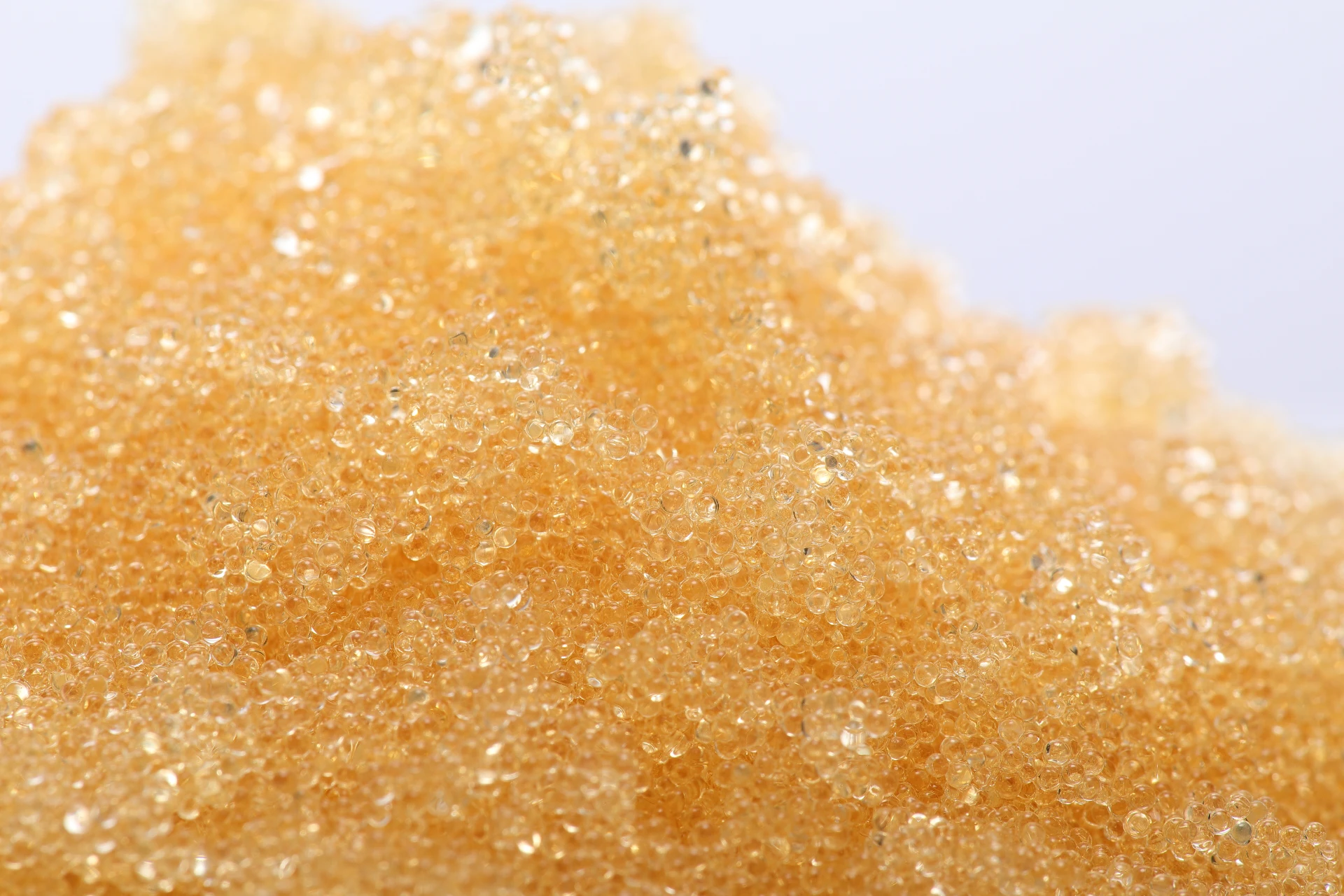
Weak base anion resin are polymeric materials designed to selectively adsorb anions from aqueous solutions. Unlike strong base anion resins, WBA resins are less ionized over a broad pH range and primarily remove mineral acids, organic acids, and other weakly dissociated anions, making them indispensable in specific industrial processes where precise pH control and selective impurity removal are required.
The global market for ion exchange resins is experiencing steady growth, driven by increasing demand for high-purity water across various sectors, stringent environmental regulations, and the need for efficient resource recovery. The weak base anion exchange resin segment is particularly benefiting from advancements in wastewater treatment, ultrapure water production for electronics, and the pharmaceutical industry's stringent quality standards. Innovations in resin chemistry, focusing on enhanced selectivity, higher operating capacities, and improved mechanical strength, are shaping future trends. Furthermore, the push towards sustainable manufacturing practices and reduced chemical consumption in regeneration processes is propelling the development of more efficient and environmentally friendly WBA resin formulations.
The production of weak base anion resin involves a multi-stage chemical synthesis designed to yield a highly functionalized polymeric bead. This sophisticated process ensures the resin possesses the desired ion exchange properties, mechanical stability, and longevity required for demanding industrial applications.
Target Industries: The precision in manufacturing allows weak base anion exchange resin to serve critical roles in various industries, including:
Advantages in Typical Scenarios: In demineralization trains, WBA resins often serve as the second stage after strong acid cation (SAC) resins, removing residual acids (e.g., HCl, H2SO4) and CO2. This configuration results in significant energy savings due to lower regeneration chemical consumption compared to using only strong base anion (SBA) resins for the full process. Their ability to adsorb organic matter also enhances corrosion resistance in downstream equipment by preventing fouling and microbial growth.
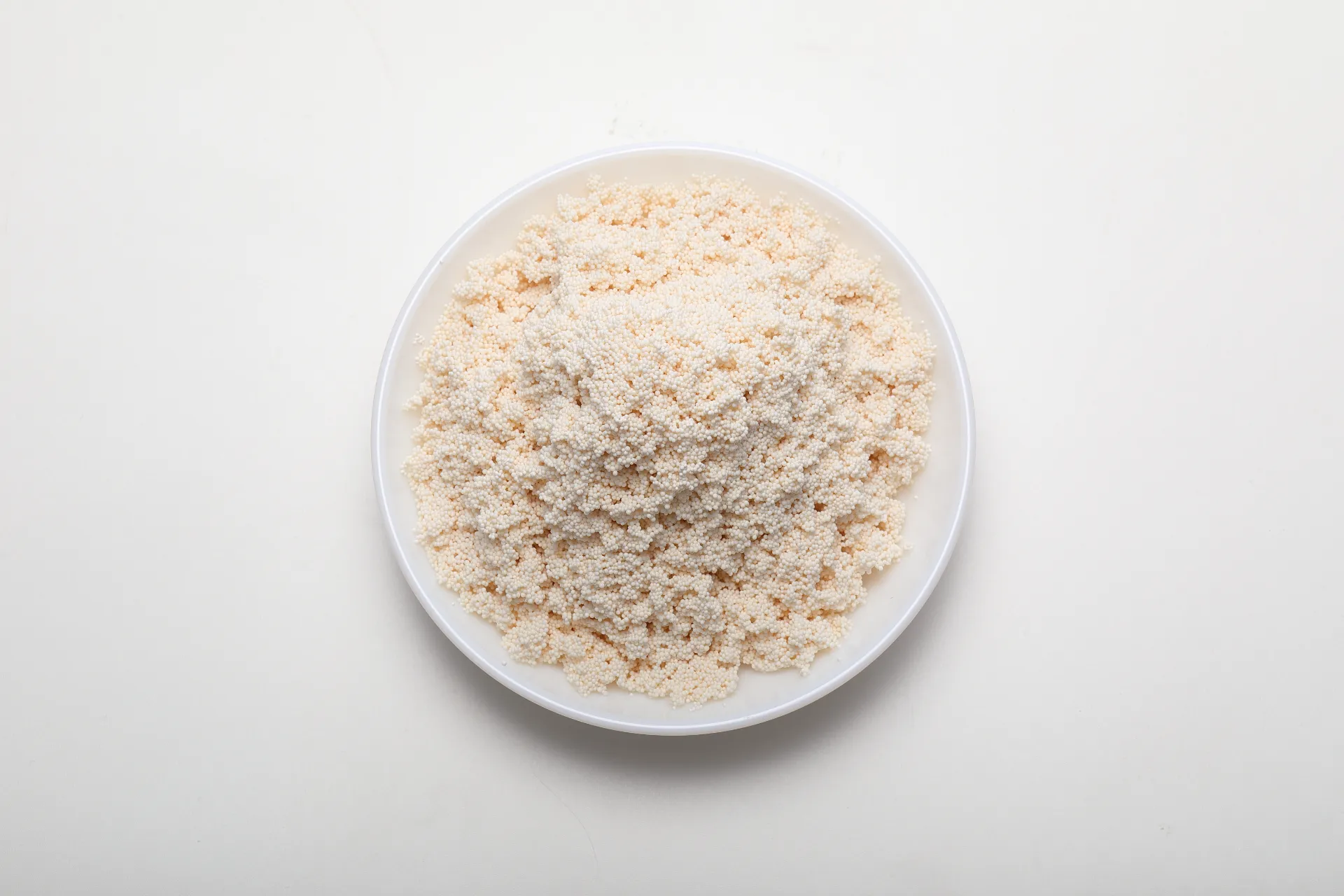
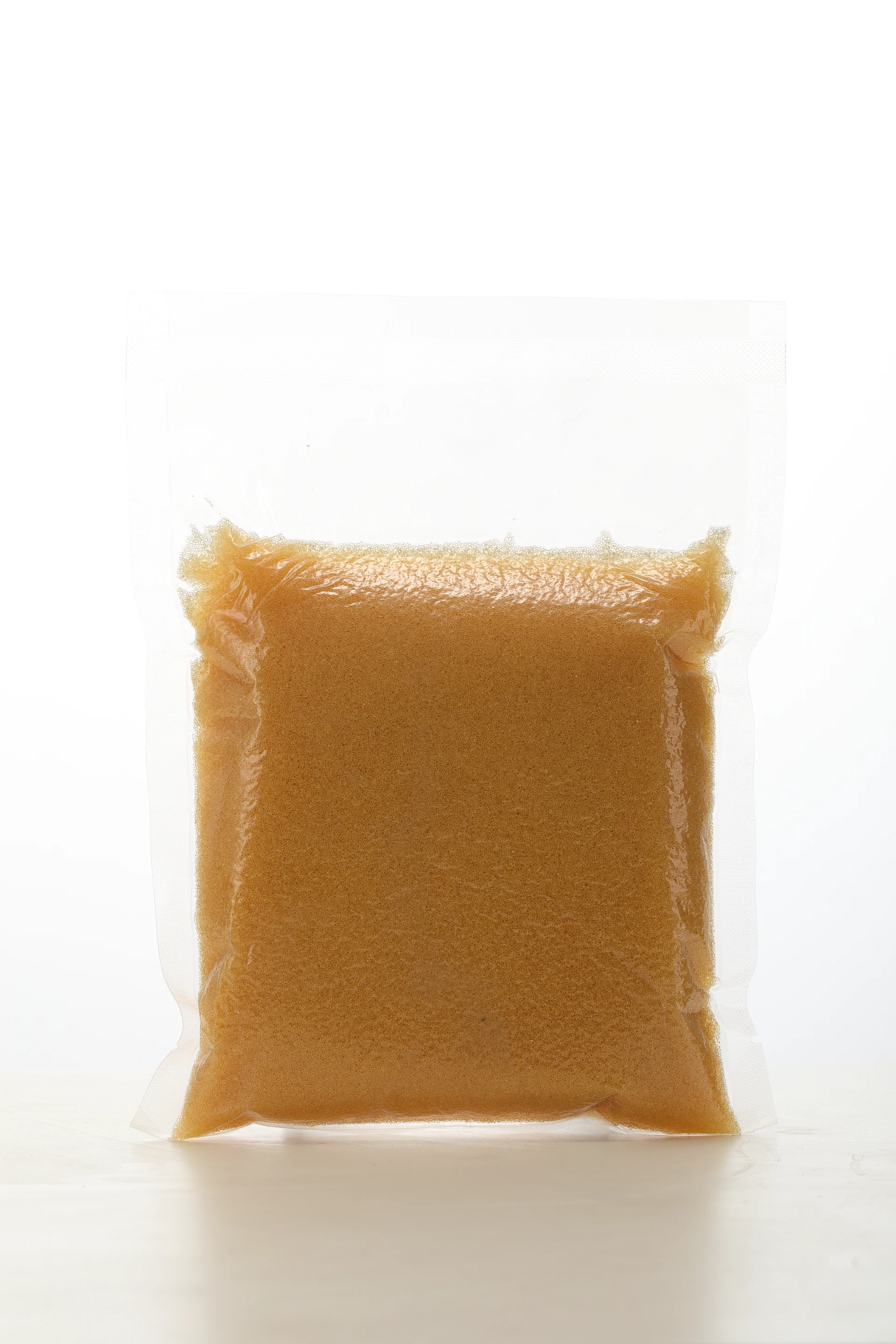
The performance of an ion exchange resin is dictated by its precise technical specifications. Weak Base Anion Exchange Resin D301, a macro-porous acrylic type, is engineered for superior adsorption and desorption of organic substances and effective removal of mineral acids, making it a robust solution for a wide array of industrial applications. Its macro-porous structure ensures excellent resistance to osmotic shock and oxidative degradation.
| Parameter | Specification for D301 | Unit / Description |
|---|---|---|
| Polymer Structure | Macroporous Acrylic | — |
| Functional Group | Tertiary Amine | Weak Base |
| Ionic Form as Shipped | Free Base | — |
| Total Exchange Capacity | ≥ 3.8 | eq/L (Free Base form) |
| Moisture Retention | 65 - 75 | % |
| Particle Size Range | 0.315 - 1.250 | mm (≥ 95%) |
| Effective Size | 0.40 - 0.70 | mm |
| Uniformity Coefficient | ≤ 1.6 | — |
| Apparent Density | 620 - 700 | g/L |
| Specific Gravity | 1.02 - 1.05 | — |
| pH Range, Operating | 0 - 9 | — |
| Max. Operating Temperature | 100 | °C |
Understanding Key Parameters:
The unique characteristics of weak base anion resin, particularly macro-porous acrylic types like D301, make them ideal for specific and often challenging industrial applications where other resin types might fall short.
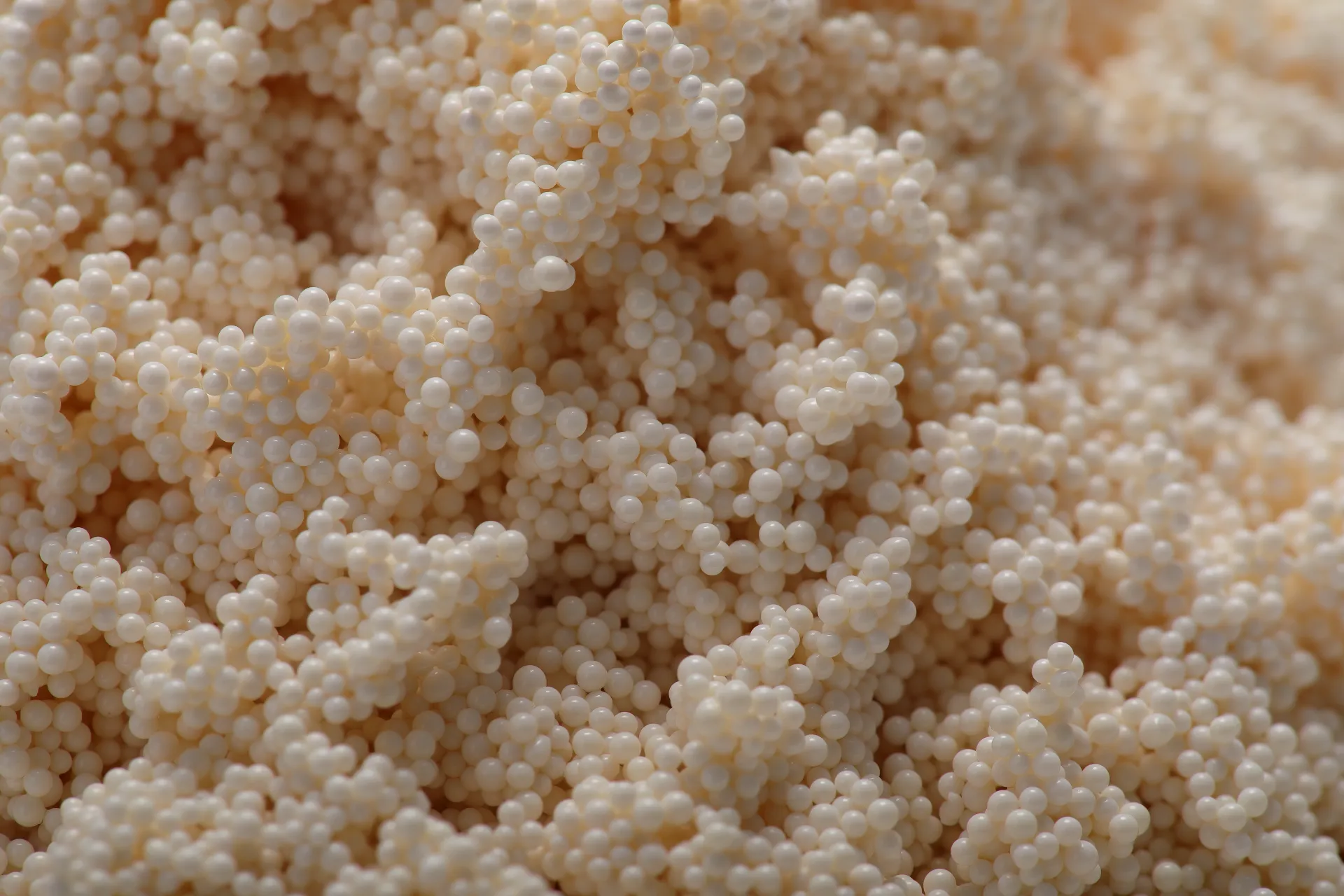
Customer Feedback & Performance Insights: Industrial clients consistently report that integrating weak base anion exchange resin into their demineralization systems leads to significant reductions in operational expenditure (OpEx), primarily due to decreased chemical consumption and less frequent resin replacement. For example, a major chemical plant utilizing D301 for de-acidification noted a 30% reduction in caustic usage for regeneration compared to their previous all-SBA system, resulting in annual savings exceeding $50,000.
Selecting the right supplier for weak base anion resin is a critical decision that impacts system performance, operational costs, and long-term reliability. B2B decision-makers must evaluate vendors not just on product specifications but also on their expertise, service, and ability to provide tailored solutions.
| Feature/Vendor | Liji Resin (D301) | Competitor A (WBA Acrylic) | Competitor B (WBA Styrenic) |
|---|---|---|---|
| Polymer Matrix | Macroporous Acrylic | Macroporous Acrylic | Macroporous Styrenic |
| Total Capacity (eq/L) | ≥ 3.8 | 3.5 - 4.0 | 4.2 - 4.8 |
| Organic Fouling Resistance | Excellent | Good | Moderate |
| Regeneration Efficiency | High (low caustic usage) | High | Moderate |
| pH Range (Operating) | 0 - 9 | 0 - 9 | 0 - 10 |
| Key Advantage | High organic removal, low OpEx | Versatility in demin. | Higher total capacity for strong acids |
This comparison highlights that while different WBA resins offer varied strengths, Liji Resin's D301 stands out for its specific benefits in organic fouling resistance and efficient operation, critical for maintaining long-term system health and reducing costs.
Recognizing that every industrial process has unique requirements, leading weak base anion exchange resin providers offer tailored solutions. This may involve:
Authoritative references, such as partnerships with major industrial conglomerates and adherence to certifications like NSF/ANSI 61 for drinking water components, bolster a vendor's credibility and trustworthiness.
The practical application of weak base anion exchange resin across diverse industrial settings provides tangible evidence of their efficacy and economic benefits.
A large thermal power plant faced challenges with high operating costs due to excessive caustic consumption in its demineralization plant, which relied solely on strong base anion resins after cation exchange. By integrating Weak Base Anion Exchange Resin D301 as a primary anion removal stage, they achieved significant improvements. The WBA resin efficiently removed 70% of the incoming mineral acidity, substantially reducing the load on the subsequent SBA resin. This resulted in a 35% decrease in caustic regenerant consumption and a 25% reduction in regeneration wastewater volume. The plant reported improved steam quality, reduced boiler scaling, and an estimated annual savings of over $100,000 in chemical and waste disposal costs.
A textile manufacturing facility struggled with persistent organic colorants and humic substances in its wastewater, causing downstream strong base anion resins to foul rapidly. Implementing a pre-treatment stage with D301 weak base anion resin proved highly effective. The macroporous acrylic structure of D301 demonstrated superior adsorption capabilities for these large organic molecules. This intervention extended the service life of the subsequent SBA resins by 50%, reduced regeneration frequency, and ensured consistently clear effluent compliant with discharge regulations. The facility also noted a significant reduction in overall operational maintenance associated with resin fouling.
In a specialty chemical plant, a process stream containing hydrochloric acid and various organic acids needed to be purified before product recovery. The corrosive nature of the stream and the presence of mixed acids made selection challenging. D301 weak base anion resin was chosen due to its high acid uptake capacity and excellent chemical stability. It effectively removed both strong and weak acids, allowing for the subsequent recovery of valuable product without contamination. The easy and efficient regeneration with mild caustic solutions minimized chemical costs and reduced environmental impact, showcasing the resin's versatility beyond just water treatment.
Establishing trust with B2B clients requires more than just high-quality products; it demands transparent operations, reliable support, and clear commitments. Our dedication to these principles ensures long-term partnerships built on mutual success.
We maintain robust supply chain logistics to ensure timely delivery. Standard lead times for our weak base anion resin products typically range from 2-4 weeks for standard orders, with expedited options available for urgent requirements. All products are backed by a comprehensive warranty covering material and manufacturing defects, ensuring peace of mind for our customers. Detailed warranty terms are available upon request.
Our technical support team comprises experienced engineers and chemists available to assist with product selection, system design, operational optimization, and troubleshooting. We offer remote and on-site support, ensuring your ion exchange systems operate at peak efficiency. Contact us via phone, email, or through our website for expert assistance.
Weak base anion exchange resin stands as a cornerstone technology for various industrial purification and separation processes. Its distinct advantages in regeneration efficiency, organic fouling resistance, and cost-effectiveness make it an indispensable component in complex water treatment trains and chemical processing applications. By understanding the intricate manufacturing processes, specific technical parameters, and broad application benefits, B2B stakeholders can make informed decisions to optimize their operations, reduce environmental impact, and achieve superior water quality and product purity.