Phone:
+86 0319 2296164


Email:
info@lijiresin.cn
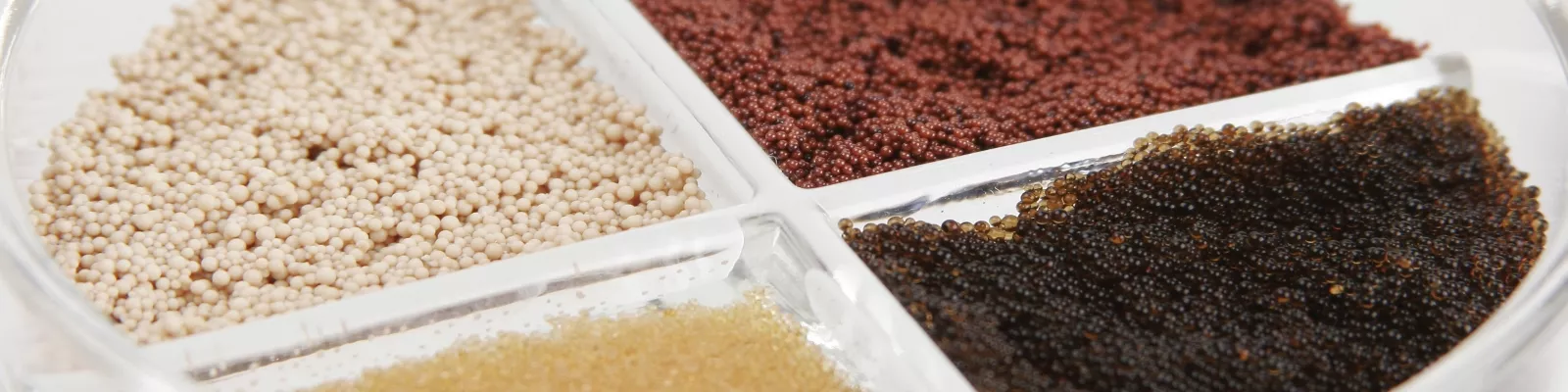
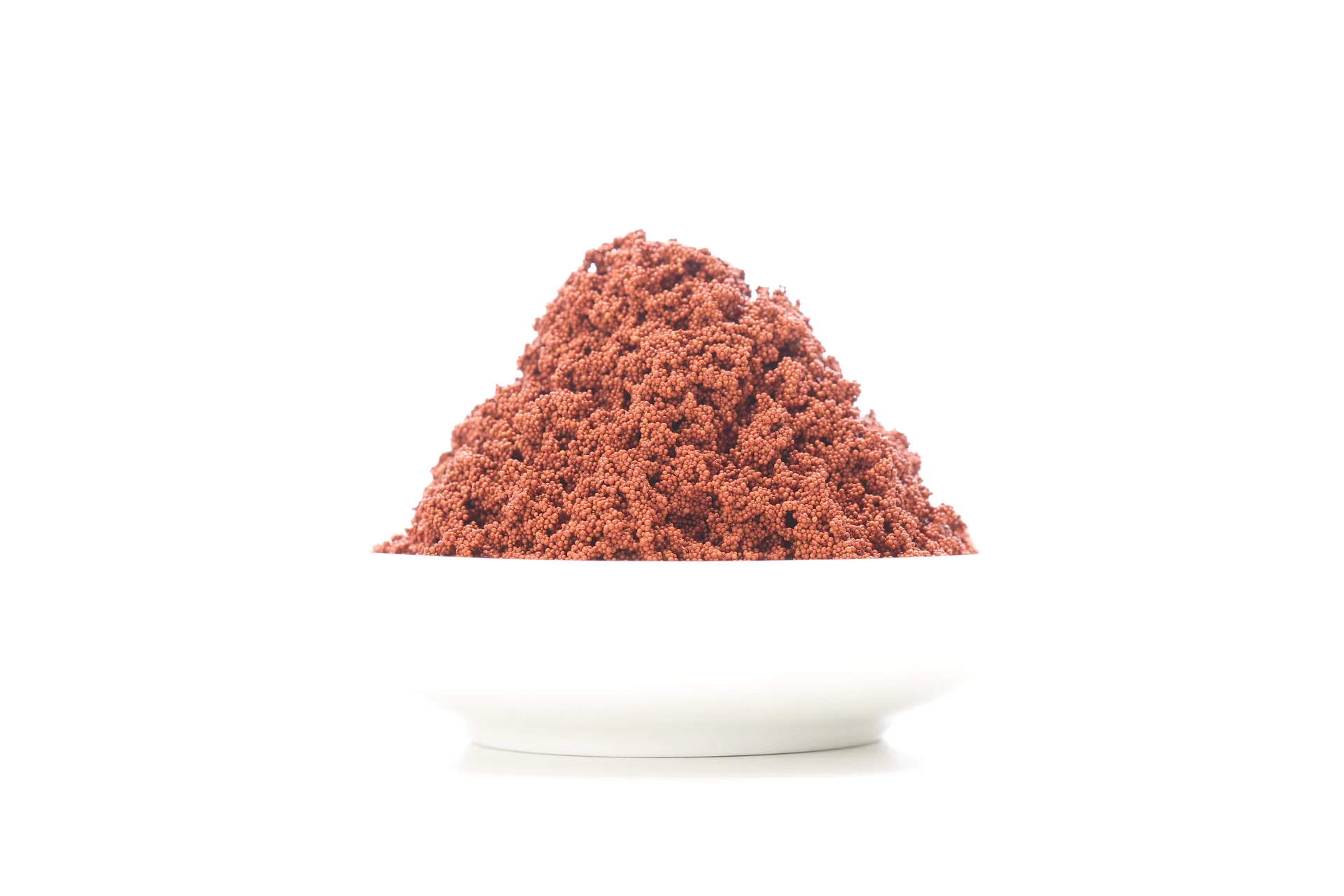
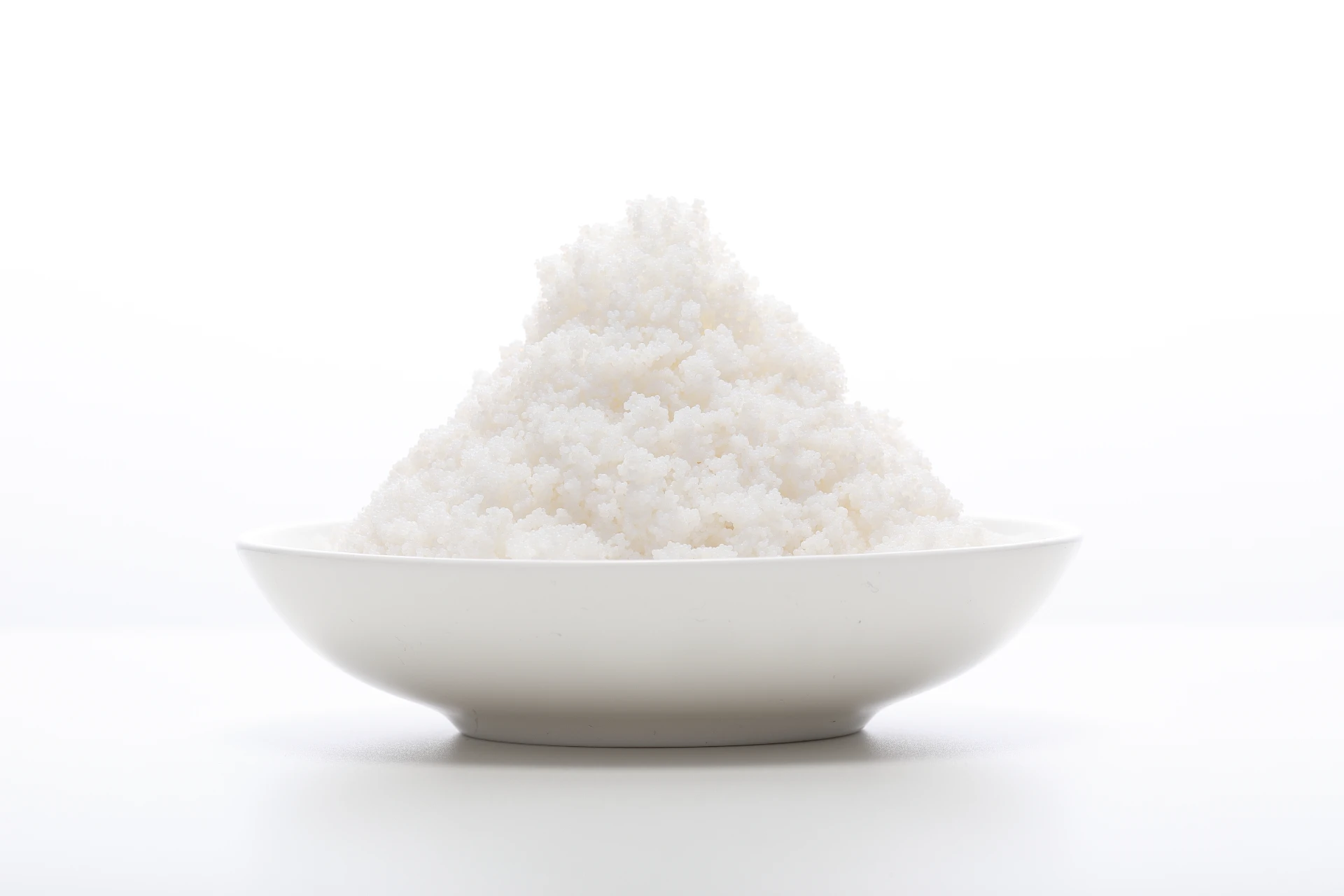
Macroporous Adsorption Resin is a key solution in the chemical industry industry, specifically within polymer materials and Adsorption resin. This article explores how Hebei Lijiang Biotechnology Co.,Ltd. supports professionals with durable, high-performance products, and explains why this product is an ideal choice for businesses in these sectors.
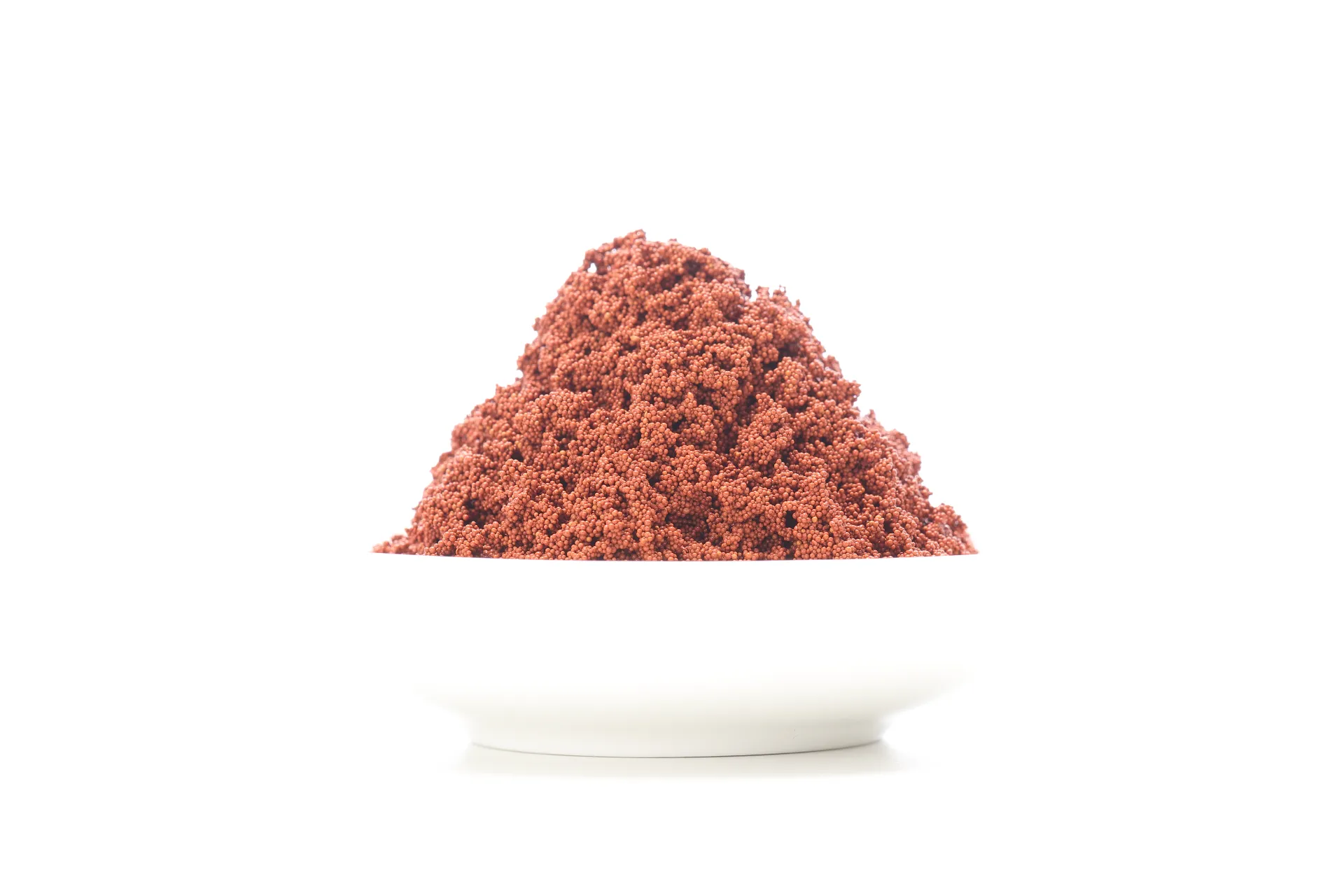
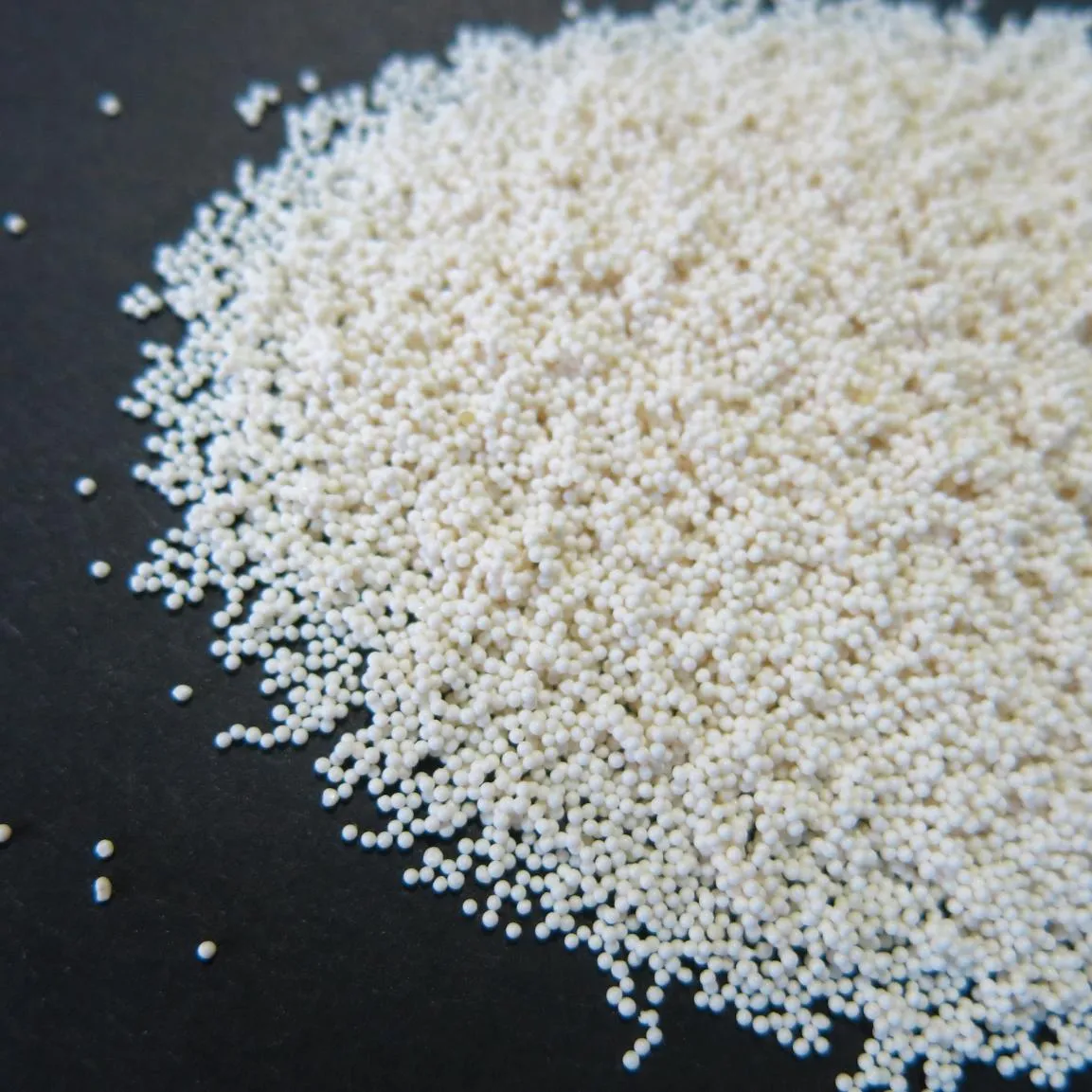
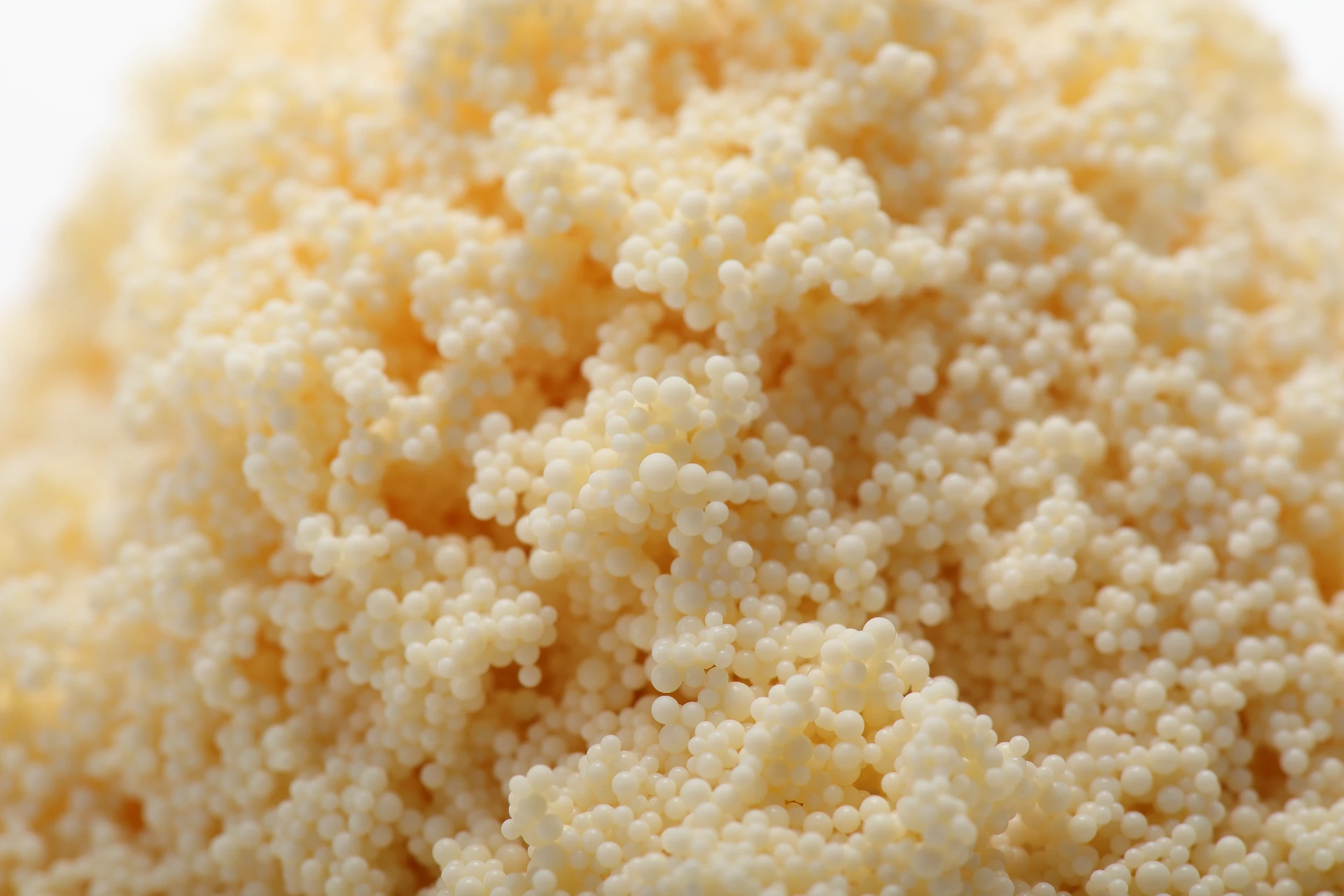
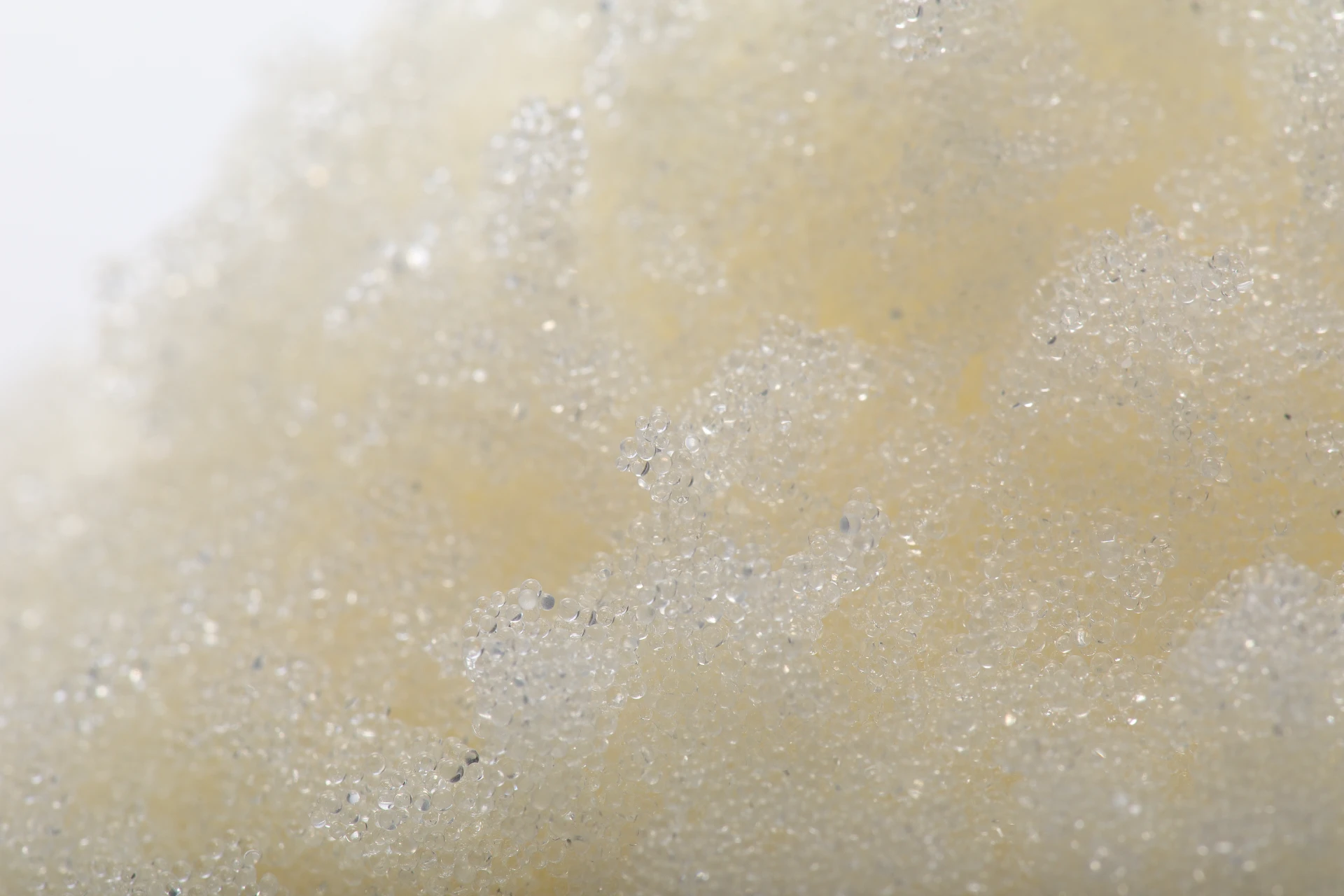
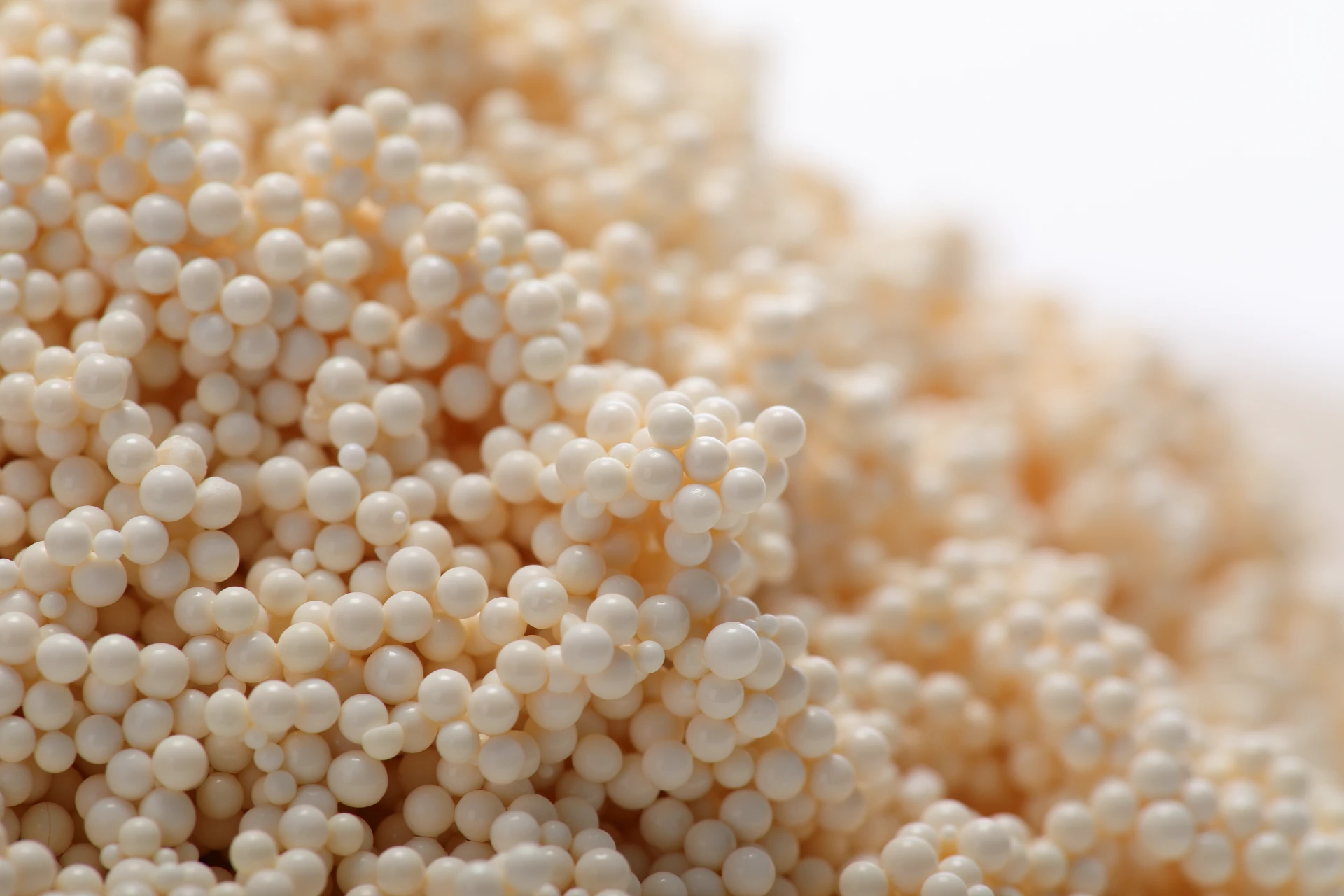
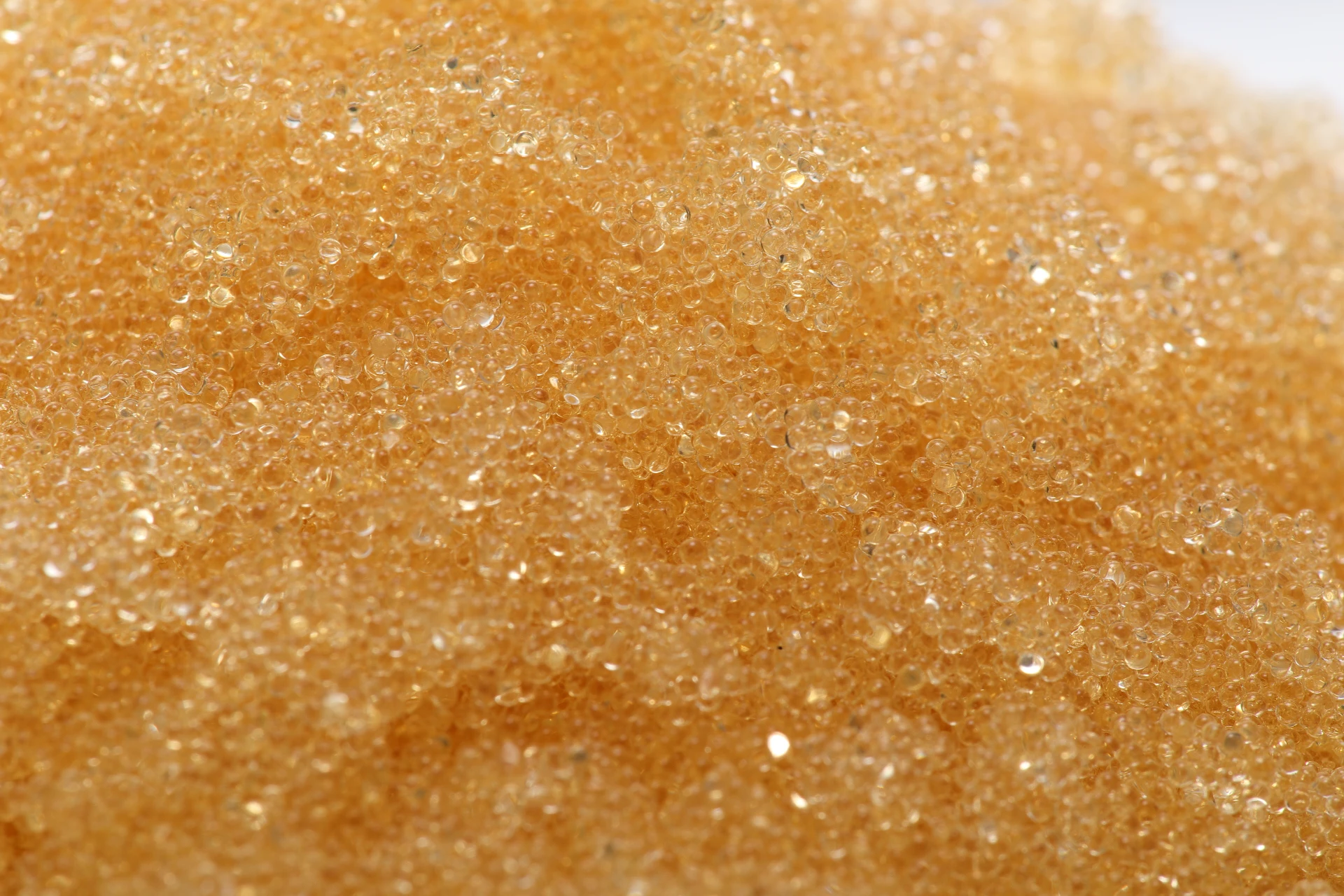
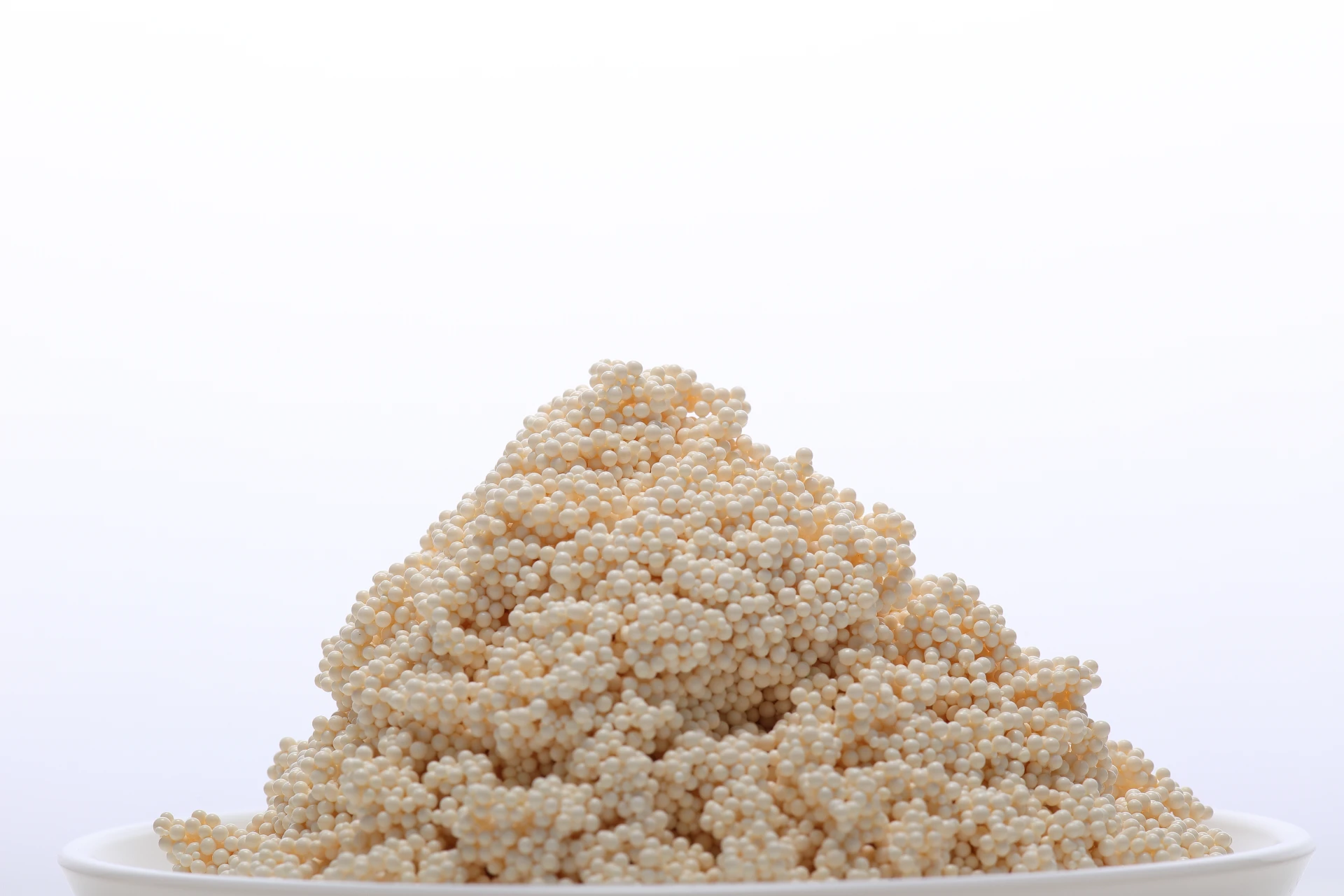
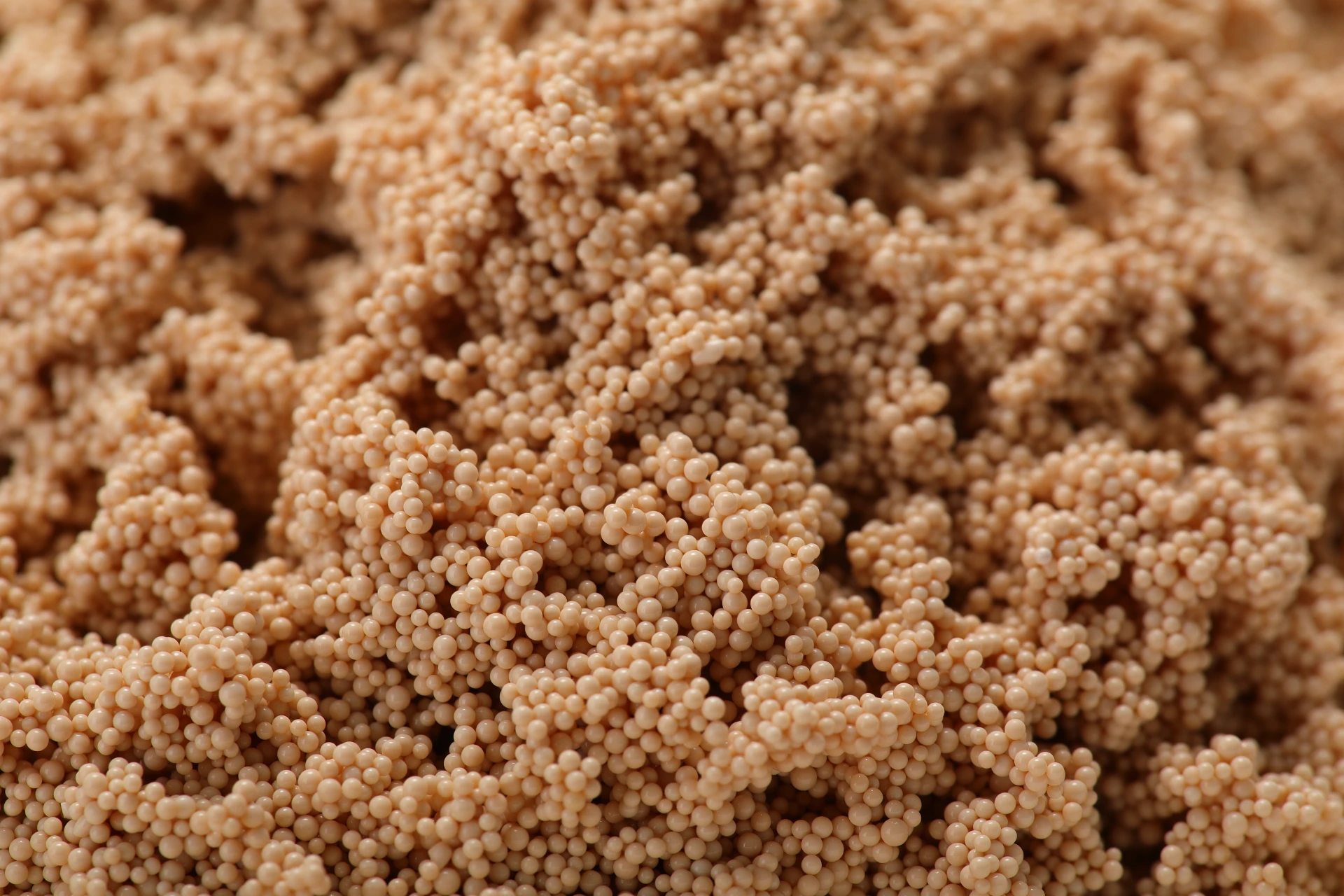
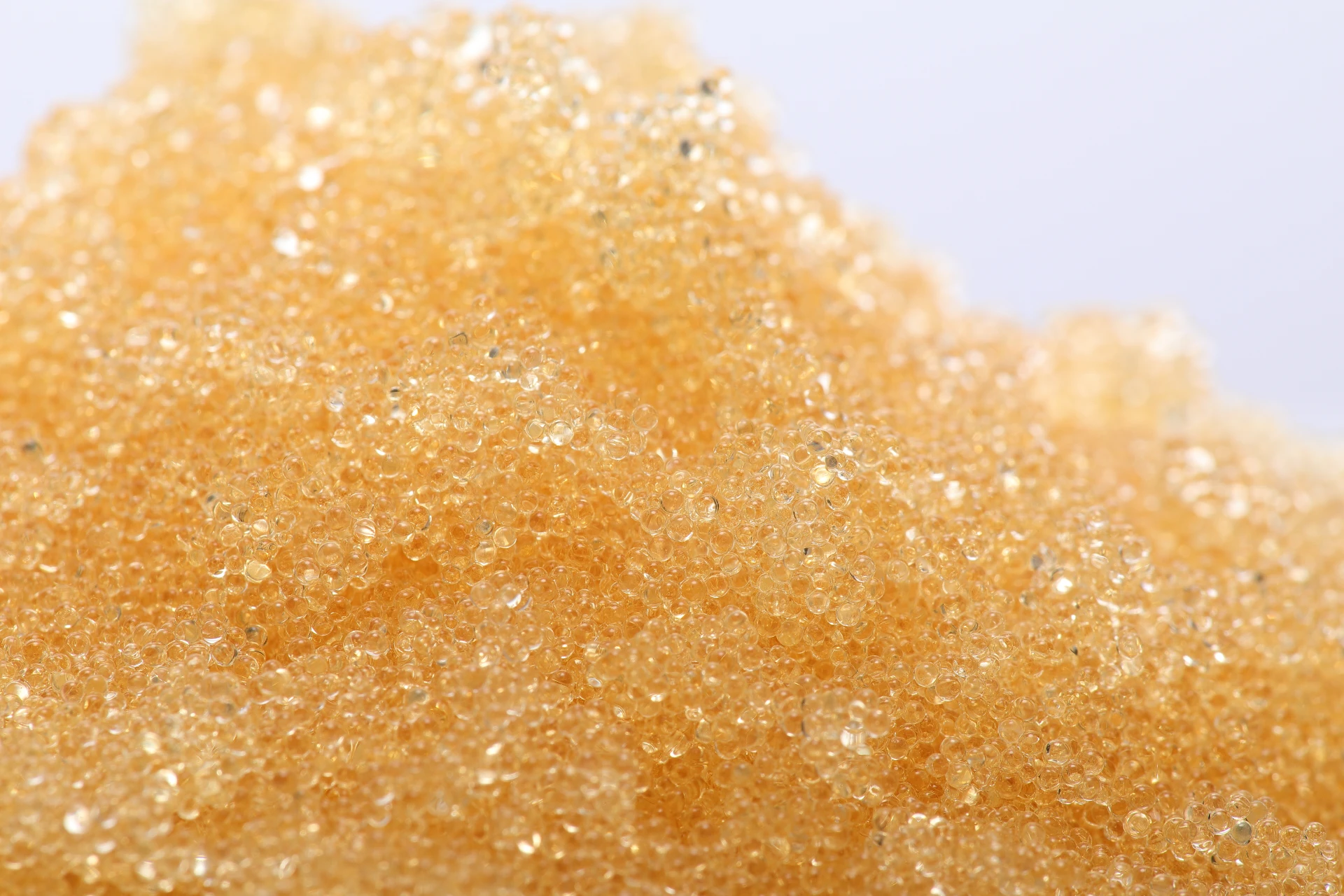
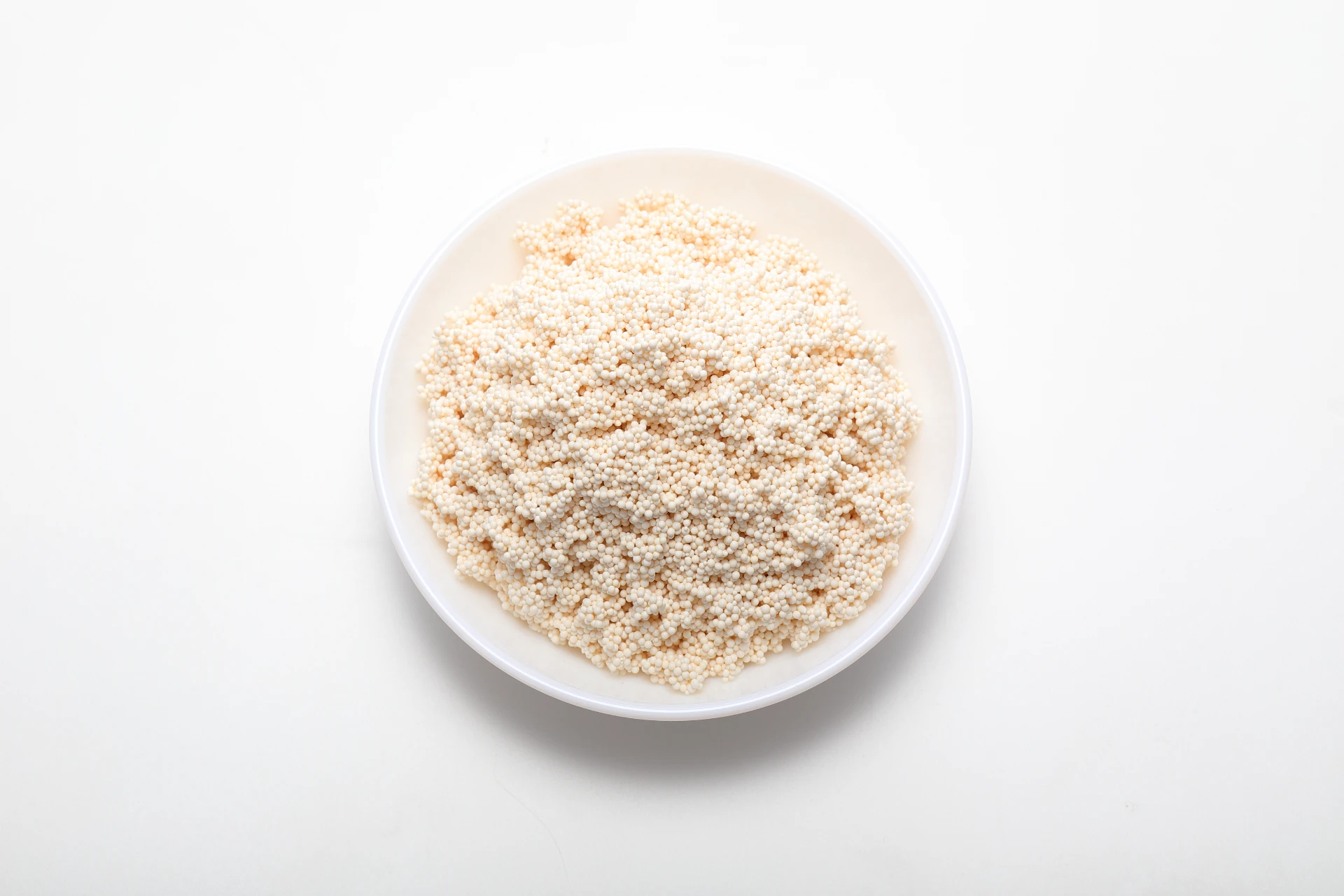
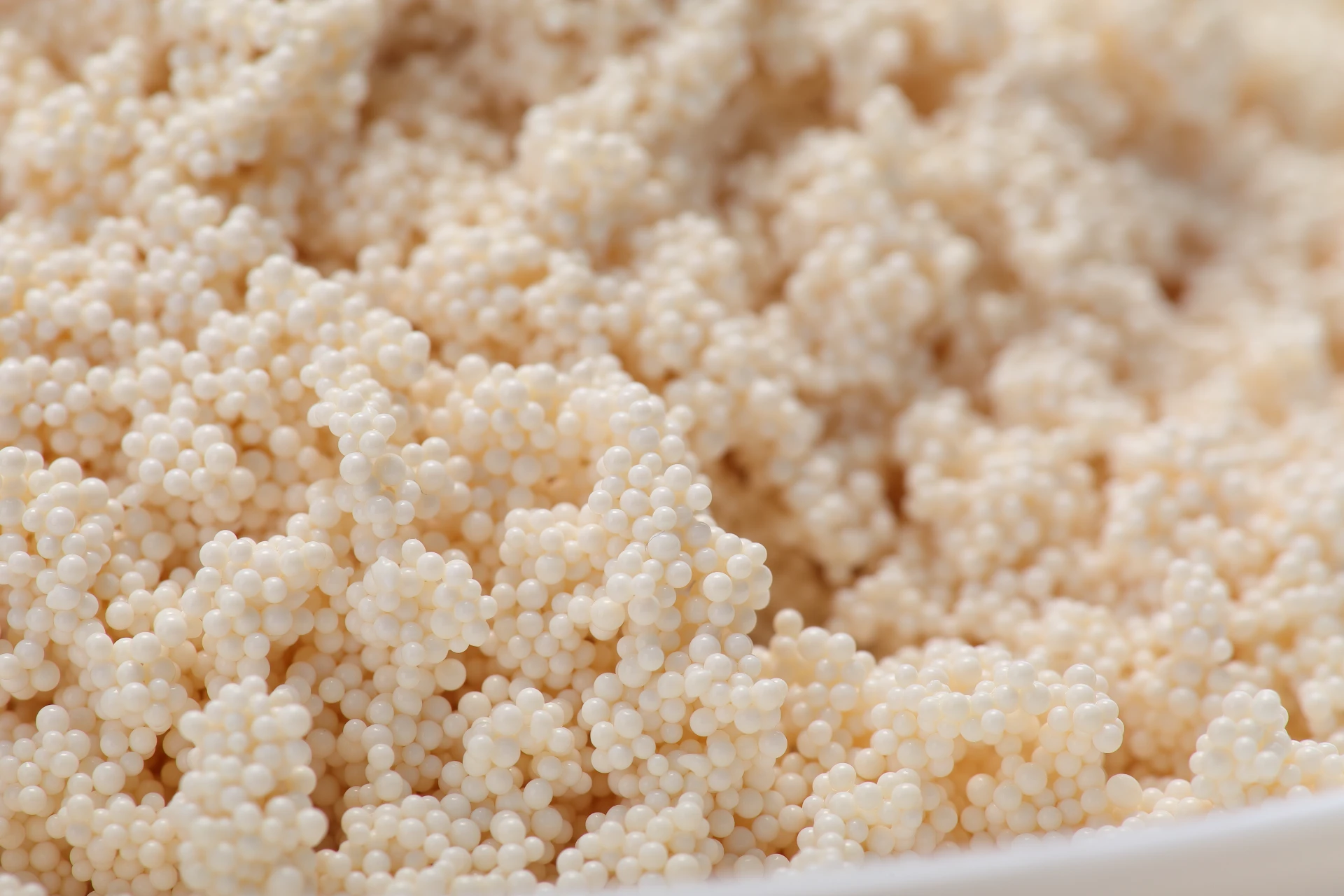
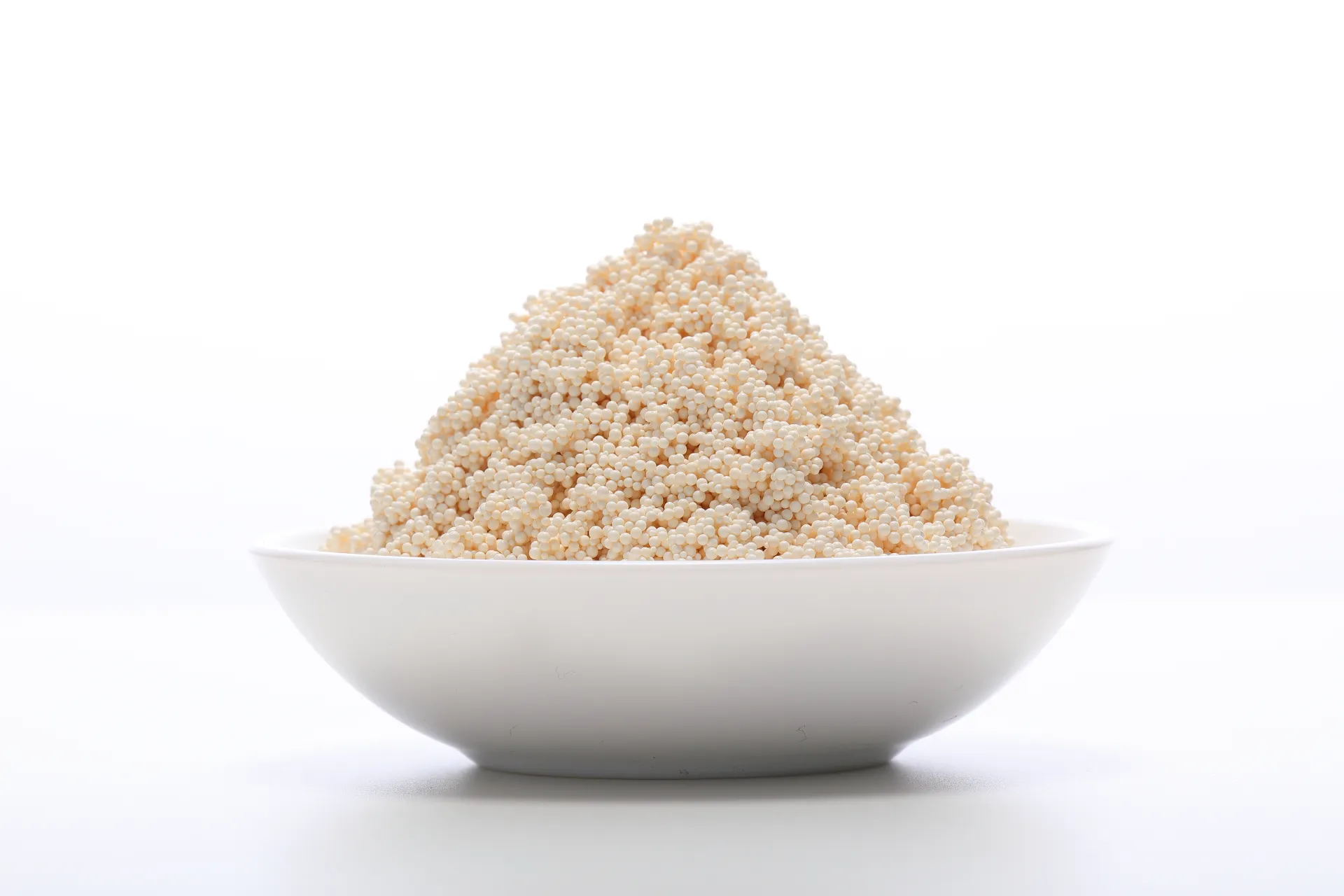
Macroporous Adsorption Resin is a class of crosslinked polymer beads engineered with a high specific surface area and an interconnected pore network. In the chemical industry—especially within polymer materials and adsorption resin operations—these beads deliver reliable capture of hydrophobic and moderately polar organics from complex liquid streams. Hebei Lijiang Biotechnology Co.,Ltd. formulates its H1031-grade resin to balance capacity, mechanical strength, and regeneration efficiency, enabling consistent performance in continuous-duty plants.
Technically, H1031 is typically based on a styrene–divinylbenzene matrix with macropores tuned to optimize mass transfer. Key attributes B2B buyers value include: fast adsorption kinetics, broad chemical compatibility, and stable performance across a wide pH window. Typical specs for macroporous adsorption resins include particle sizes in the 0.3–1.2 mm range, specific surface area in the hundreds of m²/g, and excellent osmotic/thermal stability to support frequent cleaning cycles. In pilot-to-plant scaleups, customers often select this class of resin to replace energy-intensive evaporation steps or to reduce solvent use in purification stages—improving yield and lowering operating cost without compromising product quality.
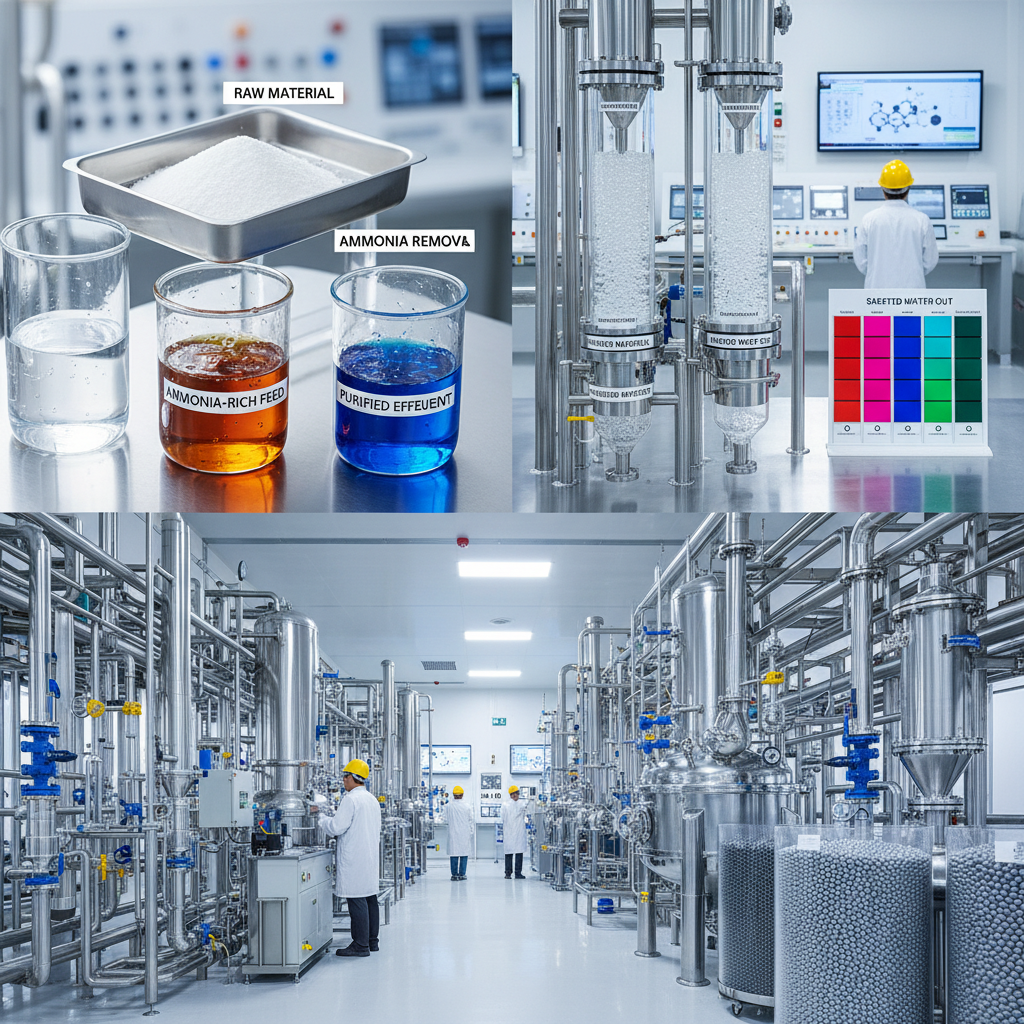
Within adsorption resin workflows, Hebei Lijiang Biotechnology Co.,Ltd.’s H1031-grade Macroporous Adsorption Resin is used for decolorization, dephenolization, and purification of natural products, fine chemicals, and pharmaceutical intermediates. Typical applications include capturing polyphenols and alkaloids from botanical extracts, removing color bodies from sweeteners and fermentation broths, recovering solvents and flavors, and polishing industrial wastewater to meet discharge targets for COD and chroma. The macroporous structure provides high uptake for aromatics, dyes, and other hydrophobic organics while maintaining low pressure drop in packed beds.
Backed by a dedicated technical team, Hebei Lijiang Biotechnology Co.,Ltd. supports resin selection, column design (bed depth, EBCT, flow), and regeneration protocols tailored to your feed matrix—helping process engineers and procurement leaders accelerate time-to-benefit and de-risk scale-up.
For B2B decision-makers, total cost of ownership matters as much as performance. Macroporous Adsorption Resin like H1031 typically reduces solvent consumption, cuts energy use versus thermal separation, and increases product yield. Over a multi-year horizon, these savings—combined with the resin’s long service life—often deliver an attractive ROI. Many users see payback within the first year of operation, driven by shorter batch cycles and lower waste disposal costs.
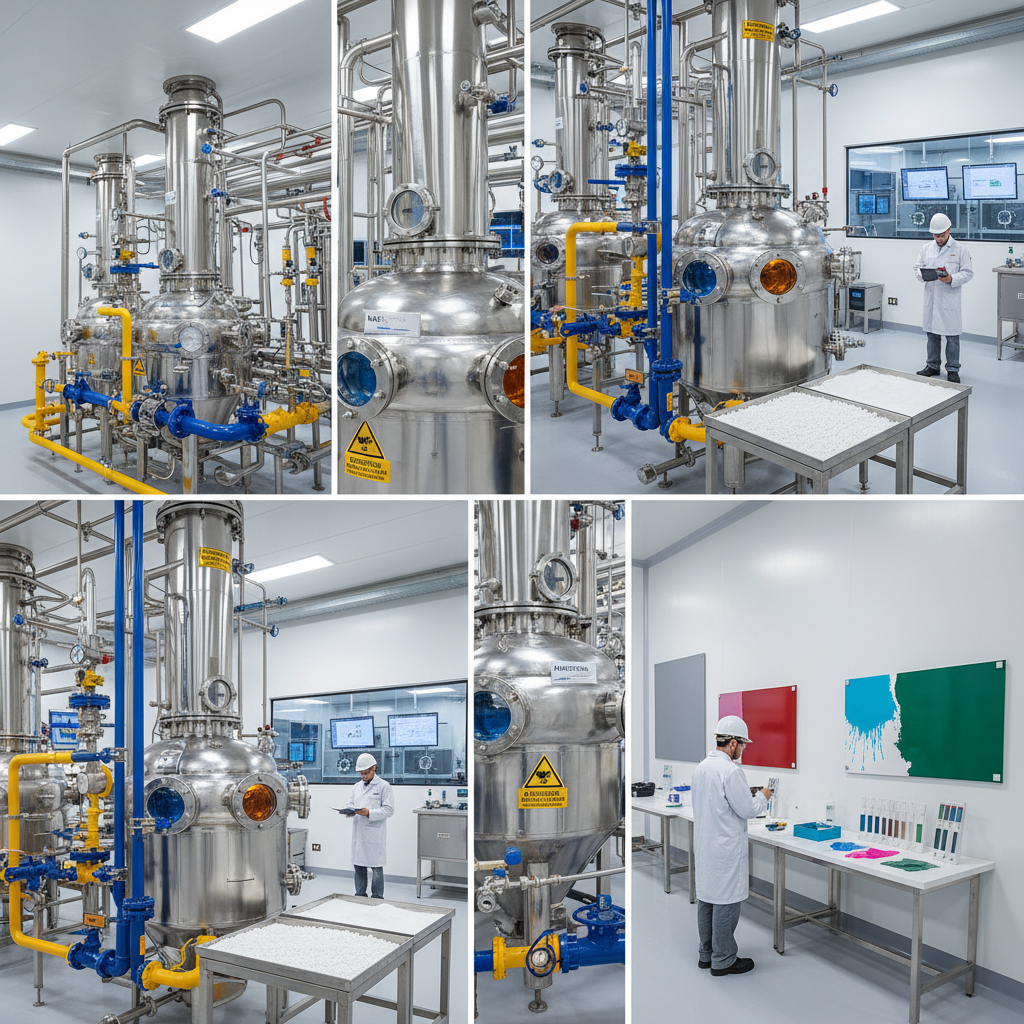
Maintenance is straightforward: periodic backwash to relieve channeling, then regeneration with appropriate media (e.g., ethanol or dilute caustic/acid, followed by water rinse) restores capacity. Hebei Lijiang Biotechnology Co.,Ltd. provides commissioning guidance, SOP templates, and on-call support to stabilize performance during the first cycles. Feedback from polymer materials and specialty chemical producers highlights consistent bed integrity, predictable breakthrough curves, and minimal fines generation—key for uptime and quality assurance. When paired with smart monitoring (pressure drop, effluent UV/color), plants can extend run lengths and schedule regeneration proactively, lowering OPEX without risking product specifications.
Regulatory pressure to reduce VOCs, color, phenolics, and refractory organics in effluents continues to rise, while customers demand cleaner-label products. Macroporous Adsorption Resin enables process intensification: targeted removal of contaminants with smaller footprints and lower energy draw than distillation or advanced oxidation in many use cases. Regenerable resin systems also support circularity by recovering valuable organics for reuse and minimizing single-use consumables. Across the chemical industry, adoption is accelerating in natural extracts, bioprocessing, flavors & fragrances, and high-value intermediates—segments prioritizing quality, yield, and sustainability.
Hebei Lijiang Biotechnology Co.,Ltd. aligns with these trends by engineering durable resin matrices, offering solvent-efficient regeneration guidelines, and collaborating on waste minimization strategies. The company’s application-driven approach helps clients meet tightening discharge limits and internal ESG goals without sacrificing throughput. From feasibility testing to scale-up, the team emphasizes lifecycle thinking—selecting resins, column hardware, and regeneration chemistries that lower overall environmental impact while safeguarding operator safety and regulatory compliance.
Macroporous Adsorption Resin stands out as a versatile, high-value tool for the chemical industry, delivering reliable purification, decolorization, and recovery across polymer materials and adsorption resin applications. Hebei Lijiang Biotechnology Co.,Ltd.’s H1031-grade resin combines capacity, stability, and easy regeneration to help plants boost yield, cut OPEX, and meet evolving sustainability expectations. If you are evaluating upgrades or new installations, our team can support selection, piloting, and scale-up to de-risk your project and accelerate ROI.