Phone:
+86 0319 2296164


Email:
info@lijiresin.cn
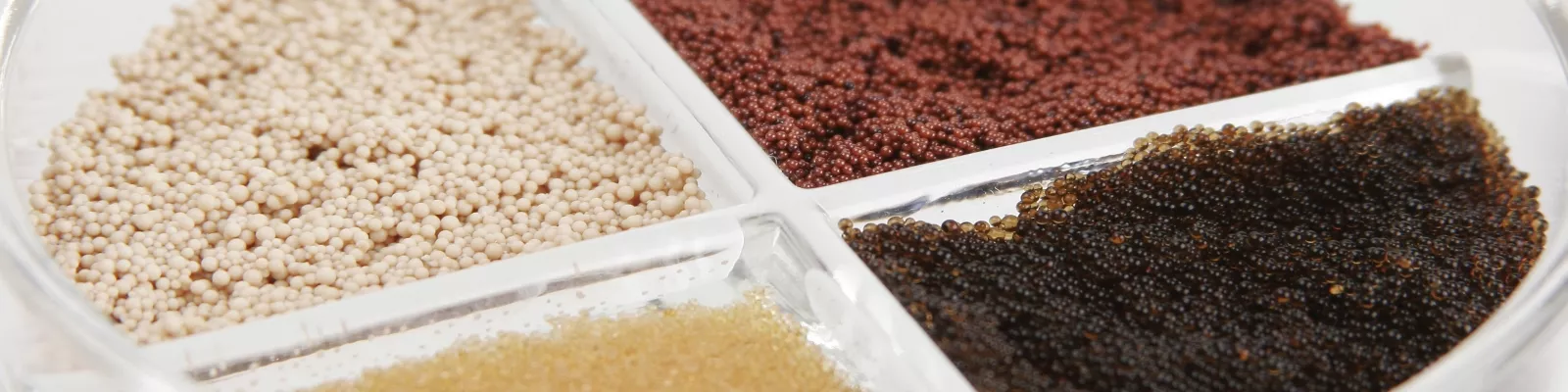
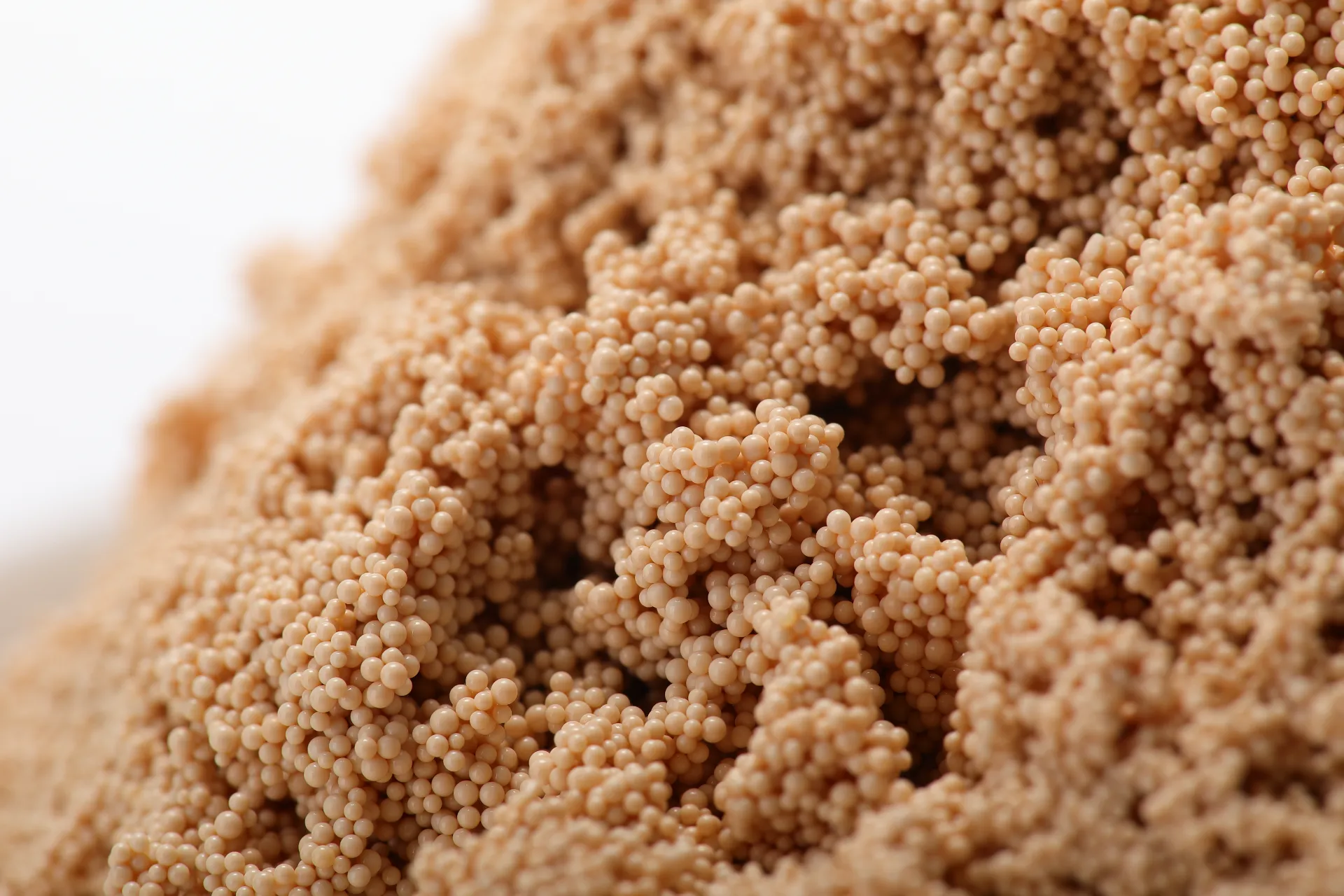
The global market for ion exchange resin is experiencing robust growth, driven by escalating demand for purified water across diverse industries, stringent environmental regulations, and advancements in chemical processing. Key trends indicate a significant shift towards highly selective resins, improved regeneration efficiency, and enhanced chemical and mechanical stability to reduce operational costs and environmental impact. The focus is increasingly on sustainable solutions, including those for resource recovery from wastewater streams and for specialized catalytic applications.
Emerging applications in pharmaceuticals, food and beverage, and power generation sectors are also propelling innovation, demanding resins with higher purity standards and specific functional properties. For instance, the need for ultra-pure water in semiconductor manufacturing necessitates advanced resins capable of removing trace contaminants down to parts per trillion levels. Furthermore, the development of resins resistant to fouling and oxidative degradation is critical for prolonging service life in challenging industrial environments. Data from market research suggests a Compound Annual Growth Rate (CAGR) of approximately 4-6% for the ion exchange resin market from 2023 to 2028, underscoring its pivotal role in modern industrial processes.
The manufacturing of ion exchange resin is a sophisticated chemical process involving polymerization, functionalization, and precise quality control. Our resins, such as the Macroporous Strong Acid Cation Exchange Resin D001 FG, are engineered for optimal performance and longevity. The process flow generally follows these critical steps:
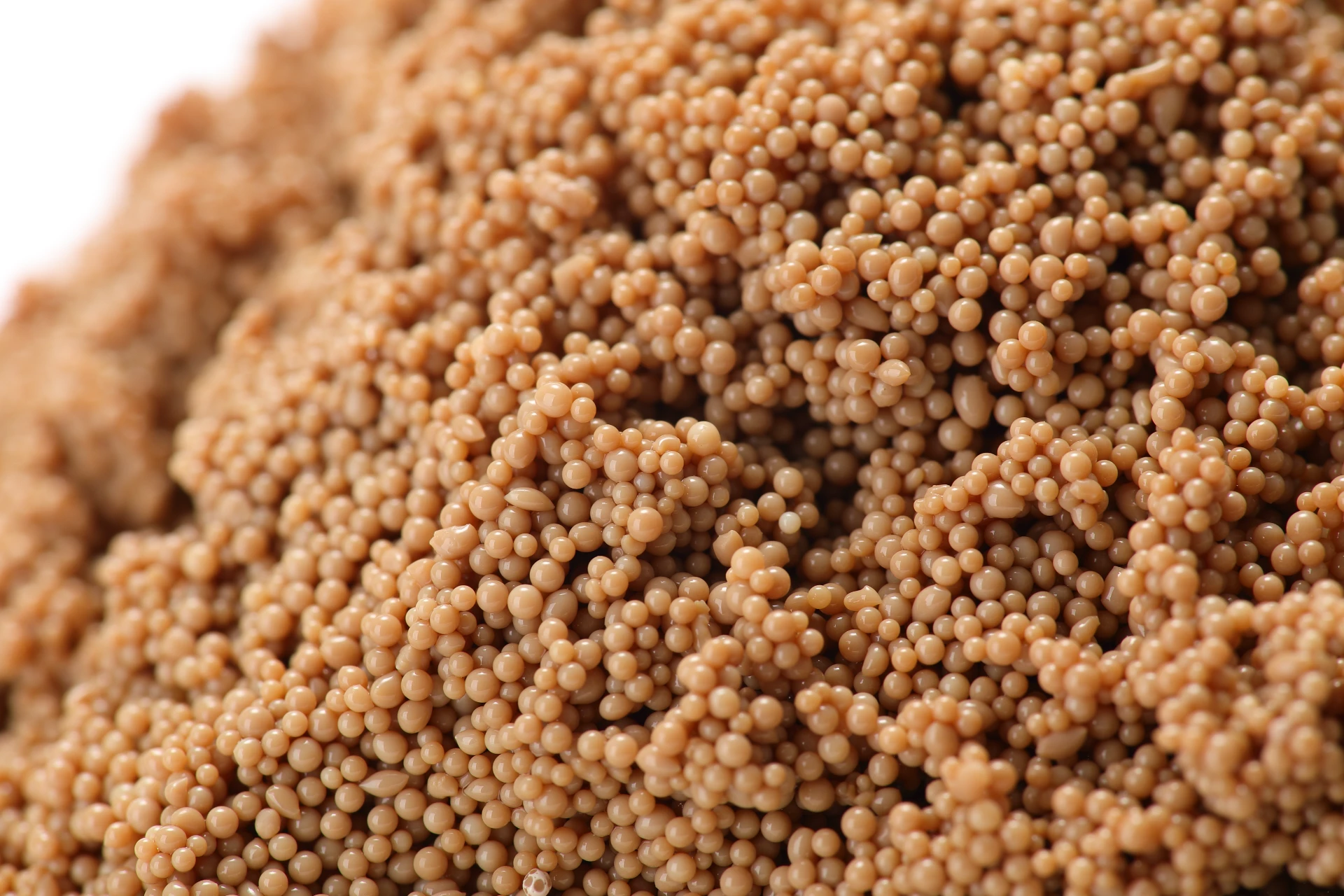
This initial step involves the suspension polymerization of monomers, typically styrene and divinylbenzene (DVB), to form spherical polymer beads. The DVB acts as a cross-linking agent, providing the structural integrity and insolubility of the resin. For macroporous resins like D001 FG, a porogen is introduced to create a highly porous structure, enhancing kinetic performance and resistance to organic fouling. The ratio of DVB to styrene dictates the cross-linkage degree, influencing the resin's mechanical strength and swelling properties.
After polymerization, the polymer beads undergo functionalization. For strong acid cation resins, this typically involves sulfonation, where sulfonic acid groups (-SO3H) are introduced onto the polymer matrix. These functional groups are responsible for the exchange of cations. The controlled sulfonation ensures a uniform distribution of active sites, maximizing exchange capacity and regeneration efficiency. This is a critical step for defining whether the product will be a strong ion exchange resin or another type.
The sulfonated resin beads are thoroughly washed to remove residual chemicals and unreacted reagents. Subsequently, the beads are classified by size to ensure a uniform particle distribution, which is crucial for optimal hydraulic performance, minimizing pressure drop, and preventing channeling within the resin bed. This step adheres to strict internal quality standards, often exceeding general industry norms.
Before packaging, each batch undergoes rigorous quality control testing based on international standards such as ISO 9001 and internal proprietary benchmarks. These tests evaluate key parameters including total exchange capacity, moisture content, bead size distribution, bulk density, osmotic stability, and resistance to chemical degradation. This ensures consistent product quality and reliable performance.
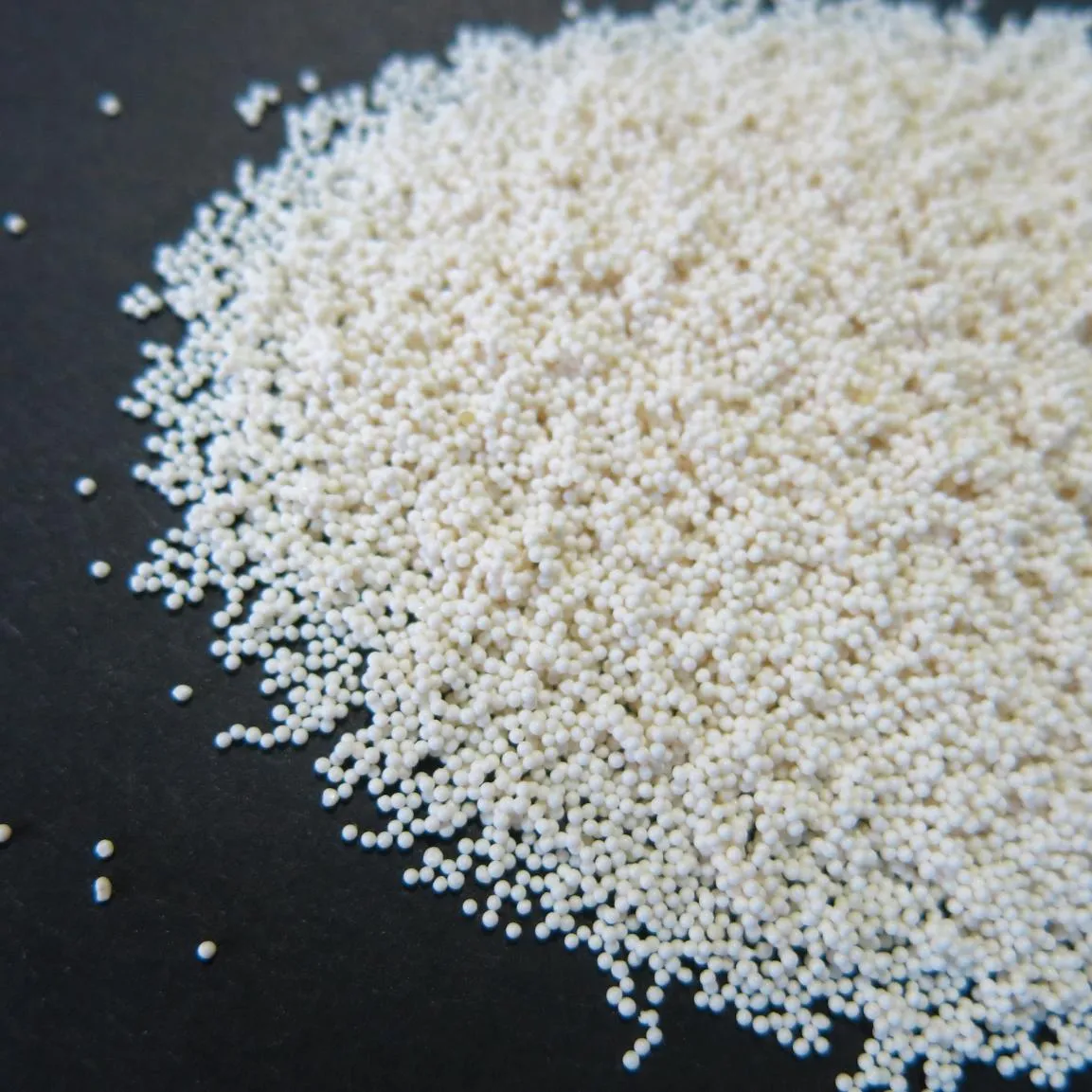
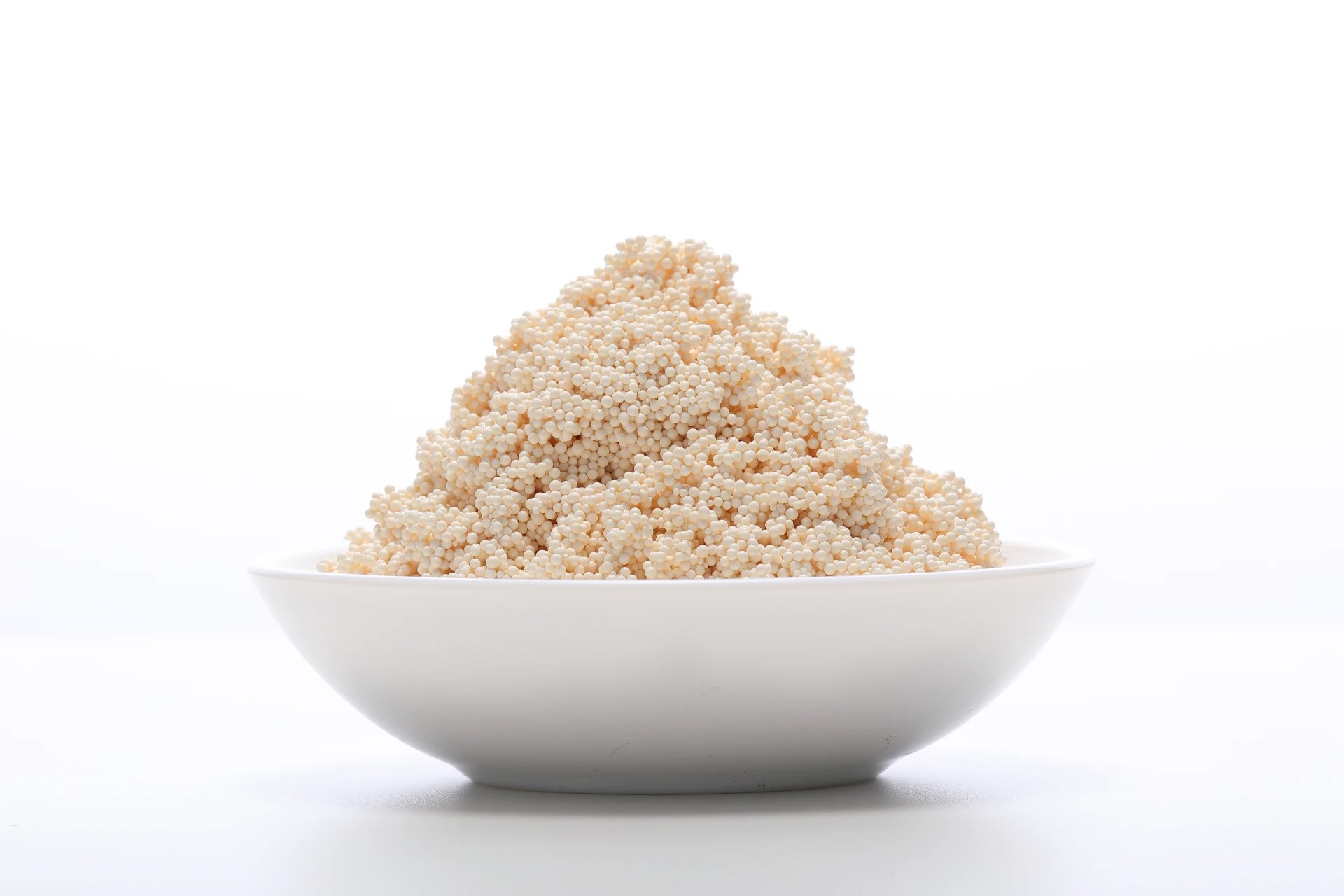
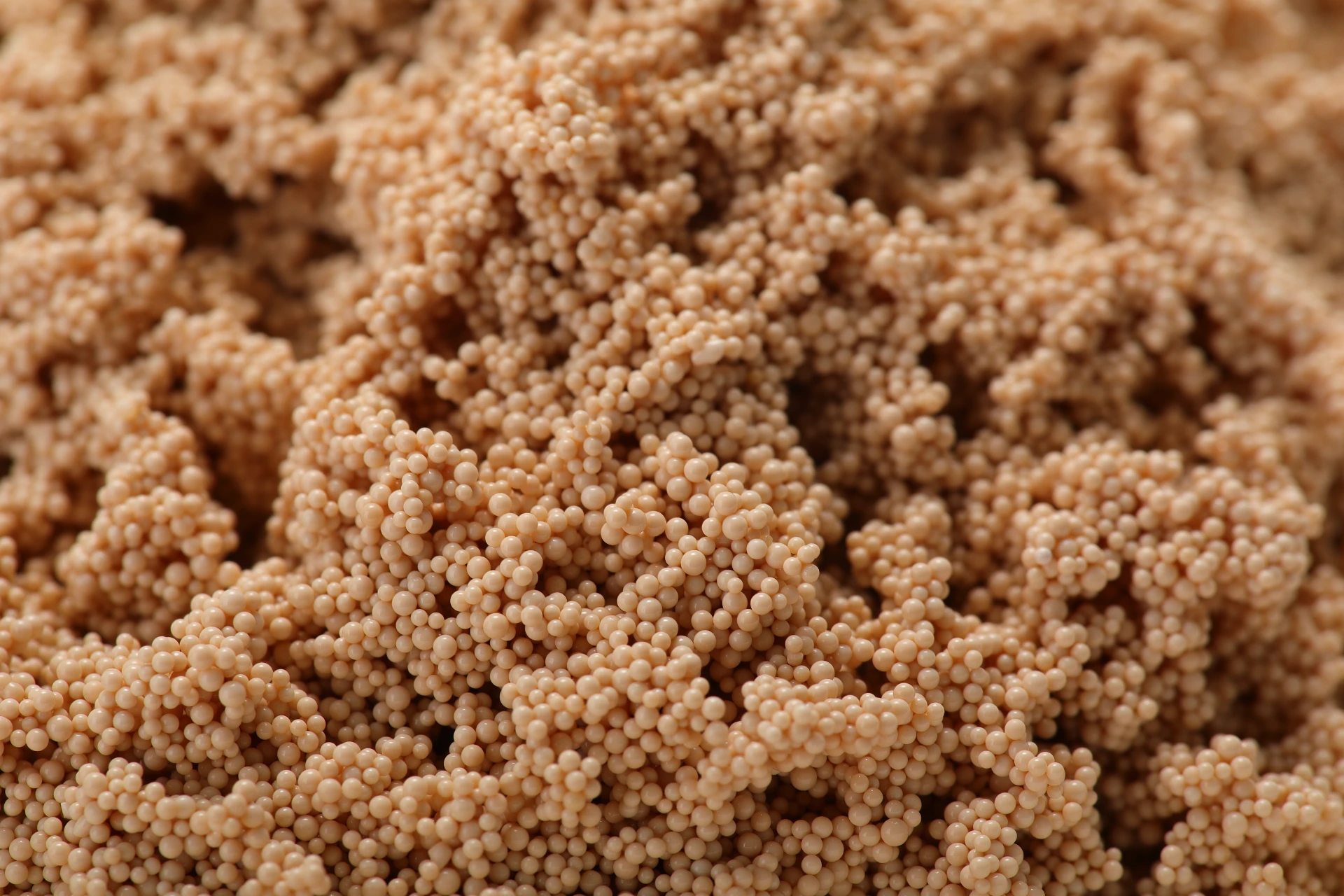
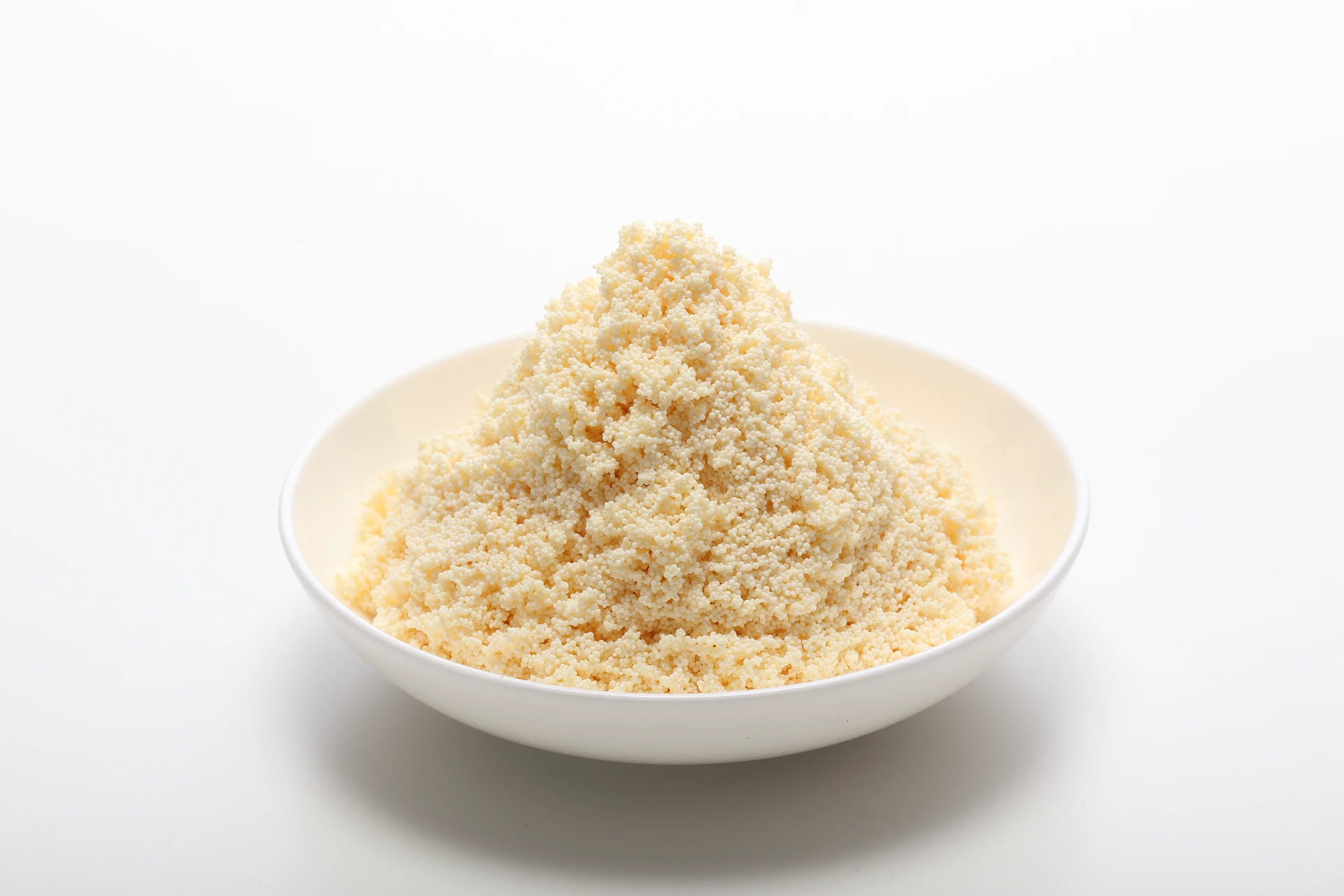
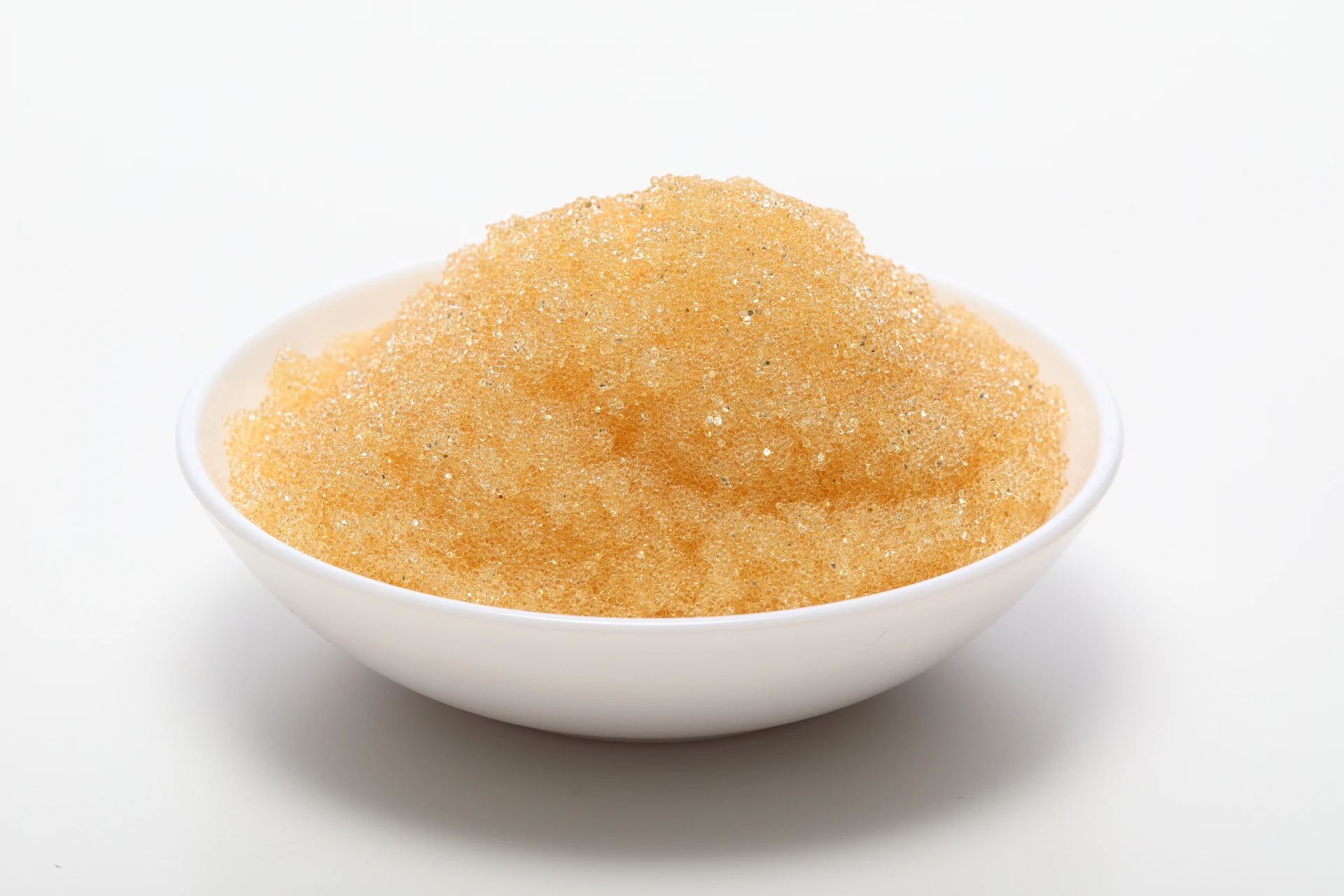
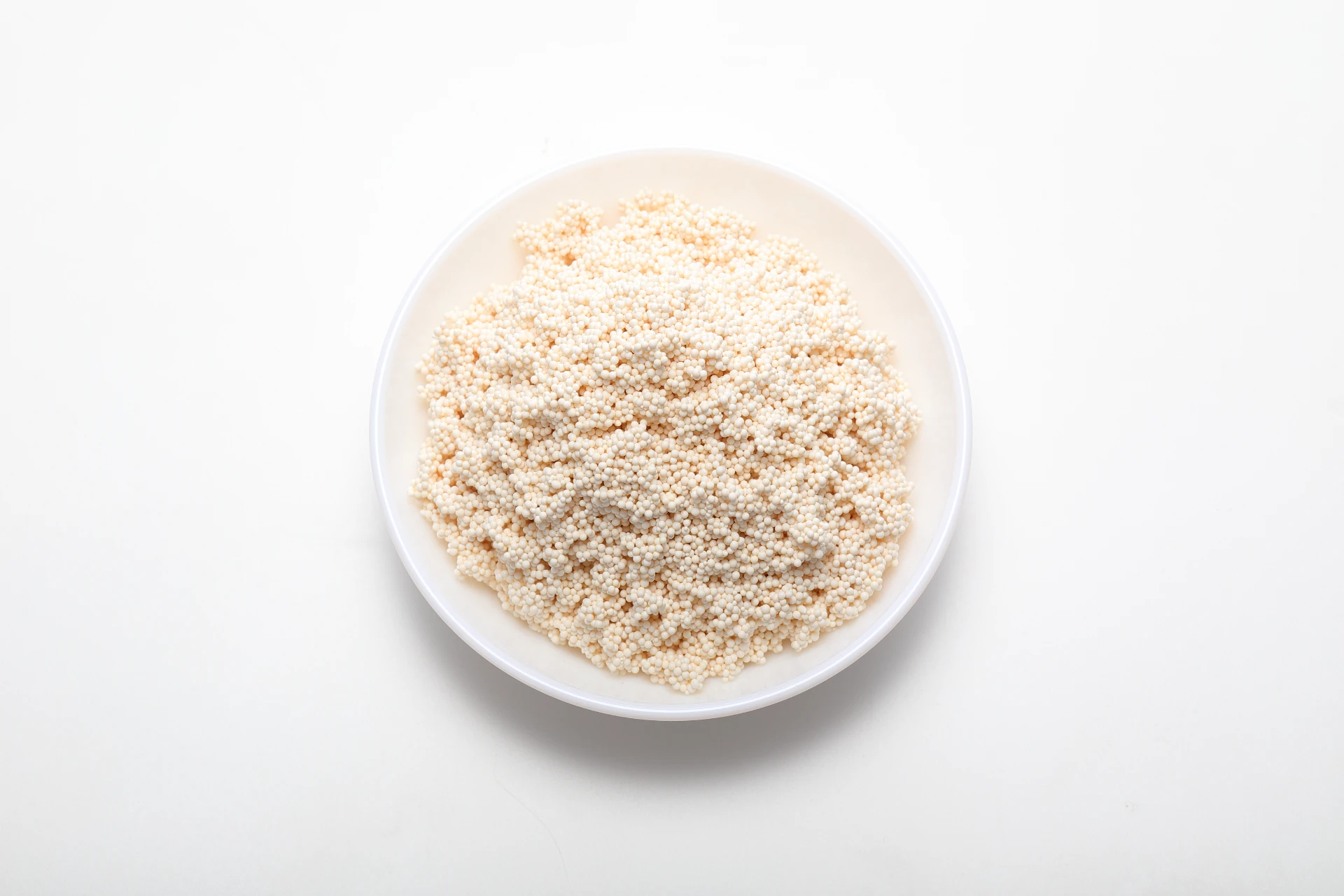
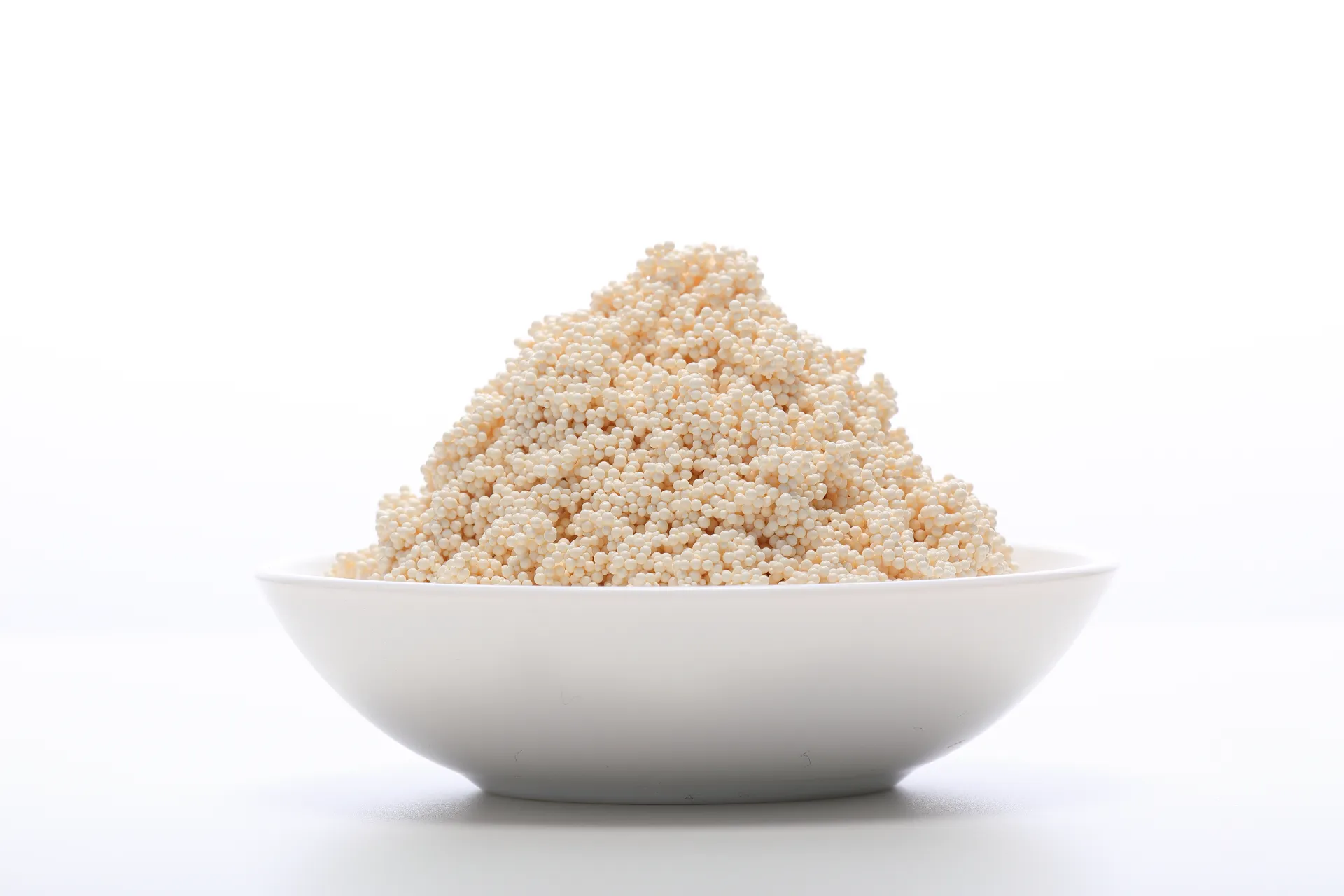
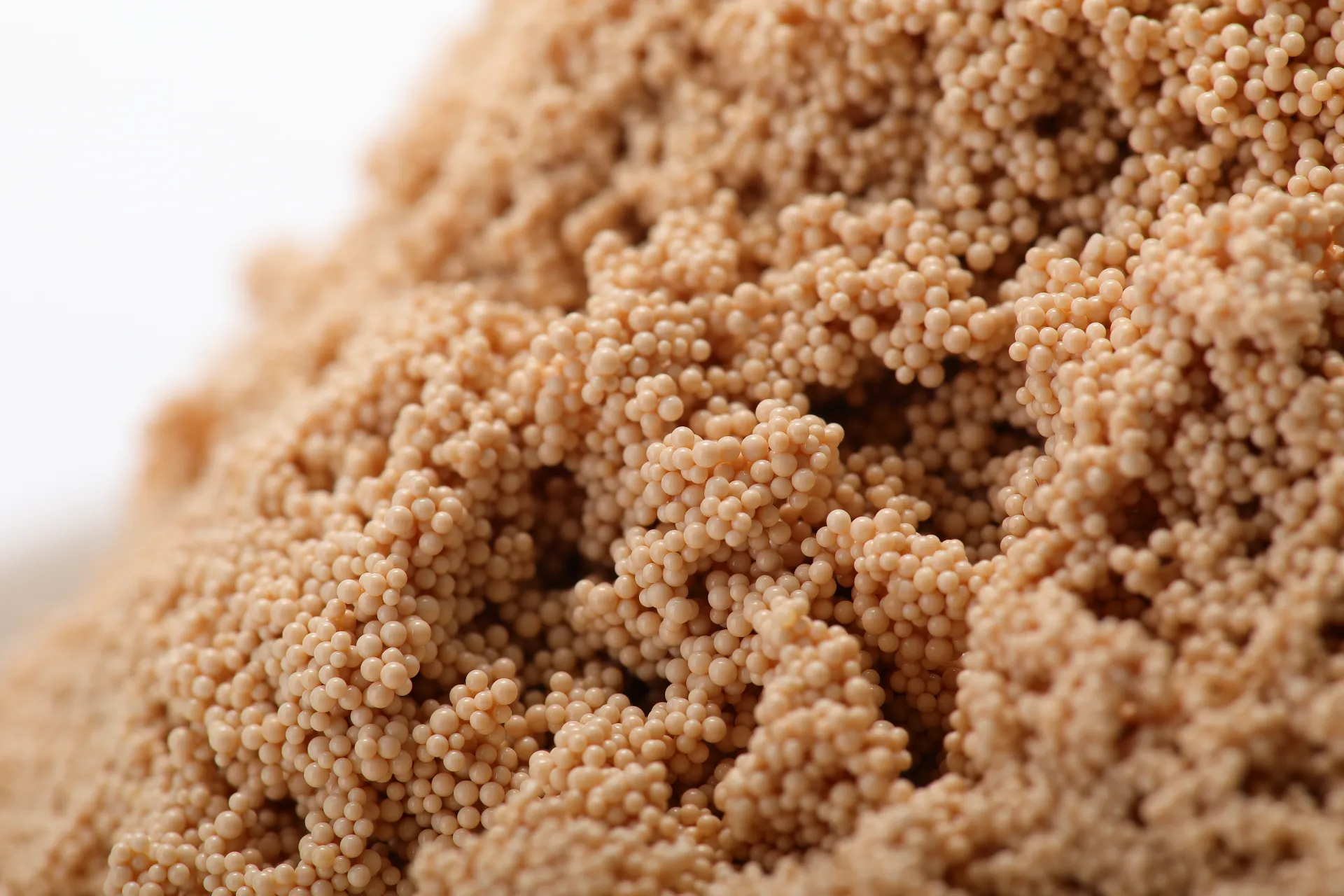
Our Macroporous Strong Acid Cation Exchange Resin D001 FG is a premium-grade resin designed for demanding industrial applications requiring high capacity and excellent physical stability. It is particularly effective for water softening, demineralization, and the removal of heavy metal ions. Its macroporous structure provides superior kinetic performance and resistance to osmotic shock and fouling, making it ideal for processes involving high flow rates and fluctuating water compositions.
| Parameter | Specification (D001 FG) | Test Method |
|---|---|---|
| Polymer Structure | Macroporous Polystyrene-Divinylbenzene | Visual Inspection, SEM |
| Functional Group | Sulfonic Acid | Infrared Spectroscopy |
| Ionic Form, as shipped | Na+ | Chemical Analysis |
| Total Exchange Capacity (min) | 1.8 eq/L (Na+ form) | ASTM D2187 |
| Moisture Retention | 48-54% | ASTM D2187 |
| Particle Size Range | 0.60 – 1.60 mm | Sieve Analysis |
| Uniformity Coefficient (max) | 1.6 | Sieve Analysis |
| Reversible Swelling (Na+ to H+) | 8-10% | Volumetric Measurement |
| Specific Gravity | 1.26 – 1.30 | Pycnometer Method |
| Operating pH Range | 0 – 14 | Application Standard |
| Maximum Operating Temperature | 120°C (248°F) | Thermal Stability Test |
Note: These specifications are typical values and may vary slightly. Detailed Certificates of Analysis are available upon request for each batch.
The versatility of ion exchange resin allows for its deployment across a broad spectrum of industrial applications. Our resins are engineered to provide specific technical advantages, addressing critical challenges in water treatment and chemical processing.
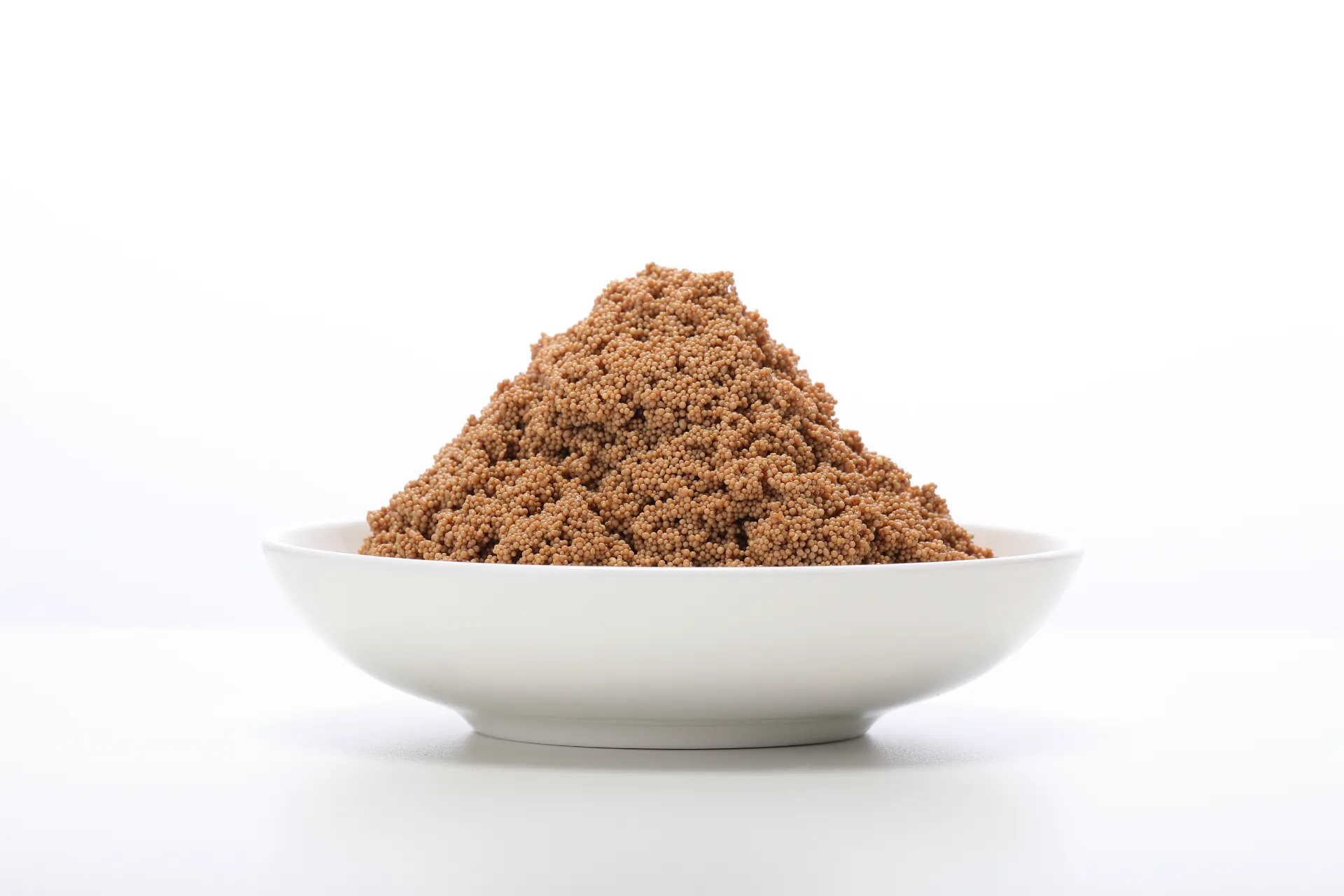
Selecting the right supplier for ion exchange resin is paramount for ensuring process efficiency, operational reliability, and cost-effectiveness. Our commitment to quality, innovation, and customer-centric solutions distinguishes us in a competitive market.
| Feature/Aspect | Our Company (LijiResin) | Competitor A (Large Global) | Competitor B (Specialized Niche) |
|---|---|---|---|
| Product Range & Specialization | Extensive, with strong focus on high-performance macroporous strong acid cation and specialized anion resins. | Very broad, covers most types; less focus on specific innovation post-acquisition. | Limited, highly specialized for niche applications (e.g., ultrapure, specific separations). |
| Quality Certifications | ISO 9001, NSF/ANSI 61 (select products), internal stringent QA/QC. | ISO 9001, FDA (for food grade), some regional certifications. | ISO 9001, often proprietary performance certifications. |
| Customization Capabilities | High – tailored bead size, cross-linkage, functional groups, and packaging. | Moderate to Low – primarily standard products, some large-scale custom orders. | High – focused on modifying existing specialized products. |
| Technical Support | Expert-level, dedicated application engineers, rapid response. | Good, but often tiered, may involve longer resolution times for complex issues. | Excellent for their specific niche, less general expertise. |
| Lead Time for Standard Products | Typically 2-4 weeks. Expedited options available. | Varies widely, 3-8 weeks depending on stock and global logistics. | Can be longer due to smaller production runs, 4-10 weeks. |
| Cost-Efficiency | Optimal balance of performance and cost, high ROI due to longevity. | Competitive at scale, but may have higher premium for specialized grades. | Higher initial cost, but potentially higher long-term value for very specific needs. |
We understand that off-the-shelf solutions may not always meet the unique requirements of every industrial process. Our engineering team specializes in developing customized ion exchange resin solutions. This includes:
Our collaborative approach involves detailed process analysis, pilot testing, and iterative development to deliver a resin solution precisely engineered for your specific challenges, ensuring optimal performance and maximum return on investment.
Our expertise in ion exchange resin solutions is demonstrated through successful deployments across various industries. Here are examples showcasing the impact of our products and services.
Client: Major Thermal Power Plant, Southeast Asia
Challenge: The power plant required high-purity boiler feedwater (conductivity < 0.1 µS/cm) from a raw water source with high total dissolved solids (TDS) and fluctuating silica levels. Their existing conventional demineralization system was struggling with frequent regeneration cycles and premature resin degradation, leading to high operational costs and downtime.
Solution: We recommended and supplied our Macroporous Strong Acid Cation Exchange Resin D001 FG in conjunction with a high-capacity strong base anion resin for their mixed-bed polishers. Our technical team provided comprehensive support for system design optimization and operational training.
Results & Customer Feedback: The new resin system achieved the target feedwater quality consistently. The D001 FG's superior osmotic stability and resistance to fouling significantly extended the service cycle by 35% compared to their previous resin, reducing regenerant chemical consumption by 20% and downtime by 15%. The plant manager noted, "The performance of LijiResin's D001 FG has been exceptional. We've seen a noticeable reduction in our operating expenses and improved reliability. Their technical support during commissioning was invaluable."
Client: Automotive Parts Manufacturer, Europe
Challenge: The client faced strict environmental regulations regarding hexavalent chromium (Cr6+) discharge from their electroplating facility. Their conventional precipitation method was inefficient and generated excessive sludge, failing to meet the discharge limits consistently.
Solution: We implemented a specialized macroporous weak anion exchange resin designed for selective chromium removal, followed by a post-treatment with a strong ion exchange resin to polish the effluent. This tailored two-stage system was integrated into their existing wastewater treatment infrastructure.
Results & Customer Feedback: The system consistently reduced Cr6+ concentrations from 50 mg/L to below 0.05 mg/L, well within regulatory limits. The selective nature of the weak anion resin also allowed for efficient regeneration and recovery of concentrated chromium, reducing chemical waste by 40% and providing potential for resource recovery. "The customized resin solution from LijiResin has transformed our wastewater treatment. We've achieved full compliance, reduced operating costs, and even found a way to potentially reuse some of our waste streams. Their technical team's understanding of our unique process was impressive," commented the Environmental Compliance Officer.
Building and maintaining trust with our B2B partners is at the core of our operations. We ensure transparency in our processes, reliable product delivery, and comprehensive post-sales support for every ion exchange resin solution.
Q: How do I choose the right ion exchange resin for my application?
A: The selection depends on various factors including the influent water quality, target contaminants, required effluent quality, flow rate, temperature, and regeneration chemicals. Our technical experts can provide a detailed analysis and recommend the most suitable resin type (e.g., strong acid cation, weak anion exchange resin, macroporous, gel-type) and specific product for your needs.
Q: What is the typical service life of your resins?
A: The service life of an ion exchange resin varies significantly based on operating conditions, regenerant quality, and exposure to fouling agents or oxidants. Under optimal conditions and proper operation, our resins are designed to last 3-10 years, with some specialized resins potentially exceeding this. Our robust D001 FG strong acid cation resin, for example, is known for its extended longevity in demanding industrial processes due to its high physical and chemical stability.
Q: Are your resins certified for specific applications?
A: Yes, many of our resins carry certifications such as ISO 9001 for quality management. Specific grades intended for potable water or food contact applications may hold NSF/ANSI 61 or FDA compliance. Please inquire about specific product certifications relevant to your application.
We maintain a robust supply chain and optimized manufacturing processes to ensure timely delivery. For standard ion exchange resin products like D001 FG, our typical lead time is 2-4 weeks for orders within standard quantities. Expedited shipping options are available upon request. For large volume or customized orders, lead times will be communicated clearly during the quotation process. We utilize established logistics partners to ensure safe and efficient global delivery.
We stand behind the quality and performance of our ion exchange resin products. All resins are supplied with a standard warranty against manufacturing defects and conformance to stated specifications for a period of 12 months from the date of shipment or 6 months from the date of installation, whichever comes first. Detailed warranty terms and conditions are provided with each purchase agreement.
Our commitment extends beyond product delivery. We offer comprehensive customer support including:
Our dedicated support team can be reached via phone, email, or our online portal for prompt assistance, ensuring your operations run smoothly and efficiently.