Phone:
+86 0319 2296164


Email:
info@lijiresin.cn
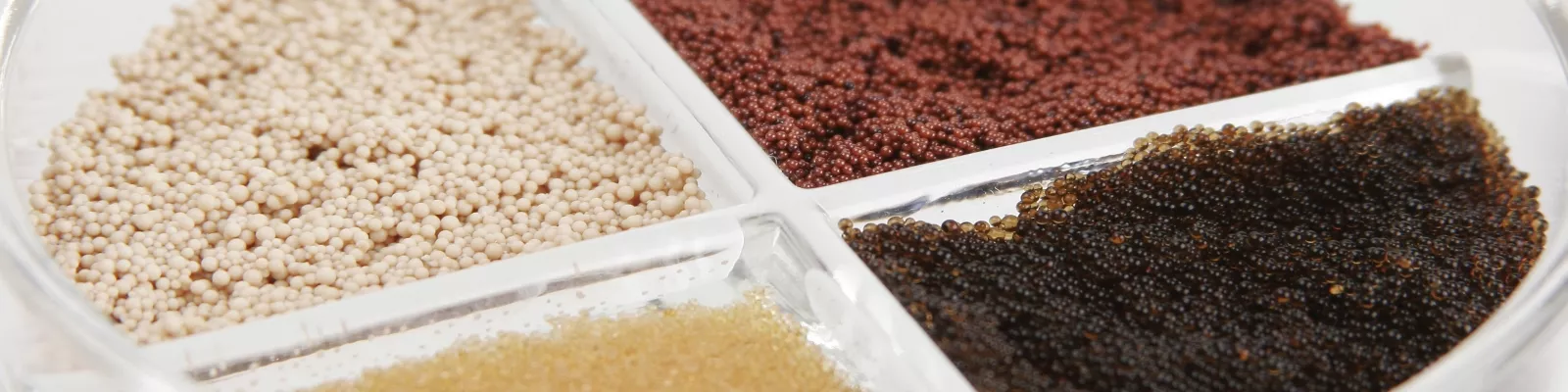
Choosing the right water softener resin is crucial for effective water treatment. A water softener resin 1 cu ft is a popular size for many households and small businesses. This article provides an in-depth look at what you need to know about this resin type, including its applications, benefits, and how to select the best option for your needs. We'll cover everything from resin types to regeneration cycles, ensuring you have the knowledge to make an informed decision.
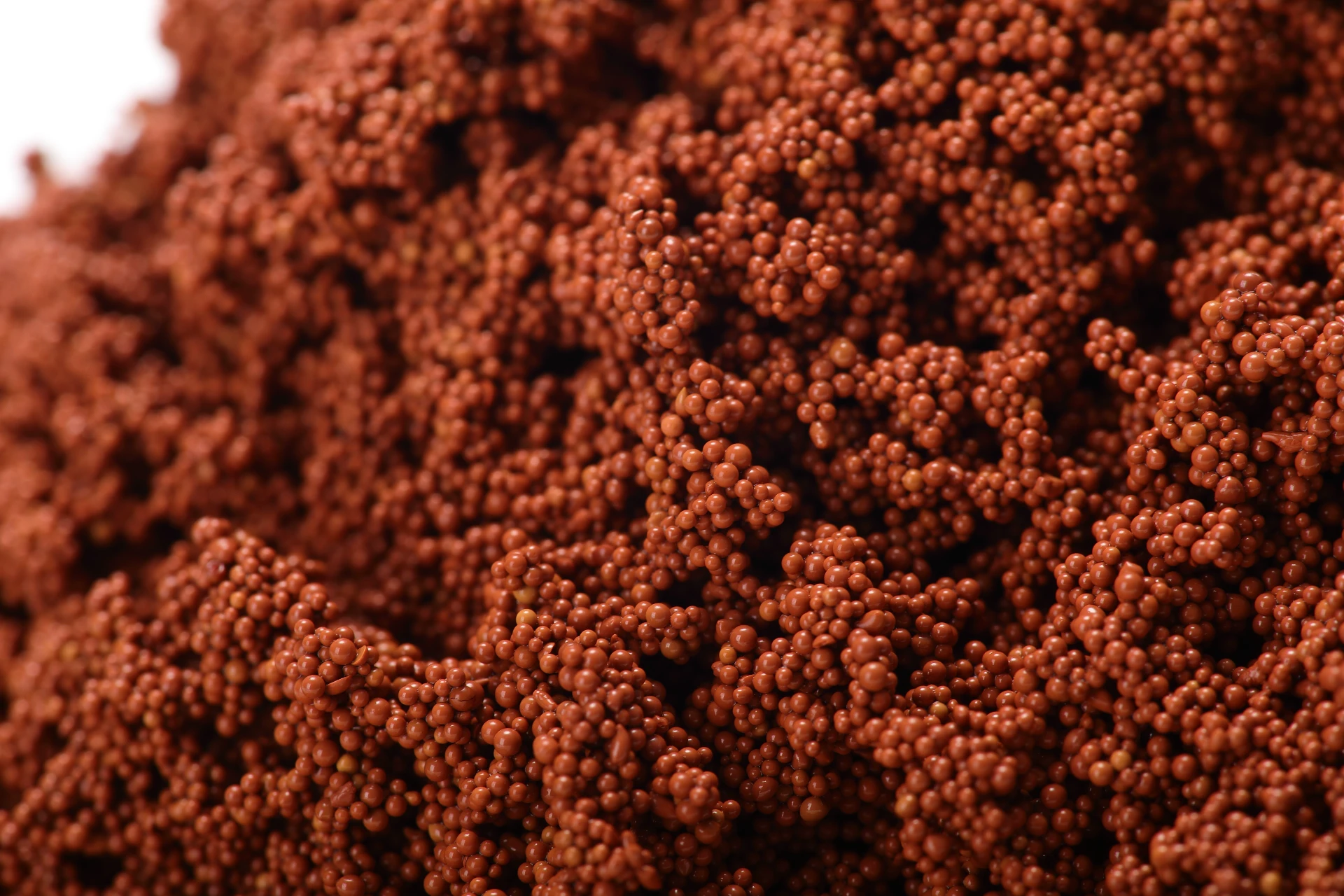
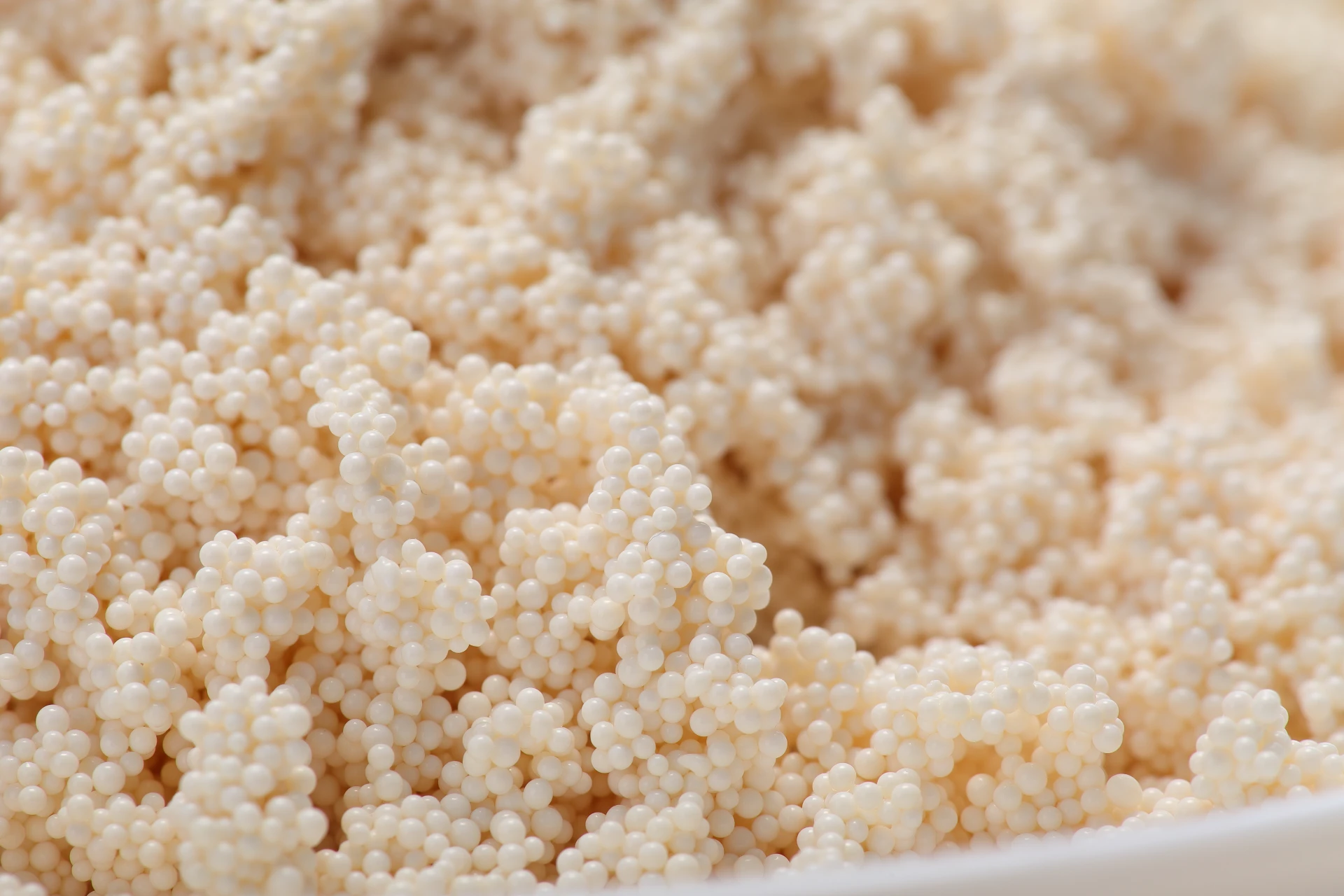
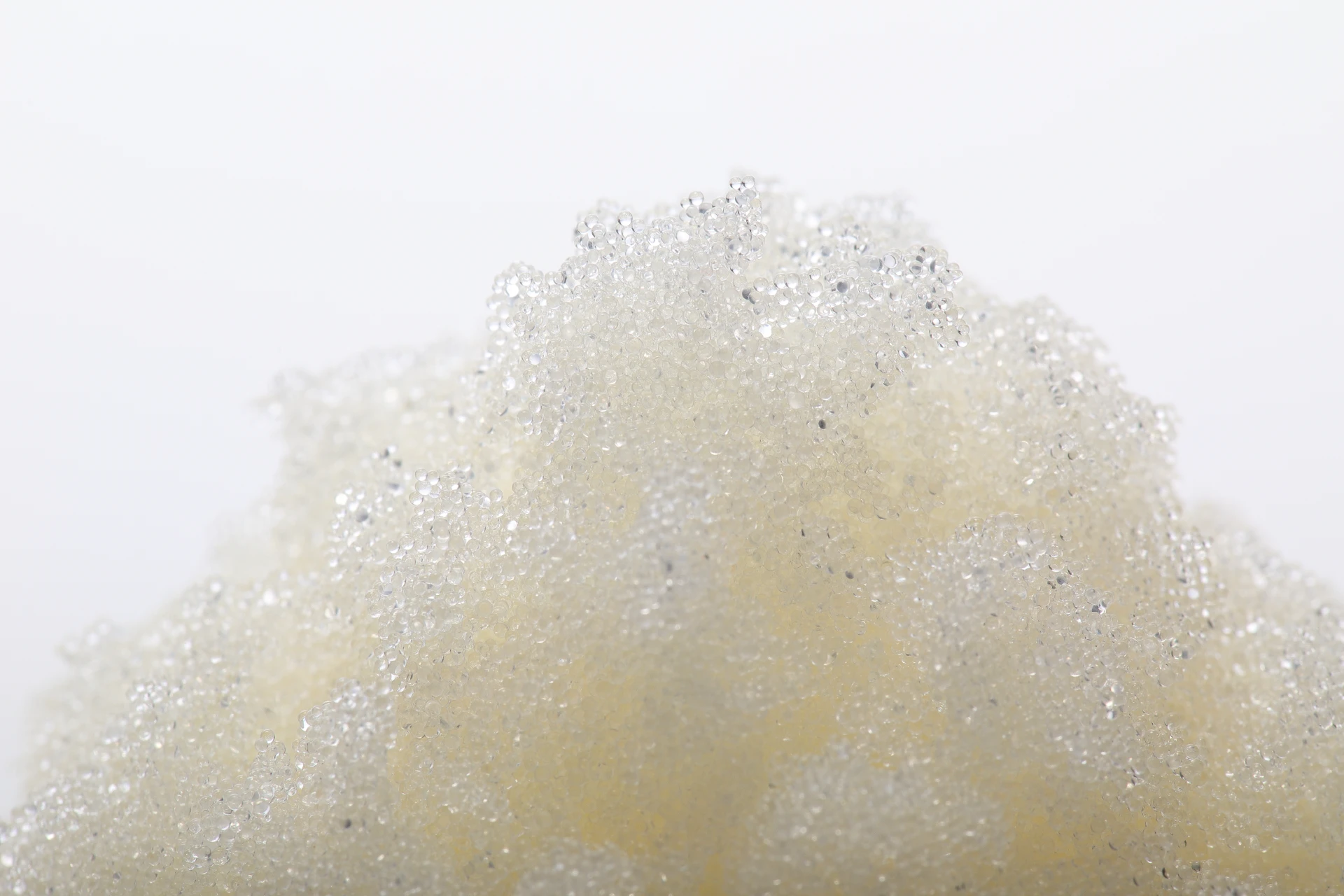
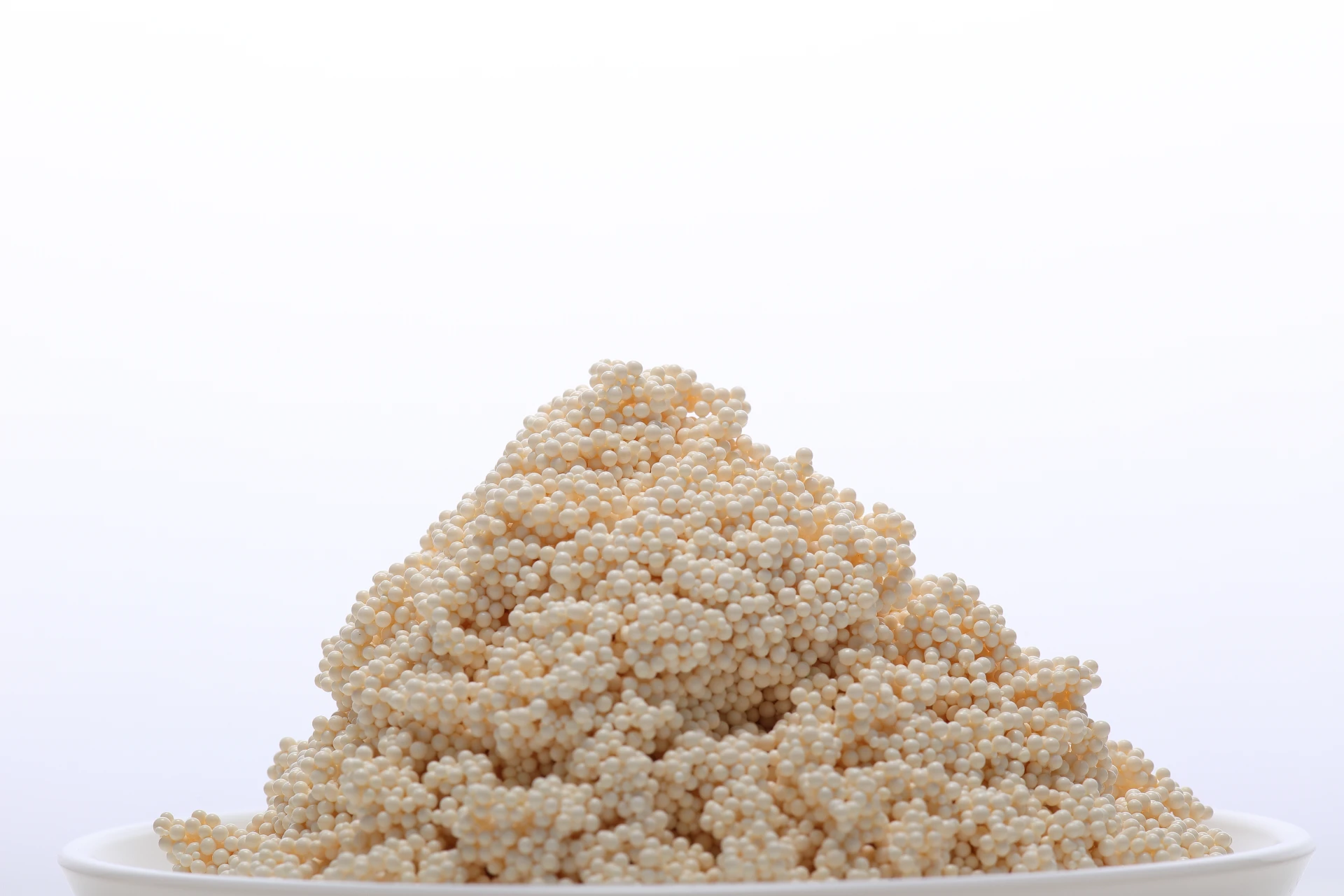
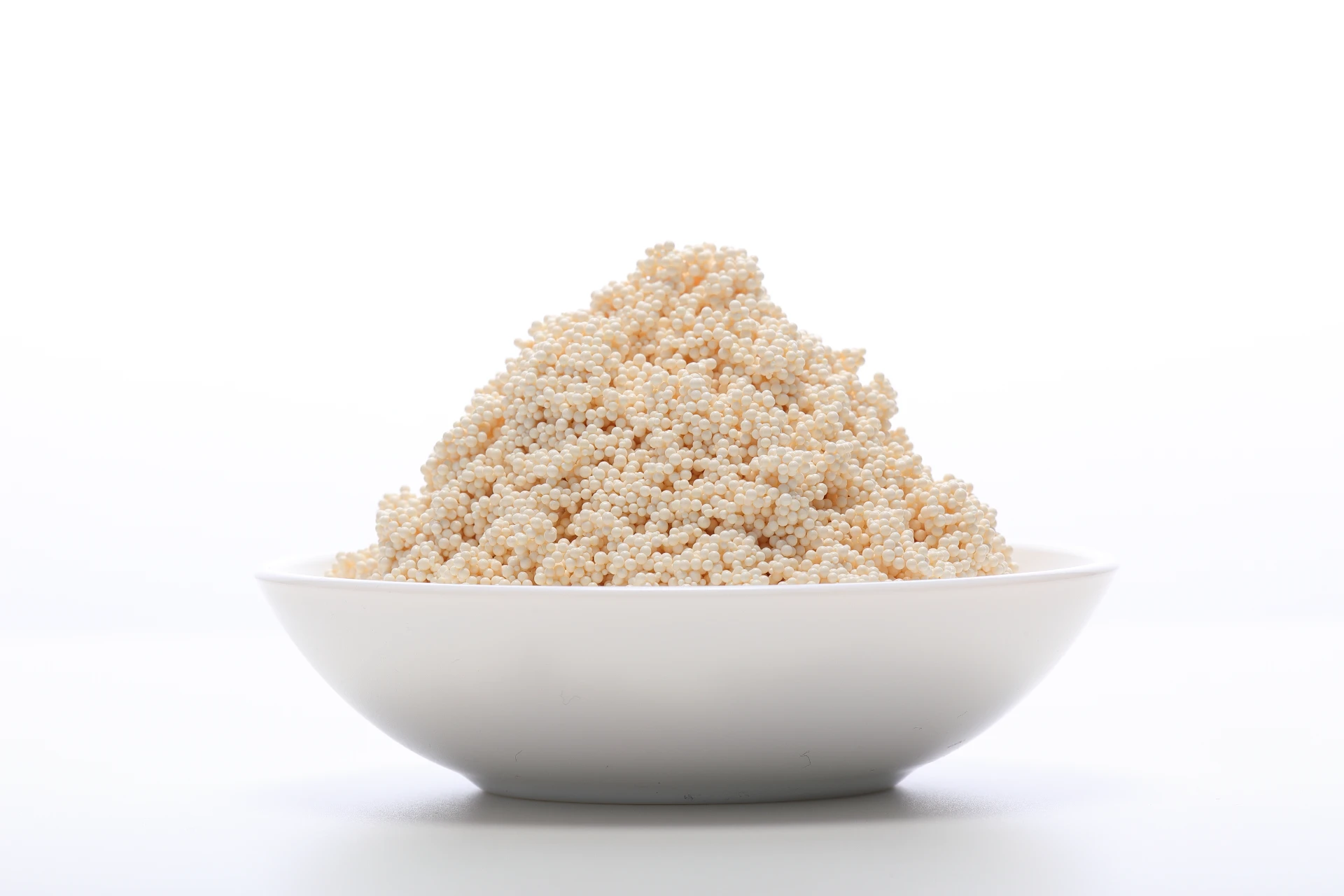
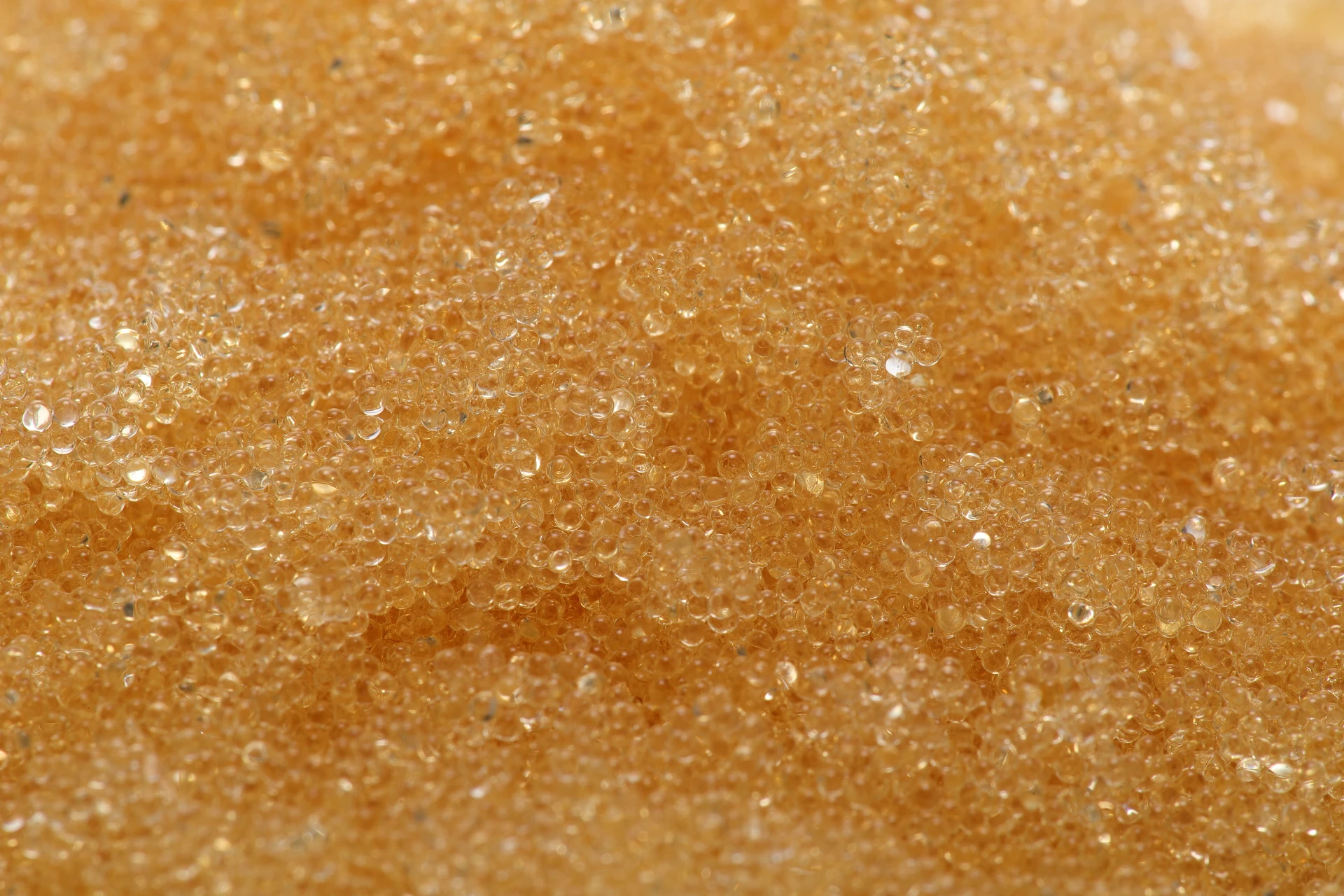
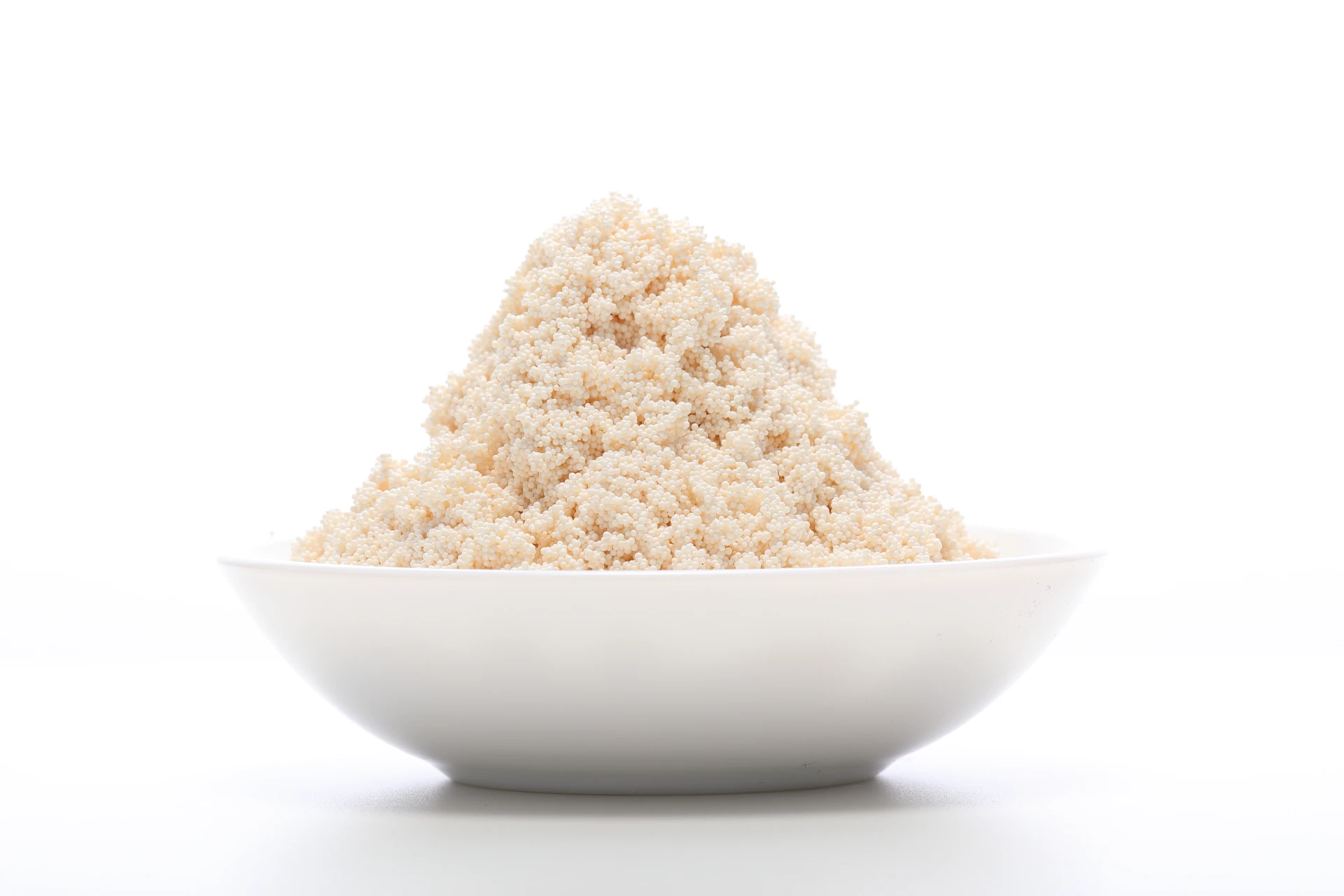
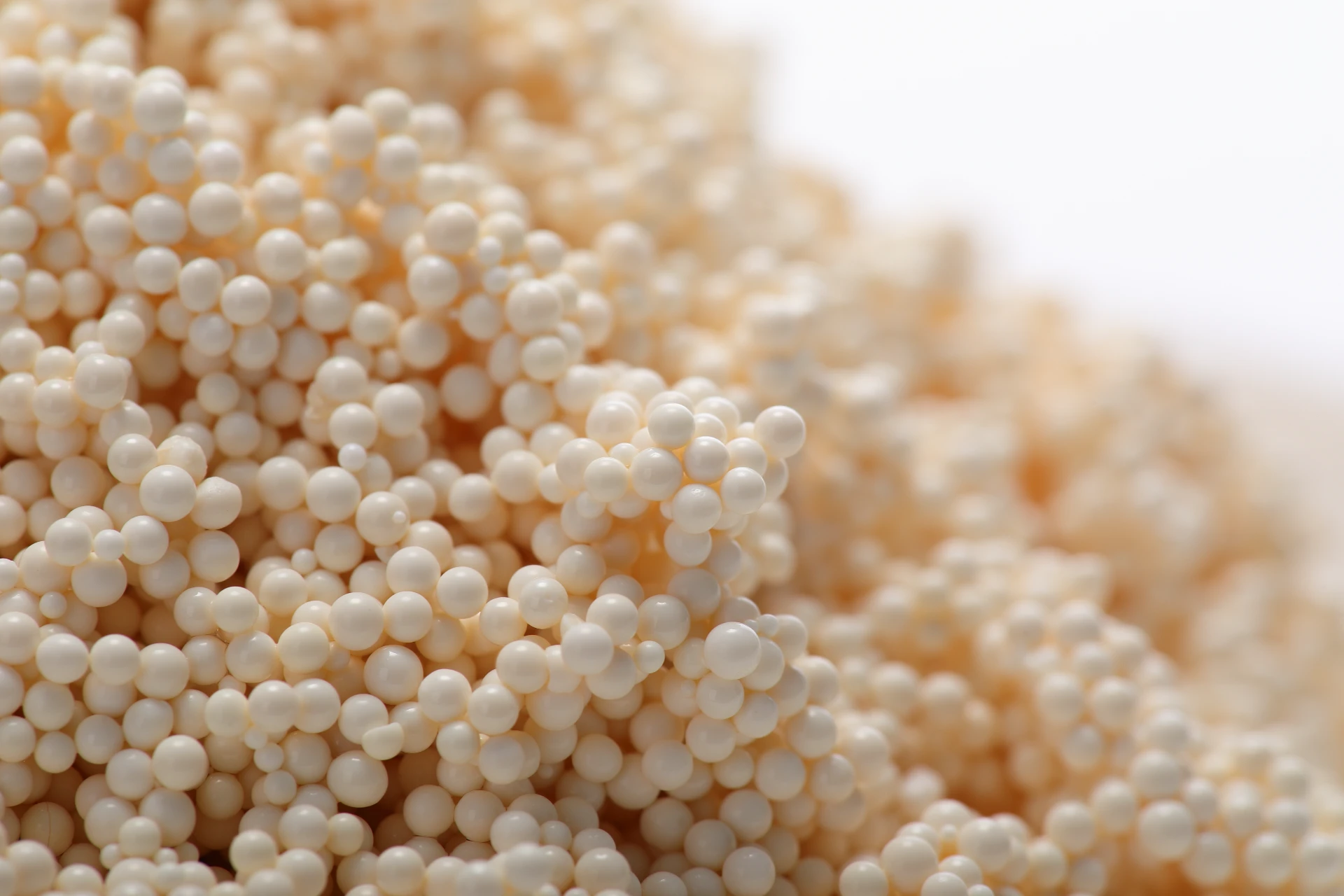
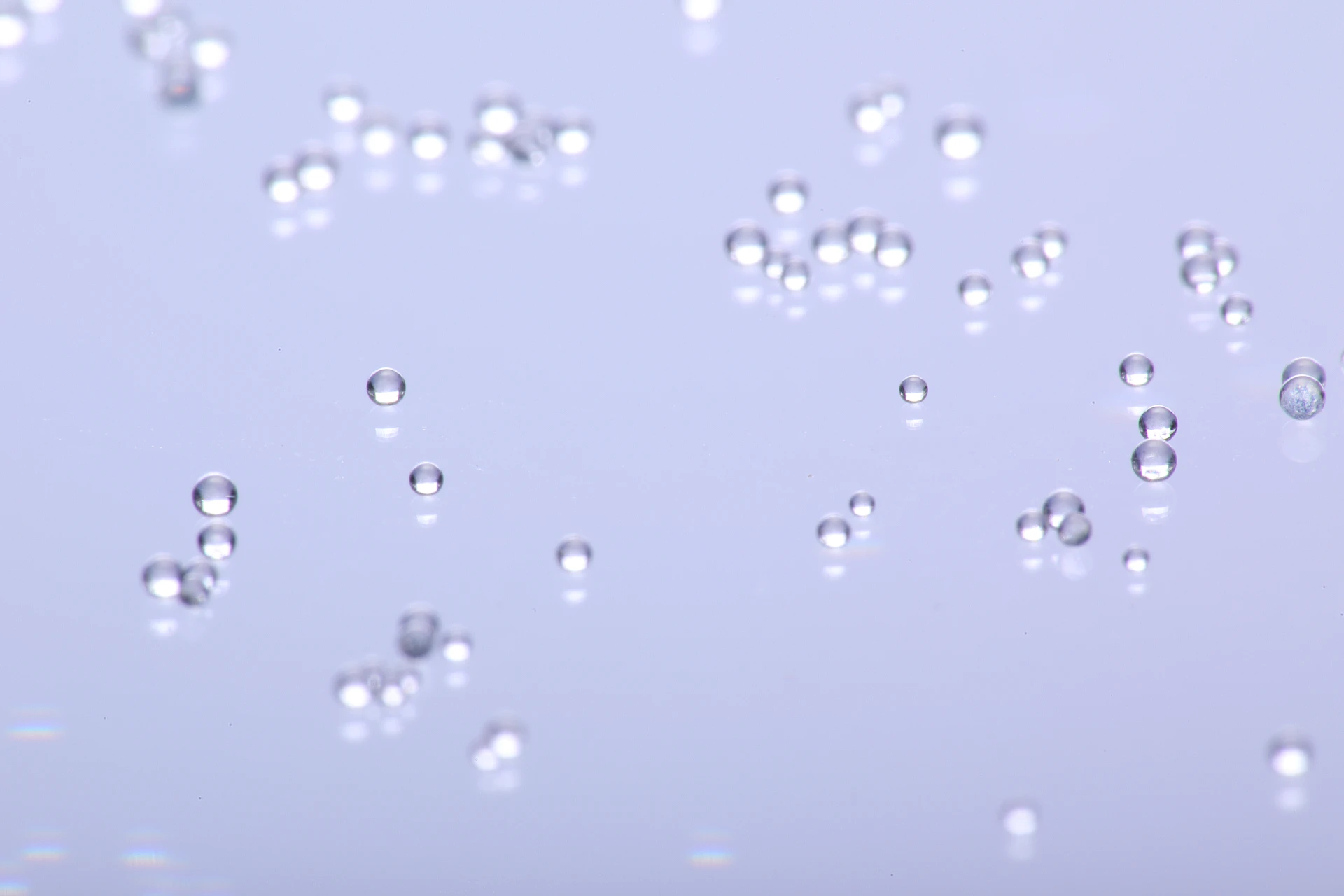
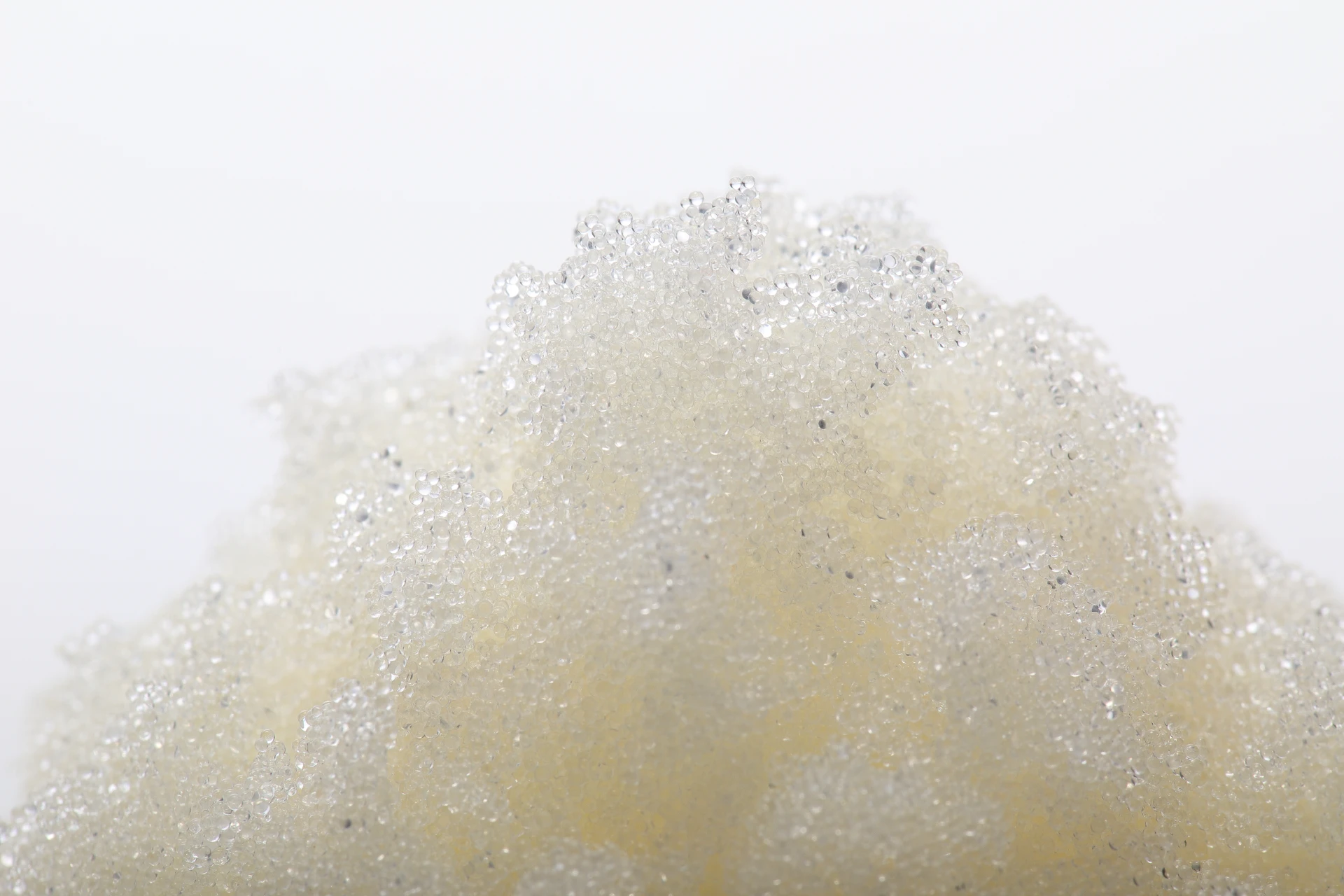
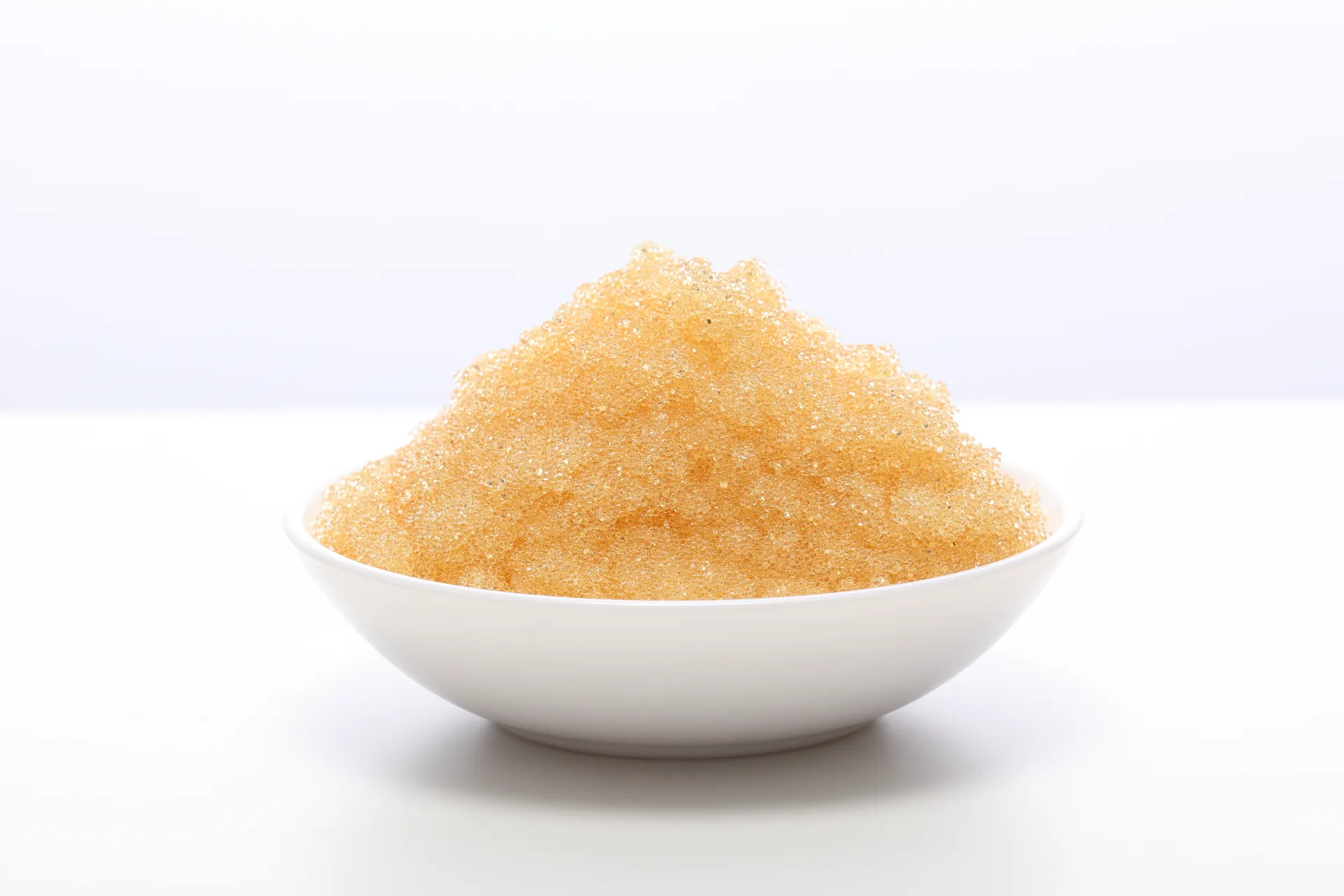
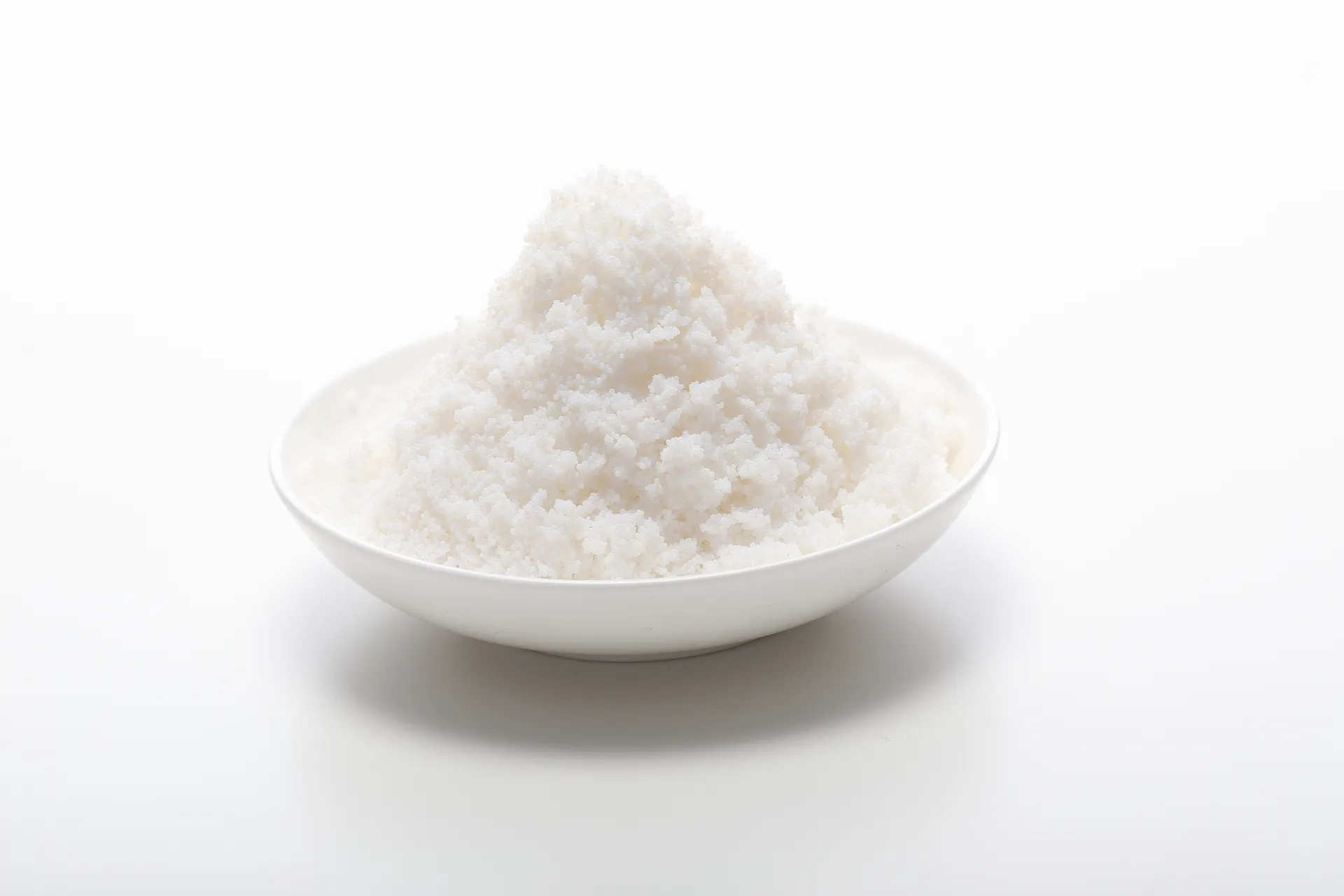
Water softener resin is the heart of any water softening system. It’s typically made of polystyrene beads that have been chemically treated to attract and hold hard water minerals like calcium and magnesium. A "1 cu ft" designation refers to the volume of resin beads contained within the softener tank – roughly the size of a cubic foot. This size is a common starting point because it's sufficient for households with moderate water hardness and water consumption. Using the correct amount of resin ensures effective softening and prevents premature system failure. Lijiresin offers a wide range of resin options.
Key Benefits of Using Water Softener Resin: Eliminates scale buildup, improves appliance efficiency, enhances soap lathering, and provides softer skin and hair.
There are primarily two types of water softener resin available: Type 1 and Type 2. Type 1 resin features a sulfonic acid functional group and is best suited for standard water softening applications. It has a high capacity for removing hardness minerals. Type 2 resin has a carboxylic acid functional group and is more resistant to oxidation and chlorine, making it ideal for well water or water with high iron content. Choosing the right type depends on your specific water chemistry. Consider a high-quality resin for long-lasting performance.
Resin Type Comparison:
• Type 1: High capacity, standard applications
• Type 2: Oxidation/chlorine resistant, suitable for well water
The capacity of a 1 cu ft resin tank is typically around 32,000 grains. This means it can remove approximately 32,000 milligrams of hardness minerals per gallon of water before requiring regeneration. Regeneration is the process of flushing the resin with a brine solution (saltwater) to replenish its ion exchange capacity. The frequency of regeneration depends on your water hardness, water usage, and the efficiency of your softener system. Consistent monitoring and proper regeneration are vital for maintaining optimal performance.
When selecting a 1 cu ft water softener resin, consider your water chemistry, water usage, and budget. Look for resins certified by organizations like NSF International to ensure they meet quality and safety standards. Consider the mesh size of the resin; 8x30 or 16x30 mesh are common sizes. Also, factor in the resin's operating temperature range and resistance to chemicals. Lijiresin provides expert guidance to help you choose the ideal resin for your specific needs.
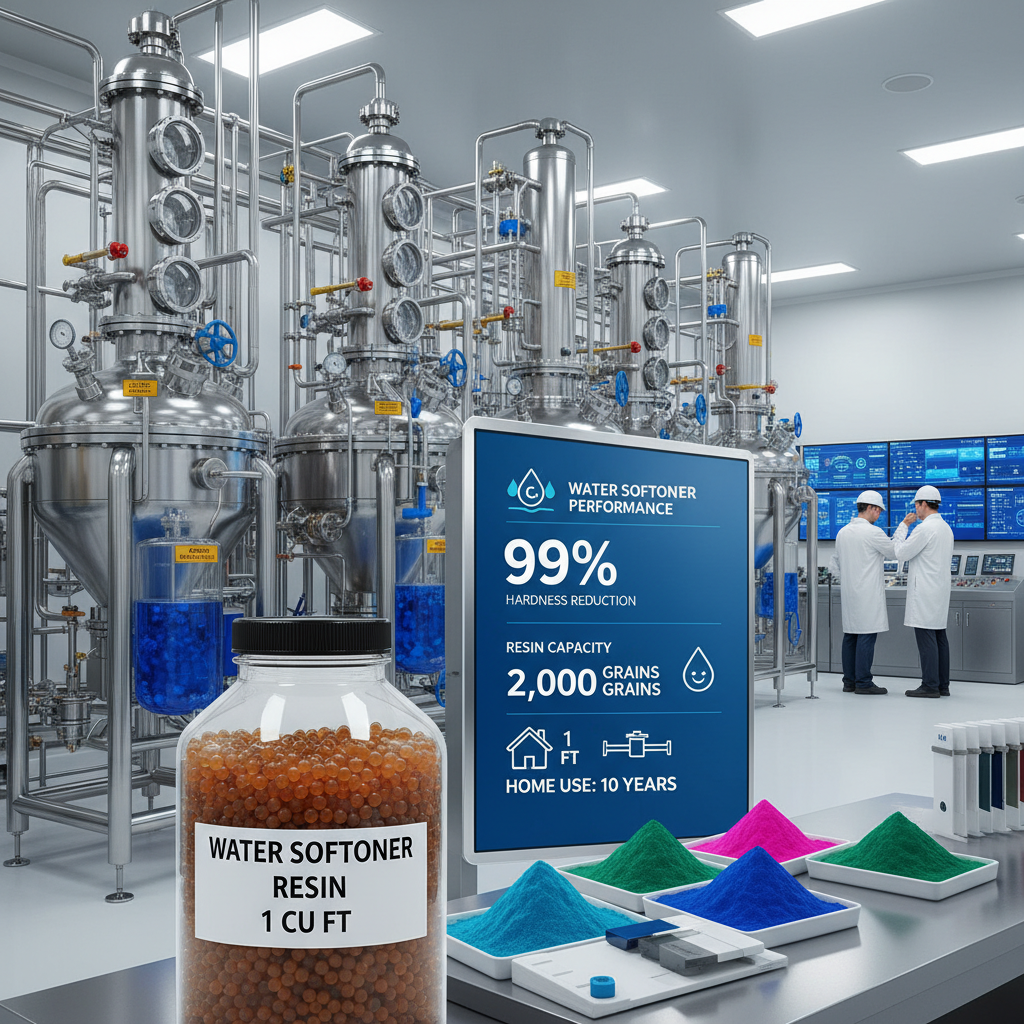
Here’s a quick look at the specifications of our popular Lijiresin Water Softener Resin (1 Cu Ft):
Selecting the right water softener resin 1 cu ft is a significant step towards enjoying cleaner, more efficient water. Understanding the different types of resin, capacity considerations, and regeneration requirements will empower you to make the best choice for your home or business.
Typically, water softener resin should be replaced every 10-15 years, depending on water quality and usage. However, signs like decreased softening capacity, increased salt usage, and resin beads breaking down indicate it’s time for a replacement. Regular water testing can help determine the best time to replace your resin. Ignoring these signs can lead to inefficient softening and potential damage to your plumbing. Consider regular resin cleaning to extend its lifespan – Lijiresin offers cleaning solutions and advice.
You can use either rock salt, solar salt, or evaporated salt with your water softener resin. Evaporated salt is the purest form and dissolves most easily, minimizing residue buildup. Rock salt is the least expensive but may contain impurities. Avoid using iodized salt, as the iodine can damage the resin over time. The type of salt you choose affects the efficiency of regeneration and the longevity of your resin.
Yes, but it's crucial to choose the right type of resin. Well water often contains iron, manganese, and other contaminants that can foul standard Type 1 resin. Type 2 resin, with its carboxylic acid functional group, is more resistant to oxidation and is better suited for well water applications. Pre-filtration may also be necessary to remove sediment and high levels of iron before the water reaches the softener.