Phone:
+86 0319 2296164


Email:
info@lijiresin.cn
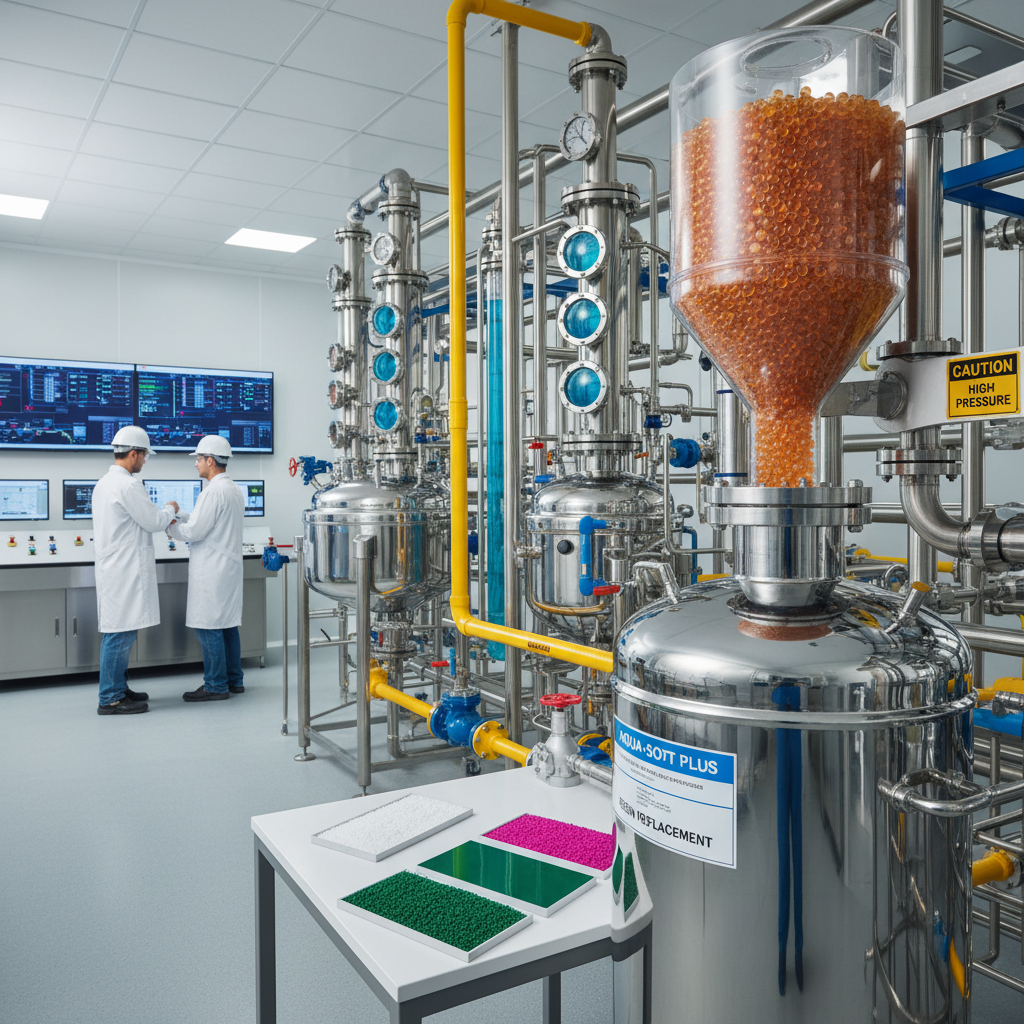
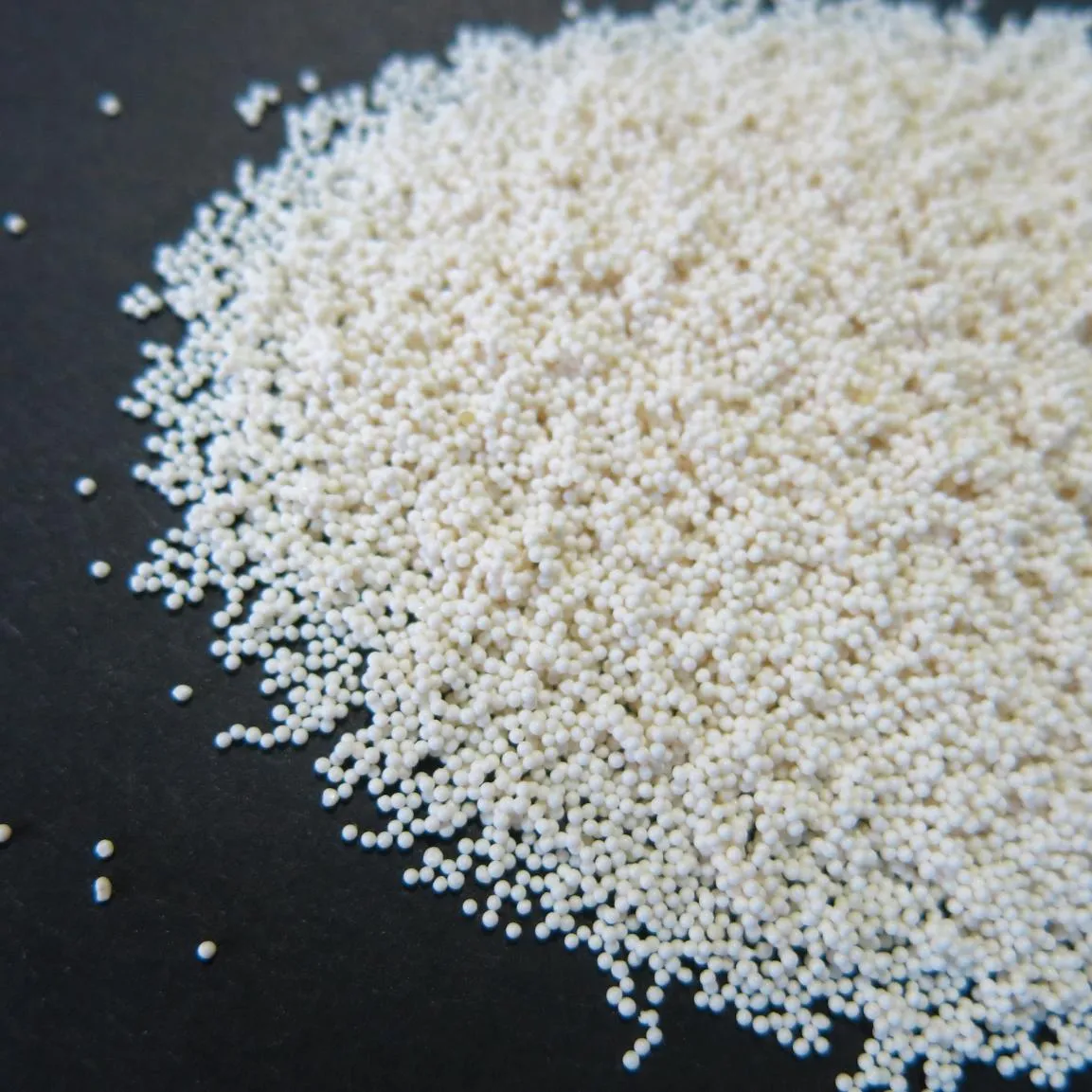
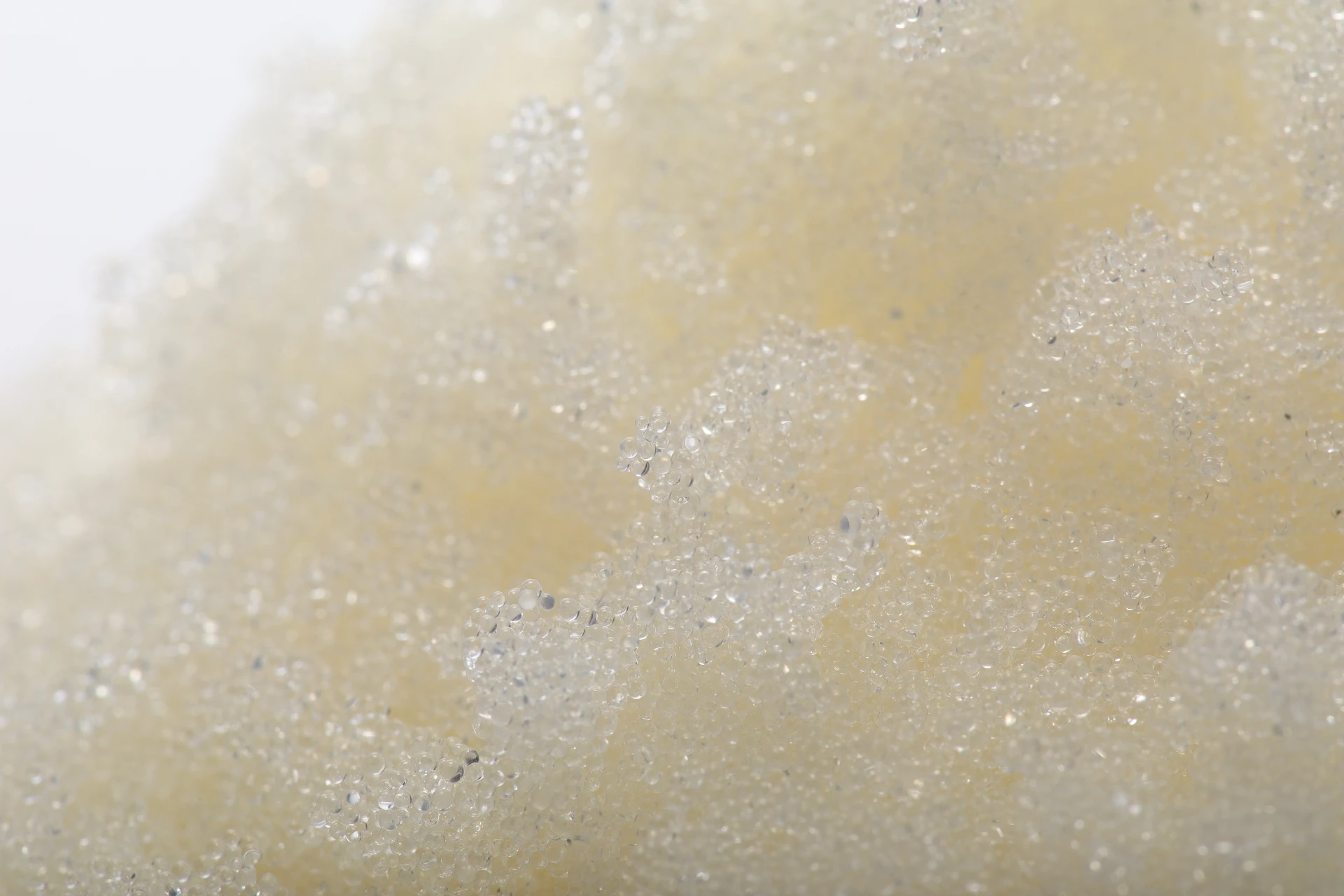
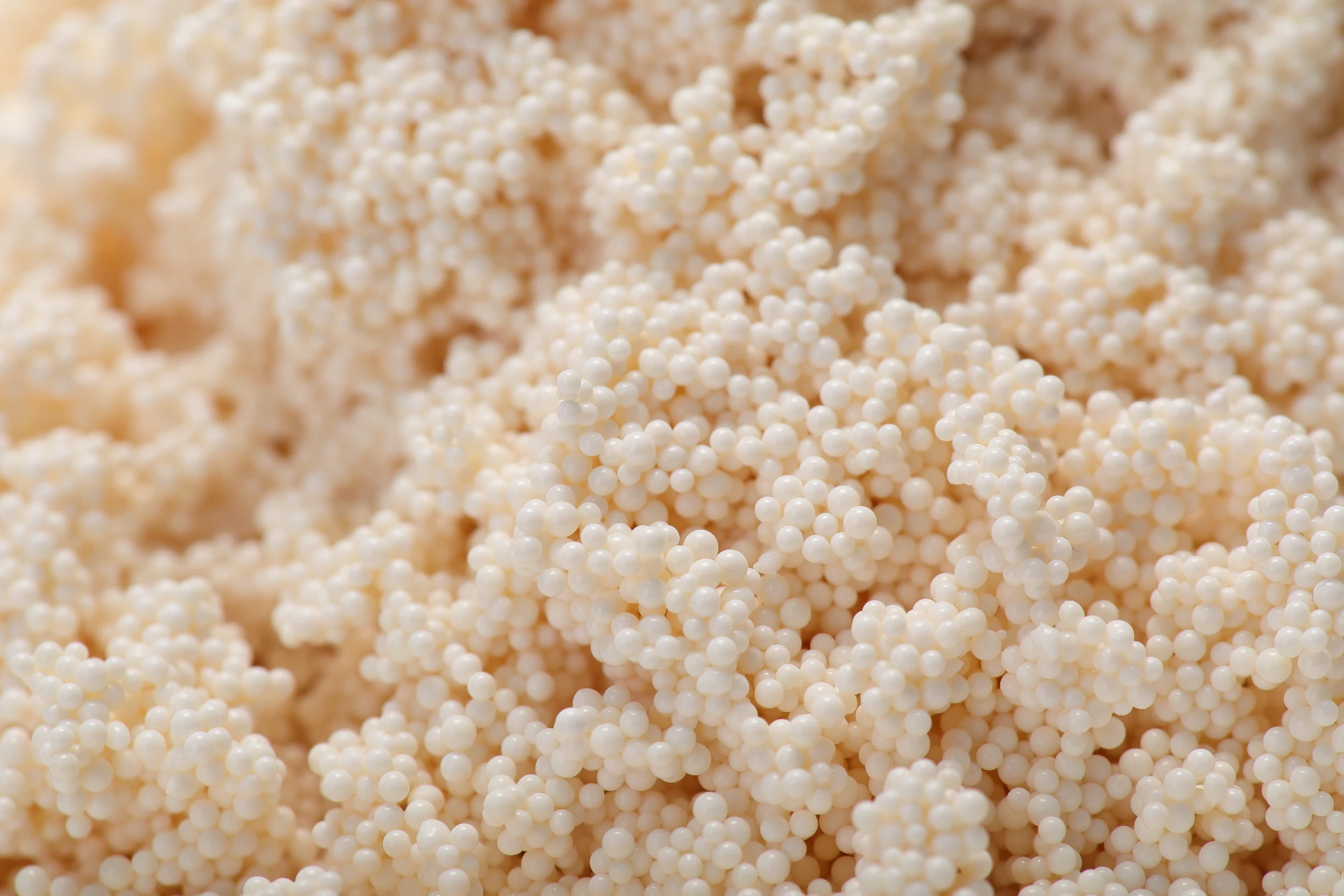
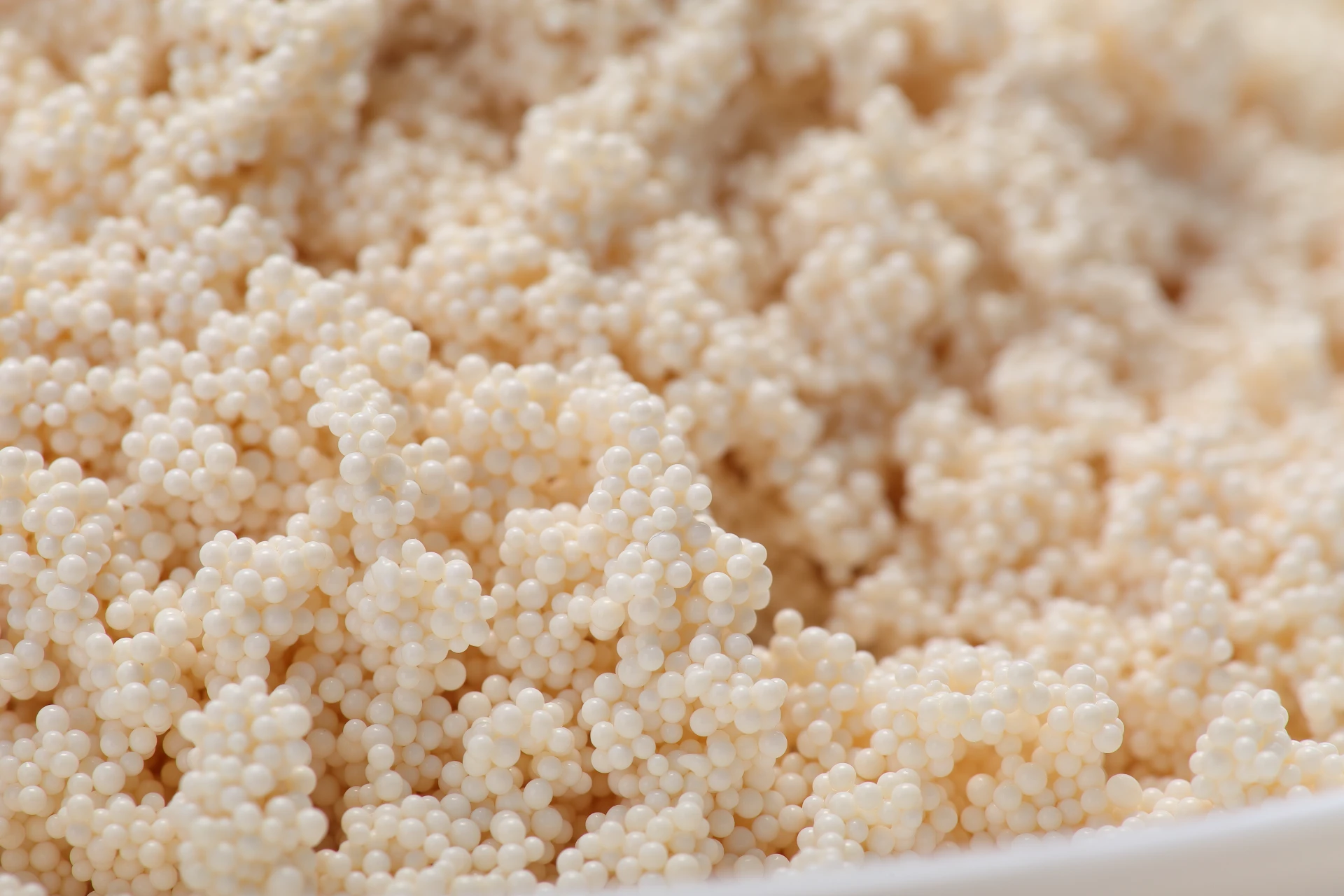
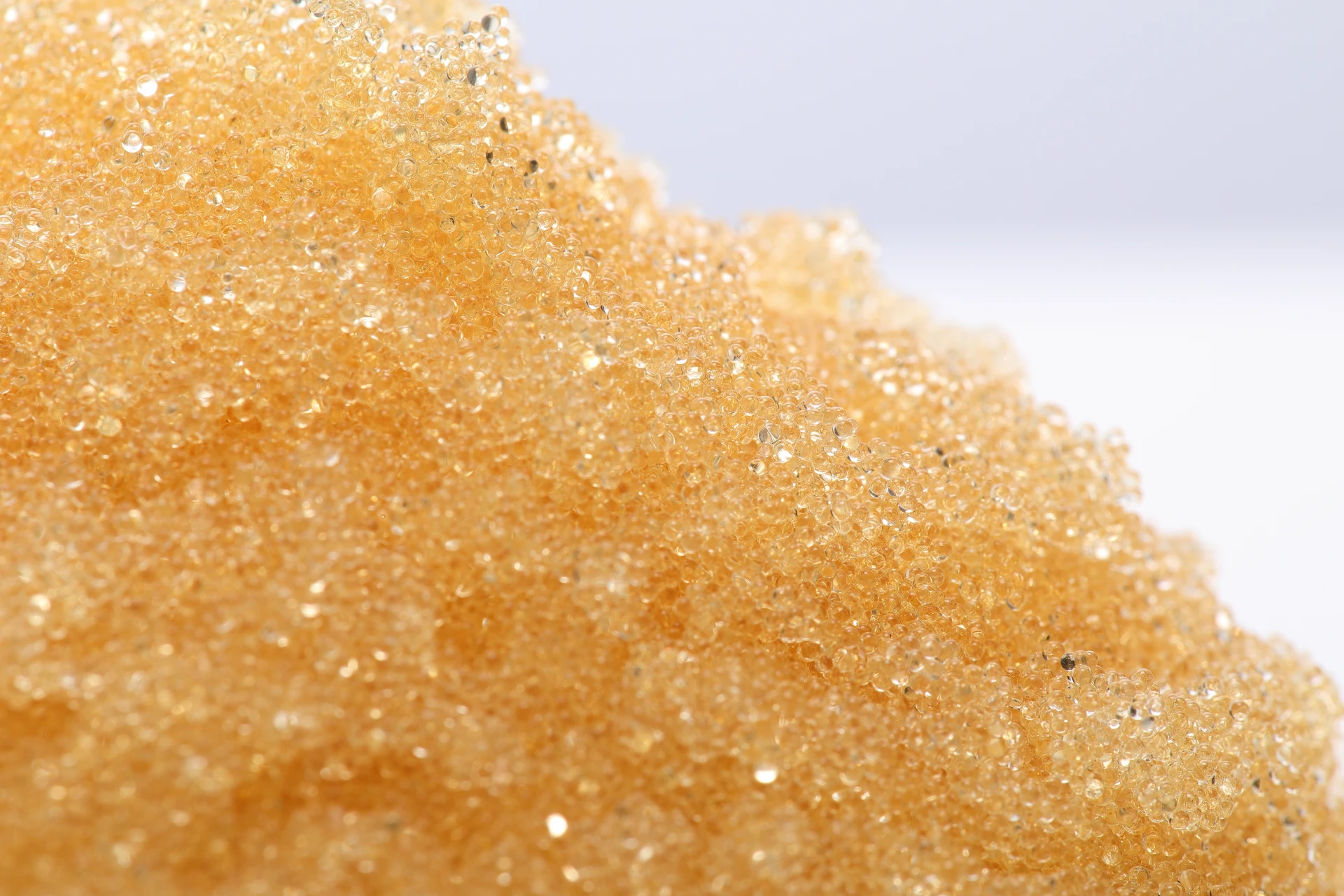
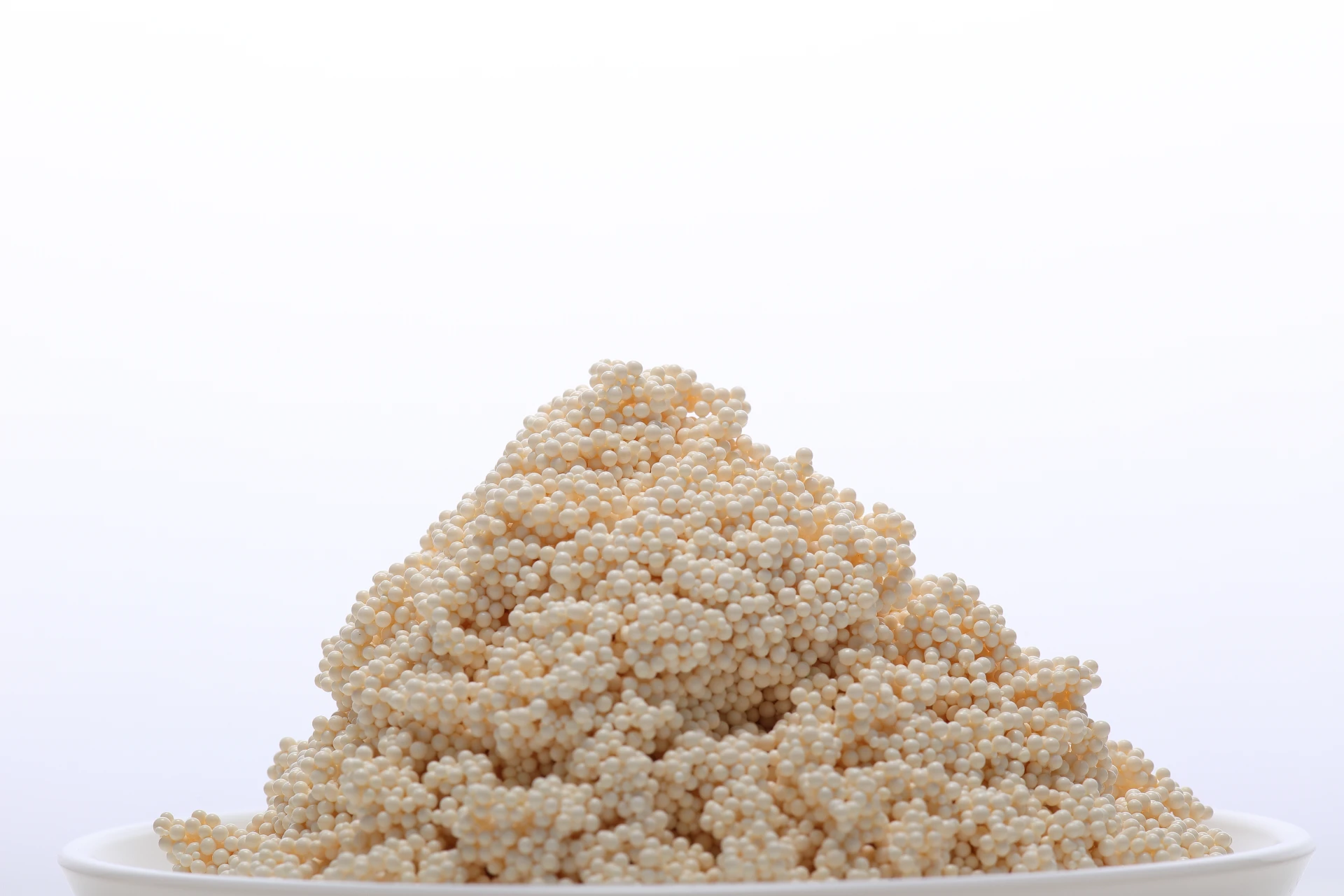
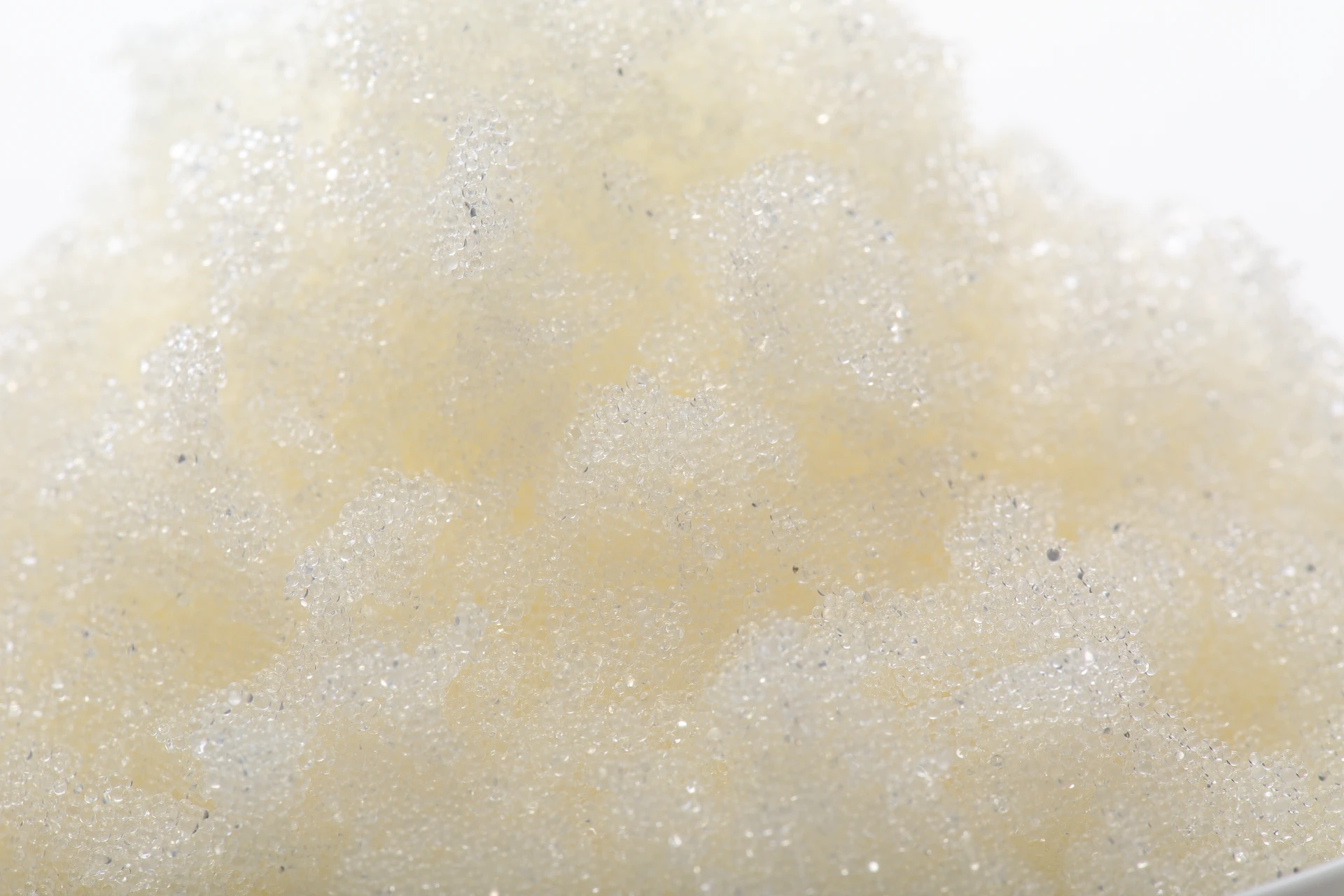
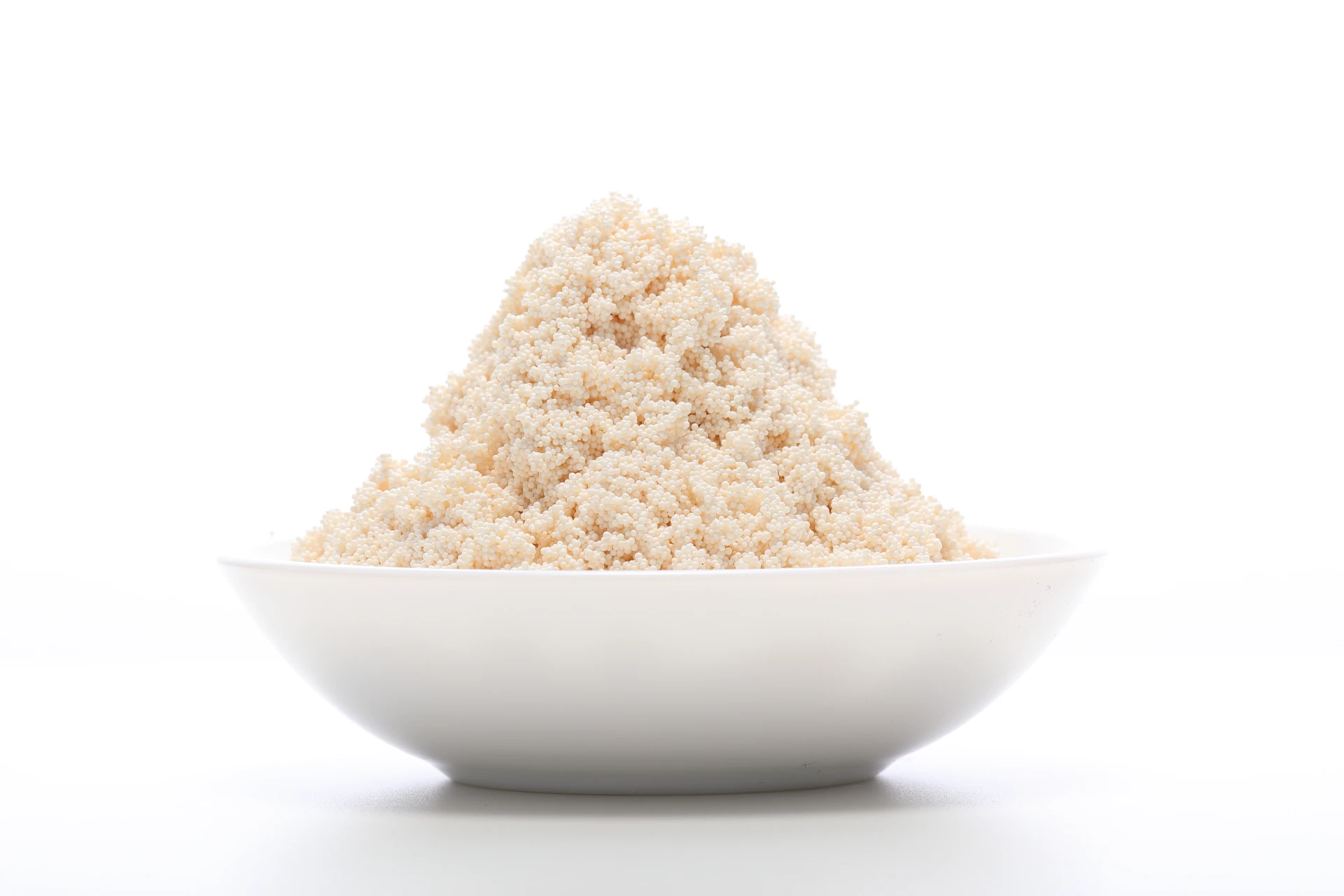
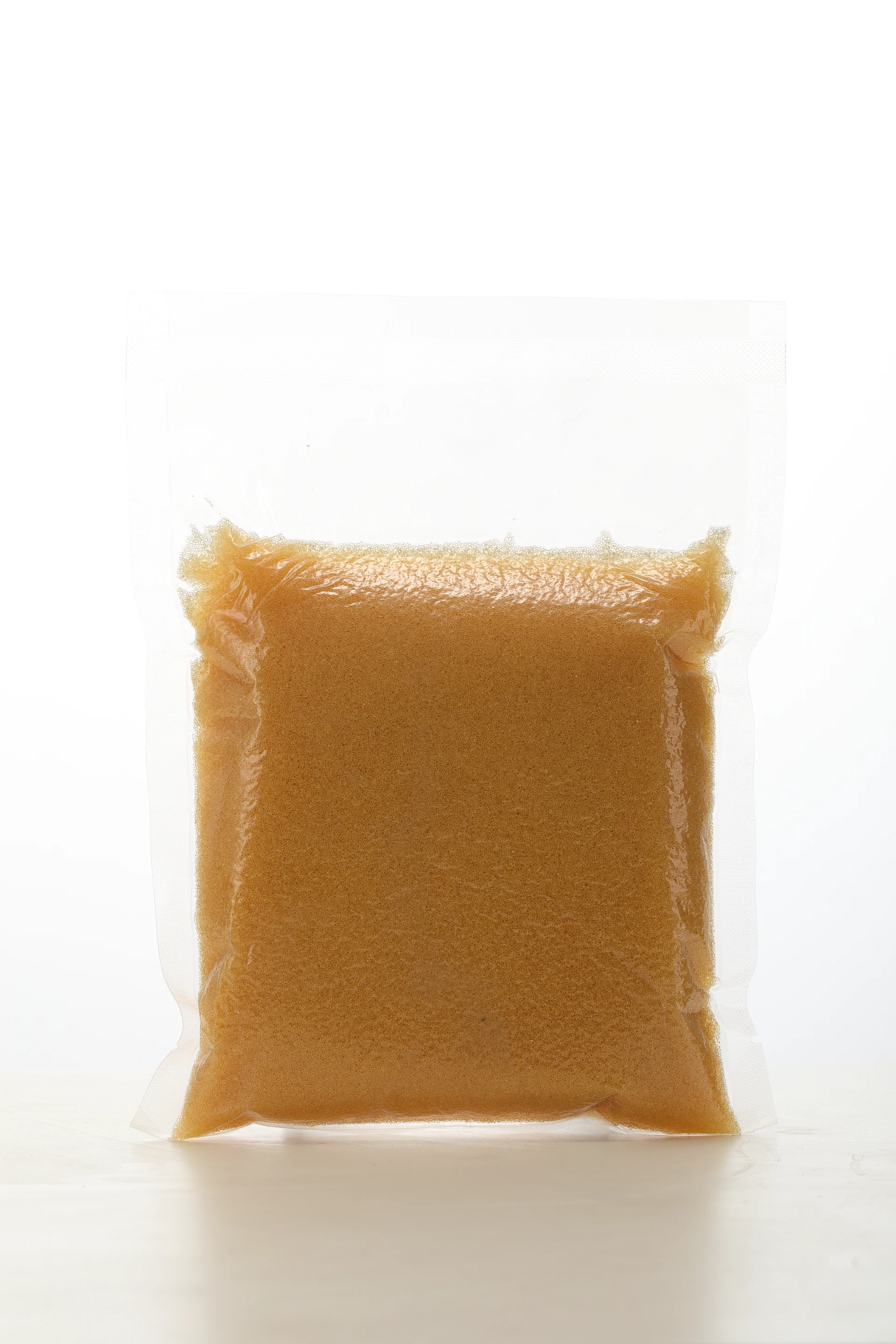
Maintaining a water softener is crucial for ensuring a consistent supply of soft water for your home or business. A key component of this maintenance is periodically replacing the resin. Over time, water softener resin beads become fouled with minerals and iron, losing their ability to effectively remove hardness. This article will provide a comprehensive overview of resin replacement, covering when to replace, types of resin, the replacement process, and where to source high-quality resin. Understanding these aspects will help you optimize your water softener's performance and longevity.
Determining when to replace your water softener resin isn’t always straightforward. Several factors indicate it’s time for a change. Noticeable signs include a decrease in water softening efficiency, increased salt usage, and a constant hardness reading in your water. If you’re regenerating the softener more frequently than usual, or if you observe iron buildup around the softener, these are also indicators. As a general rule, resin should be replaced every 5-10 years, depending on water quality and usage. Proactive replacement prevents performance decline and ensures consistently soft water. Regularly testing your water hardness is the most reliable method to monitor resin performance.
Key Indicators for Resin Replacement: Decrease in softening efficiency, increased salt usage, constant hardness readings, frequent regeneration, iron buildup.
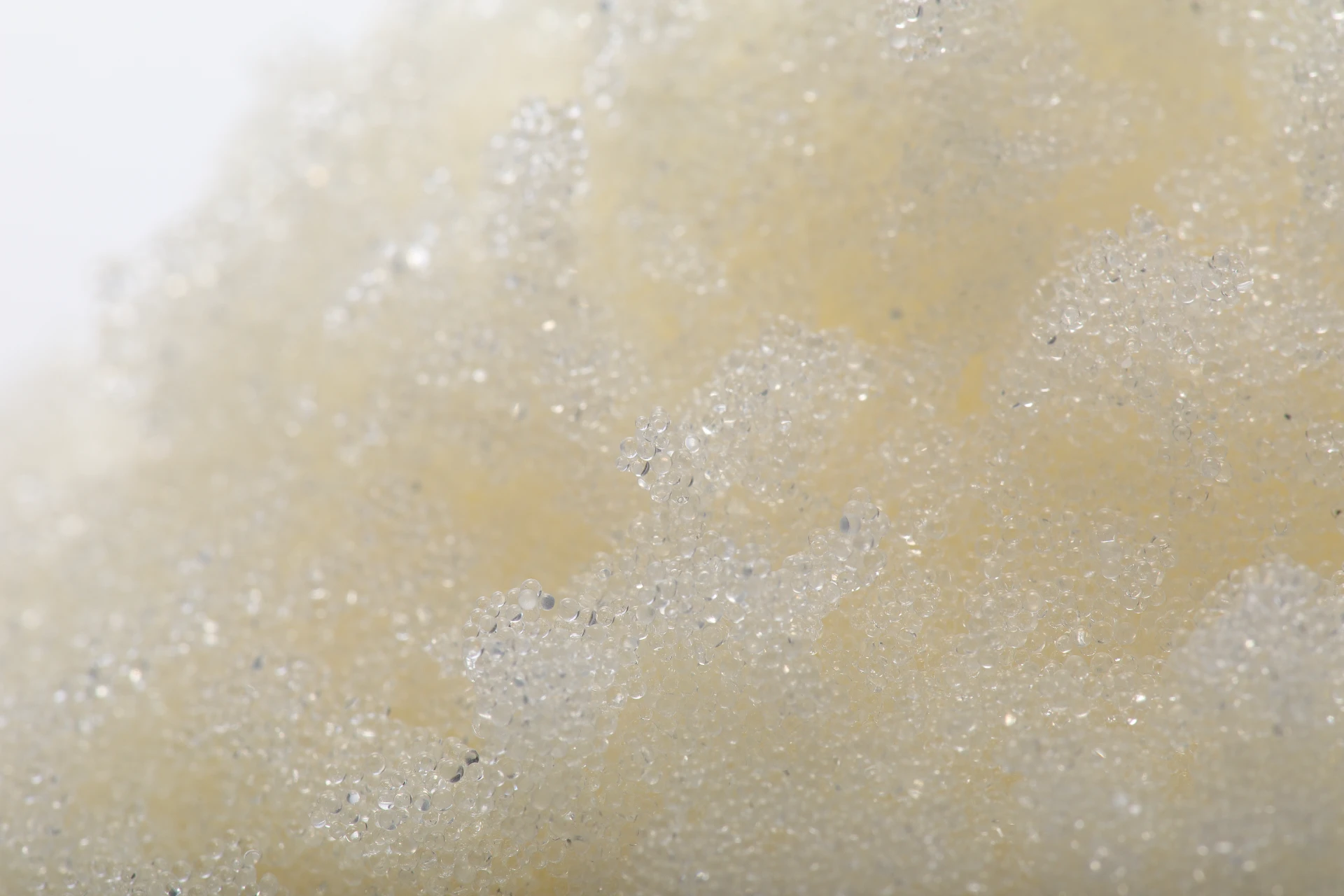
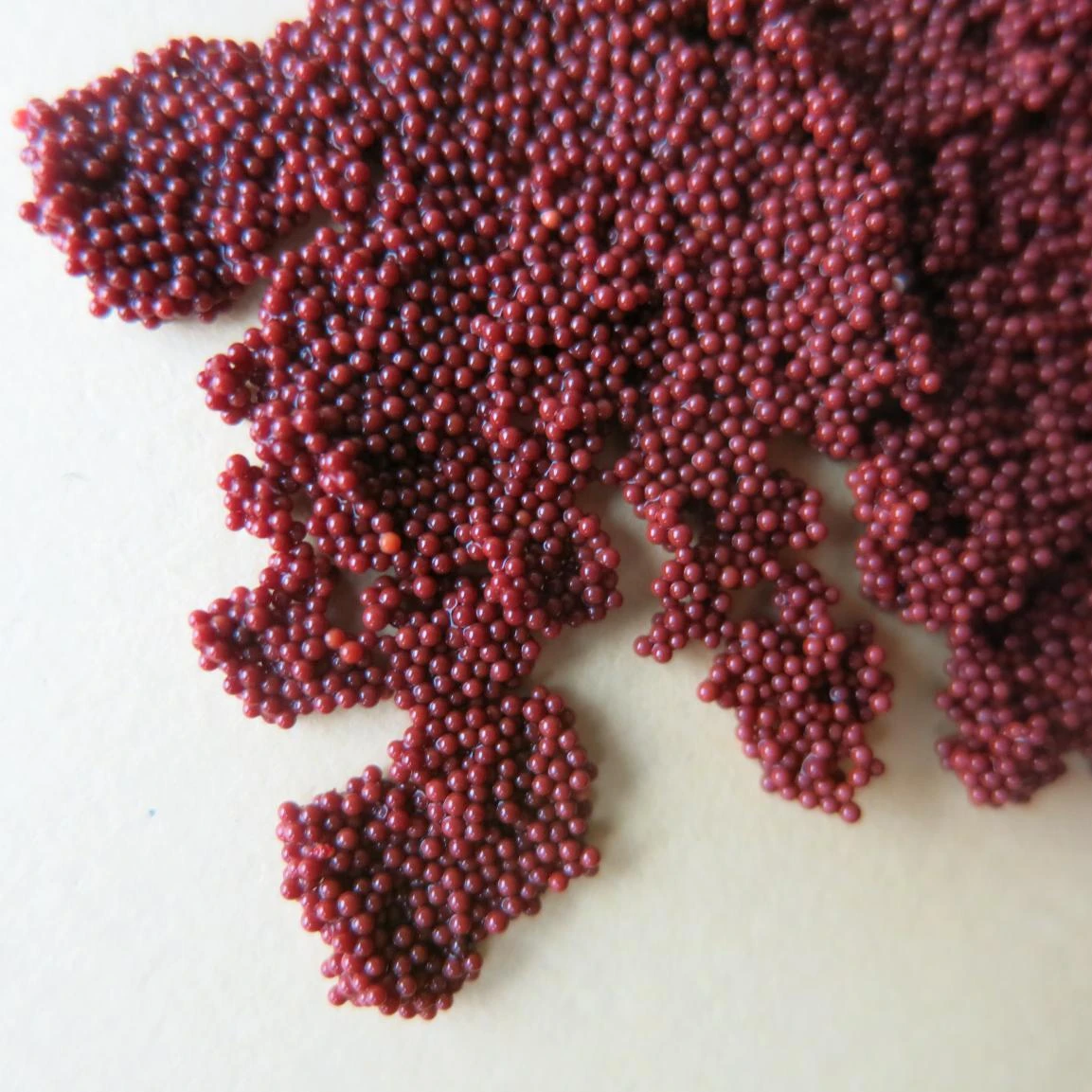
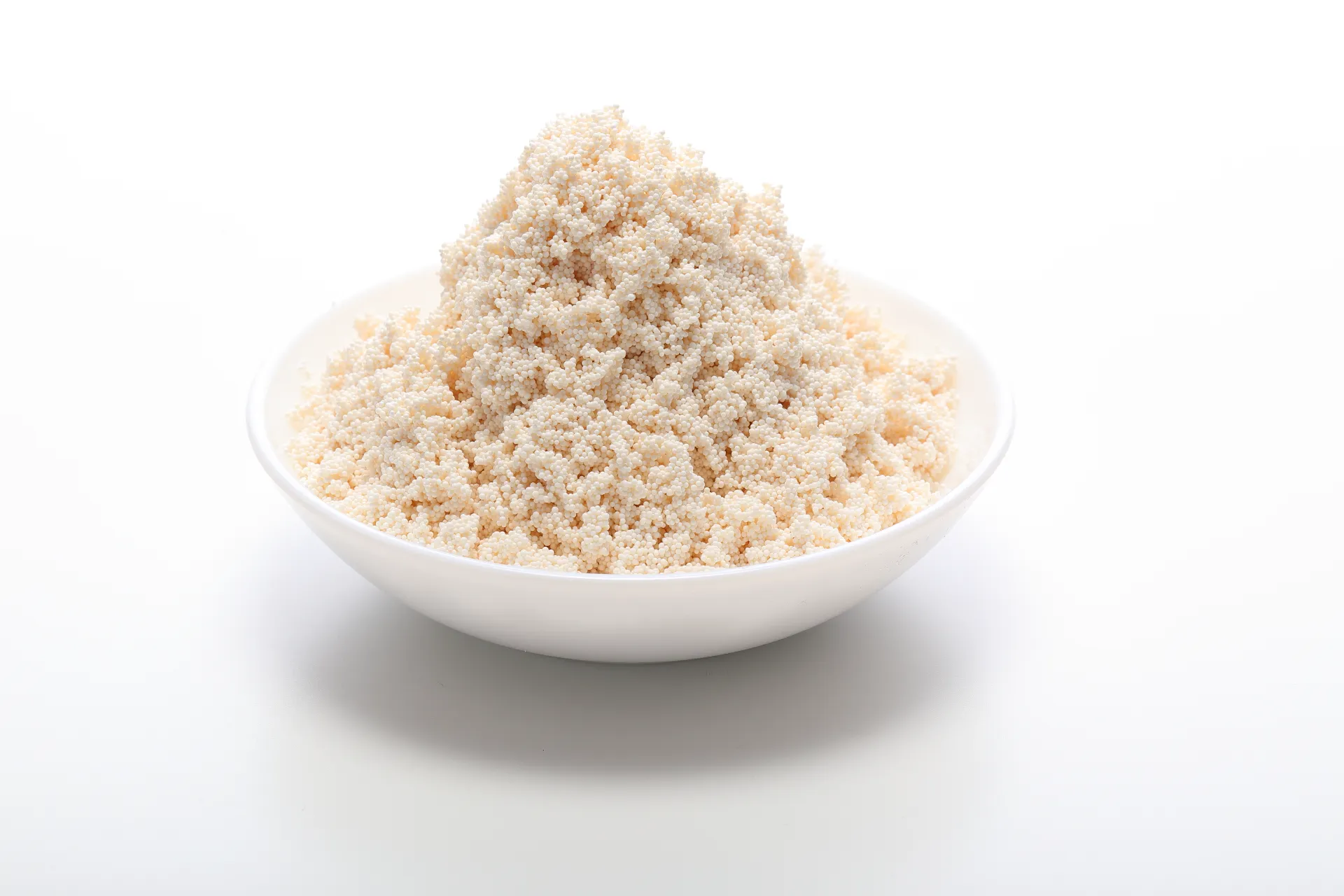
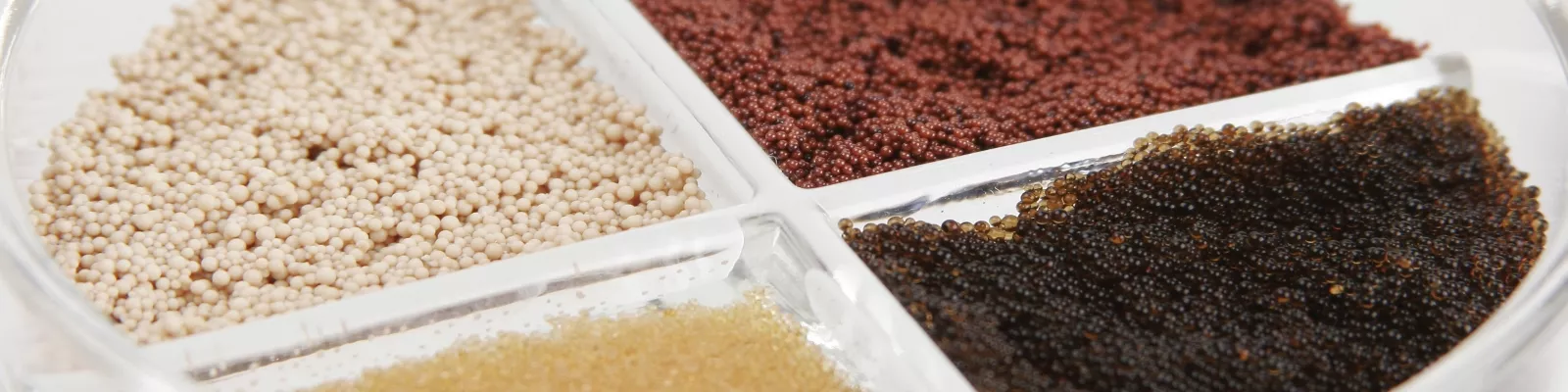
Water softener resin primarily comes in two types: Type 1 (Standard) and Type 2. Type 1 resin is the most common and is suitable for general water softening applications. It boasts a high exchange capacity and is effective at removing calcium and magnesium. Type 2 resin has a finer mesh size and is specifically designed for removing iron from the water. It's ideal for water with moderate iron content. Choosing the right type of resin depends on your water chemistry. If you have significant iron issues, a Type 2 resin, or a blend of Type 1 and Type 2, is recommended. Liji Resin offers both types to meet diverse water treatment needs.
Resin Type Comparison:
• Type 1: High exchange capacity, general water softening.
• Type 2: Finer mesh, specifically for iron removal.
Replacing water softener resin is a manageable DIY project, but requires careful attention to detail. First, bypass the water softener and shut off the water supply. Drain the brine tank and resin tank completely. Remove the top distributor and carefully remove the old resin. Clean the resin tank thoroughly to remove any sediment or debris. Slowly add the new water softener resin, ensuring it’s evenly distributed. Reinstall the top distributor and slowly turn the water supply back on. Run a regeneration cycle to properly flush and condition the new resin. Always refer to your water softener’s manual for specific instructions.
Not all resins are created equal. Resin quality significantly impacts performance and longevity. Look for resins certified by organizations like NSF International, ensuring they meet stringent safety standards. Consider the bead size and crosslinking percentage – higher crosslinking generally indicates better resistance to chlorine and other oxidants. Liji Resin offers premium quality resins with high crosslinking and NSF certification, providing superior performance and durability. Investing in high-quality resin upfront can save you money in the long run by reducing the frequency of replacements and maintaining optimal water softening efficiency.
Choosing a reputable supplier is essential for obtaining high-quality water softener resin. Look for suppliers with a proven track record, positive customer reviews, and a commitment to quality control. Liji Resin is a leading manufacturer and supplier of water softener resin, offering a wide range of products and excellent customer support. We provide direct sourcing, competitive pricing, and expert guidance to help you select the best resin for your specific needs. Don't compromise on quality – choose a trusted supplier like Liji Resin.
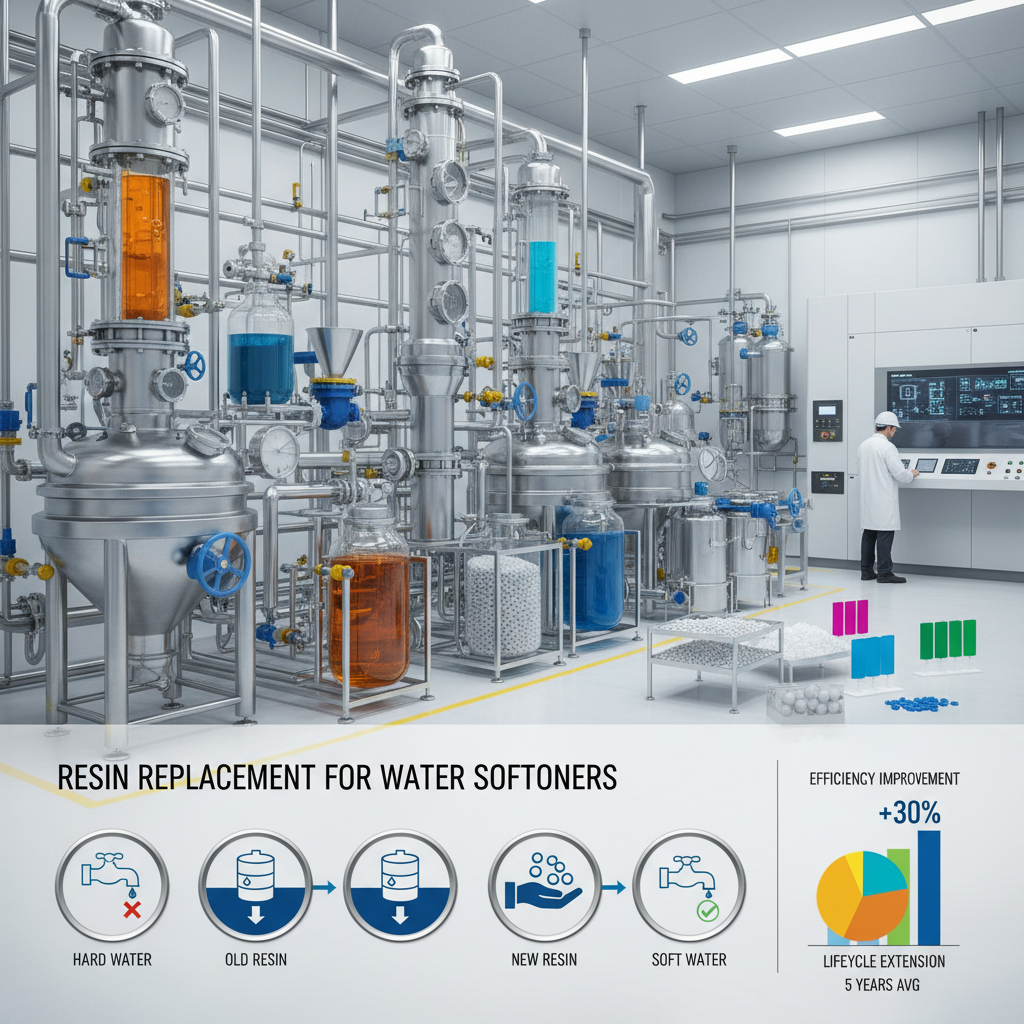
Regular resin replacement is the key to consistent water softening and optimal performance of your water softener system. By understanding the signs of worn-out resin, choosing the right type, and sourcing high-quality products from a reputable supplier like Liji Resin, you can ensure a reliable supply of soft water for years to come. Investing in proactive maintenance saves money and prevents costly repairs in the long run.
The amount of resin you need to replace depends on the size of your water softener tank. Most standard tanks contain between 1 and 2 cubic feet of resin. Check your water softener’s manual or the tank label to determine the exact capacity. When replacing, it’s generally recommended to replace all of the resin at once to ensure consistent performance. Ordering slightly more resin than required is always a good idea, as it allows for some loss during the process.
While most standard resins will physically fit in your softener, it’s crucial to choose the correct type based on your water chemistry. Using the wrong type of resin can lead to reduced efficiency or even damage to the system. If you have high iron content, a Type 2 resin is essential. If you’re unsure, it’s best to consult with a water treatment professional or contact Liji Resin for expert advice.
A typical regeneration cycle after resin replacement takes between 60-90 minutes. It's important to allow the entire cycle to complete to ensure the resin is properly conditioned and ready for use. During regeneration, the softener will backwash, brine, rinse, and refill the brine tank. Avoid using softened water during the regeneration process. Always consult your softener's manual for specific regeneration instructions.