Phone:
+86 0319 2296164


Email:
info@lijiresin.cn
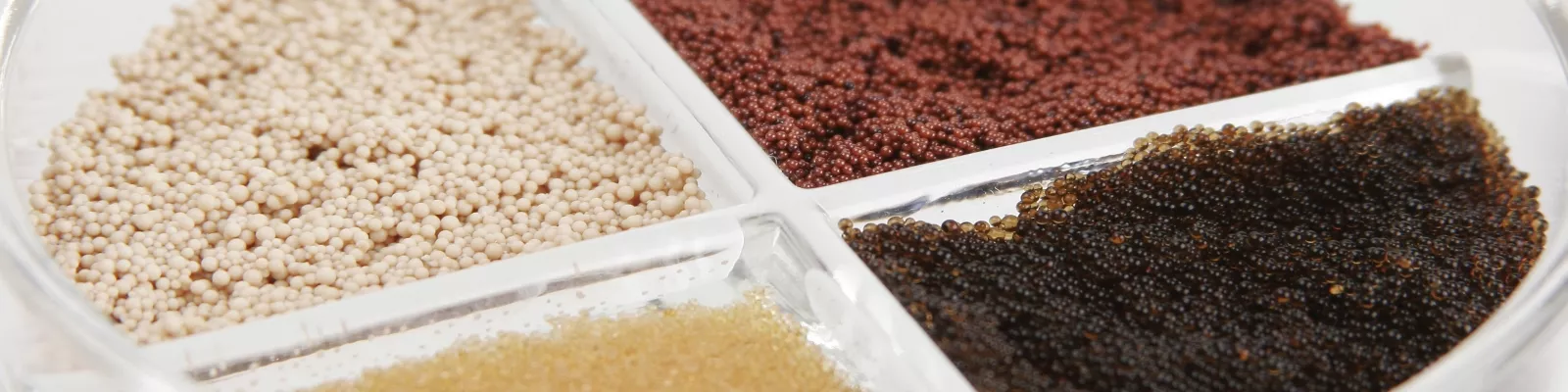
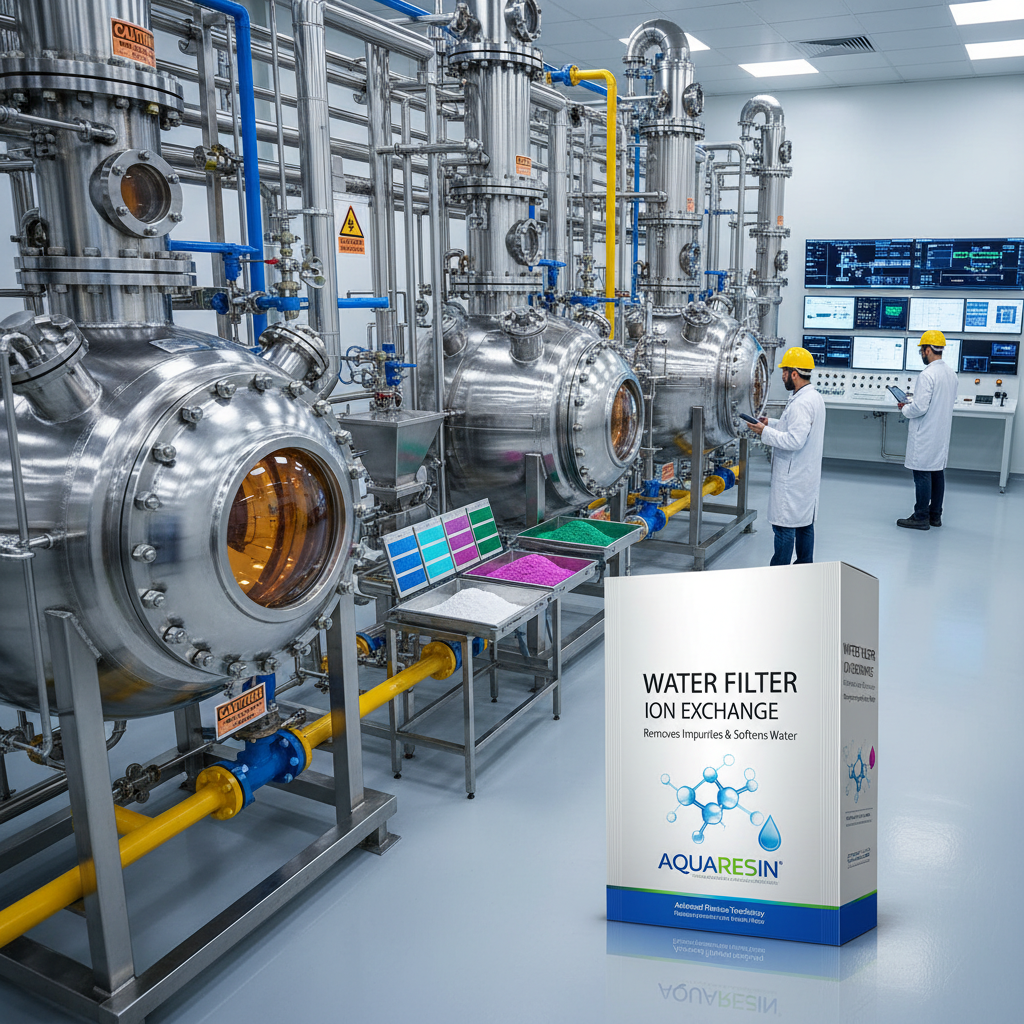
Ion exchange is a powerful and versatile technology used in water filtration for a wide range of applications, from household drinking water purification to large-scale industrial processes. This article delves into the principles of ion exchange, its applications in water filtration, different types of ion exchange resins, and the benefits of choosing Liji Resin for your water treatment needs. Understanding this technology is key to ensuring clean, safe, and high-quality water for various purposes.
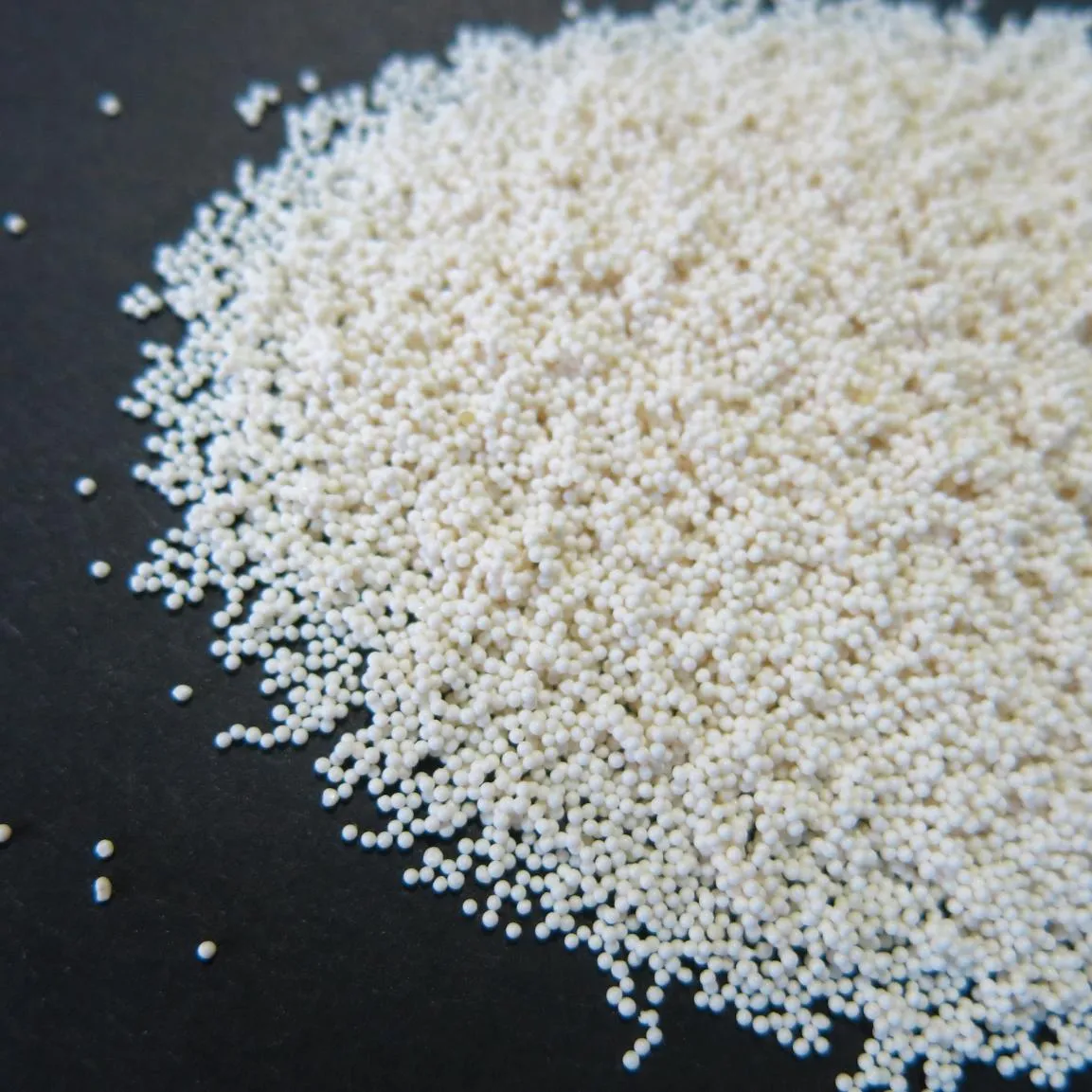
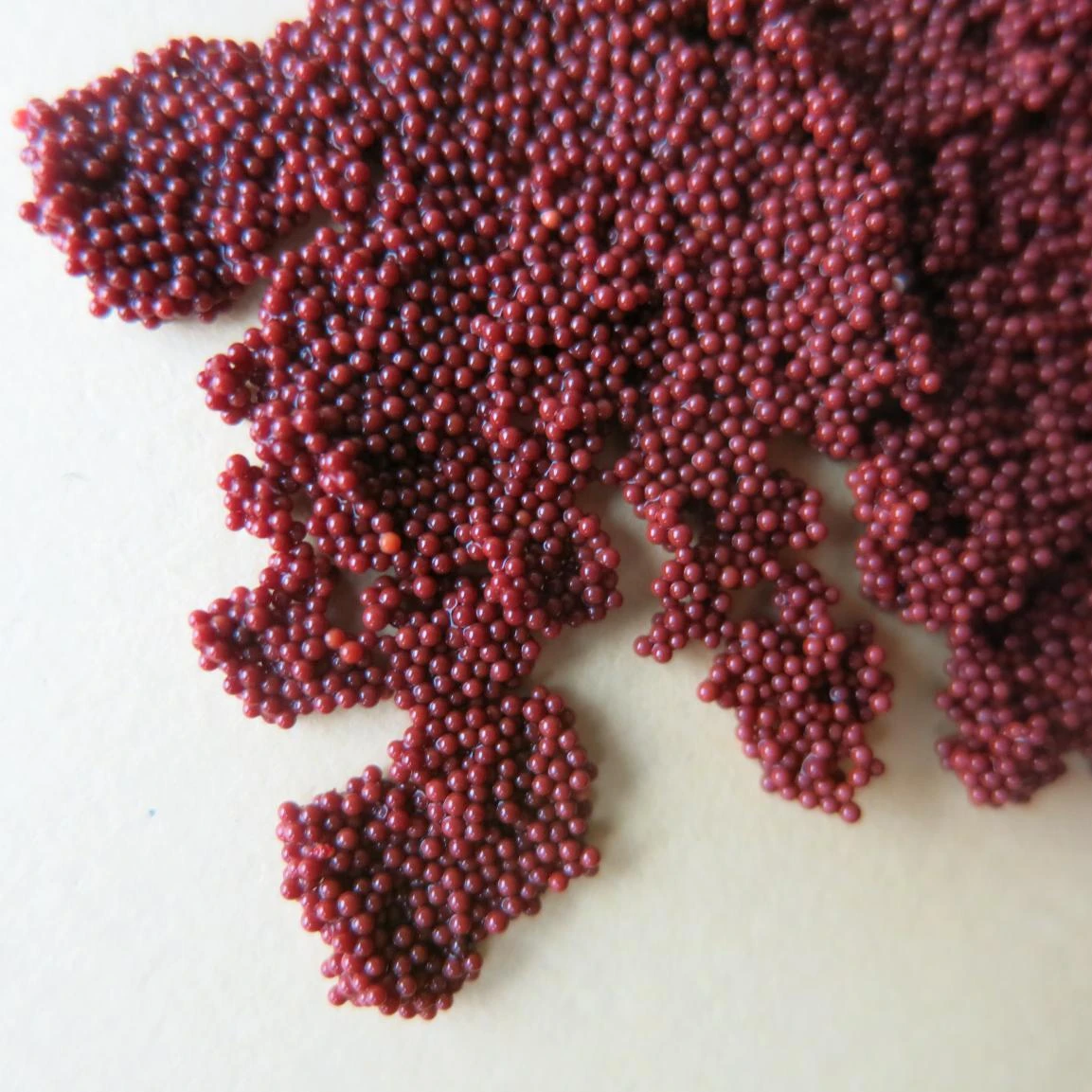
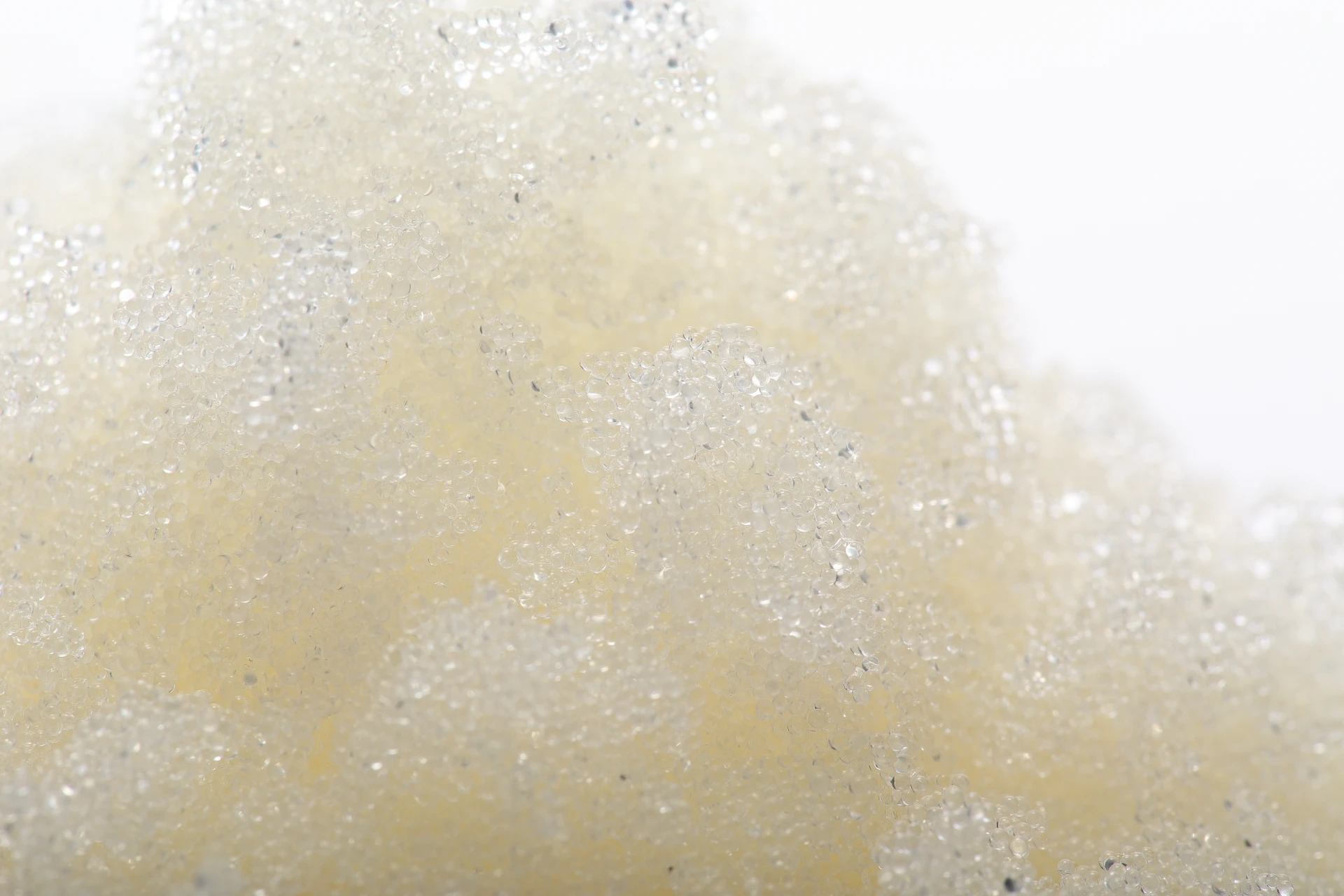
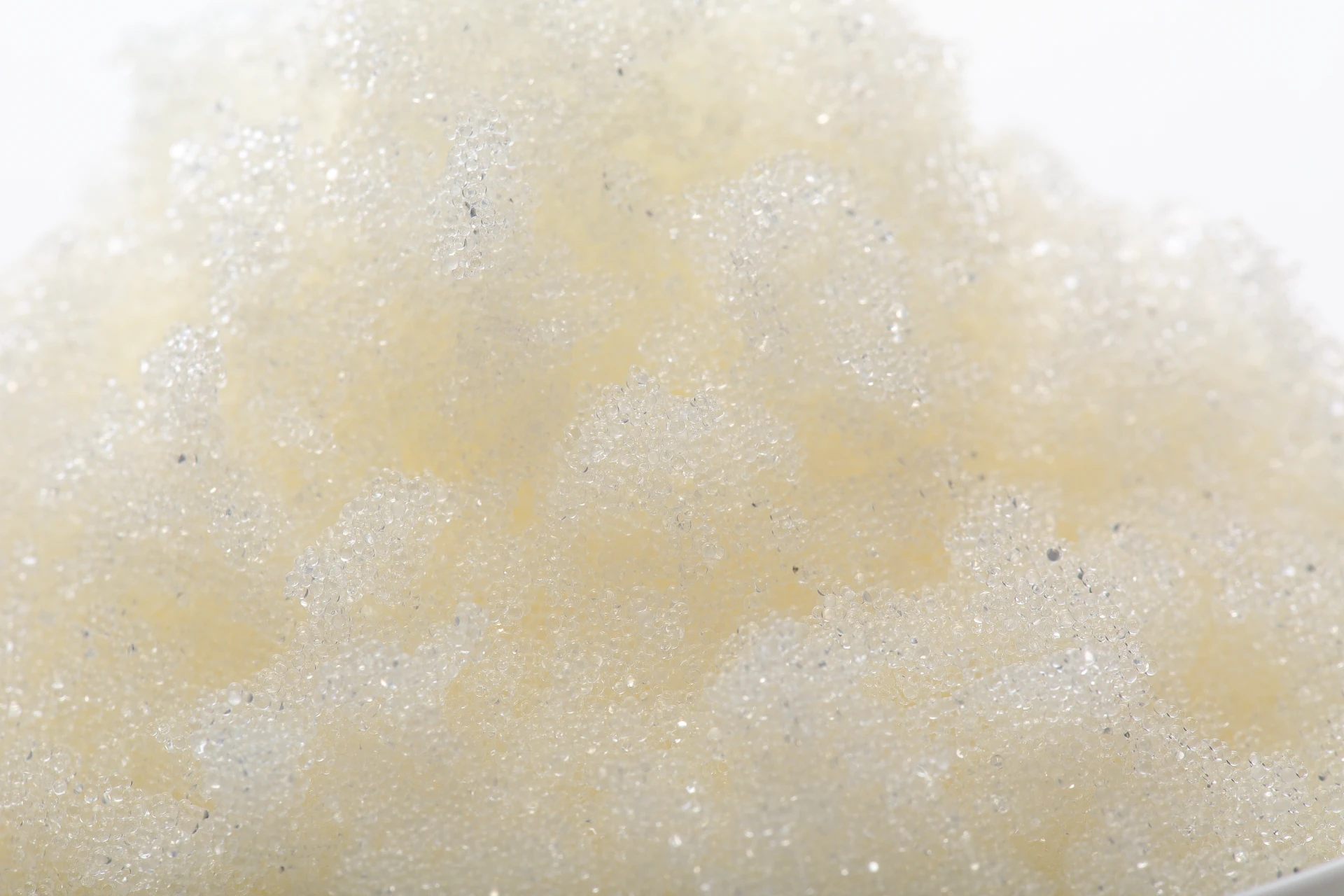
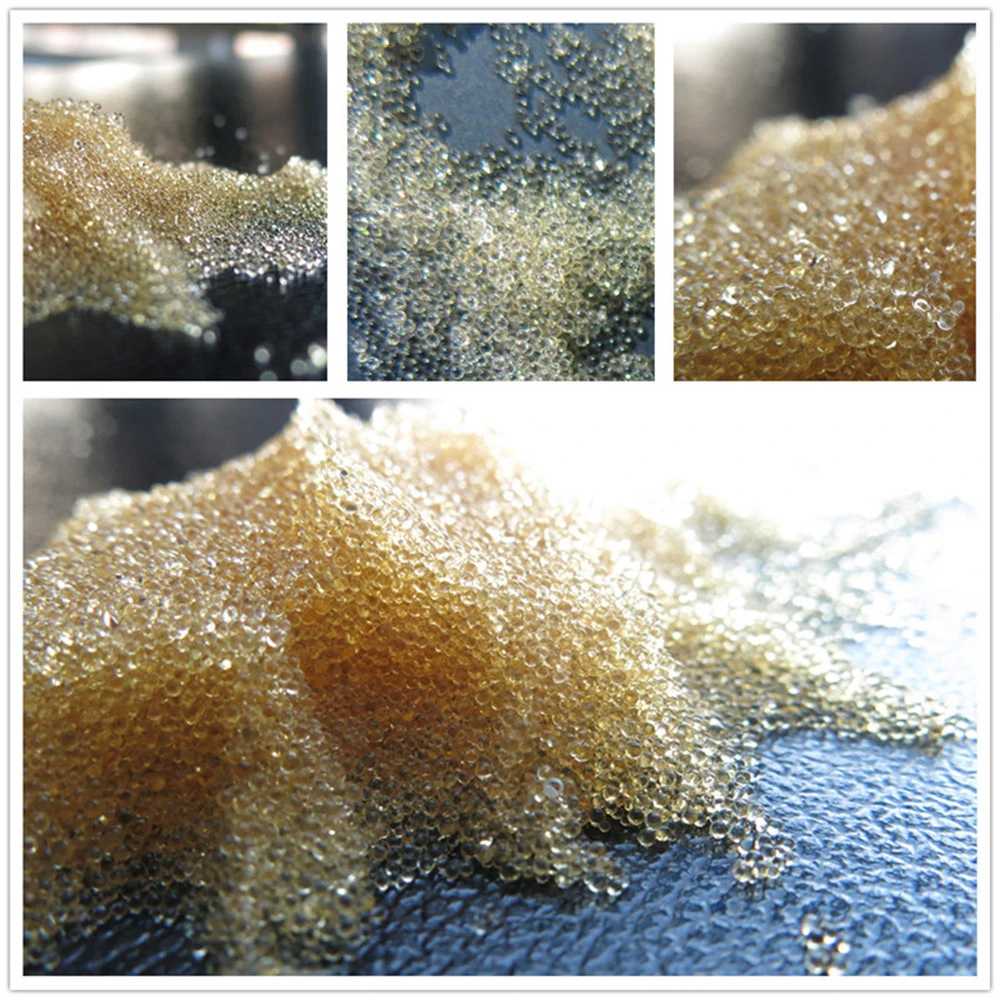
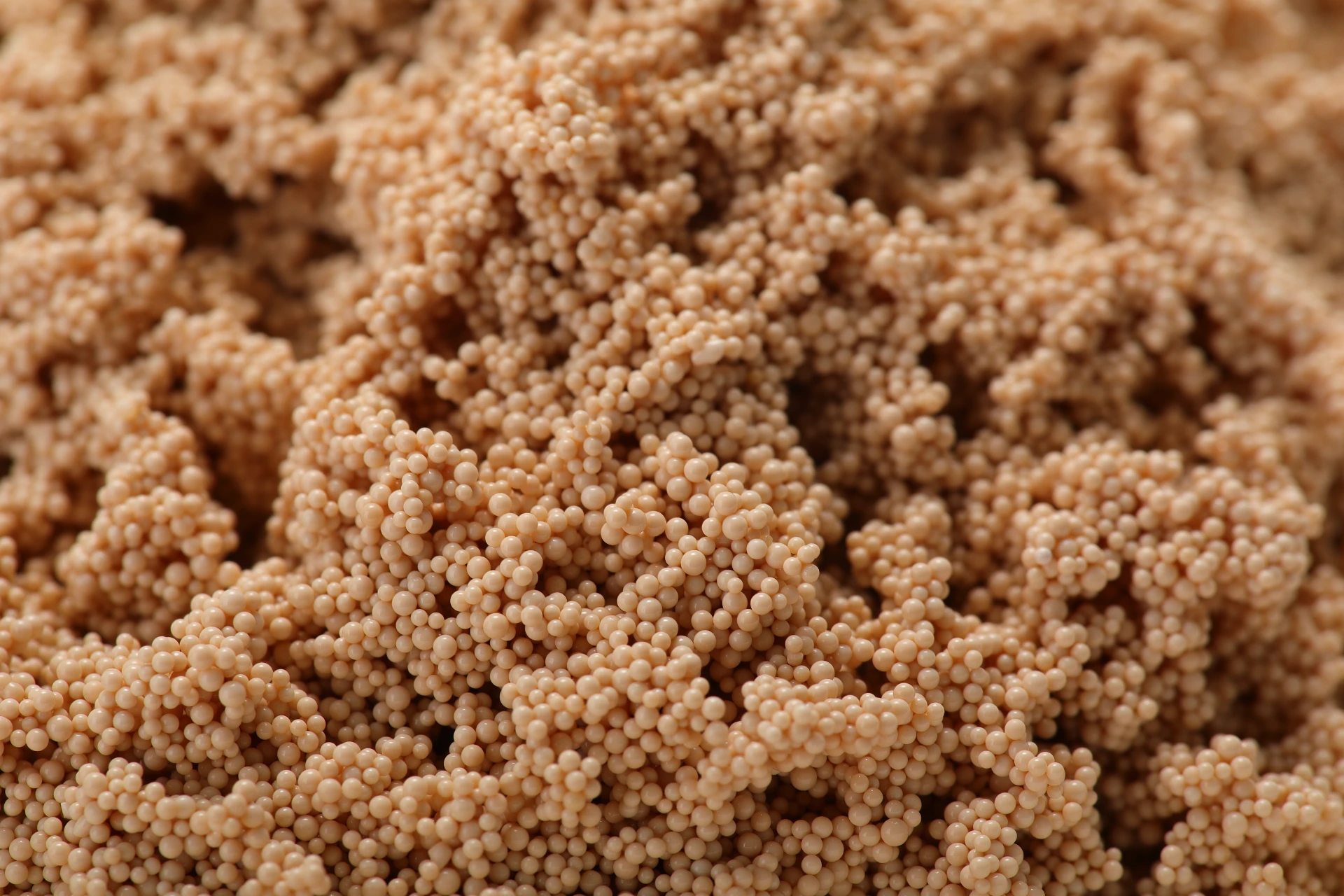
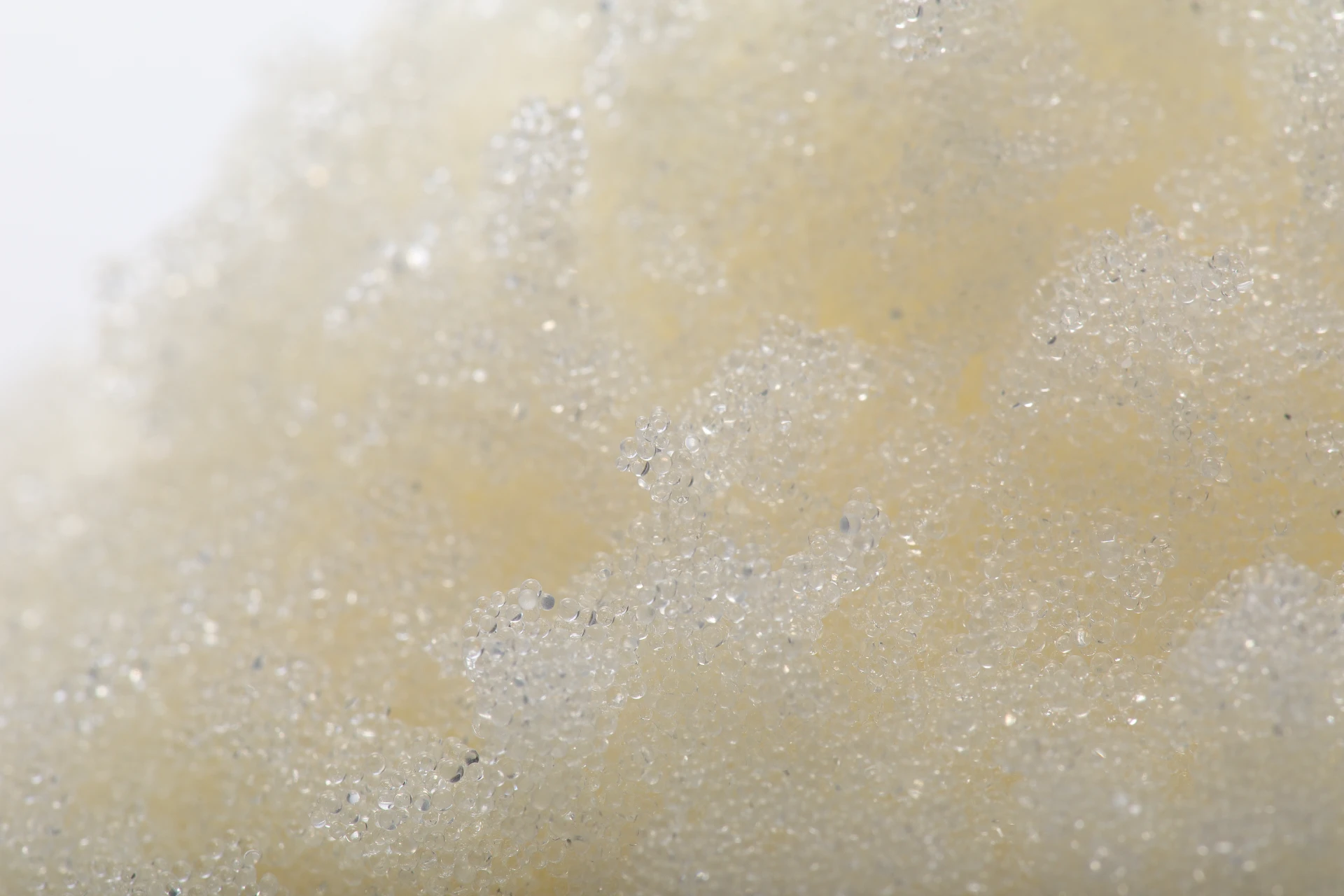
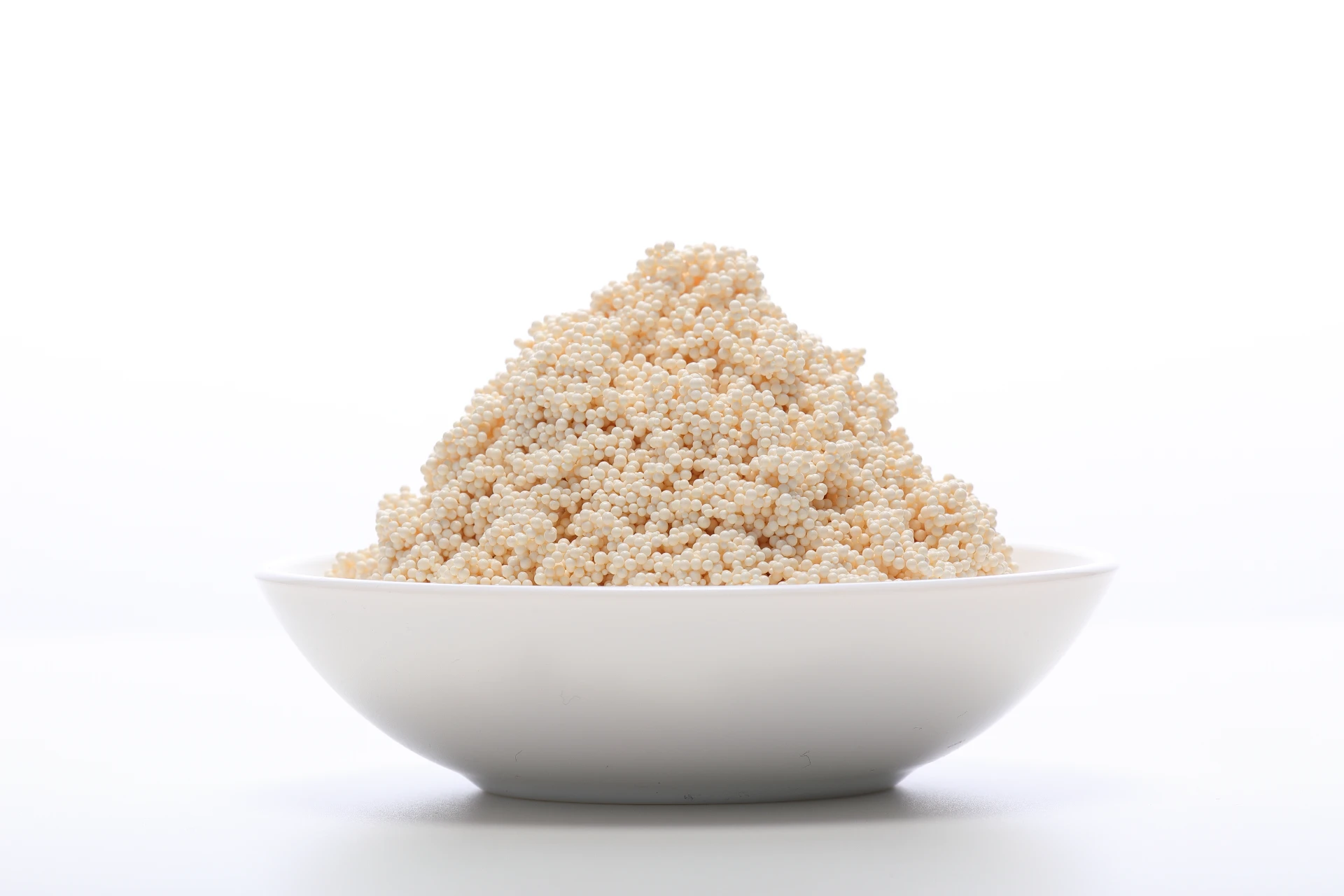
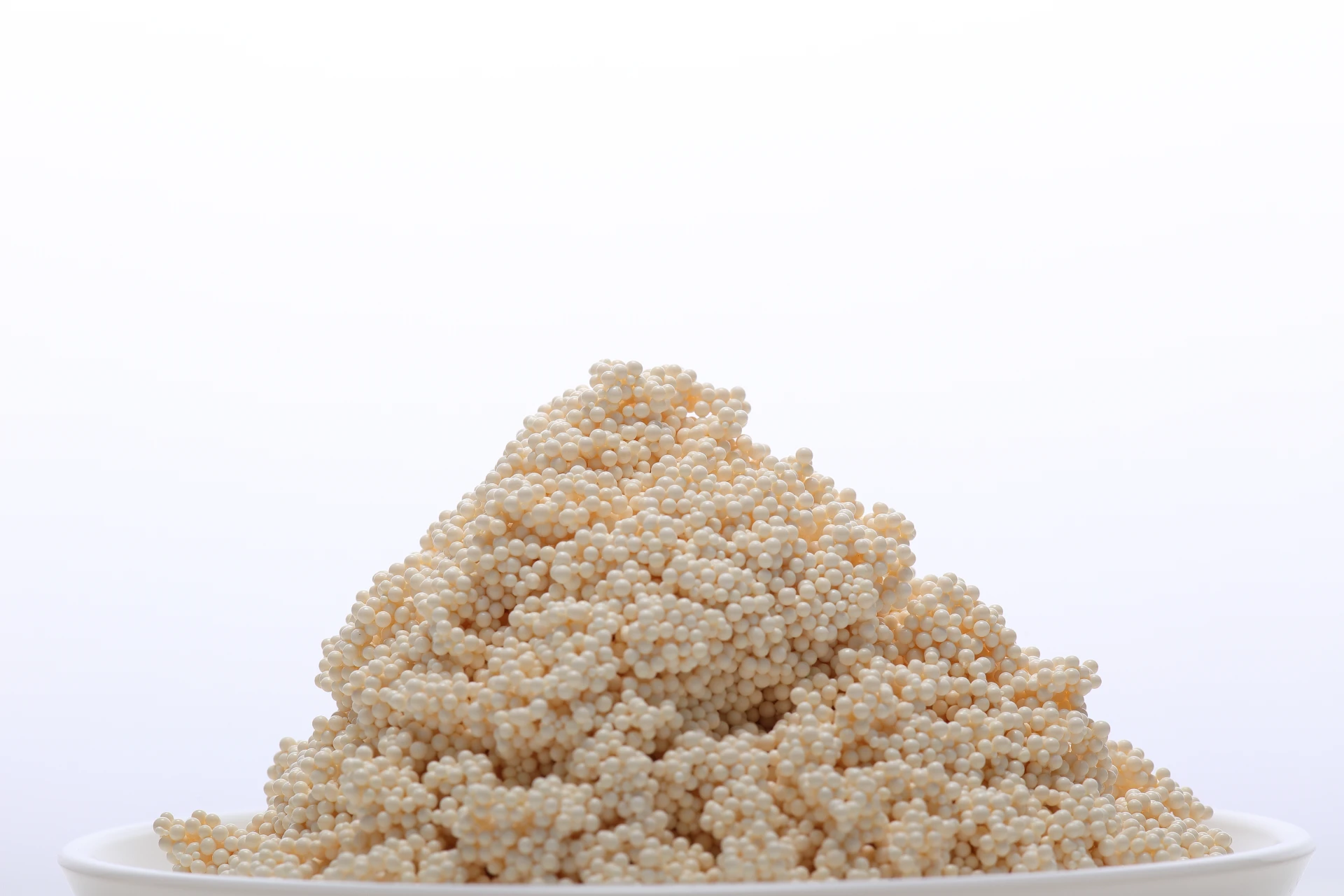
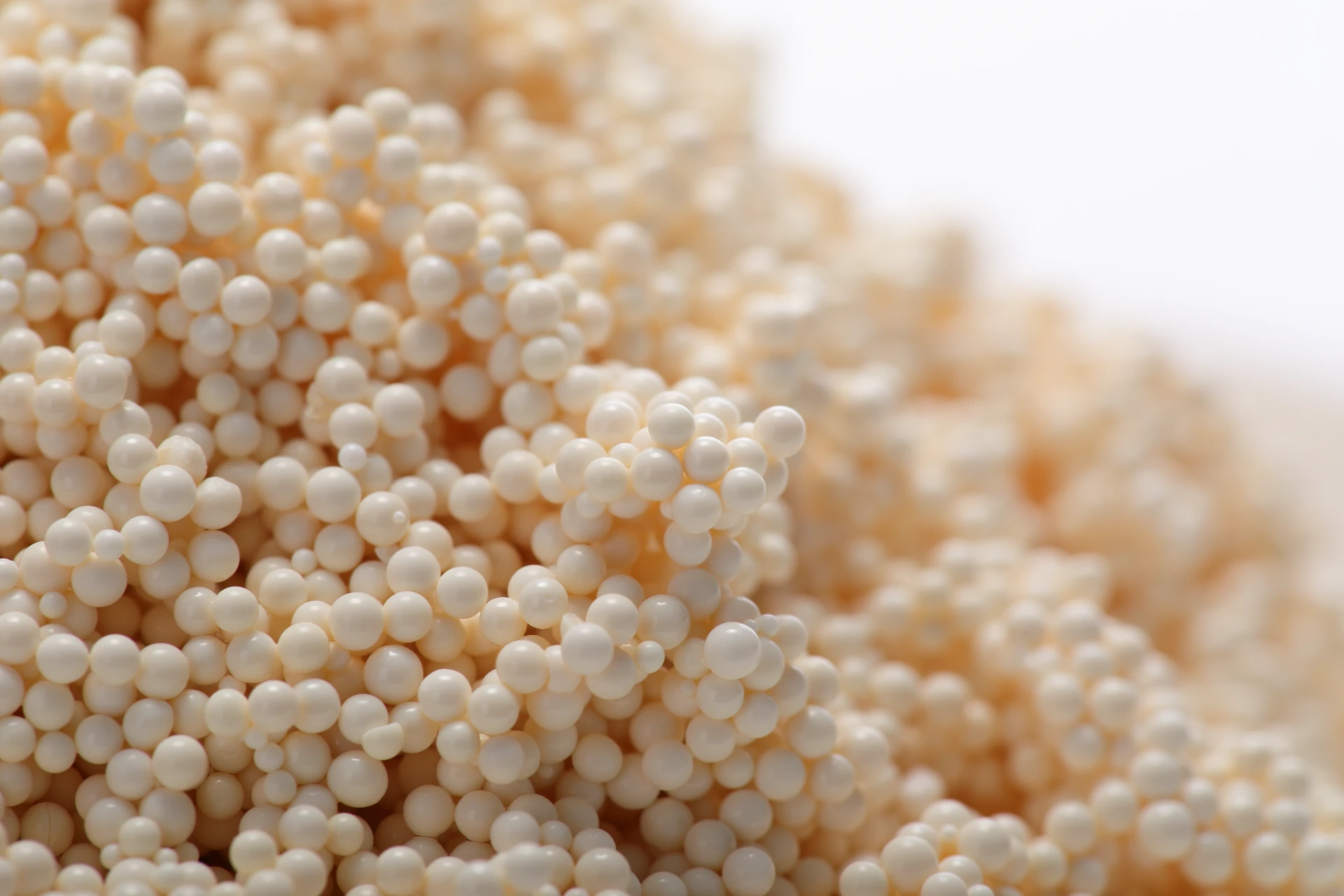
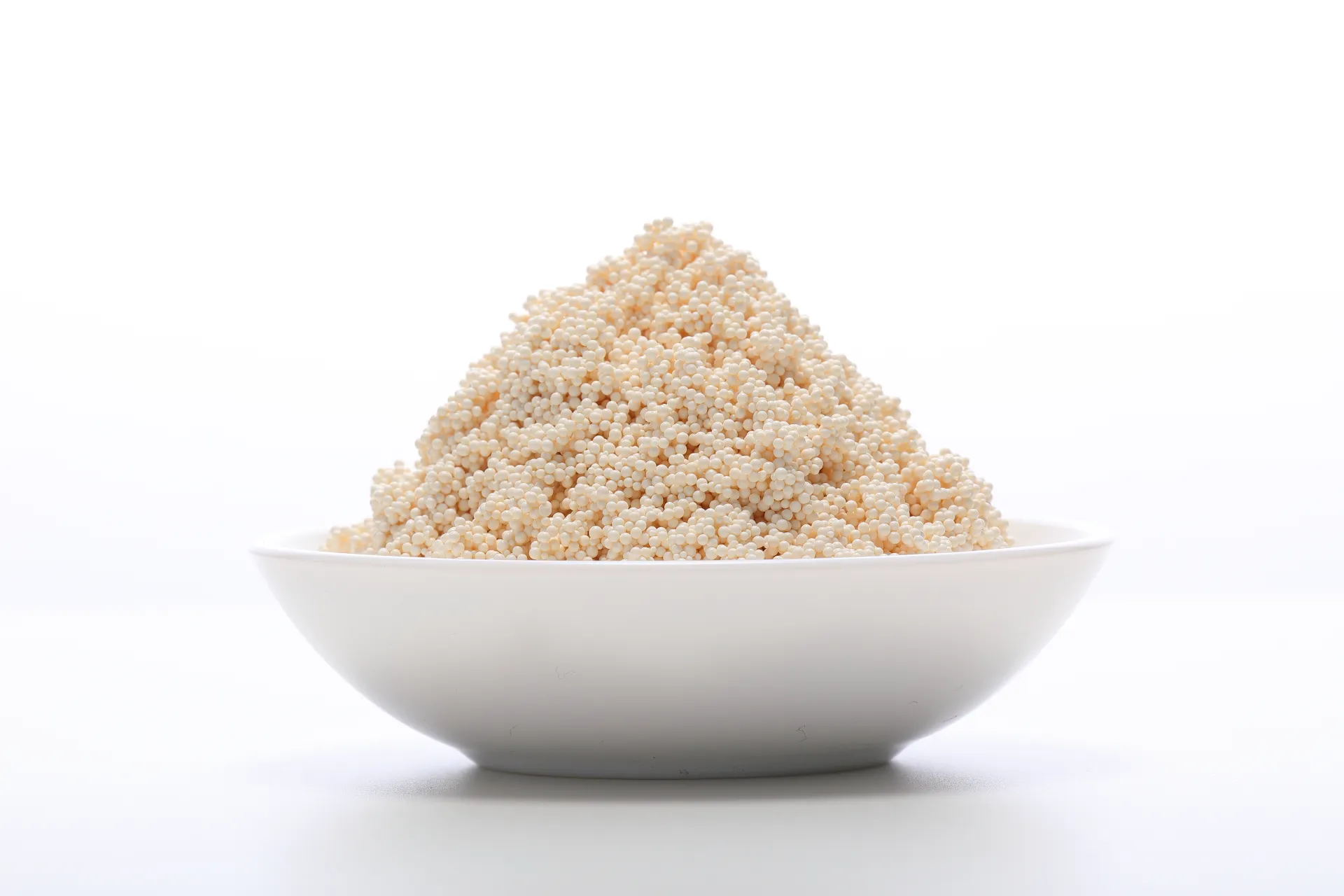
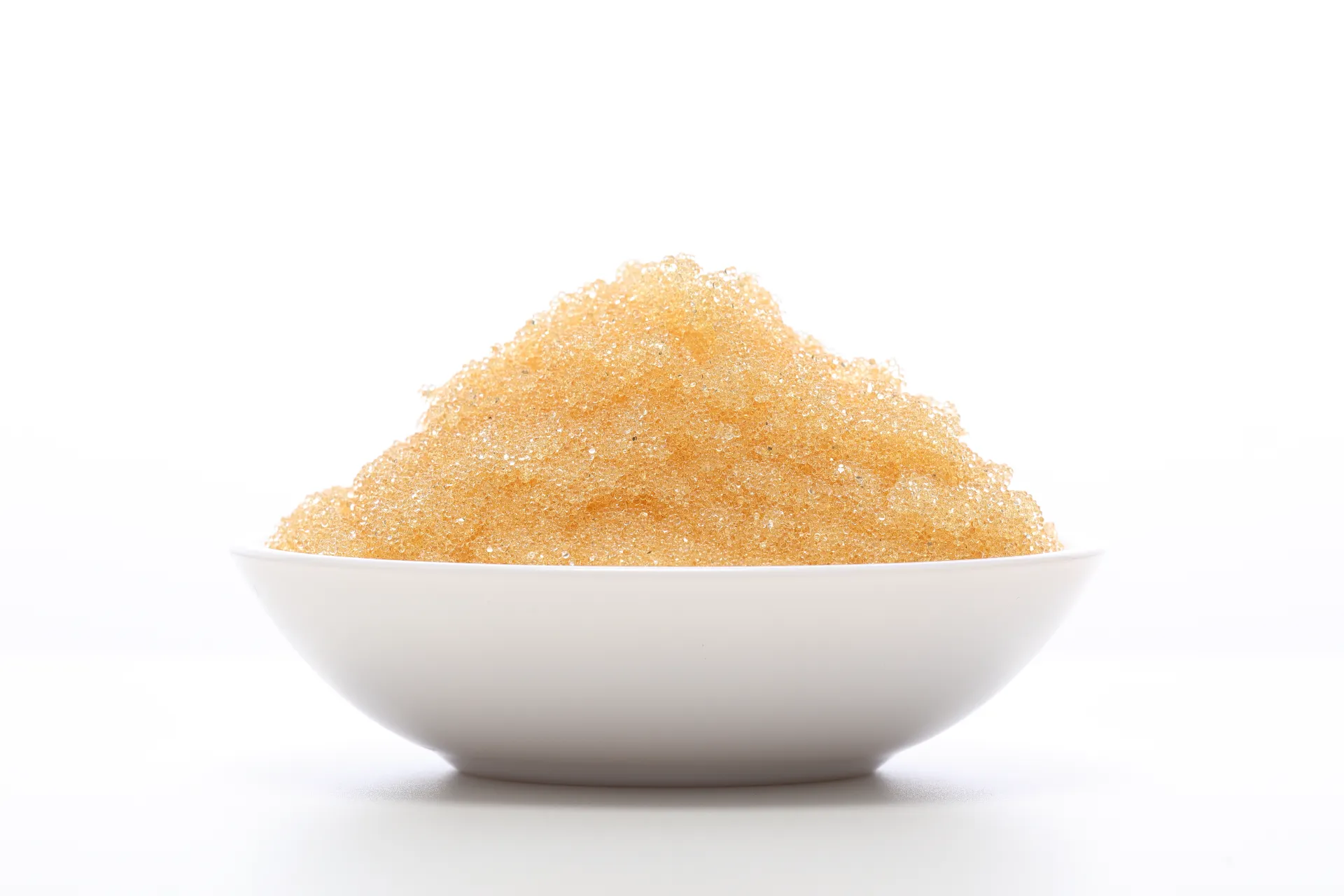
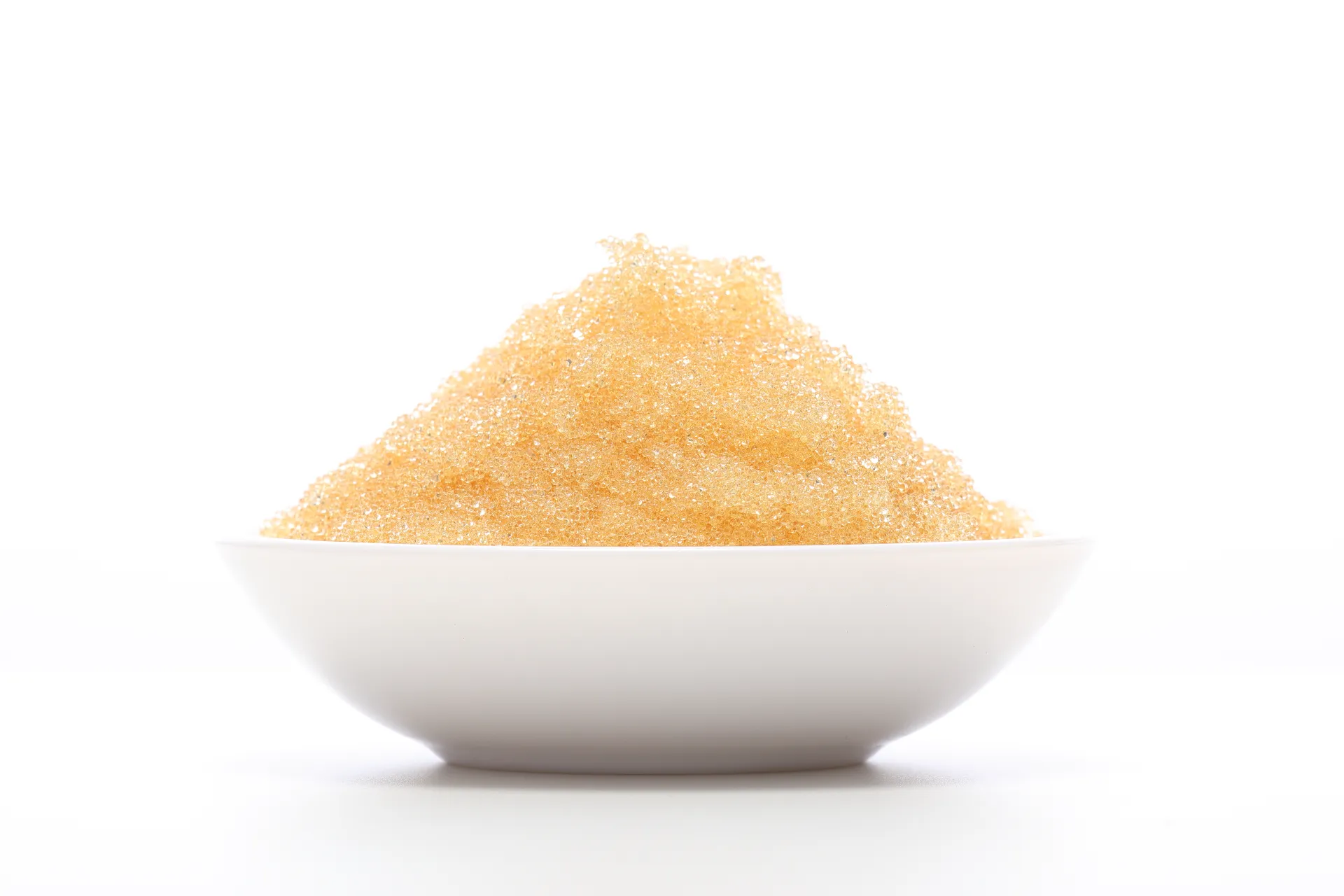
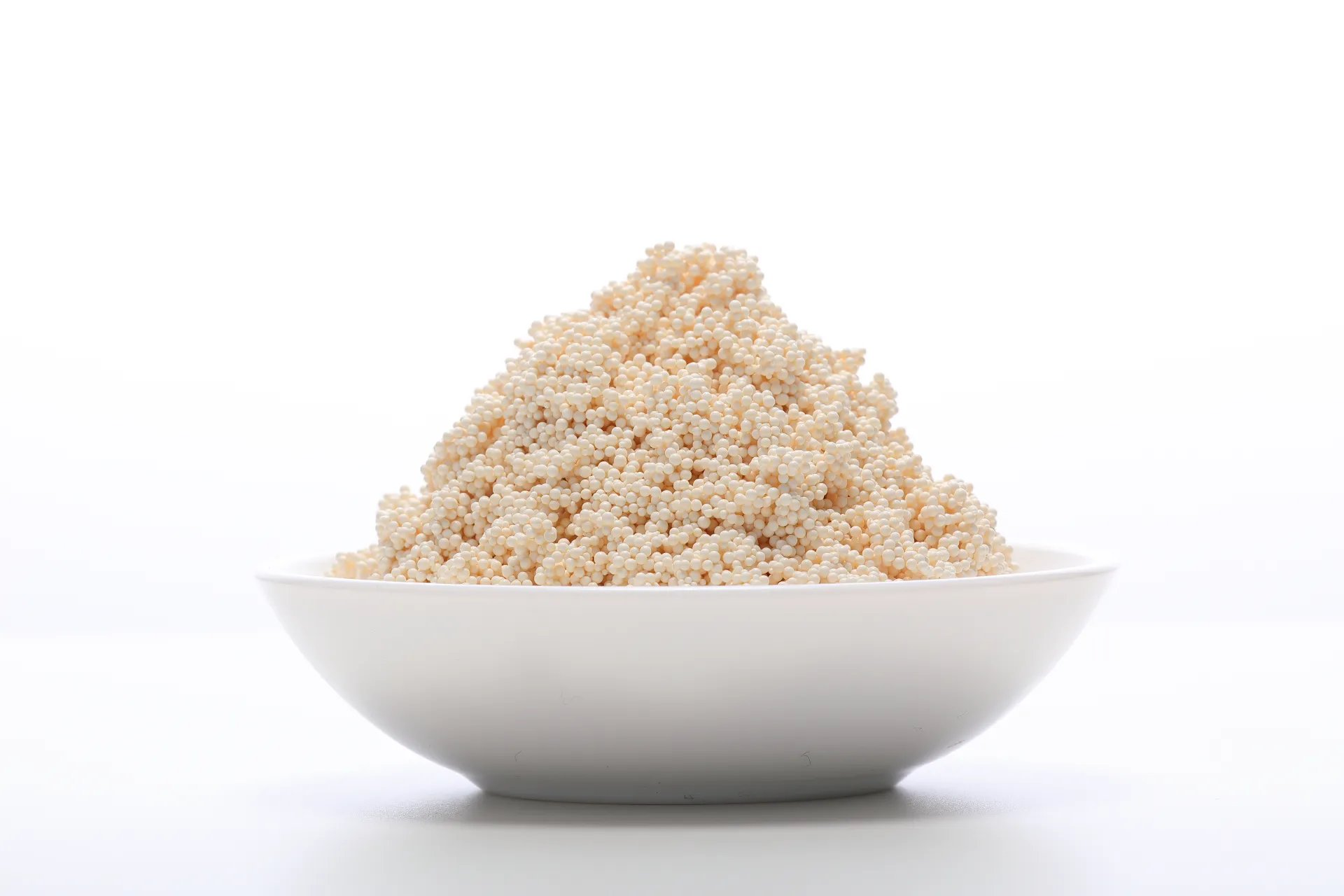
At its core, ion exchange is a reversible process where unwanted ions are removed from a solution and replaced with less objectionable ions. This happens when water passes through a bed of specially manufactured resins – tiny plastic beads – that are electrically charged. These resins attract ions of the opposite charge, effectively swapping them. For example, in water softening, calcium and magnesium ions (which cause hardness) are replaced with sodium or potassium ions. The efficiency of this process relies on factors like resin type, flow rate, and water temperature. Liji Resin specializes in crafting high-performance resins to optimize this crucial exchange.
Key Benefits of Ion Exchange: Highly effective at removing specific contaminants, reversible process allowing for resin regeneration, adaptable to a wide range of water types and applications.
The versatility of ion exchange makes it invaluable across various water treatment scenarios. It's widely used for water softening, removing heavy metals like lead and mercury, demineralization for producing ultra-pure water (critical in industries like pharmaceuticals and electronics), nitrate removal, and even radioactive waste treatment. Specific resins are designed to target particular contaminants, offering tailored solutions. This makes ion exchange a crucial component of both residential and industrial water purification systems.
Common Ion Exchange Applications:
• Water Softening (Calcium & Magnesium removal)
• Demineralization (Total Dissolved Solids removal)
• Heavy Metal Removal (Lead, Mercury, Cadmium)
• Nitrate Removal
Ion exchange resins come in various forms, each suited for specific applications. Strong Acid Cation (SAC) resins are used to remove positively charged ions (cations) and are highly effective across a broad pH range. Weak Acid Cation (WAC) resins are more selective and are often used for softening and dealkalization. Strong Base Anion (SBA) resins remove negatively charged ions (anions) like nitrates and chlorides, while Weak Base Anion (WBA) resins are used for removing organic acids. Liji Resin offers a comprehensive range of resins tailored to meet diverse water treatment challenges.
Liji Resin is a leading manufacturer of high-quality ion exchange resins. We offer a diverse portfolio of resins to address a wide range of water treatment applications. Our resins are known for their high capacity, excellent selectivity, and long-lasting performance. We also provide expert technical support to help you select the right resin for your specific needs and optimize your water treatment processes.
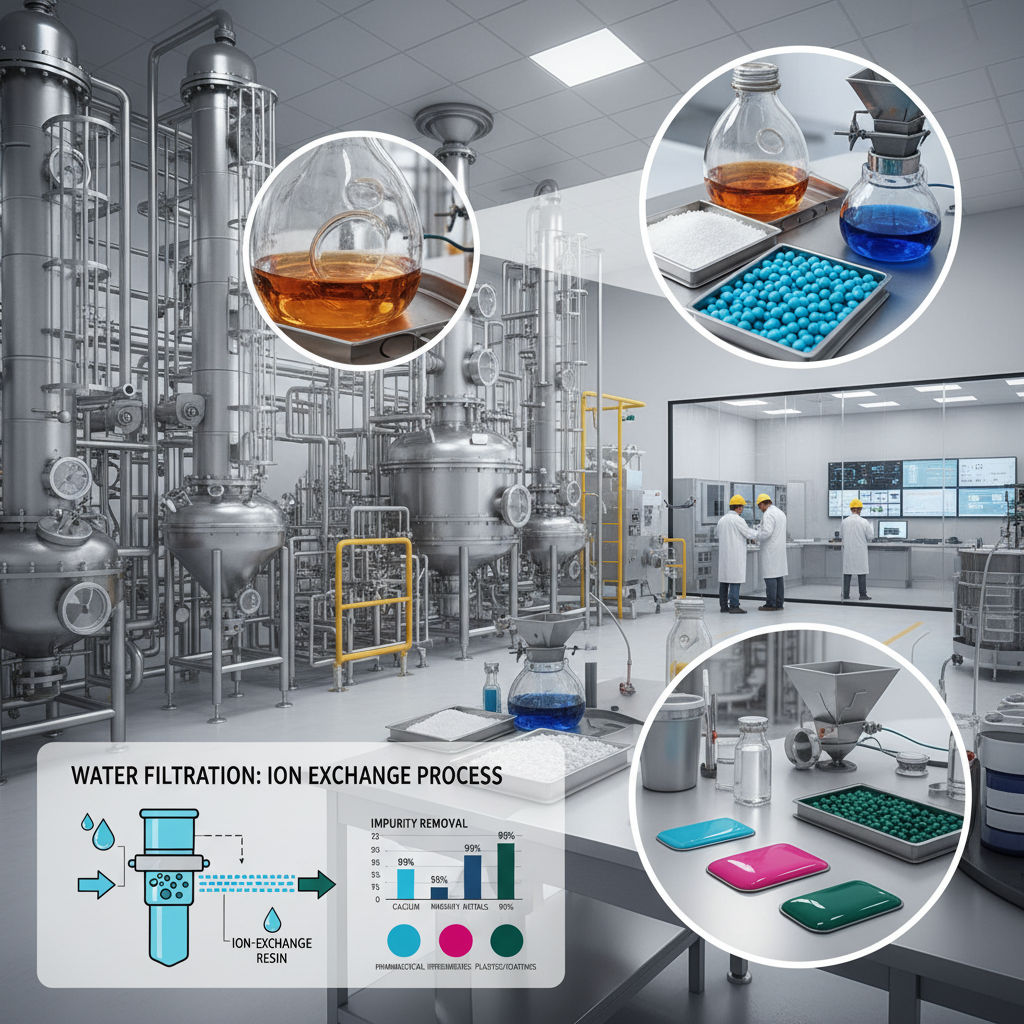
Ion exchange is a vital technology for achieving clean and safe water. Liji Resin provides the high-performance resins and expert support you need to optimize your water treatment processes. Contact us today to learn more about how we can help you achieve your water quality goals.
The frequency of regeneration depends on several factors, including the water hardness, resin capacity, and flow rate. Generally, resins are regenerated when they become exhausted, meaning they can no longer effectively remove target ions. This is monitored using water quality tests or automated control systems. A typical household water softener might require regeneration every few days or weeks. Industrial systems might regenerate daily or even continuously, depending on the demands. Using a high-quality resin like those from Liji Resin can extend the time between regenerations, reducing water and chemical usage.
Regeneration typically involves using a brine solution (saltwater), which generates a wastewater stream containing high levels of salt. While this can be an environmental concern, several strategies can minimize the impact. Optimizing resin efficiency and regeneration frequency reduces brine usage. Some systems incorporate brine recovery or reuse technologies. Liji Resin is continuously developing resins that require lower salt concentrations for regeneration, contributing to more sustainable water treatment practices.
Ion exchange resins primarily target dissolved ions, not bacteria or viruses. While some larger microorganisms might be physically trapped within the resin matrix, this isn't their primary function. For disinfection and removal of pathogens, additional treatment methods like UV sterilization or chlorination are necessary. Ion exchange can, however, remove substances that support bacterial growth, contributing to improved water quality.
Selecting the correct resin depends on the specific contaminants you need to remove, the water's pH and temperature, and the desired water quality. Consider the type of ions present in your water, their concentration, and any other treatment processes involved. Liji Resin offers expert consultation to help you assess your needs and choose the optimal resin for your application. We also provide detailed product specifications and technical data sheets.